
Updated planning guide for 2026, 2027
Ultimate Cheetah Safari in Tanzania: Your Expert Guide to Witnessing the World's Fastest Land Animal
Discover the thrill of a cheetah safari in Tanzania with our comprehensive guide. Learn where and when to find these magnificent predators, plan your perfect safari itinerary, and get essential travel tips from local experts.
WhatsApp +255616946642 | info@topguideadventures.com | topguideadventures@gmail.com
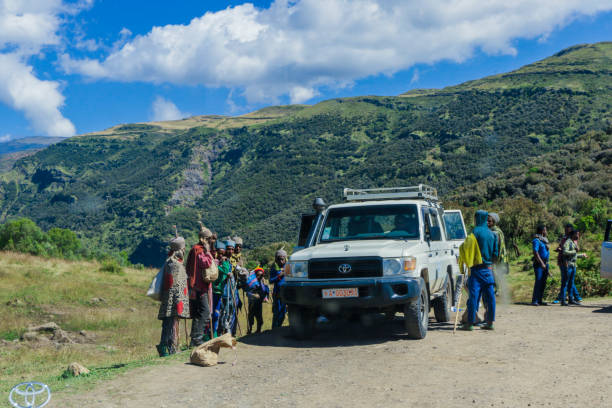
Embark on an Unforgettable Cheetah Safari in Tanzania
Tanzania, a land synonymous with breathtaking wildlife encounters, offers some of the most unparalleled safari experiences on Earth. Among its many natural wonders, the chance to witness the cheetah, the planet’s fastest land animal, in its natural habitat is a truly magical prospect. A cheetah safari in Tanzania is more than just a trip; it’s an immersion into the raw beauty and dynamic ecosystems where these elegant predators reign supreme. Whether you dream of seeing a cheetah in full sprint, observing a mother guiding her cubs, or simply capturing that iconic, sleek silhouette against the vast African savanna, Tanzania delivers.
As a leading Tanzania tour operator, we specialize in crafting bespoke safari adventures that bring you face-to-face with Africa’s most iconic wildlife. Our expertise lies in understanding the intricate behaviors of animals like the cheetah, knowing their preferred territories, and timing your safari for the highest chances of observation. This guide is designed to equip you with everything you need to plan your ultimate cheetah safari in Tanzania, from selecting the best parks and the ideal time to visit, to understanding what to expect and how to make the most of this extraordinary journey. Prepare to be captivated by the speed, grace, and resilience of the cheetah.
Why Choose Tanzania for Your Cheetah Safari?
Tanzania is a premier destination for wildlife enthusiasts, and for good reason. Its vast protected areas, including world-renowned national parks and conservation areas, harbor an incredible diversity of fauna. When it comes to cheetahs, Tanzania stands out due to several key factors:
- Abundant Prey Base: Cheetahs rely on medium-sized antelopes like gazelles and impalas for sustenance. Tanzania’s savannas are teeming with these prey animals, providing a consistent food source that supports healthy cheetah populations.
- Ideal Habitat: Cheetahs prefer open grasslands and savannas, with scattered bushes and trees for cover and vantage points. Tanzania’s iconic landscapes, particularly the Serengeti Plains, offer precisely this type of environment, allowing for both hunting and excellent visibility for spotting these animals.
- Conservation Efforts: Tanzania has a strong commitment to wildlife conservation, with well-managed national parks and reserves. These protected areas ensure that cheetah populations can thrive with minimal human interference.
- Exceptional Viewing Opportunities: While cheetahs can be elusive, Tanzania’s parks are known for providing some of the best opportunities globally to see them. Their preference for open terrain in areas like the Serengeti makes them more visible than in denser habitats.
- The Great Migration: While the Great Migration is primarily known for wildebeest and zebras, the massive influx of herbivores attracts predators, including cheetahs, to areas where they can be more readily observed.
The Majestic Cheetah: Speed, Grace, and Survival
The cheetah (Acinonyx jubatus) is an evolutionary marvel. Its slender, long-legged body, deep chest, and flexible spine are adaptations for incredible speed, reaching up to 110 km/h (70 mph) in short bursts. Unlike other big cats, cheetahs have semi-retractable claws that provide traction during high-speed chases, and a long tail that acts as a rudder for balance. Their distinctive “tear marks” running from the eyes to the mouth help reduce glare from the sun, aiding in hunting during daylight hours.
Cheetahs are primarily diurnal hunters, often active in the cooler hours of the early morning and late afternoon. They hunt by spotting prey from a distance, stalking close, and then exploding into a breathtaking chase. Unlike lions or leopards, cheetahs typically kill their prey by tripping it with a forepaw and then suffocating it with a bite to the throat. They are also known for their relatively shy nature and often lose their kills to larger predators like lions and hyenas, highlighting the constant challenges they face in the wild.
Best Places for a Cheetah Safari in Tanzania
While cheetahs can be found in various parts of Tanzania, certain national parks and conservation areas offer significantly higher chances of sightings due to their habitat and prey density. Planning your cheetah safari in Tanzania around these prime locations is crucial for a successful wildlife viewing experience.
Serengeti National Park: The Crown Jewel
The Serengeti is arguably the most famous wildlife destination in the world, and it is also one of the best places to see cheetahs. Its vast, open plains, acacia-dotted savannas, and kopjes (rocky outcrops) provide the perfect hunting ground and vantage points for these cats.
- Central Serengeti (Seronera Valley): This area is renowned for its resident predators year-round, including cheetahs. The abundance of prey, particularly gazelles, makes it a reliable spot. Cheetahs here are often seen hunting in the open grasslands or resting on termite mounds.
- Western Serengeti: During the migration season, when the wildebeest and zebras move west, cheetahs follow, increasing their visibility.
- Northern Serengeti: Along the Mara River, cheetahs can be spotted patrolling the plains, especially during the latter half of the year when the migration is in the north.
The sheer size of the Serengeti means that cheetahs are spread out, but their habit of using elevated spots like kopjes or termite mounds often makes them easier to spot from a distance in the open landscape.
Masai Mara National Reserve (Kenya) – Often combined with Serengeti
While technically in Kenya, the Masai Mara is geographically contiguous with the Serengeti and forms part of the same ecosystem. Many Tanzania itineraries incorporate a cross-border visit or focus on the Tanzanian side of this vast ecosystem. Cheetah sightings are excellent here, with open grasslands providing prime hunting territory.
Ruaha National Park: A Wild Frontier
Ruaha is Tanzania’s largest national park and offers a more wild and less crowded safari experience. It boasts a significant cheetah population, thriving on the abundant antelopes and other prey. The landscape is more rugged than the Serengeti, with miombo woodlands, rocky hills, and the Great Ruaha River. Cheetahs here are often seen in the more open areas and along the riverbanks.
- Predator Haven: Ruaha is known for its high concentration of predators, including lions, wild dogs, and cheetahs.
- Off-the-Beaten-Path: For travelers seeking a less touristy experience, Ruaha is an excellent choice.
Nyerere National Park (formerly Selous Game Reserve): Diverse Habitats
Nyerere National Park, one of the largest game reserves in Africa, offers a diverse range of habitats, from miombo woodlands to open plains and riverine forests. This diversity supports a healthy cheetah population. While sightings might be slightly less frequent than in the Serengeti’s prime cheetah areas, the sheer scale of Nyerere and its varied terrain make it a rewarding destination.
- Boat Safaris: Unique to Nyerere, boat safaris along the Rufiji River offer a different perspective on wildlife, and cheetahs can sometimes be seen near the water sources.
- Walking Safaris: Offered in certain areas, walking safaris provide an intimate connection with the bush, and can sometimes lead to unexpected cheetah encounters.
Other Potential Locations
While less renowned for cheetah sightings, other parks like Tarangire National Park (known for its large elephant herds and baobab trees) can also occasionally host cheetahs, especially during the dry season when animals congregate around water sources.
Best Time for a Cheetah Safari in Tanzania
The timing of your safari can significantly impact your chances of seeing cheetahs. While cheetahs are present year-round, certain periods offer better visibility and opportunities.
The Dry Season (June to October): Prime Viewing
This is generally considered the best time for a cheetah safari in Tanzania for several reasons:
- Concentration of Wildlife: As water sources become scarce, animals, including cheetahs and their prey, congregate around the remaining waterholes and rivers. This makes them easier to find.
- Vegetation Cover: The vegetation thins out during the dry season, reducing cover for both prey and predators. This makes spotting animals, especially in open grasslands, much easier.
- The Great Migration: The dry season is when the Great Migration is often in the western and northern Serengeti, attracting predators.
Specific Months:
- June – September: Excellent for general wildlife viewing and cheetah sightings, particularly in the Serengeti. The weather is pleasant with cooler temperatures.
- July – October: The peak of the dry season. This is when the migration is typically in the northern Serengeti, and cheetah sightings are often excellent along the river systems and plains.
The Wet Season (November to May): Greener Landscapes, Fewer Crowds
The wet season offers a different, yet equally rewarding, safari experience. While cheetah sightings might be slightly more challenging due to thicker vegetation, there are advantages:
- Calving Season: The short rains in November and December often coincide with the calving season for wildebeest and zebras in the Serengeti, leading to increased predator activity.
- Lush Scenery: The landscape transforms into a vibrant green, offering spectacular photographic opportunities.
- Fewer Tourists: This is the low season, meaning fewer crowds and potentially lower prices for accommodations and tours.
- Birdwatching: Migratory birds arrive, making it a fantastic time for bird enthusiasts.
Specific Months:
- November – December: The “short rains.” The landscape becomes green, and the migration often moves into the southern Serengeti for calving. Cheetahs can be seen hunting the newborns.
- January – March: This period can be dry in some parts of the Serengeti (especially the southern plains) for the wildebeest calving, offering good predator viewing. However, it can also be a period of heavier rains in other regions.
- April – May: The “long rains.” Vegetation is very thick, and some roads might become impassable. Sightings can be more challenging, and it’s generally not the prime time for a dedicated cheetah safari.
Planning for 2026 and 2027
When planning your cheetah safari in Tanzania for 2026 or 2027, consider booking well in advance, especially if you aim for the peak dry season (June-October). This ensures availability of preferred accommodations and safari vehicles, and allows us to tailor the perfect itinerary for your needs. The migration patterns are generally predictable, but minor variations can occur year-to-year. We closely monitor these patterns to advise our clients on the best timing and locations.
Crafting Your Cheetah Safari Itinerary
A well-structured itinerary is key to maximizing your chances of seeing cheetahs and experiencing the best of Tanzania’s wildlife. We specialize in creating custom itineraries, but here is a sample itinerary that focuses on prime cheetah viewing areas.
Sample 8-Day Serengeti & Central Tanzania Cheetah Safari
This itinerary focuses on the Serengeti, with potential extensions to other parks. This is a guide, and we can customize it extensively.
Day 1: Arrival in Arusha & Safari Briefing
- Arrive at Kilimanjaro International Airport (JRO).
- Meet your guide and transfer to your comfortable lodge in Arusha.
- Receive a detailed safari briefing and discuss your expectations for the cheetah safari.
- Overnight in Arusha.
Day 2: Fly to Serengeti National Park (Seronera Valley)
- After breakfast, transfer to Arusha Airport for a scenic bush flight to the Serengeti’s Seronera Airstrip.
- Meet your dedicated safari vehicle and guide upon arrival.
- Begin your first game drive en route to your lodge/camp in the central Serengeti.
- The Seronera Valley is renowned for its resident predators, offering excellent chances for cheetah sightings.
- Afternoon game drive exploring the area.
- Overnight in the central Serengeti.
Day 3: Full Day Exploring Central Serengeti
- Full day dedicated to game drives in the Serengeti, focusing on the Seronera Valley and surrounding areas.
- Search for cheetahs on the open plains, often seen resting on termite mounds or hunting gazelles.
- Look for other predators like lions, leopards, and hyenas.
- Enjoy a picnic lunch in the bush.
- Optional: Hot air balloon safari at sunrise for a breathtaking aerial perspective of the plains and wildlife (highly recommended for cheetah spotting from above).
- Overnight in the central Serengeti.
Day 4: Serengeti – Exploring Kopjes and Plains
- Morning game drive focusing on the famous kopjes, which often attract predators seeking shade or vantage points.
- Continue searching for cheetahs, keeping an eye on the vast grasslands.
- Afternoon game drive, potentially exploring different sectors of the central Serengeti based on recent wildlife movements.
- Overnight in the central Serengeti.
Day 5: Fly to Ruaha National Park (Optional Extension)
- After a final morning game drive in the Serengeti, take a bush flight from Seronera to Mbeya, then connect to Ruaha National Park (JRO-MWZ via MBI/JRO). This is a longer travel day, but offers access to a different ecosystem.
- Upon arrival in Ruaha, meet your guide and transfer to your lodge/camp.
- Afternoon game drive in Ruaha, known for its rugged beauty and large predator population.
- Overnight in Ruaha National Park.
Day 6: Full Day Exploring Ruaha National Park
- Full day of game drives in Ruaha, focusing on its diverse landscapes and wildlife.
- Ruaha is home to a healthy cheetah population, often seen in the more open areas.
- Explore the Great Ruaha River and its surroundings, which attract a variety of wildlife.
- Overnight in Ruaha National Park.
Day 7: Fly Back to Arusha
- Enjoy a final morning game drive in Ruaha.
- Transfer to the airstrip for your flight back to Arusha.
- Upon arrival in Arusha, you will be transferred to your hotel.
- Optional: Visit the local craft markets or relax.
- Overnight in Arusha.
Day 8: Departure
- After breakfast, transfer to Kilimanjaro International Airport (JRO) for your onward flight.
Note: This itinerary can be modified. For instance, you could spend more days in the Serengeti, explore the Northern or Western Serengeti, or combine it with other parks like Tarangire or the Ngorongoro Crater (though cheetah sightings are less common in the Crater itself). We can also arrange transfers by road for a more immersive experience, though flights are recommended for maximizing time in the parks.
What to Expect on Your Cheetah Safari
A cheetah safari in Tanzania is an adventure filled with anticipation and moments of pure exhilaration. Here’s what you can typically expect:
- Early Mornings & Late Afternoons: Cheetahs are most active during the cooler parts of the day. Your safari drives will likely start early, just after sunrise, and continue until sunset.
- The Thrill of the Chase: While not guaranteed, witnessing a cheetah in pursuit of prey is an unforgettable spectacle. Your guide will be constantly scanning the horizon and communicating with other guides to track potential hunts.
- Observation of Behavior: You’ll have opportunities to observe cheetahs resting, grooming, interacting with cubs, or surveying their territory from elevated positions.
- Patience is Key: Cheetahs are fast, but their hunts are brief and often unsuccessful. Sometimes, spotting a cheetah involves patient observation of the vast plains. Your guide’s expertise in tracking and knowledge of cheetah behavior will be invaluable.
- Predator-Prey Dynamics: You’ll witness the constant interplay between predators and prey. Cheetahs are vulnerable and often have their kills stolen by lions and hyenas, a stark reminder of the harsh realities of the wild.
- Comfortable Safari Vehicles: Our safari vehicles are custom-designed for game viewing, offering open roofs or pop-up tops for unobstructed views and photography. They are equipped with comfortable seating and ample space.
- Experienced Guides: Our guides are passionate about wildlife and possess extensive knowledge of animal behavior, tracking skills, and the best locations for sightings. They are trained to ensure your safety and enhance your safari experience.
What is Typically Included in Your Safari Package?
When you book a safari with us, we aim for transparency and comprehensive service. A typical cheetah safari in Tanzania package includes:
- Accommodation: Lodges or luxury tented camps during your safari.
- Meals: All meals (breakfast, lunch, and dinner) while on safari.
- Park Fees: Entry fees to all national parks and conservation areas visited.
- Game Drives: All game drives in a 4×4 safari vehicle with a professional, English-speaking guide.
- Vehicle: A specialized 4×4 safari vehicle with pop-up roof for game viewing.
- Water: Bottled drinking water in the safari vehicle.
- Transfers: Airport transfers and transfers between locations as per the itinerary.
- Internal Flights: If specified in your itinerary (e.g., Arusha to Serengeti, Serengeti to Ruaha, Ruaha to Arusha).
Exclusions often include:
- International flights
- Visa fees
- Travel insurance
- Optional activities (e.g., hot air balloon safaris, cultural visits)
- Gratuities for guides and lodge staff
- Personal expenses (e.g., laundry, alcoholic beverages)
We will provide a detailed breakdown of inclusions and exclusions for your specific itinerary.
Practical Tips for Your Cheetah Safari
To ensure your cheetah safari in Tanzania is as enjoyable and successful as possible, consider these practical tips:
Packing Essentials:
- Clothing: Lightweight, neutral-colored clothing (khaki, beige, olive green) is best. Avoid bright colors and black/dark blue, which can attract insects. Pack layers for cooler mornings and evenings. Include a light fleece or jacket.
- Footwear: Comfortable walking shoes or hiking boots (if planning any walking safaris) and comfortable sandals or trainers for relaxing at the lodge.
- Sun Protection: Wide-brimmed hat, sunglasses, and high-SPF sunscreen are essential.
- Insect Repellent: Especially important for evenings.
- Camera Gear: Bring extra batteries, memory cards, and a zoom lens for wildlife photography. A beanbag for stabilizing your camera in the vehicle is useful.
- Binoculars: Crucial for spotting wildlife from a distance.
- First-Aid Kit: Include any personal medications, pain relievers, antiseptic wipes, and bandages.
- Power Adapter: Tanzania uses Type G sockets (UK style).
- Reusable Water Bottle: To stay hydrated and minimize plastic waste.
Health and Safety:
- Vaccinations: Consult your doctor or a travel clinic about recommended vaccinations (e.g., Yellow Fever, Hepatitis A, Typhoid) and malaria prophylaxis well in advance of your trip.
- Malaria Prevention: Take anti-malarial medication as prescribed and use insect repellent. Sleep under mosquito nets if provided.
- Water: Drink only bottled or purified water. Avoid ice in drinks unless you are sure it’s made from purified water.
- Sun Exposure: Protect yourself from the strong African sun.
- Wildlife Safety: Always follow your guide’s instructions. Never leave the vehicle when instructed not to, and maintain a safe distance from all wildlife.
Photography Tips:
- Best Light: The “golden hours” around sunrise and sunset offer the best light for photography.
- Be Patient: Wait for the perfect moment. Cheetahs can be active at any time, but early mornings and late afternoons are prime.
- Capture Behavior: Focus on capturing the animal’s actions – hunting, playing, resting, or interacting.
- Wide Shots: Include the landscape in your photos to give context to the animal’s environment.
- Respect Wildlife: Never disturb or provoke animals for a photograph.
Cultural Etiquette:
- Tanzanians are generally warm and welcoming. Dress modestly when visiting local villages or towns.
- Always ask permission before taking photos of people.
- Learning a few basic Swahili phrases like “Jambo” (Hello) and “Asante” (Thank you) is always appreciated.
Who is a Cheetah Safari in Tanzania Suited For?
A cheetah safari in Tanzania is an ideal experience for a wide range of travelers:
- Wildlife Enthusiasts: Anyone with a passion for wildlife, particularly big cats, will find this safari immensely rewarding. The chance to see the fastest land animal in action is a dream come true.
- Photographers: The open landscapes of Tanzania, combined with the photogenic cheetah, offer incredible photographic opportunities. The golden light and dramatic wildlife encounters are a photographer’s paradise.
- Adventure Seekers: While comfortable, a safari is an adventure into the wild. The unpredictable nature of wildlife sightings and the vastness of the parks appeal to those seeking an authentic adventure.
- Families: With proper planning and guidance, a cheetah safari can be an educational and awe-inspiring experience for older children and teenagers, fostering a love for nature and conservation. We can tailor family-friendly itineraries.
- Couples & Honeymooners: A safari offers romance and adventure, with stunning lodges and the thrill of shared wildlife discoveries. It’s a unique way to celebrate a special occasion.
- Travelers Seeking Unique Experiences: If you’re looking for a trip that goes beyond the ordinary, witnessing a cheetah’s incredible speed and grace in its natural environment is an unforgettable highlight.
We cater to various travel styles, from luxury lodges and exclusive camps to more comfortable mid-range options. Whether you prefer a fast-paced, action-packed safari or a more relaxed exploration, we can design an itinerary that perfectly matches your preferences.
Booking Your Cheetah Safari in Tanzania
Ready to embark on the adventure of a lifetime? Booking your cheetah safari in Tanzania with a reputable tour operator is essential for a seamless and memorable experience. As your trusted Tanzania travel partner, we are dedicated to providing exceptional service and unforgettable journeys.
Why Book With Us?
- Expert Local Knowledge: We are based in Tanzania and have an intimate understanding of the parks, wildlife behavior, and the best times to visit.
- Customized Itineraries: We don’t believe in one-size-fits-all. We work closely with you to create a personalized itinerary that meets your interests, budget, and travel style.
- Experienced Guides: Our guides are highly trained, knowledgeable, and passionate about sharing Tanzania’s natural wonders with you.
- Quality Accommodation: We partner with a range of carefully selected lodges and camps, ensuring comfort and excellent service.
- Seamless Logistics: From flights and transfers to park fees and vehicle arrangements, we handle all the details so you can relax and enjoy your safari.
- Commitment to Conservation: We are passionate about sustainable tourism and work with operators who share our commitment to preserving Tanzania’s wildlife and natural heritage.
Planning for 2026/2027 Safaris
The demand for safaris in Tanzania, especially during peak seasons, is high. For the best availability and to secure your preferred lodges and flights for 2026 and 2027 cheetah safaris, we highly recommend booking at least 6-12 months in advance. Early booking allows us to craft the perfect itinerary and ensure all arrangements are made to your satisfaction.
Get Your Custom Safari Quote
We invite you to contact us to discuss your dream cheetah safari. Whether you have a specific itinerary in mind or need guidance on planning, our team is here to help. Let us create an unforgettable Tanzanian adventure for you.
Start Planning Your Cheetah Safari Today!
Contact our safari experts to design your personalized cheetah safari in Tanzania. We are ready to answer all your questions and help you craft the perfect adventure for 2026, 2027, or any year you choose.
WhatsApp: +255616946642
Email: info@topguideadventures.com
Backup Email: topguideadventures@gmail.com
Frequently Asked Questions About Cheetah Safaris in Tanzania
1. What is the best time of year for a cheetah safari in Tanzania?
The dry season, from June to October, is generally considered the best time for a cheetah safari in Tanzania. During this period, vegetation is sparser, making animals more visible, and wildlife tends to congregate around water sources, increasing sighting opportunities. The period between July and October is particularly good, coinciding with the Great Migration in the northern Serengeti.
2. How close can I expect to get to a cheetah on safari?
Your experienced guide will adhere to strict park regulations regarding wildlife proximity. Typically, you can expect to observe cheetahs from a respectful distance of about 20-30 meters in a safari vehicle. Guides are skilled at positioning the vehicle for optimal viewing and photography without disturbing the animals.
3. Is it guaranteed that I will see a cheetah on my safari?
While Tanzania offers excellent chances to see cheetahs, especially in parks like the Serengeti, sightings are never guaranteed. Wildlife viewing depends on many factors, including animal movements, weather, and luck. However, by choosing the right parks, visiting during the optimal season, and going with experienced guides, you significantly increase your chances.
4. Can I combine a cheetah safari with other Tanzanian attractions?
Absolutely! Tanzania offers incredible diversity. You can easily combine a cheetah safari with visits to the Ngorongoro Crater, Tarangire National Park, or even extend your trip to the spice island of Zanzibar for a beach holiday. We specialize in creating multi-destination itineraries.
5. What should I pack for a cheetah safari in Tanzania for 2026/2027?
Pack lightweight, neutral-colored clothing, layers for cooler mornings/evenings, comfortable walking shoes, a wide-brimmed hat, sunglasses, sunscreen, insect repellent, a good camera with a zoom lens, and binoculars. Consult our detailed packing list for a comprehensive guide.
6. Are cheetah safaris suitable for children?
Yes, cheetah safaris can be suitable for children, especially those aged 8 and above. The excitement of seeing wildlife is captivating for younger travelers. We recommend family-friendly lodges and vehicles, and ensuring children understand and follow safari rules for their safety and the animals’ well-being. We can tailor itineraries for families.
7. How much does a cheetah safari in Tanzania cost?
The cost of a cheetah safari varies greatly depending on the duration, accommodation standard (luxury lodges vs. mid-range camps), mode of transport (flying vs. driving), and the specific parks visited. We offer customized quotes based on your preferences and budget. Generally, expect a range from mid-tier to high-end luxury.
8. What are the main differences between seeing cheetahs in the Serengeti and Ruaha?
The Serengeti offers vast, open plains ideal for cheetah hunting, with high concentrations of prey. Ruaha is larger and more rugged, offering a wilder, less crowded experience with cheetahs often seen in more varied terrain. Both offer excellent opportunities, but the Serengeti is generally considered the prime location for consistent cheetah sightings.
Your journey to witness the incredible cheetah on a cheetah safari in Tanzania promises to be an adventure filled with wonder, excitement, and unforgettable moments. We are passionate about creating seamless, personalized safari experiences that connect you with the heart of Africa’s wild beauty.
Ready to Plan Your Dream Cheetah Safari?
Let us help you craft the ultimate cheetah safari in Tanzania. Our expert team is ready to tailor an itinerary that fits your dreams and budget for 2026, 2027, and beyond. Contact us today!
WhatsApp Us: +255616946642
Email Us: info@topguideadventures.com
Alternative Email: topguideadventures@gmail.com
Plan your cheetah safari in tanzania with Top Guide Adventures
Tell us your travel dates, group size, comfort level, and dream experience. We will help you shape a clear, realistic, and memorable Tanzania itinerary.







 Veedesigner
 Fatma Kizanga
 Benjamin Waryuba
 Philip Philip
 John jr Itaja
 Antonia Optatus
 Edith Kanyere
 Neema Iddy
 Kelvin Boniphace
 Damari Maiga



