
Updated planning guide for 2026, 2027
Tanzania Wildlife Safari: Your Ultimate Guide to an Unforgettable African Adventure
Embark on the ultimate Tanzania wildlife safari with our comprehensive guide. From the Serengeti's Great Migration to the Ngorongoro Crater's abundant wildlife, learn everything you need to plan your 2026-2027 adventure. Discover top parks, the best times to visit, sample itineraries, practical tips, and how to book your dream trip with experienced local operators.
WhatsApp +255616946642 | info@topguideadventures.com | topguideadventures@gmail.com
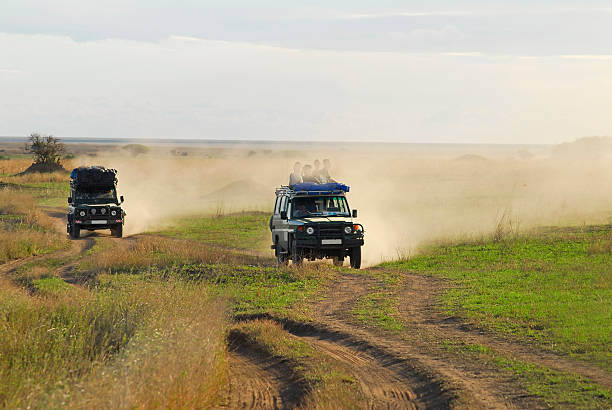
Experience the Magic: Your Deep Dive into a Tanzania Wildlife Safari
A Tanzania wildlife safari is more than just a trip; it’s an immersion into the raw, untamed heart of Africa. Imagine vast savannas stretching to the horizon, teeming with iconic wildlife. Picture the thrill of spotting a lion pride on the hunt, the gentle giants of the elephant herds, or the graceful dance of a giraffe against the acacia-dotted landscape. Tanzania, a jewel of East Africa, offers precisely this and so much more, solidifying its reputation as one of the world’s premier safari destinations.
From the legendary plains of the Serengeti to the geological marvel of the Ngorongoro Crater, and the diverse ecosystems of Tarangire and Lake Manyara, Tanzania presents an unparalleled canvas for wildlife encounters. This guide is crafted to be your indispensable companion, providing in-depth insights and practical advice to help you plan and execute the Tanzania wildlife safari of your dreams, whether you’re looking ahead to 2026, 2027, or beyond. We’ll cover everything from choosing the right parks and the best time to visit, to crafting an itinerary, understanding what to expect, and making informed booking decisions.
Why Choose Tanzania for Your Wildlife Safari?
Tanzania stands out for several compelling reasons, making it a top choice for discerning safari-goers:
The Great Migration: A Natural Spectacle Like No Other
The Serengeti’s Great Migration is arguably the planet’s most magnificent wildlife event. Witnessing millions of wildebeest, zebras, and gazelles traverse the plains in search of greener pastures, constantly pursued by predators, is a profound and unforgettable experience. The timing and location of the migration vary throughout the year, offering unique viewing opportunities depending on when you plan your Tanzania wildlife safari.
Unrivaled Wildlife Density and Diversity
Beyond the migration, Tanzania boasts an extraordinary concentration of wildlife. The Ngorongoro Crater, a UNESCO World Heritage Site, is often called “Africa’s Eden” due to its high density of animals, including the Big Five (lion, leopard, elephant, rhino, and buffalo), within its caldera. Other parks like Tarangire are famous for their large elephant herds, while the Selous Game Reserve (now Nyerere National Park) offers a more remote and wild experience with diverse predators and birdlife.
The Iconic “Big Five”
Tanzania is one of the best places in Africa to spot the Big Five. The Serengeti and Ngorongoro Crater are prime locations for these majestic creatures, offering a thrilling chance to see lions, leopards, elephants, rhinos, and buffalo in their natural habitat. While sightings are never guaranteed, the high chances in these areas make a Tanzania wildlife safari incredibly rewarding.
Variety of Landscapes and Safari Experiences
Tanzania’s landscapes are as diverse as its wildlife. From the endless plains of the Serengeti and the lush, crater floor of Ngorongoro to the baobab-studded plains of Tarangire and the Miombo woodlands of Nyerere National Park, each region offers a distinct visual and ecological backdrop. This variety ensures that your safari experience remains fresh and exciting.
Cultural Encounters
A safari in Tanzania offers opportunities to connect with local cultures, such as visiting Maasai villages. These interactions provide a deeper understanding of the people who share their land with this incredible wildlife, adding a rich cultural dimension to your adventure.
Planning Your Tanzania Wildlife Safari: The Best Time to Visit
Deciding when to go on your Tanzania wildlife safari is crucial for maximizing your chances of seeing specific wildlife events and enjoying favorable weather conditions. Tanzania experiences distinct seasons, each offering unique advantages:
The Dry Seasons (June to October & December to February)
- June to October: This is the prime dry season and generally considered the best time for wildlife viewing. The vegetation is sparser, making animals easier to spot. Water sources are limited, concentrating wildlife around rivers and waterholes. This is also the peak season for the Great Migration’s river crossings in the northern Serengeti (typically July to September). Weather is typically sunny and pleasant, though evenings can be cool. This period is ideal for planning your 2026 or 2027 safari if you prioritize optimal viewing conditions.
- December to February: This is the short dry season, often referred to as the “green season” as light rains might occur. It’s an excellent time for birdwatching, as migratory birds arrive. The southern Serengeti is where the wildebeest herds typically calve during this period (January-March), offering spectacular predator action. It’s generally less crowded and can be more affordable than the peak dry season.
The Wet Seasons (March to May & November)
- March to May: This is the long rainy season. While game viewing can be more challenging due to thicker vegetation and scattered wildlife, it’s a photographer’s dream with lush landscapes and dramatic skies. It’s the least crowded and most affordable time to visit. The migration is typically moving north from the southern plains during this period.
- November: This is the short rainy season, often characterized by brief, localized showers. It can be a good shoulder season, offering a balance between fewer crowds and decent wildlife viewing.
Traveler Tip for 2026/2027 Planning: If witnessing the Great Migration river crossings is your priority, aim for July to September. For calving season and predator action, January to March is ideal. For general game viewing with fewer crowds, consider the shoulder months of June, November, or February.
Essential Destinations for Your Tanzania Wildlife Safari
Tanzania’s Northern Circuit is the most popular and accessible region for a Tanzania wildlife safari, offering a concentration of world-renowned parks. However, the Southern Circuit provides a different, more remote experience.
Serengeti National Park
The undisputed crown jewel of Tanzanian safaris. Famous for the Great Migration, the Serengeti offers endless plains that are home to an astonishing array of wildlife year-round. Its vastness means different regions offer different experiences depending on the time of year.
- Key Wildlife: Wildebeest, zebras, gazelles, lions, leopards, cheetahs, elephants, giraffes, hyenas, and numerous bird species.
- Best Time to Visit: Year-round, but June-October for migration river crossings (North), January-March for calving season (South).
Ngorongoro Conservation Area (including the Crater)
A UNESCO World Heritage Site, the Ngorongoro Crater is a natural wonder. This intact volcanic caldera boasts an incredible density of wildlife, with the Big Five often seen in a single day. The surrounding conservation area also offers opportunities to visit Maasai villages and experience different landscapes.
- Key Wildlife: Big Five (including the rare black rhino), hippos, flamingos, wildebeest, zebras, hyenas, and abundant birdlife.
- Best Time to Visit: Year-round, though access roads can be affected by heavy rains in April/May.
Tarangire National Park
Known for its massive baobab trees and large elephant herds, Tarangire is a must-visit, especially during the dry season. The Tarangire River becomes a vital water source, attracting a significant concentration of wildlife.
- Key Wildlife: Large elephant herds, lions, leopards, cheetahs, giraffes, zebras, wildebeest, and over 550 bird species.
- Best Time to Visit: June to October (dry season) for concentrated wildlife along the river.
Lake Manyara National Park
A compact park offering diverse habitats, from groundwater forests to acacia woodlands and a soda lake. It’s famous for its tree-climbing lions, large troops of baboons, and abundant birdlife, including flamingos.
- Key Wildlife: Tree-climbing lions, elephants, giraffes, zebras, hippos, flamingos, and over 400 bird species.
- Best Time to Visit: Year-round, though wildlife is most concentrated during the dry season.
Nyerere National Park (formerly Selous Game Reserve)
Located in southern Tanzania, this is one of Africa’s largest game reserves, offering a wilder, more off-the-beaten-path experience. It’s renowned for its boat safaris on the Rufiji River, walking safaris, and diverse wildlife, including wild dogs.
- Key Wildlife: Elephants, buffalo, lions, leopards, cheetahs, wild dogs, hippos, crocodiles, and diverse birdlife.
- Best Time to Visit: June to October (dry season) for concentrated game viewing. Boat safaris are excellent year-round.
Crafting Your Dream Tanzania Wildlife Safari Itinerary
A well-planned itinerary is key to a successful Tanzania wildlife safari. The duration and combination of parks depend on your interests, budget, and the time of year. Here are sample itinerary structures, adaptable for 2026 and 2027 travel:
Classic Northern Circuit (7 Days / 6 Nights)
This is a popular choice for first-time visitors, offering a taste of Tanzania’s highlights.
Day 1: Arrival in Arusha & Transfer to Lodge
Arrive at Kilimanjaro International Airport (JRO), meet your guide, and transfer to your lodge in Arusha. Relax and prepare for your safari.
Day 2: Arusha to Tarangire National Park
Morning drive to Tarangire. Full-day game drive, focusing on elephant herds and baobab trees. Overnight near Tarangire.
Day 3: Tarangire to Lake Manyara & Ngorongoro Highlands
Morning game drive in Tarangire or drive to Lake Manyara for a game drive. Afternoon transfer to your lodge in the Ngorongoro Highlands, offering stunning views.
Day 4: Ngorongoro Crater Tour
Descend into the Ngorongoro Crater for an unforgettable half-day game drive. Search for the Big Five and enjoy the unique ecosystem. Ascend in the afternoon and overnight near the crater rim or in Karatu.
Day 5: Ngorongoro to Serengeti National Park
Drive to the Serengeti, stopping at Olduvai Gorge (optional) en route. Begin your game drive as you enter the park, heading towards your lodge/camp in the central Serengeti.
Day 6: Full Day in Serengeti National Park
Full day dedicated to exploring the vast plains of the Serengeti. Depending on the season and migration patterns, focus on areas with high wildlife concentrations. Optional hot air balloon safari at sunrise.
Day 7: Serengeti to Arusha & Departure
Morning game drive in the Serengeti, followed by a transfer to the Seronera Airstrip for a flight back to Arusha. Connect with your international flight or extend your stay.
Extended Northern Circuit with Cultural Immersion (10 Days / 9 Nights)
This itinerary adds more time in the Serengeti and includes a cultural experience.
Day 1: Arrival in Arusha
Arrive at JRO, transfer to Arusha lodge.
Day 2: Arusha to Tarangire National Park
Full-day game drive in Tarangire.
Day 3: Tarangire to Lake Manyara & Drive to Karatu
Morning game drive in Tarangire or Lake Manyara. Drive to Karatu, a pleasant farming town.
Day 4: Ngorongoro Crater Tour
Full-day exploration of the Ngorongoro Crater.
Day 5: Karatu to Central Serengeti
Drive to the Serengeti, stopping at Olduvai Gorge. Afternoon game drive and overnight in Central Serengeti.
Day 6: Full Day Central Serengeti
Explore the wildlife-rich Seronera Valley. Optional hot air balloon safari.
Day 7: Serengeti – North or South (Seasonal)
Depending on the migration, drive towards the northern Serengeti (Kogatende/Lamai) for river crossings or the southern plains (Ndutu) for calving season. Spend the day game driving.
Day 8: Serengeti Exploration
Full day game driving in your chosen Serengeti region.
Day 9: Serengeti to Arusha via Flight
Morning game drive, then transfer to Seronera Airstrip for a flight back to Arusha. Overnight in Arusha.
Day 10: Departure
Transfer to JRO for your international flight.
Southern Circuit Adventure (8 Days / 7 Nights)
For those seeking a less crowded and more adventurous experience.
Day 1: Arrival in Dar es Salaam & Fly to Nyerere NP
Arrive at Julius Nyerere International Airport (DAR), connect to a light aircraft flight to Nyerere National Park (formerly Selous). Transfer to your camp.
Day 2-3: Nyerere National Park
Explore Nyerere NP with a mix of game drives, boat safaris on the Rufiji River, and guided walking safaris. Focus on diverse wildlife and birdlife.
Day 4: Fly to Ruaha National Park
Morning activity in Nyerere, then fly to Ruaha National Park, Tanzania’s largest park, known for its rugged beauty and large predator populations.
Day 5-6: Ruaha National Park
Full days exploring Ruaha’s unique landscapes and abundant wildlife, including large prides of lions and wild dogs. Game drives are the primary activity.
Day 7: Fly to Arusha/Kilimanjaro
Morning game drive in Ruaha, then fly to Arusha (ARK) or Kilimanjaro International Airport (JRO) for your onward journey or overnight.
Day 8: Departure
Transfer to the airport for your international flight.
Customization for 2026/2027: These are just templates. Top Guide Adventures specializes in creating bespoke itineraries. Whether you want to focus on photography, birdwatching, specific animals, or a more luxurious experience, we can tailor your Tanzania wildlife safari to your exact preferences.
What to Expect on Your Tanzania Wildlife Safari
Understanding what to expect will enhance your safari experience. Here’s a breakdown:
Accommodation Options
Tanzania offers a range of accommodation to suit different budgets and preferences:
- Luxury Lodges & Camps: Offer exquisite comfort, gourmet dining, private verandas, and often swimming pools. Ideal for honeymooners or those seeking ultimate relaxation.
- Mid-Range Lodges & Tented Camps: Provide comfortable en-suite facilities, good food, and a more authentic safari feel. A great balance of comfort and value.
- Budget Camps (Public Campsites): Basic facilities, often shared ablutions, but offer the most immersive experience at the lowest cost. Tents are usually provided.
Safari Vehicles and Guides
Most safaris utilize 4×4 safari vehicles (typically Land Cruisers or Land Rovers) with pop-up roofs for optimal game viewing and photography. Your experienced safari guide is crucial; they are knowledgeable about wildlife, local culture, and the best spots for sightings. Top Guide Adventures prides itself on employing highly trained, local guides who enhance your understanding and enjoyment.
Daily Safari Routine
A typical safari day involves early morning and late afternoon game drives, which are the best times to see wildlife when they are most active. Midday is usually spent relaxing at the lodge or camp, perhaps enjoying lunch or a siesta.
Meals and Dining
Meals are generally included in safari packages. Expect delicious, hearty meals, often served buffet-style at lodges and camps. Packed lunches are common for full-day game drives. Dietary requirements can usually be accommodated with advance notice.
Connectivity and Power
Wi-Fi is available in many lodges and camps, though it can be slow and intermittent, especially in remote areas. Power is usually available for charging devices, but it’s wise to bring a universal adapter and a portable power bank.
Practical Tips for Your Tanzania Wildlife Safari
To ensure a smooth and enjoyable trip, keep these practical tips in mind for your Tanzania wildlife safari:
Visas and Vaccinations
- Visas: Most nationalities require a visa for Tanzania. You can obtain one on arrival at major airports or apply online in advance. Check the latest requirements with the Tanzanian embassy in your country.
- Vaccinations: Consult your doctor or a travel clinic well in advance of your trip regarding recommended vaccinations (e.g., Yellow Fever, Hepatitis A, Typhoid) and malaria prophylaxis.
Packing Essentials
Pack light, breathable clothing in neutral colors (khaki, green, brown). Avoid bright colors that can startle wildlife.
- Lightweight long-sleeved shirts and trousers (for sun and insect protection)
- T-shirts and shorts
- Fleece or warm jacket (for cool mornings/evenings)
- Comfortable walking shoes or hiking boots
- Sandals or flip-flops
- Sun hat or cap
- Sunglasses
- Sunscreen (high SPF)
- Insect repellent (with DEET)
- Binoculars (essential for wildlife viewing)
- Camera with extra batteries and memory cards
- Small backpack for day trips
- Personal toiletries and medications
- Small first-aid kit
- Reusable water bottle
- Universal travel adapter
- Headlamp or flashlight
- Swimsuit (for lodges with pools)
Health and Safety
- Drink only bottled or purified water.
- Be cautious about what you eat, especially street food.
- Always follow your guide’s instructions, especially regarding wildlife. Never leave the vehicle when instructed not to.
- Use insect repellent diligently to prevent mosquito bites.
- Protect yourself from the sun.
Money Matters
- The Tanzanian Shilling (TZS) is the local currency. USD is widely accepted for safari payments, park fees, and at lodges/camps. Carry smaller USD bills for tips and souvenirs.
- ATMs are available in major towns like Arusha and Moshi, but can be unreliable. It’s best to carry sufficient cash or rely on pre-arranged payments.
- Credit cards are accepted at some larger lodges and hotels, but often incur a surcharge.
Tipping Etiquette
Tipping is customary for safari guides and lodge/camp staff. Your tour operator will usually provide guidelines. A typical tip for a driver-guide is $20-$30 per day per couple, and for camp/lodge staff, $10-$15 per day per couple.
Who is a Tanzania Wildlife Safari For?
A Tanzania wildlife safari appeals to a wide range of travelers:
- Nature Enthusiasts & Wildlife Photographers: The sheer abundance and diversity of wildlife, coupled with stunning landscapes, make it a paradise.
- Adventure Seekers: From early morning game drives to optional walking safaris, there’s an element of adventure.
- Families: Safaris can be incredibly educational and engaging for children, offering a unique way to connect with nature and learn about conservation. Child-friendly lodges and activities are available.
- Couples & Honeymooners: Romantic lodges, breathtaking sunsets, and the thrill of discovery create an unforgettable romantic getaway.
- Solo Travelers: Tanzania is generally safe, and group tours offer a great way to meet like-minded people.
- Luxury Travelers: High-end lodges, private charter flights, and bespoke experiences cater to the most discerning travelers.
Booking Your Tanzania Wildlife Safari: Choosing the Right Operator
Selecting the right tour operator is paramount for a seamless and memorable Tanzania wildlife safari. Look for operators who:
- Are locally based: They have invaluable knowledge of the terrain, wildlife, and logistics.
- Have a strong reputation: Check reviews and testimonials.
- Offer customizable itineraries: Your trip should be tailored to your interests.
- Prioritize responsible tourism: Ensure they support local communities and conservation efforts.
- Provide clear communication: They should be responsive to your queries.
Top Guide Adventures is a premier, locally-owned Tanzanian tour operator with years of experience crafting exceptional safari experiences. We are passionate about showcasing the beauty of our country and ensuring our clients have the adventure of a lifetime. Whether you’re planning for 2026, 2027, or need immediate assistance, our team is ready to help.
Ready to plan your unforgettable Tanzania wildlife safari? Contact our expert team at Top Guide Adventures today. We specialize in creating personalized safari itineraries, from the iconic Northern Circuit to the wild southern parks, ensuring every detail is perfect.
WhatsApp: +255616946642
Email: info@topguideadventures.com
Backup Email: topguideadventures@gmail.com
Frequently Asked Questions (FAQs) about Tanzania Wildlife Safaris
What is the best time of year for a Tanzania wildlife safari?
The best time generally depends on what you want to see. For the Great Migration river crossings, aim for July to September. For calving season and predator action, January to March is ideal. For general game viewing with pleasant weather, the dry season from June to October is excellent. Even the wet seasons offer unique advantages like lush landscapes and fewer crowds.
How much does a Tanzania wildlife safari cost?
Safari costs vary significantly based on accommodation level, duration, number of parks visited, and season. A mid-range 7-day Northern Circuit safari typically ranges from $2,500 to $4,500 per person. Luxury options can be considerably higher. Budget safaris can be found for under $2,000. Top Guide Adventures can provide a personalized quote based on your specific requirements for 2026 or 2027.
Is Tanzania safe for tourists?
Tanzania is considered a safe destination for tourists, particularly in safari areas. The main risks are petty theft in towns and traffic accidents. Following your guide’s instructions and taking standard safety precautions will ensure a secure trip. Wildlife encounters are managed professionally by experienced guides.
What is the “Big Five”?
The “Big Five” refers to five iconic African animals that were historically the most difficult and dangerous to hunt on foot: the Lion, Leopard, Elephant, Rhinoceros (both Black and White species), and Cape Buffalo. Seeing all five on a single safari is a major highlight for many travelers.
Do I need malaria medication for a Tanzania safari?
Yes, malaria is present in Tanzania. It is highly recommended to consult your doctor or a travel clinic about malaria prophylaxis and other necessary vaccinations well before your trip. Using insect repellent and wearing long sleeves/trousers during dawn and dusk also helps prevent mosquito bites.
What should I pack for a safari?
Pack light, breathable clothing in neutral colors (khaki, beige, green). Essentials include long-sleeved shirts, trousers, a warm fleece or jacket for cool mornings/evenings, a wide-brimmed hat, sunglasses, sunscreen, insect repellent, comfortable walking shoes, and a good pair of binoculars. A camera with extra batteries is a must!
Can I do a walking safari in Tanzania?
Yes, walking safaris are available in specific areas, particularly in the Ngorongoro Conservation Area (outside the crater), parts of the Serengeti, and Nyerere National Park. They offer a different perspective and a more intimate connection with the bush, guided by armed rangers.
What’s the difference between a lodge and a tented camp?
Lodges are typically permanent structures with solid walls, offering hotel-like amenities. Tented camps feature large, canvas tents that are often very luxurious, with en-suite bathrooms and comfortable furnishings, providing a more immersive bush experience while still offering significant comfort.
Your Unforgettable Tanzania Wildlife Safari Awaits
A Tanzania wildlife safari is a journey that touches the soul. It’s an opportunity to witness nature’s grandeur, connect with the wild, and create memories that last a lifetime. From the thundering hooves of the Great Migration to the quiet majesty of a leopard perched in an acacia tree, Tanzania offers an unparalleled wildlife experience.
Whether you are planning your adventure for 2026, 2027, or any time in the near future, careful planning is key. Choosing the right parks, understanding the best times to visit, and partnering with a reputable and experienced tour operator like Top Guide Adventures will ensure your safari is everything you dreamed of and more.
We are passionate about sharing the magic of Tanzania with the world. Our local expertise, commitment to personalized service, and dedication to responsible tourism make us the ideal partner for your African adventure. Let us help you craft the perfect Tanzania wildlife safari.
Don’t just dream about Africa – experience it! For a tailor-made Tanzania wildlife safari that exceeds expectations, get in touch with Top Guide Adventures. We are ready to assist you with planning your adventure of a lifetime.
Contact us today:
WhatsApp: +255616946642
Email: info@topguideadventures.com
Backup Email: topguideadventures@gmail.com
Plan your tanzania wildlife safari with Top Guide Adventures
Tell us your travel dates, group size, comfort level, and dream experience. We will help you shape a clear, realistic, and memorable Tanzania itinerary.







 Veedesigner
 Fatma Kizanga
 Benjamin Waryuba
 Philip Philip
 John jr Itaja
 Antonia Optatus
 Edith Kanyere
 Neema Iddy
 Kelvin Boniphace
 Damari Maiga



