
Updated planning guide for 2026, 2027
Botswana Vs Tanzania Safari: Your Expert Travel Guide
Deciding between a Botswana or Tanzania safari? This comprehensive guide breaks down the differences, helping you choose the best African wildlife adventure for your 2026-2027 travels.
WhatsApp +255616946642 | topguideadventures@gmail.com | info@topguideadventures.com

Botswana vs Tanzania Safari: Your Expert Travel Guide
Choosing between a Botswana and Tanzania safari is a common dilemma for many travelers dreaming of an African adventure. Both countries offer unparalleled wildlife viewing and stunning landscapes, but they cater to different preferences and budgets. Understanding the distinct characteristics of each destination is key to planning a safari that perfectly matches your expectations. This guide will help you navigate the nuances, ensuring you make an informed decision for your 2026 or 2027 safari trip.
Quick Answer: Botswana vs Tanzania Safari
Botswana is often associated with exclusive, high-end safaris focused on low-volume, high-cost tourism, offering intimate wildlife encounters, especially in the Okavango Delta and Chobe National Park. It excels in water-based activities and unique ecosystems. Tanzania provides a broader safari experience, famous for the Great Migration in the Serengeti, the vast plains of the Selous Game Reserve (now Nyerere National Park), and the unique Ngorongoro Crater. It offers a wider range of accommodation options and activities, often at a more accessible price point.
| Feature | Botswana | Tanzania |
|---|---|---|
| Iconic Wildlife Event | Okavango Delta’s seasonal floods, Chobe’s elephant herds. | The Great Migration (Serengeti), Big Five in Ngorongoro. |
| Landscape Variety | Delta, Kalahari Desert, salt pans, rivers, floodplains. | Savanna plains, mountains, Crater, coast, Great Rift Valley. |
| Safari Style | Exclusive, intimate, low-volume, often fly-in camps, mokoro (canoe) trips. | Diverse: classic game drives, walking safaris, hot air balloons, more traditional lodges and tented camps. |
| Pace of Travel | Often slower, focused on specific ecosystems. | Can be faster-paced, covering more ground, especially for migration viewing. |
| Accommodation | Primarily luxury lodges and tented camps; fewer budget options. | Wide range from budget camping to luxury lodges and tented camps. |
| Cost | Generally higher due to conservation model and exclusive access. | More variable, can be more affordable for certain styles and regions. |
| Best For | Honeymooners, luxury travelers, photographers, those seeking solitude and unique water-based safaris. | First-time safari-goers, those wanting to see the Great Migration, diverse wildlife seekers, budget-conscious travelers. |
| Key Parks/Reserves | Okavango Delta, Chobe NP, Moremi Game Reserve, Central Kalahari GR. | Serengeti NP, Ngorongoro Conservation Area, Tarangire NP, Nyerere NP (Selous), Ruaha NP. |
Understanding the Safari Experience in Botswana
Botswana has cultivated a reputation for offering some of the most pristine and exclusive safari experiences on the continent. Its conservation philosophy centers on low-volume, high-revenue tourism. This means fewer vehicles per park, fewer tourists overall, and consequently, a more intimate and undisturbed wildlife viewing experience. This model is particularly evident in areas like the Okavango Delta.
The Okavango Delta: A Unique Ecosystem
The Okavango Delta is a UNESCO World Heritage site and a marvel of nature. It’s an inland delta, meaning the river waters flow into the Kalahari Desert rather than reaching the sea. This creates a unique wetland ecosystem that attracts a spectacular array of wildlife. The water levels fluctuate significantly throughout the year, impacting the safari experience.
- Seasonal Flooding: The delta floods between June and August, transforming the landscape and concentrating wildlife along the waterways. This is the prime time for mokoro (traditional canoe) excursions, offering a silent, water-level perspective of animals like elephants, hippos, and crocodiles, as well as abundant birdlife.
- Game Drives: When water levels are lower, islands become more accessible, and game drives offer excellent opportunities to spot predators like lions, leopards, cheetahs, and wild dogs, along with large herds of plains game.
- Water-Based Safaris: Beyond mokoros, motorboats are also used in deeper channels, providing a different vantage point for wildlife viewing and photography.
Chobe National Park: Land of Giants
Chobe National Park is renowned for its massive elephant population, particularly along the Chobe Riverfront. During the dry season (May to October), hundreds, sometimes thousands, of elephants gather to drink and bathe. This is one of the most impressive wildlife spectacles you can witness.
- River Safaris: Boat safaris on the Chobe River are a must-do. They offer incredible photographic opportunities of elephants, hippos, crocodiles, and a vast array of water birds.
- Game Drives: The park also offers excellent game drives, with opportunities to see lions, leopards, buffalos, and various antelope species.
Moremi Game Reserve and the Kalahari
Moremi Game Reserve, often described as a microcosm of Botswana’s wildlife diversity, is situated in the eastern Okavango Delta. It’s known for its predators and diverse habitats. The Central Kalahari Game Reserve offers a starkly different experience – vast, arid landscapes with unique desert-adapted wildlife, best visited during the wetter months when the desert blooms and attracts animals.
Botswana Safari Style and Cost Considerations
Botswana safaris are typically conducted in smaller, more exclusive camps. Many are fly-in camps, meaning you’ll take light aircraft transfers between locations, which adds to the cost but also saves considerable travel time and offers spectacular aerial views. This exclusivity and focus on conservation contribute to Botswana’s higher price point.
Who is Botswana best for?
- Travelers seeking a luxury, high-end safari experience.
- Honeymooners and couples looking for privacy and romance.
- Photographers who appreciate excellent game viewing with fewer crowds.
- Those interested in unique water-based activities like mokoro trips.
- Travelers who prioritize solitude and an exclusive feel over seeing the maximum number of species possible in a short time.
Exploring the Wonders of Tanzania
Tanzania is a safari powerhouse, home to some of Africa’s most iconic wildlife destinations. It offers a vast range of experiences, from the legendary Serengeti to the unique ecosystem of the Ngorongoro Crater and the sprawling wilderness of Nyerere National Park.
The Serengeti National Park: Home of the Great Migration
The Serengeti is arguably the most famous national park in the world, primarily due to the Great Migration. This colossal movement of over 1.5 million wildebeest, zebras, and gazelles, followed by their predators, is a natural spectacle of immense scale.
- The Migration Cycle: The location of the migration varies throughout the year. From roughly July to October, the herds are often crossing the Grumeti and Mara Rivers in the northern Serengeti, a dramatic and often dangerous event. From December to March, they are usually in the southern Serengeti, calving season. Planning your safari around the migration is crucial for witnessing this phenomenon.
- Predator Action: The Serengeti boasts one of the highest concentrations of predators in Africa, including lions, leopards, cheetahs, hyenas, and wild dogs.
- Diverse Habitats: The park encompasses vast plains, acacia woodlands, and kopjes (rocky outcrops), supporting a rich diversity of wildlife year-round.
Ngorongoro Conservation Area: The Eighth Wonder
The Ngorongoro Crater is a UNESCO World Heritage site and a caldera of a massive extinct volcano. Its relatively small size (about 160 sq km floor) contains an astonishing density of wildlife, including the Big Five (lion, leopard, elephant, rhino, buffalo). It’s one of the few places where you can reliably see black rhinos.
- Crater Floor Safaris: Game drives on the crater floor offer incredible wildlife viewing opportunities. The high density of animals makes for exciting sightings.
- Conservation Model: The Ngorongoro Conservation Area uniquely allows Maasai pastoralists to live alongside wildlife, adding a cultural dimension to the experience.
- Limited Time: Access to the crater floor is regulated, and visitors typically spend only a few hours at a time, making it an intense but short wildlife experience.
Other Tanzanian Gems: Tarangire, Nyerere, and Ruaha
Tanzania offers much more beyond the Serengeti and Ngorongoro:
- Tarangire National Park: Famous for its large elephant herds and iconic baobab trees, especially during the dry season when animals congregate around the Tarangire River.
- Nyerere National Park (formerly Selous): One of the largest game reserves in Africa, offering a more remote and wild experience. It’s known for boat safaris along the Rufiji River, walking safaris, and diverse wildlife, including wild dogs and large buffalo herds.
- Ruaha National Park: Tanzania’s largest national park, offering a rugged, wild, and less-visited wilderness. It’s known for its large lion and elephant populations and is a prime destination for adventurous safari-goers.
Tanzania Safari Style and Cost
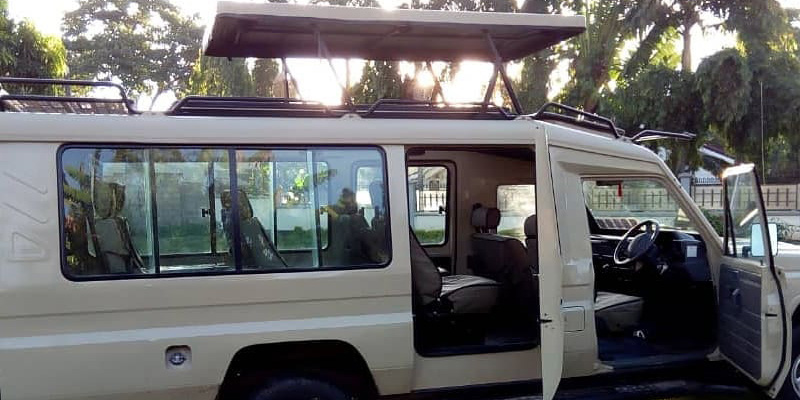
Tanzania offers a wide spectrum of safari experiences, from budget camping to mid-range lodges and luxury tented camps. Classic overland safaris, using 4×4 safari vehicles with pop-up roofs, are common and generally more affordable than Botswana’s fly-in model. This allows travelers to cover more ground and experience different parks within a single trip.
Who is Tanzania best for?
- First-time safari-goers looking for the quintessential African safari.
- Travelers eager to witness the Great Migration.
- Those who want to see the Big Five, especially rhinos in the Ngorongoro Crater.
- Budget-conscious travelers seeking a range of accommodation options.
- Travelers interested in combining safari with other experiences like Mount Kilimanjaro climbs or Zanzibar beach holidays.
Botswana vs Tanzania Safari: Detailed Comparison
To make a clearer choice for your 2026 or 2027 safari, let’s break down key aspects:
Wildlife Viewing
Botswana: Known for exceptional predator sightings (especially wild dogs in Moremi), large elephant herds in Chobe, and diverse birdlife. The Okavango Delta offers unique sightings related to its aquatic environment. The focus is on quality of sighting and intimate encounters rather than sheer numbers.
Tanzania: Famous for the sheer scale of the Great Migration in the Serengeti. The Ngorongoro Crater offers incredible densities of animals, including the Big Five. Tarangire has huge elephant herds, and Nyerere offers a wilder, more remote experience with opportunities for tracking.
Landscapes
Botswana: Characterized by the vast, shimmering Okavango Delta, the arid expanse of the Kalahari Desert, the salt pans of Makgadikgadi, and the life-giving Chobe River. It’s a land of water and desert, floodplains and ancient riverbeds.
Tanzania: Offers a dramatic diversity: the endless plains of the Serengeti, the sunken caldera of Ngorongoro, the baobab-studded plains of Tarangire, the vast wilderness of Nyerere, and the rugged landscapes of Ruaha. It’s a continent of contrasts within one country.
Safari Activities
Botswana: Mokoro excursions are a signature activity in the Okavango Delta. Motorized boat safaris are popular in Chobe. Walking safaris are offered in many camps, providing a different perspective. Fly-camping is also an option for a more rustic, adventurous experience.
Tanzania: Classic 4×4 game drives are the norm. Hot air balloon safaris over the Serengeti are a popular, albeit expensive, addition. Walking safaris are available in some areas like Tarangire and Nyerere. Boat safaris are a highlight in Nyerere National Park.
Accommodation & Cost
Botswana: The model is high-cost, low-volume. Expect luxury tented camps and lodges with excellent service, private concessions, and often all-inclusive rates. This translates to higher daily rates, typically starting from $500-$700 per person per night and going much higher for top-tier lodges. The cost often includes light aircraft transfers, park fees, meals, drinks, and activities.
Tanzania: Offers a much wider range of accommodation, from basic tented camps and guesthouses to mid-range lodges and ultra-luxury tented suites. This allows for more budget flexibility. A mid-range safari might range from $300-$500 per person per night, while luxury options can exceed $800. Park fees, vehicle hire, and guide costs are significant components of the overall price.
Best Time to Visit
Botswana: The dry season (May to October) is generally considered the best time for game viewing, as animals congregate around water sources. The shoulder months (April and November) can also be good, with fewer crowds and potentially lower prices. The green season (December to March) is ideal for birdwatchers and those seeking lush landscapes and fewer tourists, though game viewing can be more dispersed.
Tanzania: The dry season (June to October) is excellent for game viewing across most parks and is ideal for witnessing the river crossings of the Great Migration in the north. The short rains (November to December) can be good for birding and seeing newborns. The long rains (March to May) are the wettest period, often seeing lower prices and fewer crowds, but some roads can be challenging, and the migration is typically in the southern Serengeti or moving north.
| Period | Botswana | Tanzania |
|---|---|---|
| June – October (Dry Season) | Peak game viewing, ideal for elephants in Chobe, water-based activities in Okavango. Cooler temperatures. High season prices. | Excellent game viewing, ideal for migration river crossings (July-Oct) in Northern Serengeti. Dry and sunny. High season prices. |
| November – December (Early Rains / Shoulder) | Green season begins, birding improves, some dispersal of animals. Fewer tourists. Potential for good value. | Migration moves south, calving season begins (late Dec/Jan). Green landscapes. Good game viewing. Shoulder season prices. |
| January – March (Green Season) | Lush landscapes, excellent birding, fewer tourists, potential for lower prices. Game viewing can be more dispersed. | Calving season in Southern Serengeti. Lush scenery, good for photography. Can be hot and humid. Shoulder season prices. |
| April – May (End of Rains / Shoulder) | Landscape starts to dry, animals begin to concentrate. Good value before peak season. Some camps may close. | Migration starts moving north. End of rains, lush scenery. Good game viewing. Shoulder season prices. |
Sample Itinerary Logic: Botswana vs Tanzania
The structure of an itinerary reflects the country’s safari philosophy.
Botswana Sample Itinerary Logic (e.g., 8 Days / 7 Nights)
This often involves flying between camps, focusing on distinct ecosystems:
- Days 1-3: Okavango Delta (Water Camp) – Arrive Maun, light aircraft to a camp in the Delta. Focus on mokoro, boat safaris, and walking.
- Days 4-5: Okavango Delta (Land Camp or Concession) – Fly to a different area of the Delta or a private concession. Focus on game drives and walking safaris.
- Days 6-7: Chobe National Park (Riverfront) – Fly to Kasane, transfer to a lodge on the river. Focus on boat safaris and game drives.
- Day 8: Departure – Transfer to Kasane Airport for onward travel.
This itinerary emphasizes depth in fewer locations and relies heavily on air transfers.
Tanzania Sample Itinerary Logic (e.g., 8 Days / 7 Nights)
This typically involves a mix of driving and potentially short flights, covering more ground:
- Day 1: Arrive Kilimanjaro Airport (JRO), transfer to Arusha.
- Days 2-3: Tarangire National Park – Drive to Tarangire. Game drives focusing on elephants and baobabs. Stay in a lodge or tented camp.
- Days 4-5: Serengeti National Park – Drive to Serengeti (via Ngorongoro Conservation Area). Game drives, focusing on wildlife and potentially migration. Stay in a central or northern Serengeti lodge/camp.
- Day 6: Ngorongoro Crater – Drive to the Ngorongoro rim. Descend for a half-day game drive on the crater floor. Stay at a lodge on the rim or in Karatu.
- Day 7: Lake Manyara National Park or Cultural Visit – Game drive in Lake Manyara (tree-climbing lions) or visit a Maasai village. Drive back to Arusha.
- Day 8: Departure – Transfer to JRO for onward travel.
This itinerary offers a broader overview of different ecosystems and iconic sights, often utilizing overland travel.
Planning Your Botswana vs Tanzania Safari for 2026-2027
When planning for future trips in 2026 and 2027, consider these factors:
Booking Lead Times
Botswana: Due to its exclusive nature and limited camp availability, especially for prime seasons (June-October), booking 9-12 months in advance is highly recommended, particularly for popular luxury camps. For 2026 and 2027, starting your research and inquiries now is wise.
Tanzania: For standard overland safaris and mid-range accommodation, booking 6-9 months in advance is usually sufficient. However, for peak migration viewing in the Serengeti during July-October, or for specific high-demand lodges, booking 9-12 months ahead is advisable. For 2026 and 2027, popular lodges and the migration season should be booked well in advance.
Budget Considerations for 2026-2027
Botswana: Expect to budget significantly more per person per day. This higher cost is for the exclusive experience, including light aircraft transfers, high guide-to-guest ratios, and prime locations. For a 7-10 day trip, a luxury Botswana safari could easily range from $7,000 to $15,000+ per person, excluding international flights.
Tanzania: Offers more flexibility. A mid-range 7-10 day safari might cost $3,500 to $7,000 per person. Luxury options can reach $8,000 to $12,000+ per person. Budget travelers can find options for less, but quality can vary. It’s essential to get detailed quotes that include park fees, vehicle hire, guide services, accommodation, and meals.
Health and Safety
Both countries are generally safe for tourists when traveling with reputable operators. Malaria is present in most safari areas of both Botswana and Tanzania. Consult your doctor about malaria prophylaxis and recommended vaccinations well in advance of your 2026 or 2027 trip. Reputable tour operators will brief you on safety protocols during game drives and at camps.
Packing Essentials
The packing list is similar for both destinations:
- Lightweight, neutral-colored clothing (khaki, beige, olive green). Avoid bright colors and dark colors like black or navy.
- Comfortable walking shoes.
- A warm layer for early mornings and evenings (temperatures can drop significantly).
- Sun protection: hat, sunglasses, high SPF sunscreen.
- Insect repellent with DEET.
- Camera with extra batteries and memory cards. Binoculars are highly recommended.
- A small backpack for day trips.
- Personal toiletries and any necessary medications.
- A universal adapter for electronics.
For Botswana’s water-based activities, quick-drying clothing and water shoes can be useful.
Common Mistakes to Avoid
When planning your Botswana vs Tanzania safari, be aware of these pitfalls:
- Underestimating Costs: Especially in Botswana, budget realistically for the high-end experience. In Tanzania, ensure all-inclusive quotes cover essential park fees and guide services.
- Not Booking in Advance: Popular camps and peak seasons (especially migration viewing in Tanzania) sell out quickly.
- Trying to See Too Much: Rushing between too many locations in a short time leads to a superficial experience. Focus on quality over quantity.
- Ignoring Seasonality: Visiting during the wrong season can mean missing key wildlife events (like the migration) or encountering challenging conditions (heavy rains).
- Not Considering Travel Style: A Botswana-style fly-in safari is very different from a Tanzania overland trip. Match the style to your preferences and budget.
- Failing to Consult Experts: A good tour operator can provide invaluable advice tailored to your needs for 2026 or 2027 travel.
Botswana vs Tanzania Safari: Who is it Best For?
To summarize, here’s a breakdown of who might prefer which destination:
| Traveler Type | Botswana Recommendation | Tanzania Recommendation |
|---|---|---|
| Luxury Seeker | Excellent. High-end lodges, exclusive concessions, impeccable service. | Excellent. High-end lodges and tented camps available, especially in Serengeti and Ngorongoro. |
| Budget Traveler | Limited options. Primarily high-cost, low-volume model. | Very good. Wide range of accommodation from camping to mid-range lodges. |
| Honeymooner / Romantic Getaway | Ideal. Secluded camps, privacy, stunning scenery, exclusive experiences. | Very good. Luxury lodges offer romantic settings, especially in Serengeti. |
| Wildlife Enthusiast (General) | Excellent. Diverse habitats, high predator sightings, unique delta wildlife. | Excellent. High densities, iconic species, and the Great Migration. |
| Photographer | Excellent. Fewer vehicles, good light, unique subjects (elephants, delta life, predators). | Excellent. Iconic landscapes, dramatic migration action, diverse wildlife. |
| First-Time Safari Goer | Can be overwhelming due to cost and exclusivity. Might be better for a second safari. | Ideal. Classic safari experience, iconic sights, accessible infrastructure. |
| Adventure Seeker | Good. Mokoro, walking safaris, fly-camping. | Good. Walking safaris, less-explored parks like Ruaha. |
| Family Traveler | Possible, but high cost and camp rules (e.g., age limits) can be restrictive. | Very good. More family-friendly lodges and activities available. |
Alternatives to Botswana vs Tanzania
While Botswana and Tanzania are top-tier safari destinations, other countries offer incredible experiences:
- Kenya: Famous for the Maasai Mara and the Great Migration’s northern counterpart. Offers a wide range of accommodations and is often more affordable than Botswana.
- South Africa: Kruger National Park and its surrounding private reserves offer excellent Big Five viewing, well-developed infrastructure, and diverse lodges. Often considered a good entry point for safari.
- Namibia: Known for its dramatic desert landscapes (Sossusvlei), Etosha National Park’s unique waterholes, and incredible stargazing. Offers a different kind of wilderness experience.
- Zambia: Considered the home of walking safaris, particularly in South Luangwa National Park. Offers a wild, authentic, and less crowded experience.
FAQs about Botswana vs Tanzania Safaris
Frequently Asked Questions
Q1: Which country has better wildlife viewing, Botswana or Tanzania?
A1: Both offer exceptional wildlife viewing, but in different ways. Tanzania, particularly the Serengeti and Ngorongoro Crater, offers incredible densities and the spectacle of the Great Migration. Botswana excels in exclusive encounters, large elephant herds in Chobe, and unique delta wildlife, with a focus on quality over quantity.
Q2: Is a Botswana or Tanzania safari more expensive?
A2: Generally, Botswana safaris are significantly more expensive due to their low-volume, high-cost conservation model, which includes light aircraft transfers and exclusive camps. Tanzania offers a wider range of price points, making it more accessible for various budgets.
Q3: Which is better for seeing the Great Migration, Botswana or Tanzania?
A3: The Great Migration occurs in Tanzania’s Serengeti National Park. Botswana does not have this specific phenomenon, though it has its own impressive wildlife movements, particularly elephants in Chobe.
Q4: Can I do a walking safari in both countries?
A4: Yes, walking safaris are available in both Botswana (e.g., in private concessions) and Tanzania (e.g., Tarangire, Nyerere). Zambia is particularly renowned for its walking safaris.
Q5: What is the best time of year for a Botswana vs Tanzania safari in 2026?
A5: For Botswana, the dry season (May-October) is best for game viewing. For Tanzania, the dry season (June-October) is excellent, especially for migration river crossings in July-October. However, the green season can offer unique advantages like birding and fewer crowds in both.
Q6: Which country is better for a first-time safari-goer?
A6: Tanzania is often recommended for first-time safari-goers due to its iconic sights, classic safari experience, and more varied accommodation options. Botswana’s exclusivity might be better suited for a second or more experienced safari traveler.
Q7: What kind of accommodation can I expect in Botswana vs Tanzania?
A7: Botswana primarily offers luxury tented camps and lodges, many of which are fly-in. Tanzania has a broader spectrum, from budget camping and mid-range lodges to luxury tented camps and lodges.
Q8: Are there opportunities for water-based safaris in both destinations?
A8: Botswana is famous for its water-based safaris in the Okavango Delta (mokoro, boat trips) and Chobe River. Tanzania offers boat safaris mainly in Nyerere National Park (formerly Selous).
Q9: How far in advance should I book a safari for 2027?
A9: For peak seasons and popular lodges in either country, booking 9-12 months in advance is recommended for 2027. For more flexibility or off-peak times, 6-9 months can suffice, especially for Tanzania.
Q10: Which country offers more diverse landscapes for safaris?
A10: Both offer diverse landscapes. Botswana features the unique Okavango Delta, Kalahari Desert, and salt pans. Tanzania presents vast savannas, the Ngorongoro Crater, mountains, and rift valley features.
Making Your Choice: Botswana vs Tanzania Safari
The decision between a Botswana vs Tanzania safari hinges on your priorities. If your dream is an exclusive, intimate, and luxurious experience with unique water-based activities and a focus on pristine wilderness, Botswana is likely your ideal choice. If you are seeking the iconic Great Migration, a wider range of accommodation options, the chance to see the Big Five in a caldera, and a more classic, potentially more budget-friendly safari adventure, then Tanzania will undoubtedly captivate you.
Both countries offer unforgettable journeys into the heart of Africa’s wild. By understanding their distinct offerings, you can select the destination that best aligns with your travel dreams and expectations for your 2026 or 2027 adventure.
Ready to Plan Your Dream Safari?
Whether you’re leaning towards the exclusive elegance of Botswana or the iconic wildlife spectacles of Tanzania, we can help craft your perfect African safari experience. Our team specializes in creating tailor-made itineraries for 2026 and 2027 that match your interests, budget, and travel style.
Contact us today to start planning:
WhatsApp: +255616946642
Email: topguideadventures@gmail.com
Backup Email: info@topguideadventures.com
Let us help you choose the best Botswana vs Tanzania safari for an unforgettable journey.
Plan your botswana vs tanzania safari with Top Guide Adventures
Tell us your travel dates, group size, comfort level, and dream experience. We will help you shape a clear, realistic, and memorable Tanzania itinerary.







 Veedesigner
 Fatma Kizanga
 Benjamin Waryuba
 Philip Philip
 John jr Itaja
 Antonia Optatus
 Edith Kanyere
 Neema Iddy
 Kelvin Boniphace
 Damari Maiga



