
Updated planning guide for 2026, 2027
Tanzania Family Safari: Best Parks And Lodges For Kids: Guide
Discover the magic of a Tanzania family safari. This comprehensive guide highlights the best national parks and lodges for children, offering practical advice for planning an unforgettable adventure in 2026 and 2027.
WhatsApp +255616946642 | topguideadventures@gmail.com | info@topguideadventures.com
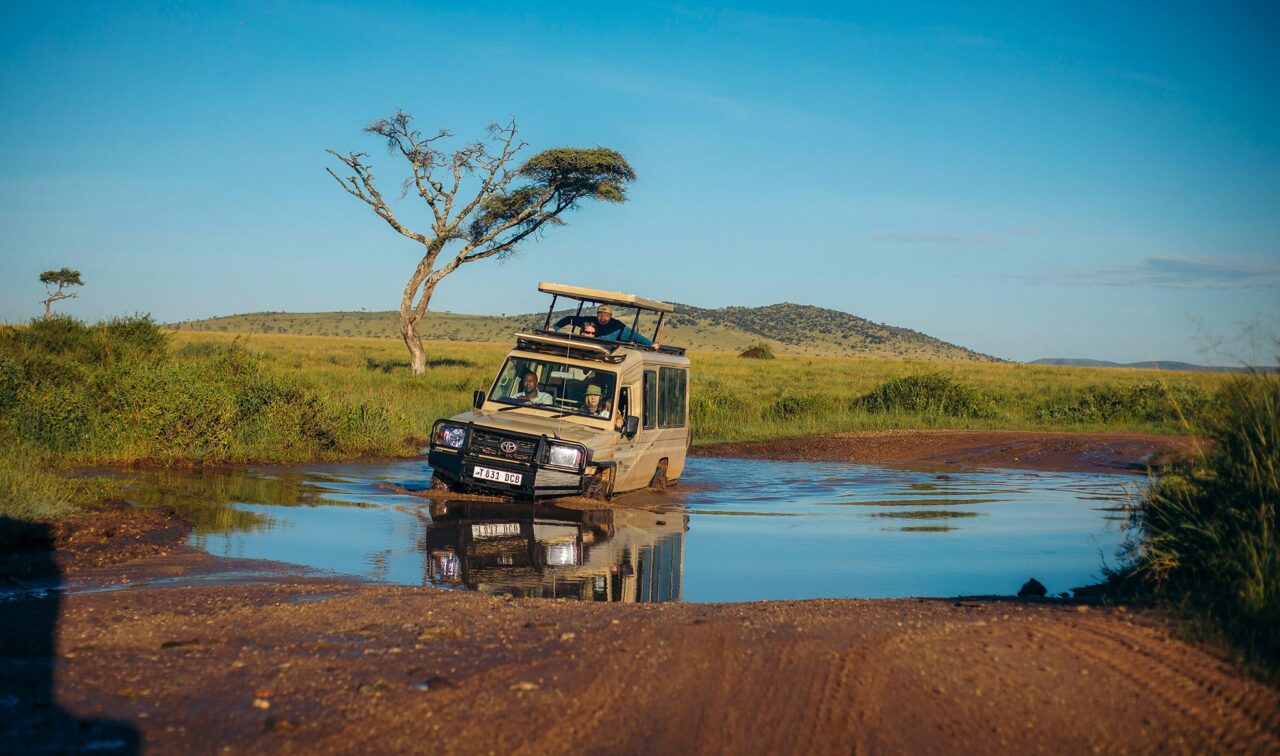
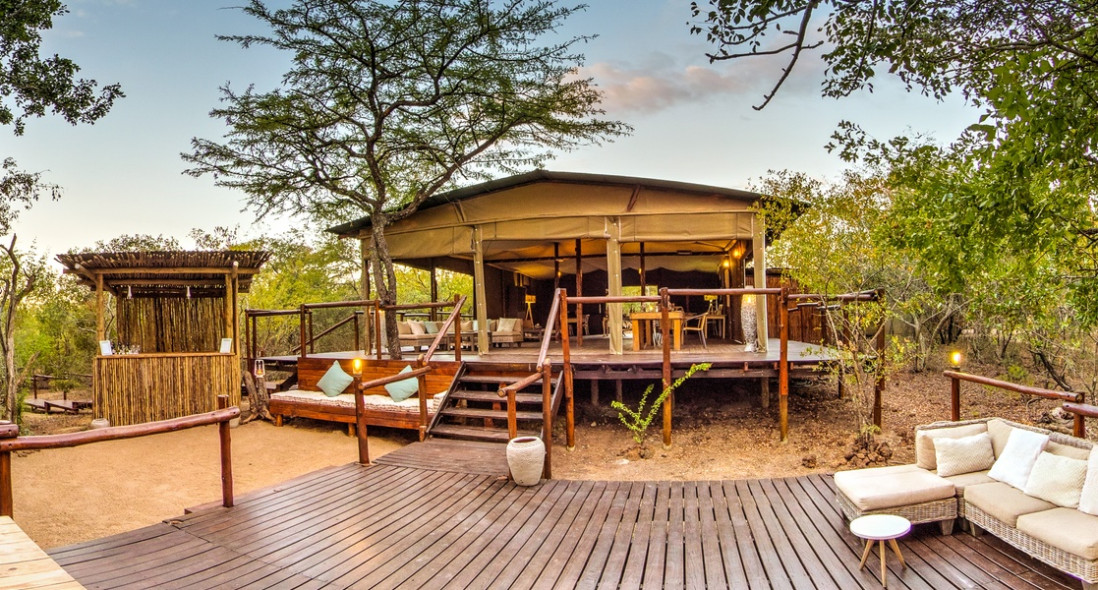
Your Ultimate Guide to a Tanzania Family Safari: Parks and Lodges Your Kids Will Love
Planning a safari for the whole family can feel like a monumental task, especially when aiming for a destination as wild and diverse as Tanzania. But with the right information, a Tanzania family safari can become an enriching, educational, and incredibly fun experience for everyone, from toddlers to teenagers and adults alike. This guide is crafted to help you navigate the options, choose the perfect parks and accommodations, and prepare for an adventure that will create lifelong memories. We’ll cover everything you need to know to make your 2026 or 2027 family safari a resounding success.
Quick Answers: Tanzania Family Safari Essentials
What are the best parks for a Tanzania family safari? The Serengeti, Tarangire, Lake Manyara, and the Ngorongoro Crater are top choices due to abundant wildlife, varied landscapes, and accessibility.
What makes a lodge family-friendly? Look for lodges with family rooms or suites, kid-friendly meal options, swimming pools, and activities designed for younger guests.
What is the best age for a Tanzania family safari? While younger children can enjoy safaris, ages 5 and up often benefit most from the experience, retaining more memories and understanding.
When is the best time for a family safari in Tanzania? The dry seasons (June to October and December to February) are generally ideal for wildlife viewing and easier travel with children.
How long should a Tanzania family safari be? A minimum of 7-10 days allows for travel between parks and sufficient time for game drives without feeling rushed.
Table of Contents
- Tanzania Family Safari: An Overview
- Why Tanzania is Ideal for Family Safaris
- Best National Parks for Kids in Tanzania
- Top Family-Friendly Lodges and Camps
- Crafting the Perfect Family Safari Itinerary
- Sample 7-Day Tanzania Family Safari Itinerary
- What to Expect on a Tanzania Family Safari
- Packing and Preparation for Kids
- Common Mistakes to Avoid on a Family Safari
- Who is a Tanzania Family Safari Best Suited For?
- Alternatives to a Standard Tanzania Family Safari
- Planning Your Tanzania Family Safari for 2026-2027
- Booking Your Tanzania Family Safari: Expert Tips
- Frequently Asked Questions (FAQs)
- Ready to Book Your Family Adventure?
Tanzania Family Safari: An Overview
A Tanzania family safari is more than just a holiday; it’s an immersive journey into the heart of the African wilderness. It’s a chance for children to connect with nature, learn about wildlife conservation, and experience a different culture firsthand. Imagine the excitement of spotting a lion pride, the wonder of seeing elephants up close, or the joy of watching giraffes gracefully stride across the savanna. Tanzania, with its iconic landscapes and abundant wildlife, offers an unparalleled setting for these moments. This guide focuses specifically on making this adventure accessible and enjoyable for families with children, covering the best destinations and accommodations that cater to younger travelers.
Why Tanzania is Ideal for Family Safaris
Tanzania stands out as a premier family safari destination for several compelling reasons:
- Incredible Wildlife Abundance: Home to the Great Migration, the Serengeti, and the unique ecosystem of the Ngorongoro Crater, Tanzania offers some of the highest densities of wildlife on the planet. This means more opportunities for your children to see iconic animals in their natural habitat.
- Diverse Landscapes: From the vast plains of the Serengeti to the acacia-dotted hills of Tarangire and the soda-ash lake of Manyara, the varied scenery keeps the safari experience visually stimulating for all ages.
- Variety of Activities: Beyond game drives, families can enjoy walking safaris (for older children), cultural visits to Maasai villages, and relaxing by lodge pools, offering a balanced holiday experience.
- Well-Developed Tourism Infrastructure: Tanzania has a mature safari industry with a range of accommodations, from luxury lodges to comfortable tented camps, many of which are specifically designed to welcome families. Reliable transport and experienced guides ensure safety and comfort.
- Educational Opportunities: A safari is a living classroom. Children can learn about animal behavior, ecosystems, conservation efforts, and different cultures, fostering a deeper appreciation for the natural world.
- Safety and Accessibility: Reputable tour operators prioritize safety with experienced guides, well-maintained vehicles, and advice on best practices. Many parks are relatively accessible, with good road networks connecting key areas.
Best National Parks for Kids in Tanzania
Choosing the right parks is crucial for a successful family safari. We recommend focusing on areas known for consistent wildlife sightings, diverse activities, and manageable travel times between locations.
Serengeti National Park
The Serengeti is arguably the most famous wildlife reserve in the world, and for good reason. Its vast, open plains are synonymous with the Great Migration and offer unparalleled opportunities to see the Big Five (lion, leopard, elephant, rhino, buffalo) and countless other species.
- Why it’s great for kids: The sheer scale of the Serengeti means wildlife is often in plain sight, making game drives exciting. Seeing large herds of wildebeest or zebras is a breathtaking spectacle for children. The open landscapes offer excellent visibility.
- Wildlife highlights: Lions, cheetahs, leopards, elephants, giraffes, zebras, wildebeest, hippos, crocodiles, and a huge variety of birds. The Great Migration (seasonal) is a must-see.
- Activities: Game drives (morning, afternoon, full-day), hot air balloon safaris (for older children, typically 6+), visiting Maasai villages (can be arranged).
- Considerations: It’s a large park, so focus on a specific region (e.g., Central Serengeti, Northern Serengeti depending on migration) to minimize travel time. Game drives can be long, so plan for breaks.
Tarangire National Park
Famous for its large elephant herds and iconic baobab trees, Tarangire offers a different, often more intimate, safari experience compared to the Serengeti.
- Why it’s great for kids: Tarangire is known for its high concentration of elephants, which are fascinating for children to observe. The park is also home to many tree-climbing lions, adding an element of surprise. The landscape is visually interesting with its giant baobabs.
- Wildlife highlights: Huge elephant herds, lions (often in trees), leopards, cheetahs, giraffes, zebras, wildebeest, and over 500 bird species.
- Activities: Game drives, walking safaris (for older children, accompanied by an armed ranger), cultural visits to local villages.
- Considerations: It’s a good first park to visit as it’s relatively close to Arusha and offers excellent wildlife viewing without the vastness of the Serengeti.
Lake Manyara National Park
This relatively small park packs a punch with its diverse habitats, including groundwater forests, acacia woodlands, and the alkaline lake itself.
- Why it’s great for kids: Lake Manyara is famous for its tree-climbing lions, large troops of baboons, and abundant birdlife. The compact size makes for shorter, more manageable game drives, ideal for younger attention spans. The lake itself is often teeming with flamingos (seasonally).
- Wildlife highlights: Tree-climbing lions, large baboon troops, elephants, hippos, giraffes, zebras, and a huge variety of birds including flamingos.
- Activities: Game drives, canoeing on the lake (at specific lodges), canopy walks (at Mto wa Mbu cultural center nearby).
- Considerations: It can get busy, but the shorter game drives make it a perfect stop for families.
Ngorongoro Conservation Area (Ngorongoro Crater)
The Ngorongoro Crater is a UNESCO World Heritage Site and a natural wonder. It’s a collapsed volcano caldera that holds a unique, self-contained ecosystem with an exceptionally high density of wildlife.
- Why it’s great for kids: The crater floor is like a natural zoo, with animals often visible at close range. The density of wildlife, including the rare black rhino, makes for consistently exciting game drives. The dramatic landscape is awe-inspiring.
- Wildlife highlights: The Big Five (including a good chance to see black rhinos), hippos, flamingos, a vast array of plains game, and numerous bird species.
- Activities: Game drives on the crater floor, visits to Maasai villages, learning about conservation efforts.
- Considerations: Access to the crater floor is restricted to a limited number of vehicles and time slots to protect the environment, so early starts are essential. It can be cooler at the crater rim, so pack layers.
Other Parks to Consider
While the above are the most popular, other parks might suit specific interests:
- Arusha National Park: Closer to Kilimanjaro International Airport, it offers opportunities for walking safaris and canoeing, with good chances to see colobus monkeys and diverse birdlife. Less focused on large predators.
- Ruaha National Park: For families seeking a more remote and wild experience, Ruaha offers incredible predator sightings and a sense of true wilderness. Requires more travel time.
Top Family-Friendly Lodges and Camps
Choosing the right accommodation is key to ensuring comfort and enjoyment for the entire family. Look for lodges that offer:
- Family Rooms/Suites: Dedicated spaces that can accommodate families comfortably, often with separate sleeping areas or adjoining rooms.
- Kid-Friendly Menus: Options that cater to picky eaters, such as pasta, pizza, or familiar breakfast items, alongside local and international cuisine.
- Swimming Pools: A fantastic way for children to cool off and have fun after a day of game drives.
- Activities for Kids: Some lodges offer nature walks, bush crafts, storytelling, or junior ranger programs.
- Safe Environment: Secure grounds, clear safety instructions, and staff experienced in looking after children.
Here are some types of accommodations and examples that tend to be family-friendly:
| Accommodation Type | Family Suitability | Example Features |
|---|---|---|
| Luxury Safari Lodges | Excellent. Often have spacious family suites, dedicated kids’ menus, pools, and organized activities. High staff-to-guest ratio ensures attention. | Private plunge pools, kids’ clubs, educational activities, gourmet dining with kid options. |
| Tented Camps (Permanent) | Very Good. Many offer family tents or adjoining tents. Can provide a more immersive experience while maintaining comfort. | Comfortable beds, en-suite bathrooms, private verandas, communal dining, campfire stories. |
| Mobile Camps (Seasonal) | Good for older children. Offer a more rustic, close-to-nature feel. Less amenities like pools, but highly adventurous. | Canvas tents, often in prime wildlife locations, focused on the safari experience. |
Specific Lodge Recommendations (Examples):
- Serengeti: Four Seasons Safari Lodge Serengeti (has a kids’ club, pool, and family rooms), Melia Serengeti Lodge (modern amenities, family rooms), &Beyond Grumeti Serengeti River Lodge (family suites, excellent guiding).
- Tarangire: Tarangire Treetops (unique rooms, good for older kids), Chem Chem Lodge (luxury, family villas, conservation focus).
- Ngorongoro: Ngorongoro Serena Hotel (crater rim views, family rooms), Ngorongoro Sopa Lodge (large, good for families, pool), Lemala Ewanjan Tented Camp (family tents available).
- Lake Manyara: Lake Manyara Serena Hotel (family rooms, beautiful setting), Manyara Ranch Conservancy (private conservancy, exclusive use villas).
Note: Always confirm specific family room configurations and child policies when booking.
Crafting the Perfect Family Safari Itinerary
The key to a successful family safari itinerary is balance: enough wildlife viewing to be exciting, but not so much that it becomes exhausting for children. Consider these factors:
- Pace: Avoid moving parks every day. Allow at least 2-3 nights per location.
- Travel Time: Minimize long drives. Factor in time for stops and potential wildlife sightings en route.
- Activity Mix: Combine game drives with downtime, pool time, and perhaps a cultural visit.
- Age Appropriateness: Shorter game drives (2-3 hours) are better for younger children. Older kids might enjoy longer excursions or specialized activities like walking safaris.
- Logistics: Flying into Kilimanjaro International Airport (JRO) is common. Consider a logical route that minimizes backtracking.
Sample 7-Day Tanzania Family Safari Itinerary
This itinerary offers a good balance for families, focusing on the Northern Circuit. It’s designed for families with children aged 5 and up.
Day 1: Arrival in Arusha & Transfer to Lodge
Arrive at Kilimanjaro International Airport (JRO). You’ll be met by your guide and transferred to your lodge in or near Arusha. This allows for rest and acclimatization after your flight.
Accommodation: Lodge in Arusha.
Day 2: Arusha to Tarangire National Park
After breakfast, drive to Tarangire National Park, known for its large elephant herds and baobab trees. Enjoy your first game drive en route to your lodge/camp.
Activities: Game drive.
Accommodation: Lodge or tented camp in Tarangire.
Day 3: Tarangire National Park
Full day exploring Tarangire. Morning and afternoon game drives. Look for elephants, lions, giraffes, and diverse birdlife. Consider a guided walk if children are old enough and conditions permit.
Activities: Game drives, optional walking safari.
Accommodation: Lodge or tented camp in Tarangire.
Day 4: Tarangire to Lake Manyara / Karatu
Morning game drive in Tarangire, then drive towards Lake Manyara National Park. Enjoy a game drive in Manyara, famous for its tree-climbing lions and baboons. Alternatively, you can stay in Karatu, a pleasant town on the crater highlands, offering a more relaxed base.
Activities: Game drive in Tarangire, game drive in Lake Manyara.
Accommodation: Lodge near Lake Manyara or in Karatu.
Day 5: Ngorongoro Crater Excursion
Descend into the Ngorongoro Crater for a morning game drive. This is a fantastic opportunity to see the Big Five, including the rare black rhino, in a relatively small area. Enjoy a picnic lunch by the hippo pool.
Activities: Crater game drive, picnic lunch.
Accommodation: Lodge near Lake Manyara or in Karatu.
Day 6: Ngorongoro to Serengeti National Park
Drive to the Serengeti, often via Olduvai Gorge (a significant paleoanthropological site, optional stop). Begin your game drive as you enter the Serengeti, heading towards your lodge or camp.
Activities: Game drive en route to Serengeti.
Accommodation: Lodge or tented camp in Central or Western Serengeti.
Day 7: Serengeti National Park & Departure
Enjoy a final morning game drive in the Serengeti. Depending on your flight schedule, you will be transferred to a local airstrip (e.g., Seronera) for a flight back to Arusha or Kilimanjaro International Airport (JRO) for your onward journey.
Activities: Morning game drive, transfer to airstrip for flight.
This is a sample. It can be extended to 10-14 days to include more time in the Serengeti, explore different regions, or add Zanzibar.
What to Expect on a Tanzania Family Safari
A family safari is an adventure, and managing expectations is key for a smooth trip.
- Wildlife Sightings: While Tanzania is rich in wildlife, sightings are not guaranteed. Patience is a virtue. Guides are skilled at finding animals, but nature is unpredictable.
- Game Drive Durations: Game drives typically last 2-4 hours. For younger children, shorter drives (1-2 hours) with breaks are recommended. Your guide will be flexible.
- Vehicle Comfort: Safari vehicles are typically 4×4 Land Cruisers or Land Rovers, with pop-up roofs for game viewing. They are designed for comfort on rough terrain. Ensure you have enough space for your family.
- Meals: Meals are usually taken at the lodge or camp. Packed lunches are common for full-day game drives. Lodges are generally accommodating of dietary needs if informed in advance.
- Accommodation: Lodges and tented camps range from rustic to luxurious. Tents, even in ‘tented camps’, are usually spacious with proper beds, en-suite bathrooms, and amenities.
- Connectivity: Wi-Fi can be spotty or unavailable in remote areas. Embrace the opportunity to disconnect and focus on the experience.
- Child Engagement: Keep children engaged by talking about what they see, playing ‘spot the animal’ games, and encouraging them to keep a nature journal.
Packing and Preparation for Kids
Packing smart ensures comfort and preparedness for all conditions.
Essential Packing List for Children:
- Clothing: Neutral colors (khaki, beige, olive green) are best for safaris. Avoid bright colors or dark colors that attract insects. Pack layers: t-shirts, long-sleeved shirts, sweaters/fleeces for cool mornings/evenings, comfortable trousers/shorts.
- Footwear: Comfortable, closed-toe walking shoes or sneakers. Sandals for around the lodge.
- Outerwear: A light, waterproof jacket or poncho for unexpected rain showers. A warmer jacket or fleece for cooler evenings, especially at the crater rim.
- Sun Protection: Wide-brimmed hats, sunglasses, and high SPF sunscreen.
- Insect Repellent: DEET-based repellent for children (follow age guidelines).
- Health Kit: Basic first-aid supplies, any personal medications, motion sickness remedies if needed, antiseptic wipes, and hand sanitizer. Consult your doctor about malaria prophylaxis and vaccinations well in advance.
- Binoculars: Essential for spotting wildlife. Get child-sized binoculars if possible.
- Camera: Encourage kids to take photos. A durable, easy-to-use camera can be a great way to document their adventure.
- Notebook & Pencils/Crayons: For drawing animals, writing observations, or keeping a safari diary.
- Snacks: While lodges provide food, having familiar snacks can be comforting for picky eaters or during long drives.
- Comfort Items: A favorite stuffed animal or small blanket for younger children.
Pre-Trip Preparation:
- Talk to Your Children: Explain what a safari is, what animals they might see, and what to expect. Show them books or documentaries.
- Health Consultations: Visit your doctor or a travel clinic 6-8 weeks before departure to discuss vaccinations and malaria prevention.
- Travel Insurance: Ensure it covers medical emergencies, evacuation, and trip cancellation.
- Visa Requirements: Check visa needs for Tanzania well in advance.
- Packing Practice: Let children pack their own small backpack with essentials they might want during game drives (e.g., binoculars, notebook).
Common Mistakes to Avoid on a Family Safari
Avoiding these common pitfalls can make your family safari much smoother:
- Over-scheduling: Trying to cram too many parks or activities into a short trip leads to exhaustion and stress for both parents and children.
- Ignoring Age Appropriateness: Not tailoring activities and game drive lengths to the children’s ages and stamina.
- Poor Lodge Choice: Selecting lodges that aren’t family-friendly can lead to discomfort and a lack of amenities for kids.
- Underestimating Travel Times: Tanzania’s distances can be significant. Factor in realistic travel times and potential delays.
- Not Packing Appropriately: Insufficient sun protection, lack of layers for changing temperatures, or forgetting essential items like insect repellent can cause discomfort.
- Not Informing the Operator: Failing to mention children’s ages, dietary needs, or specific interests to your tour operator can result in a less personalized experience.
- Expecting Constant Action: Wildlife viewing requires patience. Children need to understand that not every moment will be a dramatic sighting.
- Forgetting Travel Insurance: A crucial safety net for any international trip, especially with children.
Who is a Tanzania Family Safari Best Suited For?
A Tanzania family safari is an excellent choice for families who:
- Seek Educational and Adventurous Experiences: It offers a unique blend of learning and excitement, far removed from typical holidays.
- Appreciate Nature and Wildlife: Families with a genuine interest in animals and the natural world will find it incredibly rewarding.
- Are Prepared for a Different Pace: It’s not a beach resort holiday. It involves early mornings, travel on dirt roads, and a focus on the environment.
- Have Children Aged 5 and Above: While younger children can go, children aged 5 and up tend to engage more fully with the experience and have better memories of it. Teenagers often find the wildlife and vastness of Africa captivating.
- Value Experiential Travel: Families who want to create unique memories and share meaningful experiences together.
Alternatives to a Standard Tanzania Family Safari
While a classic Northern Circuit safari is popular, other options cater to different family preferences:
- Zanzibar Extension: After a safari, spend a few days on the spice island of Zanzibar for relaxation, swimming, and cultural exploration. This provides a nice contrast.
- Short Safari + Beach: Combine a 3-4 day safari in a park like Lake Manyara or Tarangire with a longer beach holiday on the coast or Zanzibar.
- Walking Safaris (for older teens): For adventurous families with older children (typically 12+), guided walking safaris in conservancies can offer a more intimate connection with the bush.
- Fly-in Safaris: For families with limited time or who prefer to avoid longer drives, flying between parks can be more efficient and comfortable, though it adds to the cost.
Planning Your Tanzania Family Safari for 2026-2027
Booking your family safari for 2026 or 2027 requires advance planning, especially for popular times.
- Best Time to Travel:
- The dry seasons (June to October and December to February) are generally best for wildlife viewing as animals congregate around water sources, and vegetation is less dense. These are also peak seasons, so book well in advance.
- The shoulder seasons (November, March-May) can offer lower prices and fewer crowds, but weather can be more unpredictable (short rains in Nov, long rains March-May). May can be particularly good value.
- Migration Viewing: If seeing the Great Migration is a priority, research its location for your chosen travel dates. The herds move constantly, typically crossing the Grumeti River (May-July) and the Mara River (July-October) in the Serengeti.
- Booking Window: For popular lodges and peak seasons (like July-September or Christmas/New Year), book 9-12 months in advance for 2026 or 2027. For shoulder seasons, 6-9 months is usually sufficient.
- Budgeting: Tanzania safaris can vary significantly in cost based on accommodation level, duration, and private vs. group tours. Factor in park fees, accommodation, transport, guides, meals, and any internal flights.
- Visa and Health: Start researching visa requirements and consult with health professionals about necessary vaccinations and malaria precautions at least 2-3 months before your trip.
Booking Your Tanzania Family Safari: Expert Tips
To ensure a stress-free and memorable family safari, follow these booking tips:
- Choose a Reputable Tour Operator: Look for operators with extensive experience in family travel and a strong track record in Tanzania. They can tailor itineraries, recommend suitable lodges, and handle all logistics.
- Communicate Your Needs Clearly: When contacting operators, be specific about the ages of your children, any special dietary requirements, mobility concerns, and your family’s interests.
- Ask About Vehicle Suitability: Ensure the safari vehicle is comfortable and spacious enough for your family, with adequate seating and window space for everyone.
- Understand Inclusions/Exclusions: Clarify what is covered in your safari package (park fees, accommodation, meals, guide, vehicle, activities) and what is not (tips, drinks, personal expenses, international flights).
- Read Reviews (but verify): Look for reviews from other families who have traveled with the operator.
- Get a Detailed Itinerary: Before booking, ensure you have a clear, day-by-day itinerary outlining activities, travel times, and accommodation.
- Ask About Flexibility: Good operators build flexibility into itineraries to accommodate children’s needs or unexpected wildlife sightings.
- Confirm Child Policies: Understand age restrictions for certain activities (like walking safaris) and accommodation policies for children.
Frequently Asked Questions (FAQs)
Q1: What is the minimum age for a child on a Tanzania safari?
There is no strict minimum age, but most operators recommend safaris for children aged 5 and above. Younger children can find long game drives challenging. However, some lodges cater to infants and toddlers with babysitting services and child-friendly facilities.
Q2: Are Tanzania safaris safe for families?
Yes, Tanzania is a safe destination for family safaris when planned with reputable operators. Guides are trained in safety protocols, vehicles are well-maintained, and lodges provide secure environments. The primary risks are related to wildlife, but guides ensure safe viewing distances.
Q3: What should we pack for a baby or toddler on safari?
Pack essentials like diapers, wipes, formula/baby food (if needed), a portable crib or travel cot if available, child-safe insect repellent, sun hats, and comfortable clothing. Many lodges can provide cribs upon request, but confirm this when booking.
Q4: Can children participate in walking safaris?
Generally, walking safaris are recommended for children aged 12 or older due to safety regulations and the need to be quiet and attentive. Some conservancies might have slightly different age policies, but it’s always best to confirm.
Q5: What if my child gets sick during the safari?
Carry a well-stocked first-aid kit. Most safari lodges have basic medical supplies and can contact a doctor or clinic if needed. Comprehensive travel insurance that includes medical evacuation is essential.
Q6: How do we handle long game drives with young children?
Opt for shorter game drives (2-3 hours). Bring plenty of snacks, drinks, and entertainment like books or drawing pads. Your guide can also help by finding interesting sights and making stops. Discuss drive lengths with your guide.
Q7: Is malaria a concern for children on safari?
Yes, malaria is present in Tanzania. Consult your doctor or a travel clinic about appropriate malaria prophylaxis for children, considering their age and weight. Also, ensure children wear long sleeves and trousers at dusk and dawn and use insect repellent.
Q8: What are the best months for a Tanzania family safari in 2026 or 2027?
The dry seasons, June to October and December to February, offer the best wildlife viewing. These months are popular, so book early for 2026 and 2027. November and March-May can be good alternatives with fewer crowds but potentially more rain.
Q9: How much does a Tanzania family safari cost?
Costs vary widely based on accommodation style, duration, and private vs. shared arrangements. A mid-range family safari for 7-10 days typically ranges from $3,000 to $6,000+ per person, excluding international flights. Luxury options can be significantly higher.
Q10: Can we visit local villages on a family safari?
Yes, cultural visits to Maasai or other local communities are often possible and can be very enriching for families. It’s important to approach these visits respectfully and ensure they are arranged through your tour operator.
Ready to Book Your Tanzania Family Safari?
A Tanzania family safari is an investment in shared experiences and a deep connection with the natural world. From the vast plains of the Serengeti to the unique ecosystem of the Ngorongoro Crater, Tanzania offers an adventure that will captivate every member of your family.
Planning this kind of trip requires expertise. Our team at Best Tanzania Tour Operator specializes in crafting bespoke family safari experiences. We understand the unique needs of traveling with children and can help you select the perfect parks, family-friendly lodges, and create an itinerary that balances adventure with comfort and safety.
Let us help you create an unforgettable Tanzania family safari adventure for 2026 or 2027. Get in touch today to start planning!
Contact us:
- WhatsApp: +255616946642
- Email: topguideadventures@gmail.com
- Backup Email: info@topguideadventures.com
Plan your Tanzania Family Safari: Best Parks and Lodges for Kids with Top Guide Adventures
Tell us your travel dates, group size, comfort level, and dream experience. We will help you shape a clear, realistic, and memorable Tanzania itinerary.







 Veedesigner
 Fatma Kizanga
 Benjamin Waryuba
 Philip Philip
 John jr Itaja
 Antonia Optatus
 Edith Kanyere
 Neema Iddy
 Kelvin Boniphace
 Damari Maiga



