
Updated planning guide for 2026, 2027
Is Kruger Better Than Serengeti?: Best Safari Guide
Deciding between Kruger National Park and Serengeti National Park for your African safari? This comprehensive guide breaks down the pros, cons, and key differences to help you choose the perfect wildlife adventure in 2026-2027.
WhatsApp +255616946642 | topguideadventures@gmail.com | info@topguideadventures.com
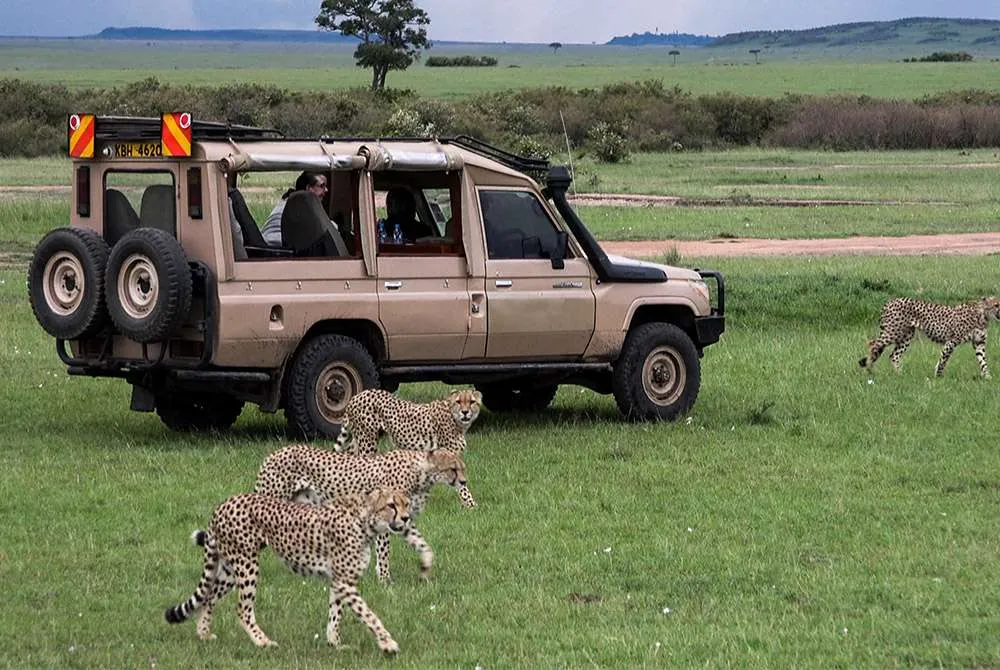

Kruger vs. Serengeti: Which African Safari is Best?
The age-old question for aspiring safari-goers: is Kruger better than Serengeti? Both are legendary African destinations, promising incredible wildlife encounters and breathtaking landscapes. However, they offer distinctly different experiences. As a premier Tanzania tour operator, we understand the nuances of planning an unforgettable African adventure. This detailed comparison will guide you through the unique characteristics of Kruger National Park in South Africa and the Serengeti National Park in Tanzania, helping you decide which park aligns best with your safari dreams for 2026 and 2027.
Quick Answer: Kruger vs. Serengeti
The choice between Kruger and Serengeti hinges on your priorities. Kruger is often favored for its accessibility, diverse accommodation options (from budget to luxury), excellent infrastructure, and reliable Big Five sightings, making it a strong contender for first-time safari visitors. Serengeti, on the other hand, offers a more vast, wilder, and raw wilderness experience, famously hosting the Great Migration. It’s ideal for those seeking immense open spaces, iconic African vistas, and the chance to witness one of nature’s greatest spectacles. For many, the question of Kruger vs. Serengeti isn’t about which is definitively ‘better,’ but which is better for them.
| Feature | Kruger National Park (South Africa) | Serengeti National Park (Tanzania) |
|---|---|---|
| Best For | First-time safari-goers, self-drive enthusiasts, diverse budgets, guaranteed Big Five sightings, excellent infrastructure. | Witnessing the Great Migration, vast wilderness, remote feel, iconic landscapes, unique cultural interactions (Maasai). |
| Wildlife Density | High, especially in the southern and central regions. | Extremely high, particularly during migration periods. Abundant resident wildlife year-round. |
| Big Five Chances | Very high and reliable year-round. | High, though dependent on season and location within the park. |
| Landscape | Varied: savanna, woodlands, riverine forests, granite hills. | Vast, rolling grasslands, acacia-dotted plains, kopjes (rocky outcrops), riverine forests. |
| Great Migration | Does not occur here. | Central event; herds move through the park year-round, with peak crossings in specific areas. |
| Accommodation | Wide range: SANParks rest camps (budget), private lodges, tented camps, guesthouses outside the park. | Luxury tented camps, lodges, mobile camps that follow the migration, basic public campsites. |
| Accessibility | Easily accessible by road and flight to nearby airports (e.g., Kruger Mpumalanga International Airport – MQP). Self-drive is popular. | Requires flights from major Tanzanian cities (e.g., Arusha, Kilimanjaro International Airport – JRO) to internal airstrips. Road access is long and can be rough. |
| Cost | Generally more budget-friendly options available, especially for self-drive and SANParks accommodation. Private concessions can be expensive. | Can be more expensive due to flight logistics, park fees, and typically higher-end accommodation. |
| Best Time to Visit | Dry season (May to October) for best game viewing. | Varies by location for migration viewing. Dry season (June to October) for general game viewing and river crossings. Wet season (November to May) for birding and calving. |
Understanding the Appeal: Kruger National Park
Kruger National Park, established in 1926, is South Africa’s oldest and largest national park. It covers an immense area of approximately 19,485 square kilometers (7,523 sq mi) and is renowned for its accessibility and the sheer abundance of wildlife. Its well-maintained road network makes it a popular destination for self-drive safaris, allowing travelers to explore at their own pace.
Why Choose Kruger?
- Exceptional Big Five Sightings: Kruger is one of the best places in Africa to see lions, leopards, elephants, rhinos (both black and white), and buffalo. The southern and central parts of the park, in particular, are known for high concentrations of these iconic animals.
- Self-Drive Friendly: With paved roads, clear signage, and numerous rest camps offering amenities, Kruger is incredibly accessible for independent travelers. You can rent a vehicle and explore vast sections of the park yourself.
- Diverse Accommodation: From basic, clean campsites and self-catering huts in SANParks rest camps to luxurious private lodges and tented camps in adjacent private reserves (like Sabi Sands, Timbavati, Klaserie), Kruger caters to every budget and style.
- Good Infrastructure: Rest camps provide restaurants, shops, fuel stations, and swimming pools. Information centers offer insights into the park’s flora and fauna.
- Year-Round Game Viewing: While the dry season (May-October) offers the most concentrated game viewing as water sources diminish, Kruger provides excellent sightings throughout the year.
- Variety of Landscapes: The park encompasses a range of habitats, from open savanna and dense bushveld to riverine forests and rocky outcrops, supporting a rich biodiversity.
Kruger’s Regions: A Closer Look
Kruger is vast and can be broadly divided into three main areas, each offering a slightly different experience:
- Southern Kruger: This is the most popular and accessible region, often visited by day-trippers from Johannesburg and Nelspruit. It boasts the highest density of animals, particularly the Big Five. Rest camps like Lower Sabie, Skukuza, and Pretoriuskop are well-equipped.
- Central Kruger: Offers a mix of bushveld and savanna. It’s less crowded than the south but still provides excellent game viewing. Satara is a key rest camp here.
- Northern Kruger: More remote and wild, with sparser vegetation and a more rugged feel. It’s known for its birdlife and a good chance of spotting cheetahs and wild dogs. Punda Maria and Mopane Camp are notable spots.
For those considering a Kruger safari in 2026 or 2027, understanding these regional differences can help tailor your itinerary.
Exploring the Majesty: Serengeti National Park
The Serengeti National Park, part of the larger Serengeti ecosystem, is a UNESCO World Heritage Site and one of Africa’s most iconic wildlife destinations. Its name, derived from the Maasai word ‘Siringet,’ meaning ‘endless plains,’ perfectly captures its vast, sweeping landscapes.
Why Choose Serengeti?
- The Great Migration: This is the Serengeti’s star attraction. Each year, over 1.5 million wildebeest, zebras, and gazelles migrate in a circular route across the plains, following the rains in search of fresh grazing. Witnessing the dramatic river crossings is a bucket-list experience.
- Vast Wilderness and Open Spaces: The Serengeti offers an unparalleled sense of scale and wildness. Its seemingly endless plains stretch to the horizon, dotted with acacia trees and rocky kopjes, providing a classic African safari backdrop.
- Exceptional Predator Sightings: The abundance of prey in the Serengeti supports one of the highest densities of predators in Africa, including lions, cheetahs, leopards, hyenas, and wild dogs.
- Iconic African Scenery: From the acacia-dotted plains to the dramatic kopjes that serve as lion lairs, the Serengeti’s landscapes are instantly recognizable and deeply evocative.
- Remote and Untamed Feel: While there are established camps and lodges, the sheer size of the Serengeti means you can often find yourself in remote areas with few other vehicles around, enhancing the feeling of an authentic wilderness experience.
- Diverse Wildlife Beyond the Migration: Even outside of migration season, the Serengeti boasts incredible resident wildlife populations, including elephants, giraffes, hippos, crocodiles, and a staggering array of birdlife.
The Serengeti Ecosystem and the Great Migration
The Serengeti isn’t just the national park; it’s a vast ecosystem that includes the Ngorongoro Conservation Area, the Maasai Mara National Reserve in Kenya, and numerous private conservancies. The Great Migration is the lifeblood of this ecosystem, a constant movement dictated by the seasons and the availability of food.
Understanding the migration’s cycle is key to planning a Serengeti safari. Here’s a general overview for 2026 and 2027:
- December – March (Calving Season): The wildebeest herds are typically in the southern Serengeti and Ngorongoro Conservation Area, where the short grasses are rich in minerals. This is when calves are born, and predators are at their most active, offering incredible viewing opportunities for predator-prey interactions.
- April – May (Wildebeest Migration Moves North): As the southern plains dry out, the herds begin their journey northwards. This is the ‘long rains’ season, and the landscape is lush and green. Game viewing can be more challenging due to the thicker vegetation.
- June – July (River Crossings): The herds typically reach the Grumeti River in the western Serengeti. While dramatic, these crossings are often less predictable and smaller in scale than the Mara River crossings.
- July – October (Peak Migration & Mara River): This is when the herds are in the northern Serengeti, often gathering at the Mara River for the most spectacular and famous river crossings into the Maasai Mara. These crossings are highly dependent on rainfall and herd movements, making them thrilling but not guaranteed.
- November (Migration Returns South): The herds begin their journey back south, often following the ‘short rains’ that fall in the eastern and central Serengeti.
For travelers aiming for the Great Migration in 2026 or 2027, precise timing and location are crucial. This is where expert planning from a Tanzania tour operator becomes invaluable.
| Month | Location | Key Event |
|---|---|---|
| Jan-Mar | Southern Serengeti / Ngorongoro | Calving season, predator activity |
| Apr-May | Central/Western Serengeti | Herds moving north, lush landscape |
| Jun-Jul | Western Serengeti (Grumeti River) | Possible Grumeti River crossings |
| Jul-Oct | Northern Serengeti (Mara River) | Spectacular Mara River crossings (highly variable) |
| Nov | Eastern/Central Serengeti | Herds moving south, short rains |
Kruger vs. Serengeti: Key Differences Explained
While both parks offer phenomenal safari experiences, the distinctions are significant and impact the type of trip you’ll have. Understanding these differences is critical when deciding if Kruger is better than Serengeti for your needs.
1. Accessibility and Infrastructure
Kruger: Highly accessible. You can fly into Kruger Mpumalanga International Airport (MQP) or Hoedspruit Eastgate Airport (HDS) and drive to the park gates. Many visitors opt for self-drive safaris, renting their own vehicle. The internal road network is extensive and well-maintained. Accommodation ranges from basic SANParks rest camps to luxury lodges.
Serengeti: Less accessible. Typically, you’ll fly into Kilimanjaro International Airport (JRO) or Arusha Airport (ARK) and then take a smaller bush plane to one of the Serengeti’s many airstrips. Road travel to and within the Serengeti is often long, bumpy, and requires a sturdy 4×4 vehicle. Infrastructure is geared towards guided safaris, with lodges and tented camps being the primary accommodation.
2. Wildlife Viewing Experience
Kruger: Known for its reliability. The Big Five are frequently spotted, especially in the southern regions. The park is well-stocked, and with its more concentrated wildlife and accessible roads, you’re likely to see a variety of animals. The experience can sometimes feel more structured due to the road network and higher visitor numbers in popular areas.
Serengeti: Offers a more profound wilderness experience. While Big Five sightings are excellent, the sheer scale of the park and the movements of the Great Migration mean game viewing can be more dynamic. You might spend hours tracking a particular pride of lions or waiting for a river crossing. The vastness means you can feel more immersed in nature, with fewer vehicles around in many areas.
3. The Great Migration
Kruger: Does not have the Great Migration. Wildlife viewing is consistent year-round, focusing on resident populations.
Serengeti: The Great Migration is its defining feature. If witnessing this natural phenomenon is a priority, the Serengeti is the only option. However, it requires careful timing and planning to be in the right place at the right time for specific events like river crossings.
4. Landscape and Scenery
Kruger: Offers diverse scenery, including bushveld, savanna, riverine forests, and hilly regions. It’s beautiful but perhaps less iconic or vast in its vistas compared to the Serengeti.
Serengeti: Famous for its immense, rolling grasslands that stretch to the horizon, punctuated by acacia trees and dramatic kopjes. It’s the quintessential African landscape that many travelers envision.
5. Cost Considerations
Kruger: Generally offers a wider range of price points. Self-drive safaris and stays in SANParks rest camps can be very affordable. Private lodges and concessions in Kruger and its surrounding private reserves can be as expensive as anywhere in Africa, but accessible options exist.
Serengeti: Tends to be more expensive. The logistics of getting there (internal flights), park fees, and the typical style of accommodation (high-end lodges and tented camps) contribute to a higher overall cost. While budget camping is available, it often requires more self-sufficiency or specialized tour operators.
6. Accommodation Styles
Kruger: Offers a broad spectrum. From self-catering chalets and basic tents in SANParks camps to ultra-luxury private lodges with plunge pools and gourmet dining. You can even stay in lodges just outside the park borders and do day visits.
Serengeti: Primarily comprises luxury tented camps and lodges. These are designed to blend with the environment and offer comfort amidst the wilderness. Mobile tented camps follow the Great Migration, offering a more immersive, albeit temporary, experience.
Who is Kruger Best For?
Kruger is an excellent choice for a variety of travelers, particularly those who:
- Are First-Time Safari Goers: Its accessibility, reliable wildlife sightings, and good infrastructure make it less intimidating and more straightforward for a first safari experience.
- Prefer Self-Driving: The well-developed road network and clear signage are perfect for independent travelers who want to explore at their own pace.
- Are on a Tighter Budget: SANParks rest camps and the option of self-catering offer significant cost savings compared to many other African safari destinations.
- Want Guaranteed Big Five Sightings: The high density of animals, especially in the southern sector, means your chances of seeing all of the Big Five are very good.
- Value Convenience and Amenities: Kruger’s rest camps offer restaurants, shops, and other facilities that make a safari comfortable and easy.
- Are Planning a Safari in 2026 or 2027 and Seek Simplicity: For a straightforward, high-quality safari experience without complex logistics, Kruger is a superb option.
Who is Serengeti Best For?
The Serengeti is ideal for travelers who:
- Dream of Witnessing the Great Migration: This is the ultimate draw. If seeing millions of animals on the move is your top priority, the Serengeti is unparalleled.
- Seek Vast, Untamed Wilderness: The sheer scale and the feeling of being in a truly wild, remote landscape are hallmarks of the Serengeti.
- Want Iconic African Scenery: The endless plains, acacia trees, and kopjes are the stuff of safari dreams.
- Are Experienced Safari Goers: Those who appreciate the nuances of tracking predators, understanding ecosystem dynamics, and enjoy a more immersive, less structured experience.
- Are Willing to Invest More for a Premium Experience: The Serengeti typically offers a higher-end, more exclusive safari experience, which comes at a higher price point.
- Are Planning a Special Occasion Safari in 2026 or 2027: For honeymoons, significant anniversaries, or a once-in-a-lifetime trip, the Serengeti delivers an unforgettable adventure.
Comparing Itinerary Logic: Kruger vs. Serengeti
The structure of a safari itinerary will differ significantly between Kruger and Serengeti, reflecting their unique characteristics. Here’s a look at typical approaches.
Sample Kruger Itinerary Logic (5 Days)
This logic focuses on maximizing game viewing in a concentrated area, often the southern or central regions, and allows for self-drive or guided lodge experiences.
Day 1: Arrival and Southern Kruger Exploration
- Arrive at Kruger Mpumalanga International Airport (MQP) or Hoedspruit (HDS).
- Pick up rental vehicle (if self-driving) or meet your guide.
- Enter Kruger National Park via a southern gate (e.g., Paul Kruger Gate or Malelane Gate).
- Check into your chosen rest camp (e.g., Skukuza, Lower Sabie) or lodge.
- Afternoon/evening game drive in your own vehicle or with a lodge guide. Focus on areas known for Big Five sightings.
Day 2: Central Kruger Drive
- Early morning game drive.
- Drive north towards the central region, perhaps around Satara, known for lions and hyenas.
- Stop at various waterholes and viewpoints.
- Optional guided night drive to spot nocturnal animals.
Day 3: Bush Walks and Riverine Areas
- Morning bush walk with an armed ranger for an intimate wildlife experience on foot.
- Explore the riverine areas (e.g., Sabie River) which attract different species.
- Focus on birdwatching and smaller details of the bush.
Day 4: Private Reserve Experience (Optional)
- If staying in a private lodge or doing a day visit to a private reserve (e.g., Sabi Sands), focus on off-road driving and tracking guided by experienced rangers. These reserves often offer excellent leopard sightings.
- Alternatively, continue exploring different sections of the main park.
Day 5: Final Game Drive and Departure
- One last early morning game drive.
- Enjoy breakfast and check out.
- Drive back to the airport for your departure.
Sample Serengeti Itinerary Logic (5 Days) – Migration Focused
This logic prioritizes positioning for the Great Migration, requiring flexibility and often internal flights. This is where a Tanzania tour operator’s expertise is crucial for 2026-2027 planning.
Day 1: Arrival in the Serengeti & Central Plains
- Fly into Kilimanjaro International Airport (JRO) or Arusha (ARK).
- Connect to a scheduled or private bush flight to a Serengeti airstrip (e.g., Seronera).
- Meet your guide and vehicle.
- Transfer to your lodge or tented camp in the central Serengeti (Seronera area), known for resident predators year-round.
- Afternoon game drive on the central plains.
Day 2: Following the Migration (e.g., North or West)
- Early morning game drive.
- Depending on the season and reported migration movements for 2026/2027, you might drive north towards the Mara River or west towards the Grumeti River. This requires expert knowledge of current wildlife patterns.
- Full day exploring these regions, searching for migration herds and river crossings. Packed lunch provided.
Day 3: River Crossings or Predator Action
- Full day dedicated to the chosen region. If targeting river crossings, you’ll spend hours observing the riverbanks, waiting for the herds to cross.
- Alternatively, if the migration is elsewhere or not crossing, focus on predator sightings in areas with high concentrations of wildebeest and zebras.
- Optional hot air balloon safari at sunrise for a unique perspective (book in advance).
Day 4: Southern Serengeti or Calving Grounds (Seasonal)
- If the season is right (Dec-Mar), fly or drive south towards the Ndutu area (technically in the Ngorongoro Conservation Area but part of the Serengeti ecosystem) for the calving season and intense predator activity.
- Alternatively, explore more of the central Serengeti’s kopjes and acacia woodlands for lions, leopards, and cheetahs.
- Evening game drive.
Day 5: Final Game Drive and Departure
- Early morning game drive.
- Breakfast at the lodge/camp.
- Transfer to the nearest airstrip for your flight back to Arusha or Kilimanjaro for your onward journey.
Planning Your Safari in 2026/2027: Key Considerations
When planning your trip to either Kruger or Serengeti for 2026 or 2027, several factors will influence your decision and experience.
Best Time to Visit
Kruger:
- Dry Season (May to October): Vegetation thins out, and animals congregate around water sources, making them easier to spot. This is peak season.
- Wet Season (November to April): Lush green landscapes, excellent birding, and newborn animals. Game viewing can be more challenging due to denser vegetation, but it’s quieter and often more affordable.
Serengeti:
- Dry Season (June to October): Excellent for general game viewing and the best chance for dramatic river crossings in the north. This is peak season for migration viewing.
- Calving Season (December to March): Southern Serengeti/Ndutu area is ideal for witnessing newborn wildebeest and intense predator action.
- Shoulder Seasons (April-May, November): Can offer good game viewing with fewer crowds and lower prices, but the migration’s exact location can be unpredictable.
Accommodation Options
Kruger:
- SANParks Rest Camps: Basic, clean, and affordable. Offer a range of units from campsites to bungalows and family cottages. Self-catering facilities are common.
- Private Lodges (within Kruger or adjacent reserves like Sabi Sands): Luxurious, all-inclusive experiences with private guides, game drives, and gourmet dining.
- Tented Camps: A middle ground, offering comfortable canvas accommodation with en-suite bathrooms.
Serengeti:
- Luxury Tented Camps: The most common type, offering a blend of comfort and immersion. Many have en-suite bathrooms and private verandas.
- Lodges: More permanent structures, often with swimming pools and fine dining.
- Mobile Tented Camps: These camps move seasonally to follow the Great Migration, offering a very intimate and dynamic experience.
- Public Campsites: Basic facilities for budget travelers, often requiring more self-sufficiency.
Choosing Your Safari Style
Kruger:
- Self-Drive: Maximum flexibility and cost-effectiveness.
- Guided Lodge Safaris: For a more relaxed, guided experience with expert trackers.
- Fly-in Safaris: To specific lodges within Kruger or private reserves.
Serengeti:
- Guided Safaris (with a Tour Operator): Highly recommended due to logistics and the need for expert knowledge of migration patterns. This is our specialty at Best Tanzania Tour Operator.
- Fly-in Safaris: Essential for covering large distances efficiently and accessing remote areas.
- Self-Drive: Possible but challenging due to road conditions and distances; usually only for very experienced 4×4 drivers.
Mistakes to Avoid When Choosing Between Kruger and Serengeti
To ensure your safari is everything you dreamed of, be aware of these common pitfalls:
- Not considering the time of year: Visiting Serengeti during the wrong month can mean missing the migration. Visiting Kruger during peak rainy season might make game viewing harder.
- Underestimating travel time and logistics: Especially for Serengeti, factoring in flight times, transfers, and potentially rough roads is crucial.
- Assuming one is definitively ‘better’: Kruger and Serengeti offer different, equally valid, and incredible safari experiences. The ‘best’ is subjective and depends on your preferences.
- Not booking in advance: For popular times (like migration season in Serengeti or peak dry season in Kruger for 2026/2027), accommodation and flights get booked up months, sometimes a year, in advance.
- Ignoring budget realities: Serengeti is generally more expensive than Kruger, especially if opting for a guided safari. Be realistic about what you can afford.
- Over-reliance on self-drive in Serengeti: While possible, it’s much more demanding than in Kruger. A good guide significantly enhances the Serengeti experience.
- Not factoring in park fees: These are substantial, especially in Tanzania, and should be included in your budget calculations.
Packing and Preparation for Your Safari
Packing essentials are similar for both parks, but consider the specific climate and activities.
What to Pack:
- Neutral-colored clothing: Khaki, green, brown, beige. Avoid bright colors and black/dark blue, which can attract tsetse flies and disturb wildlife.
- Layers: Mornings and evenings can be cool, even in warm climates. Pack long-sleeved shirts and a fleece or light jacket.
- Comfortable walking shoes: For around camps and optional bush walks.
- Sun protection: Wide-brimmed hat, sunglasses, high SPF sunscreen.
- Insect repellent: Especially important for evenings and in areas with malaria risk.
- Binoculars: Essential for spotting distant wildlife.
- Camera with zoom lens: To capture those incredible moments.
- Reusable water bottle: Stay hydrated and reduce plastic waste.
- Personal first-aid kit: With any personal medications.
- Adapter for electronics: Check power outlets and voltage.
Preparation:
- Vaccinations and Malaria Prevention: Consult your doctor well in advance of your 2026/2027 trip regarding recommended vaccinations and malaria prophylaxis.
- Travel Insurance: Comprehensive travel insurance is essential for any safari.
- Visa Requirements: Check visa requirements for South Africa (Kruger) or Tanzania (Serengeti).
- Fitness: While most safaris are relaxed, some walking might be involved.
- Learn basic phrases: A few words in Swahili can be appreciated in Tanzania.
Is Kruger Better Than Serengeti? A Final Comparison
To definitively answer ‘is Kruger better than Serengeti,’ we must summarize the core differences and who they serve best.
| Aspect | Kruger National Park | Serengeti National Park |
|---|---|---|
| Ease of Access | High (self-drive, good roads) | Moderate to Low (flights, rough roads) |
| Wildlife Reliability (Big 5) | Very High | High (seasonal variations) |
| Iconic Event | None specific (consistent viewing) | Great Migration (seasonal, location-dependent) |
| Landscape Grandeur | Varied, beautiful | Vast, iconic savanna |
| Budget Friendliness | More options, potentially lower cost | Generally higher cost |
| Sense of Wilderness | Good, but can be busier | Exceptional, vast, remote feel |
| Infrastructure | Excellent (roads, camps) | Good, but geared towards guided safaris |
| Best For First-Timers | Yes | Potentially, with expert guidance |
| Best For Migration Seekers | No | Yes |
Ultimately, the question isn’t about which park is inherently superior, but rather which park offers the safari experience that best matches your expectations, budget, and travel style for your 2026 or 2027 adventure. If you prioritize ease of access, a wide range of accommodation, and reliable Big Five sightings without the complexity of migration tracking, Kruger is likely your answer. If you dream of vast, wild landscapes, the drama of the Great Migration, and an immersive wilderness experience, then the Serengeti, with the right planning, is the place to be.
Alternatives to Kruger and Serengeti
While Kruger and Serengeti are titans of African safari, other incredible parks offer unique experiences:
- South Africa: Kgalagadi Transfrontier Park (arid desert landscapes, unique predators), Addo Elephant National Park (large elephant herds, malaria-free).
- Tanzania: Tarangire National Park (famous for elephants and baobab trees), Lake Manyara National Park (tree-climbing lions, diverse birdlife), Selous Game Reserve (now Nyerere National Park – vast, river safaris, Rufiji River).
- Kenya: Maasai Mara National Reserve (part of the Serengeti ecosystem, excellent for migration and predators), Amboseli National Park (iconic views of Kilimanjaro with large elephant herds).
- Botswana: Chobe National Park (huge elephant populations, river cruises), Okavango Delta (unique water-based safaris, exclusive lodges).
Booking Your Safari: Expert Advice for 2026/2027
Whether you’re leaning towards Kruger or Serengeti, booking the right safari is key. As a dedicated Tanzania tour operator, we specialize in creating bespoke safari experiences that go beyond the ordinary. For your 2026 or 2027 safari, consider these points:
- Work with a Reputable Tour Operator: Especially for Serengeti, an operator like Best Tanzania Tour Operator can navigate complex logistics, secure the best guides, and ensure you’re in the right place at the right time for the migration.
- Be Clear About Your Priorities: Do you want to see the migration? Is budget a major concern? Are you looking for luxury or a more rustic experience? Communicate this clearly.
- Understand Inclusions: What is covered in your package? Park fees, accommodation, meals, drinks, activities, internal flights, guide services?
- Customization is Key: A good operator will tailor an itinerary to your specific interests, pace, and budget, whether that’s a self-drive adventure in Kruger or a migration-focused journey through the Serengeti.
- Consider a Combination: For a longer trip, you could combine Serengeti with other Tanzanian highlights like the Ngorongoro Crater or Tarangire.
Planning a safari for 2026 or 2027 takes time. Starting early ensures you get the best availability and prices for your chosen dates and accommodations.
Ready to Plan Your Dream Safari?
Deciding between Kruger and Serengeti is a fantastic first step. Now, let us help you craft the perfect itinerary. Whether you envision the vast plains of the Serengeti or the diverse wildlife of Kruger, our expert team is here to guide you. We offer custom safari packages, ensuring every detail is handled for an unforgettable adventure in 2026 or 2027.
Contact us today:
WhatsApp: +255616946642
Email: topguideadventures@gmail.com
Backup Email: info@topguideadventures.com
Frequently Asked Questions (FAQs)
Q1: Is Kruger National Park or Serengeti National Park better for seeing the Big Five?
Both parks offer excellent chances of seeing the Big Five (lion, leopard, elephant, rhino, buffalo). Kruger, particularly its southern regions, is renowned for its reliability and high density of these animals year-round. Serengeti also has abundant Big Five populations, but sightings can be more dynamic and influenced by the Great Migration’s movements. For guaranteed sightings, Kruger might have a slight edge, but Serengeti offers a more raw wilderness experience.
Q2: Which park is better for witnessing the Great Migration?
The Serengeti National Park is unequivocally the place to witness the Great Migration. This spectacular event involves millions of wildebeest, zebras, and gazelles. Kruger National Park does not have the Great Migration; its wildlife viewing focuses on resident populations.
Q3: Can I do a self-drive safari in both Kruger and Serengeti?
Self-drive safaris are very popular and well-suited for Kruger National Park due to its extensive, well-maintained road network and clear signage. While self-driving is technically possible in the Serengeti, it is significantly more challenging due to vast distances, rough roads, and the need for a robust 4×4 vehicle. For most travelers, a guided safari with an experienced driver-guide is highly recommended for the Serengeti to maximize sightings and ensure safety.
Q4: Which park is more expensive to visit?
Generally, Serengeti National Park tends to be more expensive than Kruger National Park. This is due to factors like the need for internal flights to access the park, higher park entry fees in Tanzania, and the typical style of accommodation being luxury tented camps or lodges. Kruger offers a wider range of accommodation options, including budget-friendly SANParks rest camps, making it more accessible for travelers on a tighter budget.
Q5: What is the best time of year to visit Kruger for game viewing?
The dry season, from May to October, is considered the best time for game viewing in Kruger National Park. During these months, vegetation is less dense, and animals tend to congregate around permanent water sources, making them easier to spot. However, Kruger offers good game viewing year-round.
Q6: What is the best time of year to visit Serengeti for the Great Migration?
The best time to visit Serengeti for the Great Migration depends on what you want to see. For the dramatic Mara River crossings, July to October is typically the prime time, though these events are unpredictable. For the calving season and intense predator activity, December to March in the southern Serengeti/Ndutu area is ideal. Planning for 2026 and 2027 requires checking the most up-to-date migration forecasts.
Q7: Is Kruger or Serengeti better for first-time safari-goers?
Kruger National Park is often recommended for first-time safari-goers due to its accessibility, excellent infrastructure, and reliable wildlife sightings, which can make the experience less daunting. Serengeti can also be a first safari destination, but it’s highly advisable to go with a reputable tour operator who can manage the logistics and enhance the experience.
Q8: What kind of accommodation can I expect in Kruger vs. Serengeti?
Kruger offers a broad spectrum, from basic SANParks rest camps with chalets and campsites to luxurious private lodges. Serengeti primarily features high-end tented camps and lodges, designed for comfort and immersion in the wilderness. Mobile camps that follow the migration are also a unique option in Serengeti.
Q9: Are there malaria risks in Kruger and Serengeti?
Both Kruger National Park and Serengeti National Park are in malaria-endemic areas. It is crucial to consult your doctor about malaria prevention medication and take precautions such as using insect repellent and wearing long sleeves and trousers during dawn and dusk. Kruger’s southern parts have a lower risk than the northern areas, but precautions are still advised.
Q10: How do I choose the right tour operator for a Serengeti safari in 2026 or 2027?
Look for operators with extensive experience in Tanzania, specifically the Serengeti. Check for positive reviews, clear communication, and a willingness to customize itineraries. A good operator will have strong local knowledge, understand migration patterns, and be able to recommend suitable camps and lodges based on your interests and budget. Best Tanzania Tour Operator prides itself on expert planning and personalized service for Serengeti adventures.
Your Ultimate African Safari Awaits!
The decision between Kruger and Serengeti is a significant one, and we hope this guide has provided clarity. Both offer unparalleled wildlife encounters, but they cater to different safari desires. Whether you choose the accessible wonders of Kruger or the vast, wild heart of the Serengeti, an incredible adventure awaits you in 2026 and 2027.
Let Best Tanzania Tour Operator help you finalize your choice and craft the perfect itinerary. We are passionate about creating life-changing safari experiences. Contact us to discuss your dream trip!
WhatsApp: +255616946642
Email: topguideadventures@gmail.com
Backup Email: info@topguideadventures.com
We are here to answer all your questions about planning your safari to Kruger vs. Serengeti or any other destination in East Africa.
Plan your Is Kruger better than Serengeti? with Top Guide Adventures
Tell us your travel dates, group size, comfort level, and dream experience. We will help you shape a clear, realistic, and memorable Tanzania itinerary.







 Veedesigner
 Fatma Kizanga
 Benjamin Waryuba
 Philip Philip
 John jr Itaja
 Antonia Optatus
 Edith Kanyere
 Neema Iddy
 Kelvin Boniphace
 Damari Maiga



