
Updated planning guide for 2026-2027
Gorilla Trekking Cost: Complete Guide
Discover the complete breakdown of gorilla trekking costs for your 2026-2027 adventure. This guide covers permits, tour packages, travel expenses, and essential planning tips to help you budget effectively for this once-in-a-lifetime experience.
WhatsApp +255616946642 | topguideadventures@gmail.com | info@topguideadventures.com
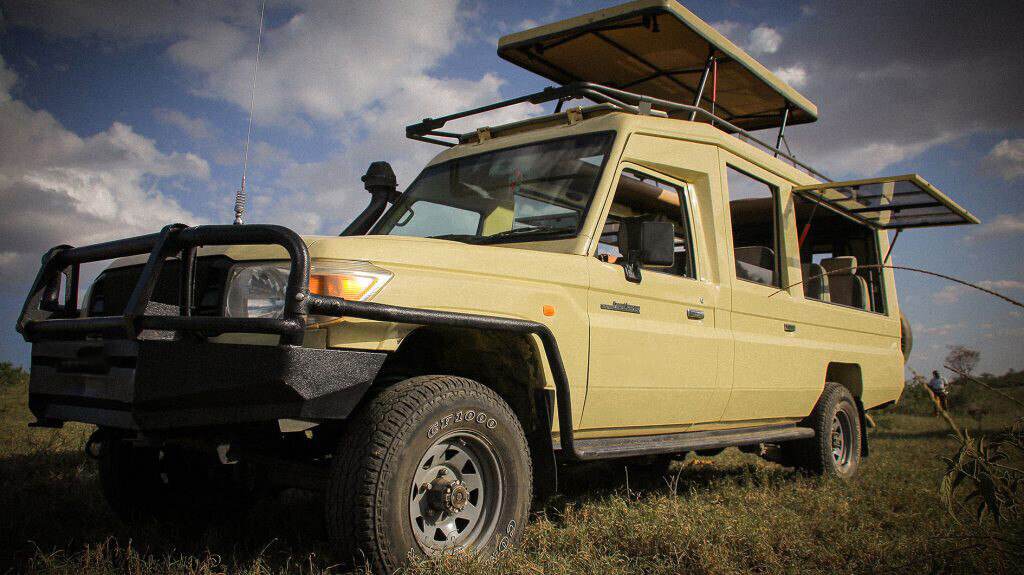
Gorilla Trekking Cost: Your Comprehensive 2026-2027 Planning Guide
The prospect of encountering mountain gorillas in their natural habitat is a powerful draw for many travelers. Gorilla trekking offers an unparalleled wildlife experience, bringing you face-to-face with these magnificent primates. However, planning such an expedition requires careful consideration, especially regarding the gorilla trekking cost. This detailed guide is designed to help you understand every facet of the expense involved, from permit fees to tour operator charges, ensuring your 2026 or 2027 adventure is both memorable and within your budget.
Understanding the financial commitment is crucial for anyone dreaming of this incredible journey. The cost isn’t just about a single permit; it encompasses a range of elements, including park entrance fees, conservation contributions, transportation, accommodation, and the services of a reputable tour operator. We’ll break down each component so you can make informed decisions for your 2026-2027 gorilla trekking plans.
Quick Overview of Gorilla Trekking Costs
While exact figures fluctuate, a typical gorilla trekking trip often involves significant expenses primarily driven by the gorilla permit. Beyond the permit, costs are influenced by the chosen destination (Uganda, Rwanda, or the Democratic Republic of Congo), the duration of your stay, your accommodation preferences, and the type of safari package you select.
| Cost Component | Typical Range (USD) | Notes |
|---|---|---|
| Gorilla Permit | $600 – $1,500+ | Primary cost, varies by country. |
| Park Entrance Fees | $30 – $70+ per day | Separate from permits. |
| Accommodation (Mid-range) | $150 – $300+ per night | Varies by lodge quality and location. |
| Transportation (4×4 Vehicle & Driver) | $200 – $400+ per day | Often shared, includes fuel. |
| Tour Operator Fees/Package | $200 – $500+ per day | Covers planning, logistics, guides, meals. |
| Miscellaneous (Tips, Souvenirs) | $50 – $200+ | Optional but recommended. |
Understanding the Core Cost: The Gorilla Permit
The most significant single expense in your gorilla trekking cost calculation will undoubtedly be the gorilla permit. These permits are essential for tracking and observing mountain gorillas and are issued by the national park authorities in each country where gorillas reside. The revenue generated from these permits is vital for conservation efforts, anti-poaching patrols, habitat protection, and supporting local communities.
The cost of a gorilla permit varies considerably depending on the country you choose for your trek. It’s important to note that these prices are set by governments and can be subject to change, especially for future years like 2026 and 2027. Always check the latest official rates when planning.
Permit Costs by Country (Approximate and Subject to Change):
| Country | Permit Cost (USD) | Validity | Notes |
|---|---|---|---|
| Rwanda (Volcanoes National Park) | $1,500 | 1 hour observation | Highest cost, well-developed infrastructure. Includes park entry. |
| Uganda (Bwindi Impenetrable National Park & Mgahinga Gorilla National Park) | $700 | 1 hour observation | More affordable. Permits often exclude park entry fees. |
| Democratic Republic of Congo (DRC) (Virunga National Park) | $400 | 1 hour observation | Most budget-friendly, but travel advisories can impact accessibility and safety perception. Includes park entry. |
Important Considerations for Permits:
- Booking in Advance: Gorilla permits are limited and highly sought after. For popular trekking seasons in 2026 and 2027, it’s advisable to book your permits 6-12 months in advance, especially if you have specific dates in mind.
- Tour Operator Assistance: Most reputable tour operators will handle the permit booking process for you as part of your safari package. This is often the easiest and most reliable way to secure your permit.
- Permit Validity: Permits are typically for a single entry and grant you one hour of observation time with a habituated gorilla family.
- Conservation Contribution: A portion of the permit fee goes directly towards conservation and community development projects in the regions where gorilla trekking takes place.
Beyond the Permit: Other Significant Costs
While the gorilla permit is a headline figure, it’s only one piece of the puzzle. Your overall gorilla trekking cost will be influenced by several other factors that contribute to the comprehensive safari experience.
Park Entrance Fees
In addition to the permit cost, most national parks require daily entrance fees. These fees contribute to the general maintenance and upkeep of the park infrastructure, wildlife monitoring, and ranger salaries. The amount varies by park and country. For instance, in Uganda, you might pay around $30-$40 per person per day for park entrance, separate from the gorilla permit. In Rwanda, the gorilla permit often includes park entry, simplifying this aspect of the cost.
Accommodation
Where you stay before and after your trek significantly impacts your budget. Options range from basic campsites and budget guesthouses to luxurious lodges with stunning views and premium amenities. The proximity to the park headquarters where treks begin also plays a role; lodges closer to the starting points are often more expensive.
- Budget: Basic guesthouses or bandas ($50 – $100 per night).
- Mid-Range: Comfortable lodges or tented camps ($150 – $300 per night).
- Luxury: High-end lodges with exceptional service and amenities ($400 – $800+ per night).
Most tour packages will include accommodation for the nights surrounding your gorilla trek. The quality of this accommodation is a key differentiator in tour pricing.
Transportation
Getting to the gorilla trekking regions usually involves long drives from major cities like Kampala (Uganda) or Kigali (Rwanda). This transportation is typically provided via a 4×4 safari vehicle with a professional driver-guide. The cost depends on the distance, the number of days the vehicle is hired for, fuel, and driver allowances.
Shared transport within a group tour is more economical than private transportation. If you opt for a private safari, the daily vehicle hire cost can range from $200 to $400+, depending on the vehicle type and season.
Tour Operator Package Fees
Engaging a tour operator is highly recommended for gorilla trekking. They handle the complex logistics, including permit booking, accommodation, transportation, park entries, and often meals. Their fees cover their expertise, planning, operational costs, and the services of their guides. Package prices vary widely based on the level of accommodation, group size (private vs. group tour), duration of the safari, and inclusions.
A typical 3-day gorilla trekking tour package in Uganda might range from $1,200 to $2,500+ per person, while a similar trip in Rwanda could range from $1,800 to $3,500+ per person, largely due to the higher permit cost in Rwanda.
Miscellaneous Expenses
Don’t forget to budget for smaller, yet important, expenses:
- Tips: Tipping guides, trackers, porters, and lodge staff is customary and greatly appreciated.
- Souvenirs: Local crafts and keepsakes.
- Travel Insurance: Essential for any trip, covering medical emergencies and trip cancellations.
- Visas: Depending on your nationality and itinerary.
- Vaccinations and Medications: Including Yellow Fever and malaria prophylaxis.
- Personal Gear: Trekking boots, rain gear, etc. (see packing section).
Choosing Your Gorilla Trekking Destination: Impact on Cost
The country you select for your gorilla trek is a primary determinant of the overall gorilla trekking cost. Each destination offers a unique experience, but the permit price is a major differentiator.
Uganda: The Value Proposition
Uganda, with its Bwindi Impenetrable National Park and Mgahinga Gorilla National Park, offers one of the most accessible and relatively affordable gorilla trekking experiences. The permit cost is significantly lower than in Rwanda.
- Pros: Lower permit cost, diverse gorilla families, stunning rainforest scenery, combined with other activities like chimpanzee trekking and classic safaris in Queen Elizabeth National Park.
- Cons: Longer travel times from Entebbe, roads can be rougher, infrastructure slightly less developed in some areas compared to Rwanda.
For travelers seeking to manage their gorilla trekking cost without compromising on the core experience, Uganda is often the preferred choice for 2026-2027 trips.
Rwanda: The Premium Experience
Rwanda’s Volcanoes National Park is renowned for its well-habituated gorilla families and excellent tourism infrastructure. The higher permit cost reflects the country’s focus on high-value, low-impact tourism.
- Pros: Shorter travel times from Kigali, excellent roads, high-quality lodges, very well-managed park and trekking experience.
- Cons: Highest permit cost ($1,500), fewer accommodation options at the lower end of the market.
Rwanda is ideal for those who prioritize convenience and luxury and for whom the gorilla trekking cost is a secondary concern.
Democratic Republic of Congo (DRC): The Adventurous Choice
The DRC offers the most budget-friendly gorilla permit. Virunga National Park is home to eastern lowland gorillas and mountain gorillas. However, travel to the DRC requires careful consideration of safety and logistical challenges.
- Pros: Most affordable permit, opportunity to see both mountain and lowland gorillas, stunning volcanic landscapes.
- Cons: Political instability and security concerns in certain regions necessitate careful planning and adherence to safety advisories. Travel insurance may have limitations.
Gorilla trekking in the DRC is best suited for experienced travelers comfortable with a higher degree of adventure and who have thoroughly researched current safety conditions for their 2026-2027 travel dates.
Sample Itinerary Logic: Structuring Your Gorilla Trekking Cost
A typical gorilla trekking itinerary is usually 3 to 5 days long, factoring in travel time to and from the park. The structure of your itinerary directly influences the total cost.
3-Day Uganda Gorilla Trek (Example)
Day 1: Drive from Kampala/Entebbe to the Bwindi Impenetrable National Park region (approx. 8-10 hours). Overnight near Buhoma or Ruhija sector.
Day 2: Gorilla Trekking Day. Early morning briefing at the park headquarters, followed by the trek into the forest. Spend the allotted hour with the gorillas. Return to lodge. (Includes permit, park entry, guide, ranger fees).
Day 3: Drive back to Kampala/Entebbe.
Cost Factors: Includes 2 nights accommodation, 4×4 transport, driver, fuel, park entry (if not included in permit), gorilla permit. Meals might be included depending on the lodge/package.
4-Day Rwanda Gorilla Trek (Example)
Day 1: Arrive Kigali, transfer to Volcanoes National Park region (approx. 2-3 hours). Overnight near Kinigi.
Day 2: Gorilla Trekking Day. Briefing at Kinigi park headquarters, trek to see gorillas. Spend time observing. Return to lodge. (Includes permit, park entry, guide, ranger fees).
Day 3: Optional activity (e.g., Golden Monkey Trekking, Dian Fossey hike) or transfer back towards Kigali, perhaps visiting Lake Kivu.
Day 4: Transfer to Kigali for departure.
Cost Factors: Includes 3 nights accommodation, 4×4 transport, driver, fuel, gorilla permit. Meals often included at lodges.
The longer your safari, the more you’ll spend on accommodation, meals, and transportation, but it allows for a more relaxed pace and the inclusion of other wildlife viewing or cultural experiences.
Planning Your 2026-2027 Gorilla Trekking Budget: Key Considerations
When planning your budget for 2026 or 2027, several factors require specific attention to avoid unexpected expenses.
Seasonality and Pricing
While gorilla trekking is a year-round activity, the dry seasons (June-August and December-February) are generally considered the best times to go. These peak seasons often see higher demand for permits and lodges, and some operators might adjust their pricing slightly. Conversely, the wet seasons (March-May and September-November) can offer lower prices for accommodation and potentially fewer crowds, though treks can be more challenging due to muddy trails.
| Season | Time of Year | Gorilla Trekking Cost Impact | Trekking Conditions |
|---|---|---|---|
| Dry Season (Peak) | June – August, December – February | Potentially higher for accommodation/packages due to demand. Permits are fixed. | Easier trails, less rain, more predictable weather. |
| Wet Season (Low/Shoulder) | March – May, September – November | Potentially lower for accommodation/packages. Permits are fixed. | Muddy trails, more rain, denser vegetation can make spotting harder but also more lush. |
Accommodation Tiers
As detailed earlier, your choice of accommodation is a major variable. For a 2026-2027 trip, decide early on your comfort level. A mid-range lodge will offer a good balance of comfort and cost, while a luxury lodge significantly increases the overall gorilla trekking cost.
Private vs. Group Tours
Private tours offer flexibility, personalized service, and the vehicle is exclusively yours. This is generally more expensive. Group tours pool resources, making them more economical. If you’re on a tighter budget for your 2026-2027 trip, joining a small group tour is a smart way to reduce costs.
Inclusions in Tour Packages
Carefully review what is included in your tour package. Common inclusions are:
- Gorilla Permit
- Park Entrance Fees
- Accommodation (specified category)
- Meals (usually breakfast, lunch, dinner)
- 4×4 Vehicle with driver/guide
- Fuel
- Airport transfers
Exclusions often include:
- International flights
- Visas
- Travel Insurance
- Tips
- Drinks and alcoholic beverages
- Personal expenses
Understanding these details helps in accurately calculating your total gorilla trekking cost.
What to Expect on Trekking Day
The actual trekking day is an experience in itself. Knowing what to expect can help you prepare mentally and physically, and avoid unnecessary spending.
The Trek Itself
Gorilla treks can range from 30 minutes to over 6 hours, depending on the gorillas’ location on that particular day. The terrain is often steep, muddy, and challenging, requiring a reasonable level of fitness. Porters can be hired at the park entrance for a small fee (around $10-15 USD) to help carry your backpack and provide assistance on the trail, which is highly recommended for comfort and to support the local economy.
The Encounter
Once you find the gorilla family, you will have a maximum of one hour with them. This is a strictly regulated time to minimize disturbance to the gorillas. Park rangers will guide you on how to behave, maintain a safe distance, and take photographs.
Post-Trek
After the trek, you’ll return to the park headquarters for a debriefing and often receive a certificate. You’ll then be transferred back to your lodge. The emotional impact of this encounter is profound and often described as life-changing.
Packing Essentials for Your Gorilla Trek
Proper packing is vital for comfort and safety during your gorilla trek. While your tour operator will provide a detailed list, here are the essentials that directly relate to your comfort and can prevent you from needing to buy items last minute at inflated prices.
- Sturdy Hiking Boots: Waterproof and broken-in.
- Rain Jacket/Poncho: Essential, as rain is frequent.
- Layered Clothing: Long-sleeved shirts and trousers (lightweight, quick-drying fabrics).
- Warm Sweater/Fleece: Evenings can be cool.
- Hat: For sun protection.
- Insect Repellent: High DEET content.
- Sunscreen: SPF 30 or higher.
- Camera & Extra Batteries/Power Bank: You’ll want to capture every moment.
- Binoculars: For spotting other wildlife.
- Reusable Water Bottle: Stay hydrated.
- Small Backpack: To carry water, snacks, camera, rain gear during the trek.
- First-Aid Kit: Personal medications, blister treatment, pain relievers.
- Hand Sanitizer: For hygiene.
- Cash (USD): For tips, souvenirs, and small purchases.
Investing in good quality gear beforehand is more cost-effective than purchasing items in tourist hubs where prices can be inflated.
Common Mistakes to Avoid When Budgeting
Understanding the potential pitfalls can save you money and ensure a smoother trip for your 2026-2027 gorilla trekking adventure.
- Underestimating Total Costs: Focusing only on the permit and not factoring in accommodation, transport, park fees, and daily expenses.
- Not Booking in Advance: Permits and popular lodges sell out, especially for peak seasons in 2026-2027. Last-minute bookings can be more expensive or unavailable.
- Choosing the Cheapest Option Blindly: The lowest price might mean sacrificing quality, safety, or ethical practices. Research your tour operator thoroughly.
- Ignoring Visa and Vaccination Costs: These are essential and add to the overall gorilla trekking cost.
- Not Budgeting for Tips: Tipping is a significant part of the local economy and expected by service providers.
- Underestimating Travel Time: Long drives can be tiring and may require extra overnight stays, increasing costs.
Who is Gorilla Trekking Best Suited For?
Gorilla trekking is an adventure that appeals to a specific type of traveler. Considering these factors can help you decide if it’s the right experience for you and if the gorilla trekking cost is a worthwhile investment.
- Nature Enthusiasts: Those with a deep appreciation for wildlife and conservation.
- Adventurous Travelers: Individuals comfortable with hiking in rugged terrain and potentially challenging conditions.
- Those Seeking Unique Experiences: People looking for a profound, once-in-a-lifetime encounter that goes beyond typical tourism.
- Physically Capable Individuals: While not extreme mountaineering, a moderate level of fitness is required to enjoy the trek. Age limits usually apply (often 15 years and above).
- Travelers with a Moderate to High Budget: Due to the permit costs and associated expenses, gorilla trekking is not typically a budget backpacker activity.
Alternatives to Gorilla Trekking
If the gorilla trekking cost is prohibitive, or if you’re looking for similar but different wildlife encounters, consider these alternatives:
- Chimpanzee Trekking: Available in Uganda (Kibale Forest National Park), Rwanda (Nyungwe Forest National Park), and Tanzania (Gombe Stream National Park). Permits are generally less expensive than gorilla permits.
- Golden Monkey Trekking: Also found in Uganda (Mgahinga) and Rwanda (Volcanoes National Park). These primates offer a delightful trekking experience at a lower cost.
- Other Wildlife Safaris: Tanzania and Kenya offer world-renowned safaris in parks like the Serengeti and Masai Mara, focusing on the Big Five and the Great Migration. While not as intimate as gorilla trekking, these offer incredible wildlife viewing opportunities.
Planning Your 2026-2027 Gorilla Trekking Trip: A Timeline
To ensure a smooth and cost-effective trip for 2026 or 2027, start planning well in advance.
| Time Before Departure | Key Actions |
|---|---|
| 12-18 Months | Research destinations (Uganda, Rwanda, DRC), identify reputable tour operators, determine your budget, and book your gorilla permits (especially for peak seasons in 2026-2027). |
| 9-12 Months | Book international flights, confirm your tour package and accommodation. |
| 6 Months | Apply for necessary visas, research travel insurance, start planning any pre/post-trek activities. |
| 3 Months | Get required vaccinations (e.g., Yellow Fever), obtain malaria prophylaxis, purchase trekking gear. |
| 1 Month | Confirm all bookings, pack your bags, inform your bank of travel dates, make final payments. |
| 1 Week | Finalize packing, exchange some currency, print important documents. |
Booking Your Gorilla Trekking Adventure
Choosing the right tour operator is paramount to a successful and enjoyable gorilla trekking experience. For your 2026 or 2027 trip, consider these points when booking:
- Reputation and Reviews: Look for operators with a proven track record and positive traveler reviews.
- Local Expertise: A local operator often has better ground knowledge and established relationships.
- Customization: Can they tailor an itinerary to your specific needs, interests, and budget?
- Support: Do they offer clear communication and support throughout the planning process and during your trip?
- Permit Handling: Ensure they handle permit bookings efficiently and securely.
We at Best Tanzania Tour Operator specialize in creating unforgettable East African adventures, including gorilla trekking experiences. Our team has extensive knowledge of Uganda and Rwanda, ensuring your trip is well-planned and executed. We can help you navigate the complexities of permit booking, accommodation selection, and transportation to make your gorilla trekking cost transparent and manageable.
To discuss your 2026-2027 gorilla trekking plans and get a personalized quote, reach out to us:
WhatsApp: +255616946642
Email: topguideadventures@gmail.com
Backup Email: info@topguideadventures.com
Frequently Asked Questions About Gorilla Trekking Cost
Q1: What is the single biggest factor influencing gorilla trekking cost?
A1: The gorilla permit fee is the largest single expense, varying significantly by country (Rwanda being the most expensive, DRC the least, and Uganda in between).
Q2: Can I trek gorillas on a very tight budget in 2026?
A2: While challenging, it’s more feasible in Uganda or the DRC. Opting for budget accommodation, group tours, and careful meal planning can help manage costs. However, the permit fee remains substantial.
Q3: Are there hidden costs I should be aware of for my 2027 trip?
A3: Potential hidden costs include visa fees, vaccination costs, travel insurance, tips for guides and porters, and personal expenses like drinks and souvenirs. Always clarify what’s included in your tour package.
Q4: How far in advance should I book my gorilla permit for 2026?
A4: For peak seasons in 2026, booking 6-12 months in advance is highly recommended due to limited availability. For shoulder or low seasons, 3-6 months might suffice, but early booking is always safer.
Q5: Does the gorilla trekking cost include flights to Africa?
A5: Typically, no. Tour packages usually cover in-country expenses. International flights to your arrival city (e.g., Kigali, Entebbe) are almost always a separate cost.
Q6: What if I can’t find a gorilla family on my trek day?
A6: This is extremely rare as rangers are highly skilled at locating the habituated families. However, if, in the highly unlikely event, a family is not found, park authorities in Uganda and Rwanda usually offer a permit refund or a replacement trek on another day, subject to their policies.
Q7: Is travel insurance mandatory for gorilla trekking, and does it affect the cost?
A7: While not always strictly mandatory, comprehensive travel insurance is essential and highly recommended. It covers medical emergencies, trip cancellations, and lost luggage, adding to your overall trip budget but providing crucial peace of mind.
Q8: How does the quality of accommodation affect the gorilla trekking cost?
A8: Accommodation is a significant variable. Choosing luxury lodges can double or triple the cost of your safari compared to mid-range or budget options, impacting the total gorilla trekking cost considerably.
Q9: Are there discounts available for gorilla trekking permits in 2027?
A9: Generally, permit prices are fixed by the government. However, some tour operators might offer package discounts or promotions, especially during the low season or for longer itineraries. Always inquire about potential deals.
Q10: What is the typical duration of a gorilla trekking safari?
A10: Most gorilla treks are part of 3-5 day itineraries, accounting for travel time to and from the national parks. Longer safaris allow for combining gorilla trekking with other activities like chimpanzee trekking or classic game drives.
Q11: Is the gorilla trekking cost in Tanzania the same as Uganda or Rwanda?
A11: Mountain gorillas are not found in Tanzania. Gorillas are native to Uganda, Rwanda, and the DRC. Tanzania is famous for its large-scale safaris in parks like the Serengeti and its conservation efforts for other wildlife.
Q12: What is the typical age limit for gorilla trekking, and does it affect the cost?
A12: The minimum age for gorilla trekking is typically 15 years old. This is for safety reasons related to the unpredictable nature of the jungle and the gorillas. The age limit itself does not directly affect the cost of the permit or tour.
Finalizing Your Gorilla Trekking Cost for 2026-2027
Planning your gorilla trekking cost requires a detailed approach, considering permits, accommodation, transport, and other associated expenses. By understanding each component and planning ahead, you can ensure your 2026 or 2027 adventure is within reach and provides an unforgettable encounter with mountain gorillas.
We are here to help you navigate these complexities. Whether you are aiming for the value of Uganda, the premium experience of Rwanda, or an adventurous trek in the DRC, our team is dedicated to crafting the perfect itinerary tailored to your budget and preferences. Let us handle the logistics so you can focus on the magic of the trek.
Contact us today to start planning your dream gorilla trekking adventure. Let’s make your 2026-2027 journey a reality!
WhatsApp: +255616946642
Email: topguideadventures@gmail.com
Backup Email: info@topguideadventures.com
Plan your gorilla trekking cost with Top Guide Adventures
Tell us your travel dates, group size, comfort level, and dream experience. We will help you shape a clear, realistic, and memorable Tanzania itinerary.

 Veedesigner
 Fatma Kizanga
 Benjamin Waryuba
 Philip Philip
 John jr Itaja
 Antonia Optatus
 Edith Kanyere
 Neema Iddy
 Kelvin Boniphace
 Damari Maiga



