
Updated planning guide for 2026-2027
Okavango Delta Safari: Best Guide
Discover the magic of the Okavango Delta with our comprehensive guide. Learn about the best times to visit in 2026-2027, essential planning tips, wildlife viewing, accommodation options, and how to book your dream Botswana safari.
WhatsApp +255616946642 | topguideadventures@gmail.com | info@topguideadventures.com
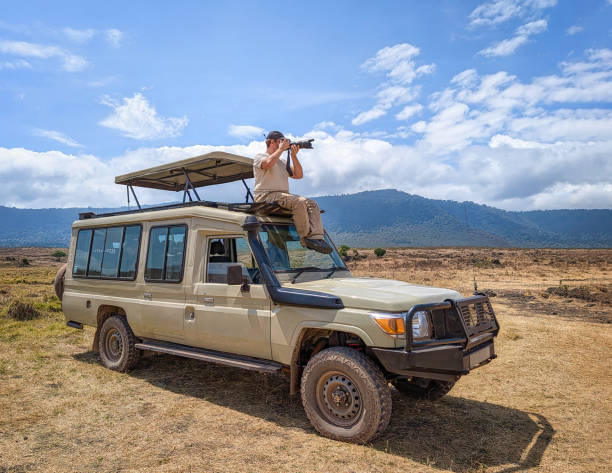
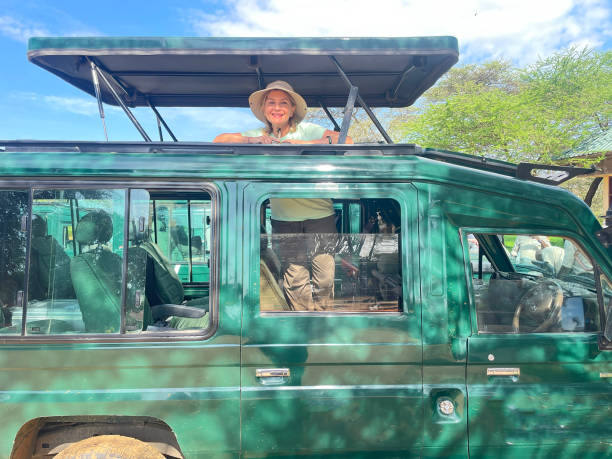
Your Ultimate Okavango Delta Safari Guide for 2026-2027
The Okavango Delta, a UNESCO World Heritage Site, is one of Africa’s most extraordinary natural wonders. This vast inland delta, formed where the Okavango River fans out into the Kalahari Desert, creates a unique wetland ecosystem that supports an astonishing array of wildlife. Planning an Okavango Delta safari is a dream for many, and with this in-depth guide, we’ll help you prepare for an unforgettable adventure in 2026 and 2027. From understanding the best time to visit and what to expect on a game drive to choosing the right lodge and packing essentials, we cover everything you need to know.
Quick Answer: What is an Okavango Delta Safari?
An Okavango Delta safari is a trip to Botswana’s Okavango Delta, focusing on wildlife viewing and experiencing the unique landscape of this inland delta. Activities typically include game drives, mokoro (traditional dugout canoe) excursions, walking safaris, and boat safaris, offering diverse ways to see animals like elephants, lions, leopards, wild dogs, and numerous bird species in their natural habitat. It’s renowned for its pristine wilderness and exceptional guiding standards.
Okavango Delta Safari: Quick Facts
| Feature | Details |
|---|---|
| Location | Northwestern Botswana, Southern Africa |
| Primary Activity | Wildlife viewing, game drives, mokoro trips, walking safaris, birdwatching |
| Key Wildlife | Elephants, lions, leopards, cheetahs, wild dogs, hippos, crocodiles, buffalo, diverse birdlife |
| Landscape | Inland delta, permanent and seasonal wetlands, floodplains, islands, Kalahari sandveld |
| Best Time to Visit (Peak Wildlife Viewing) | June to October (dry season, high water levels) |
| Best Time to Visit (Green Season/Birding) | November to May (lower water levels, lush vegetation, migratory birds) |
| Travel Style | Luxury lodges, mobile safaris, fly-in safaris |
| Accessibility | Primarily by light aircraft from Maun or Kasane |
| Currency | Botswana Pula (BWP) |
Table of Contents
- Introduction to the Okavango Delta
- Why Choose an Okavango Delta Safari?
- When is the Best Time for an Okavango Delta Safari in 2026-2027?
- Understanding the Okavango Flood: A Unique Phenomenon
- Exploring the Different Okavango Delta Regions
- Okavango Delta Area Overview (Conceptual Map)
- Essential Okavango Delta Safari Activities
- Sample Okavango Delta Safari Itinerary (7 Days)
- What to Expect on Your Okavango Delta Safari
- Okavango Delta Accommodation Options
- Packing and Preparation for Your Safari
- Common Mistakes to Avoid When Planning Your Okavango Delta Safari
- Who is an Okavango Delta Safari Best Suited For?
- Alternatives to the Okavango Delta
- Planning Your Okavango Delta Safari for 2026-2027
- Booking Your Okavango Delta Safari: Expert Tips
- Frequently Asked Questions About Okavango Delta Safaris
- Ready to Book Your Okavango Delta Adventure?
Introduction to the Okavango Delta
The Okavango Delta is a geographical marvel. Unlike most rivers that flow to the sea, the Okavango River originates in the highlands of Angola, flows through Namibia, and then disappears into the sands of the Kalahari Desert in Botswana. This creates a vast, permanent inland delta, a thriving oasis in one of the world’s largest deserts. This unique environment supports an incredible density and diversity of wildlife, making it a premier safari destination. The landscape is a mosaic of permanent swamps, seasonal floodplains, palm-fringed islands, and dry woodlands, each offering different habitats and wildlife viewing opportunities. For travelers seeking an authentic, wild, and exclusive African safari experience, the Okavango Delta stands out, especially when planned for future visits in 2026 and 2027.
Why Choose an Okavango Delta Safari?
Several factors make an Okavango Delta safari a truly special experience:
- Exceptional Wildlife Density: The permanent waters attract large numbers of animals, particularly during the dry season. You can expect to see vast herds of elephants, large prides of lions, elusive leopards and cheetahs, and packs of endangered wild dogs.
- Unique Water-Based Safaris: The delta’s waterways allow for unique safari activities like mokoro excursions, gliding silently through reed-lined channels. This offers a different perspective on wildlife and the environment, often bringing you closer to smaller creatures and birds. Boat safaris are also popular.
- Pristine Wilderness: Much of the Delta is protected and managed with low-impact tourism in mind. This means you’ll experience vast, unspoiled landscapes with limited crowds, providing a sense of true wilderness.
- Expert Guiding: Botswana is known for its highly trained and experienced safari guides, who are passionate about conservation and sharing their knowledge. Their expertise is crucial for locating wildlife and ensuring your safety.
- Variety of Landscapes: The Delta isn’t just water; it encompasses diverse habitats from dry savannahs and mopane woodlands to papyrus swamps and islands, supporting a wide range of species.
- Low-Impact Tourism Model: Botswana’s tourism policy emphasizes high-value, low-volume tourism, meaning fewer people and a more exclusive experience, which is particularly relevant for planning trips in 2026 and 2027.
When is the Best Time for an Okavango Delta Safari in 2026-2027?
The ‘best time’ to visit the Okavango Delta depends on your priorities. The Delta experiences two main seasons: the dry season and the green season.
Okavango Delta Seasonality Guide
| Period | Water Levels | Wildlife Viewing | Vegetation | Birdlife | Activities Focus | Pros | Cons |
|---|---|---|---|---|---|---|---|
| June – October (Dry Season) | High (Delta is flooded) | Excellent (Animals congregate around permanent water sources) | Dry, sparse | Moderate (Migratory birds have left) | Game drives, mokoro, boat safaris (water levels permitting) | Peak game viewing, cooler temperatures, iconic Delta scenery with water | Higher prices, can be busier, cooler mornings/evenings |
| November – May (Green Season) | Low to Moderate (Delta begins to dry, flood recedes) | Good to Very Good (Animals spread out, good for predators and young) | Lush, green, excellent for photography | Excellent (Migratory birds arrive, breeding season) | Game drives, walking safaris, some water-based activities (depending on specific area and rainfall) | Lower prices, lush scenery, excellent birding, good for photography, fewer crowds | Higher temperatures, some areas may become inaccessible due to rain, game viewing can be more dispersed |
For most travelers aiming for classic wildlife sightings, the dry season from June to October is ideal. The floodwaters reach their peak, concentrating animals around the permanent water sources. This is also when the weather is pleasant, with sunny days and cool evenings. Planning your trip for 2026 or 2027 within this period will offer the most dramatic Delta scenery and abundant game viewing opportunities.
However, the green season (November to May) offers a different kind of magic. The landscape is vibrantly green, making it superb for photographers and birdwatchers. It’s also the calving season for many species, leading to exciting predator-prey interactions. Prices are often lower during this period.
Understanding the Okavango Flood: A Unique Phenomenon
The Okavango Delta’s flood is not caused by seasonal rains within Botswana, but by rainfall in the Angolan highlands earlier in the year. The water takes months to travel down the river system, typically arriving in Botswana between December and March, and reaching its peak inundation in the Delta between June and August. This annual flood transforms the arid landscape into a vast network of channels, lagoons, and islands. The water levels vary year to year and across different parts of the Delta. Some areas remain permanently waterlogged, while others are only flooded seasonally. This fluctuating water level is what drives the incredible wildlife movements and concentrations, making the timing of your Okavango Delta safari crucial for the experience you seek.
Exploring the Different Okavango Delta Regions
The Okavango Delta is vast, and different areas offer unique experiences. Lodges are often situated in specific concessions or areas, each with its own characteristics.
- Mokoro Channels and Floodplains: Areas like Moremi Game Reserve (partially within the Delta) and the central Delta regions are characterized by intricate networks of channels and open floodplains. These are ideal for mokoro and boat safaris and offer excellent sightings of large herbivores, hippos, crocodiles, and predators drawn to the water.
- Island Habitats: Larger islands, such as Chief’s Island, offer dry land habitats supporting large concentrations of game, including lions, leopards, and buffalo, especially during the dry season. These areas are excellent for game drives.
- Woodlands and Savannah: The fringes of the Delta and some larger islands are covered in woodlands and savannah. These areas are home to a variety of antelope species, giraffes, elephants, and are prime leopard territory. Walking safaris are often a highlight here.
- Private Concessions: Many exclusive lodges are located in private concessions surrounding the public areas. These concessions offer more flexibility, allowing for off-road driving, night drives, and walking safaris, which are generally restricted in national parks. Areas like the Linyanti and Kwando concessions (adjacent to the Delta but technically separate ecosystems, often visited in conjunction) are famous for their predators and wild dogs.
When planning your Okavango Delta safari for 2026-2027, understanding these regional differences will help you choose a lodge and an itinerary that matches your interests.
Okavango Delta Area Overview (Conceptual Map)
Below is a conceptual representation of the Okavango Delta’s location and key surrounding areas. It’s important to note that this is a simplified illustration, as the Delta is a dynamic and complex network of waterways and landmasses.
| Northwest Angola (Source of Okavango River) |
BOTSWANA
OKAVANGO DELTA Key Areas: |
North/Northeast Linyanti Concession Chobe National Park (Savuti) |
| West Kalahari Sandveld |
East/South-East Maun (Gateway Town) Moremi Game Reserve |
|
| South Kalahari Desert |
South/South-East Central Kalahari Game Reserve Makgadikgadi Pans |
Essential Okavango Delta Safari Activities
Your Okavango Delta safari experience will likely involve a combination of these activities, tailored to the specific lodge and region:
- Game Drives: The most common safari activity. Open 4×4 vehicles take you into the wilderness to track and observe animals. In private concessions, guides can often drive off-road to get closer or follow animals across diverse terrain. Early morning and late afternoon drives are most productive.
- Mokoro Excursions: A signature Okavango experience. You’ll glide silently through the shallow waterways in a traditional dugout canoe, propelled by a skilled guide. This is perfect for birdwatching, spotting smaller creatures, and enjoying the tranquility of the Delta. It’s best enjoyed when water levels are high.
- Walking Safaris: Led by armed, experienced guides, walking safaris offer an intimate connection with the bush. You learn about tracking, plants, insects, and smaller details often missed from a vehicle. This is a fantastic way to appreciate the Delta’s ecosystem up close.
- Boat Safaris: In areas with deeper channels and lagoons, motorized boat safaris are possible. These are excellent for viewing hippos, crocodiles, elephants coming to drink, and a rich variety of water birds.
- Fishing: Some lodges offer catch-and-release fishing, particularly for tigerfish and bream, which can be an exciting addition to a safari itinerary.
- Birdwatching: The Okavango Delta is a birdwatcher’s paradise, especially during the green season. Expect to see everything from majestic raptors to colorful kingfishers and large water birds like pelicans and herons.
Sample Okavango Delta Safari Itinerary (7 Days)
This is a sample itinerary designed for a classic Okavango Delta experience, focusing on wildlife and diverse activities. It assumes a fly-in safari, which is the most common way to access the Delta’s remote lodges. This type of trip is ideal for planning in 2026 or 2027.
7-Day Okavango Delta Safari Sample Itinerary
-
Day 1: Arrival in Maun & Transfer to First Camp
Arrive at Maun International Airport (MUB). You’ll be met and assisted to a light aircraft for your scenic flight into the Okavango Delta. Land at a remote airstrip and be greeted by your lodge’s guide. Transfer to your camp (e.g., a camp in a private concession or near Moremi). After settling in and lunch, head out for your first afternoon/evening game drive. Dinner and overnight at the lodge. -
Day 2: Game Drives & Exploring the Concession
Full day of activities at your first camp. Enjoy early morning game drives, followed by breakfast. You might opt for a bush walk or relax at the lodge during the heat of the day. In the afternoon, embark on another game drive, possibly with a sundowner stop in a scenic location. Dinner and overnight. -
Day 3: Water-Based Activities & Wildlife
Depending on the camp’s location and water levels, today might focus on mokoro excursions or boat safaris. Explore the intricate waterways, looking for hippos, crocodiles, water birds, and animals coming to drink. Enjoy a picnic lunch in the bush or back at the lodge. Afternoon game drive. Dinner and overnight. -
Day 4: Transfer to Second Camp (Different Habitat)
After a final morning activity and breakfast, take a light aircraft transfer to a second camp, perhaps in a different area of the Delta or a neighboring private concession offering a contrasting environment (e.g., moving from a water-focused camp to one known for dry-land game viewing). Settle in, have lunch, and enjoy an afternoon game drive. -
Day 5: Focus on Dry-Land Exploration
Dedicate today to exploring the new area. This might involve more extensive game drives across savannah and woodland, searching for predators like lions and leopards, or herds of plains game. If the camp offers it, a guided bush walk could be on the agenda. Enjoy sundowners and dinner. -
Day 6: Full Day of Activities
A final full day to immerse yourself in the Okavango. You can choose your preferred activities: a longer game drive, a combination of game drive and mokoro, or perhaps a visit to a local community project if available and arranged. Enjoy a farewell dinner at the lodge. -
Day 7: Departure
Enjoy an early morning activity or breakfast. Transfer to the airstrip for your light aircraft flight back to Maun International Airport (MUB), connecting with your onward flight.
This itinerary is flexible and can be customized based on your interests, budget, and the specific lodges you choose. It’s an excellent framework for planning your 2026-2027 Okavango Delta safari.
What to Expect on Your Okavango Delta Safari
An Okavango Delta safari is often described as exclusive, wild, and deeply immersive. Here’s what you can generally expect:
- Remote Wilderness: Lodges are typically situated in vast, unfenced concessions, offering a true sense of being away from it all. Wildlife often wanders freely around the camps.
- High-Quality Guiding: Expect knowledgeable and passionate guides who are adept at tracking animals, understanding animal behavior, and sharing insights into the ecosystem.
- Comfortable Accommodation: Lodges range from classic tented camps to luxurious lodges with private plunge pools. All offer comfortable en-suite facilities, delicious meals, and often stunning views.
- Early Starts: Safaris often begin before sunrise to catch animals when they are most active. This means early wake-up calls, followed by coffee/tea before heading out.
- Intermittent Connectivity: While some lodges offer Wi-Fi, it can be slow and unreliable. Embrace the opportunity to disconnect and immerse yourself in nature.
- Unique Transport: Light aircraft transfers are a highlight, offering incredible aerial views of the Delta. Mokoro and boat trips provide unique ways to explore the waterways.
- Sensory Experience: Prepare for the sights, sounds, and smells of the African bush. The chorus of insects at night, the distant roar of a lion, the scent of rain on dry earth – it’s a full sensory immersion.
Okavango Delta Accommodation Options
Accommodation in the Okavango Delta is primarily in the form of safari lodges and tented camps, often situated in private concessions or within areas like Moremi Game Reserve. These are generally accessed by light aircraft. They are categorized by luxury level and style:
- Luxury Lodges: Offer high-end amenities, spacious rooms or suites, gourmet dining, excellent service, and often private plunge pools or exclusive viewing decks. These provide a pampered safari experience.
- Classic Tented Camps: Feature large, comfortable canvas tents with proper beds, en-suite bathrooms (often with bucket showers or flush toilets), and a more traditional safari feel. They offer an intimate connection with the bush.
- Mobile Safaris: For a more adventurous and flexible experience, mobile safaris move camp periodically, allowing exploration of different areas. These are often more rustic but offer unparalleled access to remote locations.
- Fly-In Safaris: The standard way to reach most Okavango lodges. This involves flying from a gateway town like Maun or Kasane to a small airstrip near your lodge, followed by a transfer. This is efficient and offers stunning aerial views.
When booking for 2026 or 2027, consider the style of accommodation that best suits your comfort level and desired experience. Early booking is essential for prime lodges.
Packing and Preparation for Your Safari
Packing for an Okavango Delta safari requires careful consideration to ensure comfort and practicality. Neutral-colored clothing is essential to avoid startling wildlife.
Okavango Delta Safari Packing List
- Clothing:
- Lightweight, neutral-colored shirts (long and short-sleeved)
- Lightweight, neutral-colored trousers/safari pants
- Shorts (for warmer days)
- A warm fleece or jacket (for cool mornings/evenings, especially in the dry season)
- A light waterproof jacket or poncho
- Comfortable walking shoes or hiking boots
- Sandals or flip-flops (for around camp)
- Socks (including warmer pairs)
- Swimsuit (for lodge pools)
- Pajamas
- Accessories:
- Wide-brimmed hat or cap
- Sunglasses
- Scarf or buff (for dust)
- Binoculars (essential for wildlife viewing)
- Camera with extra batteries and memory cards
- Power bank or universal adapter (check lodge voltage/sockets)
- Small backpack or daypack
- Water bottle (many lodges provide reusable ones)
- Health & Personal Items:
- Insect repellent (with DEET)
- Sunscreen (high SPF)
- Personal first-aid kit (including any personal medications)
- Anti-malarial medication (consult your doctor)
- Hand sanitizer
- Wet wipes
- Personal toiletries
- Motion sickness medication (if needed for flights/drives)
- Documents:
- Passport (with at least 6 months’ validity)
- Visa (if required)
- Flight tickets and confirmations
- Travel insurance details
- Vaccination certificates (e.g., Yellow Fever if applicable)
- Copies of important documents (stored separately)
Note: Baggage allowance on light aircraft is usually restricted to 15-20kg (33-44 lbs) in a soft-sided bag. Check with your lodge or tour operator.
Common Mistakes to Avoid When Planning Your Okavango Delta Safari
To ensure a smooth and enjoyable Okavango Delta safari in 2026-2027, be aware of these common pitfalls:
- Not considering the flood cycle: Visiting during the peak flood (June-August) is ideal for water activities and seeing animals concentrated, but can mean higher prices and limited dry-land access in some areas. Visiting during the green season offers a different, often more affordable, experience.
- Underestimating travel time and costs: The Okavango Delta is remote. Access is primarily by expensive light aircraft flights, which significantly add to the overall cost. Internal transfers also take time.
- Choosing the wrong region for your interests: Different parts of the Delta offer varying experiences. Researching whether you prioritize water-based activities, predator viewing, or walking safaris will help you select the right lodge and area.
- Packing inappropriate clothing: Bright colors can scare wildlife. Stick to khaki, green, beige, or brown. Also, pack layers for changing temperatures.
- Not booking in advance: The Okavango Delta is a popular destination, especially for prime lodges and during peak season. Book well in advance, particularly for 2026 and 2027 trips.
- Ignoring baggage restrictions: Light aircraft have strict weight limits and only allow soft-sided bags. Overpacking can lead to costly repacking or leaving items behind.
- Expecting constant Wi-Fi or cell service: Embrace the digital detox. Connectivity is often limited, which is part of the charm of being in a remote wilderness.
- Not considering a combination safari: While the Okavango is incredible, combining it with other Botswana destinations like Chobe National Park or the Central Kalahari Game Reserve can offer a more diverse experience of Botswana’s wildlife and landscapes.
Who is an Okavango Delta Safari Best Suited For?
The Okavango Delta appeals to a wide range of travelers, but it is particularly well-suited for:
- Wildlife Enthusiasts: Anyone passionate about seeing diverse and abundant wildlife in a natural, unfenced environment.
- Photographers: The stunning landscapes, dramatic wildlife encounters, and unique light conditions make it a photographer’s dream.
- Nature Lovers: Those who appreciate pristine wilderness, unique ecosystems, and the tranquility of remote natural settings.
- Romantics and Honeymooners: The exclusivity, luxury, and breathtaking scenery create an unforgettable romantic getaway.
- Families with Older Children: While some lodges are not suitable for young children, many offer family-friendly accommodations and activities for older kids (typically 8+ or 12+), providing an educational and adventurous experience.
- Travelers Seeking Exclusivity: Botswana’s low-volume tourism policy means fewer crowds and a more intimate safari experience.
- Experienced Safari Goers: While accessible for first-timers, the Okavango offers nuances and depth that are particularly appreciated by those who have experienced other safaris.
It’s generally less suited for budget backpackers due to the inherent costs of accessing and operating in such a remote, pristine environment.
Alternatives to the Okavango Delta
While the Okavango Delta is exceptional, other destinations in Botswana and neighboring countries offer fantastic safari experiences. If the Okavango doesn’t quite fit your plans or budget for 2026-2027, consider these:
- Chobe National Park (Botswana): Famous for its massive elephant herds, particularly along the Chobe Riverfront. It also offers boat safaris and diverse game viewing. It’s generally more accessible and can be less expensive than the Okavango.
- Linyanti Concession (Botswana): Adjacent to the Okavango, this private concession is renowned for its large predator populations, especially lions, wild dogs, and cheetahs. It offers excellent game drives and a similar exclusive feel to the Okavango’s private concessions.
- Moremi Game Reserve (Botswana): Located within the eastern Okavango Delta, it’s a public reserve known for its varied habitats and abundant wildlife, including wild dogs and leopards. It offers a mix of game drives and water-based activities.
- Central Kalahari Game Reserve (Botswana): A vast, arid wilderness offering a starkly different experience. It’s known for its desert-adapted wildlife, including black-maned lions, and offers a sense of profound isolation. Best visited in the green season.
- South Luangwa National Park (Zambia): Considered the birthplace of the walking safari. It offers incredible wildlife viewing, particularly leopards, and a truly wild, untamed atmosphere.
- Serengeti National Park & Masai Mara (Tanzania/Kenya): Famous for the Great Migration, these parks offer unparalleled numbers of wildebeest, zebras, and their predators. They are generally more accessible and can cater to a wider range of budgets.
- Kruger National Park (South Africa): One of Africa’s largest and most accessible parks, offering excellent game viewing, a wide range of accommodation options, and self-drive opportunities. Private reserves bordering Kruger offer a more exclusive experience.
Each of these destinations provides a unique wildlife adventure, and when planning your 2026-2027 safari, a combination might offer the most comprehensive African wildlife experience.
Planning Your Okavango Delta Safari for 2026-2027
Planning a safari to a destination as unique as the Okavango Delta requires foresight. Here are key considerations for trips in 2026 and 2027:
- Define Your Priorities: What do you want to see and do? Are you focused on specific animals (e.g., big cats, elephants, birds)? Do you prefer water-based activities or game drives? This will guide your lodge and area selection.
- Set a Budget: The Okavango Delta is a premium safari destination. Understand that costs include flights (international and internal), accommodation, park fees, and activities. Be realistic about what you can afford.
- Choose Your Season: As discussed, the dry season (June-October) is peak for game viewing, while the green season (November-May) is excellent for birding and photography. Your choice of season will impact the experience and cost.
- Select Your Region/Lodge: Research lodges based on their location, the activities they offer, their style (luxury, classic tented), and their conservation efforts. Consider combining two different camps for varied experiences.
- Book Flights Early: Both international flights to Southern Africa (e.g., Johannesburg, Cape Town, Nairobi) and internal flights to Maun or Kasane should be booked well in advance, especially for 2026 and 2027, to secure the best prices and availability.
- Consider a Tour Operator: Working with a reputable tour operator specializing in Botswana safaris can simplify the planning process immensely. They have local knowledge, can access preferred rates, and handle all the complex logistics.
- Travel Insurance: Essential for any safari. Ensure it covers medical emergencies, trip cancellations, and lost luggage.
- Health Precautions: Consult your doctor about necessary vaccinations and malaria prophylaxis well in advance of your travel dates for 2026-2027.
Booking Your Okavango Delta Safari: Expert Tips
Booking your Okavango Delta safari should be a strategic process to ensure you get the best value and experience.
- Work with a Reputable Tour Operator: This is crucial for Okavango Delta safaris. Operators like Best Tanzania tour operator have established relationships with lodges, understand the logistics of light aircraft travel, and can craft bespoke itineraries. They can also advise on the best camps for your specific needs and budget for 2026-2027.
- Book Well in Advance: For popular lodges and peak season (June-October), booking 9-12 months ahead is recommended, especially for 2026 and 2027. This is particularly true if you have specific dates or room requirements.
- Understand Inclusions and Exclusions: Safari packages vary. Typically, they include accommodation, meals, standard drinks, park fees, and scheduled safari activities. Exclusions often include premium drinks, gratuities, travel insurance, and flights to the gateway town (e.g., Maun). Clarify this when booking.
- Consider a Combination of Camps: Staying at two different camps in distinct areas of the Delta (e.g., one in a water-rich area, another in a drier concession) offers a more comprehensive experience and can be logistically managed by your tour operator.
- Ask About Special Offers: Lodges sometimes offer early booking discounts, low season specials, or packages that can reduce the overall cost. Your tour operator will be aware of these.
- Payment Schedules: Be aware of deposit and final payment dates. Most operators require a deposit upon booking and the balance payment several months before travel.
- Flexibility: While booking specific dates is necessary, maintain some flexibility if possible, as it can sometimes help secure better availability or rates.
Frequently Asked Questions About Okavango Delta Safaris
Okavango Delta Safari FAQs
1. Is the Okavango Delta safe for tourists?
Yes, the Okavango Delta is generally very safe for tourists. Botswana has a stable political climate and low crime rates. Within the Delta, safety is paramount, with highly trained guides accompanying all activities. They are experienced in handling wildlife encounters and ensuring guest well-being. Standard precautions for any travel apply.
2. What is the best way to get to the Okavango Delta?
The most practical and common way to reach the Okavango Delta is by light aircraft. You’ll typically fly from gateway towns like Maun (MUB) or Kasane (BBK) directly to a small airstrip near your chosen lodge. This offers spectacular aerial views and access to remote camps.
3. How much does an Okavango Delta safari cost?
Okavango Delta safaris are considered a premium experience and can be expensive. Costs vary significantly based on the lodge’s luxury level, the season, the duration of your stay, and whether it’s a private or shared safari. Generally, expect costs to range from USD 500 to USD 2,000+ per person per night, excluding international flights. Planning for 2026-2027 should include a realistic budget for this.
4. What wildlife can I expect to see on an Okavango Delta safari?
The Delta is home to an incredible array of wildlife. You can expect to see large herds of elephants, buffalo, and antelopes (like lechwe and impala). Predators such as lions, leopards, cheetahs, and African wild dogs are also present. Hippos and crocodiles are abundant in the waterways, along with a vast diversity of birdlife.
5. Do I need malaria medication for the Okavango Delta?
Yes, the Okavango Delta is a malaria-risk area, particularly during the warmer, wetter months (November to May). It is highly recommended to consult your doctor or a travel clinic about appropriate anti-malarial medication and other preventative measures before your trip in 2026 or 2027.
6. What are the main activities in the Okavango Delta?
The primary activities include game drives in open 4×4 vehicles, mokoro (traditional dugout canoe) excursions on the waterways, boat safaris (in deeper channels), and guided walking safaris. Birdwatching is also exceptional.
7. Can I do a self-drive safari in the Okavango Delta?
Self-drive safaris are generally not feasible or recommended for the Okavango Delta itself. The vast majority of the Delta is accessible only by light aircraft, and the terrain within the Delta is challenging and often requires specialized vehicles and expert navigation. Gateway towns like Maun have car rental facilities for exploring areas outside the Delta, but not within it.
8. What is the difference between Moremi Game Reserve and the Okavango Delta?
Moremi Game Reserve is located within the eastern part of the Okavango Delta. The Okavango Delta is a much larger ecosystem that includes Moremi, as well as numerous private concessions and wildlife management areas. Moremi is a public park, meaning park fees apply and regulations can be stricter. Private concessions surrounding Moremi offer more exclusive experiences with fewer vehicles and greater flexibility in activities.
9. What kind of luggage is allowed on Okavango Delta flights?
Light aircraft transfers have strict baggage limitations, typically around 15-20 kg (33-44 lbs) per person, and the luggage must be in a soft-sided duffel bag. Hard suitcases are usually not permitted. It’s essential to pack light and efficiently.
10. Is tipping expected on an Okavango Delta safari?
Tipping is customary and appreciated for guides, camp staff, and drivers. Most lodges provide guidelines on recommended amounts, often suggesting a per-person, per-day basis for guides and a separate amount for camp staff. This is usually an exclusion from the safari package price.
Ready to Book Your Okavango Delta Adventure?
An Okavango Delta safari promises an unparalleled encounter with nature’s grandeur. From the breathtaking wildlife spectacles to the serene mokoro journeys, it’s an experience that stays with you long after you leave. Planning your trip for 2026 or 2027 is the perfect time to start.
Let us help you craft the perfect Okavango Delta safari. As experienced Tanzania tour operators with deep knowledge of Southern African wildlife destinations, we can design a custom itinerary that matches your interests, budget, and travel style.
Contact us today to start planning your dream Okavango Delta safari:
WhatsApp: +255616946642
Email: topguideadventures@gmail.com
Backup Email: info@topguideadventures.com
We look forward to helping you experience the magic of the Okavango Delta on your 2026-2027 safari adventure!
Plan your Okavango Delta safari with Top Guide Adventures
Tell us your travel dates, group size, comfort level, and dream experience. We will help you shape a clear, realistic, and memorable Tanzania itinerary.







 Veedesigner
 Fatma Kizanga
 Benjamin Waryuba
 Philip Philip
 John jr Itaja
 Antonia Optatus
 Edith Kanyere
 Neema Iddy
 Kelvin Boniphace
 Damari Maiga



