
Updated planning guide for 2026-2027
Namibia Road Trip: Complete Guide
Considering a Namibia road trip for 2026 or 2027? This comprehensive guide provides everything you need to plan an unforgettable journey through one of Africa's most stunning landscapes.
WhatsApp +255616946642 | topguideadventures@gmail.com | info@topguideadventures.com
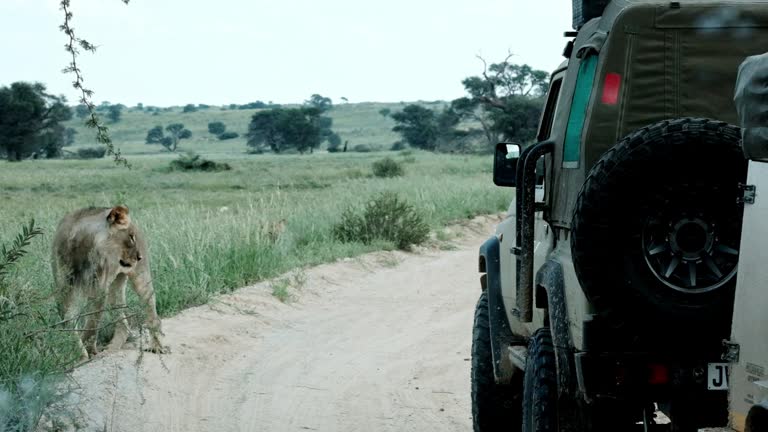
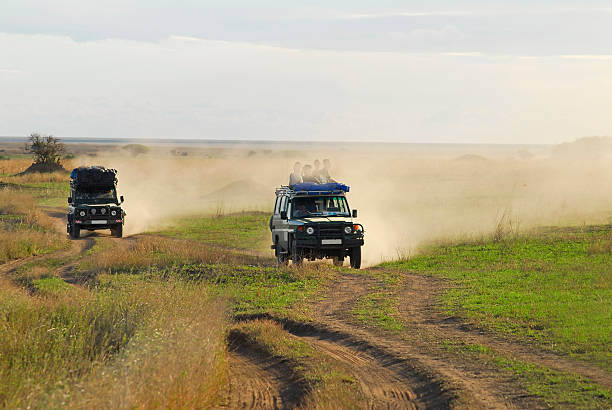
Namibia Road Trip: Your Ultimate Planning Guide for 2026-2027
A Namibia road trip is more than just a vacation; it’s an expedition into a land of stark beauty, vast deserts, unique wildlife, and incredible geological formations. From the towering dunes of Sossusvlei to the wildlife-rich Etosha National Park and the rugged Skeleton Coast, Namibia offers an unparalleled self-drive adventure. Planning this kind of trip requires careful consideration, especially as you look towards 2026 and 2027. This guide is designed to provide you with all the essential information to craft your perfect Namibia road trip, ensuring a memorable and smooth experience.
Quick Answer: Is a Namibia Road Trip Right for You?
Yes, if you seek vast, open landscapes, incredible stargazing, unique desert-adapted wildlife, stunning photographic opportunities, and the freedom of exploring at your own pace. It requires a spirit of adventure, comfort with driving long distances on varied road conditions, and a willingness to embrace a truly wild destination. It’s ideal for independent travelers, couples, families with older children, and photography enthusiasts.
| Feature | Details |
|---|---|
| Best Time to Visit | May to October (dry season) |
| Average Trip Duration | 10-21 days |
| Driving Conditions | Mostly gravel roads, some paved highways, 4×4 recommended for certain areas. |
| Key Attractions | Sossusvlei, Etosha NP, Skeleton Coast, Damaraland, Fish River Canyon. |
| Currency | Namibian Dollar (NAD), South African Rand (ZAR) also accepted. |
| Visa Requirements | Varies by nationality; check official sources. Many nationalities get visa-free entry for tourism. |
| Connectivity | Limited in remote areas; mobile reception can be spotty. |
Table of Contents
- Namibia Road Trip: An Overview
- Why Choose a Namibia Road Trip?
- Best Time for Your Namibia Road Trip (2026-2027)
- Sample Namibia Road Trip Route Map & Key Areas
- Sample Namibia Road Trip Itinerary (14 Days)
- What to Expect on a Namibia Road Trip
- Driving in Namibia: Essential Tips
- Accommodation Options
- What to Pack for Your Namibia Road Trip
- Essential Preparation Checklist
- Understanding Namibia Road Trip Costs
- Safety Considerations for a Namibia Road Trip
- Who is a Namibia Road Trip Best Suited For?
- Alternatives to a Self-Drive Namibia Road Trip
- Planning Your Namibia Road Trip for 2026-2027
- Booking Your Namibia Road Trip: Expert Advice
- Frequently Asked Questions (FAQs)
- Ready to Plan Your Namibia Adventure?
Namibia Road Trip: An Overview
Namibia, a vast country in Southern Africa, is renowned for its dramatic desert landscapes, abundant wildlife, and rich cultural heritage. It’s a destination that begs to be explored by road, offering a sense of freedom and discovery that’s hard to match. Unlike many destinations, Namibia’s sparse population and well-maintained (though often gravel) road network make it exceptionally well-suited for self-driving. This allows travelers to witness the country’s iconic sights at their own pace, stopping for impromptu wildlife sightings or to capture the perfect sunset over the red dunes.
The appeal of a Namibia road trip lies in its sheer scale and diversity. You can journey from the iconic towering dunes of Sossusvlei, which are some of the highest in the world, to the stark beauty of the Skeleton Coast, where shipwrecks litter the shore. Inland, Etosha National Park provides an incredible safari experience, with waterholes attracting a vast array of animals, including the endangered black rhino. Further south, the dramatic Fish River Canyon offers breathtaking vistas. Damaraland presents a rugged, ancient landscape dotted with desert-adapted elephants and ancient rock art. Each region offers a distinct experience, making a Namibia road trip a multifaceted adventure.
Why Choose a Namibia Road Trip?
The allure of a Namibia road trip is multifaceted, appealing to a wide range of travelers seeking something beyond the ordinary. Here’s why it stands out:
- Unrivaled Scenery: Namibia boasts some of the most dramatic and varied landscapes on Earth. From the surreal, rust-colored dunes of Sossusvlei that stretch to the horizon, to the vast, arid plains of the Namib Desert, the rugged mountains of Damaraland, and the stark, windswept coastline of the Skeleton Coast, the visual feast is continuous.
- Freedom and Flexibility: A self-drive Namibia road trip offers unparalleled freedom. You control your itinerary, decide where and when to stop, and can linger longer at places that captivate you. This is especially valuable for photographers seeking specific light conditions or travelers wanting to explore off-the-beaten-path locations.
- Exceptional Wildlife Viewing: Etosha National Park is a highlight, famous for its unique salt pan and abundant wildlife congregating around waterholes. You can witness elephants, lions, giraffes, zebras, rhinos, and countless other species in a relatively accessible setting. Beyond Etosha, desert-adapted animals like lions, elephants, and rhinos can be found in Damaraland and Kaokoveld.
- Stargazing Paradise: With extremely low light pollution, Namibia is one of the best places in the world for stargazing. The clear desert skies reveal the Milky Way in breathtaking detail, offering a profound connection to the cosmos.
- Adventure and Exploration: The very act of driving through Namibia is an adventure. The roads, often gravel, lead through remote and wild areas. Exploring places like the Quiver Tree Forest, Spitzkoppe, or the ancient rock formations of Twyfelfontein adds layers of discovery to your journey.
- Cultural Encounters: Namibia is home to diverse indigenous groups, including the Himba, Herero, and San people. While respecting their way of life, opportunities exist to learn about their traditions and history, adding a rich cultural dimension to your trip.
- Safety and Infrastructure: Despite its remoteness, Namibia is considered one of the safest countries in Africa for tourists. The infrastructure, while requiring a robust vehicle, is geared towards self-drivers, with well-marked routes and a good network of lodges and campsites.
Best Time for Your Namibia Road Trip (2026-2027)
Choosing the right time to visit Namibia significantly impacts your experience, particularly concerning weather, wildlife viewing, and crowds. For 2026 and 2027, the general advice remains consistent.
| Season | Months | Pros | Cons | Notes for 2026-2027 |
|---|---|---|---|---|
| Dry Season (Peak) | May – October | Ideal for wildlife viewing (animals congregate at waterholes), cooler temperatures, clear skies, excellent for stargazing, fewer mosquitoes. Roads are generally in good condition. | Higher prices, more crowded, requires booking accommodations and vehicles well in advance, especially for 2027 peak season. Nights can be cold. | Book popular lodges and campsites for October 2026 and July-September 2027 at least 8-12 months ahead. Consider shoulder months like May/June or October for slightly fewer crowds and potentially better rates. |
| Wet Season (Low/Shoulder) | November – April | Lush landscapes, migratory birds return, fewer tourists, lower prices, better photographic opportunities with dramatic skies, baby animals are often born. | Higher temperatures and humidity, potential for heavy rains that can make roads impassable (especially in the north and west), wildlife disperses and can be harder to spot, more mosquitoes. | If traveling in early 2026 (Jan-Mar), be prepared for potential road closures. The landscape is beautiful, but wildlife viewing might be more challenging. November and April are good shoulder months. |
Recommendation for 2026-2027: The dry season (May to October) remains the most popular and generally recommended period for a Namibia road trip due to optimal wildlife viewing and pleasant temperatures. However, if you prefer fewer crowds and a more budget-friendly experience, consider the shoulder months of April or November. For 2027, booking early is highly advisable, especially if you aim for July, August, or September.
Sample Namibia Road Trip Route Map & Key Areas
Namibia’s vastness means a road trip often focuses on specific regions. Here’s a representation of a popular route, highlighting key destinations. This isn’t a precise map but an illustration of the typical flow for a comprehensive Namibia road trip.
| Leg | From | To | Key Areas/Highlights | Typical Driving Time |
|---|---|---|---|---|
| 1 | Windhoek | Sossusvlei Region (Sesriem) | Namib-Naukluft National Park, Deadvlei, Sossusvlei Dunes, Sesriem Canyon. | 4-5 hours (mostly gravel) |
| 2 | Sossusvlei Region | Swakopmund/Walvis Bay | Solitaire, Tropic of Capricorn, Namib Desert scenery, coastal towns. Optional: Sandwich Harbour tour. | 4-5 hours (gravel then paved) |
| 3 | Swakopmund/Walvis Bay | Damaraland (e.g., Twyfelfontein area) | Cape Cross Seal Colony, Skeleton Coast (southern part), Spitzkoppe, rock formations, desert-adapted wildlife. | 5-6 hours (mostly gravel) |
| 4 | Damaraland | Etosha National Park (Southern/Central) | Twyfelfontein rock engravings, Petrified Forest, Brandberg Mountain, wildlife viewing within Etosha. | 4-5 hours (gravel then paved) |
| 5 | Etosha National Park | Windhoek | Full day game drives in Etosha, then return journey. Optional stop at Okahandja woodcarvers’ market. | 4-5 hours (paved) |
| Optional Extension | Etosha NP (East) | Khaudum NP / Bwabwata NP | More remote wildlife viewing, Caprivi Strip access. Requires 4×4 and more time. | Variable, longer drives. |
| Optional Extension | Windhoek | Fish River Canyon | Southern Namibia, Ai-Ais National Park. Requires significant extra driving time. | 8-10 hours from Windhoek. |
This route is a classic loop, starting and ending in Windhoek, Namibia’s capital and main international gateway. It can be customized based on your interests and available time.
Sample Namibia Road Trip Itinerary (14 Days)
This 14-day itinerary offers a balanced experience of Namibia’s highlights, suitable for a self-drive adventure. It balances driving with exploration and relaxation.
| Day | Location | Activities | Notes |
|---|---|---|---|
| 1 | Windhoek | Arrive at Hosea Kutako International Airport (WDH), pick up rental vehicle, check into accommodation, explore Windhoek city center. | Acclimatize, purchase any last-minute supplies. |
| 2 | Windhoek to Sesriem | Drive south towards Sesriem (approx. 4-5 hours). Stop at Solitaire for apple pie. Settle into lodge/campsite. | Enjoy the changing desert scenery. |
| 3 | Sossusvlei & Deadvlei | Early morning entry into Namib-Naukluft Park. Climb Dune 45 for sunrise. Visit Sossusvlei and Deadvlei. Explore Sesriem Canyon in the afternoon. | Carry plenty of water and snacks. Wear sturdy shoes for climbing dunes. |
| 4 | Sesriem to Swakopmund | Drive west towards Swakopmund (approx. 4-5 hours). Pass through the Gaub and Kuiseb Canyons. Stop at the Tropic of Capricorn marker. Arrive in Swakopmund. | The landscape shifts dramatically as you approach the coast. |
| 5 | Swakopmund / Walvis Bay | Morning dolphin and seal cruise from Walvis Bay. Afternoon exploring Swakopmund’s German colonial architecture, shops, and cafes. Optional activities: quad biking, sandboarding. | Book cruises in advance. |
| 6 | Swakopmund to Damaraland | Drive north along the Skeleton Coast to Cape Cross Seal Colony. Continue inland towards Damaraland (e.g., near Twyfelfontein). (approx. 5-6 hours driving). | The drive can be long; ensure you have fuel and supplies. |
| 7 | Damaraland Exploration | Visit Twyfelfontein UNESCO World Heritage Site (rock engravings). Explore the Organ Pipes and Burnt Mountain. Look for desert-adapted elephants. | Consider hiring a local guide for the engravings. |
| 8 | Damaraland to Etosha (South) | Drive towards Etosha National Park, entering via Andersson Gate. Check into Okaukuejo Camp or a lodge nearby. Afternoon game drive. | Etosha is a highlight for wildlife. |
| 9 | Etosha National Park (Central/East) | Full day game drives, exploring waterholes like Okaukuejo, Nebulous, and Olifantsbad. Move towards Halali or Namutoni Camp if desired. | Etosha’s salt pan is a spectacular sight. |
| 10 | Etosha National Park (East) | Continue game drives, exploring the eastern side of the park. Look for different species and habitats. | The eastern part can be more diverse in terms of vegetation. |
| 11 | Etosha to Waterberg Plateau Park | Exit Etosha via Von Lindequist Gate. Drive south towards Waterberg Plateau Park (approx. 4-5 hours). Settle into accommodation. | A change of scenery from the dry plains. |
| 12 | Waterberg Plateau Park | Hiking trails on the plateau, guided nature drives, bird watching. Visit the historical mission station. | Enjoy the unique geological formations and flora. |
| 13 | Waterberg to Windhoek | Drive back to Windhoek (approx. 3-4 hours). Final souvenir shopping, enjoy a farewell dinner. | Reflect on your incredible journey. |
| 14 | Windhoek | Return rental vehicle at the airport. Depart from Hosea Kutako International Airport (WDH). | Allow ample time for vehicle return and airport procedures. |
What to Expect on a Namibia Road Trip
A Namibia road trip is an experience unlike any other. Understanding what to expect will help you prepare and fully appreciate the journey.
- Vast Distances: Namibia is huge. Distances between attractions are significant, and driving times can be long. Factor in ample time for travel, and don’t try to cram too much into a short period. A 14-day trip is a good minimum for the highlights; longer is better.
- Road Conditions: While main routes are generally well-maintained gravel roads (often graded), they can be corrugated, dusty, and bumpy. Speed limits are lower on gravel (typically 80 km/h). Some areas, especially national parks or more remote regions, might require a 4×4. Always check current road conditions before setting off.
- Self-Sufficiency: You’ll need to be self-sufficient. Carry plenty of water, snacks, and fuel. Services like petrol stations and shops can be hundreds of kilometers apart. Ensure your vehicle is in excellent condition and equipped with a spare tire (or two), tools, and possibly a shovel.
- Wildlife Encounters: While Etosha offers predictable sightings, wildlife in other areas (like Damaraland or the Namib Desert) is more elusive. Patience and a keen eye are rewarded. Always maintain a safe distance from animals.
- Stunning Scenery: Prepare for breathtaking, often stark, landscapes. The colors of the desert change throughout the day, offering incredible photographic opportunities. Sunrises and sunsets are particularly spectacular.
- Limited Connectivity: Mobile phone reception and Wi-Fi are unreliable outside of major towns and lodges. Download offline maps and inform someone of your itinerary. Embrace the digital detox!
- Accommodation Variety: Options range from luxury lodges and comfortable guesthouses to more rustic campsites. Booking in advance is crucial, especially during peak season (May-October).
- Unique Experiences: Expect to see ancient rock art, unique geological formations, shipwrecks on the coast, and experience unparalleled stargazing.
Driving in Namibia: Essential Tips
Driving is the primary way to explore Namibia, and doing it safely and efficiently is key to a successful road trip. Here are essential tips:
- Vehicle Choice: For most popular routes, a sturdy 2WD vehicle with good ground clearance or a small 4×4 is sufficient. However, if you plan to venture into more remote areas, national parks with sandy tracks (like parts of Etosha or more remote Damaraland), or the Skeleton Coast, a reliable 4×4 is highly recommended. Ensure it has at least one, preferably two, spare tires.
- Fuel: Always fill up your tank whenever you see a petrol station, even if it’s only half empty. Stations can be very far apart. Carry extra fuel in a jerrycan if you plan extensive travel in remote areas.
- Speed Limits: On paved roads, the limit is typically 120 km/h. On gravel roads, it’s generally 80 km/h. However, adjust your speed according to road conditions. Loose gravel, corrugations, and sharp bends require slower speeds.
- Driving Times: Distances are vast. A 400 km drive on a gravel road can easily take 5-6 hours. Always overestimate driving times and avoid driving after dark.
- Driving After Dark: This is strongly discouraged. Wildlife frequently crosses roads, and animals like kudu can cause serious accidents. Poorly lit roads and the risk of hitting livestock or unlit vehicles make night driving extremely dangerous.
- Road Conditions: Gravel roads can be unpredictable. Watch out for sharp stones, corrugations (washboard effect), and sudden dips. Drive smoothly and avoid sudden braking or steering. If you encounter very soft sand, deflate tires slightly (consult your rental company) and drive slowly.
- Navigation: GPS is useful, but a good paper map is essential as a backup. Download offline maps on your smartphone. Many lodges provide detailed route descriptions.
- Dust: Expect dust. Keep windows closed on gravel roads unless you have a well-sealed vehicle. A dust cover for your luggage inside the car is a good idea.
- Respect Wildlife: Never feed or approach wild animals. Keep a safe distance for their safety and yours.
- Emergency Kit: Carry a basic first-aid kit, water, snacks, a flashlight, basic tools, and a mobile phone (though reception may be limited).
Accommodation Options
Namibia offers a diverse range of accommodation to suit different budgets and travel styles for your road trip:
- Luxury Lodges: These offer high-end amenities, gourmet dining, swimming pools, guided activities, and often stunning locations. They are perfect for a comfortable and pampered experience.
- Mid-Range Lodges & Guesthouses: Comfortable and well-equipped, these provide a good balance of amenities and value. Many are found in towns like Swakopmund or near national parks.
- Farm Stays (Guest Farms): Experience authentic Namibian hospitality on a working farm. These offer a more personal touch, often with home-cooked meals and a chance to learn about rural life.
- Self-Catering Bungalows/Chalets: Common in national parks and tourist areas, these provide basic self-contained units, often with cooking facilities.
- Campsites: Namibia has an excellent network of campsites, from basic bush camps to well-equipped sites with ablution blocks and often braai (barbecue) facilities. This is a popular and budget-friendly option for self-drivers, especially those with rooftop tents or camping gear.
Booking Tip: For popular locations like Sossusvlei (inside the park gates) and Etosha National Park camps, booking 6-12 months in advance is highly recommended, especially for the peak season of 2026 and 2027.
What to Pack for Your Namibia Road Trip
Packing smartly is crucial for comfort and practicality on a Namibia road trip. Consider the diverse climates and activities.
Clothing:
- Lightweight, breathable clothing (cotton, linen) in neutral colors (khaki, beige, green, brown) for daytime.
- Long-sleeved shirts and trousers for sun protection and cooler evenings.
- Warm fleece or jacket for cold desert nights and early mornings (temperatures can drop significantly).
- Comfortable walking shoes/hiking boots.
- Sandals or flip-flops for relaxing.
- Swimsuit (for lodges with pools).
- Hat with a wide brim for sun protection.
- Scarf or buff for dust.
Gear & Essentials:
- Sunscreen (high SPF).
- Insect repellent (especially for wet season).
- Sunglasses.
- Reusable water bottles.
- Camera and plenty of memory cards/batteries.
- Binoculars for wildlife viewing.
- Headlamp or flashlight with extra batteries.
- Power bank/portable charger.
- Adapter for charging electronics (Namibia uses Type D and Type M plugs, 220-240V).
- Basic first-aid kit.
- Hand sanitizer.
- Small backpack for day trips.
- Driver’s license (international permit may be required).
- Copies of important documents (passport, visa, rental agreement).
- Cash (Namibian Dollars or South African Rand) for small purchases and remote areas.
- Offline maps downloaded onto your phone or a GPS device.
- Dustproof bags for electronics and camera gear.
Essential Preparation Checklist
Thorough preparation is key to a smooth Namibia road trip. Use this checklist to ensure you haven’t missed anything crucial for your 2026-2027 adventure.
Vehicle & Driving:
- Book rental vehicle well in advance (especially 4x4s for 2026-2027).
- Ensure vehicle has comprehensive insurance.
- Check tire pressure and tread; carry at least one spare tire (two is better).
- Pack basic tools: jack, wheel spanner, tire pressure gauge.
- Consider a jerrycan for extra fuel if traveling remotely.
- Familiarize yourself with Namibian road rules.
Documentation:
- Valid passport (at least 6 months validity beyond stay).
- Visa (if required for your nationality).
- International Driving Permit (if necessary).
- Printouts of accommodation and car rental bookings.
- Copies of all important documents stored separately.
Health & Safety:
- Consult your doctor regarding vaccinations and malaria prophylaxis (especially if visiting the north/Caprivi Strip during the wet season).
- Pack a comprehensive first-aid kit.
- Carry personal medications.
- Inform a trusted contact of your travel plans and expected return date.
Finances:
- Inform your bank of your travel dates to avoid card blocking.
- Carry a mix of cash (NAD/ZAR) and credit/debit cards.
- Budget for fuel, food, activities, and park entrance fees.
Logistics:
- Book accommodations and popular tours in advance (especially for 2026-2027 peak season).
- Download offline maps for navigation.
- Purchase a local SIM card upon arrival if needed for communication (though coverage is limited).
- Pack appropriate clothing and gear for varied conditions.
Understanding Namibia Road Trip Costs
While Namibia is not as expensive as some Western destinations, a road trip can vary significantly in cost depending on your travel style, accommodation choices, and vehicle. Here’s a breakdown of typical cost factors:
- Vehicle Rental: This is often the most significant expense. A 4×4 will be more expensive than a standard 2WD. Prices vary by rental company, vehicle type, insurance coverage, and rental duration. Expect higher rates for 2026 and 2027 bookings, especially for peak season.
- Fuel: Fuel prices fluctuate but are generally comparable to or slightly higher than South Africa. Distances are vast, so budget generously for fuel, especially if driving a 4×4.
- Accommodation: This is another major variable. Luxury lodges can cost several hundred dollars per night, while mid-range lodges and guesthouses might range from $100-$250 per night. Campsites are the most budget-friendly option, often costing $20-$50 per night per person.
- Park Entrance Fees: National parks charge daily entrance fees. These are relatively modest but add up over a multi-day trip.
- Activities: Guided tours (like Sossusvlei excursions, Etosha game drives, Walvis Bay cruises, desert activities) are additional costs.
- Food and Drink: Eating at lodge restaurants can be expensive. Self-catering or preparing your own meals at campsites can save money. Groceries are available in larger towns.
- Miscellaneous: Souvenirs, tips, and unexpected expenses should also be factored in.
Budgeting Tip for 2026-2027: To get a realistic estimate, research current vehicle rental rates, compare accommodation prices for your preferred style, and factor in daily park fees and a daily allowance for food and activities. Booking well in advance can sometimes secure better rates.
Safety Considerations for a Namibia Road Trip
Namibia is generally a safe country for tourists, but like any travel, it requires awareness and common sense. Here’s what to consider:
- Vehicle Safety: Never leave valuables visible in your parked car. Lock your vehicle at all times. Be aware of your surroundings, especially in towns.
- Road Safety: As mentioned, avoid driving at night due to wildlife and poor road conditions. Drive cautiously on gravel roads, maintaining a safe speed. Ensure your vehicle is well-maintained.
- Wildlife Safety: Maintain a safe distance from all wildlife. Never feed animals. Be particularly cautious around large animals like elephants, rhinos, and lions. In Etosha, stay inside your vehicle at waterholes if there are predators nearby.
- Remote Areas: If traveling to very remote areas, inform someone of your route and expected arrival times. Carry sufficient water, food, and fuel. Ensure your vehicle is equipped for off-road conditions if necessary.
- Health: Malaria is a risk in the northern parts of Namibia (Caprivi Strip, Etosha) especially during the wet season (November to April). Consult your doctor about malaria precautions and other necessary vaccinations. Drink bottled or treated water.
- Petty Crime: While not rampant, petty crime can occur in towns. Be mindful of your belongings, especially in crowded areas or markets.
- Emergency Contacts: Keep a list of emergency numbers, including your embassy, car rental company, and local police/ambulance services.
Who is a Namibia Road Trip Best Suited For?
A Namibia road trip is ideal for a specific type of traveler:
- Independent Explorers: Those who enjoy the freedom of setting their own pace and making spontaneous stops.
- Photographers: The dramatic landscapes, unique light, and wildlife offer endless photographic opportunities.
- Nature and Wildlife Enthusiasts: The chance to see desert-adapted wildlife and experience iconic parks like Etosha is a major draw.
- Adventure Seekers: The challenge of driving on gravel roads, the vastness of the landscapes, and the sense of remoteness appeal to those looking for an adventure.
- Couples and Small Groups: The freedom and flexibility make it perfect for couples or friends traveling together.
- Families with Older Children: While long drives might be challenging for very young children, older kids can appreciate the wildlife, unique landscapes, and the adventure aspect.
- Stargazers: Anyone who appreciates the night sky will be mesmerized by Namibia’s clear, dark skies.
It might be less suitable for travelers who prefer guided tours with all logistics handled, those who are uncomfortable driving on gravel roads, or those seeking bustling cities and constant entertainment.
Alternatives to a Self-Drive Namibia Road Trip
While a self-drive Namibia road trip is incredibly rewarding, it’s not the only way to experience the country. If self-driving doesn’t appeal, consider these alternatives:
- Guided Safaris/Tours: Numerous tour operators offer guided group or private safaris. These typically use 4×4 vehicles with experienced guides, handling all driving, accommodation bookings, and often activities. This is a great option if you prefer to relax and let someone else manage the logistics.
- Fly-in Safaris: For a more luxurious and time-efficient experience, fly-in safaris utilize small aircraft to hop between remote lodges. This allows access to areas that might be difficult to reach by road and significantly reduces travel time, though it is considerably more expensive.
- Private Guided Tours: Hire a private guide and vehicle for a personalized experience. This offers flexibility similar to self-driving but with the benefit of local expertise and a dedicated driver.
- Combination Tours: Some operators offer packages that combine self-drive segments with guided activities or lodge stays, offering a blend of freedom and curated experiences.
Planning Your Namibia Road Trip for 2026-2027
Planning ahead is crucial, especially for trips in 2026 and 2027, as Namibia continues to grow in popularity. Here’s how to approach your planning:
- Define Your Priorities: What do you most want to see and do? Wildlife, landscapes, photography, adventure? This will help shape your route and duration.
- Choose Your Season: As discussed, the dry season (May-Oct) is ideal for wildlife and pleasant temperatures but requires early booking. The wet season (Nov-Apr) offers lush scenery and fewer crowds but comes with challenges.
- Determine Trip Duration: A minimum of 10 days is recommended for a taste of Namibia. 14-21 days allows for a more comprehensive exploration of key highlights. For 2026-2027, consider booking longer if possible to truly immerse yourself.
- Vehicle Rental: Book your rental vehicle as early as possible, especially if you need a 4×4. Popular models and companies get booked up months in advance for peak seasons in 2026 and 2027.
- Accommodation: Similarly, book lodges and campsites, particularly within national parks or highly sought-after locations, at least 6-12 months ahead for 2026-2027.
- Route Planning: Use sample itineraries as a guide, but tailor it to your interests and pace. Be realistic about driving times.
- Budgeting: Create a detailed budget factoring in all potential costs.
- Health & Safety: Consult your doctor about necessary vaccinations and malaria precautions for your chosen travel time and regions.
Booking Your Namibia Road Trip: Expert Advice
Booking the right components for your Namibia road trip is essential for a smooth and enjoyable experience. Here’s expert advice to guide you:
- Vehicle Rental:
- Book Early: For 2026 and 2027, secure your rental vehicle 8-12 months in advance, especially if you require a 4×4 or are traveling during peak season (June-October).
- Choose Wisely: Select a vehicle appropriate for your planned routes. A 4×4 offers more flexibility but is more expensive. Ensure it has sufficient ground clearance and at least one, preferably two, spare tires.
- Understand Insurance: Opt for comprehensive insurance (often called ‘super cover’ or similar) that includes unlimited kilometers, zero excess, and tire/windscreen coverage if available.
- Check Inclusions: Confirm what’s included (e.g., extra driver, camping equipment if needed).
- Accommodation:
- Book in Advance: Campsites and lodges inside national parks (like Etosha and Sesriem) and popular private lodges book up months ahead. Aim for 6-12 months in advance for 2026-2027.
- Location Matters: Staying inside national parks (e.g., Okaukuejo in Etosha, lodges near Sossusvlei) offers advantages like early access to attractions and convenience.
- Variety: Mix and match accommodation types to suit your budget and experience.
- Activities:
- Popular Tours: Book high-demand activities like Walvis Bay boat cruises or guided desert excursions in advance, especially if traveling during peak times.
- Flexibility: Some activities, like self-guided hikes or exploring towns, can be booked on arrival, but it’s wise to check availability.
- Self-Drive vs. Organized Tours:
- Self-Drive: Offers maximum freedom. Ensure you are comfortable with driving distances and conditions.
- Organized Tours: If you prefer not to drive, consider reputable tour operators. For inquiries related to Tanzania safaris, Kilimanjaro treks, or Zanzibar holidays, which share proximity and travel planning principles with Southern African adventures, you can reach out to experts like Top Guide Adventures. While they specialize in Tanzania, their knowledge of African travel logistics is extensive.
Frequently Asked Questions (FAQs)
Are Namibia road trips safe for solo travelers?
Yes, Namibia is generally considered one of the safer African countries for solo travelers. However, it’s always wise to exercise caution, especially in towns. Inform someone of your itinerary, avoid driving at night, and be aware of your surroundings.
Do I need a 4×4 for a Namibia road trip in 2026-2027?
For the most popular routes (Windhoek-Sossusvlei-Swakopmund-Etosha), a robust 2WD vehicle or a small 4×4 is often sufficient. However, a 4×4 is highly recommended for comfort on rough gravel roads and essential if you plan to explore more remote areas, sandy tracks, or certain parts of national parks.
How much driving is involved in a Namibia road trip?
Distances are significant. Expect to drive several hours between major destinations, often on gravel roads. A 400 km drive can take 5-6 hours. It’s crucial to factor in realistic driving times and avoid driving after dark.
What is the best way to navigate in Namibia?
A combination of GPS (with offline maps downloaded) and a good paper road atlas is ideal. Many lodges also provide detailed driving directions. Mobile reception is unreliable outside main towns.
Can I book accommodations and car rentals upon arrival?
It is strongly advised against booking upon arrival, especially for 2026-2027. Popular lodges, campsites within parks, and rental vehicles (especially 4x4s) book up months in advance, particularly during peak season (May-October).
Is malaria a concern on a Namibia road trip?
Malaria is a risk in the northern regions (Caprivi Strip, Etosha) primarily during the wet season (November to April). Consult your doctor about prophylaxis and other recommended vaccinations well before your trip.
What currency is used in Namibia?
The Namibian Dollar (NAD) is the official currency, pegged 1:1 to the South African Rand (ZAR). ZAR is widely accepted as legal tender, and vice versa. ATMs are available in larger towns, but it’s wise to carry some cash.
Is Wi-Fi readily available?
Wi-Fi is generally available in hotels, lodges, and restaurants in larger towns like Windhoek and Swakopmund, though it can be slow or intermittent. In more remote areas, connectivity is very limited or non-existent.
What are the typical costs for a Namibia road trip?
Costs vary widely based on vehicle choice, accommodation style (luxury lodges vs. camping), and activities. Budget for vehicle rental, fuel, accommodation, park fees, food, and optional tours. Expect to spend more during the peak season of 2026-2027.
What is the best time of year for a Namibia road trip in 2026-2027?
The dry season (May to October) offers the best wildlife viewing and pleasant temperatures but is busier and more expensive. The wet season (November to April) sees fewer tourists and lush landscapes but can be hot and challenging for driving and wildlife spotting.
Ready to Plan Your Namibia Adventure?
A Namibia road trip promises an adventure filled with breathtaking landscapes, unique wildlife encounters, and unparalleled freedom. Whether you’re planning for 2026 or 2027, meticulous preparation will ensure an unforgettable journey.
While this guide covers Namibia extensively, if you’re also considering other iconic African destinations, remember that expert advice can be invaluable. For planning exceptional safari experiences in Tanzania, trekking Mount Kilimanjaro, or relaxing on the beaches of Zanzibar, connecting with seasoned tour operators is key. If you’re looking for guidance on African travel logistics, even for destinations beyond Tanzania, consider reaching out to specialists.
For inquiries or to discuss custom travel plans, please contact us:
WhatsApp: +255616946642
Email: topguideadventures@gmail.com
Backup Email: info@topguideadventures.com
Let us help you craft your dream Namibia road trip or any other African adventure!
Plan your Namibia road trip with Top Guide Adventures
Tell us your travel dates, group size, comfort level, and dream experience. We will help you shape a clear, realistic, and memorable Tanzania itinerary.







 Veedesigner
 Fatma Kizanga
 Benjamin Waryuba
 Philip Philip
 John jr Itaja
 Antonia Optatus
 Edith Kanyere
 Neema Iddy
 Kelvin Boniphace
 Damari Maiga



