
Updated planning guide for 2026-2027
Namibia Self Drive Safari: Best Guide
Discover the ultimate freedom of a Namibia self drive safari. This comprehensive guide covers everything you need to know for planning your 2026-2027 adventure, from choosing the right vehicle to navigating remote landscapes and experiencing incredible wildlife.
WhatsApp +255616946642 | topguideadventures@gmail.com | info@topguideadventures.com
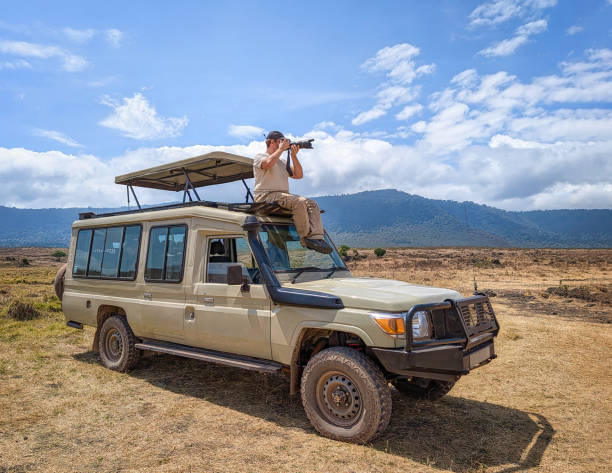
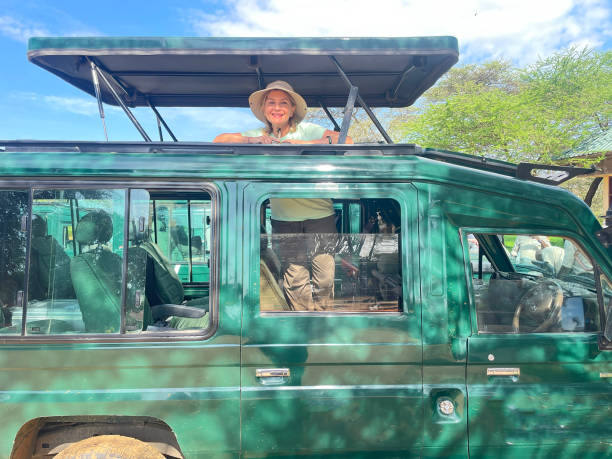
Namibia Self Drive Safari: The Ultimate Freedom Adventure
A Namibia self drive safari offers unparalleled freedom and flexibility to explore one of Africa’s most visually stunning and diverse countries. Imagine charting your own course through vast deserts, past towering dunes, and into wildlife-rich national parks, all on your own schedule. This is the essence of a Namibia self drive safari – an intimate encounter with nature and culture, dictated by your curiosity and sense of adventure. Whether you’re dreaming of the iconic red sands of Sossusvlei, the abundant wildlife of Etosha National Park, or the rugged beauty of Damaraland, a self-drive trip allows you to go where you want, when you want. This guide is designed to equip you with all the essential knowledge for planning a memorable Namibia self drive safari, looking ahead to popular travel times in 2026 and 2027.
Namibia Self Drive Safari: Quick Facts
| Aspect | Details |
|---|---|
| Best Time to Visit | May to October (Dry Season) for wildlife viewing; April and November for fewer crowds. |
| Driving Conditions | Varies. Paved roads between major towns, but gravel roads are common, requiring careful driving. 4×4 often recommended for remote areas. |
| Vehicle Rental | Crucial. 4×4 or robust SUV with good ground clearance and spare tires is essential. Consider rooftop tents or campervans. |
| Key Destinations | Etosha National Park, Sossusvlei/Deadvlei, Swakopmund, Damaraland, Fish River Canyon, Skeleton Coast. |
| Typical Duration | 10-21 days for a comprehensive experience. |
| Connectivity | Limited in remote areas. Mobile signal and Wi-Fi are sparse outside towns. Download offline maps. |
| Safety | Generally safe for tourists, but exercise caution with driving, especially at night, and secure belongings. |
Why Choose a Namibia Self Drive Safari?
The allure of a Namibia self drive safari lies in its blend of raw, untamed landscapes and accessible adventure. Unlike many other African destinations where guided tours are the norm, Namibia’s well-maintained road network (albeit often gravel) and the prevalence of well-equipped rental vehicles make independent exploration not just possible, but highly rewarding.
Independence and Flexibility
The primary draw is the freedom to set your own pace. You decide when to stop for that breathtaking sunset, how long to linger at a waterhole in Etosha, or when to take that spontaneous detour. A Namibia self drive safari means no rigid schedules, no rushing through sights you want to explore further, and the ability to tailor your journey to your interests, whether that’s photography, birdwatching, or simply soaking in the immense silence of the desert.
Cost-Effectiveness
While not always the cheapest option, a self-drive safari can be more economical than fully guided tours, especially for couples or small groups. You save on daily guide fees and can manage your accommodation choices, from campsites to lodges, to fit your budget. This allows for longer trips or the ability to allocate more funds to experiences within Namibia.
Intimate Wildlife Encounters
In parks like Etosha, driving yourself allows for quiet, personal wildlife viewing. You can position your vehicle for optimal observation without the need to coordinate with a group, leading to more authentic and memorable moments with elephants, lions, rhinos, and countless other species. The anticipation of spotting game around the next bend is a significant part of the safari thrill.
Exploring Beyond the Tourist Trail
With your own vehicle, you can venture to more remote areas, discover hidden gems, and experience the diverse geography of Namibia – from the coastal fog of the Skeleton Coast to the dramatic canyons of the south. This level of exploration is often difficult or impossible on organized group tours.
Planning Your Namibia Self Drive Safari: A Step-by-Step Approach
Successful planning is key to a fantastic Namibia self drive safari. The country’s vast distances and varying road conditions require thoughtful preparation. Here’s a comprehensive breakdown to get you started for your 2026 or 2027 adventure.
Step 1: Define Your Priorities and Duration
What do you want to see and do? Are you focused on wildlife, landscapes, adventure activities, or a mix? Namibia offers so much, so prioritizing will help shape your itinerary. Consider the time of year you plan to travel. The dry season (May to October) is excellent for wildlife viewing in Etosha, while the shoulder seasons (April, November) offer pleasant weather and fewer crowds.
Step 2: Choose Your Travel Style and Vehicle
Your travel style heavily influences vehicle choice. Options range from standard SUVs (suitable for main roads and well-maintained gravel tracks) to robust 4x4s (essential for more challenging routes or if you plan extensive off-road exploration) and campervans or vehicles with rooftop tents for a more immersive camping experience. For a Namibia self drive safari, a 4×4 with good ground clearance, two spare tires, and reliable navigation equipment is often recommended, especially for routes through Damaraland or the more remote parts of the Skeleton Coast.
Step 3: Map Out Your Route
Namibia is huge, and distances are deceptive. Plan a realistic route that balances iconic sights with travel time. Avoid trying to cram too much in. A typical 2-3 week trip might include:
Sample Namibia Self Drive Route Overview (Approx. 14-18 Days)
This is a popular loop, adaptable for your interests. Distances are approximate and driving times are estimates without stops.
- Windhoek (Start/End): Arrive, pick up vehicle, stock up on supplies. 1-2 nights.
- Sossusvlei/Sesriem: Iconic red dunes, Deadvlei. Drive ~5-6 hours. 2-3 nights.
- Swakopmund/Walvis Bay: Coastal town, adventure activities, marine life. Drive ~4-5 hours. 2-3 nights.
- Damaraland: Desert-adapted elephants, rock art, unique landscapes. Drive ~4-6 hours depending on destination. 2-3 nights.
- Etosha National Park: Premier wildlife viewing. Drive ~4-5 hours to nearest entrance. 3-4 nights (staying inside or near different camps).
- Waterberg Plateau Park (Optional): Hiking, scenic views. Drive ~4-5 hours. 1-2 nights.
- Windhoek: Return for departure. Drive ~3-4 hours.
Note: This route can be reversed or modified. For example, you could extend time in Etosha, add the Fish River Canyon in the south, or explore the Caprivi Strip for a different ecosystem.
Step 4: Book Accommodation and Activities
Accommodation ranges from campsites and self-catering bungalows to luxury lodges. Book well in advance, especially for popular national parks and lodges within Etosha, particularly if you are planning for peak season in 2026 or 2027. Popular activities like dune boarding in Swakopmund or guided desert walks should also be pre-booked.
Step 5: Prepare for the Road
Get familiar with driving on gravel roads. Understand how to handle dust, punctures, and the importance of driving during daylight hours only. Ensure your rental vehicle is equipped with necessary tools, spare tires, and recovery gear if needed.
Key Destinations for Your Namibia Self Drive Safari
Namibia’s diverse landscapes offer something for every traveler. Here are some must-visit spots:
Etosha National Park
Famous for its vast salt pan and abundance of wildlife, Etosha is a prime destination for any Namibia self drive safari. The park’s waterholes are magnets for animals, especially during the dry season (May-October), making for incredible viewing opportunities from your vehicle. Key camps within the park include Okaukuejo, Halali, and Namutoni. Driving between camps and waterholes is straightforward on well-maintained roads.
Sossusvlei and Deadvlei
Home to some of the world’s highest sand dunes, including the iconic Dune 45 and Big Daddy, Sossusvlei is a photographer’s paradise. The surreal landscape of Deadvlei, with its ancient camel thorn trees set against the red sand and blue sky, is a highlight. Access to the main Sossusvlei area requires a 2WD or 4×4 vehicle up to the Sossusvlei parking area, from where a shuttle or 4×4 is needed for the final sandy stretch to Deadvlei itself. Visiting at sunrise offers magical light and cooler temperatures.
Swakopmund and Walvis Bay
These coastal towns offer a refreshing contrast to the desert interior. Swakopmund, with its German colonial architecture, is a hub for adventure activities like quad biking, sandboarding, and scenic flights. Walvis Bay is renowned for its marine life tours, where you can see seals, dolphins, and pelicans. The drive from the interior is scenic, often passing through stark desert landscapes.
Damaraland
This rugged, sparsely populated region is characterized by dramatic mountains, ancient rock art sites (like Twyfelfontein), and unique desert-adapted wildlife, including elephants and rhinos. Roads here can be more challenging, often requiring a 4×4. The sense of isolation and raw beauty is profound.
Skeleton Coast National Park
Famous for its shipwrecks, desolate beauty, and the fog that rolls in from the Atlantic, the Skeleton Coast is an evocative destination. Access is typically restricted to organized tours or requires special permits for self-drive. The southern parts are more accessible, offering stark desert-meets-ocean scenery.
Fish River Canyon
The second largest canyon in the world, the Fish River Canyon in the south offers breathtaking views and hiking opportunities. It’s a significant detour from the northern loop but a worthwhile addition for those with more time.
Vehicle Rental for Your Namibia Self Drive Safari
Choosing the right vehicle is paramount for a successful Namibia self drive safari. This isn’t a trip where a standard city car will suffice.
Types of Vehicles
- 4×4 SUV: The most popular choice for a Namibia self drive safari. Offers good ground clearance, robust suspension, and the ability to handle gravel roads and more challenging tracks. Brands like Toyota (Hilux, Land Cruiser) and Ford are common.
- 4×4 Double Cab: Similar to the SUV but with an open cargo bed, useful for carrying more gear, especially camping equipment.
- Campervans/Overlanders: Offer integrated living and sleeping facilities. Ideal for those who prefer camping and want convenience. Ensure it’s a 4×4 model if venturing off main routes.
- Vehicles with Rooftop Tents: A popular compromise, offering the practicality of a 4×4 vehicle with the ease of a tent that sets up quickly on the roof.
Essential Features and Considerations
- Ground Clearance: Crucial for navigating rough terrain and avoiding damage to the undercarriage.
- Four-Wheel Drive (4WD/4×4): Essential for certain areas and highly recommended for overall peace of mind on gravel roads. Learn how to engage and disengage 4WD.
- Spare Tires: At least two full-sized spare tires are non-negotiable. Tire punctures are common on gravel roads.
- Fuel Range: Ensure the vehicle has a good fuel range or consider renting with extra fuel tanks. Fuel stations can be hundreds of kilometers apart.
- Cooler Box: Essential for keeping drinks and food cool, especially on long drives.
- Navigation: GPS device or smartphone with offline maps (e.g., Google Maps, Maps.me) is vital. A physical map is a good backup.
- Camping Gear: If camping, ensure the vehicle is equipped with tents, sleeping bags, cooking equipment, and water containers.
Rental Tips
- Book Early: Especially for 2026 and 2027 travel during peak seasons, rental vehicles, particularly 4x4s and campervans, get booked up quickly.
- Insurance: Understand the insurance options thoroughly. Full comprehensive insurance is highly recommended. Check what is covered regarding tire damage and windscreen damage.
- One-Way Rentals: If available and within budget, a one-way rental can save backtracking time.
- Vehicle Inspection: Before departing, thoroughly inspect the vehicle with the rental agent, noting any existing damage. Check tire pressure and condition.
Driving in Namibia: What to Expect
Driving yourself in Namibia is an adventure in itself. While generally safe, it requires awareness and caution.
Road Conditions
- Paved Roads (B-roads): Connect major towns and are generally in good condition.
- Gravel Roads (C-roads and D-roads): The majority of roads outside urban areas. They can range from well-maintained to rutted and corrugated. Speed is your enemy on gravel; drive slower than you would on pavement.
- Sand Tracks: Found in very remote areas or within national parks. Require 4×4 capability and experience.
Driving Rules and Etiquette
- Drive on the Left: Namibia drives on the left side of the road.
- Speed Limits: Generally 120 km/h on paved roads, 80 km/h on gravel roads, and 60 km/h in towns. However, always adjust speed to road conditions.
- Daylight Driving: It is strongly advised to only drive during daylight hours (sunrise to sunset). Wildlife frequently crosses roads, especially at dawn and dusk, and visibility is poor at night. Road conditions are also harder to assess in the dark.
- Dust Clouds: On gravel roads, overtaking vehicles create significant dust clouds that can obscure vision. Wait for the dust to clear before overtaking.
- Fuel: Fill up whenever you see a fuel station, as they can be very far apart. Always carry sufficient water for yourself and the vehicle (for radiators, not drinking).
- Overtaking: Only overtake when you have a clear, unobstructed view of the road ahead.
- Wildlife: Be constantly aware of animals on and near the road. Slow down immediately if you see any wildlife.
Navigation
Download offline maps for the entire country. Relying solely on mobile signal is not feasible. Consider a dedicated GPS device or a reliable mapping app like Maps.me or Google Maps with offline capabilities. A good old-fashioned paper map is also a wise backup.
Packing and Preparation for Your Namibia Self Drive Safari
Proper packing ensures comfort and preparedness for the varied conditions of a Namibia self drive safari.
Essential Packing List
- Clothing: Lightweight, breathable fabrics in neutral colors (khaki, beige, green). Layers are key – warm jacket, fleece, and beanie for cooler evenings and mornings, especially in winter (June-August). Long-sleeved shirts and trousers for sun protection and insect bites.
- Footwear: Comfortable walking shoes or hiking boots, plus sandals or flip-flops for camp/lodge.
- Sun Protection: High SPF sunscreen, wide-brimmed hat, sunglasses.
- Insect Repellent: Especially for areas with mosquitoes.
- First-Aid Kit: Comprehensive, including any personal medications, antiseptic wipes, bandages, pain relievers, and motion sickness medication.
- Toiletries: Biodegradable options are preferred.
- Camera Gear: Extra batteries, memory cards, zoom lens for wildlife, tripod if needed.
- Power Bank/Chargers: For electronics. Consider a car charger and adapter.
- Water Bottles: Reusable bottles. Stay hydrated!
- Binoculars: Essential for wildlife viewing.
- Headlamp or Torch: Useful for navigating camps at night.
- Snacks: Non-perishable snacks for long drives.
- Documents: Passport, driver’s license, vehicle rental documents, insurance details, booking confirmations, cash (Namibian Dollar or South African Rand).
- Offline Maps: Downloaded onto your phone or GPS device.
- Basic Tools: If not provided with the vehicle, consider a tire pressure gauge and a small shovel.
Preparation Checklist
- International Driving Permit (IDP): Check if your home country’s license requires one for Namibia.
- Vehicle Familiarization: Understand how to operate the 4×4 system, change a tire, and check basic fluid levels.
- Communication: Inform someone of your itinerary and expected check-in times. Consider a satellite phone for remote areas if you are highly adventurous.
- Health: Consult your doctor about necessary vaccinations and malaria precautions, especially if traveling to the Caprivi Strip.
- Finances: Have a mix of cash and cards. ATMs are available in larger towns.
Seasonality and Best Time to Visit for a Namibia Self Drive Safari
Namibia’s climate is arid, with distinct wet and dry seasons that significantly impact wildlife viewing and travel conditions.
Namibia Seasons and Their Impact
| Season | Months | Weather | Wildlife Viewing | Road Conditions | Crowds | Ideal For |
|---|---|---|---|---|---|---|
| Dry Season (Peak) | May – October | Cooler, dry, sunny days. Cold nights, especially June-August. | Excellent. Animals congregate around permanent waterholes in Etosha. Vegetation thins. | Generally good, but gravel roads can be dusty. Risk of corrugations. | High. Book well in advance for 2026/2027. | Wildlife photography, general safari. |
| Rainy Season (Low/Shoulder) | November – April | Hot, humid, with scattered afternoon thunderstorms. Warmer nights. | Can be more challenging as animals disperse to find water. Lush vegetation. Excellent for birding and seeing young animals. | Can be muddy and difficult after heavy rains, especially on gravel roads. Some areas might become impassable. | Lower. More availability. | Birding, photography of newborns, lush landscapes, fewer crowds. |
| Shoulder Seasons | April & November | Transitional. Pleasant temperatures, potential for rain in April, increasing heat in November. | Good to very good. Animals still relatively concentrated. | Usually good, but can be variable. | Moderate. | Good balance of weather, wildlife, and crowds. |
Specific Considerations for 2026-2027
For those planning their Namibia self drive safari for 2026 or 2027, booking accommodation and rental vehicles, particularly for the dry season (May-October), should be done at least 6-12 months in advance to secure preferred options. The shoulder months of April and November often offer a great balance, with decent weather and fewer tourists than the peak dry season.
Common Mistakes to Avoid on a Namibia Self Drive Safari
To ensure a smooth and enjoyable Namibia self drive safari, be aware of common pitfalls:
- Underestimating Distances: Namibia is vast. Driving times between destinations can be much longer than they appear on a map due to road conditions. Always add buffer time.
- Driving After Dark: This is one of the most dangerous mistakes. Wildlife, unlit vehicles, and poor road conditions make it extremely risky. Stick to daylight hours.
- Not Enough Spare Tires: Punctures are almost inevitable on gravel roads. Ensure you have at least two spares and know how to change a tire.
- Ignoring Fuel Needs: Never let your fuel tank get below half-full. Fuel stations can be hundreds of kilometers apart.
- Overpacking: While it’s good to be prepared, overpacking can make managing your vehicle and luggage difficult. Pack smart and light.
- Not Downloading Offline Maps: Mobile signal is unreliable outside towns. Relying on online maps will leave you lost.
- Ignoring Road Conditions: Driving too fast on gravel roads is a recipe for disaster, leading to loss of control or vehicle damage.
- Not Booking in Advance: Especially for popular parks like Etosha and unique accommodations, failing to book ahead can lead to disappointment, particularly for 2026 and 2027 travel.
- Lack of Water and Snacks: Long drives with no facilities mean you must carry ample water and food.
- Not Having Emergency Contacts: Ensure you have emergency numbers for your rental company and local authorities.
Who is a Namibia Self Drive Safari Best For?
A Namibia self drive safari is ideal for travelers who:
- Value independence and flexibility in their travel.
- Enjoy the adventure of driving and exploring at their own pace.
- Are comfortable with basic navigation and self-sufficiency.
- Appreciate vast, open landscapes and unique desert environments.
- Are keen on wildlife viewing in a less structured setting.
- Are budget-conscious but seeking a high-quality experience.
- Are couples, families with older children, or small groups of friends.
It may be less suitable for those who:
- Prefer guided tours with all logistics handled.
- Are uncomfortable driving on gravel or in remote conditions.
- Need constant connectivity and modern amenities.
- Are traveling with very young children and prefer less driving.
Alternatives to a Full Namibia Self Drive Safari
If a complete self-drive trip feels too daunting, consider these alternatives:
- Partially Guided Self-Drive: Combine driving yourself between major hubs with guided day trips or excursions from towns like Swakopmund or lodges.
- Fly-in Safaris: For those with a larger budget and limited time, flying between lodges in light aircraft minimizes travel time and offers a luxurious experience. This is the opposite of a self drive safari.
- Guided Overland Tours: Join a small group tour with a professional guide and driver. This handles all logistics and offers expert insights, but with less personal freedom.
- Private Guided Tours: Hire a private guide and vehicle. This offers the best of both worlds – expert knowledge and personalized itinerary, but at a higher cost than a self-drive.
- Focus on Specific Regions: Instead of the entire country, focus on a region like Etosha and the Kalahari, or the south (Fish River Canyon), and perhaps use lodge transfers or shorter self-drive segments.
Planning Your Namibia Self Drive Safari for 2026-2027
Looking ahead to 2026 and 2027, early planning is your best strategy for a successful Namibia self drive safari.
Booking Timeline
- 10-12 Months Prior: Book rental vehicles (especially 4x4s and campervans) and accommodation inside national parks (Etosha, Sesriem) or highly sought-after lodges. This is crucial for peak season in 2026 and 2027.
- 6-8 Months Prior: Book lodges and activities outside national parks. Finalize your route and make any necessary flight bookings.
- 3-4 Months Prior: Obtain any required visas, check health recommendations, and arrange travel insurance.
- 1-2 Months Prior: Purchase necessary gear, download offline maps, and get familiar with driving conditions.
- 1-2 Weeks Prior: Confirm all bookings, prepare a detailed packing list, and inform your bank of your travel dates.
Budgeting Considerations (Estimates for 2026-2027)
While exact prices fluctuate, consider these cost categories:
- Vehicle Rental: This is a significant expense. 4x4s with camping gear can be costly. Factor in insurance, mileage charges (if any), and fuel.
- Fuel: Prices can vary. Estimate based on your planned mileage and vehicle consumption.
- Accommodation: Campsites are the cheapest, followed by self-catering bungalows, and then lodges. National park fees are additional.
- Park Entrance Fees: Daily fees apply for national parks.
- Activities: Excursions like scenic flights, boat trips, or guided walks add to the budget.
- Food and Drink: Self-catering can save money, but restaurant meals and lodge dining are also options.
- Contingency Fund: Always set aside a buffer for unexpected expenses (e.g., tire replacements, repairs).
Safety and Health on Your Namibia Self Drive Safari
Namibia is generally a safe country for tourists, but standard precautions are essential, especially when driving yourself.
Driving Safety
As mentioned, avoid driving at night. Be aware of your surroundings, especially when stopped. Lock your vehicle and keep valuables out of sight. Be cautious on gravel roads – slow down for corners and avoid sudden braking or steering. If you get stuck or have a breakdown, stay with your vehicle and call for assistance.
Wildlife Encounters
Maintain a safe distance from all wildlife. Never feed animals. In Etosha, stay in your vehicle at waterholes or designated viewing areas. If you encounter animals on the road, stop and wait for them to pass. Never get out of your vehicle to approach wildlife.
Health Precautions
Malaria: Risk is low in most popular tourist areas (Etosha, Sossusvlei, Swakopmund) but higher in the Caprivi Strip and northern regions, especially during the rainy season. Consult your doctor about prophylaxis. Use insect repellent and wear long sleeves/trousers at dawn and dusk.
Sunburn and Heatstroke: The sun is intense. Drink plenty of water (at least 3-4 liters per person per day) and use sun protection. Be aware of symptoms of heat exhaustion.
Water Quality: Tap water in towns is generally safe to drink, but it’s advisable to use bottled or purified water in more remote areas or if you have a sensitive stomach.
Medical Facilities: Larger towns have clinics and hospitals, but medical facilities are limited in remote areas. Ensure you have comprehensive travel insurance that covers medical evacuation.
Booking Your Namibia Self Drive Safari
When it comes to booking, you have a few options:
- Directly with Rental Companies and Lodges: This requires significant research and coordination on your part.
- Through a Local Tour Operator: This is often the most efficient and reliable method. Local operators have in-depth knowledge of Namibia, established relationships with rental companies and lodges, and can tailor itineraries to your specific needs. They can also provide invaluable advice on routes, vehicle suitability, and booking for 2026 and 2027.
Why Work with a Tour Operator?
For a Namibia self drive safari, a reputable local tour operator can:
- Recommend the best vehicle for your specific route and budget.
- Secure competitive rates for rentals and accommodation.
- Provide detailed, up-to-date information on road conditions and park regulations.
- Offer custom-designed itineraries that maximize your experience.
- Provide 24/7 support during your trip for any unexpected issues.
- Handle all the booking complexities, saving you time and stress.
Even if you plan to drive yourself, partnering with experienced professionals can ensure your Namibia self drive safari is perfectly planned and executed, making your 2026 or 2027 adventure truly unforgettable.
Ready to Plan Your Namibia Self Drive Safari?
Let us help you craft the perfect Namibia self drive safari experience for 2026 or 2027. We specialize in creating personalized itineraries that match your interests and budget. Contact us today for expert advice and seamless booking.
WhatsApp: +255616946642
Email: topguideadventures@gmail.com
Backup Email: info@topguideadventures.com
Frequently Asked Questions (FAQs)
Your Namibia Self Drive Safari Questions Answered
1. Do I need a 4×4 for a Namibia self drive safari?
While not strictly mandatory for all popular routes (like the main roads between Windhoek, Sossusvlei, and Swakopmund), a 4×4 vehicle is highly recommended for a Namibia self drive safari. It provides better ground clearance for gravel roads, offers more comfort on rough terrain, and is essential if you plan to explore more remote areas like Damaraland or certain parts of the Skeleton Coast. It also gives you peace of mind.
2. What is the best time of year for a Namibia self drive safari in 2026-2027?
The dry season, from May to October, is generally considered the best time for wildlife viewing, especially in Etosha National Park, as animals congregate around waterholes. The weather is also pleasant with sunny days, though nights can be cold. The shoulder months of April and November offer good conditions with fewer crowds. The rainy season (November to April) is hotter and can make some gravel roads challenging but is excellent for birding and photography of newborn animals.
3. How safe is driving in Namibia for tourists?
Namibia is generally safe for tourists. The main safety concerns relate to driving conditions. It is crucial to drive only during daylight hours to avoid wildlife on the roads and poor visibility. Gravel roads require slower speeds and careful handling. Always lock your vehicle and keep valuables out of sight.
4. What kind of vehicle rental insurance is best for a Namibia self drive safari?
Full comprehensive insurance is highly recommended. Pay close attention to what is covered, particularly regarding tire damage, windscreen damage, and undercarriage damage, as these are common issues on gravel roads. Understand the excess or deductible amount.
5. How far apart are fuel stations in Namibia?
Fuel stations can be hundreds of kilometers apart, especially in remote regions. It is a golden rule of Namibian driving to never let your fuel tank drop below half full. Always fill up whenever you have the opportunity.
6. Can I use my mobile phone for navigation?
While you can use your phone for navigation, relying solely on it is not advisable. Mobile signal is very limited outside of towns. It is essential to download offline maps (e.g., Google Maps offline, Maps.me) for the entire country before you travel. A dedicated GPS device or a physical map is also a good backup.
7. What are the typical driving distances and times?
Distances are significant. For example, Windhoek to Sossusvlei is about 300-350 km, taking 5-6 hours on gravel. Etosha to Windhoek can be 4-5 hours. Always factor in extra time for road conditions, potential stops, and wildlife sightings. A 500 km drive on a good gravel road could take 6-7 hours.
8. What should I do if I get a flat tire?
Flat tires are common. Pull over safely off the road. Ensure you have at least two spare tires. Locate your jack and lug wrench. If you are unsure or uncomfortable, and have cell signal, contact your rental company. If you are in a remote area and have no signal, assess if you can change it yourself or wait for another vehicle to pass for assistance.
9. Is it possible to drive the Skeleton Coast as part of a self drive safari?
Access to the Skeleton Coast National Park for self-drive is restricted and requires permits. The southern part is more accessible, but driving through the entire park is usually done via organized tours or requires specific arrangements and a robust 4×4. It’s best to check current regulations with park authorities or your tour operator.
10. What are the accommodation options for a self drive safari?
Options are diverse: campsites (often with basic facilities), self-catering chalets or bungalows, lodges (ranging from mid-range to luxury), and some unique stays like desert camps. Booking accommodation in advance, especially for popular spots and during 2026-2027, is highly recommended.
Plan Your Unforgettable Namibia Self Drive Safari for 2026-2027!
A Namibia self drive safari is an experience that offers unparalleled freedom and adventure. From the towering dunes of Sossusvlei to the abundant wildlife of Etosha, this is a journey for the independent explorer. We are here to help you navigate the planning process, ensuring your trip in 2026 or 2027 is seamless and spectacular. Let us assist you in selecting the perfect vehicle, crafting your ideal itinerary, and booking accommodations.
Contact us today to start planning your dream Namibia self drive safari:
WhatsApp: +255616946642
Email: topguideadventures@gmail.com
Backup Email: info@topguideadventures.com
Plan your Namibia self drive safari with Top Guide Adventures
Tell us your travel dates, group size, comfort level, and dream experience. We will help you shape a clear, realistic, and memorable Tanzania itinerary.







 Veedesigner
 Fatma Kizanga
 Benjamin Waryuba
 Philip Philip
 John jr Itaja
 Antonia Optatus
 Edith Kanyere
 Neema Iddy
 Kelvin Boniphace
 Damari Maiga



