
Updated planning guide for 2026-2027
Best Time To Visit Namibia: Complete Guide
Planning your Namibian adventure for 2026 or 2027? This comprehensive guide details the best times to visit Namibia, covering everything from wildlife viewing and weather patterns to optimal activities and essential planning tips for a memorable experience.
WhatsApp +255616946642 | topguideadventures@gmail.com | info@topguideadventures.com
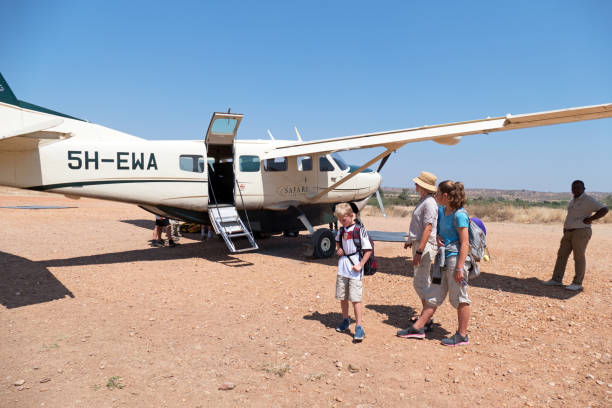
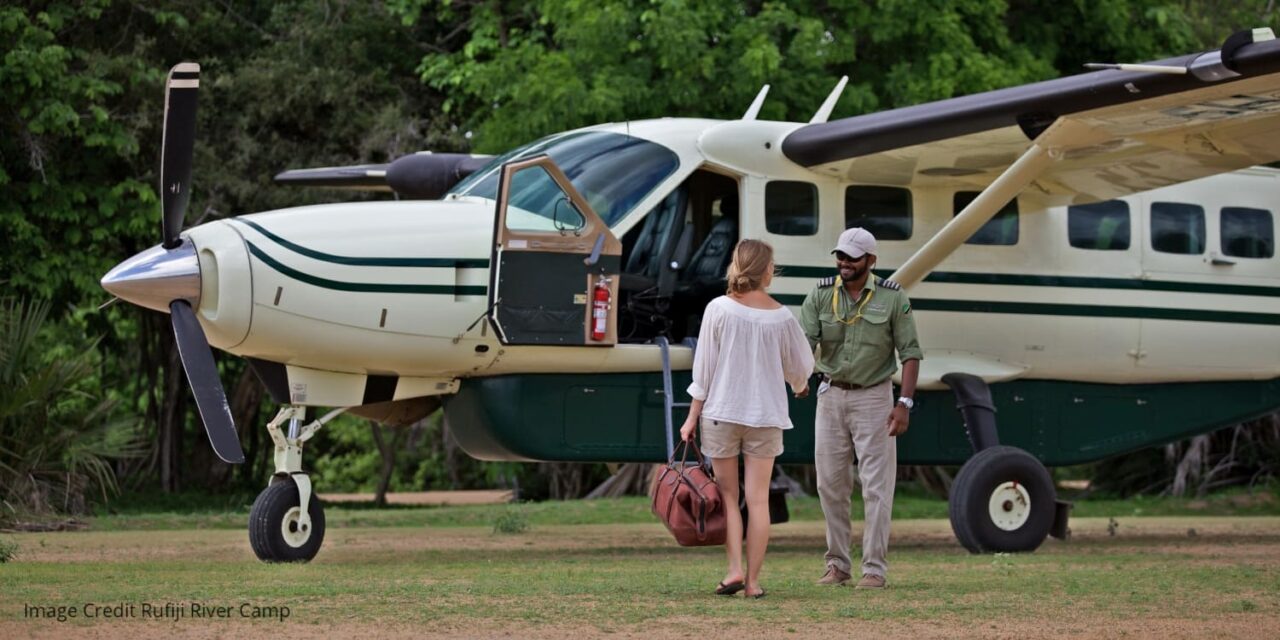
Your Essential Guide to the Best Time to Visit Namibia in 2026-2027
Namibia, a land of stark beauty, vast deserts, and incredible wildlife, calls to adventurers seeking the extraordinary. Deciding when to visit this Southern African gem can significantly shape your experience, from the intensity of wildlife sightings to the comfort of your travels. This guide offers an in-depth look at the best time to visit Namibia, focusing on the upcoming seasons of 2026 and 2027, to help you plan the perfect safari, desert exploration, or cultural immersion.
Understanding Namibia’s climate is key to a successful trip. The country experiences distinct wet and dry seasons, each offering unique advantages and challenges for travelers. Whether you prioritize game viewing, photography, or simply enjoying the dramatic landscapes without the heat, this guide breaks down the nuances of each period.
Table of Contents
- Namibia Quick Facts
- Namibia at a Glance: Why Visit?
- Why Timing Your Namibia Trip Matters
- The Best Time to Visit Namibia: A Seasonal Breakdown
- The Dry Season (May to October): Prime Wildlife Viewing
- The Wet Season (November to April): Lush Landscapes and Birdlife
- Shoulder Seasons: Balancing Weather and Crowds
- Regional Climate Variations in Namibia
- Namib Desert (Sossusvlei & Swakopmund)
- Etosha National Park
- Caprivi Strip
- Damaraland
- Best Time to Visit Namibia for Specific Activities
- Wildlife Viewing
- Photography
- Hiking and Adventure
- Cultural Experiences
- Road Tripping and Self-Drive
- A Sample Namibia Itinerary Plan (10 Days)
- What to Expect on Your Trip
- Packing and Preparation for Namibia
- Common Mistakes to Avoid When Planning
- Who is Namibia Best For?
- Alternatives to Namibia
- Planning Your Namibia Trip for 2026-2027
- Booking Your Namibia Adventure
- Frequently Asked Questions (FAQs)
- Ready to Plan Your Namibian Journey?
| Aspect | Details |
|---|---|
| Official Name | Republic of Namibia |
| Capital | Windhoek |
| Languages | English (official), Afrikaans, German, Oshiwambo, Herero, Nama |
| Currency | Namibian Dollar (NAD), pegged to the South African Rand (ZAR) |
| Main Airport | Hosea Kutako International Airport (WDH) near Windhoek |
| Visa Requirements | Varies by nationality; many require a visa. Check with your embassy. |
| Best Time to Visit (General) | Dry Season (May to October) for wildlife; Wet Season (November to April) for landscapes and birding. |
| Driving | Left-hand side. Roads vary from paved to gravel; 4×4 often recommended for remote areas. |
| Power Voltage | 220-240V, 50Hz. Plug type D and M. |
Namibia at a Glance: Why Visit?
Namibia is a country of extremes and breathtaking natural phenomena. Its allure lies in its vast, open spaces, dramatic desert landscapes, and surprisingly abundant wildlife, often viewed against a backdrop of sand dunes and arid plains. From the towering red dunes of Sossusvlei to the wildlife-rich plains of Etosha, Namibia offers a unique safari and travel experience unlike any other.
Travelers are drawn to Namibia for:
- Unparalleled Desert Landscapes: The Namib Desert, one of the oldest deserts in the world, features iconic sights like Deadvlei and the Sossusvlei dunes, offering incredible photographic opportunities.
- Exceptional Wildlife Viewing: Etosha National Park is a renowned game viewing destination, especially during the dry season when animals congregate around waterholes. You can also find desert-adapted wildlife in Damaraland and Kaokoveld.
- Unique Geological Formations: Explore the Fish River Canyon, the second-largest canyon in the world, or the stark beauty of Damaraland with its ancient rock art and rugged terrain.
- Adventure Activities: Swakopmund and Walvis Bay offer a hub for adventure, with activities like sandboarding, quad biking, skydiving, and boat trips for dolphin and seal watching.
- Cultural Encounters: Engage with indigenous communities like the Himba people, learn about ancient San rock art, and experience the diverse cultures that call Namibia home.
- Stargazing: With minimal light pollution, Namibia offers some of the clearest night skies on Earth, making it a premier destination for astronomy enthusiasts.
- Road Tripping Freedom: Namibia is ideal for self-drive adventures, allowing you to explore at your own pace and discover hidden gems on its extensive network of roads.
Why Timing Your Namibia Trip Matters
Choosing the right time to visit Namibia is crucial because the country’s climate directly impacts several key aspects of your journey:
- Wildlife Visibility: The dry season concentrates animals around limited water sources, making them easier to spot. During the wet season, wildlife disperses into the bush, making sightings more challenging.
- Landscape Aesthetics: The wet season brings lush greenery, vibrant colors, and blooming wildflowers, transforming the arid landscapes into a more verdant panorama. The dry season offers stark, dramatic beauty.
- Weather Comfort: Temperatures can be extreme. The dry season is generally cooler and more pleasant for daytime activities, while the wet season can be hot and humid, particularly in the north.
- Road Conditions: Rain can make unpaved roads muddy and difficult to traverse, potentially impacting travel times and accessibility, especially in more remote areas.
- Crowds and Prices: Peak seasons often coincide with the dry months, leading to higher prices and more crowded lodges and attractions. Shoulder seasons can offer a better balance.
- Photography Opportunities: The quality of light, dust levels, and presence of greenery or dry brush all influence photographic outcomes.
The Best Time to Visit Namibia: A Seasonal Breakdown
Namibia’s climate is characterized by two main seasons: a dry season and a wet season. The best time to visit Namibia depends entirely on your priorities.
The Dry Season (May to October): Prime Wildlife Viewing
This period is widely considered the optimal time for visiting Namibia, especially if your primary interest is wildlife viewing. The air is cooler, and the landscapes are dry and dramatic.
- Weather: Expect sunny days with mild to warm temperatures (averaging 20-25°C or 68-77°F) and cool to cold nights, sometimes dropping below freezing in winter (June-August). Rainfall is virtually non-existent.
- Wildlife: This is the peak season for game viewing in places like Etosha National Park. As water sources become scarce, animals congregate around permanent waterholes, making them highly visible and predictable. This is ideal for spotting lions, elephants, rhinos, giraffes, and a multitude of antelope species.
- Landscapes: The vegetation thins out, and the landscapes are stark and golden. This can be visually striking and excellent for photography, though less lush than in the wet season.
- Activities: Ideal for game drives, walking safaris, and exploring desert regions like Sossusvlei and the Skeleton Coast. The cooler temperatures make daytime excursions more comfortable.
- Crowds: This is the peak tourist season. Lodges and accommodations can book up months in advance, and prices are typically higher.
- Consider for 2026-2027: If maximizing wildlife sightings is your top goal for your 2026 or 2027 trip, aim for the dry season, particularly from June to September.
The Wet Season (November to April): Lush Landscapes and Birdlife
The wet season, also known as the ‘green season’ or ‘summer’, brings dramatic changes to Namibia, offering a different kind of beauty and experience.
- Weather: Temperatures are higher, often ranging from 25-35°C (77-95°F) or more, with high humidity, especially in the northern regions. This season brings sporadic, often heavy, afternoon thunderstorms.
- Wildlife: While game viewing in Etosha can be more challenging as animals disperse into the bush to feed on new growth and access scattered water, it’s an excellent time for birdwatchers. Migratory birds arrive, and breeding activity is high. The Caprivi Strip, in particular, becomes incredibly lush and vibrant.
- Landscapes: The country transforms with green vegetation, wildflowers, and dramatic skies often filled with thunderclouds. This offers stunning photographic opportunities for landscapes.
- Activities: Ideal for birdwatching, landscape photography, and exploring the Caprivi Strip. Some areas might become inaccessible due to rain, so flexibility is key.
- Crowds: This is the low season, meaning fewer tourists, more affordable prices, and greater availability of accommodation.
- Consider for 2026-2027: If you are a keen photographer of landscapes or a dedicated birder, and you don’t mind the heat and potential travel disruptions, the wet season of late 2026 or early 2027 could be rewarding.
Shoulder Seasons: Balancing Weather and Crowds
The periods between the distinct wet and dry seasons offer a good compromise for many travelers.
- March to April (End of Wet/Start of Dry): The rains begin to subside, and the landscapes are still relatively green. Temperatures start to cool down. Wildlife viewing begins to improve as water sources become more concentrated. This is a good time for a balance of scenery and game.
- October to November (End of Dry/Start of Wet): The dry season is ending, and the first rains might start to fall, often in the late afternoon. Temperatures are warming up. Wildlife is still relatively concentrated around waterholes before the rains fully disperse them. This period can offer excellent game viewing before the full heat and potential rains of the wet season arrive.
- Consider for 2026-2027: For travelers looking for a mix of good weather, reasonable crowds, and decent wildlife viewing for their 2026 or 2027 trip, these shoulder months are excellent choices.
Regional Climate Variations in Namibia
Namibia is a vast country with diverse geographical zones, and the climate can vary significantly from one region to another. Understanding these differences is vital for planning your trip.
Namib Desert (Sossusvlei & Swakopmund)
- Climate: Arid to semi-arid. Coastal areas around Swakopmund are cooler due to the Benguela Current, often experiencing fog. Inland desert areas are hotter.
- Best Time: Dry season (May-October) for cooler temperatures and clear skies. The fog in Swakopmund can be present year-round but is often thicker in winter (June-August). For Sossusvlei, avoiding the extreme midday heat is key.
- Consider for 2026-2027: Months like April, May, September, and October offer pleasant temperatures for exploring the dunes and the coast.
Etosha National Park
- Climate: Semi-arid, with a distinct wet and dry season.
- Best Time: Dry season (May-October) is prime for wildlife viewing as animals gather at waterholes. October and November can still offer good viewing before the rains start.
- Consider for 2026-2027: For a classic Etosha safari experience in 2026 or 2027, target June through September.
Caprivi Strip
- Climate: Subtropical and humid, with a pronounced rainy season. Receives the most rainfall in the country.
- Best Time: Dry season (May-October) for easier travel and more concentrated wildlife, especially along riverbanks. However, the landscape is less lush. The wet season (November-April) makes the region incredibly green and vibrant, ideal for birding, but travel can be challenging due to muddy roads and higher water levels.
- Consider for 2026-2027: If you are visiting the Caprivi, the shoulder months of April/May or October/November can offer a good balance.
Damaraland
- Climate: Arid and rugged, with extreme temperature fluctuations between day and night.
- Best Time: Dry season (May-October) is best for tracking desert-adapted elephants and rhinos, as they move further in search of water. The landscapes are dramatic and dry.
- Consider for 2026-2027: Similar to Etosha, the dry months are generally preferred for accessibility and wildlife tracking.
Best Time to Visit Namibia for Specific Activities
Your primary reason for visiting Namibia will heavily influence the ideal timing for your trip.
Wildlife Viewing
Best Time: Dry Season (May to October).
During these months, the lack of rainfall forces animals to congregate around permanent waterholes, particularly in Etosha National Park. This makes spotting a wide variety of species, including elephants, lions, leopards, rhinos, giraffes, and numerous antelope, much easier. The vegetation is also sparser, improving visibility.
Photography
Best Time: All year, but with different strengths.
- Dry Season (May-October): Offers dramatic, stark landscapes, golden light, and concentrated wildlife. Dust can be a factor.
- Wet Season (November-April): Provides lush green scenery, dramatic storm clouds, wildflowers, and migratory birds. Animal sightings might be more dispersed.
- Shoulder Seasons (April-May, Oct-Nov): Offer a blend of good light, developing or receding greenery, and manageable temperatures, often ideal for capturing diverse Namibian scenes.
Hiking and Adventure
Best Time: Dry Season (May to October).
The cooler temperatures during the dry season make activities like hiking in the Fish River Canyon (though access is restricted and requires booking), exploring the dunes of Sossusvlei, or enjoying activities in Swakopmund much more comfortable. The wet season can bring excessive heat and humidity, making strenuous outdoor activities less appealing.
Cultural Experiences
Best Time: Year-round, but with considerations.
Interactions with communities like the Himba or San are generally possible throughout the year. However, during the wet season, communities might be more dispersed if they are involved in agriculture. The dry season can be more convenient for travel to remote villages.
Road Tripping and Self-Drive
Best Time: Dry Season (May to October) and the shoulder months (April-May, October-November).
While Namibia is a prime self-drive destination, the dry season offers the most reliable road conditions. Heavy rains during the wet season can turn gravel roads into muddy, impassable tracks, especially in the northern regions like the Caprivi Strip. If self-driving during the wet season, a 4×4 is highly recommended, and flexibility is essential.
A Sample Namibia Itinerary Plan (10 Days)
This sample itinerary focuses on key highlights and is best suited for the dry season (May-October) or shoulder months for optimal conditions. It assumes arrival and departure from Windhoek.
| Day | Location | Activities | Notes |
|---|---|---|---|
| 1 | Windhoek | Arrival, car pickup, city orientation. | Acclimatize, stock up on supplies. |
| 2-3 | Sossusvlei / Namib-Naukluft Park | Explore Deadvlei, Sossusvlei, Dune 45, Sesriem Canyon. | Stay inside or near the park for early access to dunes. |
| 4-5 | Swakopmund | Coastal town, adventure activities (quad biking, sandboarding), exploring town. | Opportunity for dolphin cruises from Walvis Bay. |
| 6-8 | Etosha National Park | Game drives, visiting waterholes, exploring different camps (Okaukuejo, Halali, Namutoni). | Focus on southern and central areas for best dry-season viewing. |
| 9 | Waterberg Plateau Park (Optional) / Drive towards Windhoek | Short hike, scenic drive. | Break up the long drive back to Windhoek. |
| 10 | Windhoek | Departure. | Return rental car, fly out. |
What to Expect on Your Trip
Namibia is a country that rewards travelers with patience and a sense of adventure. Expect:
- Vastness and Open Spaces: Namibia is one of the least densely populated countries in the world. You will experience a profound sense of space and solitude.
- Long Driving Distances: Distances between destinations are significant. Factor in ample travel time, and ensure your vehicle is in good condition.
- Varied Road Conditions: Paved roads are limited. Many routes are gravel, and some require a 4×4. Drive cautiously, especially on gravel, and be aware of wildlife on roads.
- Stunning Scenery: From towering red dunes to rugged mountains, salt pans, and vast savannas, the landscapes are consistently breathtaking.
- Reliable Wildlife Sightings (in season): Etosha offers some of the most predictable game viewing in Africa, especially during the dry season.
- Unique Accommodation: Options range from luxury lodges and comfortable guesthouses to rustic campsites. Many lodges offer incredible views and experiences.
- Safety: Namibia is generally considered a safe country for tourists, but standard precautions against petty crime in urban areas are advised. Wildlife encounters require respect and distance.
- Excellent Stargazing: The lack of light pollution means incredibly clear and vibrant night skies.
Packing and Preparation for Namibia
Proper packing is essential for comfort and preparedness. Consider the time of year and planned activities.
Clothing:
- Layers: Essential for temperature fluctuations. Pack light, breathable clothing for daytime and warmer layers (fleece, jacket) for cool mornings and evenings, especially during the dry season.
- Neutral Colors: For safaris, opt for khaki, beige, or olive green to blend in with the environment. Avoid bright colors.
- Comfortable Trousers and Shirts: Long sleeves and trousers protect against sun and insects.
- Sun Protection: Wide-brimmed hat, sunglasses, and high SPF sunscreen are vital.
- Swimsuit: Many lodges have pools.
- Comfortable Walking Shoes: For exploring towns and light hikes.
- Hiking Boots: If planning more serious treks.
Gear & Essentials:
- Camera and Accessories: Binoculars are a must for wildlife viewing. Extra batteries, memory cards, and a good zoom lens are recommended.
- Adapter: Namibia uses Type D and M plugs, 220-240V.
- First-Aid Kit: Include personal medications, insect repellent (with DEET), antiseptic wipes, pain relievers, and any personal prescriptions.
- Reusable Water Bottle: Stay hydrated. Tap water in towns is generally safe, but bottled water is widely available.
- Headlamp or Torch: Useful for navigating around camps or lodges at night.
- Small Backpack: For day trips and excursions.
- Cash: For smaller purchases, tips, and in areas where card facilities may be limited.
- Travel Insurance: Highly recommended.
Preparation:
- Book in Advance: Especially for the peak dry season (May-October) in 2026 and 2027, accommodations and popular activities can book up months ahead.
- Vehicle Check: If self-driving, ensure your vehicle is in excellent condition, with at least one spare tire. Consider a 4×4 for remote areas.
- Navigation: Download offline maps or carry a good road atlas. GPS devices are also useful.
- Health Precautions: Consult your doctor about malaria prophylaxis if traveling to the northern regions during the wet season. Vaccinations may be recommended.
- Learn Basic Phrases: While English is widely spoken in tourist areas, knowing a few words in Afrikaans or a local language can be appreciated.
Common Mistakes to Avoid When Planning
Avoid these common pitfalls to ensure a smoother and more enjoyable trip to Namibia:
- Underestimating Driving Distances: Namibia is vast. Distances are deceivingly long, and road conditions can slow you down. Always allow more time than you think you need.
- Not Booking in Advance: For popular times like the dry season in 2026 or 2027, prime lodges and rental vehicles are in high demand. Book well in advance.
- Ignoring Road Conditions: Assuming all roads are paved can lead to vehicle damage or getting stuck, especially if venturing off main routes during the wet season. A 4×4 is often advisable.
- Overpacking: Stick to versatile, comfortable clothing. You won’t need formal wear. Laundry services are available at most lodges.
- Not Preparing for Temperature Swings: Days can be warm, but nights can be surprisingly cold, especially in winter. Pack accordingly.
- Focusing Only on Etosha: While Etosha is spectacular, Namibia offers diverse experiences in Sossusvlei, Damaraland, the Caprivi, and the Skeleton Coast. Explore beyond the main park.
- Not Budgeting for Activities: While Namibia can be done on various budgets, many unique experiences (e.g., hot air ballooning, guided walks) come at an additional cost.
- Ignoring the Wet Season’s Appeal: While the dry season is popular, the wet season offers unique beauty, fewer crowds, and lower prices, which might suit some travelers perfectly.
- Lack of Water and Snacks: Always carry plenty of water and some snacks, especially on long drives between towns or lodges.
Who is Namibia Best For?
Namibia appeals to a wide range of travelers, but it particularly shines for:
- Adventure Seekers: Those who enjoy road trips, exploring rugged landscapes, and participating in activities like sandboarding, quad biking, and hiking.
- Wildlife Enthusiasts: Especially those who appreciate classic safari experiences with predictable game viewing, particularly during the dry season.
- Photographers: The dramatic light, vast landscapes, and unique wildlife provide endless photographic opportunities.
- Nature Lovers: Anyone who appreciates stark, beautiful scenery, unique geological formations, and the quiet majesty of deserts and savannas.
- Independent Travelers: Namibia is well-suited for self-drive tours, offering freedom and flexibility.
- Stargazers: With some of the darkest skies on Earth, it’s a paradise for astronomy buffs.
- Families: Older children who can handle long drives and appreciate wildlife and landscapes often have a fantastic time.
- Couples/Honeymooners: The romantic, remote landscapes and luxurious lodges make it an ideal honeymoon or special occasion destination.
It might be less suitable for travelers who prefer bustling cities, extensive public transport, or require constant connectivity and easily accessible amenities.
Alternatives to Namibia
While Namibia is unique, similar experiences can be found in other Southern African destinations, depending on your priorities:
- Botswana: For a more exclusive and water-focused safari experience (Okavango Delta, Chobe). Often more expensive.
- South Africa: Offers diverse wildlife (Kruger), stunning coastlines, wine regions, and more developed infrastructure. More varied landscapes and activities.
- Zimbabwe/Zambia: Famous for Victoria Falls and excellent walking safaris (South Luangwa, Mana Pools).
- Tanzania: Known for the Great Migration (Serengeti), Mount Kilimanjaro, and the spice island of Zanzibar. Offers a different scale of wildlife and iconic landscapes.
- Kenya: Similar to Tanzania, with iconic safaris (Maasai Mara) and diverse landscapes.
If your goal is to see the best time to visit Namibia, then Namibia itself is the primary focus. However, if you’re comparing safari destinations, Botswana often comes up for its water-based safaris, while South Africa offers a broader range of experiences.
Planning Your Namibia Trip for 2026-2027
Planning ahead is key to securing the best experiences and prices, especially for popular travel periods in 2026 and 2027.
1. Define Your Priorities:
- What is your main goal? Wildlife, landscapes, adventure, photography?
- What is your budget range?
- What is your travel style (luxury, mid-range, budget, self-drive, guided)?
- Who are you traveling with (solo, couple, family, group)?
2. Choose Your Season (for 2026-2027):
- Dry Season (May-Oct 2026/2027): Best for wildlife, cooler days. Peak demand.
- Wet Season (Nov 2026-Apr 2027): Best for landscapes, birding, fewer crowds, lower prices. Can be hot, travel challenges.
- Shoulder Seasons (Apr-May, Oct-Nov 2026/2027): Good balance of weather, wildlife, and crowds.
3. Draft an Itinerary:
- Consider the distances and travel times. Don’t try to cram too much in.
- A 10-14 day trip is good for highlights. Longer trips allow for deeper exploration.
- Popular routes often include Windhoek, Sossusvlei, Swakopmund, and Etosha.
4. Book Key Components:
- Flights: Book international flights as early as possible for the best fares.
- Accommodation: Essential to book well in advance for the dry season of 2026/2027. Lodges inside national parks, especially Etosha, are highly sought after.
- Rental Vehicle: If self-driving, book your 4×4 or suitable vehicle early. Ensure it has adequate clearance, good tires, and ideally, dual spare tires.
- Guided Tours/Safaris: If opting for a guided experience, research and book with reputable operators.
5. Health and Visas:
- Check visa requirements for your nationality well in advance.
- Consult your doctor for recommended vaccinations and malaria precautions for any relevant regions during your chosen season.
6. Final Preparations:
- Pack according to the season and your itinerary.
- Inform your bank of your travel dates.
- Arrange travel insurance.
Booking Your Namibia Adventure
Securing your trip to Namibia involves several key decisions and bookings. Here’s how to approach it for your 2026 or 2027 journey:
1. Self-Drive vs. Guided Tour:
- Self-Drive: Offers the most freedom and flexibility. Requires careful planning of routes, accommodation, and vehicle hire. Ideal for experienced travelers comfortable with long distances and gravel roads. Ensure you book your 4×4 rental vehicle early.
- Guided Tour: Removes the stress of logistics. Can be private or small group. Often includes a knowledgeable guide who enhances the experience. This is a great option if you want to relax and learn.
- Fly-In Safaris: For a more luxurious and time-efficient experience, consider flying between lodges. This significantly reduces travel time but is generally the most expensive option.
2. Choosing Accommodation:
- Lodges: Range from rustic to ultra-luxury, often set in stunning locations with excellent amenities.
- Guesthouses: Common in towns like Windhoek and Swakopmund, offering comfortable stays.
- Campsites: For budget travelers or those seeking a more immersive experience. Namibia has excellent, well-maintained campsites, often with good facilities.
3. When to Book:
- 12-18 Months in Advance: For peak season (dry season 2026/2027), especially if you want specific lodges or are a larger group.
- 6-12 Months in Advance: For shoulder seasons or if you have some flexibility.
- 3-6 Months in Advance: For the low season (wet season), though popular lodges can still fill up.
4. What to Look For in an Operator:
- Experience: Local operators who specialize in Namibia have invaluable knowledge.
- Reviews and Testimonials: Check independent review sites.
- Customization: Can they tailor a trip to your specific interests and budget?
- Inclusions: Understand what is covered (accommodation, meals, activities, park fees, vehicle, guide).
Frequently Asked Questions (FAQs)
Q1: What is the absolute best time to visit Namibia for wildlife?
A1: The dry season, from May to October, is generally considered the best time for wildlife viewing in Namibia. Animals congregate around permanent waterholes, especially in Etosha National Park, making them easier to spot.
Q2: Is Namibia safe to visit in 2026 or 2027?
A2: Yes, Namibia is considered one of the safest countries in Africa for tourists. Standard precautions against petty crime in urban areas apply, but wildlife encounters are managed by maintaining a safe distance. Road safety requires careful driving due to gravel roads and wildlife.
Q3: What is the weather like in Namibia during the dry season?
A3: The dry season (May to October) features sunny days with mild to warm temperatures (around 20-25°C or 68-77°F) and cool to cold nights, sometimes dropping below freezing in winter (June-August). Rainfall is minimal.
Q4: Do I need a 4×4 vehicle for a Namibia trip in 2026?
A4: A 4×4 is highly recommended, especially if you plan to explore remote areas, travel during the wet season, or drive in regions like Damaraland or the Caprivi Strip. For main tourist routes like Etosha and Sossusvlei, a high-clearance 2WD vehicle might suffice in the dry season, but a 4×4 offers greater comfort and capability.
Q5: What are the main benefits of visiting Namibia during the wet season?
A5: The wet season (November to April) offers lush green landscapes, spectacular skies for photography, excellent birdwatching opportunities, and fewer crowds, leading to lower prices. It’s a different kind of beauty compared to the dry season.
Q6: Is it too hot to visit Namibia in December 2026?
A6: December falls within Namibia’s wet season, which is also the summer. Temperatures can be high, often exceeding 30-35°C (86-95°F), especially in inland and northern areas, with significant humidity. While manageable, especially with access to pools or air-conditioned vehicles, it is hotter than the dry season.
Q7: What is the best time to visit Sossusvlei and Deadvlei?
A7: The dry season (May to October) is generally best for visiting Sossusvlei and Deadvlei due to cooler temperatures, making early morning and late afternoon excursions more comfortable. Sunrise and sunset offer the most dramatic light for photography.
Q8: Should I worry about malaria in Namibia?
A8: Malaria risk is present in the northern regions, particularly the Caprivi Strip, during the wet season (roughly November to April). It is less of a concern in the central and southern arid regions. Consult your doctor for malaria prophylaxis and other health advice before your 2027 trip.
Q9: How much driving is involved in a typical Namibia trip?
A9: Driving distances in Namibia are substantial. Be prepared for long travel days between destinations. For example, Windhoek to Sossusvlei is about 5-6 hours, and Sossusvlei to Swakopmund is another 4-5 hours. Always factor in time for stops and potential delays.
Q10: What are the cheapest months to visit Namibia?
A10: The low season, which generally corresponds to the wet season (November to April), offers the most affordable prices for accommodation and sometimes flights. However, this period comes with higher temperatures and potential for rain.
Q11: Is Namibia good for solo travelers?
A11: Namibia is very well-suited for solo travelers, especially those who opt for self-drive or join small group tours. The country is safe, and the infrastructure for tourism is well-developed. Meeting fellow travelers is common at lodges and campsites.
Q12: What’s the best time to visit Namibia in 2027 for a mix of activities?
A12: For a balance of good weather, decent wildlife viewing, and fewer crowds in 2027, the shoulder months of April-May or October-November are often ideal. These periods bridge the wet and dry seasons, offering pleasant conditions for exploring diverse landscapes and wildlife.
Ready to Plan Your Namibian Journey?
Namibia offers an unforgettable experience, whether you’re drawn by its dramatic desert landscapes, abundant wildlife, or adventurous spirit. Understanding the best time to visit Namibia for your specific interests is the first step to crafting a truly remarkable adventure for 2026 or 2027.
Let us help you design your dream Namibian safari or custom tour. We specialize in creating personalized itineraries that capture the essence of this incredible country, ensuring you experience the best of Namibia at the perfect time.
Contact us today to start planning:
- WhatsApp: +255616946642
- Email: topguideadventures@gmail.com
- Backup Email: info@topguideadventures.com
We look forward to helping you discover the magic of Namibia!
Plan your best time to visit Namibia with Top Guide Adventures
Tell us your travel dates, group size, comfort level, and dream experience. We will help you shape a clear, realistic, and memorable Tanzania itinerary.







 Veedesigner
 Fatma Kizanga
 Benjamin Waryuba
 Philip Philip
 John jr Itaja
 Antonia Optatus
 Edith Kanyere
 Neema Iddy
 Kelvin Boniphace
 Damari Maiga



