
Updated planning guide for 2026-2027
Ghana Itinerary: Your Essential Travel Guide
Discover Ghana with this comprehensive itinerary guide. From vibrant cities to historical sites and natural wonders, learn how to plan your unforgettable trip for 2026 and 2027.
WhatsApp +255616946642 | topguideadventures@gmail.com | info@topguideadventures.com
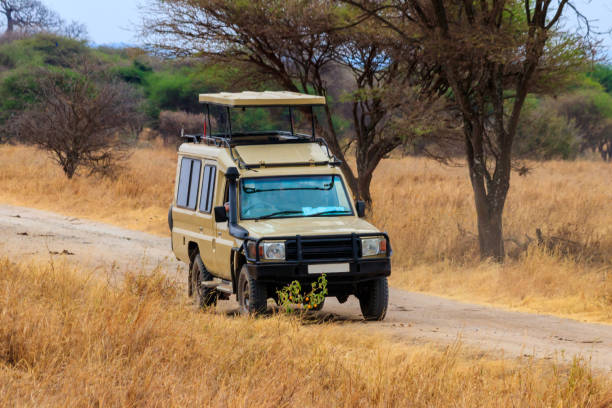
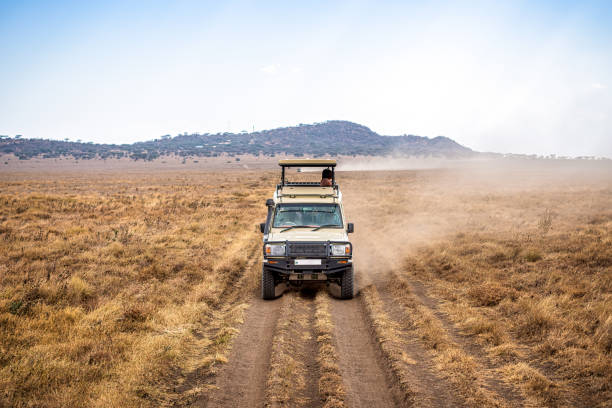
Ghana, a nation rich in history, culture, and natural beauty, offers a compelling travel experience for those seeking an authentic West African adventure. Whether you are drawn to its poignant historical narratives, its bustling urban centers, or its serene natural landscapes, a well-planned Ghana itinerary is key to making the most of your visit. This guide provides an in-depth look at crafting a memorable journey, covering everything from initial planning to practical on-the-ground advice for 2026 and 2027 travel.
Table of Contents
- Quick Answer
- Ghana Quick Facts
- Ghana Itinerary Overview
- Why Plan a Ghana Itinerary?
- Best Time to Visit Ghana (2026-2027 Outlook)
- Sample Ghana Route Illustration
- Sample 10-Day Ghana Itinerary
- What to Expect on Your Ghana Trip
- Inclusions, Packing & Preparation
- Common Mistakes to Avoid
- Who is a Ghana Itinerary Best For?
- Alternatives to a Standard Ghana Itinerary
- Planning Your Ghana Trip for 2026-2027
- Booking Your Ghana Adventure
- Frequently Asked Questions
Quick Answer
A comprehensive Ghana itinerary typically includes Accra, Cape Coast, Kumasi, and potentially northern regions like Mole National Park. It focuses on historical sites (slave castles), cultural experiences (Ashanti region), and natural attractions. For 2026-2027, expect a growing focus on sustainable tourism and community engagement. Planning involves visa requirements, health precautions, and choosing a travel style that suits your interests, ideally booked with a local expert for authentic experiences.
Ghana Quick Facts
| Category | Details |
|---|---|
| Official Name | Republic of Ghana |
| Capital City | Accra |
| Major Languages | English (official), Twi, Fante, Ga, Ewe, Hausa |
| Currency | Ghanaian Cedi (GHS) |
| Visa Requirements | Varies by nationality; often required in advance. Check current regulations. |
| Best Time to Visit | Dry seasons: December to March, and July to August. |
| Key Attractions | Cape Coast Castle, Elmina Castle, Kakum National Park, Kumasi (Manhyia Palace), Mole National Park, Accra (Independence Square, Makola Market). |
| Electrical Plug Type | Type D and Type G (230V) |
Ghana Itinerary Overview
Crafting a Ghana itinerary is about balancing the country’s rich historical significance with its vibrant contemporary culture and stunning natural environments. The typical tourist trail often begins in Accra, the energetic capital, then moves west to the historic coastlines of Cape Coast and Elmina, delving into the painful history of the transatlantic slave trade. From there, many journeys head north to Kumasi, the heartland of the Ashanti Kingdom, renowned for its royal traditions and crafts. For those with more time or a desire for wildlife, a trip to Mole National Park offers a chance to see elephants and other savanna animals.
Your Ghana itinerary can be tailored to various interests: history buffs will spend more time at the castles and museums; culture enthusiasts will explore local markets, traditional villages, and perhaps attend a festival; nature lovers will prioritize national parks and canopy walks. The length of your trip will dictate how much you can comfortably fit in, with 7-14 days being a common duration for a first visit. For 2026 and 2027, expect continued improvements in infrastructure, but a commitment to preserving the authentic spirit of Ghana remains paramount.
Why Plan a Ghana Itinerary?
Ghana offers a unique window into West African life, blending poignant history with a forward-looking spirit. A well-structured Ghana itinerary ensures you experience the breadth of what this captivating country has to offer:
- Deep Historical Context: Ghana is a critical site for understanding the history of the slave trade. Visiting the castles of Cape Coast and Elmina is a profound and essential experience.
- Rich Ashanti Culture: Explore the traditions, crafts, and royal heritage of the Ashanti people in Kumasi, a vibrant cultural hub.
- Natural Beauty: From the canopy walkways of Kakum National Park to the wildlife of Mole National Park, Ghana provides diverse natural landscapes.
- Warm Hospitality: Ghanaians are known for their friendliness and welcoming nature, making interactions with locals a highlight of any trip.
- Vibrant City Life: Accra pulses with energy, offering bustling markets, contemporary art scenes, and delicious cuisine.
- Emerging Destinations: Beyond the main tourist routes, Ghana has hidden gems like the Wli Waterfalls, Tafi Atome Monkey Sanctuary, and the coastal towns of the Volta Region.
- Authentic Experience: With careful planning, a Ghana itinerary can provide genuine interactions and a true sense of the country, moving beyond superficial tourism.
For travelers planning for 2026 or 2027, Ghana continues to be a destination that rewards thoughtful exploration, offering a chance to connect with history, culture, and people in a meaningful way.
Best Time to Visit Ghana (2026-2027 Outlook)
Ghana’s climate is tropical, characterized by distinct wet and dry seasons. Understanding these patterns is crucial for planning your Ghana itinerary to ensure comfortable travel and optimal enjoyment of activities.
| Season | Months | Weather Conditions | Pros | Cons |
|---|---|---|---|---|
| Dry Season (Harmattan) | December – March | Cooler temperatures, low humidity, clear skies, dusty air (Harmattan). | Ideal for outdoor activities, sightseeing, beach relaxation. Best visibility for photography. Major festivals often occur. | Can be very dry and dusty. Peak tourist season, so popular sites may be more crowded. |
| Short Dry Season | July – August | Mild temperatures, less humid than the main rainy season, occasional showers. | Good for visiting parks and for those who prefer slightly cooler weather. Less crowded than the December-March period. | Occasional rain can disrupt plans. Some areas might be less accessible. |
| Rainy Season | April – June & September – November | High humidity, frequent and heavy rainfall, especially in the afternoons. | Lush green landscapes. Fewer tourists, potentially lower prices. Ideal for birdwatching and seeing waterfalls at their fullest. | Rain can disrupt travel, especially in rural areas. Some roads may become difficult to navigate. Outdoor activities may be limited. |
2026-2027 Travel Considerations: While the climate patterns are generally stable, be aware of potential variations. For planning a Ghana itinerary in 2026 or 2027, the dry seasons (December to March and July to August) remain the most popular and comfortable times for most travelers. If you prefer fewer crowds and don’t mind occasional rain, the shoulder months of the rainy season can still be rewarding, especially for experiencing Ghana’s lush greenery.
Sample Ghana Route Illustration
This simple illustration outlines a common flow for a Ghana itinerary, connecting key regions and attractions. It’s a foundational structure that can be adapted based on your interests and time.
| Start: Accra (Capital, Arrival) | → | West: Cape Coast & Elmina (History, Coast) | → | North-West: Kakum National Park (Nature, Canopy Walk) | → | Inland: Kumasi (Ashanti Culture, Crafts) | → | Far North: Mole National Park (Wildlife, Safari) | → | Return: Accra (Departure) |
Variations:
- Eastern Focus: Explore the Volta Region for waterfalls, mountains, and the Tafi Atome Monkey Sanctuary.
- Coastal Exploration: Spend more time in smaller coastal towns beyond Cape Coast/Elmina for a more relaxed beach experience.
- Northern Immersion: Dedicate more days to the north for deeper cultural experiences and extended wildlife viewing.
Sample 10-Day Ghana Itinerary
This 10-day Ghana itinerary offers a balanced introduction to the country’s history, culture, and natural beauty. It’s designed for first-time visitors and can be customized.
| Day | Location | Activities | Notes |
|---|---|---|---|
| Day 1 | Accra | Arrive at Kotoka International Airport (ACC), transfer to hotel. Explore Independence Square, Kwame Nkrumah Mausoleum. Evening: Welcome dinner, perhaps exploring Osu’s nightlife. | Acclimatize to the climate and time zone. |
| Day 2 | Accra | Visit the National Museum, Jamestown (fishing harbor, street art), Makola Market for a vibrant local experience. Explore the Artists Alliance Gallery. | Immerse yourself in Accra’s dynamic urban life. |
| Day 3 | Accra to Cape Coast | Travel to Cape Coast (approx. 3-4 hours). Visit Cape Coast Castle, a UNESCO World Heritage site and former slave dungeon. Check into accommodation. | A day of profound historical reflection. |
| Day 4 | Cape Coast & Elmina | Morning: Visit Elmina Castle, the oldest European structure in sub-Saharan Africa. Afternoon: Explore Kakum National Park for its famous canopy walkway. | Combine historical sites with nature. |
| Day 5 | Cape Coast to Kumasi | Travel to Kumasi (approx. 4-5 hours). Check into hotel. Begin exploring the city, perhaps visiting the National Cultural Centre. | Journey into the heart of the Ashanti Kingdom. |
| Day 6 | Kumasi | Visit Manhyia Palace Museum (former residence of the Ashanti King), explore the Royal Mausoleum at Bantama. Visit local craft villages (Adanwomase for Kente cloth, Ntonso for Adinkra cloth). | Deep dive into Ashanti traditions and crafts. |
| Day 7 | Kumasi to Mole National Park Area | Long travel day (approx. 6-7 hours) towards Mole National Park. Settle into accommodation near the park entrance. | Prepare for wildlife viewing. |
| Day 8 | Mole National Park | Morning: Guided walking safari. Afternoon: Safari drive to spot elephants, antelopes, and diverse birdlife. Visit the park’s waterfall. | Experience Ghana’s primary wildlife sanctuary. |
| Day 9 | Mole National Park to Accra | Morning: Optional final activity in Mole. Begin the long journey back to Accra (approx. 8-10 hours). Farewell dinner. | Reflect on your journey. |
| Day 10 | Accra | Last-minute souvenir shopping or relaxation. Transfer to Kotoka International Airport (ACC) for departure. | Depart with lasting memories. |
What to Expect on Your Ghana Trip
Understanding what to expect is vital for a smooth Ghana itinerary. Ghana is a developing country, and while infrastructure is improving, it’s different from what you might be accustomed to in Western nations.
- Transportation: Roads can be bumpy, and travel times can be longer than anticipated due to traffic and road conditions, especially outside major cities. Options include private vehicles (most comfortable for tourists), shared taxis, and buses. Hiring a driver and vehicle is often recommended for a Ghana itinerary.
- Accommodation: Options range from basic guesthouses and budget hotels to comfortable mid-range hotels and a few high-end options, particularly in Accra and some tourist areas. Standards can vary.
- Food: Ghanaian cuisine is flavorful and often spicy. Staple dishes include fufu (pounded yam or cassava with soup), jollof rice, banku (fermented corn dough), and various stews. Fresh fruits are abundant. It’s advisable to drink bottled or purified water.
- Connectivity: Mobile phone networks are widespread, and Wi-Fi is available in most hotels and many cafes, though speeds can vary. Purchasing a local SIM card is often cost-effective.
- Pace of Travel: Things can move at a different pace. Embrace the local saying, “Ghana, we are slow.” Patience and flexibility are key.
- Cultural Sensitivities: Dress modestly when visiting villages or religious sites. Always ask permission before taking photos of people. Be aware of local customs and traditions.
- Safety: Ghana is generally considered one of the safer countries in West Africa. Standard precautions against petty theft apply, especially in crowded markets.
Inclusions, Packing & Preparation
Proper preparation is essential for a comfortable and enjoyable Ghana itinerary. This includes understanding what your tour package might include and what you need to bring.
Typical Tour Inclusions:
If you book a package, expect inclusions like:
- Accommodation
- Private vehicle with driver/guide
- Airport transfers
- Mentioned activities and entrance fees (e.g., castles, national parks)
- Some meals (often breakfast, sometimes lunch/dinner depending on the tour)
What to Pack for Your Ghana Itinerary:
| Category | Items |
|---|---|
| Clothing | Lightweight, breathable fabrics (cotton, linen). Long-sleeved shirts and trousers for sun/insect protection and modesty. Shorts/skirts for warmer days. A light rain jacket or poncho. Swimsuit. Comfortable walking shoes/sandals. One slightly smarter outfit for evenings. |
| Health & Hygiene | Personal medications, first-aid kit, insect repellent (DEET recommended), sunscreen, hand sanitizer, any necessary travel vaccinations (consult your doctor well in advance), anti-malarial medication. |
| Documents & Money | Passport (with at least 6 months validity), visa (if required), flight tickets, travel insurance details, copies of important documents, credit/debit cards, local currency (Ghanaian Cedi – GHS) for smaller purchases. US Dollars are widely accepted for larger transactions or can be exchanged. |
| Electronics | Camera, phone, chargers, power bank, universal travel adapter (Type D and G). |
| Miscellaneous | Sunglasses, hat, reusable water bottle, small backpack for day trips, travel pillow, perhaps a phrasebook for local languages. |
Preparation Checklist:
- Visa: Check requirements for your nationality well in advance. Apply early.
- Vaccinations & Health: Consult your doctor or a travel clinic 6-8 weeks before departure. Yellow Fever vaccination is often mandatory. Malaria prophylaxis is highly recommended.
- Travel Insurance: Ensure comprehensive coverage for medical emergencies, trip cancellations, and lost luggage.
- Currency Exchange: Familiarize yourself with the Ghanaian Cedi (GHS). ATMs are available in cities, but carrying some USD for exchange is wise.
- Learn Basic Phrases: While English is the official language, knowing a few Twi or Ga phrases can be appreciated.
- Research: Understand the cultural nuances and historical context of the places you plan to visit.
Common Mistakes to Avoid
To ensure your Ghana itinerary is as smooth and rewarding as possible, be aware of these common pitfalls:
- Underestimating Travel Times: Ghana’s roads and traffic mean journeys often take longer than maps suggest. Factor in buffer time.
- Not Planning for the Climate: Arriving in the rainy season without adequate rain gear or during the dry season without sufficient hydration and sun protection can be uncomfortable.
- Ignoring Health Precautions: Skipping vaccinations or malaria medication can have serious consequences. Always drink bottled or purified water.
- Over-scheduling: Trying to fit too much into a short Ghana itinerary leads to a rushed and less enjoyable experience. Allow time for spontaneous interactions and relaxation.
- Not Budgeting for Incidentals: While tour packages cover major costs, budget for tips, souvenirs, extra snacks, drinks, and personal expenses.
- Cultural Missteps: Failing to dress appropriately for certain sites or not showing respect for local customs can cause offense.
- Relying Solely on ATMs: While ATMs are available in cities, they can be unreliable, especially outside Accra. Carry sufficient cash, particularly USD for exchange.
- Not Booking with Reputable Operators: Choosing an unreliable tour operator can lead to poor service, safety issues, and a disappointing experience. Always vet your providers.
Who is a Ghana Itinerary Best For?
A thoughtfully crafted Ghana itinerary appeals to a diverse range of travelers:
- History Enthusiasts: Those deeply interested in the history of the slave trade, colonial periods, and African kingdoms will find Ghana’s historical sites profoundly moving and educational.
- Culture Seekers: Travelers eager to immerse themselves in vibrant local life, explore traditional crafts, witness unique festivals, and understand distinct ethnic cultures will be richly rewarded.
- Adventurous Travelers: Those comfortable with a different pace of travel, open to new experiences, and willing to explore beyond typical tourist paths will find Ghana captivating.
- Responsible Tourists: Ghana is increasingly focusing on sustainable and community-based tourism. Travelers who prioritize ethical travel and supporting local economies will find many opportunities.
- First-Time West Africa Visitors: For many, Ghana serves as an excellent introduction to West Africa due to its relative stability, English-speaking population, and well-trodden tourist routes.
- Educational Travelers: Students, researchers, or anyone looking for a deeper understanding of African history, diaspora studies, and contemporary African society.
While a Ghana itinerary can be adapted, it generally suits those who appreciate a blend of historical depth, cultural richness, and a touch of adventure, rather than those seeking purely luxury resort experiences or fast-paced city breaks.
Alternatives to a Standard Ghana Itinerary
While the classic Ghana itinerary covers key highlights, alternative approaches can cater to specific interests:
- Volta Region Focus: If natural beauty and a more relaxed pace are priorities, dedicate your Ghana itinerary to the Volta Region. Explore Wli Waterfalls (Ghana’s highest), the Kpime Waterfalls, the Tafi Atome Monkey Sanctuary, and the beautiful mountain scenery around Aburi. This offers a greener, more tranquil experience.
- Northern Ghana Immersion: For those interested in wildlife and unique cultural encounters beyond the Ashanti, focus on Northern Ghana. Spend more time in Mole National Park, visit the Larabanga Mosque (one of Ghana’s oldest), explore the traditional villages of the Gonja people, and experience the distinct culture of the north.
- Coastal Relaxation & Arts: If history is a sensitive topic or you prefer a slower pace, focus on Ghana’s coastline beyond Cape Coast. Explore towns like Busua or Dixcove for surfing and beach life, and discover the growing arts scene in Accra and some coastal communities.
- Festival-Focused Trip: Plan your Ghana itinerary around major festivals like the Panafest (every two years, usually in July/August) or Homowo (Accra, August/September). This provides an unparalleled cultural immersion but requires precise timing.
- Community & Volunteer Tourism: For a deeply impactful experience, incorporate visits to reputable community projects or volunteer opportunities. This requires careful research to ensure ethical practices.
These alternatives allow you to tailor your Ghana itinerary to create a more personalized and relevant travel experience.
Planning Your Ghana Trip for 2026-2027
Planning ahead is crucial for a successful Ghana itinerary, especially when looking towards 2026 and 2027. Early booking can secure better options and potentially better rates, and allows ample time for essential preparations.
Key Planning Steps for 2026-2027:
- Define Your Interests & Duration: What do you most want to see and do? How long can you travel? This will shape your itinerary. For 2026-2027, consider if any major events or anniversaries might influence your travel dates.
- Research Visa Requirements: Check the latest visa regulations for your nationality with the Ghanaian embassy or consulate in your country. Apply well in advance, as processing times can vary.
- Health Preparations: Consult a travel doctor 6-8 weeks before your intended travel dates in 2026 or 2027. Discuss necessary vaccinations (Yellow Fever is often mandatory) and malaria prevention.
- Book Flights & Accommodation: Secure your international flights. For accommodation, decide if you prefer hotels, guesthouses, or a full tour package. Booking popular accommodations or tour dates early is advisable.
- Arrange Ground Transportation: Decide if you will hire a private driver/guide, use public transport, or rely on ride-sharing apps in cities. For a comprehensive Ghana itinerary, a dedicated vehicle and guide are often best.
- Travel Insurance: Purchase comprehensive travel insurance that covers medical emergencies, trip cancellations, and lost items.
- Budgeting: While exact prices fluctuate, estimate costs for flights, accommodation, transport, food, activities, visas, vaccinations, and personal expenses. Factor in a buffer for unforeseen costs. For 2026-2027, be aware of potential inflation.
- Pack Smartly: Use the packing list provided to ensure you have all necessary items, considering Ghana’s tropical climate.
- Learn About the Culture: Familiarize yourself with Ghanaian customs, etiquette, and basic phrases to enhance your interactions.
By starting your planning early for your 2026 or 2027 trip, you can approach your Ghana itinerary with confidence and excitement.
Booking Your Ghana Adventure
Choosing the right way to book your Ghana itinerary can significantly impact your experience. Here’s advice for making an informed decision:
- Local Tour Operators: This is often the most recommended approach for a Ghana itinerary. Local operators have in-depth knowledge, established networks, and can offer more authentic experiences. They can also be more cost-effective and responsive to local conditions. Look for operators with good reviews and clear communication channels.
- International Tour Operators: Larger, international companies may offer Ghana packages. They can provide a sense of security for some travelers, but may be less flexible and potentially more expensive than local options.
- Independent Travel: While possible, independent travel in Ghana can be challenging due to transportation logistics, language barriers (outside of major tourist areas), and accommodation booking complexities. It requires significant research and flexibility.
- Custom vs. Group Tours: Decide if you prefer a private, custom-designed Ghana itinerary tailored to your specific interests or a pre-set group tour. Custom tours offer flexibility, while group tours can be more budget-friendly and offer social interaction.
When to Book:
For travel in 2026 or 2027, it’s best to start planning and booking at least 3-6 months in advance, especially if you are traveling during peak season (December-March) or have specific accommodation or activity preferences. Booking flights further in advance can also lead to savings.
What to Look For in a Tour Operator:
- Experience: How long have they been operating in Ghana?
- Reviews: Check independent reviews on platforms like TripAdvisor or Google.
- Communication: Are they responsive and clear in their communication?
- Inclusions: Understand exactly what is covered in the price.
- Guides: Are the guides knowledgeable, experienced, and speak your language?
- Payment Terms: Understand deposit requirements and cancellation policies.
For an authentic and well-managed Ghana itinerary, consider reaching out to experienced local operators. They can help craft a journey that perfectly matches your desires.
Frequently Asked Questions
Q1: Is Ghana safe for tourists in 2026-2027?
Ghana is widely considered one of the safest countries in West Africa for tourists. While petty crime exists, especially in crowded areas, violent crime against tourists is rare. Standard travel precautions, such as being aware of your surroundings and securing valuables, are recommended. For planning your Ghana itinerary in 2026 or 2027, consult your country’s travel advisories for the most current information.
Q2: What is the best way to get around Ghana?
For a comfortable and efficient Ghana itinerary, hiring a private vehicle with a driver is often the best option. This offers flexibility, comfort, and local insights. Other options include shared taxis, buses (like VIP buses for intercity travel), and tro-tros (minibuses for shorter distances, more budget-friendly but can be crowded). In Accra, ride-sharing apps are also available.
Q3: What currency is used in Ghana?
The official currency is the Ghanaian Cedi (GHS). While US Dollars are widely accepted for larger transactions and can be exchanged, it’s best to have Cedis for daily expenses, markets, and smaller purchases. ATMs are available in major cities, but it’s wise to carry some USD cash for exchange.
Q4: Do I need a visa to visit Ghana?
Visa requirements vary by nationality. Most foreign nationals require a visa to enter Ghana. It is essential to check the specific requirements for your country with the Ghanaian embassy or consulate well in advance of your planned travel for 2026 or 2027 and apply accordingly.
Q5: What are the essential vaccinations for Ghana?
Yellow Fever vaccination is mandatory for entry into Ghana, and proof of vaccination is required. Other recommended vaccinations often include Hepatitis A, Typhoid, and routine immunizations. Malaria prophylaxis is also highly recommended. Consult a travel doctor or clinic at least 6-8 weeks before your trip to discuss personalized health advice.
Q6: How long should my Ghana itinerary be?
For a good introduction to Ghana, a minimum of 7-10 days is recommended to cover Accra, Cape Coast, and Kumasi. If you wish to include Mole National Park or explore the Volta Region, plan for at least 14 days. Longer trips allow for a more relaxed pace and deeper exploration.
Q7: Can I drink the tap water in Ghana?
No, it is strongly advised not to drink tap water in Ghana. Always drink bottled or purified water. Be cautious with ice in drinks unless you are sure it’s made from purified water. This is a crucial health consideration for any Ghana itinerary.
Q8: What are the main historical sites in Ghana?
The most significant historical sites are the UNESCO World Heritage slave castles: Cape Coast Castle and Elmina Castle. Other important historical locations include the Kwame Nkrumah Mausoleum in Accra and Manhyia Palace in Kumasi, which offers insight into Ashanti royalty.
Q9: What kind of food can I expect in Ghana?
Ghanaian cuisine is rich and flavorful, often featuring starchy staples like fufu, banku, and omo tuo, served with various soups and stews (like groundnut soup, light soup, or palmnut soup). Jollof rice is a popular dish. Fresh fruits are also abundant. Meals can be spicy, so inform your server if you prefer less heat.
Q10: Is it possible to see wildlife in Ghana?
Yes, Ghana offers wildlife viewing opportunities, primarily at Mole National Park, where you can see elephants, antelopes, baboons, and diverse birdlife. Other places like Kakum National Park offer a canopy walk experience, and the Tafi Atome Monkey Sanctuary allows close encounters with Mona monkeys.
Plan Your Ghana Itinerary with Experts
A well-planned Ghana itinerary promises an unforgettable journey filled with rich history, vibrant culture, and warm hospitality. Whether you’re drawn to the poignant stories of the slave castles, the regal traditions of the Ashanti Kingdom, or the natural beauty of its national parks, Ghana offers a deeply rewarding travel experience. For 2026 and 2027, ensure your trip is tailored to your interests and executed flawlessly by partnering with local experts.
Let us help you craft your perfect Ghana itinerary. We specialize in creating authentic, personalized travel experiences across Tanzania and beyond, offering deep local knowledge and dedicated service.
Contact us today to start planning your adventure:
WhatsApp: +255616946642
Email: topguideadventures@gmail.com
Backup Email: info@topguideadventures.com
Plan your Ghana itinerary with Top Guide Adventures
Tell us your travel dates, group size, comfort level, and dream experience. We will help you shape a clear, realistic, and memorable Tanzania itinerary.







 Veedesigner
 Fatma Kizanga
 Benjamin Waryuba
 Philip Philip
 John jr Itaja
 Antonia Optatus
 Edith Kanyere
 Neema Iddy
 Kelvin Boniphace
 Damari Maiga



