
Updated planning guide for 2026-2027
Is It Safe To Travel To Africa With Kids: Essential Guide
Discover if traveling to Africa with kids is safe and how to plan an unforgettable family adventure. This comprehensive guide covers everything from health precautions to choosing the right safari experience.
WhatsApp +255616946642 | topguideadventures@gmail.com | info@topguideadventures.com
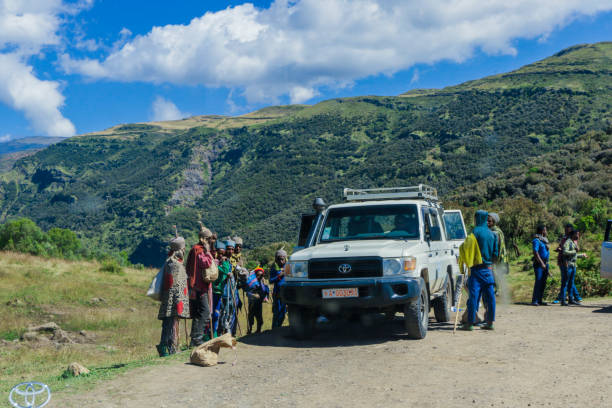
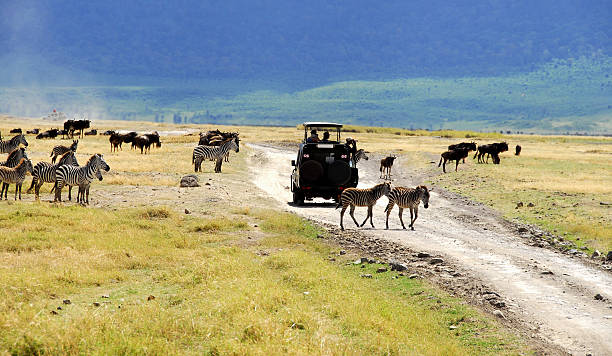
Is It Safe to Travel to Africa With Kids? Your Comprehensive Planning Guide
The dream of experiencing Africa’s incredible wildlife and vibrant cultures with your children is a powerful one. Many families wonder, “Is it safe to travel to Africa with kids?” The answer is a resounding yes, provided you plan meticulously and take the right precautions. Africa is a vast continent, and safety varies greatly by region and specific destination. For many popular family-friendly destinations, particularly in East Africa like Tanzania, safety is a top priority for tour operators and governments alike, making it an excellent choice for a memorable family holiday.
This guide is designed to give you the confidence and knowledge to plan an extraordinary African adventure for your family. We will cover everything from health and vaccinations to choosing the right activities, packing essentials, and understanding what to expect on the ground. We’ll focus on destinations and experiences that are particularly well-suited for children, ensuring a journey that is not only safe but also enriching and fun for every member of your family.
Table of Contents
- Quick Facts About Family Travel in Africa
- An Overview: Africa as a Family Destination
- Why Planning is Crucial for Family Safety
- Best Time to Travel to Africa with Kids
- Sample Family Safari Itinerary: Tanzania (10 Days)
- What to Expect on an African Family Safari
- Health and Safety Essentials
- Vaccinations and Medications
- Malaria Prevention
- Travel Insurance: A Must-Have
- Packing Essentials for Kids
- Common Mistakes to Avoid
- Who Is Africa Travel With Kids Best For?
- Alternatives to a Full African Safari
- Planning Your 2026-2027 Trip
- Booking Advice for Families
- Frequently Asked Questions
- Ready to Plan Your Family Adventure?
Quick Facts About Family Travel in Africa
| Aspect | Details for Families |
|---|---|
| Safety Perception | Generally safe in tourist areas with reputable operators; requires informed planning. |
| Child Suitability | Excellent for adventurous children aged 6+, depending on destination and activities. |
| Health Considerations | Consult doctor for vaccinations, malaria precautions, and basic first-aid. |
| Accommodation | Wide range from family-friendly lodges and camps to hotels with kid amenities. |
| Activities | Wildlife viewing, cultural visits, nature walks, beach relaxation. Safaris are a highlight. |
| Best Time | Dry seasons are often preferred for wildlife viewing and easier travel. |
| Visa Requirements | Varies by country; research well in advance. |
| Connectivity | Wi-Fi available in most lodges and hotels, but can be intermittent in remote areas. |
An Overview: Africa as a Family Destination
Africa is not a single country but a continent of immense diversity, offering a spectrum of experiences. When considering family travel, it’s essential to focus on regions and countries known for their established tourism infrastructure, safety records, and child-friendly attractions. East Africa, particularly Tanzania, Kenya, and Uganda, frequently tops the list for families planning safaris. These countries offer world-class wildlife viewing in iconic national parks like the Serengeti, Ngorongoro Crater, and Masai Mara, alongside opportunities for cultural immersion and relaxation on the coast, such as Zanzibar.
Beyond East Africa, Southern Africa also presents compelling options. Botswana is known for its pristine wilderness and exclusive, high-end safaris that can be adapted for families. South Africa offers a more developed infrastructure, a wider range of activities (including safaris, but also beaches, cities, and adventure parks), and generally excellent medical facilities. Namibia provides stunning desert landscapes and unique wildlife viewing opportunities.
The key to a successful family trip is selecting a destination that aligns with your children’s ages, interests, and your family’s overall travel style. For many, the allure of seeing lions, elephants, and giraffes in their natural habitat is unparalleled, making a safari the centerpiece of their African adventure. The educational value, the opportunity to disconnect from daily routines, and the shared experiences create lasting memories.
Why Planning is Crucial for Family Safety
When asking, “Is it safe to travel to Africa with kids?“, the answer hinges heavily on preparation. Unlike a typical European city break, an African adventure, especially a safari, requires more foresight. This is not due to inherent danger, but rather the logistical and health considerations involved. Thorough planning ensures that potential risks are mitigated and that your family’s comfort and well-being are prioritized throughout the trip.
- Health Preparations: Understanding and preparing for potential health risks like malaria, yellow fever, and other tropical diseases is paramount. This involves consulting with a travel doctor well in advance to get necessary vaccinations and prescriptions.
- Logistical Comfort: Long travel days, accommodation choices, and activity pacing need to be tailored for children. A reputable tour operator can help arrange suitable transport, family-friendly lodges, and itineraries that balance adventure with downtime.
- Cultural Sensitivity: Educating children about local customs and etiquette fosters respect and helps avoid misunderstandings.
- Wildlife Encounters: Safaris involve close proximity to wild animals. Understanding and adhering to safety guidelines provided by guides is essential for everyone’s protection.
- Emergency Preparedness: Having a plan for medical emergencies, including knowing where to access care and ensuring adequate travel insurance, provides peace of mind.
Investing time in planning transforms potential anxieties into a well-managed, exciting expedition. The rewards – seeing your children’s faces light up with wonder at the sight of a herd of zebras or a pride of lions – are immeasurable.
Best Time to Travel to Africa With Kids
The ‘best time’ to travel to Africa with kids largely depends on the specific region you plan to visit and the experiences you prioritize. However, for general safari destinations in East Africa (like Tanzania and Kenya), the dry seasons are often considered ideal for family travel.
| Season | Months | Pros for Families | Cons for Families |
|---|---|---|---|
| Dry Season (Peak) | June – October | Excellent wildlife viewing as animals congregate around water sources. Less rain means easier travel on dusty roads. Pleasant temperatures. Ideal for spotting the Great Migration in the Serengeti/Masai Mara. | Higher prices, more crowds, requires booking far in advance. Can be cooler in the mornings/evenings. |
| Shoulder Season (Late Dry) | November – December | Wildlife viewing remains good. Fewer crowds than peak season, prices may be slightly lower. Temperatures are warming up. | Short rains can start, potentially causing some travel disruptions. |
| Green Season (Wet) | January – March | Lush landscapes, newborn animals (calving season in Serengeti), fewer tourists, lower prices. Great for birdwatching. | Heavy rains can make some roads impassable, impacting game drives. Wildlife may be more dispersed. Humidity can be high. |
| Shoulder Season (Early Wet) | April – May | Fewer crowds, often lower prices. Landscapes are still green from rains. | Long rains typically occur during this period, with potential for significant rainfall and travel disruptions. Some lodges may close. |
Considerations for Children:
- Temperature: While dry seasons offer pleasant daytime temperatures, mornings and evenings can be cool, especially in higher altitudes. Pack layers for children.
- Road Conditions: Heavy rains can make roads muddy and difficult to navigate, leading to longer, bumpier drives which can be challenging for younger children.
- Wildlife Viewing: During the dry season, animals are easier to spot as they gather near limited water sources.
- School Holidays: Many families plan trips around school holidays, which often fall within the peak dry season. Booking 2026 or 2027 trips during these times requires booking up to a year in advance.
For a balance of good weather, accessible wildlife, and manageable crowds, the months of June, July, September, and October are often recommended for family safaris. If you’re looking for a more budget-friendly and less crowded experience, consider the shoulder months or the beginning of the green season, provided you are prepared for potential rain.
Sample Family Safari Itinerary: Tanzania (10 Days)
This sample itinerary focuses on iconic wildlife viewing and family-friendly experiences in Tanzania, a premier destination for answering the question, “Is it safe to travel to Africa with kids?” with a confident yes.
Day 1: Arrival in Arusha
Arrive at Kilimanjaro International Airport (JRO). Met by your guide and transferred to your lodge in Arusha. Relax and acclimatize. Children can enjoy the lodge pool or gardens.
Day 2: Arusha to Tarangire National Park
After breakfast, drive to Tarangire, known for its large elephant herds and baobab trees. Enjoy an afternoon game drive. Family-friendly lodges here often have activities for kids.
Day 3: Tarangire National Park
Full day of game drives in Tarangire. Look for lions, giraffes, zebras, and diverse birdlife. Guides are experienced in spotting animals and keeping children engaged.
Day 4: Tarangire to Ngorongoro Conservation Area
Morning game drive in Tarangire, then drive to the Ngorongoro Conservation Area. Check into your lodge on the crater rim, offering spectacular views.
Day 5: Ngorongoro Crater Tour
Descend into the Ngorongoro Crater, a UNESCO World Heritage Site teeming with wildlife. This is a fantastic opportunity to see the Big Five in one day. The relatively short drive within the crater is ideal for children.
Day 6: Ngorongoro to Serengeti National Park
Drive to the vast plains of the Serengeti, stopping at Olduvai Gorge (optional, depending on children’s interest). Arrive at your Serengeti camp/lodge in time for an afternoon game drive.
Day 7: Serengeti National Park
Full day exploring the Serengeti. Depending on the time of year, you might witness parts of the Great Migration. Activities can be tailored for younger travelers, focusing on shorter drives and more frequent stops.
Day 8: Serengeti to Lake Manyara National Park (or back towards Arusha)
Morning game drive in the Serengeti. Drive towards Lake Manyara National Park, famous for its tree-climbing lions and diverse birdlife. Enjoy an afternoon game drive. Alternatively, for a more relaxed pace, drive back towards Arusha for an earlier departure.
Day 9: Lake Manyara / Arusha
If visiting Lake Manyara, enjoy a final morning game drive or a walking safari (if suitable for children). Then, drive back to Arusha. If you returned to Arusha yesterday, enjoy a cultural tour or relax.
Day 10: Departure
Transfer to Kilimanjaro International Airport (JRO) for your onward flight, filled with incredible family memories.
Note: This is a sample. It can be customized based on your family’s interests, the ages of your children, and your preferred pace. For instance, adding a few days on Zanzibar for beach relaxation is a popular extension.
What to Expect on an African Family Safari
An African safari with children is an adventure unlike any other. It’s a chance to witness nature’s grandeur firsthand, offering educational opportunities and shared thrills. Here’s what families can generally expect:
- Early Mornings: Wildlife is often most active at dawn and dusk. While children can be tired, guides are skilled at making early starts engaging, perhaps with hot chocolate and snacks. Many lodges offer later starts or shorter morning drives for families.
- Game Drives: These are typically conducted in 4×4 safari vehicles. Vehicles are usually open-sided or pop-top for better viewing. Children are usually required to stay seated and quiet when animals are near. The duration of drives can be adjusted.
- Wildlife Sightings: Patience is key. While seeing the Big Five (lion, leopard, elephant, rhino, buffalo) is a highlight, every sighting – from a giraffe gracefully reaching for leaves to a dung beetle rolling its prize – is fascinating. Guides are experts at tracking and spotting animals.
- Accommodation: Family-friendly lodges and camps are increasingly common. They often feature:
- Larger family rooms or interconnected rooms.
- Swimming pools, which are a huge hit with kids after a day of exploring.
- Kid-specific menus or flexible dining options.
- Sometimes, supervised kids’ clubs or activities like nature walks (age-dependent).
- Food: Most lodges offer a mix of international and local cuisine. Buffets are common and provide variety. Most kitchens are accommodating of dietary needs and picky eaters if informed in advance.
- Connectivity: Wi-Fi is usually available in main lodge areas, but it can be slow or intermittent. Embrace this as an opportunity to disconnect and connect as a family.
- Down Time: It’s crucial to build in time for rest. Afternoons can be hot, so a midday break at the lodge for swimming or naps is often built into itineraries.
- Educational Value: Guides are a wealth of knowledge about flora, fauna, and local culture. Encourage children to ask questions. Many children develop a deep appreciation for conservation after a safari.
While the core experience is about wildlife, the interactions between family members, the shared awe, and the learning opportunities are what make an African safari truly special for children.
Health and Safety Essentials
Addressing health and safety is a critical part of answering, “Is it safe to travel to Africa with kids?” with confidence. A proactive approach, guided by medical professionals and reputable tour operators, ensures a healthy and secure trip.
Vaccinations and Medications
Consult Your Doctor: This is the most important first step. Schedule a visit with a travel clinic or your pediatrician at least 4-6 weeks before your departure date. They will assess your family’s specific health needs based on your destination, planned activities, and individual medical histories.
Common Recommendations May Include:
- Routine Vaccinations: Ensure all routine childhood vaccinations are up-to-date.
- Hepatitis A: Often recommended for most travelers to Africa.
- Typhoid: Recommended, especially if visiting rural areas or eating food from street vendors.
- Yellow Fever: Required for entry into some African countries and recommended for others. You will need proof of vaccination (vaccination certificate).
- Hepatitis B, Rabies, Japanese Encephalitis: May be recommended for longer stays, specific activities, or if traveling to certain regions.
- Tetanus, Diphtheria, Pertussis (Tdap): Ensure boosters are current.
- Polio: Booster may be recommended.
Prescription Medications: Your doctor may prescribe specific medications:
- Antimalarials: See below.
- Antibiotics: For traveler’s diarrhea or other potential infections.
- Motion Sickness Medication: For bumpy roads or flights.
First-Aid Kit: Pack a comprehensive kit tailored for children, including:
- Band-aids in various sizes
- Antiseptic wipes
- Pain relievers (children’s ibuprofen/acetaminophen)
- Antihistamines (for allergies or insect bites)
- Motion sickness remedies
- Any personal prescription medications
- Sunscreen (high SPF)
- Insect repellent (containing DEET or Picaridin)
- After-bite treatment
- Hand sanitizer
- Oral rehydration salts
Malaria Prevention
Malaria is a significant concern in many parts of Africa, particularly in tropical and subtropical regions. It is spread by mosquitoes. Your doctor will advise on the best antimalarial medication for your family, considering the ages of your children.
- Medication: Antimalarial drugs are typically taken before, during, and after your trip. It is crucial to follow the dosage and schedule precisely for all family members, including children.
- Mosquito Protection: This is your first line of defense.
- Use insect repellent containing DEET (20-30%) or Picaridin on exposed skin, especially during dawn and dusk.
- Dress children in long-sleeved shirts and long pants, especially in the evenings. Light-colored clothing is often recommended.
- Sleep in rooms with intact screens on windows and doors.
- Use mosquito nets over beds, ensuring they are tucked in and have no holes. Your lodge will usually provide these.
Even with precautions, malaria can still occur. If anyone in your family develops flu-like symptoms (fever, headache, body aches) during or after your trip, seek immediate medical attention and inform the doctor about your travel history.
Travel Insurance: A Must-Have
Comprehensive travel insurance is non-negotiable when traveling to Africa with children. It provides financial protection and essential support in case of unexpected events.
- Medical Coverage: Ensure it covers emergency medical expenses, hospitalization, and medical evacuation. This is critical as medical facilities can be basic in remote areas, and evacuation to a better-equipped hospital or back home might be necessary.
- Trip Cancellation/Interruption: Protects your investment if you need to cancel or cut short your trip due to illness or other covered reasons.
- Lost or Delayed Luggage: Essential for replacing children’s essential items if luggage is misplaced.
- Repatriation: Covers the cost of returning remains home in the unfortunate event of a death.
When choosing insurance:
- Read the policy carefully, paying attention to exclusions and coverage limits.
- Ensure it covers all family members and the specific activities you plan to do (e.g., safari drives).
- Check if it covers pre-existing medical conditions.
A good travel insurance policy offers significant peace of mind, allowing you to focus on enjoying your family adventure.
Packing Essentials for Kids
Packing for children for an African trip requires a balance of practicality, comfort, and preparedness. Here’s a guide to essentials, keeping in mind that most lodges can handle laundry services.
Clothing:
- Lightweight, Breathable Fabrics: Cotton or moisture-wicking synthetics are best for warm weather.
- Neutral Colors: Khaki, beige, olive green, and brown are ideal for safaris to blend in and avoid attracting insects. Avoid bright colors.
- Long-Sleeved Shirts and Long Pants: Crucial for sun protection and mosquito protection, especially in the evenings.
- T-shirts and Shorts: For warmer parts of the day and downtime at the lodge.
- Fleece Jacket or Warm Sweater: Evenings and early mornings can be surprisingly cool, especially at higher altitudes (like Ngorongoro).
- Waterproof/Windproof Jacket: Useful for unexpected rain showers.
- Swimsuit: For the lodge pool.
- Comfortable Pajamas.
Footwear:
- Comfortable Walking Shoes/Sneakers: For around the lodge and any light walking tours.
- Sandals or Flip-flops: For relaxing at the lodge.
- Closed-toe shoes are generally preferred for safety around camp.
Health & Hygiene:
- Personal First-Aid Kit: As detailed in the Health section.
- Insect Repellent: Child-friendly formulas if possible, or standard DEET/Picaridin.
- Sunscreen: High SPF, water-resistant.
- After-sun lotion or aloe vera.
- Hand Sanitizer.
- Any personal medications.
Gear & Accessories:
- Sun Hats: Wide-brimmed hats are essential for sun protection.
- Sunglasses.
- Reusable Water Bottle.
- Small Backpack/Daypack: For carrying water, snacks, camera, binoculars on game drives.
- Binoculars: Kid-sized binoculars can enhance wildlife viewing.
- Camera and Extra Batteries/Memory Cards.
- Books, Games, or Activities: For downtime or long drives. Consider travel journals for older kids.
- Headlamp or Small Flashlight: Useful for navigating around the lodge at night.
- Travel Adapter/Power Bank.
- Small Towel (quick-dry): Can be useful on drives.
Important Documents:
- Passports and Visas
- Vaccination Certificates (especially Yellow Fever)
- Travel Insurance Details
- Copies of all important documents (stored separately)
Tip for Packing Light: Many lodges offer laundry services, which can be a lifesaver when traveling with children. Pack versatile items that can be layered.
Common Mistakes to Avoid
To ensure your family trip to Africa is safe and enjoyable, here are common mistakes to avoid:
- Insufficient Planning: Leaving bookings, health checks, and visa applications too late. This is especially true for 2026-2027 travel where popular accommodations and flights fill up quickly.
- Ignoring Health Advice: Not consulting a travel doctor or neglecting vaccinations and malaria precautions. This is a critical safety aspect.
- Choosing the Wrong Destination/Operator: Opting for destinations or operators not geared towards families, leading to unsuitable accommodation, activities, or safety standards.
- Over-scheduling: Trying to cram too much into each day. Children need downtime and can get easily overstimulated or tired.
- Inadequate Packing: Forgetting essentials like sun protection, insect repellent, warm layers, or comfortable shoes.
- Underestimating Wildlife Safety: Not listening to guides’ instructions regarding proximity to animals. Never feed or approach wild animals.
- Not Getting Comprehensive Travel Insurance: This is a major oversight that can lead to significant financial and logistical problems in an emergency.
- Expecting City Amenities Everywhere: Understanding that services and infrastructure can be limited in remote areas is key to managing expectations.
- Not Involving Children in Planning: Showing them pictures, discussing animals, and letting them choose a small activity can build excitement and ownership.
- Focusing Only on the Big Five: Africa offers so much more! Appreciating smaller creatures, birds, plants, and local culture enriches the experience for everyone.
By being aware of these potential pitfalls, you can navigate your family’s African adventure with greater ease and confidence.
Who Is Africa Travel With Kids Best For?
Traveling to Africa with children is an enriching experience, but it’s best suited for certain types of families and children. It’s not a one-size-fits-all vacation.
- Adventurous Families: Those who enjoy exploring new environments, are comfortable with a degree of unpredictability, and are open to different cultures and experiences.
- Families with Curious Children: Kids who are naturally inquisitive about nature, animals, and the world around them will find an African safari incredibly stimulating and educational.
- Children Aged 6 and Up: While some operators cater to younger children, most safari experiences are best enjoyed by those who can understand and follow instructions, sit for periods during game drives, and appreciate the wildlife. Younger children may find long drives or early mornings challenging.
- Families Seeking Educational Travel: An African trip offers unparalleled learning opportunities about wildlife, conservation, ecosystems, and different ways of life.
- Families Prioritizing Unique Experiences: For those looking for a vacation that is truly memorable and different from typical beach holidays or theme park visits.
- Families Prepared for Planning: The success of an African trip hinges on thorough research and preparation, especially concerning health, safety, and logistics.
- Families with a Moderate to High Budget: African safaris, particularly those that are well-organized and family-friendly, can be a significant investment.
It is generally less suitable for families with very young infants or toddlers who require constant supervision and cannot adapt to the rigors of travel and safari activities, or for families seeking a completely relaxing, low-effort vacation where everything is predictable and easily accessible.
Alternatives to a Full African Safari
If a full-blown safari doesn’t feel like the right fit for your family, or if you’re looking to combine it with other experiences, several excellent alternatives exist within Africa and for family travel in general:
- Zanzibar Beach Holiday: For families who love the ocean, Zanzibar offers beautiful beaches, clear waters for snorkeling and diving, and a rich cultural history. It’s a relaxing counterpoint to a safari or a standalone destination. You can still experience some wildlife in Jozani Forest (colobus monkeys).
- Cultural Tours in Tanzania/Kenya: Focus on visiting local villages, learning about traditional life, and interacting with communities. This can be combined with shorter wildlife viewing excursions.
- South Africa (Cape Town & Garden Route): Offers a diverse range of activities suitable for families, including wildlife encounters (penguins at Boulders Beach, whales), beautiful scenery, adventure activities, and excellent infrastructure. Safaris are also available in private reserves in South Africa, often with higher chances of seeing leopards due to habituation.
- Victoria Falls (Zambia/Zimbabwe): A spectacular natural wonder offering activities like gentle boat cruises, helicopter rides, and exploring the rainforest. It’s a great add-on to a safari or a destination in itself.
- Gorilla/Chimpanzee Trekking (Uganda/Rwanda): For older children (usually 15+ for gorillas due to the strenuous nature of trekking), this is an unforgettable, albeit more challenging, wildlife experience.
- Egypt: Offers a different kind of adventure with ancient history, pyramids, Nile River cruises, and family-friendly resorts.
These alternatives allow families to experience the magic of Africa while catering to different interests, energy levels, and comfort zones. Many families opt for a combination, such as a few days of safari followed by beach relaxation or cultural exploration.
Planning Your 2026-2027 Trip
Planning a trip to Africa with kids for 2026 or 2027 requires early action, especially if you’re targeting peak seasons or popular destinations. The landscape of travel is always evolving, and being prepared is key.
- Book Early: For 2026-2027 travel, especially during school holidays (which often coincide with the best safari seasons like June-October), accommodations and flights can book up 9-12 months in advance. Popular family-friendly lodges with specific amenities are in high demand.
- Health Consultations: Schedule your doctor’s appointments for vaccinations and malaria advice at least 4-6 months before your planned departure. Some vaccinations require multiple doses over time.
- Visa Requirements: Research visa requirements for your nationality for each country you plan to visit. Some visas can be applied for online in advance, while others are obtained on arrival. Ensure passports are valid for at least six months beyond your return date.
- Travel Insurance: Purchase your comprehensive travel insurance as soon as you book your trip to ensure maximum coverage.
- Choose the Right Operator: Select a tour operator with proven experience in family travel to Africa. They can guide you on child-friendly lodges, appropriate itineraries, and safety protocols. Look for operators who are transparent about their safety measures and have good reviews from other families.
- Budgeting: While exact prices fluctuate, understand that African safaris are a significant investment. Factor in flights, accommodation, park fees, activities, visas, vaccinations, travel insurance, and spending money. Researching general cost ranges for your desired destinations will help you budget effectively for 2026-2027.
- Flexibility: While planning is crucial, maintain some flexibility. Travel can sometimes present unexpected situations. A well-planned itinerary with a good operator will have contingency measures.
- Educate Your Children: Start talking to your children about the trip well in advance. Show them books or documentaries about African wildlife and cultures. This builds excitement and helps them understand what to expect, including safety rules.
By starting your planning for 2026-2027 now, you give yourself the best chance to secure your preferred dates, accommodations, and experiences, ensuring a smoother and more enjoyable family adventure.
Booking Advice for Families
Booking an African trip for your family involves careful consideration to ensure safety, comfort, and an unforgettable experience. Here’s practical advice:
- Work with an Experienced Tour Operator: This is paramount. A specialist operator, particularly one focusing on destinations like Tanzania, will have invaluable knowledge about family-friendly lodges, suitable activities, and the nuances of traveling with children. They can handle logistics, advise on health, and manage the booking process.
- Prioritize Family-Friendly Accommodation: When researching or discussing options with your operator, look for lodges that explicitly cater to families. This means larger rooms, adjoining rooms, child-friendly menus, swimming pools, and potentially kids’ clubs or supervised activities.
- Discuss Age Appropriateness: Be honest about your children’s ages, temperaments, and stamina. A good operator will advise on whether certain activities (like long walking safaris or very early morning drives) are suitable. Some national parks have age restrictions for certain activities.
- Understand Inclusions and Exclusions: Clarify what is covered in your package. Typically, this includes accommodation, meals, park fees, game drives, and transfers. Exclusions often involve international flights, visas, travel insurance, tips, personal expenses, and drinks.
- Read Reviews (from Families): Look for reviews from other families who have traveled with the operator and to the same destinations. This provides real-world insights into the experience.
- Ask About Safety Protocols: Inquire about the operator’s safety measures, including vehicle maintenance, guide training, and emergency procedures.
- Payment Schedules: Understand the deposit and final payment terms. Many operators require a deposit to secure bookings, with the balance due closer to the travel date.
- Flexibility in Itinerary: While a structured itinerary is good, ask if there’s room for minor adjustments on the ground based on your children’s energy levels or interests.
- Confirm Transfer Details: Ensure airport and inter-lodge transfers are clearly arranged and suitable for your family, especially if you have many bags or young children.
By following these tips, you can make informed booking decisions that set the stage for a successful and enjoyable African family adventure.
Frequently Asked Questions
Q1: Is it safe to travel to Africa with babies or toddlers?
A: Traveling to Africa with very young children (under 5) presents more challenges. While possible in some very well-equipped areas with bespoke arrangements, it’s generally recommended for children aged 6 and above. The long travel times, need for constant supervision, potential for illness, and limited facilities for infants can make it difficult. For families with infants, a shorter trip to a more accessible destination with excellent infrastructure might be a better initial choice.
Q2: What are the biggest health risks for children in Africa?
A: The primary health concerns are malaria, food and waterborne illnesses (like traveler’s diarrhea), and sun exposure. Vaccinations are also crucial. Consulting a travel doctor well in advance is essential to get personalized advice and prescriptions for your children.
Q3: Do I need to get vaccinations for my children?
A: Yes, it is highly recommended. Your doctor will advise on necessary vaccinations based on your destination and planned activities. Common ones include Hepatitis A, Typhoid, and potentially Yellow Fever. Ensure all routine childhood immunizations are up-to-date.
Q4: How do I protect my children from malaria?
A: Malaria prevention involves a two-pronged approach: taking prescribed antimalarial medication and diligently using mosquito repellents, long clothing, and mosquito nets, especially during dawn and dusk.
Q5: Are African safaris boring for kids?
A: Quite the opposite for most curious children! Seeing animals in their natural habitat is incredibly exciting. Reputable tour operators and lodges offer family-friendly experiences, with guides skilled at engaging younger travelers. Downtime at the lodge with swimming pools also helps keep kids entertained.
Q6: What if my child gets sick during the trip?
A: This is where comprehensive travel insurance and a good tour operator are vital. Your operator will know the nearest reputable medical facilities. Your insurance should cover medical emergencies and, if necessary, medical evacuation. Always carry a well-stocked first-aid kit and any personal medications.
Q7: Can my children interact with local communities?
A: Yes, many tours include respectful visits to local villages or cultural centers. This can be a very enriching experience for children, teaching them about different ways of life. Ensure these visits are organized through reputable operators who work ethically with communities.
Q8: What is the best age to take children on safari?
A: Generally, children aged 6 and above are best suited for safari experiences. They can better appreciate the wildlife, understand safety instructions, and cope with the travel and early mornings. Some lodges and camps are specifically designed for younger children, but thorough research is needed.
Q9: How much should I pack for my children?
A: Pack light, practical clothing in neutral colors, layers for cooler mornings/evenings, comfortable shoes, sun protection, and a basic first-aid kit. Most lodges offer laundry services, so you don’t need an outfit for every day. Focus on versatility.
Q10: Is it safe to drink tap water in Africa with kids?
A: It is generally not recommended to drink tap water in most African countries. Always drink bottled water, or water that has been purified or boiled. Most lodges provide bottled water. Ensure children are also given bottled water for brushing their teeth.
Q11: Should I plan my 2026 or 2027 trip now?
A: Absolutely. For popular destinations and peak travel times, booking 9-12 months in advance is recommended for 2026 and 2027 travel to secure the best family-friendly accommodations and flights. Health consultations should also start 4-6 months prior.
Ready to Plan Your Family Adventure?
Answering the question, “Is it safe to travel to Africa with kids?” with a confident yes is our mission at Best Tanzania Tour Operator. We specialize in crafting unforgettable, safe, and enriching safari experiences for families. From the vast plains of the Serengeti to the stunning Ngorongoro Crater and the beaches of Zanzibar, we tailor every itinerary to suit the ages and interests of your children, ensuring comfort, engagement, and lifelong memories.
Let us help you plan a journey that your family will talk about for years to come. Our expert team is ready to guide you through every step, from initial planning and health advice to crafting the perfect itinerary.
Contact us today to start planning your dream family adventure:
- WhatsApp: +255616946642
- Email: topguideadventures@gmail.com
- Backup Email: info@topguideadventures.com
Plan your is it safe to travel to Africa with kids with Top Guide Adventures
Tell us your travel dates, group size, comfort level, and dream experience. We will help you shape a clear, realistic, and memorable Tanzania itinerary.







 Veedesigner
 Fatma Kizanga
 Benjamin Waryuba
 Philip Philip
 John jr Itaja
 Antonia Optatus
 Edith Kanyere
 Neema Iddy
 Kelvin Boniphace
 Damari Maiga



