
Updated planning guide for 2026-2027
8. Visa / Entry Requirement Keywords: Tanzania Travel Guide
Planning your trip to Tanzania? Understanding visa and entry requirements is crucial for a smooth journey. This comprehensive guide covers everything you need to know for 2026-2027, from application processes to essential documents, ensuring your Tanzanian adventure begins without a hitch.
WhatsApp +255616946642 | topguideadventures@gmail.com | info@topguideadventures.com

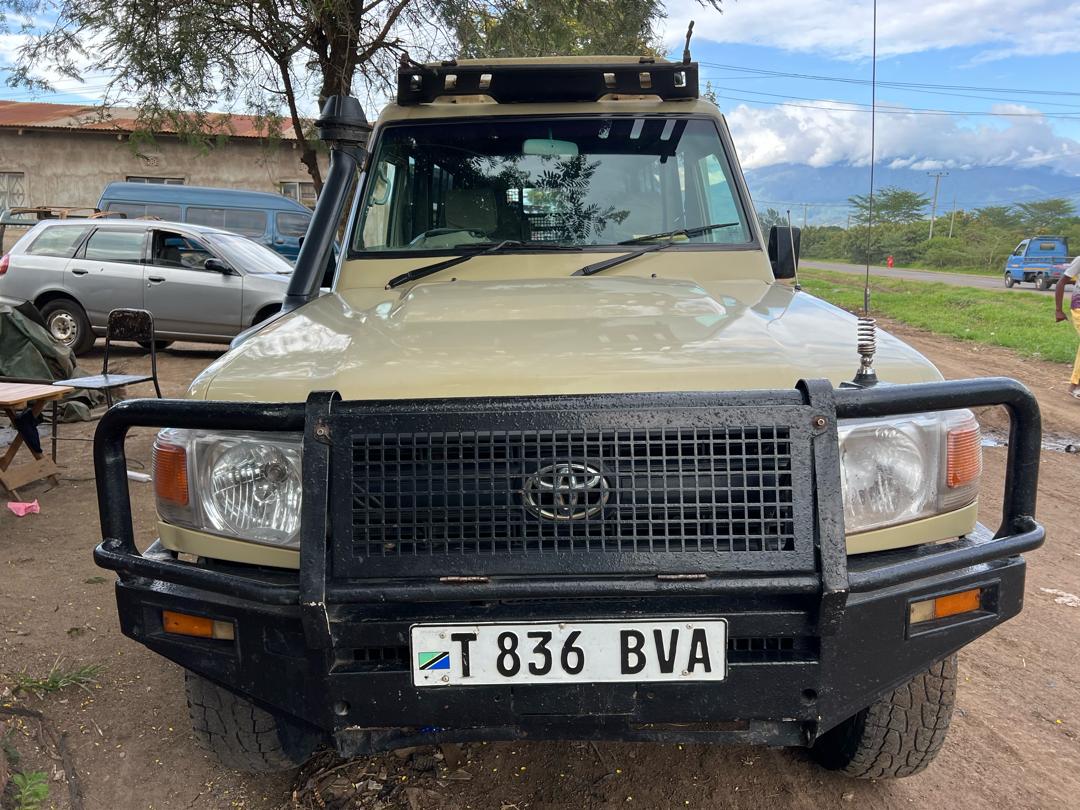
Understanding Tanzania’s Visa and Entry Requirements for 2026-2027
Planning an unforgettable trip to Tanzania, whether it’s for a thrilling safari adventure, a challenging Kilimanjaro climb, or a relaxing Zanzibar holiday, starts with understanding the practicalities of entry. Among the most vital pieces of information are the 8. Visa / Entry Requirement Keywords and processes that govern your arrival. Navigating these requirements can seem daunting, but with clear, detailed guidance, you can ensure a stress-free experience. This guide is designed to provide you with comprehensive, expert-level information to prepare you for your 2026-2027 journey to Tanzania.
From determining your eligibility for a visa on arrival to understanding the necessary documentation and potential pitfalls, we cover it all. We’ll address common questions travelers have, offer insights into the local context, and provide practical advice to help you book your trip with confidence. Our aim is to demystify the entry process, allowing you to focus on the incredible experiences that await you in Tanzania.
| Aspect | Details |
|---|---|
| Visa Policy | Varies by nationality; many nationalities require a visa. |
| Visa Application | Online (e-Visa) or Visa on Arrival (VOA) for eligible nationalities. Embassy application also an option. |
| Required Documents | Passport (valid 6+ months), application form, photos, yellow fever certificate (sometimes), flight itinerary, accommodation proof. |
| Passport Validity | Must be valid for at least six months beyond your intended stay. |
| Yellow Fever Certificate | Required if arriving from or transiting through a country with a risk of yellow fever. Check current regulations. |
| Health Declarations | May be required; check latest health advisories. |
| Visa Fees | Vary by nationality and visa type; payable in USD. |
| Customs | Declare any prohibited items. Restrictions on alcohol and tobacco. |
Why Understanding Entry Requirements is Crucial for Your Tanzania Trip
Before you even start dreaming about the vast plains of the Serengeti or the turquoise waters of Zanzibar, it’s essential to get the administrative side of your travel sorted. The 8. Visa / Entry Requirement Keywords are more than just bureaucratic hurdles; they are gatekeepers to your Tanzanian adventure. Forgetting a crucial document, misunderstanding the visa process, or arriving without the correct vaccination certificate can lead to significant delays, denied entry, or even the cancellation of your meticulously planned trip.
For travelers planning for 2026 and 2027, staying updated is key. Immigration policies can change, and official requirements are the definitive source of truth. For instance, while many nationalities can opt for a Visa on Arrival (VOA), relying solely on this without checking eligibility can be risky. The online e-Visa system has become increasingly popular, offering a more streamlined application process that can save time at the airport. However, it requires careful completion and submission well in advance of your travel dates.
Understanding these requirements also impacts your budget and timeline. Visa fees, processing times, and the need for specific documents like yellow fever certificates all factor into your overall travel preparation. By addressing the 8. Visa / Entry Requirement Keywords thoroughly, you ensure that your arrival in Tanzania is as smooth and welcoming as possible, allowing you to immediately immerse yourself in the wonders of the country.
Tanzania Visa Options: Navigating Your Choices
Tanzania offers several pathways for international visitors to obtain the necessary authorization to enter the country. The best option for you will depend on your nationality, the purpose of your visit, and your personal preferences for planning.
1. The Tanzanian E-Visa
The introduction of the electronic visa (e-Visa) system has significantly simplified the application process for many nationalities. This online portal allows you to apply for your visa from the comfort of your home, typically weeks or months before your departure. The e-Visa is generally available for tourist visas, business visas, and sometimes other categories.
- How it works: You’ll visit the official Tanzanian e-Visa portal, create an account, fill out the application form, upload required documents, and pay the visa fee online.
- Processing Time: It’s advisable to apply at least 2-3 weeks in advance, although processing times can vary. Some applications are approved within a few days, while others may take longer.
- Benefits: Reduces waiting time upon arrival, allows for planning well in advance, and provides a clear record of your application.
- Considerations: Ensure you have all required documents digitized and ready. Double-check all information entered for accuracy, as errors can cause delays or rejections.
2. Visa on Arrival (VOA)
For citizens of many countries, obtaining a visa upon arrival at major entry points like Kilimanjaro International Airport (JRO) or Julius Nyerere International Airport (DAR) is an option. This can be convenient if you prefer not to apply in advance or if your travel plans are made last minute.
- Eligibility: It is critical to verify if your nationality is eligible for a VOA. This information is usually available on government immigration websites or through your tour operator.
- Process: Upon arrival, you will proceed to the immigration counter designated for visas. You will need to present your passport, fill out a visa application form, provide passport photos, and pay the required fee, typically in USD cash.
- Payment: Always carry sufficient US dollars in crisp, new bills, as older or torn notes may be rejected. Credit card facilities are not always available or reliable.
- Potential Delays: VOA queues can sometimes be long, especially during peak travel seasons. This is a key consideration if you are on a tight schedule for a connecting flight or transfer.
3. Embassy or Consular Application
In some cases, you may need to apply for your visa through a Tanzanian embassy or consulate in your home country or a nearby country. This is often the required route for certain visa types or for nationalities not covered by e-Visa or VOA policies.
- Process: This involves submitting a physical application form, passport, photos, and supporting documents directly to the embassy. Processing times can be longer and require more planning.
- When to Use: If you are unsure about other methods, require a specific visa category not available online or on arrival, or if your nationality mandates it.
Essential Documentation for Entry into Tanzania
Regardless of how you obtain your visa, several key documents are consistently required for entry into Tanzania. Having these ready will expedite your immigration process.
1. Valid Passport
Your passport is your most critical travel document. It must meet the following criteria:
- Validity: It must be valid for at least six (6) months beyond your intended date of departure from Tanzania. This is a standard international travel requirement and is strictly enforced.
- Blank Pages: Ensure your passport has at least two (2) blank pages for immigration stamps.
- Condition: The passport should be in good condition, without significant damage.
2. Visa Application Form (if applicable)
Whether applying online or on arrival, you will need to complete an application form. Ensure all details are accurate and match your passport information.
3. Passport-Sized Photographs
Carry a few recent passport-sized photographs. While the e-Visa system requires digital uploads, having physical copies is wise for VOA or in case of any technical issues. Ensure they meet standard passport photo specifications (plain background, neutral expression).
4. Yellow Fever Vaccination Certificate
This is a mandatory requirement for entry into Tanzania if you are arriving from, or have transited for more than 12 hours through, a country with a risk of yellow fever. This includes many countries in Africa and South America. Even if you are not arriving directly from such a country, immigration officials may ask for proof of vaccination if they deem it necessary.
- Recommendation: It is highly recommended to get vaccinated against yellow fever before traveling to Tanzania and carry your International Certificate of Vaccination or Prophylaxis (ICVP) with you.
- Check Current Regulations: Always verify the latest yellow fever entry requirements with official sources or your tour operator, as regulations can be updated.
5. Proof of Onward Travel and Accommodation
Immigration officials may ask for evidence that you have sufficient funds for your stay and that you intend to leave Tanzania. This can include:
- Return or Onward Ticket: A confirmed flight booking out of Tanzania.
- Accommodation Details: Proof of hotel bookings or, if arranged through a tour operator like us, a detailed itinerary confirming your accommodations.
6. Other Supporting Documents
Depending on the visa type or specific circumstances, you might be asked for additional documents, such as:
- Business invitation letters.
- Proof of employment.
- Travel insurance details.
Navigating Health and Safety Entry Requirements
Beyond standard entry documents, Tanzania has specific health and safety regulations that travelers must adhere to. Staying informed about these is crucial for a smooth arrival.
Yellow Fever Vaccination
As mentioned, the Yellow Fever certificate is paramount. Tanzania is part of the WHO’s International Health Regulations, and this certificate is often checked rigorously at immigration. Ensure your vaccination is administered at least 10 days before your arrival to be considered valid.
Other Recommended Vaccinations and Health Precautions
While not always a strict entry requirement, several other vaccinations and health precautions are strongly recommended by health organizations for travel to Tanzania:
- Hepatitis A and B: Recommended for most travelers.
- Typhoid: Recommended for most travelers.
- Rabies: May be recommended depending on your activities (e.g., prolonged exposure to animals).
- Malaria Prevention: Tanzania is a malaria-endemic country. Consult your doctor about appropriate antimalarial medication and take precautions against mosquito bites (insect repellent, long sleeves/trousers, mosquito nets).
It’s vital to consult your doctor or a travel clinic four to six weeks before your trip to discuss your specific health needs and recommended vaccinations for Tanzania.
COVID-19 and Other Public Health Measures
While many COVID-19 related travel restrictions have been lifted globally, it’s always prudent to check the latest health advisories from the Tanzanian Ministry of Health and the World Health Organization (WHO) closer to your travel dates for 2026-2027. This might include health declaration forms or temperature checks upon arrival.
Customs Regulations: What You Can and Cannot Bring
Upon arrival, you will also pass through customs. Familiarizing yourself with Tanzania’s customs regulations will prevent any unpleasant surprises.
- Prohibited Items: Certain items are strictly prohibited, including illegal drugs, firearms, and pornography.
- Restricted Items: There are restrictions on the import of large quantities of alcohol, tobacco products, and certain foodstuffs. It is generally advisable to consume alcohol and tobacco in moderation.
- Personal Use Items: Items for personal use are generally allowed, but excessive quantities may be subject to duty.
- Declaration: If you are carrying items that require declaration, such as large amounts of currency or commercial goods, ensure you complete the customs declaration form accurately.
Visa and Entry Requirements for Specific Traveler Types
The 8. Visa / Entry Requirement Keywords can have nuances depending on your travel purpose and group composition.
Tourists and Safari-Goers
For most tourists visiting for safaris, Kilimanjaro treks, or Zanzibar holidays, a standard tourist visa is required. The e-Visa or Visa on Arrival are typically the most convenient options. Ensure your passport has the necessary validity and that you carry your yellow fever certificate.
Families and Children
Children traveling to Tanzania generally require their own passports and visas, regardless of age. If a child is traveling with only one parent or without parents, additional documentation such as a notarized consent letter from the absent parent(s) may be required. It’s essential to check specific requirements for minors with the Tanzanian immigration authorities.
Business Travelers
Individuals traveling to Tanzania for business purposes may need to apply for a business visa. This often requires a letter of invitation from a Tanzanian company and proof of business activities. The application process might differ from a tourist visa.
Volunteers and Students
Those planning to volunteer or study in Tanzania will likely need to apply for specific long-term or study/volunteer visas well in advance. These applications usually involve more extensive documentation, including acceptance letters from the relevant institutions or organizations.
Planning Your Entry Strategy for 2026-2027
When planning your trip for 2026 or 2027, consider the following timeline and strategy for managing your visa and entry requirements.
| Time Before Travel | Action Item | Notes |
|---|---|---|
| 6-12 Months | Research visa requirements for your nationality. | Check official Tanzanian immigration websites. |
| 4-6 Months | Consult doctor for recommended vaccinations. | Schedule yellow fever vaccination if needed. Obtain certificate. |
| 2-3 Months | Book flights and accommodation. | Ensure passport validity is at least 6 months from departure. |
| 1-2 Months | Apply for e-Visa (if chosen). | Upload all required documents. Allow ample processing time. |
| 1-2 Weeks | Confirm visa status. | If e-Visa, ensure approval. If VOA, confirm eligibility and fee. |
| 1 Week | Prepare all physical documents. | Passport, visa confirmation, yellow fever certificate, itinerary, etc. |
| Travel Day | Present documents at immigration. | Be prepared for potential queues. |
Choosing Between E-Visa and Visa on Arrival
For most tourists planning for 2026-2027, the choice often comes down to the e-Visa or Visa on Arrival (VOA). Here’s a breakdown to help you decide:
- E-Visa:
- Pros: Apply from home, potentially faster processing, reduces airport wait times, clear record of application.
- Cons: Requires internet access and ability to upload documents, potential for errors if not completed carefully, processing can sometimes take longer than expected.
- Visa on Arrival (VOA):
- Pros: Convenient for last-minute plans, no need to apply in advance, good for flexible itineraries.
- Cons: Potential for long queues, requires carrying exact USD cash for fees, risk of rejection if not eligible or documents are incomplete, less predictable timing.
Recommendation: If you are a planner and your trip is booked more than a month in advance, the e-Visa is generally the preferred and more reliable method. If your plans are spontaneous or you prefer to handle it upon arrival, ensure you are eligible for VOA and are well-prepared with cash and all necessary documents.
Common Mistakes to Avoid Regarding Entry Requirements
Many travelers make small but significant errors when dealing with visa and entry requirements. Avoiding these common pitfalls can save you considerable stress.
- Passport Expiry: Not checking that your passport has at least six months of validity remaining from your departure date. This is a non-negotiable requirement.
- Yellow Fever Certificate: Forgetting to get vaccinated or failing to bring the certificate, especially if arriving from an at-risk country.
- Incomplete E-Visa Application: Submitting an e-Visa application with missing information or incorrect document uploads. This can lead to delays or rejection.
- Relying Solely on VOA: Assuming you are eligible for a Visa on Arrival without verifying your nationality’s status.
- Incorrect Visa Type: Applying for the wrong type of visa (e.g., tourist visa for business activities).
- Insufficient Funds/Onward Travel Proof: Not being able to demonstrate you have sufficient funds for your stay or a confirmed ticket out of the country.
- Outdated Information: Relying on information from blogs or outdated websites without checking official government sources for the most current regulations for 2026-2027.
- Cash for VOA: Not having enough USD cash in the correct denominations for the Visa on Arrival fee.
Who is This Information Best For?
This detailed guide on 8. Visa / Entry Requirement Keywords is essential for:
- First-time visitors to Tanzania: Those unfamiliar with the country’s entry procedures.
- Independent travelers: Individuals planning their own itineraries and visa applications.
- Tourists planning safaris, treks, or beach holidays: Covering the most common travel purposes.
- Families and groups: Highlighting considerations for multiple travelers.
- Travelers planning for 2026-2027: Providing up-to-date information for future travel.
- Anyone seeking a smooth and stress-free arrival: Ensuring all administrative aspects are covered.
Alternatives and Related Considerations
While this guide focuses on Tanzania’s visa and entry requirements, it’s worth noting related aspects that contribute to a successful trip:
- Travel Insurance: Highly recommended for any international travel. Ensure your policy covers medical emergencies, trip cancellations, and lost luggage.
- Currency: The Tanzanian Shilling (TZS) is the local currency, but USD is widely accepted and often preferred for visa fees, park fees, and larger purchases. Carry crisp, new USD bills.
- Language: Swahili is the national language, but English is widely spoken in tourist areas and by government officials.
- Local Laws and Customs: Familiarize yourself with basic Tanzanian etiquette and laws to ensure respectful travel.
Expert Planning for 2026-2027: Staying Ahead of the Curve
As you look towards planning your Tanzanian adventure for 2026 or 2027, proactive planning regarding visa and entry requirements is paramount. Immigration policies, health recommendations, and application processes can evolve. Therefore, staying informed through official channels is key.
Key Strategies for 2026-2027:
- Early Research: Begin researching visa requirements at least 6-12 months before your planned travel dates. Check the official Tanzanian immigration website regularly for any updates.
- Digital Readiness: Ensure you have access to a reliable computer and internet connection for e-Visa applications. Be prepared to scan and upload all necessary documents in the correct format.
- Health Preparedness: Consult your doctor or a travel clinic well in advance for vaccinations and malaria prophylaxis. Obtain your yellow fever certificate and keep it safe.
- Document Backups: Keep digital and physical copies of all important documents, including your passport, visa confirmation, flight tickets, and accommodation bookings.
- Flexibility: Build some buffer time into your travel plans to account for potential delays in visa processing or immigration queues.
Working with an experienced tour operator like Top Guide Adventures can greatly simplify this process. We stay updated on the latest entry requirements and can provide tailored advice based on your nationality and travel plans, ensuring you have all the necessary information and documentation for a smooth entry into Tanzania for your 2026-2027 trip.
Booking Advice: Partnering with a Trusted Operator
While you are responsible for obtaining your visa, a reputable tour operator can significantly ease your overall travel planning and provide crucial support regarding entry requirements. At Top Guide Adventures, we are committed to ensuring our clients have a seamless experience from start to finish.
How We Can Help:
- Information and Guidance: We provide up-to-date information on visa and health requirements specific to your nationality.
- Itinerary Planning: Our itineraries are designed to align with typical visa processing times and arrival procedures.
- Support During Travel: Should any issues arise upon arrival, our local team is available to offer assistance.
When you are ready to book your Tanzanian safari, Kilimanjaro trek, or Zanzibar holiday, or if you have any questions about the 8. Visa / Entry Requirement Keywords and processes, please do not hesitate to contact us.
Get in touch with Top Guide Adventures today:
WhatsApp: +255616946642
Email: topguideadventures@gmail.com
Backup Email: info@topguideadventures.com
Frequently Asked Questions (FAQs)
1. Do all nationalities need a visa to enter Tanzania?
No, not all nationalities require a visa. Citizens of some countries, particularly within the East African Community, may have visa-free access. However, citizens of many countries, including the USA, UK, Canada, Australia, and most European nations, do require a visa. It is essential to check the specific requirements for your nationality on the official Tanzanian immigration website.
2. Can I get a visa on arrival in Tanzania if I am from the United States?
Yes, citizens of the United States are generally eligible for a Visa on Arrival (VOA) in Tanzania. However, it is always recommended to verify the latest policies and ensure you have all required documents and the correct fee in USD cash before your travel.
3. How long is my passport valid for when traveling to Tanzania?
Your passport must be valid for at least six (6) months beyond your intended date of departure from Tanzania. It should also have at least two blank pages for entry and exit stamps.
4. Is the Yellow Fever vaccination mandatory for entry into Tanzania?
A Yellow Fever vaccination certificate is mandatory if you are arriving from, or have transited through, a country with a risk of yellow fever. This applies to many African and South American countries. It is highly recommended to get vaccinated and carry your certificate even if you are not arriving directly from an at-risk country, as immigration officials may request it.
5. How much does a Tanzanian visa cost?
Visa fees vary depending on your nationality and the type of visa. For example, a single-entry tourist visa for US citizens often costs around $100 USD. It is crucial to check the current fee structure for your nationality on the official e-Visa portal or through the Tanzanian embassy. Fees are typically payable in USD.
6. What is the difference between an e-Visa and a Visa on Arrival?
An e-Visa is applied for and processed online before your travel, allowing you to receive an approval letter that you present upon arrival. A Visa on Arrival (VOA) is obtained directly at the immigration counter upon landing in Tanzania. The e-Visa is often preferred for its convenience and reduced airport wait times, while VOA can be useful for last-minute plans, provided you meet eligibility criteria.
7. How long does the e-Visa application process take for Tanzania?
The processing time for a Tanzanian e-Visa can vary, but it typically takes between 7 to 14 business days. However, it is advisable to apply at least 3-4 weeks in advance of your travel date to allow for any potential delays.
8. Can I use my credit card to pay for a Visa on Arrival?
While some airports might have card facilities, it is not guaranteed. It is strongly recommended to carry the exact visa fee in crisp, new US dollar bills for Visa on Arrival applications, as cash is the most reliable form of payment.
9. What should I do if my e-Visa is rejected?
If your e-Visa is rejected, you may need to apply for a Visa on Arrival (if eligible for your nationality) or contact the nearest Tanzanian embassy or consulate for guidance. Ensure you understand the reason for rejection to avoid issues with future applications.
10. Are there any restrictions on what I can bring into Tanzania?
Yes, there are restrictions. Prohibited items include illegal drugs and firearms. You should also be mindful of customs duties on excessive amounts of alcohol, tobacco, and commercial goods. Items for personal use are generally permitted.
11. What if my travel plans change after I have applied for an e-Visa?
If your travel plans change significantly (e.g., dates, purpose of visit), you may need to reapply for a new e-Visa or update your existing application if the system allows. It is best to contact the e-Visa support center or the Tanzanian immigration authorities for specific advice.
12. What are the visa requirements for children traveling to Tanzania for a safari in 2027?
Children, regardless of age, require their own passports and visas. The type of visa and application process will be similar to adults, but ensure all documentation is correctly completed for each child. If traveling with only one parent, a consent letter from the other parent may be required. Always verify specific requirements for minors.
Your Tanzania Adventure Awaits: Let Us Handle the Details
Navigating the 8. Visa / Entry Requirement Keywords is a critical step towards your dream Tanzanian journey. With this comprehensive guide, you should feel more prepared to tackle the administrative aspects of your trip. Remember, thorough preparation and adherence to official guidelines are key to a smooth entry.
At Top Guide Adventures, we are passionate about creating exceptional travel experiences. We understand that the journey begins long before you arrive. Let us take the stress out of planning your safari, Kilimanjaro climb, or Zanzibar holiday. We are here to assist you every step of the way, ensuring your adventure is everything you hoped for and more.
Ready to plan your unforgettable Tanzanian experience for 2026 or 2027? Contact us today!
WhatsApp: +255616946642
Email: topguideadventures@gmail.com
Backup Email: info@topguideadventures.com
Plan your 8. Visa / Entry Requirement Keywords with Top Guide Adventures
Tell us your travel dates, group size, comfort level, and dream experience. We will help you shape a clear, realistic, and memorable Tanzania itinerary.







 Veedesigner
 Fatma Kizanga
 Benjamin Waryuba
 Philip Philip
 John jr Itaja
 Antonia Optatus
 Edith Kanyere
 Neema Iddy
 Kelvin Boniphace
 Damari Maiga



