
Updated planning guide for 2026-2027
Africa Visa Requirements: Essential Travel Guide
Planning a trip to Africa? This comprehensive guide details Africa visa requirements for various nationalities, essential planning steps for 2026-2027, and tips for a smooth journey.
WhatsApp +255616946642 | topguideadventures@gmail.com | info@topguideadventures.com
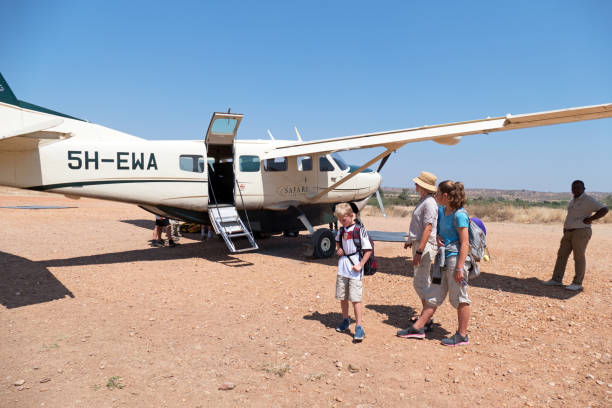

Understanding Africa Visa Requirements for Your 2026-2027 Adventure
Planning an unforgettable journey to Africa, whether it’s a thrilling safari in Tanzania, a challenging trek up Mount Kilimanjaro, or a relaxing holiday on the beaches of Zanzibar, begins with understanding the essential administrative steps. Among the most critical is navigating Africa visa requirements. For many travelers, this can seem like a complex puzzle, with varying rules depending on your nationality, the countries you plan to visit, and the purpose of your trip. This guide aims to simplify the process, offering clear, actionable advice to ensure your entry into African nations is as smooth as possible for your 2026-2027 travel plans.
We’ll cover everything from determining if you need a visa to applying for one, understanding common pitfalls, and preparing for your arrival. Our goal is to equip you with the knowledge needed to focus on the incredible experiences that await you, rather than worrying about paperwork.
Quick Overview: Africa Visa Requirements
| Aspect | Details |
|---|---|
| Visa Necessity | Varies significantly by nationality and destination country. Many African nations require visas for most foreign visitors. |
| Application Methods | Online (e-Visa), Embassy/Consulate in home country, Visa on Arrival (VOA). |
| Common Documents | Valid passport (min. 6 months validity), passport photos, application form, flight itinerary, accommodation proof, sometimes yellow fever certificate. |
| Processing Time | Can range from a few days (e-Visa) to several weeks (embassy application). |
| Key Considerations | Nationality, purpose of visit (tourism, business, transit), duration of stay, entry points. |
Table of Contents
- Introduction
- Why Understanding Visa Requirements is Crucial
- Determining Your Specific Africa Visa Needs
- Common Visa Application Methods
- Essential Documents for Visa Applications
- Tanzania Visa Requirements: A Closer Look
- Kilimanjaro Trekking: Visa Considerations
- Zanzibar Holidays: Visa Information
- Visa on Arrival: Pros and Cons
- The E-Visa Process: Convenience and Caution
- Applying at an Embassy or Consulate
- Common Mistakes to Avoid When Applying for Visas
- Understanding Visa Processing Times
- Yellow Fever and Other Vaccinations
- Transit Visas: When Do You Need One?
- Traveling with Children: Special Visa Considerations
- Who is This Guide Best Suited For?
- Are There Visa-Free Options?
- Planning Your Africa Trip: Visa Strategy for 2026-2027
- Booking Your Tour and Visa Application
- Frequently Asked Questions (FAQs)
- Ready to Plan Your African Adventure?
Why Understanding Visa Requirements is Crucial
Securing the correct visa is not just a bureaucratic formality; it’s a fundamental requirement for legal entry into most African countries. Failure to comply with visa regulations can lead to significant problems, including:
- Denied Entry: You could be turned away at the airport or border crossing, ruining your travel plans before they even begin.
- Detention or Fines: In some cases, attempting to enter without the proper documentation can result in detention, hefty fines, or even deportation.
- Future Travel Bans: A visa violation can impact your ability to obtain visas for that country or others in the future.
- Missed Connections/Tours: Delays due to visa issues can cause you to miss pre-booked flights, transfers, or the start of your guided tour, which often operate on strict schedules.
For a country like Tanzania, which offers world-class safaris in the Serengeti and Ngorongoro Crater, Kilimanjaro treks, and idyllic Zanzibar beaches, ensuring your visa is in order is the first step to experiencing these wonders. For travelers planning for 2026 or 2027, early research into Africa visa requirements is paramount.
Determining Your Specific Africa Visa Needs
The single most important factor in determining your visa needs is your nationality. Many countries have bilateral agreements that allow their citizens visa-free entry for short tourist stays. Conversely, many nationalities require a visa for almost all African destinations.
To find out if you need a visa for a specific African country, consult the following resources:
- Official Government Immigration Websites: The most reliable source is the immigration department or ministry of foreign affairs of the country you intend to visit. Search for “[Country Name] immigration” or “[Country Name] visa requirements”.
- Your Country’s Foreign Affairs Ministry: Your home country’s department of state or foreign affairs often provides travel advisories and information on entry requirements for other nations.
- The Embassy or Consulate of the Destination Country: Contact the embassy or consulate of the African country in your home country or a neighboring country.
- Your Tour Operator: Reputable tour operators, like us, have extensive experience and can guide you on the visa requirements for the destinations included in your itinerary.
Key questions to ask yourself:
- What is my nationality?
- Which specific African countries will I be visiting?
- What is the primary purpose of my visit (tourism, business, visiting family, transit)?
- How long will I be staying in each country?
- What are the entry and exit points I plan to use?
Common Visa Application Methods
African countries generally offer several ways to obtain a visa:
| Method | Description | Pros | Cons |
|---|---|---|---|
| E-Visa (Electronic Visa) | An online application process where you submit documents and receive an electronic visa approval before your trip. Usually, you print this and present it upon arrival. | Convenient, often faster processing, can be done from anywhere. | Not available for all countries or nationalities. May have specific entry points. Technical glitches can occur. |
| Visa on Arrival (VOA) | You obtain the visa upon landing at the airport or border crossing. You typically need to fill out a form and pay a fee. | Useful for last-minute travel or when an e-Visa isn’t an option. No pre-application needed. | Can involve long queues, potential for higher fees, requires carrying exact cash, risk of being denied if requirements aren’t perfectly met. |
| Embassy/Consulate Application | Applying in person or by mail at the country’s embassy or consulate in your home country or a designated third country. | Often considered the most official and thorough method. May be required for certain visa types or nationalities. | Requires significant lead time, involves travel to the embassy, can be bureaucratic, might require an interview. |
Essential Documents for Visa Applications
While specific requirements vary, a standard set of documents is commonly requested for most African visa applications:
- Valid Passport: Your passport must be valid for at least six months beyond your intended stay and typically needs at least two blank pages for stamps. Ensure it’s not damaged.
- Completed Visa Application Form: This is usually available online or from the embassy. Fill it out accurately and completely.
- Passport-Sized Photographs: Recent, color photos meeting specific dimensions (e.g., 2×2 inches) and background requirements (often white).
- Proof of Accommodation: Hotel bookings or a letter of invitation if staying with friends/family. For organized tours, a confirmation letter from the tour operator is often sufficient.
- Flight Itinerary: Confirmed return flight tickets showing your entry and exit dates.
- Visa Fee Payment: Be prepared to pay the required fee, often in USD or the local currency. Check if cash is required for VOA.
- Yellow Fever Vaccination Certificate: Mandatory for entry into many African countries if arriving from or transiting through a country with a risk of yellow fever transmission.
- Proof of Sufficient Funds: Some countries may ask for bank statements to show you can support yourself during your stay.
- Letter of Invitation: If visiting friends or family, or for business purposes.
Always check the specific requirements for the country you are visiting and the method of application you choose.
Tanzania Visa Requirements: A Closer Look
Tanzania is a prime destination for safaris, Kilimanjaro climbs, and Zanzibar getaways. Understanding its visa policy is key for your trip.
Who needs a visa for Tanzania?
- Most foreign nationals require a visa to enter Tanzania for tourism, business, or other purposes.
- Citizens of certain East African Community (EAC) partner states may be exempt.
- Visa-free entry for tourists is generally not available for citizens of major Western countries (e.g., USA, UK, Canada, EU nations, Australia, New Zealand).
Tanzania Visa Application Options:
- E-Visa: Tanzania offers an online e-Visa system, which is often the most convenient method for tourists. You can apply through the official Tanzanian immigration website. Processing typically takes a few working days.
- Visa on Arrival (VOA): Available at major entry points like Kilimanjaro International Airport (JRO), Julius Nyerere International Airport (DAR), and Zanzibar International Airport (ZNZ). You will need to fill out an application form and pay the fee upon arrival. While convenient, it can lead to longer wait times.
- Embassy Application: You can apply for a Tanzanian visa at a Tanzanian embassy or consulate in your home country before your departure. This is a more traditional route but requires more lead time.
Tanzania Visa Fees: Fees vary based on nationality and visa type. For many nationalities, a single-entry tourist visa costs around $50 USD, but always verify the current fee on the official government website or with your tour operator.
Important Notes for Tanzania:
- Ensure your passport is valid for at least six months beyond your stay.
- Carry a copy of your passport and visa separately.
- For VOA, it is advisable to have the exact visa fee in US dollars in cash.
- Confirm if a Yellow Fever certificate is required based on your travel route.
Kilimanjaro Trekking: Visa Considerations
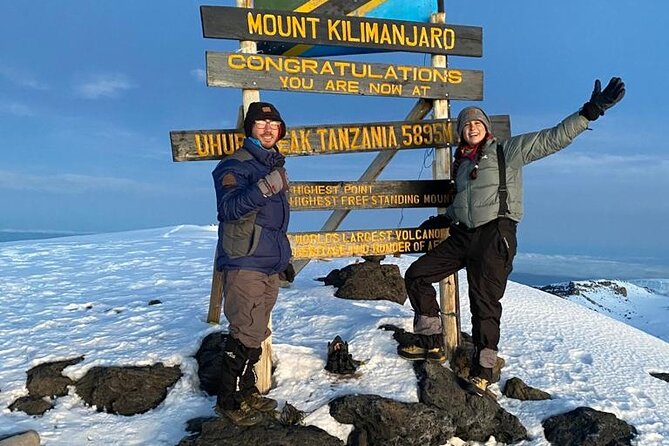
Climbing Mount Kilimanjaro is a dream for many adventurers. The visa requirements for Kilimanjaro are the same as for general tourism in Tanzania. You will need a Tanzanian tourist visa. Whether you opt for an e-Visa or Visa on Arrival, ensure it is processed and secured before you begin your trek. Your tour operator will typically confirm that your visa covers the duration of your climb and any pre/post-climb arrangements.
Itinerary Logic: Most Kilimanjaro treks are between 5 to 9 days. Your visa must be valid for at least this period, plus a few buffer days for arrival and departure. For example, if your trek is 7 days and you arrive 2 days before and depart 1 day after, you’ll need a visa valid for at least 10 days. Most tourist visas issued are for 90 days, offering ample flexibility.
Zanzibar Holidays: Visa Information
Zanzibar is a semi-autonomous part of Tanzania. Therefore, the visa requirements for Zanzibar are identical to those for mainland Tanzania. If you are entering Tanzania with a valid visa, that visa will cover your stay in Zanzibar. You do not need a separate visa for Zanzibar.
Travel Between Mainland and Zanzibar: Internal travel between mainland Tanzania (e.g., Arusha, Dar es Salaam) and Zanzibar is typically by flight or ferry. Your Tanzanian visa allows you to travel freely between these regions as part of your single entry.
Visa on Arrival: Pros and Cons
Visa on Arrival (VOA) can be a convenient option, but it comes with potential drawbacks.
| Pros | Cons |
|---|---|
| Simplicity for Last-Minute Travel: No pre-application needed. | Long Queues: Can involve significant waiting times at immigration, especially during peak season. |
| No Pre-Trip Hassle: Avoids the application process and potential delays before departure. | Potential for Higher Fees: Sometimes VOA fees are slightly higher than pre-applied visas. |
| Flexibility: Useful if your travel plans are uncertain or change rapidly. | Cash Requirement: Often requires exact payment in USD cash, which can be inconvenient if you don’t have it readily available. |
| Risk of Denial: Immigration officers have discretion; if documentation is incomplete or issues arise, entry could be denied. |
For a smoother experience, especially when you have a tight schedule or are joining a pre-arranged tour, we often recommend applying for an e-Visa or securing your visa in advance through an embassy. However, for many, VOA works perfectly well.
The E-Visa Process: Convenience and Caution
Many African nations, including Tanzania, have embraced e-Visa systems. This process typically involves:
- Visiting the Official Government Website: Ensure you are on the correct, official government portal to avoid third-party sites that may overcharge or be fraudulent.
- Completing the Online Application: Fill in all required personal details, passport information, travel dates, and purpose of visit.
- Uploading Required Documents: Scan and upload your passport bio-page, a recent passport photo, and potentially other documents like flight bookings.
- Paying the Visa Fee: Usually done securely online via credit card.
- Receiving Approval: Once processed, you’ll receive an email with your e-Visa approval letter. Print this out and carry it with you.
Caution: Always double-check the official website address. Scammers create fake sites that look legitimate. For Tanzania, the official e-Visa portal is the correct place to apply.
Applying at an Embassy or Consulate
This is the traditional method and is sometimes necessary for specific visa types or nationalities not covered by e-Visa or VOA policies. The process usually involves:
- Locating the Nearest Embassy/Consulate: Find the embassy or consulate of the country you wish to visit in your home country.
- Checking Requirements: Visit their website or call to confirm the exact documents, fees, and application procedures.
- Completing the Application Form: Download and fill out the paper application form accurately.
- Submitting Your Application: This may involve mailing your passport and documents, or attending an in-person appointment.
- Waiting for Processing: This can take several weeks, so plan well in advance.
- Collecting Your Passport: Once approved, you will collect your passport with the visa affixed.
This method requires the most lead time but offers certainty if done correctly.
Common Mistakes to Avoid When Applying for Visas
Avoiding these common errors can save you time, money, and significant stress:
- Applying Too Late: Not leaving enough time for processing can lead to missed flights or needing to pay for expedited services. For 2026-2027 travel, start visa research at least 3-4 months before your planned departure.
- Incorrect Information: Typos in names, passport numbers, or dates can invalidate your application or cause issues at immigration. Double-check everything.
- Using Unofficial Websites: Be wary of third-party visa services that are not the official government portal. They may charge inflated fees or provide incorrect information.
- Passport Validity Issues: Not ensuring your passport has at least six months of validity beyond your stay is a common reason for visa denial or entry refusal.
- Insufficient Funds Proof: For countries that require it, failing to provide adequate proof of financial means can lead to rejection.
- Not Checking Specific Requirements: Assuming all African countries have the same rules. Each country has its own unique policies.
- Forgetting Required Documents: Missing a crucial document like a photo or yellow fever certificate can halt the process.
- Not Understanding Visa Duration: Applying for a visa that expires before your intended departure date.
Understanding Visa Processing Times
Processing times are critical for travel planning. They can vary wildly:
- E-Visas: Typically range from 2-10 business days, though some might be faster or take longer during peak periods.
- Visa on Arrival: Instantaneous upon arrival, but the time spent waiting in line can be substantial (sometimes 1-2 hours or more).
- Embassy Applications: Can take anywhere from 5 business days to 4 weeks or more, depending on the embassy and country.
Recommendation: For peace of mind and to avoid potential stress, always aim to apply for your visa well in advance of your travel dates. For 2026-2027 trips, begin checking requirements and applying at least 1-2 months before departure, especially if using the embassy route.
Yellow Fever and Other Vaccinations
A crucial aspect of Africa visa requirements and entry is health. The Yellow Fever vaccination certificate is often a mandatory document for entry into many African countries. It’s particularly important if you are arriving from or have transited through a country that is on the World Health Organization’s (WHO) list of countries with a risk of Yellow Fever transmission.
Key Points:
- Check the List: Consult the WHO website for the current list of countries requiring Yellow Fever vaccination proof. Many common tourist routes to Tanzania do not originate from Yellow Fever risk areas, but it’s essential to check based on your entire travel itinerary.
- Where to Get It: The Yellow Fever vaccine is typically administered at designated travel clinics or vaccination centers. You receive a certificate that is valid for life.
- Carry Your Certificate: Keep your International Certificate of Vaccination or Prophylaxis (ICVP) with your passport at all times. You will be asked for it at immigration.
- Other Vaccinations: While not always a visa requirement, consult your doctor or a travel clinic about other recommended vaccinations for Tanzania and East Africa, such as Hepatitis A, Typhoid, Tetanus, and Malaria prophylaxis.
Ignoring health requirements can lead to denied entry, quarantine, or mandatory vaccination upon arrival, which can cause significant delays and disruption to your planned safari or trek.
Transit Visas: When Do You Need One?
If you have a layover in an African country on your way to your final destination, you might need a transit visa. This depends on:
- Duration of Layover: Longer layovers, especially those requiring you to leave the airport or change terminals, are more likely to necessitate a transit visa.
- Country Regulations: Some countries require transit visas for all passengers, while others have exemptions for certain nationalities or if you remain within the international transit area of the airport.
- Your Nationality: As always, your nationality plays a role in these requirements.
Example: If you are flying from Europe to Tanzania and have a layover in Addis Ababa, Ethiopia, or Nairobi, Kenya, check the transit visa policy for Ethiopia or Kenya respectively. Often, if you are not leaving the airport’s international transit area and your layover is short, no transit visa is needed. However, if your layover is overnight or requires you to pass through immigration, you will likely need one.
It’s always best to confirm with the airline and the immigration authorities of the transit country.
Traveling with Children: Special Visa Considerations
Traveling with minors often introduces extra layers of paperwork:
- Individual Passports: Children, regardless of age, usually need their own passports.
- Birth Certificates: Some countries require a copy of the child’s birth certificate when applying for a visa, especially if only one parent is traveling.
- Consent Letters: If a child is traveling with only one parent or with someone other than their parents, a notarized letter of consent from the absent parent(s) is often required. This is to prevent international child abduction.
- Specific Visa Forms: Children may have different application forms or fees.
Always verify the specific requirements for minors with the destination country’s immigration authorities or embassy.
Who is This Guide Best Suited For?
This guide is designed for:
- First-time visitors to Africa: Those unfamiliar with the continent’s diverse entry requirements.
- Travelers planning safaris, Kilimanjaro treks, or Zanzibar holidays: Individuals with specific itineraries in mind for Tanzania and potentially other East African nations.
- Independent travelers: Those who prefer to handle their own visa applications.
- Travelers seeking clarity: Anyone overwhelmed by the complexity of visa regulations and looking for straightforward advice.
- Planning for 2026-2027: Individuals making early plans for future travel who need reliable information.
If you are booking a comprehensive tour package with us, we will provide tailored guidance based on your nationality and itinerary, but understanding the basics yourself is always empowering.
Are There Visa-Free Options?
Visa-free travel to African countries is limited and highly dependent on your nationality and the specific country you wish to visit. Some countries have reciprocal visa-free agreements with specific nations. For example:
- Citizens of certain African Union (AU) or East African Community (EAC) member states may enjoy visa-free entry into other member states for tourism or short stays.
- A few countries offer visa-free entry to citizens of many Western nations for short tourist stays (e.g., Morocco, some Southern African nations for limited periods).
However, for major tourist destinations like Tanzania, Kenya, Uganda, Rwanda (for tourism), and South Africa, most foreign nationals will require some form of visa or entry permit, even if it’s a visa on arrival or an e-Visa.
Key takeaway: Do not assume visa-free entry. Always verify the specific requirements for your nationality and destination.
Planning Your Africa Trip: Visa Strategy for 2026-2027
Successful travel planning, especially for a complex destination like Africa, hinges on early preparation. Here’s a strategy for your 2026-2027 trips:
- 18+ Months Out: Research destinations, general visa requirements for your nationality for key countries (e.g., Tanzania, Kenya), and potential travel times.
- 12-15 Months Out: Start firming up your itinerary. Identify specific countries and the type of visa needed for each. Check passport validity – ensure it has over 12 months remaining.
- 6-9 Months Out: If applying via embassy, check their current processing times and requirements. If e-Visas are available, note their typical processing time. Understand Yellow Fever requirements based on your planned route.
- 3-4 Months Out: If using embassy applications, this is the time to start. For e-Visas or VOA, gather all necessary documents (photos, passport scans, flight details).
- 1-2 Months Out: Apply for e-Visas. Confirm all visa details and ensure you have printed copies of approvals. Finalize any remaining visa applications.
- 2-4 Weeks Out: Double-check all visa approvals and entry requirements. Ensure you have sufficient local currency or USD for any VOA fees if applicable. Confirm your Yellow Fever certificate is readily accessible.
- Immediately Before Travel: Pack copies of your passport, visa, and Yellow Fever certificate separately from the originals.
This structured approach ensures that visa requirements are met well in advance, preventing last-minute rushes and potential travel disruptions for your 2026 or 2027 adventure.
Booking Your Tour and Visa Application
When you book a safari, Kilimanjaro trek, or Zanzibar holiday with us, your journey is designed for maximum enjoyment and minimal stress. Here’s how we integrate visa planning into your booking:
Step 1: Initial Consultation & Itinerary Planning
During your initial contact, we’ll discuss your dream trip. Based on your nationality and desired destinations (e.g., Tanzania), we will provide preliminary information on visa requirements. For example, for a typical Tanzania safari or Kilimanjaro trek, we’ll advise you on the need for a Tanzanian visa and the best application methods (e-Visa or VOA).
Step 2: Booking Confirmation & Detailed Visa Guidance
Once you confirm your booking, we provide detailed, up-to-date guidance specific to your nationality and itinerary. This includes:
- Links to official government visa portals (e.g., for Tanzania’s e-Visa).
- A checklist of required documents.
- Information on current visa fees (though these can change, so always verify).
- Advice on the best application method based on your travel dates and preference.
- Reminders about passport validity and Yellow Fever certificate requirements.
Step 3: Pre-Trip Support
We are available to answer your questions throughout the visa application process. If you encounter any issues or need clarification, don’t hesitate to reach out. Our goal is to ensure you have all the necessary documentation in hand well before your departure.
What We Provide (Typically):
| Included in Our Support | Not Included (Your Responsibility) |
|---|---|
| Guidance on visa type needed. | Completing the application form accurately. |
| Information on application methods. | Paying the visa fee. |
| List of required supporting documents. | Submitting the application and required documents. |
| Advice on when to apply. | Obtaining passport photos. |
| Confirmation of Yellow Fever requirements (based on standard travel routes). | Securing necessary vaccinations. |
| Confirmation letters for your visa application (e.g., safari itinerary, accommodation details). | Your valid passport. |
Important Note: While we provide extensive support and information, the ultimate responsibility for obtaining the correct visa lies with the traveler. Visa policies can change, so always cross-reference information with official government sources.
Frequently Asked Questions (FAQs)
Q1: Do I need a visa for Tanzania if I am from the USA?
A1: Yes, U.S. citizens generally require a visa to enter Tanzania for tourism, business, or other purposes. You can typically obtain this through the e-Visa system, Visa on Arrival, or by applying at a Tanzanian embassy before your trip.
Q2: How much does a Tanzania visa cost?
A2: The visa fee for Tanzania varies by nationality. For many nationalities, a single-entry tourist visa costs approximately $50 USD. However, this fee is subject to change, so it’s best to check the official Tanzanian immigration website or confirm with your tour operator for the most current pricing.
Q3: Can I get a visa on arrival for Kenya?
A3: As of our last update, Kenya has transitioned to an online e-Visa system for most nationalities. While previously Visa on Arrival was an option, it is now generally recommended or required to apply for an e-Visa in advance of your travel to Kenya. Always check the latest official requirements.
Q4: What happens if my visa expires while I’m in the country?
A4: Overstaying your visa is a serious offense. If your visa is about to expire and you need to stay longer, you must apply for an extension at the immigration office in the country you are visiting before your current visa expires. Failure to do so can result in fines, detention, or deportation.
Q5: Do I need a visa for Zanzibar if I already have a Tanzania visa?
A5: No, Zanzibar is part of Tanzania. If you have a valid Tanzanian visa, it covers your entry and stay in Zanzibar. You do not need a separate visa for Zanzibar.
Q6: How long does it take to get a Tanzania e-Visa?
A6: The processing time for a Tanzania e-Visa typically ranges from 3 to 10 business days. However, it is advisable to apply at least 2-3 weeks in advance to account for any potential delays or issues.
Q7: Can I use my passport for visa applications if it expires in 4 months?
A7: No. Most African countries require your passport to be valid for at least six months beyond your intended date of departure from their country. You will need to renew your passport if it has less than this validity period.
Q8: Is it safe to travel to Africa in 2026-2027?
A8: Africa is a vast continent with diverse regions. Safety varies by country and specific area. For popular tourist destinations like Tanzania, Kenya, and Rwanda, millions of tourists visit each year without incident, especially when traveling with reputable tour operators who prioritize safety. It’s always wise to stay informed about current travel advisories from your government, get necessary vaccinations, and follow local guidance.
Q9: What if I have a multi-country itinerary in Africa? Do I need a visa for each country?
A9: Generally, yes. Unless there are specific regional visa agreements (like the East African Tourist Visa which covers Kenya, Uganda, and Rwanda for certain nationalities, though its availability and conditions can change), you will likely need to secure a visa for each individual country you plan to visit. Research each country’s requirements thoroughly.
Q10: Can my tour operator handle my visa application for me?
A10: Some tour operators offer visa assistance services, but many, including us, focus on providing detailed guidance and support. The actual application, document submission, and payment are usually the traveler’s responsibility. This is to ensure the applicant provides accurate personal information and understands the terms and conditions of the visa. We are here to guide you through the process.
Ready to Plan Your African Adventure?
Navigating Africa visa requirements is a vital step towards an incredible journey. Whether you’re dreaming of the Serengeti, the peak of Kilimanjaro, or the shores of Zanzibar, proper planning ensures a smooth and enjoyable experience. We are dedicated to helping you create a memorable adventure.
Let us handle the complexities of your safari, trek, or holiday arrangements so you can focus on the excitement. We can provide the most up-to-date information and support for your visa needs based on your specific itinerary and nationality.
Get in touch with our travel experts today:
- WhatsApp: +255616946642
- Email: topguideadventures@gmail.com
- Backup Email: info@topguideadventures.com
We look forward to helping you plan your dream trip to Africa, ensuring all your Africa visa requirements are met for a fantastic 2026-2027 travel experience!
Plan your Africa visa requirements with Top Guide Adventures
Tell us your travel dates, group size, comfort level, and dream experience. We will help you shape a clear, realistic, and memorable Tanzania itinerary.


 Veedesigner
 Fatma Kizanga
 Benjamin Waryuba
 Philip Philip
 John jr Itaja
 Antonia Optatus
 Edith Kanyere
 Neema Iddy
 Kelvin Boniphace
 Damari Maiga



