
Updated planning guide for 2026-2027
Botswana Visa Requirements: Essential Travel Guide
Your comprehensive guide to Botswana visa requirements for 2026-2027. We cover everything you need to know to plan your safari or holiday with confidence.
WhatsApp +255616946642 | topguideadventures@gmail.com | info@topguideadventures.com

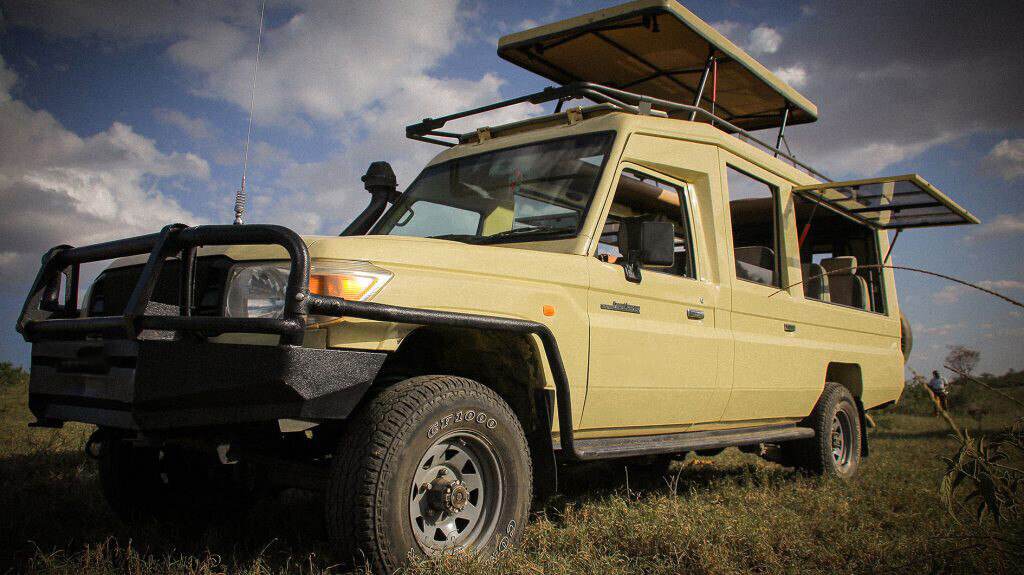
Botswana Visa Requirements: Your Comprehensive Planning Guide
Planning an unforgettable adventure to Botswana, a jewel of Southern Africa renowned for its pristine wilderness and incredible wildlife, requires careful preparation. Among the most critical aspects of this preparation are understanding the Botswana visa requirements. Whether you’re dreaming of a luxury Okavango Delta safari, exploring the vast Kalahari Desert, or experiencing the unique Chobe National Park, knowing the entry regulations well in advance will ensure a smooth and stress-free journey. This guide aims to provide you with all the necessary details for Botswana visa requirements in 2026 and 2027, covering who needs one, how to apply, and essential tips for travelers.
Quick Answer: Many nationalities can enter Botswana visa-free for tourism purposes for up to 90 days. However, specific requirements vary based on your nationality, the purpose of your visit, and the duration of your stay. It is crucial to verify the latest Botswana visa requirements with your local embassy or consulate.
Table of Contents
- Botswana Visa Quick Facts
- Botswana Entry and Visa Overview
- Why Understanding Botswana Visa Requirements is Crucial
- Best Time to Visit Botswana (and Visa Considerations)
- Main Entry Points into Botswana
- Visa Exemptions: Who Doesn’t Need a Visa?
- Botswana Visa on Arrival
- Applying for a Botswana Visa in Advance
- Commonly Required Documents for Botswana Visas
- Types of Botswana Visas
- Botswana Transit Visa
- Botswana Business Visa
- Botswana Work Visa
- Botswana Student Visa
- Other Botswana Visa Categories
- Botswana Visa Fees
- Botswana Visa Processing Times
- Travel Insurance and Visa Requirements
- Health Requirements (Vaccinations & COVID-19)
- Entry Requirements Beyond the Visa
- What to Expect at Immigration
- Common Mistakes to Avoid Regarding Botswana Visa Requirements
- Who is Botswana Best For?
- Alternatives to Botswana
- Planning Your Trip for 2026-2027: Visa & Beyond
- Booking Your Botswana Adventure: Visa & Tour Operator Advice
- Frequently Asked Questions About Botswana Visa Requirements
Botswana Visa Quick Facts
| Aspect | Details |
|---|---|
| Visa Requirement | Varies by nationality. Many are visa-exempt for tourism. |
| Visa-Exempt Duration | Typically up to 90 days for tourism for many nationalities. |
| Visa on Arrival | Possible for some nationalities, but not guaranteed. Check in advance. |
| Visa Application | Can be applied for in advance at embassies/consulates or sometimes online. |
| Passport Validity | Must be valid for at least 6 months beyond your intended stay and have blank pages. |
| Purpose of Visit | Crucial for determining visa type (tourism, business, work, etc.). |
| Official Source | Botswana Department of Immigration and Citizenship, local embassies. |
Botswana Entry and Visa Overview
Botswana is celebrated for its commitment to conservation and low-impact tourism, offering some of the most exclusive safari experiences in Africa. When planning your trip, navigating the Botswana visa requirements is a key step. The country generally has a welcoming policy for tourists, with many nationalities eligible for visa-free entry for short stays. However, this accessibility can sometimes lead to assumptions, and it’s vital to have accurate, up-to-date information. This guide will break down the nuances of entry regulations, ensuring you are fully prepared for your Botswana adventure.
The primary goal of Botswana’s visa policy is to facilitate tourism and legitimate business while maintaining security. For most visitors from Europe, North America, Australia, and New Zealand, short tourist stays often do not require a pre-arranged visa. However, for citizens of other countries, or for those planning extended stays or specific activities like work or study, an application will likely be necessary. The process can involve applying at a Botswana embassy or consulate in your home country or country of residence, and in some cases, a visa may be obtainable upon arrival. Always confirm the latest regulations for your specific nationality.
Why Understanding Botswana Visa Requirements is Crucial
Failing to meet Botswana visa requirements can lead to significant disruptions to your travel plans. Imagine arriving at Kasane International Airport or Sir Seretse Khama International Airport only to be denied entry because you didn’t have the correct visa or documentation. This could result in immediate deportation, financial loss from non-refundable bookings, and immense stress.
Understanding the visa rules ensures:
- Smooth Entry: You pass through immigration without delays or complications.
- Legal Compliance: You adhere to Botswana’s immigration laws, avoiding fines or future travel bans.
- Peace of Mind: You can focus on enjoying your safari or holiday, knowing all administrative aspects are handled.
- Accurate Planning: You can budget correctly for visa fees (if applicable) and allocate sufficient time for the application process.
For travelers planning for 2026 and 2027, it’s especially important to be aware that immigration policies can change. While major shifts are uncommon for established tourist routes, staying informed is always best practice. We will cover how to get the most current information later in this guide.
Best Time to Visit Botswana (and Visa Considerations)
Botswana offers distinct experiences throughout the year, each with its own appeal. Understanding the best time to visit often aligns with understanding visa processing times and potential peak travel seasons.
Dry Season (May to October): This is the peak tourist season. Wildlife congregates around permanent water sources, making game viewing excellent. The weather is cooler and sunny. During this period, visa application centers might be busier, and processing times could be longer. If you plan to visit during these months, especially for 2026 or 2027, it’s advisable to start your visa application process even earlier than usual.
Wet Season (November to April): This is the low season, also known as the green season. The landscape is lush and beautiful, and migratory birds arrive. This is a great time for birdwatching and photography. Fewer tourists mean potentially faster visa processing, but some lodges and camps may close or operate with reduced services. Rain can also affect travel, particularly to remote areas.
Shoulder Seasons (April/May and October/November): These months offer a balance of good weather, wildlife viewing, and fewer crowds. Visa processing is generally more predictable during these times.
Regardless of when you plan to visit, checking Botswana visa requirements well in advance is essential. For peak season travel in 2026-2027, applying at least 2-3 months before your departure is recommended if a visa is required.
Main Entry Points into Botswana
Botswana has several international airports and border crossings. Understanding these points is useful for planning your itinerary and knowing where you might encounter immigration officials. Your visa status will be checked at your first point of entry into the country.
- Sir Seretse Khama International Airport (Gaborone – GBE): The main international gateway, serving the capital city.
- Kasane International Airport (BBK): Located in the Chobe District, this is a popular entry point for those heading to Chobe National Park, Victoria Falls (Zimbabwe/Zambia), and the Caprivi Strip (Namibia).
- Maun International Airport (MUB): The primary gateway to the Okavango Delta and the Central Kalahari Game Reserve. Many safari flights depart from here.
- Francistown International Airport (FRW): Serves the second-largest city, often used for regional travel.
- Land Borders: Botswana shares borders with South Africa, Namibia, Zimbabwe, and Zambia. Major crossings include Tlokweng (Botswana-South Africa), Kazungula (Botswana-Zambia), and Pandamatenga (Botswana-Zimbabwe).
When arriving at any of these points, you will need to present your passport, and if required, your visa. Ensure your passport has sufficient validity and blank pages, as this is a standard requirement at all immigration checkpoints.
Visa Exemptions: Who Doesn’t Need a Visa?
Botswana has a generous visa exemption policy for many nationalities for tourism and short business visits. The purpose of your visit is key to determining if you fall under these exemptions.
Citizens of the following countries are generally exempt from needing a visa for stays of up to 90 days (though always verify the latest regulations):
- European Union (EU) Member States
- United Kingdom
- United States of America
- Canada
- Australia
- New Zealand
- South Africa
- Most Commonwealth countries
- Many other countries
Important Note: Even if you are from a visa-exempt country, you must still meet other entry requirements, such as having a valid passport, sufficient funds, and proof of onward or return travel. The duration of stay allowed without a visa can sometimes be extended upon application to the Department of Immigration and Citizenship.
For the most accurate and up-to-date list of visa-exempt countries and the specific durations allowed, consult the official website of the Botswana Department of Immigration and Citizenship or the nearest Botswana embassy or consulate. This is particularly important for planning travel in 2026-2027, as policies can evolve.
Botswana Visa on Arrival
For some nationalities not covered by the visa exemption, a Botswana visa on arrival might be an option. This means you can obtain your visa at the port of entry (airport or land border). However, relying on a visa on arrival can be risky.
Key points about visas on arrival:
- Not Guaranteed: Immigration officials have the final say. You might be denied entry if you lack specific documentation or if they deem your purpose of visit not covered by the on-arrival visa policy.
- Processing Delays: There can be queues and delays at immigration, especially during peak hours or seasons, which can impact your onward travel plans.
- Documentation Requirements: You will still need to present all required documents (passport, photos, proof of funds, itinerary, etc.) at the border.
- Limited Categories: On-arrival visas are typically only for tourism or short business visits. Other purposes usually require a pre-arranged visa.
Recommendation: If your nationality requires a visa, it is strongly recommended to apply for your Botswana visa in advance through a Botswana embassy or consulate. This provides certainty and peace of mind. If you are considering a visa on arrival for your 2026-2027 trip, contact the nearest Botswana diplomatic mission for confirmation and specific requirements.
Applying for a Botswana Visa in Advance
For nationalities that require a visa, or for those who prefer the certainty of having their visa secured before traveling, applying in advance is the recommended route. The process generally involves:
- Identify the Correct Visa Type: Determine if you need a tourist, business, transit, or other type of visa based on your travel purpose.
- Locate the Nearest Botswana Embassy or Consulate: Find the official diplomatic mission responsible for your country of residence. Many countries have embassies in major capitals (e.g., London, Washington D.C., Berlin).
- Download the Application Form: Obtain the official visa application form from the embassy’s website or request it directly.
- Gather Required Documents: Collect all necessary supporting documents. This typically includes your passport, passport-sized photos, proof of accommodation, flight itinerary, proof of financial means, and a cover letter explaining your travel plans. Specific requirements vary by visa type and nationality.
- Submit Your Application: Submit the completed form and all supporting documents, along with the visa fee, either in person, by mail, or sometimes online, depending on the embassy’s procedures.
- Attend an Interview (if required): Some applications may require an in-person interview.
- Wait for Processing: Allow ample time for the visa to be processed. Processing times can vary significantly.
Tip for 2026-2027 Travel: Start this process at least 2-3 months before your intended departure date, especially if applying during peak travel seasons or if you anticipate any complications.
Commonly Required Documents for Botswana Visas
While specific requirements can vary, here is a general list of documents often needed when applying for a Botswana visa. Always confirm the exact list with the specific embassy or consulate where you are applying.
- Valid Passport: Must be valid for at least six months beyond your intended stay and have at least two blank pages for visa stamps.
- Completed Visa Application Form: Filled out accurately and completely.
- Passport-Sized Photographs: Recent, in color, with a white background. The number required can vary.
- Proof of Accommodation: Confirmed hotel bookings or a letter of invitation if staying with friends or family.
- Travel Itinerary: A detailed plan of your trip, including dates, locations, and activities. For safaris, this might include details of your tour operator.
- Proof of Sufficient Funds: Bank statements or pay slips showing you have enough money to cover your expenses during your stay.
- Return or Onward Ticket: Proof that you intend to leave Botswana.
- Cover Letter: A personal letter explaining the purpose of your visit and your travel plans.
- Visa Fee Payment: Proof of payment of the required visa fee.
- Yellow Fever Vaccination Certificate: Required if arriving from or transiting through a country with a risk of yellow fever.
For business visas, you would also need a letter from your employer and an invitation letter from the Botswana-based company.
Types of Botswana Visas
Botswana offers various visa categories to suit different travel purposes. Understanding which category applies to you is fundamental to meeting the Botswana visa requirements.
Botswana Transit Visa
If you are passing through Botswana to reach another destination and will be staying for a short period (usually less than 48 hours), you may need a transit visa. This is typically required if you are leaving the international transit area of the airport or crossing land borders.
Botswana Business Visa
For individuals traveling to Botswana for business purposes, such as attending meetings, conferences, or exploring investment opportunities. This usually requires an invitation letter from the Botswana-based company or organization.
Botswana Work Visa
This is for individuals who have secured employment in Botswana and intend to work. The application process is usually more complex and requires sponsorship from a Botswana-based employer who must demonstrate that the skills required are not readily available locally.
Botswana Student Visa
For those planning to study at a recognized educational institution in Botswana. You will need an acceptance letter from the institution.
Other Botswana Visa Categories
Botswana may also issue visas for other purposes, such as:
- Visitor’s Visa: The most common type for tourism.
- Spouse/Dependent Visa: For spouses or dependents of residents or citizens.
- Retirement Visa: For individuals retiring in Botswana.
It is crucial to select the correct visa category when applying to avoid rejection.
Botswana Visa Fees
Visa fees vary depending on the applicant’s nationality and the type of visa applied for. Some nationalities are exempt from fees, while others will need to pay a specific amount. Fees can range from a nominal amount to a more substantial sum. Payments are usually made in the local currency of the country where you are applying or in a designated convertible currency.
Important Considerations:
- Non-Refundable: Visa application fees are generally non-refundable, even if your application is denied.
- Check with Embassy: Always confirm the exact fee and accepted payment methods with the specific Botswana embassy or consulate where you are applying.
- No Hidden Costs: Be wary of unofficial sources that might quote different prices. Stick to official channels.
For planning your 2026-2027 travel budget, factor in potential visa costs if your nationality requires one. If you’re booking a safari with a tour operator, they may be able to advise on any associated visa costs or requirements relevant to your itinerary.
Botswana Visa Processing Times
Processing times for Botswana visas can vary significantly. This is a critical factor when planning your trip, especially for travel in 2026-2027.
- Standard Tourist Visas: For nationalities requiring a visa, processing can typically take anywhere from 7 to 30 working days.
- Business or Work Visas: These often require more extensive checks and can take longer, sometimes up to 60 days or more.
- Peak Seasons: During busy travel periods (e.g., June-August), processing times may be extended.
- Embassy Workload: The workload and efficiency of the specific embassy or consulate can also influence processing times.
Recommendation: To avoid last-minute stress, it is highly advisable to apply for your visa at least 2 to 3 months before your intended departure date. This buffer allows for any unexpected delays or requests for additional information.
Travel Insurance and Visa Requirements
While travel insurance is not always a mandatory Botswana visa requirement for entry, it is an essential component of responsible travel planning. Many countries require proof of travel insurance for certain visa types or as a general condition of entry, especially for longer stays or specific circumstances. Botswana generally does not strictly mandate travel insurance for visa-free tourists, but it is highly recommended.
Why Travel Insurance is Crucial for Botswana:
- Medical Emergencies: Botswana’s remote safari locations can mean limited access to advanced medical facilities. Comprehensive travel insurance covers medical evacuation and treatment.
- Trip Cancellations/Interruptions: Unexpected events can force you to cancel or cut short your trip. Insurance can cover non-refundable costs.
- Lost Luggage/Personal Belongings: Protects against financial loss if your belongings are lost or stolen.
- Activities: Ensure your policy covers adventure activities common on safaris, such as game drives, walking safaris, and boat trips.
Tip: When purchasing travel insurance for your 2026-2027 Botswana trip, read the policy carefully to ensure it provides adequate coverage for your planned activities and destinations. Some tour operators may require you to have specific insurance coverage.
Health Requirements (Vaccinations & COVID-19)
While not strictly Botswana visa requirements, health regulations are critical for entry and must be considered.
Yellow Fever: A Yellow Fever vaccination certificate is required for travelers arriving from or transiting through a country with a risk of Yellow Fever transmission. This includes many countries in Africa and South America. If you are not arriving from such a country, you typically do not need this certificate.
Other Vaccinations: It is recommended to consult your doctor or a travel clinic 4-6 weeks before your trip regarding routine vaccinations and others recommended for Botswana, such as Hepatitis A, Typhoid, and Tetanus. Malaria prophylaxis is also often recommended for certain areas, especially during the wet season.
COVID-19: As of recent information, most COVID-19 related entry restrictions (like vaccination proof or PCR tests) have been lifted for Botswana. However, travel regulations can change rapidly. It is essential to check the latest health advisories and entry requirements from official sources closer to your travel dates in 2026-2027.
Entry Requirements Beyond the Visa
Even if you are visa-exempt, you must satisfy other conditions at the point of entry to be granted permission to enter Botswana.
- Valid Passport: As mentioned, must be valid for at least six months beyond your stay and have blank pages.
- Return or Onward Ticket: Proof that you intend to leave Botswana. This is a standard immigration requirement worldwide.
- Sufficient Funds: Immigration officers may ask for proof that you have enough money to support yourself during your stay. This could be bank statements, credit cards, or cash.
- Purpose of Visit Confirmation: Be prepared to explain the purpose of your visit and provide details about your accommodation and itinerary. If you are on a tour, having booking confirmations and contact details for your tour operator is helpful.
- Yellow Fever Certificate: As noted above, if required based on your travel history.
Having all your documents organized and readily accessible will significantly speed up the immigration process.
What to Expect at Immigration
Upon arrival at any port of entry in Botswana, you will proceed to the immigration counter. The process is generally straightforward for most tourists.
- Queue: Join the appropriate queue (e.g., for citizens, residents, or visitors).
- Present Documents: When it’s your turn, present your passport, completed arrival card (if provided), visa (if applicable), and any other requested documents (like your return ticket or proof of funds).
- Questioning: The immigration officer may ask you questions about your trip, such as the purpose of your visit, duration of stay, where you will be staying, and your onward travel plans. Answer clearly and honestly.
- Biometrics: Some ports of entry may require fingerprint scanning.
- Visa Stamp/Entry Permit: If you are granted entry, the officer will stamp your passport with an entry permit, specifying the duration of your allowed stay. For visa-exempt visitors, this permit is crucial as it dictates how long you can legally remain in the country.
Tip: Be polite, patient, and have all your documentation organized. If you are traveling with a tour operator, having their contact information handy can be reassuring for immigration officials.
Common Mistakes to Avoid Regarding Botswana Visa Requirements
Navigating visa requirements can be complex. Here are common mistakes travelers make that could lead to issues:
- Assuming Visa-Free Entry: Relying on outdated information or assuming your nationality is visa-exempt without double-checking the latest official regulations for 2026-2027.
- Incorrect Visa Type: Applying for the wrong type of visa (e.g., tourist instead of business) which can lead to rejection.
- Insufficient Passport Validity: Traveling with a passport that expires too soon after your intended return date.
- Incomplete Application: Not filling out the visa application form accurately or missing required documents.
- Underestimating Processing Times: Applying too late, especially for peak travel seasons, leading to stress and potential trip cancellation.
- Not Having Proof of Onward Travel: Failing to have a confirmed return or onward flight ticket, which is a common requirement.
- Insufficient Funds: Not being able to demonstrate you have adequate financial resources for your stay.
- Ignoring Health Requirements: Not having the necessary Yellow Fever certificate if required, or neglecting recommended vaccinations.
Avoiding these pitfalls by thorough research and careful planning is key to a successful trip.
Who is Botswana Best For?
Botswana is a premier destination for travelers seeking an authentic, high-quality safari experience with a focus on wildlife and conservation. It is particularly suited for:
- Wildlife Enthusiasts: Those who want to see the Big Five, vast herds of elephants, and diverse birdlife in their natural, unspoiled habitats.
- Photographers: The stunning landscapes and abundant wildlife offer incredible photographic opportunities.
- Luxury Travelers: Botswana is known for its exclusive, high-end lodges and mobile camping safaris that offer comfort and exceptional service in remote wilderness areas.
- Eco-Conscious Travelers: Visitors who appreciate and support sustainable tourism practices and conservation efforts.
- Those Seeking Solitude: Botswana’s low-volume tourism policy means fewer crowds, offering a more intimate and exclusive experience.
- Adventure Seekers: From mokoro (dugout canoe) excursions in the Delta to walking safaris and quad biking in the desert, there are plenty of adventurous activities.
While Botswana offers incredible experiences, it might be less ideal for budget backpackers or those seeking bustling city life and extensive nightlife. The focus is firmly on the natural world.
Alternatives to Botswana
If Botswana’s specific offerings or visa requirements don’t align with your travel plans, several other Southern African destinations provide exceptional safari experiences:
| Destination | Key Features | Visa Considerations (General) | Best For |
|---|---|---|---|
| Tanzania | Serengeti, Ngorongoro Crater, Mount Kilimanjaro, Zanzibar beaches. Diverse ecosystems and iconic wildlife migrations. | Visa often required for many nationalities, can be obtained online or on arrival for some. Check specific requirements. | Classic safari, Great Migration, mountain climbing, cultural tours, beach holidays. |
| South Africa | Kruger National Park, Cape Town, Garden Route. Excellent infrastructure, diverse landscapes, and wildlife. | Visa-free entry for many nationalities for short stays. Generally straightforward. | Self-drive safaris, diverse activities, wine regions, culture, affordability. |
| Zimbabwe | Victoria Falls, Hwange National Park, Mana Pools National Park. Known for its elephant populations and dramatic landscapes. | Visa often required, can be obtained on arrival for many nationalities. Check current regulations. | Victoria Falls, elephant viewing, walking safaris, unique riverine wildlife. |
| Namibia | Etosha National Park, Sossusvlei dunes, Skeleton Coast. Dramatic desert landscapes and unique wildlife adapted to arid conditions. | Visa-free entry for many nationalities for short stays. | Desert landscapes, unique desert-adapted wildlife, self-drive adventures, stargazing. |
When considering alternatives, always research their specific visa requirements, best travel times, and the type of experience they offer to ensure they match your expectations.
Planning Your Trip for 2026-2027: Visa & Beyond
Planning a trip to Botswana for 2026 or 2027 requires foresight, especially concerning visa regulations and the booking of popular accommodations and tours. Here’s a strategic approach:
- Determine Your Travel Dates: Decide on the season that best suits your interests (e.g., dry season for peak game viewing, wet season for lush landscapes and birding).
- Check Botswana Visa Requirements: Immediately verify the visa rules for your specific nationality for the 2026-2027 period. Visit the official website of the Botswana Department of Immigration and Citizenship or the nearest embassy. If a visa is required, note the application process, fees, and processing times.
- Book Flights: International flights to Botswana can be booked well in advance, especially for popular travel periods.
- Secure Accommodation/Tours: Botswana’s high-end lodges and popular safari camps book up 9-12 months in advance, particularly for peak season in 2026-2027. Work with a reputable tour operator who can assist with securing these bookings and crafting an itinerary that aligns with your interests and visa timeline.
- Apply for Visa (if needed): Begin your visa application process as soon as your travel dates are confirmed, allowing at least 2-3 months for processing.
- Arrange Travel Insurance: Purchase comprehensive travel insurance that covers medical emergencies, evacuation, and trip cancellations.
- Health Preparations: Consult your doctor about necessary vaccinations and malaria prophylaxis well in advance.
- Finalize Itinerary: Confirm all details of your trip, including transfers and internal flights.
A structured approach ensures that all aspects, from visa compliance to enjoying the best of Botswana’s wildlife, are covered.
Booking Your Botswana Adventure: Visa & Tour Operator Advice
Booking a safari or holiday in Botswana can be a complex undertaking, involving international flights, internal transfers, lodges, and activities. Partnering with an experienced tour operator can simplify the process significantly, especially when it comes to navigating Botswana visa requirements and ensuring a well-coordinated trip.
How a Tour Operator Can Help:
- Visa Guidance: While they cannot apply for your visa for you, reputable operators can provide up-to-date information on visa requirements for your nationality and advise on the best timing for applications based on your itinerary.
- Itinerary Planning: They can craft personalized itineraries that maximize your wildlife viewing opportunities and suit your travel style, considering the best camps and lodges for your interests.
- Booking and Logistics: They handle bookings for accommodation, internal flights, and transfers, often securing better rates and ensuring smooth transitions between locations.
- Expert Knowledge: Operators have on-the-ground knowledge of Botswana, including seasonality, wildlife patterns, and the best times to visit specific regions.
- Support: They offer support before, during, and after your trip, acting as a crucial point of contact for any issues that may arise.
When to Book: For peak seasons in 2026-2027, book at least 9-12 months in advance. For the shoulder or low seasons, 6-9 months is generally sufficient.
When contacting a tour operator, be sure to:
- Inquire about their experience with clients from your country.
- Ask for sample itineraries that match your interests.
- Discuss their advice regarding Botswana visa requirements and health recommendations.
Contact Us for Expert Planning:
Ready to plan your dream Botswana safari? Let our experienced team at Best Tanzania Tour Operator guide you through every step. We specialize in creating unforgettable African adventures. Reach out to us:
WhatsApp: +255616946642
Email: topguideadventures@gmail.com
Backup Email: info@topguideadventures.com
Frequently Asked Questions About Botswana Visa Requirements
1. Do I need a visa for Botswana if I am a US citizen?
US citizens are generally exempt from needing a visa for short tourist stays in Botswana, typically for up to 90 days. However, you must ensure your passport is valid for at least six months beyond your stay and has blank pages. Always verify the latest regulations before your trip.
2. Can I get a visa on arrival in Botswana?
For some nationalities, a visa may be available on arrival for tourism or short business visits. However, it is not guaranteed, and processing can cause delays. It is strongly recommended to apply for your visa in advance through a Botswana embassy or consulate if your nationality requires one.
3. How long does it take to get a Botswana visa?
Processing times vary, but typically range from 7 to 30 working days for standard tourist visas. Business or work visas may take longer. It is advisable to apply at least 2-3 months in advance of your travel dates for 2026-2027.
4. What is the validity of a Botswana visa?
The validity of a Botswana visa depends on the type of visa issued and the purpose of your visit. Tourist visas are typically issued for stays of up to 30 or 90 days. The passport stamp for visa-exempt visitors also specifies the duration of stay allowed, usually up to 90 days.
5. Do children need a visa for Botswana?
Yes, children, like adults, require a visa if their nationality necessitates it. The same rules apply regarding visa exemptions and application processes for minors.
6. What happens if my visa application for Botswana is rejected?
If your visa application is rejected, you will usually be informed of the reasons. You may be able to reapply if you can address the issues that led to the rejection. If you are visa-exempt, you could still be denied entry at the border if you do not meet other requirements, such as having sufficient funds or proof of onward travel.
7. Do I need to provide proof of accommodation for my Botswana visa application?
Yes, proof of accommodation is typically required. This can be confirmed hotel bookings, a safari package confirmation from a tour operator, or a letter of invitation if you are staying with friends or family.
8. Is a Yellow Fever certificate mandatory for entry into Botswana?
A Yellow Fever vaccination certificate is mandatory only if you are arriving from, or have transited through, a country with a risk of Yellow Fever transmission. If you are arriving directly from countries like the USA, UK, or many European nations without such transit, it is usually not required. Always check the latest health advisories.
9. Can I extend my stay in Botswana if my visa or entry permit is about to expire?
Yes, it is often possible to extend your stay in Botswana by applying for an extension at the Department of Immigration and Citizenship offices in Botswana. However, extensions are not guaranteed and depend on the discretion of the immigration authorities and the type of permit you hold.
10. What are the passport requirements for Botswana?
Your passport must be valid for at least six months beyond your intended date of departure from Botswana and must contain at least two blank pages for entry and exit stamps. Ensure your passport is in good condition.
Your Botswana Adventure Awaits
Botswana offers an unparalleled safari experience, from the watery wilderness of the Okavango Delta to the vast plains of the Kalahari and the elephant-rich Chobe National Park. Understanding the Botswana visa requirements is a foundational step in planning your dream trip for 2026-2027. By thoroughly researching and preparing, you can ensure a smooth entry and focus on the incredible wildlife and landscapes that await you.
We are passionate about helping travelers experience the magic of Africa. Whether you’re planning a Botswana safari or exploring other destinations like Tanzania, our team is here to assist.
Contact us today to start planning your unforgettable journey:
WhatsApp: +255616946642
Email: topguideadventures@gmail.com
Backup Email: info@topguideadventures.com
Plan your Botswana visa requirements with Top Guide Adventures
Tell us your travel dates, group size, comfort level, and dream experience. We will help you shape a clear, realistic, and memorable Tanzania itinerary.







 Veedesigner
 Fatma Kizanga
 Benjamin Waryuba
 Philip Philip
 John jr Itaja
 Antonia Optatus
 Edith Kanyere
 Neema Iddy
 Kelvin Boniphace
 Damari Maiga



