
Updated planning guide for 2026-2027
Flight Itinerary For African Safaris: Essential Planning Guide
Planning your dream African safari involves more than just packing binoculars. A well-structured flight itinerary is crucial for a smooth and memorable adventure. This guide details everything you need to know for 2026-2027.
WhatsApp +255616946642 | topguideadventures@gmail.com | info@topguideadventures.com
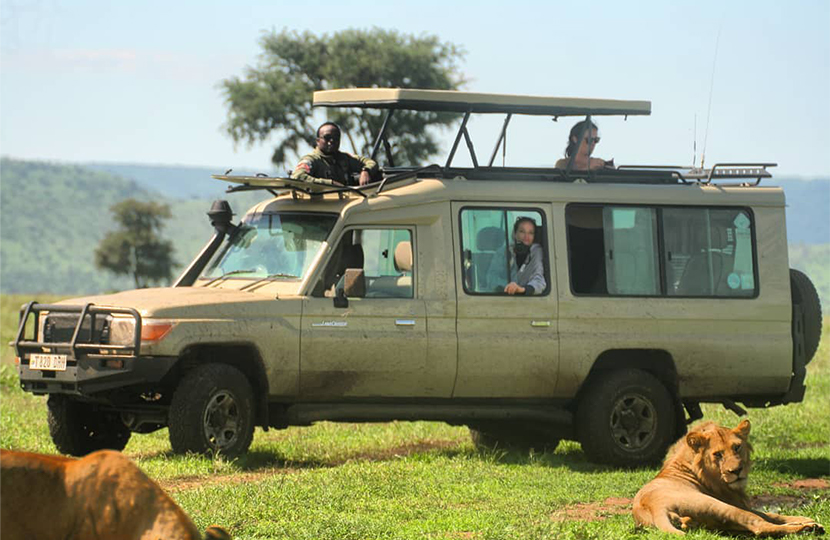
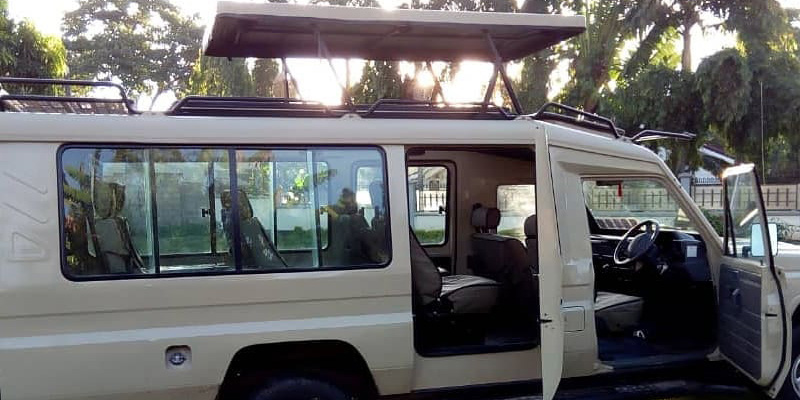
Flight Itinerary For African Safaris: Your Comprehensive Planning Guide
An African safari is a bucket-list experience, a journey into wild landscapes teeming with iconic wildlife. While the thrill of spotting lions, elephants, and rhinos is paramount, the practicalities of getting there often present a significant planning hurdle. A carefully crafted flight itinerary for African safaris is the backbone of a successful trip, ensuring you maximize your time in the wilderness and minimize travel stress. This guide is designed to walk you through every step, from initial considerations to booking your flights, with practical advice for planning your safari in 2026 and 2027.
What is a Safari Flight Itinerary?
Simply put, a safari flight itinerary is the detailed plan of your air travel to, within, and from your safari destination. This includes international flights to major African gateways, and often, internal flights or charter services connecting you to remote safari lodges and airstrips. For many, especially those visiting vast countries like Tanzania, Kenya, or Botswana, relying solely on road travel between distant parks can consume valuable safari time. Therefore, a well-thought-out flight plan is essential.
| Aspect | Details |
|---|---|
| Primary Goal | Efficient and comfortable travel to safari destinations. |
| Key Components | International flights, regional connections, internal charter/scheduled flights. |
| Considerations | Cost, time, luggage restrictions, visa requirements, park access, seasonality. |
| Best Time to Plan | 6-12 months in advance for international flights, 3-6 months for internal/charter. |
| Common Challenges | Flight delays, missed connections, baggage limitations, remote airstrip access. |
Why Your Flight Itinerary Matters for an African Safari
The success of your safari hinges on logistical precision. A well-planned flight itinerary directly impacts:
- Time Efficiency: Africa is vast. Flying between parks can save hours, even days, of driving. This means more time for game drives and enjoying your safari experience.
- Comfort and Accessibility: Long drives on dusty roads can be tiring. Internal flights offer a quicker, more comfortable way to reach remote lodges or camps, often located far from major airports.
- Access to Exclusive Locations: Some of the most pristine and exclusive safari areas are only accessible by light aircraft.
- Cost Optimization: While internal flights add to the cost, booking them strategically can sometimes be more economical than extensive ground transfers, especially for multi-destination safaris. It also allows you to budget more accurately.
- Luggage Management: Light aircraft have strict weight and size limits for luggage. Understanding these early on is critical.
Understanding the Components of a Safari Flight Itinerary
A typical flight itinerary for African safaris involves several stages:
1. International Flights
These are your flights from your home country to a major international airport in Africa. Common gateways for East African safaris include:
- Kilimanjaro International Airport (JRO), Tanzania: Gateway to the Northern Circuit (Serengeti, Ngorongoro, Tarangire, Lake Manyara) and Mount Kilimanjaro.
- Julius Nyerere International Airport (DAR), Dar es Salaam, Tanzania: Gateway to Southern Tanzania parks (Selous, Ruaha) and Zanzibar.
- Nairobi’s Jomo Kenyatta International Airport (NBO), Kenya: Gateway to Kenyan parks (Maasai Mara, Amboseli, Samburu) and often a transit point for Tanzania.
- Entebbe International Airport (EBB), Uganda: For gorilla trekking and wildlife safaris in Uganda.
Planning Tip: Book international flights 6-12 months in advance, especially if traveling during peak seasons (June-October, December-February). Consider the layover times and the overall journey duration.
2. Regional Flights
Sometimes, you might need to fly between major African hubs. For instance, flying from Nairobi (NBO) to Kilimanjaro (JRO) or to Zanzibar (ZNZ) can be more efficient than long overland journeys or complex international connections.
3. Internal Flights & Charter Services
This is where the safari-specific itinerary truly comes into play. Most safari circuits involve flying between national parks or reserves. These are typically operated by small airlines or charter companies using light aircraft (e.g., Cessna Caravans, Twin Otters) that land on remote airstrips.
- Scheduled Internal Flights: Services like Coastal Aviation, Auric Air, or Precision Air operate regular routes between major airports and popular park airstrips (e.g., Serengeti Airstrips like Seronera, Kogatende, Grumeti; Arusha Airport; Zanzibar).
- Charter Flights: For ultimate flexibility, privacy, and access to very remote locations, private charter flights can be arranged. These are more expensive but offer a bespoke travel experience.
Luggage Warning: Most light aircraft have a strict luggage limit, typically 15-20 kg (33-44 lbs) per person, packed in soft-sided duffel bags (no hard suitcases). This is a critical detail for packing.
Best Time to Visit & Its Impact on Your Itinerary
The timing of your safari significantly influences the wildlife viewing, weather, and crowd levels, which in turn affects flight availability and cost. For 2026-2027, consider these periods:
- Dry Season (June to October): The most popular time. Wildlife congregates around water sources, making them easier to spot. Skies are generally clear. This is peak season, meaning higher prices and more demand for flights. Book well in advance.
- Short Rains (November to December): A transitional period. Landscapes are greener, and there are fewer tourists. Wildlife is still relatively easy to find. Flight prices may start to decrease.
- Long Rains (March to May): The low season. Lush scenery, migratory birds arrive, and prices are lowest. However, some roads can become impassable, and game viewing can be more challenging due to vegetation and dispersed animals. Some remote camps might close, affecting flight routes.
- Green Season (January to February): Good for birdwatching and calving season in areas like the Serengeti. Weather is generally good, with occasional short showers. It’s a shoulder season, offering a balance of good conditions and fewer crowds than the peak dry season.
Itinerary Logic: If you’re aiming for the Great Migration in the Serengeti, your flight itinerary will need to align with its known location (e.g., Kogatende/Lamai in the north from July-October, or Ndutu/Ngorongoro Conservation Area in the south from December-March). Your tour operator will guide this.
| Day | Location | Activities | Flight/Transfer Considerations |
|---|---|---|---|
| 1 | Arrive JRO, Transfer to Arusha | Meet & Greet, relax | International flight to JRO. Road transfer to Arusha hotel. |
| 2 | Arusha to Tarangire NP | Full-day game drive | Road transfer (approx. 2-3 hours). |
| 3 | Tarangire to Ngorongoro | Morning game drive, transfer | Road transfer (approx. 2-3 hours). |
| 4 | Ngorongoro Crater to Serengeti NP | Crater game drive, drive to Serengeti | Road transfer to a Serengeti airstrip (e.g., Seronera). Internal flight to Seronera. |
| 5 | Serengeti NP | Full-day game drives | Internal flights between Serengeti airstrips if moving locations, or vehicle for game drives. |
| 6 | Serengeti NP to Arusha | Morning game drive, fly to Arusha | Internal flight from Serengeti airstrip to Arusha Airport (ARK). |
| 7 | Depart Arusha/JRO | Leisurely morning, transfer | Road transfer to JRO for international departure. |
Crafting Your Flight Itinerary: Step-by-Step
Building a practical flight itinerary for African safaris requires careful thought and coordination. Here’s a structured approach:
Step 1: Define Your Safari Goals & Destinations
What do you want to see? Which animals are you most interested in? Which countries or parks appeal most? Your answers will dictate the logical flow of your trip and the necessary flights.
- Northern Tanzania: Serengeti, Ngorongoro, Tarangire, Lake Manyara. Best accessed via JRO. Often involves internal flights between parks.
- Southern Tanzania: Selous Game Reserve, Ruaha National Park. Best accessed via DAR. Often involves internal flights or longer road transfers.
- Kenya: Maasai Mara, Amboseli, Samburu. Best accessed via NBO. Similar internal flight network to Tanzania.
- Other Destinations: Uganda (gorillas), Rwanda (gorillas), Botswana (Okavango Delta), Zambia (South Luangwa), etc., each have their own primary gateways and internal flight networks.
Step 2: Determine Your Travel Dates & Duration
Consider the best time to visit your chosen destinations and how much time you have. This will help you decide whether to focus on one region or combine multiple areas.
Step 3: Consult with Your Tour Operator
This is arguably the most crucial step. A reputable local tour operator like Top Guide Adventures will have in-depth knowledge of flight schedules, airstrip locations, luggage restrictions, and the most efficient routes. They can:
- Recommend the best order of parks based on your interests and the season.
- Book all internal and charter flights for you.
- Ensure smooth transitions between flights and ground transfers.
- Advise on visa requirements and airport procedures.
Example: For a 2026 or 2027 safari, contacting your operator 9-12 months in advance is ideal for securing preferred flights and accommodations.
Step 4: Research International Flights
Once your safari itinerary is somewhat defined, start looking at international flights. Use flight comparison websites, but also consider booking directly with airlines or through a travel agent. Pay attention to:
- Arrival Airport: Ensure it aligns with your safari start point (e.g., JRO for Northern Tanzania).
- Arrival Time: Aim to arrive in the morning or early afternoon to allow ample time for immigration, baggage claim, and transfer to your first night’s accommodation without rushing.
- Departure Time: Ensure you have enough time to get from your last safari location to the international airport, considering potential flight delays.
- Layover Durations: Avoid very short layovers, especially when connecting between international and domestic flights within Africa, as delays are common.
Step 5: Plan Internal & Charter Flights
This is where your tour operator is indispensable. They will coordinate:
- Connecting Flights: Ensuring your international flight arrival allows enough time to connect to your internal flight, or arranging an overnight stay in a gateway city if necessary.
- Airstrip to Lodge Transfers: Confirming that the lodge/camp provides a vehicle to meet you at the airstrip.
- Luggage Compliance: Reminding you of the soft-bag and weight restrictions for each flight.
Step 6: Finalize and Confirm
Once all flights are booked, review your entire itinerary. Double-check dates, times, flight numbers, and confirmation codes. Share this with your tour operator and keep a digital and physical copy with you.
Simplified Tanzania Safari Route Overview
This illustrates a common flow, often utilizing internal flights.
Arusha (ARK/JRO) -> [Internal Flight] -> Serengeti Airstrip (e.g., Seronera/Kogatende) -> [Game Drives/Lodge Stay] -> Serengeti Airstrip -> [Internal Flight] -> Arusha (ARK)
Arusha (ARK/JRO) -> [Road/Flight] -> Tarangire NP -> [Road] -> Ngorongoro Conservation Area -> [Road] -> Ngorongoro Crater -> [Road] -> Arusha (ARK/JRO)
Dar es Salaam (DAR) -> [Internal Flight] -> Selous/Ruaha Airstrip -> [Game Drives/Lodge Stay] -> Selous/Ruaha Airstrip -> [Internal Flight] -> Dar es Salaam (DAR)
Arusha (ARK/JRO) [Internal Flight] -> Zanzibar (ZNZ)
What to Expect on Safari Flights
Safari flights are different from commercial airline travel. Be prepared for:
- Small Aircraft: Typically 10-12 seaters. You might sit next to the pilot.
- Airstrip Experience: Airstrips are often basic, sometimes just a cleared dirt runway. There are usually no formal terminals, just a small waiting area or open-air shelter.
- Scenic Views: The low altitude and clear skies offer breathtaking aerial views of the landscape and wildlife. Keep your camera ready!
- Potential for Delays: Weather (especially during rainy seasons) and operational issues can cause delays. Flexibility is key.
- Luggage Handling: Bags are often loaded onto the roof or side of the plane, so soft-sided duffels are essential.
Packing and Preparation for Your Flights
Given the strict luggage limits on safari flights, smart packing is essential. Your tour operator will provide a detailed packing list, but here are flight-specific considerations:
- Soft-Sided Duffel Bags: Mandatory for internal flights. No rigid suitcases.
- Weight Limit: Adhere strictly to the 15-20 kg (33-44 lbs) limit. Weigh your bags beforehand.
- Carry-on: Pack essentials like medication, camera, valuables, a change of clothes, and important documents in your carry-on.
- Layers: Temperatures can vary from cool mornings to hot afternoons.
- Neutral Colors: Essential for safari clothing to avoid startling wildlife.
- Medications: Carry any personal prescriptions and a basic first-aid kit.
- Documents: Passport, visas, flight confirmations, insurance details.
Pro Tip: If you have excess luggage, discuss options with your tour operator. Sometimes, it can be stored at your hotel in Arusha or Dar es Salaam.
Common Mistakes to Avoid When Planning Your Flight Itinerary
Even with the best intentions, planning safari flights can lead to pitfalls. Avoid these common errors:
- Ignoring Luggage Restrictions: This is the most frequent mistake. Arriving with a hard suitcase or overweight bags can lead to them being left behind, causing significant inconvenience.
- Booking Flights Too Close Together: Allow ample buffer time between international arrivals and internal flights, and between internal flights, to account for delays.
- Not Considering Park Accessibility: Some parks have specific airstrips that are seasonal or better suited for certain times of the year (e.g., migration viewing).
- Underestimating Transfer Times: Factor in time for immigration, baggage collection, customs, and road transfers from the airport to your hotel or next flight.
- Overlooking Visa Requirements: Ensure you have the correct visas for all countries you’ll be visiting or transiting through.
- Assuming All Flights are the Same: Safari flights are not commercial jets. Understand the differences in aircraft, service, and operational procedures.
- Not Using a Local Expert: Trying to book all flights yourself without local knowledge can lead to inefficiencies and missed opportunities.
Who is a Flight-Heavy Safari Itinerary Best For?
A flight itinerary for African safaris, particularly one that incorporates internal flights, is ideal for:
- Time-Conscious Travelers: Those with limited vacation time who want to maximize their wildlife viewing hours.
- Travelers Seeking Comfort: Individuals who prefer to avoid long, bumpy road journeys between distant parks.
- Visitors to Remote Areas: Those who wish to explore exclusive conservancies or lodges only accessible by air.
- Multi-Destination Safari Goers: Travelers visiting multiple parks or countries within a single trip, where overland travel would be impractical.
- Those with Mobility Issues: While not a complete solution, flights can reduce the physical strain of extensive overland travel.
Alternatives to a Flight-Heavy Itinerary
While flights offer convenience, they come at a cost and with luggage restrictions. Consider these alternatives:
- Fully Overland Safaris: Ideal for shorter trips focused on a specific region (e.g., Northern Tanzania circuit). This is often more budget-friendly and allows for more spontaneous stops. However, it involves significant driving time.
- Hybrid Safaris: Combining overland travel for shorter distances with strategic internal flights for longer hops. For example, driving within the Serengeti but flying between Serengeti and Arusha.
- Focusing on One or Two Parks: If you have limited time and prefer not to fly internally, concentrate your safari within a single park or a closely located circuit accessible by road from your arrival airport.
Example: A 5-day safari focusing solely on the Serengeti might be manageable by road from Kilimanjaro, though it would involve long driving days. A 7-day Northern Circuit safari is better suited with at least one internal flight, likely from the Serengeti back to Arusha.
Planning Your 2026-2027 Safari Flight Itinerary
Planning for future travel requires looking ahead. For your 2026 or 2027 safari:
- Early Booking is Key: Start researching and contacting tour operators at least 9-12 months in advance. This is especially true for peak seasons and popular lodges.
- Flexibility with Dates: If possible, have some flexibility with your travel dates. Shifting by a week or two can sometimes result in significant cost savings on international flights.
- Monitor Flight Prices: Keep an eye on international flight prices. Use alerts from flight comparison sites.
- Understand Seasonal Changes: Research how weather patterns and animal movements in 2026-2027 might affect flight routes or park accessibility.
- Work Closely with Your Operator: For Tanzania and East Africa, Top Guide Adventures can provide the most up-to-date information on flight schedules, airstrip conditions, and optimal routing for your specific safari plans in 2026-2027.
Safari Flight Itinerary Planning Checklist
- Define Safari Goals: What wildlife/experiences are priorities?
- Choose Destinations: Which parks/countries fit your goals?
- Set Travel Dates: Consider seasonality and duration.
- Contact Tour Operator: Get expert advice and quotes (e.g., Top Guide Adventures).
- Research International Flights: Gateways, times, costs.
- Confirm Internal Flights: Schedules, airstrips, operators.
- Understand Luggage Rules: Soft bags, weight limits.
- Check Visa Requirements: For all countries involved.
- Book Flights & Accommodation: Aim for 9-12 months ahead.
- Arrange Airport Transfers: From arrival to departure.
- Confirm Lodge Pickups: From safari airstrips.
- Pack Smart: Adhere to luggage restrictions.
- Final Review: All confirmations, documents, and details.
Booking Advice for Your Flight Itinerary
Securing your flights and safari package requires a strategic approach. Here’s how to proceed:
- Choose a Reputable Tour Operator: This is paramount. A local operator like Top Guide Adventures has the ground knowledge and relationships to handle all flight bookings efficiently and cost-effectively. They often have access to consolidated rates.
- Get Detailed Quotes: Ensure your safari quote clearly outlines what is included regarding flights (international vs. internal), transfers, and any associated costs.
- Understand Payment Schedules: Most operators require a deposit to secure bookings, with the balance due closer to the travel date.
- Travel Insurance: Essential for covering flight cancellations, delays, medical emergencies, and lost luggage. Ensure your policy covers safari activities.
- Communicate Clearly: Be explicit about your preferences, budget, and any concerns regarding flights.
- Read the Fine Print: Understand cancellation policies for both flights and safari packages.
For your 2026-2027 safari, engaging with Top Guide Adventures early will ensure you get the best options for your flight itinerary for African safaris. You can reach them via:
- WhatsApp: +255616946642
- Email: topguideadventures@gmail.com
- Backup Email: info@topguideadventures.com
Frequently Asked Questions (FAQs)
What is the typical cost of internal flights for a safari?
The cost of internal flights varies greatly depending on the route, airline, and how far in advance you book. Generally, expect a range of $300-$600 USD per person for a one-way flight between major parks or from a gateway city to a park airstrip. These costs are usually bundled into your overall safari package by the tour operator.
How much luggage can I take on a safari flight?
Most light aircraft operating safari flights have a strict luggage limit of 15-20 kg (33-44 lbs) per person. Crucially, this must be packed in soft-sided duffel bags, not hard suitcases. Always confirm the exact limit with your tour operator.
Can I book my own internal safari flights?
While technically possible, it is highly recommended to let your tour operator handle internal flight bookings. They have established relationships, understand the logistics of airstrip transfers, and can often secure better rates or more convenient schedules. Booking yourself can sometimes lead to missed connections or logistical challenges.
What happens if my international flight is delayed and I miss my internal safari flight?
This is why buffer time is crucial. Reputable tour operators will monitor your international flight’s arrival. If a significant delay causes you to miss a connection, they will work to rebook you on the next available flight, though this might incur additional costs and potentially disrupt your itinerary. Comprehensive travel insurance is vital for covering such eventualities.
Are safari flights safe?
Yes, safari flights operated by reputable companies are generally very safe. These aircraft and pilots adhere to strict safety regulations. However, like any form of air travel, there are inherent risks, and weather conditions can sometimes cause disruptions.
When should I book my flights for a 2026 safari?
For a 2026 safari, especially during peak seasons (June-October), it’s advisable to start planning and booking 9-12 months in advance. This allows ample time to secure preferred international flights and the best internal flight schedules and lodge availability.
What are the main airports for starting a Tanzania safari?
The primary airport for Northern Tanzania safaris (Serengeti, Ngorongoro, Tarangire) is Kilimanjaro International Airport (JRO). For Southern Tanzania safaris (Selous, Ruaha) and Zanzibar, you would typically fly into Julius Nyerere International Airport (DAR) in Dar es Salaam.
Do I need to pack my own snacks or drinks for safari flights?
Generally, no. While safari flights are short, some operators might offer water. It’s more important to ensure you have any personal snacks you might need before heading to the airstrip, as amenities are limited. Your main meals will be at lodges or during game drives.
Can I fly directly from JRO to the Serengeti?
You can fly internationally into JRO and then take a domestic flight from Arusha Airport (ARK) or sometimes directly from JRO (depending on airline and schedule) to various airstrips within the Serengeti (e.g., Seronera, Kogatende). It is not typically a direct international flight.
How do I get from the Serengeti airstrip to my lodge?
Your safari lodge or camp will arrange a vehicle to meet you at the designated airstrip. This transfer is usually part of your safari package and often includes a game drive en route to your accommodation.
Plan Your Unforgettable African Safari Today
A well-organized flight itinerary for African safaris is fundamental to a stress-free and immersive adventure. From selecting the right gateway airport to navigating the nuances of internal flights and luggage restrictions, careful planning ensures you spend more time experiencing the magic of the wild and less time worrying about logistics. For unparalleled expertise in crafting bespoke safari experiences in Tanzania and beyond, trust the local specialists.
Let Top Guide Adventures help you design your perfect safari journey for 2026-2027. We handle the complexities of flight itineraries, accommodation, and ground arrangements, allowing you to focus on the incredible wildlife encounters ahead.
Ready to start planning? Contact us today:
- WhatsApp: +255616946642
- Email: topguideadventures@gmail.com
- Backup Email: info@topguideadventures.com
Plan your flight Itinerary for african safaris with Top Guide Adventures
Tell us your travel dates, group size, comfort level, and dream experience. We will help you shape a clear, realistic, and memorable Tanzania itinerary.







 Veedesigner
 Fatma Kizanga
 Benjamin Waryuba
 Philip Philip
 John jr Itaja
 Antonia Optatus
 Edith Kanyere
 Neema Iddy
 Kelvin Boniphace
 Damari Maiga



