
Updated planning guide for 2026-2027
Kenya And Tanzania Itinerary: Essential Travel Guide
Planning a trip that spans both Kenya and Tanzania? This comprehensive guide breaks down how to create the ultimate Kenya and Tanzania itinerary, covering safari circuits, cultural experiences, beach escapes, and essential travel advice for 2026-2027.
WhatsApp +255616946642 | topguideadventures@gmail.com | info@topguideadventures.com

Kenya and Tanzania Itinerary: Your Ultimate Guide for 2026-2027
Combining Kenya and Tanzania into a single East African adventure offers an unparalleled wildlife viewing experience and a rich immersion into diverse cultures. These two nations, neighbors with distinct yet complementary attractions, form the heart of the ultimate safari destination. Whether you dream of witnessing the Great Migration, climbing Mount Kilimanjaro, exploring the Maasai Mara, or relaxing on Zanzibar’s pristine beaches, a well-planned Kenya and Tanzania itinerary is key to maximizing your adventure. This guide provides everything you need to know for planning an unforgettable trip in 2026 or 2027.
Kenya and Tanzania Itinerary: Quick Facts
| Aspect | Details |
|---|---|
| Primary Activities | Wildlife safaris, Great Migration viewing, Mount Kilimanjaro trekking, Zanzibar beaches, cultural visits, birdwatching. |
| Best Time to Visit | Dry seasons: June-October (Migration in Masai Mara/Serengeti), December-February (calving season in southern Serengeti). Wet seasons offer lush landscapes and fewer crowds. |
| Typical Trip Length | 10-21 days (can be shorter or longer depending on focus). |
| Key Parks/Reserves | Kenya: Masai Mara, Amboseli, Samburu, Lake Nakuru. Tanzania: Serengeti, Ngorongoro Crater, Tarangire, Lake Manyara, Mount Kilimanjaro. |
| Travel Between Countries | Flights (e.g., Nairobi to Kilimanjaro Airport/Arusha, or Masai Mara to Serengeti), overland border crossings. |
| Visa Requirements | Generally required for both countries; check specific nationalities. East Africa Tourist Visa may be an option for some. |
| Currency | Kenyan Shilling (KES), Tanzanian Shilling (TZS). US Dollars widely accepted for tourism. |
Why Combine Kenya and Tanzania?
The primary draw for combining Kenya and Tanzania is the unparalleled wildlife viewing, particularly the Great Migration. This phenomenal natural event sees millions of wildebeest, zebras, and gazelles traverse the plains between the Serengeti National Park (Tanzania) and the Masai Mara National Reserve (Kenya) in search of greener pastures. While the migration is a year-round phenomenon, its location shifts, making a combined itinerary essential for maximizing your chances of witnessing it at its peak in either park.
Beyond the migration, each country offers unique ecosystems and wildlife concentrations. Amboseli National Park in Kenya is famous for its large elephant herds against the backdrop of Mount Kilimanjaro. Tanzania boasts the Ngorongoro Crater, a caldera teeming with wildlife, and Tarangire National Park, known for its baobab trees and large elephant populations. Adding Zanzibar provides a tropical counterpoint, offering pristine beaches, spice tours, and rich history after your safari adventures.
Understanding the Great Migration Path
The Great Migration is not a single event but a continuous cycle. Understanding its typical path is crucial for designing an effective Kenya and Tanzania itinerary, especially if witnessing this spectacle is your top priority. The animals move in a vast circle, driven by the rains and the availability of fresh grass.
- December – March: The herds are typically in the southern Serengeti (Tanzania) for the calving season. This is an excellent time to see newborns and predators in action.
- April – May: The herds begin their northward movement, often concentrated in the central and western Serengeti. This is the ‘long rains’ season, so expect some downpours and fewer tourists.
- June – July: The migration reaches the Grumeti River in the western Serengeti and then moves towards the Mara River in the northern Serengeti and southern Masai Mara. River crossings, a dramatic highlight, are most common during this period.
- August – October: The herds are predominantly in the Masai Mara (Kenya), with large numbers crossing the Mara River back and forth. This is peak safari season and a prime time for migration viewing.
- November: The herds begin to move south again, back into the Serengeti, often following the ‘short rains’.
Your itinerary should be timed to align with the migration’s expected location for the best viewing opportunities. A well-structured trip might start in the Masai Mara and then move south into the Serengeti, or vice-versa, depending on the month of travel.
Best Time to Visit Kenya and Tanzania
| Period | Kenya Highlights | Tanzania Highlights | Weather | Crowds |
|---|---|---|---|---|
| June – October | Masai Mara (Migration, river crossings), Amboseli (elephants, Kilimanjaro views), Lake Nakuru (rhinos, birds). Peak dry season. | Serengeti (Migration, river crossings in north), Ngorongoro Crater (year-round game viewing), Tarangire (elephants). Peak dry season. | Dry, sunny days, cooler nights. Minimal rain. | High. Book well in advance. |
| December – February | Masai Mara (good game viewing), Amboseli (calving season, elephants), Tsavo (elephants). | Serengeti (Southern Plains – calving season, predators), Ngorongoro, Tarangire. | Generally dry, hot days. Short rains may occur in November/December. | Moderate to High, especially around holidays. |
| March – May | Less crowded, green landscapes. Amboseli, Samburu, Lake Nakuru. | Serengeti (Western/Central – herds moving north), Ngorongoro, Tarangire. | Long rains season. Frequent afternoon showers, lush vegetation. | Low. Good for budget travelers and photographers. |
| November | Transition month, short rains begin. | Transition month, herds moving south. | Short rains can start. | Moderate. |
Sample Itinerary Logic: A 14-Day Kenya and Tanzania Adventure
Designing a Kenya and Tanzania itinerary requires careful consideration of travel logistics, wildlife movements, and personal interests. Here’s a sample itinerary focusing on iconic wildlife destinations and the Great Migration, ideal for a 14-day trip. This structure can be adapted for shorter or longer durations.
Days 1-3: Nairobi Arrival & Amboseli National Park, Kenya
- Day 1: Arrive at Jomo Kenyatta International Airport (NBO), Nairobi. Transfer to your hotel. Depending on arrival time, you might visit the Sheldrick Wildlife Trust elephant orphanage or the Giraffe Centre.
- Day 2: Morning flight or drive to Amboseli National Park. Afternoon game drive with stunning views of Mount Kilimanjaro.
- Day 3: Full day of game drives in Amboseli, focusing on elephant herds and diverse birdlife.
Days 4-6: Masai Mara National Reserve, Kenya
- Day 4: Morning flight from Amboseli to the Masai Mara. Check into your lodge/camp. Afternoon game drive in this world-renowned reserve.
- Day 5: Full day exploring the Masai Mara. If timed correctly (July-October), witness the Great Migration and potential Mara River crossings. Optional hot-air balloon safari at sunrise.
- Day 6: Morning game drive. Optional visit to a Maasai village for cultural immersion. Afternoon flight to Kilimanjaro International Airport (JRO) or Arusha, Tanzania.
Days 7-9: Serengeti National Park, Tanzania
- Day 7: Arrive in Arusha/JRO. Transfer to your lodge or connect to a short flight into the Serengeti (depending on migration location). Begin game drives in the vast plains of the Serengeti.
- Day 8: Full day game drives in the Serengeti. Focus on predator sightings and the specific region where the migration is located.
- Day 9: Morning game drive. Continue exploring the Serengeti.
Days 10-11: Ngorongoro Crater & Lake Manyara National Park, Tanzania
- Day 10: Drive to the Ngorongoro Conservation Area. Descend into the Ngorongoro Crater for a spectacular game drive. This caldera is home to a high density of wildlife, including the rare black rhino.
- Day 11: Morning visit to Lake Manyara National Park, famous for its tree-climbing lions and large baboon troops. Afternoon drive to Arusha.
Days 12-14: Zanzibar – Spice Island Relaxation
- Day 12: Fly from Arusha to Zanzibar. Transfer to your beach resort. Relax and enjoy the white sandy beaches.
- Day 13: Explore Zanzibar. Options include a spice tour, Stone Town historical tour, or water activities like snorkeling or diving.
- Day 14: Enjoy a final morning on the beach. Transfer to Zanzibar International Airport (ZNZ) for your departure.
Alternative Itinerary Structures
The 14-day itinerary above is just a starting point. Depending on your interests and time, you can tailor your Kenya and Tanzania itinerary:
- Short Trip (7-10 Days): Focus on one country or the most iconic highlights. For example, 4 days Masai Mara + 3 days Serengeti, or 5 days Northern Tanzania parks (Serengeti, Ngorongoro, Manyara) + 2 days Zanzibar.
- Longer Safari Focus (18-21 Days): Add more parks like Samburu and Lake Nakuru in Kenya, or Tarangire and the Selous Game Reserve (now Nyerere National Park) in Tanzania. Include a visit to the chimpanzee sanctuaries in Gombe Stream or Mahale Mountains National Park (Tanzania) for a different wildlife experience.
- Kilimanjaro Climb Integrated: If trekking Kilimanjaro is a goal, allocate 7-9 days for the climb itself, plus travel time. This would typically be combined with a shorter safari in either Kenya or Tanzania. For example, a 5-day safari followed by a 7-day Kilimanjaro climb and then a few days in Zanzibar.
- Cultural Immersion: Dedicate more time to visiting Maasai, Hadzabe, or Datoga communities. Explore the historical significance of Stone Town in Zanzibar.
Kenya and Tanzania Safari Circuit Overview (Text-Based Map)
This simple illustration shows the typical flow of a combined safari:
Nairobi (Kenya) -- flight/drive --> Amboseli NP (Kenya)
     |                                    |
     |                                    flight
     v                                    v
Masai Mara NR (Kenya)  Tarangire NP / Lake Manyara NP (Tanzania)
     |
     | drive/flight
     v
Arusha (Tanzania) -- flight --> Zanzibar (Tanzania)
Note: This is a simplified representation. Actual routes depend on migration location, time of year, and specific interests.
What to Expect on Your Safari
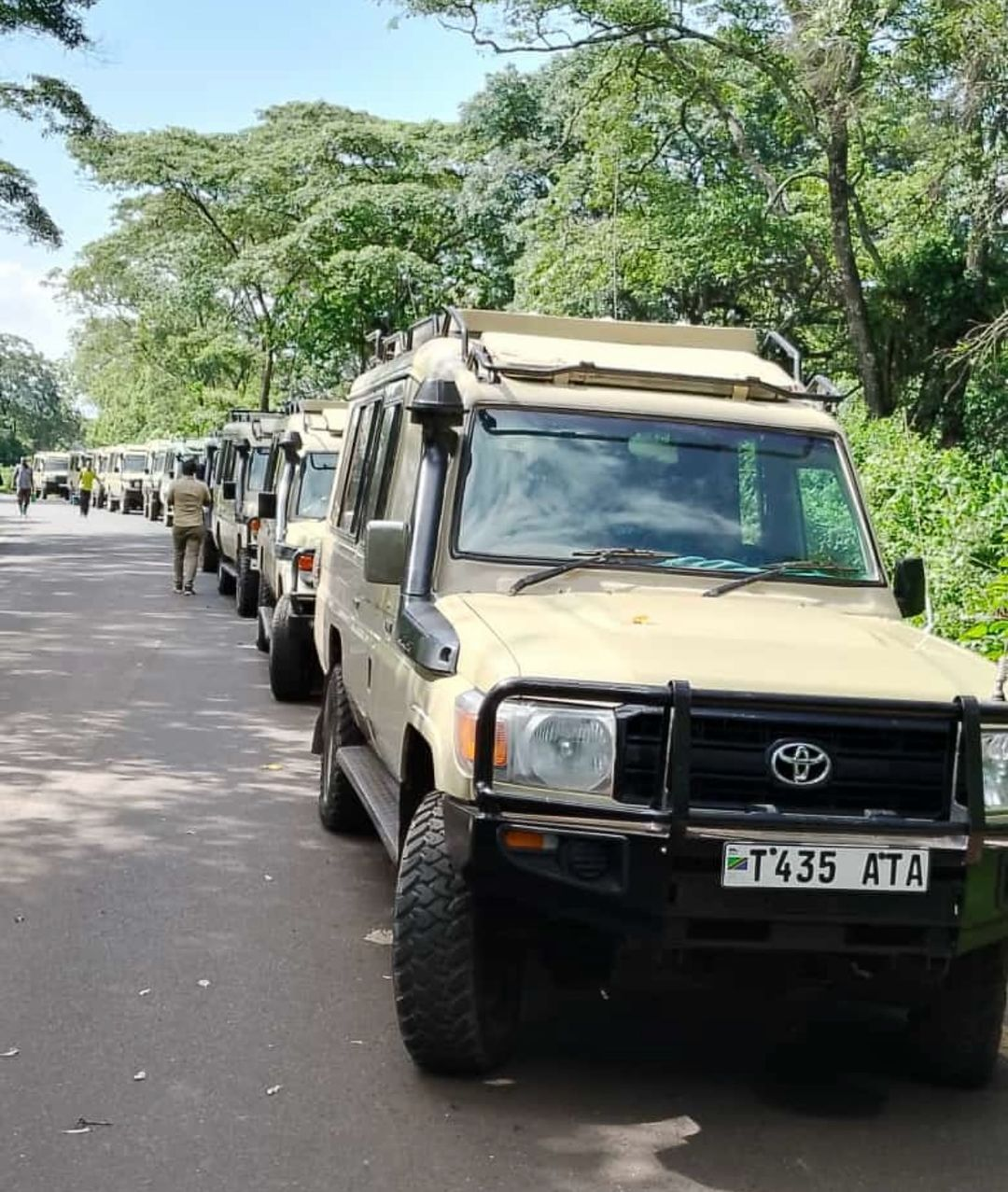
Safaris in Kenya and Tanzania are often conducted in custom-built 4×4 safari vehicles (Land Cruisers or Land Rovers) with pop-up roofs for optimal game viewing and photography. You’ll typically have a dedicated driver-guide who is knowledgeable about the wildlife, local culture, and the best spots for sightings.
Game Drives: These are the core of your safari experience. They can be full-day affairs with a packed lunch, or shorter morning and afternoon excursions. The goal is to find animals in their natural habitat. Patience is key; sometimes you might wait for a while for a particular animal to appear.
Accommodation: Options range from luxury lodges with swimming pools and fine dining to comfortable tented camps (offering a more immersive experience with canvas walls but solid beds and en-suite bathrooms) and budget-friendly guesthouses or campsites. Your choice will significantly impact the overall cost and experience.
Wildlife Sightings: While iconic animals like lions, elephants, giraffes, zebras, and wildebeest are common, sightings of rarer species like leopards, cheetahs, rhinos, and wild dogs are more elusive but incredibly rewarding. The sheer abundance and diversity of wildlife in these regions are astounding.
Cultural Encounters: Many itineraries include opportunities to visit local villages, such as Maasai communities. These visits offer insights into traditional ways of life, but it’s important to approach them with respect and an open mind.
Inclusions and Exclusions: What Your Tour Package Covers
When booking a safari or a combined Kenya and Tanzania itinerary, understanding what’s included in the package is crucial to avoid surprises. Reputable tour operators will provide a detailed list, but generally:
Typical Inclusions
| Item | Description |
|---|---|
| Accommodation | Lodges, tented camps, or hotels as per itinerary. |
| Meals | Usually full board (breakfast, lunch, dinner) on safari days. Some may include drinks. |
| Park Entrance Fees | All fees for national parks and reserves mentioned. |
| Safari Vehicle & Guide | 4×4 safari vehicle with a professional driver-guide. |
| Activities | Game drives as specified. |
| Internal Flights | Often included for longer distances or to save time (e.g., Nairobi-Masai Mara, Arusha-Zanzibar). |
| Airport Transfers | To/from hotels and airports. |
Typical Exclusions
| Item | Description |
|---|---|
| International Flights | Flights to and from Nairobi (NBO) and from Zanzibar (ZNZ). |
| Visas | Costs for obtaining visas for Kenya and Tanzania. |
| Travel Insurance | Mandatory for most operators. |
| Gratuities | Tips for guides, drivers, lodge staff. |
| Personal Expenses | Souvenirs, laundry, alcoholic beverages, extra activities (e.g., balloon safaris). |
| Vaccinations & Medications | Costs for any required health precautions. |
Packing and Preparation Essentials
Proper packing is vital for comfort and enjoyment. The climate can vary, from hot and humid on the coast to cooler at higher altitudes and during the dry season evenings. Layers are your best friend.
Packing Checklist:
- Clothing: Neutral-colored, lightweight, breathable fabrics (khaki, beige, olive green). Avoid bright colors and dark blue/black (attract insects). Pack long-sleeved shirts and trousers for sun and insect protection, especially in the evenings. Include a fleece or warm jacket for cool mornings/evenings. Comfortable shorts and t-shirts for warmer days.
- Footwear: Comfortable walking shoes or hiking boots (if doing Kilimanjaro or extensive walking). Sandals or flip-flops for relaxing.
- Headwear: Wide-brimmed hat or cap for sun protection.
- Eyewear: Sunglasses.
- Sun Protection: High SPF sunscreen, lip balm with SPF.
- Insect Repellent: With DEET or Picaridin.
- Camera Gear: Camera, extra batteries, memory cards, zoom lens, dust protection. Binoculars are highly recommended.
- First-Aid Kit: Personal medications, basic first-aid supplies (band-aids, antiseptic wipes, pain relievers).
- Toiletries: Travel-sized essentials. Wet wipes and hand sanitizer are very useful.
- Documents: Passport (valid for at least 6 months beyond your stay), visa, flight tickets, insurance details, vaccination certificates (e.g., Yellow Fever if required). Keep copies separate.
- Money: US Dollars (newer bills, often preferred for payments and tips), credit/debit cards, and some local currency for small purchases.
- Adapter: Universal travel adapter for Type G (UK) sockets.
- Backpack: A small daypack for carrying essentials during game drives.
Preparation:
- Visas: Check the latest visa requirements for your nationality for both Kenya and Tanzania. The East Africa Tourist Visa might be an option if you plan to visit multiple countries in the region.
- Vaccinations and Health: Consult your doctor or a travel clinic 4-6 weeks before your trip regarding recommended vaccinations (e.g., Yellow Fever, Hepatitis A/B, Typhoid) and malaria prophylaxis.
- Travel Insurance: Comprehensive travel insurance covering medical emergencies, evacuation, trip cancellation, and lost baggage is essential.
- Fitness: If your itinerary includes Kilimanjaro trekking, ensure you have a good level of fitness. For general safaris, moderate fitness is sufficient.
- Currency: While US Dollars are widely accepted for tourist services, carrying some local currency (KES and TZS) is useful for small purchases in local markets or tipping.
Common Mistakes to Avoid When Planning
To ensure your Kenya and Tanzania itinerary runs smoothly, be aware of these common pitfalls:
- Rushing the Itinerary: Trying to cram too many destinations into a short period leads to excessive travel time and less time enjoying the wildlife and scenery. Allow at least 2-3 full days per major park.
- Ignoring Migration Patterns: Planning a safari to the Masai Mara in April hoping for river crossings is unlikely to be successful. Always align your trip with the expected migration location.
- Underestimating Travel Times: Distances can be vast, and road conditions can be variable. Factor in significant travel time between locations, especially if not flying internally.
- Not Booking in Advance: Especially for peak seasons (June-October, December-February) and popular lodges or camps, booking 6-12 months in advance is highly recommended for 2026-2027 travel.
- Forgetting Visa Requirements: Ensure your passport is valid and you have the necessary visas arranged before arrival to avoid issues at immigration.
- Packing Inappropriately: Bright colors can disturb wildlife and attract insects. Heavy, bulky items are difficult to manage.
- Not Budgeting for Extras: Gratuities, tips, drinks, souvenirs, and optional activities can add up.
- Choosing the Wrong Tour Operator: Opt for experienced, reputable operators with good reviews and clear communication channels.
Who is a Kenya and Tanzania Itinerary Best For?
A combined Kenya and Tanzania itinerary is ideal for:
- Wildlife Enthusiasts: Those who dream of seeing the Big Five, witnessing the Great Migration, and experiencing diverse ecosystems.
- Photographers: Offering incredible opportunities for wildlife and landscape photography.
- Adventure Seekers: Including options for Kilimanjaro climbs, hot-air balloon safaris, and walking safaris.
- Couples & Honeymooners: Combining romantic beach escapes in Zanzibar with thrilling safari experiences.
- Families: Offering educational and exciting experiences for children (age restrictions may apply for certain activities or lodges).
- Culture Buffs: With opportunities to interact with local communities and explore historical sites.
It’s generally suited for travelers who appreciate nature, are comfortable with early morning starts for game drives, and are looking for an immersive travel experience.
Alternatives to a Combined Kenya and Tanzania Itinerary
While combining Kenya and Tanzania is exceptional, other options might suit different preferences or budgets:
- Kenya Only: Focus on the Masai Mara, Amboseli, Samburu, and the Great Rift Valley lakes. This offers a fantastic safari experience without crossing borders.
- Tanzania Only: Explore the Northern Circuit (Serengeti, Ngorongoro, Manyara, Tarangire) and potentially add Zanzibar or the Selous Game Reserve (Nyerere NP) in the south. This is excellent for those prioritizing the Ngorongoro Crater or wanting to climb Kilimanjaro.
- Other East African Destinations: Consider Uganda or Rwanda for gorilla trekking, which can be combined with shorter wildlife safaris.
- Southern African Safaris: Countries like Botswana, South Africa, Namibia, and Zambia offer different safari experiences, often with unique landscapes and wildlife viewing styles (e.g., walking safaris in Zambia, desert safaris in Namibia).
Planning Your 2026-2027 Trip
Planning for 2026 and 2027 trips should begin well in advance, especially if you aim for peak seasons or specific accommodations.
2026-2027 Planning Timeline
| Timeframe | Action |
|---|---|
| 12+ Months Prior | Define your budget, desired duration, and key interests (e.g., migration, Kilimanjaro, Zanzibar). Research tour operators. Book Kilimanjaro climbs and popular lodges/camps. |
| 8-10 Months Prior | Finalize your itinerary and book with your chosen tour operator. Confirm internal flights. |
| 4-6 Months Prior | Apply for visas. Book international flights. Consult your doctor for vaccinations and malaria prophylaxis. Purchase travel insurance. |
| 2-3 Months Prior | Start physical training if climbing Kilimanjaro. Confirm all bookings. Pack essentials. |
| 1 Month Prior | Obtain necessary medications. Exchange some currency. Finalize packing list. Share itinerary with family/friends. |
| Week of Departure | Confirm airport transfers. Ensure all documents are in order. Relax and get excited! |
Booking Your Kenya and Tanzania Itinerary
Choosing the right tour operator is paramount for a successful Kenya and Tanzania itinerary. Look for:
- Local Expertise: Operators based in Tanzania or Kenya often have a deeper understanding of the region, local conditions, and better negotiation power.
- Customization: Ensure they can tailor a trip to your specific needs, budget, and interests.
- Reputation: Check online reviews, testimonials, and affiliations with tourism bodies.
- Communication: Prompt and clear responses to your inquiries are a good sign.
- Sustainability: Many travelers now look for operators committed to responsible tourism and community support.
When you’re ready to plan your adventure, consider reaching out to experienced local operators. They can craft personalized itineraries that capture the essence of East Africa. For expert advice and custom trip planning for your 2026 or 2027 safari, contact us.
Get in touch for your dream safari:
- WhatsApp: +255616946642
- Email: topguideadventures@gmail.com
- Backup Email: info@topguideadventures.com
Frequently Asked Questions (FAQs)
What is the best way to travel between Kenya and Tanzania?
The most efficient way is often by flying. Daily flights connect Nairobi (Kenya) to Kilimanjaro International Airport (JRO) or Arusha (Tanzania), and also between the Masai Mara and the Serengeti. Overland border crossings are possible but can be time-consuming and less comfortable.
Is it safe to travel to Kenya and Tanzania?
Kenya and Tanzania are generally safe for tourists, especially when traveling with reputable tour operators and sticking to established tourist routes. Standard travel precautions should be observed. It’s advisable to stay updated on any travel advisories and follow the guidance of your tour provider.
What is the cost of a Kenya and Tanzania itinerary?
Costs vary significantly based on the length of the trip, accommodation style (luxury lodges vs. mid-range camps vs. budget camping), number of parks visited, and mode of transport (flying vs. driving). A mid-range 10-14 day combined safari can range from $3,500 to $7,000+ per person, excluding international flights.
Do I need a visa for Kenya and Tanzania?
Yes, most nationalities require a visa for both Kenya and Tanzania. You can often obtain these online in advance or upon arrival at major airports. Some travelers may be eligible for the East Africa Tourist Visa, which covers Kenya, Uganda, and Rwanda, but check current regulations carefully.
Can I combine Kilimanjaro with a Kenya and Tanzania safari?
Absolutely. Many travelers combine a Kilimanjaro climb with a safari. It’s common to do a safari first and then the climb, or vice-versa. Ensure you allocate sufficient time for both the climb (typically 6-9 days) and the safari component of your Kenya and Tanzania itinerary.
What should I pack for a safari in 2026?
Pack light, neutral-colored clothing, comfortable walking shoes, a wide-brimmed hat, sunglasses, sunscreen, insect repellent, a warm jacket for cool evenings, and essential medications. Binoculars and a good camera are highly recommended. Refer to the detailed packing list in this guide.
When is the best time to see the Great Migration?
The Great Migration is a year-round phenomenon, but the most dramatic event, river crossings, typically occurs between July and October in the Mara River (bordering Masai Mara and northern Serengeti). For calving season, December to February in the southern Serengeti is ideal.
Can I use my credit cards in Kenya and Tanzania?
Credit cards are widely accepted in lodges, larger hotels, and souvenir shops in major towns. However, for smaller purchases, tips, and local markets, it’s best to have cash (US Dollars and local currency). ATMs are available in cities and larger towns.
What is the difference between a lodge and a tented camp?
Lodges are typically permanent structures with solid walls, often featuring amenities like swimming pools and restaurants. Tented camps offer a more immersive safari experience with canvas tents, but usually include comfortable beds, en-suite bathrooms, and private verandas. Both can range from rustic to extremely luxurious.
How much should I tip my safari guide?
Tipping is customary and appreciated. A general guideline for a driver-guide is $10-20 USD per person per day. For lodge/camp staff, a separate tip box or a small amount ($5-10 USD per person per day) can be given to the lodge manager to distribute. Your tour operator can provide specific recommendations.
Are there malaria risks in Kenya and Tanzania?
Yes, malaria is present in most safari areas, especially at lower altitudes and along the coast. Consult your doctor about malaria prophylaxis well in advance of your 2027 trip. Using insect repellent, wearing long sleeves and trousers in the evenings, and sleeping under mosquito nets (provided in most accommodations) are also important preventive measures.
What if I want to customize my Kenya and Tanzania itinerary for 2027?
Customization is highly recommended to create your perfect trip. Work closely with a reputable tour operator who can adjust the itinerary based on your interests (e.g., birdwatching, photography, specific wildlife, cultural experiences), budget, and preferred pace. Contacting local experts is the best way to achieve this.
A well-planned Kenya and Tanzania itinerary promises an adventure of a lifetime, filled with incredible wildlife encounters and unforgettable landscapes. By understanding the best times to visit, the logical flow of destinations, and practical preparation tips, you can ensure your 2026-2027 journey is everything you’ve dreamed of.
Ready to start planning your ultimate East African safari? Contact us today for expert advice and tailor-made travel experiences.
WhatsApp: +255616946642
Email: topguideadventures@gmail.com
Backup Email: info@topguideadventures.com
Plan your Kenya and Tanzania itinerary with Top Guide Adventures
Tell us your travel dates, group size, comfort level, and dream experience. We will help you shape a clear, realistic, and memorable Tanzania itinerary.







 Veedesigner
 Fatma Kizanga
 Benjamin Waryuba
 Philip Philip
 John jr Itaja
 Antonia Optatus
 Edith Kanyere
 Neema Iddy
 Kelvin Boniphace
 Damari Maiga



