
Updated planning guide for 2026-2027
Dar Es Salaam Travel Budget Guide: Essential Planning
Planning a trip to Dar es Salaam on a budget? This guide covers everything from daily expenses and accommodation options to transportation and saving tips for your 2026-2027 adventure.
WhatsApp +255616946642 | topguideadventures@gmail.com | info@topguideadventures.com
Dar es Salaam Travel Budget Guide: Making Your Tanzanian Adventure Affordable
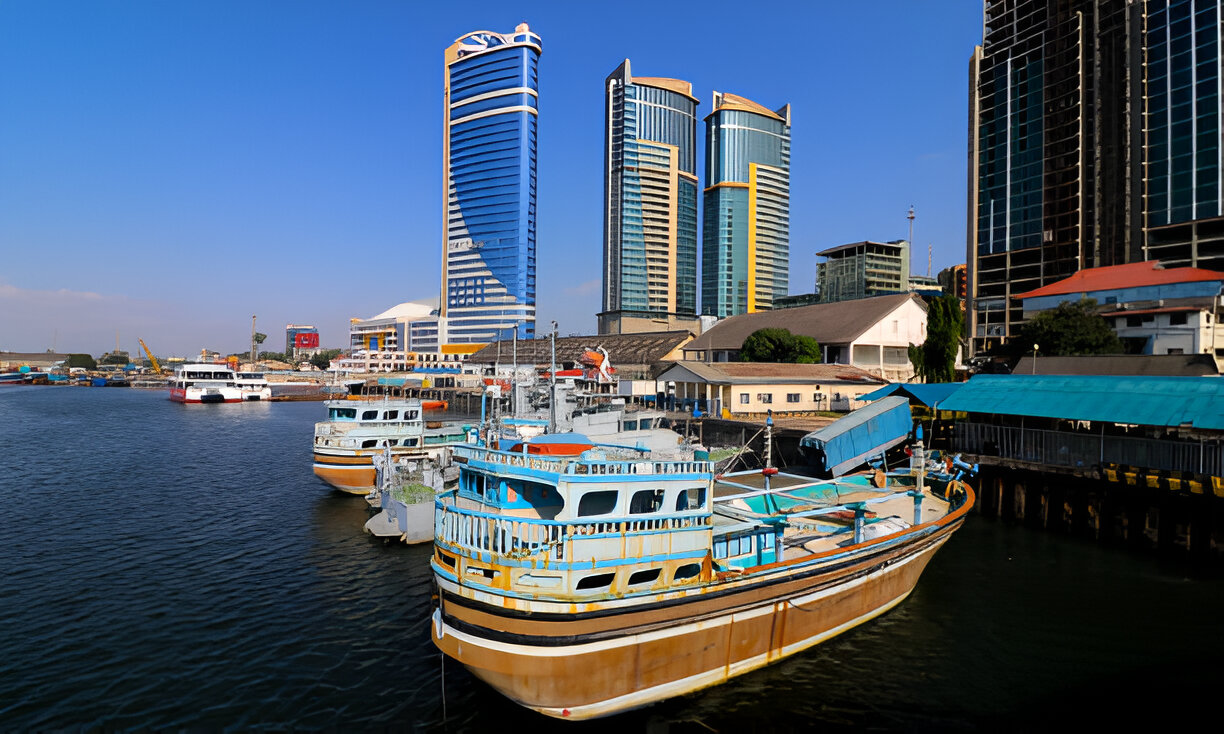
Dar es Salaam, Tanzania’s bustling economic heart and largest city, is a gateway to incredible East African experiences. From its vibrant markets and historical sites to its proximity to stunning beaches and national parks, it offers a rich cultural immersion. However, many travelers wonder about the financial aspect: how to plan a trip to Dar es Salaam without breaking the bank? This comprehensive Dar es Salaam travel budget guide is designed to help you navigate the costs, offering practical advice for 2026 and 2027 travel, ensuring you can experience the best of the city and its surroundings affordably.
Understanding the financial landscape of Dar es Salaam is key to successful budget travel. While it’s not always the cheapest destination in East Africa, with careful planning and smart choices, you can significantly reduce your expenses. This guide will break down typical costs, offer strategies for saving, and provide insights into making the most of your Tanzanian adventure, whether you’re here for a few days or a longer exploration.
Quick Answer: Budgeting for Dar es Salaam
A reasonable daily budget for a budget-conscious traveler in Dar es Salaam, excluding international flights, could range from $50 to $100 USD per person. This covers basic accommodation, local transportation, food from local eateries, and entry to some attractions. Mid-range travelers might spend $100 to $200 USD per day, allowing for more comfortable hotels, a mix of local and tourist-oriented dining, and organized day trips. Luxury travelers can expect to spend $250+ USD per day. These are estimates for 2026-2027 and can fluctuate based on travel style and specific choices.
| Category | Budget Traveler (USD) | Mid-Range Traveler (USD) | Luxury Traveler (USD) |
|---|---|---|---|
| Accommodation | $15 – $40 | $40 – $100 | $100+ |
| Food & Drink | $10 – $25 | $25 – $60 | $60+ |
| Local Transport | $5 – $10 | $10 – $25 | $25+ (Private/Taxis) |
| Activities & Entrance Fees | $10 – $25 | $25 – $50 | $50+ |
| Miscellaneous/Shopping | $10 – $20 | $20 – $40 | $40+ |
| Total Daily Estimate (Excluding Flights) | $50 – $120 | $120 – $250 | $250+ |
Table of Contents
- Dar es Salaam: More Than Just a Transit Hub
- Why a Dar es Salaam Travel Budget Guide Matters
- Best Time to Visit Dar es Salaam (and Budget Impact)
- Getting Around Dar es Salaam on a Budget
- Accommodation Options for Every Budget
- Eating and Drinking Affordably
- Top Attractions & Activities (Cost Breakdown)
- Budget-Friendly Day Trips from Dar es Salaam
- Common Budget Travel Mistakes to Avoid
- Who is Dar es Salaam Best Suited For?
- Alternatives to Dar es Salaam for Budget Travelers
- Planning Your 2026-2027 Dar es Salaam Trip
- Booking Advice for Budget Travelers
- Frequently Asked Questions (FAQs)
- Start Planning Your Affordable Dar es Salaam Adventure
Dar es Salaam: More Than Just a Transit Hub
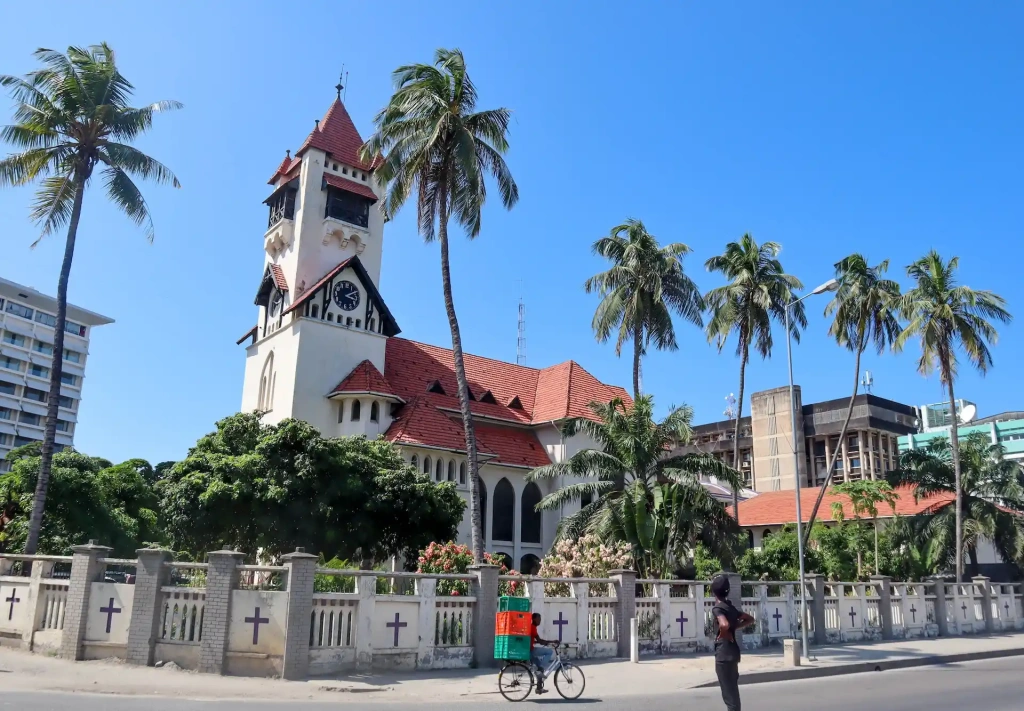
Often overlooked as merely a stopover point for safaris or Zanzibar, Dar es Salaam possesses a unique charm and vibrancy that deserves exploration in its own right. The city’s name, meaning “Abode of Peace” in Arabic, hints at its historical significance as a trading post and its current role as a melting pot of cultures. From the bustling Kariakoo Market, a sensory overload of local produce, spices, and crafts, to the serene beaches of Kunduchi and Msasani, Dar offers diverse experiences.
The city’s colonial past is visible in its architecture, particularly in the old town with buildings influenced by German, Arab, and British styles. The National Museum provides a deep dive into Tanzania’s history and culture, while the Dar es Salaam Maritime Centre showcases its maritime heritage. For art enthusiasts, the Village Museum offers a glimpse into traditional Tanzanian housing, and local galleries display contemporary African art.
Economically, Dar es Salaam is the engine of Tanzania. This translates to a wide range of services and goods available, from street food stalls to upscale restaurants, local ‘dala dala’ minibuses to private taxis. This economic activity also means that prices can vary significantly depending on where you choose to spend your money. Understanding these variations is fundamental to managing your Dar es Salaam travel budget effectively.
Why a Dar es Salaam Travel Budget Guide Matters
Tanzania, as a whole, can be perceived as an expensive destination, especially if you’re considering safaris or climbing Mount Kilimanjaro. While Dar es Salaam itself offers more budget-friendly options than the prime tourist circuits, a dedicated Dar es Salaam travel budget guide is crucial for several reasons:
- Managing Expectations: It helps travelers understand the real costs involved, preventing surprises and allowing for realistic financial planning for 2026-2027 trips.
- Maximizing Value: By highlighting affordable accommodation, food, and transport, it empowers travelers to stretch their budget further, experiencing more without overspending.
- Informed Decisions: It provides the necessary information to compare options, from choosing the right neighborhood to stay in to selecting the most economical way to visit attractions.
- Avoiding Pitfalls: Understanding common tourist traps or overpriced services helps budget travelers steer clear of unnecessary expenses.
- Cultural Immersion: Often, the most budget-friendly options, like eating at local ‘vibandas’ or using public transport, offer the most authentic cultural experiences.
A well-researched budget guide allows you to allocate funds wisely, ensuring that essential experiences like visiting the National Museum, exploring local markets, or enjoying a sunset by the ocean are within reach, even on a tighter budget.
Best Time to Visit Dar es Salaam (and Budget Impact)
The timing of your visit to Dar es Salaam can significantly influence your budget. While Dar es Salaam experiences a tropical climate with distinct wet and dry seasons, its coastal location means it’s generally warm year-round. However, understanding these seasons helps in planning and potentially saving money.
| Period | Weather | Crowds | Budget Impact | Notes |
|---|---|---|---|---|
| Dry Season (June – October) | Warm, sunny, less humid. Ideal for outdoor activities. | Moderate to High (peak tourist season for Tanzania) | Higher (accommodation and flight prices may increase) | Excellent for exploring the city and day trips. This is also peak safari season, so overall Tanzania travel can be pricier. |
| Long Rains (March – May) | Heavy, persistent rainfall, high humidity. Can disrupt travel. | Low | Lower (accommodation deals may be available) | Least ideal time for city exploration due to rain. Some attractions might be less accessible. |
| Short Rains (November – December) | Intermittent, often short-lived showers, still warm and humid. | Moderate | Moderate | Still a good time to visit, with fewer crowds than the dry season. Prices can be reasonable. |
| Green Season (January – February) | Hot and humid with occasional thunderstorms, but often sunny periods. | Moderate | Moderate | Good value for money. Lush landscapes after the rains. Good for city exploration if you don’t mind the heat and humidity. |
Budget Tip: Traveling during the shoulder seasons (November-December and January-February, excluding holidays) or just before/after the peak dry season can offer a good balance of pleasant weather and lower prices for 2026-2027. The long rains (March-May) will likely offer the lowest prices but come with significant weather risks.
Getting Around Dar es Salaam on a Budget
Transportation is a significant part of any travel budget, and Dar es Salaam offers a range of options, from the extremely cheap to the more comfortable but costly.
Local Buses (‘Dala Dala’)
The ‘dala dala’ is the backbone of public transport in Dar es Salaam. These are essentially minibuses that follow fixed routes throughout the city. They are incredibly cheap, with fares often less than $1 USD for most journeys within the city.
- Pros: Extremely affordable, authentic local experience, frequent.
- Cons: Can be crowded, uncomfortable, routes can be confusing for first-timers, slow due to frequent stops, not ideal for luggage.
- Budget Tip: Ask locals for the correct dala dala route and destination. Be prepared for a lively, sometimes chaotic, but very local ride.
Taxis
Taxis are readily available but significantly more expensive than dala dalas. They offer more comfort, privacy, and direct routes.
- Pros: Convenient, faster, door-to-door service, comfortable.
- Cons: Much more expensive than public transport.
- Budget Tip: Always agree on the fare *before* you start your journey. Negotiate politely but firmly. For longer distances or airport transfers, pre-booking through a reputable company or your hotel might offer better rates than hailing a cab on the street. Consider using ride-hailing apps if available and reliable in your area, as they can offer fixed pricing.
Ride-Hailing Apps
Apps like Uber and Bolt operate in Dar es Salaam and can be a good middle ground between dala dalas and traditional taxis. They offer the convenience of pre-set pricing and cashless payment, though availability can vary.
- Pros: Transparent pricing, convenient booking, often cheaper than traditional taxis.
- Cons: Availability can be inconsistent, especially outside main areas.
- Budget Tip: Use these for specific, longer journeys where you want a predictable cost.
Motorcycle Taxis (‘Bodaboda’)
Bodabodas are a common sight, offering quick transport for shorter distances. They can weave through traffic, making them fast.
- Pros: Quick for short distances, can navigate traffic well.
- Cons: Potentially dangerous, not suitable for carrying much luggage, always negotiate fare beforehand.
- Budget Tip: Use sparingly and only for short hops if you’re comfortable with the risks. Always wear a helmet.
Walking
For exploring specific neighborhoods like the city center or the Masaki peninsula, walking is free and a great way to soak in the atmosphere. Be mindful of the heat and humidity, and stay aware of your surroundings.
Accommodation Options for Every Budget
Finding a place to stay is a major budget item. Dar es Salaam offers a spectrum of options, from basic guesthouses to luxurious hotels.
Budget Guesthouses and Hostels
These are typically the most affordable options. They offer basic amenities, often shared bathrooms, and a chance to meet other travelers.
- Typical Cost: $15 – $40 USD per night for a private room, less for dorms if available.
- Where to Look: Search online travel agencies (OTAs) for guesthouses in areas like Kariakoo or the city center.
- Budget Tip: Look for places with good reviews regarding cleanliness and security. Simple amenities are fine when you’re out exploring most of the day.
Mid-Range Hotels
These hotels offer more comfort, private bathrooms, air conditioning, and often amenities like Wi-Fi and on-site restaurants. They are a good compromise for travelers seeking comfort without extreme expense.
- Typical Cost: $40 – $100 USD per night.
- Where to Look: Areas like Oyster Bay, Masaki, or the city center have numerous options.
- Budget Tip: Book in advance, especially during peak seasons (June-October). Check if breakfast is included; if not, factor in the cost of eating out.
Luxury Hotels and Resorts
For those with a higher budget, Dar es Salaam offers international-standard hotels and resorts, often with stunning ocean views, swimming pools, fine dining, and premium services.
- Typical Cost: $100+ USD per night.
- Where to Look: Prime locations along the coast and in upscale neighborhoods.
- Budget Tip: Look for package deals or consider staying slightly further from the absolute prime locations for potentially better rates.
Apartment Rentals/Airbnb
For longer stays or groups, renting an apartment can be cost-effective. It also provides kitchen facilities, allowing you to save money on food.
- Pros: Can be cost-effective for groups/longer stays, self-catering options.
- Cons: May require more independence, fewer services than hotels.
- Budget Tip: Factor in the cost of groceries and transportation to markets if you plan to cook.
Neighborhoods to Consider for Budget Stays: While luxury resorts are often by the coast, more budget-friendly guesthouses might be found closer to the city center or in less tourist-centric neighborhoods. For mid-range, Oyster Bay and Masaki offer good options, though prices are higher. Researching specific areas based on your planned activities is advisable.
Eating and Drinking Affordably
Food is a major area where you can control your Dar es Salaam travel budget. The city offers a diverse culinary scene, from street food to international cuisine.
Local Eateries (‘Vibandas’ and Small Restaurants)
These are the heart of affordable eating. Look for small, busy places serving local dishes.
- What to Expect: Simple, flavorful dishes like Ugali (maize porridge) with stewed meat or vegetables, rice dishes (pilau, biryani), grilled fish, and chapati.
- Typical Cost: $3 – $8 USD per meal.
- Budget Tip: Eat where the locals eat. Hygiene can be a concern for some; look for places that appear clean and busy, indicating fresh food turnover. Stick to well-cooked items.
Kariakoo Market Area
The area around Kariakoo Market is a hub for street food and small eateries. You can find fresh fruits, juices, snacks, and simple meals at very low prices.
- Budget Tip: Great for breakfast and lunch. Sample local snacks like mandazi (fried dough), samosas, and fresh fruit juices.
Mid-Range Restaurants
These offer a more comfortable dining experience with a wider menu, often including seafood and some international options. They are common in areas like Oyster Bay and Masaki.
- Typical Cost: $10 – $25 USD per meal.
- Budget Tip: Good for a treat or when you want a more relaxed atmosphere. Look for places offering set menus or lunch specials.
High-End Restaurants
Dar es Salaam has a growing number of upscale restaurants serving international cuisine, fine seafood, and fusion dishes. These are the most expensive options.
- Typical Cost: $25+ USD per meal.
- Budget Tip: Save these for a special occasion if you’re on a strict budget.
Drinks
Local beers (Safari Lager, Kilimanjaro Lager) are widely available and affordable in local bars and restaurants. Bottled water is essential; buy larger bottles from supermarkets to save money.
- Budget Tip: Avoid buying drinks at tourist-heavy spots or hotels, where prices are inflated. Local ‘duka’ (shops) and supermarkets offer the best prices for water and soft drinks.
Self-Catering: If your accommodation has kitchen facilities, shopping at local markets and supermarkets can significantly cut food costs. Fresh produce is abundant and relatively inexpensive.
Top Attractions & Activities (Cost Breakdown)
While Dar es Salaam isn’t packed with world-famous landmarks like some other capitals, it offers cultural insights and natural beauty. Here’s a look at popular attractions and their potential costs:
National Museum of Tanzania
- Description: Houses ethnographic and archaeological exhibits, including early human fossils found in Tanzania and colonial history displays.
- Estimated Cost: $5 – $10 USD entrance fee.
- Budget Tip: A worthwhile visit for understanding Tanzanian history and culture.
Village Museum
- Description: An open-air museum showcasing traditional Tanzanian housing from different ethnic groups. You can often see traditional dances.
- Estimated Cost: $5 – $10 USD entrance fee.
- Budget Tip: Offers a good overview of rural Tanzanian life.
Kariakoo Market
- Description: A massive, bustling local market selling everything from produce and spices to clothing and household goods.
- Estimated Cost: Free to enter, but you’ll likely buy something!
- Budget Tip: A fantastic place for authentic photos and experiencing local life. Bargain respectfully if buying goods. Great for affordable snacks and juices.
Azam Marine Ferry to Zanzibar
- Description: While not an attraction in itself, the ferry terminal is a busy hub. The ferry is the primary way to get to Zanzibar.
- Estimated Cost: Approx. $35 – $50 USD one way (prices can change).
- Budget Tip: Book tickets in advance, especially during peak season. Be aware of touts at the terminal.
Beaches (e.g., Kunduchi, Msasani)
- Description: Coastal areas offering relaxation, seafood restaurants, and water activities. Some beaches have entrance fees or are associated with resorts.
- Estimated Cost: Varies. Public access might be free or have a small fee ($2-5 USD). Resort access will be higher.
- Budget Tip: Look for public access points or less commercialized stretches of beach. Pack your own snacks and drinks to avoid inflated prices.
Dar es Salaam Botanical Gardens
- Description: A green oasis in the city, featuring a variety of tropical plants.
- Estimated Cost: Small entrance fee, likely $2 – $5 USD.
- Budget Tip: A peaceful escape for a low cost.
Note on Prices: These are approximate costs for 2026-2027 and can change. Always confirm current prices upon arrival. For budget travelers, focusing on free attractions like markets and parks, and choosing local eateries, is key.
Budget-Friendly Day Trips from Dar es Salaam
While Dar es Salaam is a destination itself, its surroundings offer opportunities for day trips that can fit into a budget itinerary.
Bagamoyo
- Description: A historic coastal town north of Dar es Salaam, once a major trading port and the first capital of German East Africa. It boasts ruins, a museum, and a cultural heritage center.
- Travel: Can be reached by shared taxi or hired car. Public transport is possible but more time-consuming.
- Estimated Costs (Day Trip): Transport ($30-$80 USD depending on method), entrance fees ($5-$10 USD).
- Budget Tip: Consider joining a small group for shared transport costs. Pack your own lunch.
Mbudya Island / Bongoyo Island
- Description: Small, uninhabited islands off the coast offering pristine beaches, snorkeling, and relaxation. Accessible by boat from Dar es Salaam.
- Travel: Boat hire is the main cost.
- Estimated Costs (Day Trip): Boat hire ($50-$100+ USD for a private boat, potentially less if shared), conservation fees ($10-$20 USD per person).
- Budget Tip: This is one of the pricier day trips due to boat hire. Try to find other travelers to share the boat cost. Pack ample water and snacks as island facilities are limited and expensive.
Pugu Hills Nature Reserve
- Description: A small nature reserve offering hiking trails and a chance to see local flora and fauna.
- Travel: Accessible by taxi or hired car.
- Estimated Costs (Day Trip): Transport ($30-$70 USD), entrance fees ($5-$10 USD).
- Budget Tip: A good option for nature lovers looking for a less common excursion.
Organized Tours vs. DIY: For budget travelers, organizing day trips independently using local transport (where feasible) or shared taxis will almost always be cheaper than booking through a hotel or tour operator. However, organized tours offer convenience and can sometimes be competitive if they include multiple people. Always compare options.
Common Budget Travel Mistakes to Avoid
Even with the best intentions, budget travelers can fall into common traps. Here are some to watch out for in Dar es Salaam:
- Not Negotiating Fares: For taxis and sometimes market purchases, failing to negotiate can lead to overpaying significantly. Always agree on a price beforehand.
- Eating Exclusively in Tourist Restaurants: These places are almost always more expensive and may not offer the most authentic food. Prioritize local eateries.
- Relying Solely on Taxis: While convenient, constant taxi use will drain your budget. Embrace the ‘dala dala’ or walking for shorter distances.
- Not Staying Hydrated Properly: Dehydration is a risk in the heat. Buying small bottles frequently from street vendors adds up. Buy larger bottles from supermarkets.
- Ignoring Local Customs and Etiquette: While not a direct cost, misunderstandings can lead to awkward situations or missed opportunities. Be respectful.
- Overpacking: Luggage fees on flights or difficulty managing bags on local transport can be a hassle. Pack light and smart.
- Not Researching Accommodation Locations: Staying far from attractions or transport hubs can increase your daily travel costs and time.
- Falling for Scams: Be wary of overly friendly strangers offering unsolicited help or tours. Stick to reputable sources.
A proactive approach and a bit of research can help you sidestep these common pitfalls and keep your Dar es Salaam travel budget on track for 2026-2027.
Who is Dar es Salaam Best Suited For?
Dar es Salaam appeals to a variety of travelers, but its budget-friendly aspects make it particularly suitable for:
- Independent Backpackers: Those who enjoy navigating local transport, eating at local spots, and staying in budget guesthouses will find Dar manageable and affordable.
- Culture Enthusiasts: The city’s markets, museums, and diverse population offer rich cultural experiences that can be accessed without high costs.
- Stopover Travelers: Many use Dar as a base for a few days before heading to Zanzibar or on safari. This guide helps them manage their short-term budget.
- Budget-Conscious Safari Goers: Travelers who are primarily in Tanzania for safaris but want to experience the coast affordably can use Dar as an accessible entry/exit point.
- Travelers Seeking Authenticity: By venturing beyond the tourist trail, budget travelers often find more genuine interactions and experiences.
It might be less ideal for travelers who expect all amenities to be readily available at Western standards, prefer all-inclusive resorts, or are uncomfortable with navigating public transport and different cultural norms.
Alternatives to Dar es Salaam for Budget Travelers
While Dar es Salaam offers budget potential, other destinations in Tanzania or East Africa might be even more budget-friendly or cater to specific interests:
- Zanzibar (Stone Town): While Zanzibar can be resort-heavy, Stone Town itself offers budget guesthouses and affordable local food, with a rich history and unique atmosphere. It’s often combined with Dar es Salaam.
- Arusha: As the gateway to Northern Circuit safaris, Arusha has a well-established backpacker infrastructure with plenty of budget accommodation and eateries catering to travelers. It’s a hub for Kilimanjaro treks.
- Moshi: Primarily known as the base for Mount Kilimanjaro climbs, Moshi has a very strong budget travel scene, with numerous hostels and affordable food options.
- Kampala, Uganda: Often considered one of the most affordable capital cities in East Africa, offering vibrant markets, nightlife, and a good base for exploring Uganda.
- Nairobi, Kenya: While it can be expensive, Nairobi also has a thriving backpacker scene and budget options, especially for accommodation and food, and offers good connectivity within East Africa.
These alternatives offer different experiences but are often more geared towards budget independent travel than Dar es Salaam, which is more of a commercial and administrative hub.
Planning Your 2026-2027 Dar es Salaam Trip
Effective planning is the cornerstone of a successful budget trip. For your 2026 or 2027 visit to Dar es Salaam, consider these planning steps:
Pre-Trip Planning Checklist
- Visa Requirements: Check current visa regulations for your nationality well in advance. Apply online or at the embassy.
- Flights: Book international flights as early as possible for the best prices. Consider flying into Kilimanjaro International Airport (JRO) if your primary goal is safari/Kilimanjaro and then taking a budget domestic flight or bus to Dar es Salaam, or vice-versa.
- Vaccinations & Health: Consult your doctor about recommended vaccinations (Yellow Fever is often mandatory) and malaria precautions. Purchase travel insurance.
- Accommodation Research: Identify budget-friendly areas and specific guesthouses/hostels. Read recent reviews. Book at least your first few nights.
- Transportation Plan: Familiarize yourself with ‘dala dala’ routes if you plan to use them. Research taxi fare estimates.
- Itinerary Outline: Decide which attractions and day trips are priorities. Group activities geographically to save on transport.
- Currency: The Tanzanian Shilling (TZS) is the local currency. USD is widely accepted for tourist services but often at less favorable rates. Carry smaller USD bills for initial expenses and visas. Inform your bank about your travel dates.
- Packing List: Pack light, breathable clothing suitable for a tropical climate. Include essentials like sunscreen, insect repellent, a hat, and a basic first-aid kit.
Booking Timeline for 2026-2027:
- 12+ Months Out: Research destinations, general budget, and book international flights if you find a good deal.
- 6-9 Months Out: Book accommodation for peak seasons, research visa requirements.
- 3-6 Months Out: Finalize itinerary, book any internal flights or long-distance buses.
- 1 Month Out: Confirm bookings, pack, ensure travel insurance is active, get necessary vaccinations.
Booking Advice for Budget Travelers
Making smart booking decisions can significantly impact your Dar es Salaam travel budget. Here’s how to book wisely:
- Accommodation: While online travel agencies (OTAs) are useful, sometimes booking directly with smaller guesthouses can secure better rates or more flexibility. Always check reviews on multiple platforms. For longer stays, consider local rental sites or inquiries upon arrival for potential discounts.
- Tours and Day Trips: For budget-conscious day trips, organize them yourself using local transport or by hiring a car/driver and negotiating a daily rate. If booking an organized tour, compare prices from multiple local operators, not just hotels. Look for tours that are already running to reduce costs.
- Internal Transport: For travel between cities (e.g., Dar to Arusha), book bus tickets a day or two in advance from reputable bus companies at their terminals. Avoid buying from unofficial street vendors.
- Flexibility: If your dates are flexible, booking flights and accommodation during the shoulder or off-peak seasons (outside of major holidays) will yield the best prices for 2026-2027.
- Read the Fine Print: Understand what is included and excluded in any booking, especially for tours or accommodation packages. Hidden fees can quickly inflate your budget.
Working with a Local Tour Operator: While this guide focuses on independent budget travel, if you are planning combination trips (e.g., Dar es Salaam plus a safari or Zanzibar), a reputable local tour operator like Best Tanzania tour operator can sometimes offer packaged deals that provide good value, especially for safaris where costs are high. They can handle logistics efficiently, which can save you time and unexpected expenses. For custom itineraries that blend city stays with excursions, reach out to them for quotes.
Frequently Asked Questions (FAQs)
1. Is Dar es Salaam an expensive city to visit?
Dar es Salaam can be as expensive or as affordable as you make it. While some tourist services are priced higher, utilizing local transport (‘dala dala’), eating at local eateries, and staying in budget guesthouses can make it a very budget-friendly destination, especially compared to major international cities. Your Dar es Salaam travel budget can be managed effectively with planning.
2. What is the safest way to get around Dar es Salaam on a budget?
For budget travel, ‘dala dalas’ are safe if you are aware of your surroundings and keep valuables secure. For more security and directness, using ride-hailing apps like Uber or Bolt is a good option, offering predictable costs. Always agree on taxi fares beforehand if not using an app.
3. Can I use USD for everything in Dar es Salaam?
While USD is widely accepted for tourist services like hotels and tours, you will get a much better exchange rate and experience by using the local currency, the Tanzanian Shilling (TZS). For local markets, dala dalas, and small eateries, TZS is essential. It’s advisable to have some USD for initial expenses (like visas) and then exchange for TZS upon arrival.
4. What are the essential items to pack for a budget trip to Dar es Salaam?
Pack light, breathable clothing (cotton, linen), comfortable walking shoes, a hat, sunglasses, sunscreen, insect repellent, a reusable water bottle, a basic first-aid kit, and any personal medications. A universal power adapter is also useful. For cultural sensitivity, pack modest clothing, especially if visiting religious sites or more conservative areas.
5. How much should I budget for food per day in Dar es Salaam?
For a budget traveler, you can eat well for $10-$25 USD per day by sticking to local eateries, street food (chosen carefully), and markets. Mid-range travelers might spend $25-$60 USD, while those seeking fine dining will spend considerably more.
6. Is it safe to drink tap water in Dar es Salaam?
No, it is not recommended to drink tap water in Dar es Salaam. Always drink bottled or purified water. Buying large bottles from supermarkets is the most economical way to stay hydrated.
7. What are the best budget-friendly souvenirs from Dar es Salaam?
Local crafts from markets like Kariakoo, spices, Tinga Tinga art (check authenticity), and locally made fabrics are great budget-friendly souvenirs. Bargain respectfully for the best prices.
8. How can I save money on accommodation in Dar es Salaam for 2026-2027?
Stay in guesthouses or hostels outside the prime tourist areas like Oyster Bay or Masaki. Look for places with good reviews that offer basic amenities. Booking directly with the accommodation might sometimes yield better rates than through third-party websites.
9. Are there any free activities in Dar es Salaam?
Yes, exploring vibrant markets like Kariakoo, walking along the beaches (public access points), enjoying the city’s atmosphere, and visiting some public parks are free activities. Observing daily life and street scenes is also a great way to experience the city without spending money.
10. What is the best way to exchange currency in Dar es Salaam?
The best rates are usually found at official forex bureaus in the city center. Avoid exchanging money at the airport or with unofficial street vendors, as rates are often poor or you risk counterfeit currency. ATMs are available but may charge foreign transaction fees.
Start Planning Your Affordable Dar es Salaam Adventure
Dar es Salaam offers a rich cultural experience and a gateway to Tanzania’s wonders, and it doesn’t have to strain your finances. With careful planning, smart choices about accommodation, food, and transport, you can create an unforgettable trip that aligns with your budget. Whether you’re exploring bustling markets, relaxing on the coast, or using it as a stepping stone for safaris or Zanzibar, this Dar es Salaam travel budget guide provides the foundation for your 2026-2027 journey.
Ready to craft your personalized Tanzanian adventure, balancing budget with incredible experiences? We specialize in creating custom itineraries that fit your interests and financial plans. From city tours in Dar es Salaam to arranging safaris and Zanzibar getaways, let us help you plan a trip that offers exceptional value.
Contact us today to discuss your travel needs:
- WhatsApp: +255616946642
- Email: topguideadventures@gmail.com
- Backup Email: info@topguideadventures.com
Let’s make your Dar es Salaam travel budget work for you, ensuring a memorable and authentic Tanzanian experience.
Plan your Dar es Salaam Travel Budget Guide with Top Guide Adventures
Tell us your travel dates, group size, comfort level, and dream experience. We will help you shape a clear, realistic, and memorable Tanzania itinerary.







 Veedesigner
 Fatma Kizanga
 Benjamin Waryuba
 Philip Philip
 John jr Itaja
 Antonia Optatus
 Edith Kanyere
 Neema Iddy
 Kelvin Boniphace
 Damari Maiga



