
Updated planning guide for 2026-2027
African Safari With Kids: Expert Planning Guide
Discover how to plan an unforgettable African safari with kids. This comprehensive guide provides essential tips for families looking to experience Tanzania's wildlife in 2026 and 2027.
WhatsApp +255616946642 | topguideadventures@gmail.com | info@topguideadventures.com
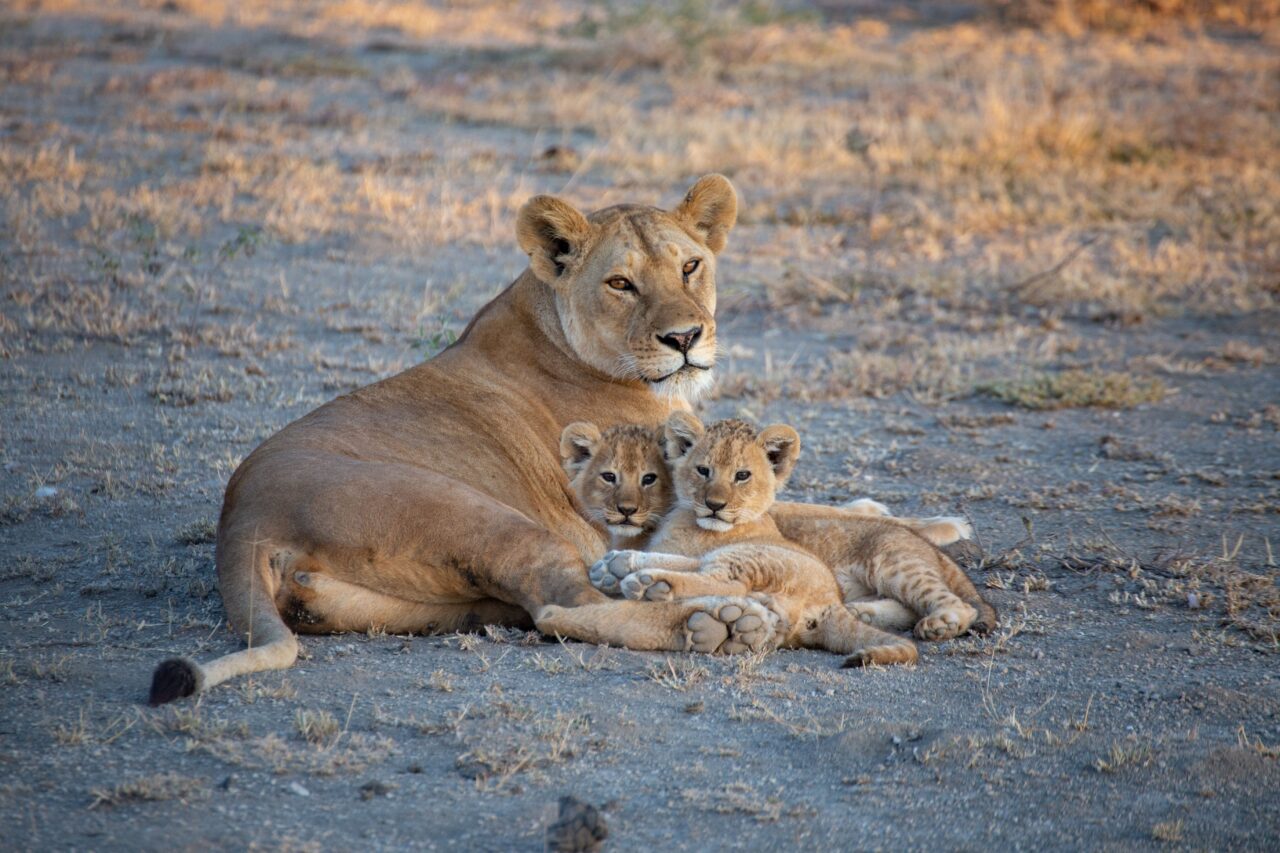

African Safari With Kids: Your Ultimate Planning Guide
Considering an African safari with kids? It’s a fantastic idea that can create lifelong memories for your entire family. Tanzania, with its diverse landscapes and abundant wildlife, offers some of the most incredible safari experiences in the world, perfectly suited for young adventurers. While the thought of a safari might conjure images of remote wilderness, planning a family-friendly trip is more accessible than you might think, especially with the right guidance. This guide will walk you through everything you need to know to plan a successful and enjoyable safari adventure for your children, ensuring safety, engagement, and wonder from start to finish.
Quick Answer: Planning an African safari with kids involves choosing child-friendly parks like the Serengeti and Tarangire, considering the best time of year for comfortable weather and animal sightings, packing appropriately for varied conditions, and selecting a reputable tour operator experienced with families. Focus on shorter game drives, engaging activities, and ensuring accommodation meets family needs. Safety is paramount, so choose safaris that prioritize it.
Table of Contents
- Quick Facts for Family Safaris
- Why Take Your Kids on Safari?
- Best Time to Go: Seasonality for Families
- Top Family-Friendly Parks in Tanzania
- Sample Family Safari Itinerary (7 Days)
- What to Expect on a Safari with Children
- Inclusions, Packing, and Preparation
- Common Mistakes to Avoid
- Who is an African Safari With Kids Best Suited For?
- Alternatives to a Traditional Safari
- Planning Your 2026-2027 Safari
- Booking Your Family Safari
- Frequently Asked Questions
Quick Facts for Family Safaris
| Aspect | Details for Families |
|---|---|
| Ideal Age Range | Generally 6+ years, but adaptable for younger children with specific planning. |
| Duration | 5-10 days is common; shorter trips are possible. |
| Accommodation | Family rooms, lodges with pools, tented camps with amenities. |
| Activities | Shorter game drives, bush walks (age-dependent), cultural visits, sundowners. |
| Pace | Slower pace, with downtime for rest and play. |
| Health | Consult pediatrician for vaccinations and malaria prophylaxis. |
| Safety | Crucial; choose operators with strong safety records and experienced guides. |
Why Take Your Kids on Safari?
An African safari with kids is more than just a holiday; it’s an educational journey that ignites curiosity and fosters a deep appreciation for nature. Children get to see animals they’ve only read about or seen in books and movies in their natural habitats. This firsthand experience is incredibly powerful.
Educational Benefits:
- Wildlife Encounters: Seeing lions, elephants, giraffes, and zebras up close is a thrilling experience that sparks conversations about conservation and animal behavior.
- Ecology and Environment: Kids learn about ecosystems, food chains, and the importance of preserving natural habitats.
- Cultural Immersion: Safaris often include visits to local villages, offering children a glimpse into different ways of life and traditions.
- Problem-Solving and Adaptability: Navigating new environments, understanding different animal behaviors, and adapting to daily routines builds resilience.
Bonding Opportunities:
- Shared discoveries in the bush create strong family bonds.
- Quiet moments watching the sunset or listening to the sounds of the wild offer precious family time away from daily distractions.
Developing a Love for Travel:
- Early positive travel experiences can cultivate a lifelong passion for exploration and different cultures.
Best Time to Go: Seasonality for Families
Choosing the right time of year is crucial for a comfortable and rewarding African safari with kids. Tanzania experiences two main seasons: the dry season and the wet season. For families, the dry season is generally preferred.
Dry Season (June to October):
- Pros: Pleasant temperatures, less humidity, clear skies, and excellent game viewing as animals congregate around water sources. This makes spotting wildlife much easier for children. Road conditions are also better.
- Cons: This is peak tourist season, meaning higher prices and more crowds. However, the vastness of parks like the Serengeti means it rarely feels overcrowded.
Short Rains (November):
- Pros: Fewer tourists, lush green landscapes, and newborn animals start appearing.
- Cons: Can be unpredictable with occasional heavy showers, which might interrupt game drives.
Long Rains (March to May):
- Pros: Very few tourists, dramatic landscapes, and excellent birdwatching. Prices are often lower.
- Cons: Heavy rainfall can make roads impassable, potentially leading to itinerary changes. Game viewing can be more challenging as animals disperse and vegetation is thick. This season is generally less ideal for families with young children.
Considerations for Families:
- Temperature: While generally pleasant, mornings and evenings can be cool, especially during the dry season. Packing layers is essential.
- School Holidays: Many families plan their trips around school breaks, which often fall within the dry season. Booking well in advance for 2026 and 2027 is recommended if you’re targeting these popular periods.
Top Family-Friendly Parks in Tanzania
Tanzania boasts an incredible array of national parks, but some are particularly well-suited for family adventures. These parks offer abundant wildlife, varied landscapes, and good infrastructure for visitors.
Serengeti National Park:
- Why it’s great for kids: Iconic for its vast plains and incredible density of wildlife. The sheer volume of animals, including the Great Migration (depending on the time of year), is captivating. Easy to spot large mammals.
- Activities: Game drives, hot air balloon safaris (for older children, often with age restrictions), visiting Maasai villages.
- Considerations: Very large park; focus on specific regions for shorter trips.
Tarangire National Park:
- Why it’s great for kids: Famous for its large elephant herds and iconic baobab trees. The park is more compact than the Serengeti, making game viewing feel more accessible. It’s often less crowded.
- Activities: Game drives, guided walking safaris (age restrictions apply), birdwatching.
- Considerations: Excellent for seeing elephants and diverse birdlife.
Lake Manyara National Park:
- Why it’s great for kids: Home to tree-climbing lions (though sightings are not guaranteed), large troops of baboons, and a beautiful soda lake teeming with flamingos. It’s a smaller park, perfect for a day trip or a shorter stay.
- Activities: Game drives, canopy walk (a suspended walkway through the forest canopy).
- Considerations: Offers a good variety of wildlife in a concentrated area.
Ngorongoro Conservation Area:
- Why it’s great for kids: The Ngorongoro Crater is a UNESCO World Heritage Site and a natural amphitheater teeming with wildlife, including the Big Five. The density of animals is astonishing, making sightings almost guaranteed.
- Activities: Game drives within the crater.
- Considerations: Steep descent into the crater; some lodges are located on the crater rim, offering stunning views. Limited time is allowed inside the crater to minimize impact.
Arusha National Park:
- Why it’s great for kids: Close to Arusha town, making it convenient. It features Mount Meru, Momella Lakes (known for flamingos and other water birds), and a good population of giraffes and zebras. It’s also one of the few parks where walking safaris are readily available and suitable for families.
- Activities: Game drives, walking safaris, canoeing on the lakes.
- Considerations: A good introduction to safari for younger children or as a first stop.
Sample Family Safari Itinerary (7 Days)
This sample itinerary focuses on a classic Northern Circuit experience, balancing wildlife viewing with manageable travel times for families. It’s designed for 2026 or 2027 travel and can be customized.
| Day | Location | Activities | Accommodation Focus |
|---|---|---|---|
| 1 | Arrive Kilimanjaro (JRO) & Transfer to Arusha | Welcome by guide, transfer to hotel, relax, brief on safari. | Family-friendly lodge near Arusha. |
| 2 | Arusha National Park | Morning game drive, explore Momella Lakes, see giraffes and zebras. Optional short guided walk. | Family-friendly lodge near Arusha. |
| 3 | Tarangire National Park | Drive to Tarangire. Full day game drive focusing on elephant herds and baobabs. | Tented camp or lodge inside/near the park. |
| 4 | Ngorongoro Conservation Area | Morning game drive in Tarangire. Drive to Ngorongoro. Check into lodge on the crater rim. | Lodge on Ngorongoro Crater rim. |
| 5 | Ngorongoro Crater | Full day game drive inside the Ngorongoro Crater. High chance of seeing Big Five. Picnic lunch. | Lodge on Ngorongoro Crater rim. |
| 6 | Serengeti National Park (Central) | Drive to Serengeti via Olduvai Gorge (optional stop). Afternoon game drive in Central Serengeti. | Family tented camp or lodge in Central Serengeti. |
| 7 | Serengeti & Departure | Early morning game drive. Transfer to Seronera Airstrip for flight back to Arusha/JRO for departure. | N/A |
Note: This is a sample. Itineraries can be extended to include the Great Migration in the Serengeti (seasonal) or other areas.
What to Expect on a Safari with Children
An African safari with kids is a unique experience that requires a slightly different approach than an adult-only trip. Setting the right expectations is key for everyone’s enjoyment.
Game Drives:
- Duration: Keep game drives shorter, perhaps 2-3 hours in the morning and 2-3 hours in the afternoon. Young children can get restless in the vehicle for extended periods.
- Flexibility: Be prepared to stop for bathroom breaks, snacks, or simply to let kids stretch their legs (safely, of course).
- Patience: Wildlife viewing is not guaranteed. Some days you’ll see incredible action, other days might be quieter. Teach kids patience and the joy of observation.
- Vehicle Comfort: Ensure your safari vehicle is comfortable, with good visibility for everyone. Open-top vehicles are excellent for viewing.
Accommodation:
- Family Rooms: Look for lodges and camps that offer family rooms or inter-connecting rooms.
- Amenities: Properties with swimming pools are a huge hit with children, offering a fun way to relax after game drives.
- Safety: Ensure accommodations are secure, especially if children might wander. Enclosed areas or watchful staff are a plus.
Food:
- Variety: Most lodges cater well to children, offering simpler meal options alongside local and international cuisine. Communicate any dietary needs in advance.
- Picnics: Bush picnics are a highlight, offering a chance to eat amidst nature.
Pace of Travel:
- Slower is Better: Avoid packing too much into each day. Allow for downtime, naps for younger children, and spontaneous play.
- Shorter Transfers: Opt for itineraries with shorter driving distances between parks where possible, or break up long journeys with stops.
Engagement:
- Kid-Friendly Guides: A good guide can make all the difference, engaging children with stories, identifying animal tracks, and answering their endless questions.
- Activity Books: Bring binoculars, wildlife checklists, coloring books, or safari-themed games to keep kids entertained.
Inclusions, Packing, and Preparation
Proper preparation is key to a smooth African safari with kids. This includes understanding what your tour package covers and packing the right items.
What to Expect in Your Safari Package:
A typical comprehensive safari package from a reputable operator like Top Guide Adventures usually includes:
- Accommodation for the duration of the safari.
- All meals (breakfast, lunch, dinner) as specified in the itinerary.
- A private safari vehicle with a pop-up roof for game viewing.
- An experienced, English-speaking safari guide.
- Park entrance fees and concession fees.
- Bottled water during game drives.
- Airport transfers.
- Crater service fees (for Ngorongoro).
What is usually NOT included:
- International flights.
- Visa fees.
- Travel insurance (highly recommended).
- Gratuities for guides and lodge staff.
- Personal expenses (souvenirs, laundry, drinks other than water).
- Optional activities like hot air balloon safaris or cultural visits.
Essential Packing List for Families:
Pack light, neutral-colored clothing. Layers are essential as temperatures can vary significantly.
| Category | Items |
|---|---|
| Clothing |
|
| Footwear |
|
| Headwear & Sun Protection |
|
| Health & Hygiene |
|
| Accessories |
|
Preparation Before You Go:
- Consult Your Doctor: Schedule a visit with your pediatrician 6-8 weeks before departure to discuss necessary vaccinations and malaria prophylaxis. Ensure your children’s routine immunizations are up-to-date.
- Travel Insurance: Obtain comprehensive travel insurance that covers medical emergencies, evacuation, trip cancellation, and lost luggage.
- Visas: Check visa requirements for Tanzania for all family members.
- Pack Smart: Use soft-sided duffel bags for safaris, as weight and space can be limited, especially on smaller bush planes if used.
- Educate Your Kids: Read age-appropriate books about African animals and culture. Watch nature documentaries. Explain safari etiquette (e.g., staying in the vehicle, not disturbing animals).
Common Mistakes to Avoid
Planning an African safari with kids is exciting, but a few common pitfalls can be avoided with careful consideration.
- Over-scheduling: Trying to fit too many parks or activities into a short trip can lead to exhaustion for both adults and children. A slower pace is usually more enjoyable.
- Ignoring Kid Comfort: Not factoring in downtime, short game drives, and the need for familiar food can lead to meltdowns.
- Underestimating Health Risks: Failing to consult a doctor about vaccinations and malaria prevention is a serious oversight.
- Packing the Wrong Clothes: Bright colors can scare wildlife, and inappropriate clothing can be uncomfortable in varying temperatures. Stick to neutral, breathable fabrics.
- Not Bringing Entertainment: Long drives and downtime can be challenging for kids without books, games, or binoculars.
- Choosing the Wrong Operator: Not all tour operators are experienced with family travel. Selecting one that understands the needs of children is vital.
- Expectations of Constant Action: Wildlife viewing requires patience. If kids expect non-stop animal sightings, disappointment can set in.
- Forgetting Sun Protection: The African sun is intense. Inadequate hats, sunscreen, and sunglasses can lead to sunburn and discomfort.
Who is an African Safari With Kids Best Suited For?
An African safari with kids is an enriching experience, but it’s most rewarding for families who are:
- Adventurous and Curious: Families who enjoy nature, wildlife, and exploring new environments will find it incredibly fulfilling.
- Patient and Flexible: Those who understand that wildlife sightings are not guaranteed and can adapt plans if needed.
- Prepared for Basic Comforts: While luxury lodges exist, many family-friendly accommodations are comfortable but not necessarily opulent. A willingness to embrace the natural setting is important.
- Age Appropriateness: While younger children can enjoy safaris, children aged 6 and above tend to get more out of the experience due to their ability to understand and appreciate the wildlife and environment. Very young children (under 5) might find the long drives and limited activities challenging.
- Seeking Educational Value: Families who want their children to learn about nature, conservation, and different cultures will find this trip highly educational.
- Prioritizing Safety: Families who choose reputable operators and follow guide instructions will have a safe and enjoyable trip.
It is less suited for families who:
- Prefer highly structured, predictable environments.
- Are not comfortable with rustic accommodations or basic amenities.
- Have very young children who require constant entertainment or struggle with longer periods of quiet observation.
Alternatives to a Traditional Safari
If a full-blown, multi-day safari feels too intense for your family, or if you have very young children, several excellent alternatives offer a taste of Africa’s wildlife and natural beauty:
- Day Trips to Nearby Parks: For families based in Arusha, a day trip to Arusha National Park or even a condensed visit to Lake Manyara can offer fantastic wildlife viewing without overnight stays.
- Wildlife Sanctuaries and Conservation Centers: Many areas have sanctuaries focused on specific animals (e.g., cheetahs, elephants) or rehabilitation centers. These often offer more controlled environments and educational programs suitable for all ages.
- Zanzibar with a Wildlife Excursion: Combine a beach holiday in Zanzibar with a day trip to Jozani Forest to see the endemic red colobus monkeys. While not a big game safari, it offers a nature experience.
- Short Safari Circuits: Opt for a 2-3 day safari focusing on just one or two parks like Tarangire and Lake Manyara, minimizing travel time and maximizing wildlife viewing opportunities in a concentrated area.
- Lodges with On-Site Activities: Some lodges are located in private conservancies or areas with abundant wildlife, offering activities like guided walks, night drives (if age-appropriate), and excellent birdwatching right from the property.
Planning Your 2026-2027 Safari
Planning an African safari with kids for 2026 or 2027 requires early booking, especially if you aim for peak seasons or specific accommodations. Here’s a timeline to help:
12-18 Months Before Departure:
- Research: Start researching destinations, parks, and reputable tour operators. Read reviews from other families.
- Budget: Establish a realistic budget. Safaris can vary significantly in cost.
- Choose Operator: Select a tour operator experienced with family safaris. Get quotes and compare offerings.
9-12 Months Before Departure:
- Book Safari Package: Secure your preferred safari dates and accommodations, especially if traveling during school holidays or peak season. Early booking is essential for 2026 and 2027 family travel.
- Book Flights: International flights can be booked once your safari dates are confirmed.
6-9 Months Before Departure:
- Visas: Check visa requirements and start the application process if necessary.
- Travel Insurance: Purchase comprehensive travel insurance.
3-6 Months Before Departure:
- Doctor’s Visit: Schedule appointments with your pediatrician for vaccinations and health advice.
- Start Packing: Begin gathering essential items, especially specialized gear like binoculars or kid-friendly binoculars.
1-3 Months Before Departure:
- Finalize Itinerary: Confirm all details with your tour operator.
- Pack: Complete your packing. Ensure all medications are obtained.
- Educate Kids: Read books, watch documentaries, and discuss what to expect.
Final Weeks:
- Currency: Obtain some local currency for tips and small purchases.
- Documents: Make copies of passports, visas, and insurance.
Booking Your Family Safari
Choosing the right tour operator is paramount for a successful African safari with kids. Here’s how to approach booking:
1. Find an Experienced Operator:
- Look for companies that explicitly mention family safaris or cater to children.
- Check reviews and testimonials from families who have traveled with them.
- Ask about their experience with different age groups and any specific child-friendly protocols they have.
2. Discuss Your Family’s Needs:
- Be upfront about the ages of your children.
- Communicate any dietary restrictions, allergies, or medical conditions.
- Specify your preferred pace of travel (e.g., shorter game drives, more downtime).
3. Understand Inclusions and Exclusions:
- Get a detailed breakdown of what the safari package includes (accommodation, meals, park fees, guide, vehicle) and what it doesn’t (flights, visas, tips, personal expenses).
- Clarify any age restrictions for activities like walking safaris or hot air balloon rides.
4. Inquire About Safety Measures:
- Ask about the safety protocols for vehicles and accommodations.
- Ensure guides are experienced and trained in first aid.
- Confirm that the operator has a plan for emergencies and evacuations.
5. Get a Detailed Itinerary:
- Review the proposed itinerary to ensure it balances travel time, activities, and rest periods appropriately for children.
- Ask for flexibility options.
6. Payment and Cancellation Policies:
- Understand the deposit requirements, payment schedule, and cancellation terms. This is especially important for trips booked far in advance for 2026 or 2027.
Ready to plan your unforgettable African safari with kids? Contact Top Guide Adventures today. We specialize in creating safe, engaging, and memorable safari experiences for families. Let us help you craft the perfect adventure for your children.
WhatsApp: +255616946642
Email: topguideadventures@gmail.com
Backup Email: info@topguideadventures.com
Frequently Asked Questions
Q1: What is the minimum age for a child on safari?
A1: There isn’t a strict minimum age, but most operators recommend safaris for children aged 6 and above. Younger children may struggle with long game drives and the general pace. However, with careful planning and a focus on shorter activities, even younger kids can have a wonderful time. We can tailor itineraries to suit very young travelers.
Q2: Are safaris safe for children?
A2: Yes, safaris can be very safe for children when planned correctly and with reputable operators. Safety is our top priority at Top Guide Adventures. We use experienced guides trained in child safety, ensure vehicles are secure, and select accommodations with family-friendly safety features. Following your guide’s instructions is crucial.
Q3: What are the best parks for families in Tanzania?
A3: The Northern Circuit parks are generally best for families. Serengeti National Park offers iconic sightings, Tarangire is known for elephants and baobabs, Lake Manyara is compact with diverse wildlife, and the Ngorongoro Crater provides incredible animal density. Arusha National Park is also excellent for shorter trips or walking safaris.
Q4: How long should a family safari be?
A4: For families with children, a safari of 5 to 7 days is often ideal. This allows enough time to experience multiple parks without being overly rushed. However, shorter 3-4 day safaris focusing on one or two parks are also very popular and manageable for families.
Q5: What kind of accommodation is suitable for families?
A5: Look for lodges and tented camps that offer family rooms, inter-connecting rooms, or spacious suites. Properties with swimming pools are a big hit with kids. Many camps also have communal areas where children can relax or play under supervision.
Q6: What vaccinations are needed for Tanzania?
A6: It’s essential to consult your doctor or a travel clinic 6-8 weeks before your trip. Recommended vaccinations often include Hepatitis A, Typhoid, and Yellow Fever (if traveling from an endemic country). Malaria prophylaxis is usually recommended. Your doctor will provide personalized advice based on your health history and travel plans.
Q7: How do we deal with long game drives with kids?
A7: Keep game drives shorter (2-3 hours maximum per session). Plan for frequent stops, bring plenty of snacks and drinks, and ensure kids have entertainment like binoculars, checklists, or games. A good guide will also know how to keep children engaged with stories and observations.
Q8: Can we plan our safari for 2026 or 2027?
A8: Absolutely! Planning for 2026 and 2027 is highly recommended, especially for family travel during peak seasons or school holidays. Booking 9-12 months in advance is advisable to secure preferred accommodations and dates. Contact us to start planning your future family adventure.
Q9: What if my child has dietary restrictions?
A9: Most lodges and camps are very accommodating of dietary needs, including vegetarian, vegan, gluten-free, or allergies. It’s crucial to communicate these requirements to your tour operator well in advance so they can inform the accommodations. We will ensure your needs are met.
Q10: What is the cost of an African safari with kids?
A10: The cost varies significantly based on the length of your safari, accommodation style (budget, mid-range, luxury), parks visited, and time of year. A family safari typically costs more than a solo trip due to needing larger vehicles and family-sized rooms. We provide custom quotes based on your specific needs and preferences. Contact us for a personalized quote for your 2026-2027 adventure.
Ready for an Unforgettable Family Adventure?
An African safari with kids is an extraordinary way to connect with nature, wildlife, and each other. At Top Guide Adventures, we are passionate about creating tailor-made safari experiences that are safe, educational, and incredibly fun for the whole family. Let us help you plan the journey of a lifetime for your children, creating memories that will last forever.
Contact us today to start designing your perfect family safari for 2026 or 2027:
WhatsApp: +255616946642
Email: topguideadventures@gmail.com
Backup Email: info@topguideadventures.com
Plan your African safari with kids with Top Guide Adventures
Tell us your travel dates, group size, comfort level, and dream experience. We will help you shape a clear, realistic, and memorable Tanzania itinerary.







 Veedesigner
 Fatma Kizanga
 Benjamin Waryuba
 Philip Philip
 John jr Itaja
 Antonia Optatus
 Edith Kanyere
 Neema Iddy
 Kelvin Boniphace
 Damari Maiga



