
Updated planning guide for 2026-2027
Best Safari For Families Africa: Essential Travel Guide
Discover how to plan the best safari for families in Africa. This comprehensive guide covers everything from choosing the right destination and activities to packing, safety, and booking your unforgettable adventure for 2026-2027.
WhatsApp +255616946642 | topguideadventures@gmail.com | info@topguideadventures.com
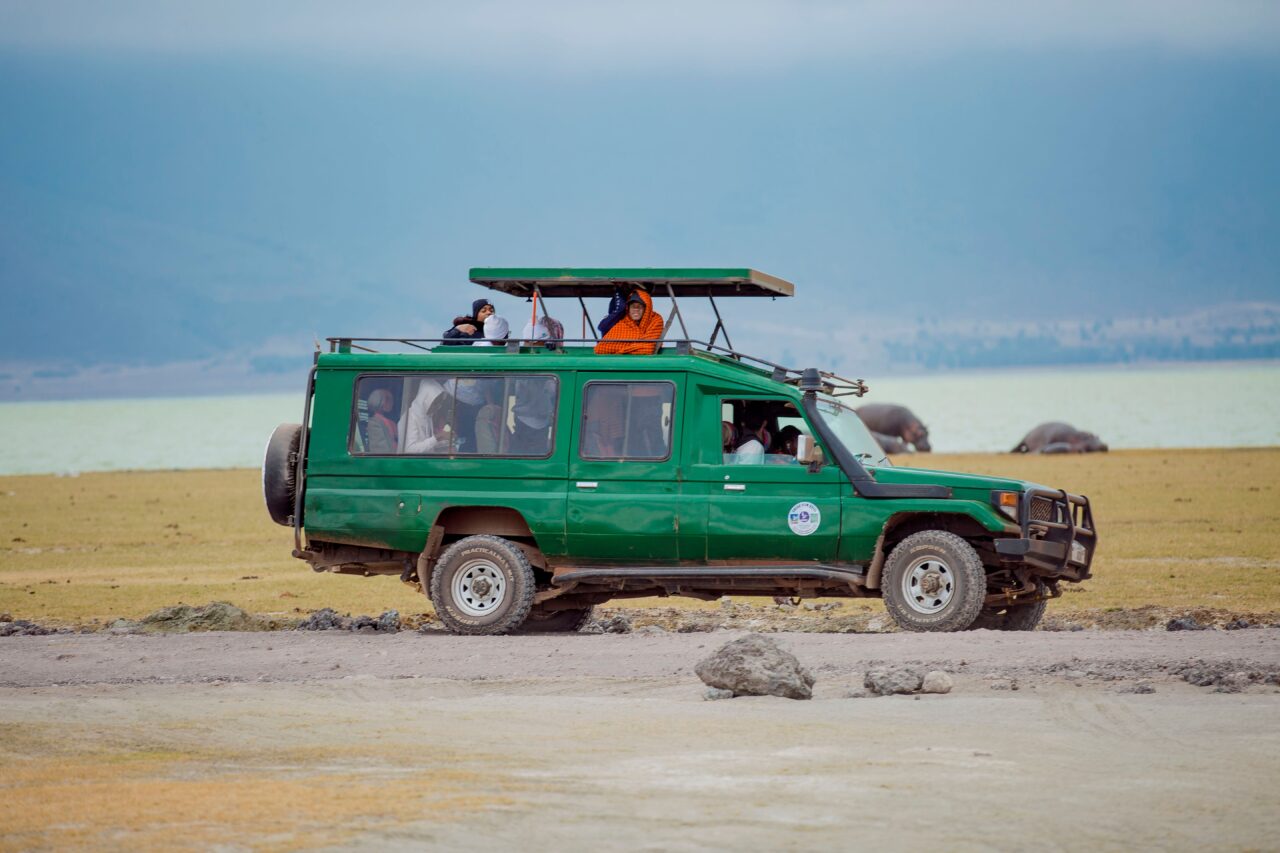
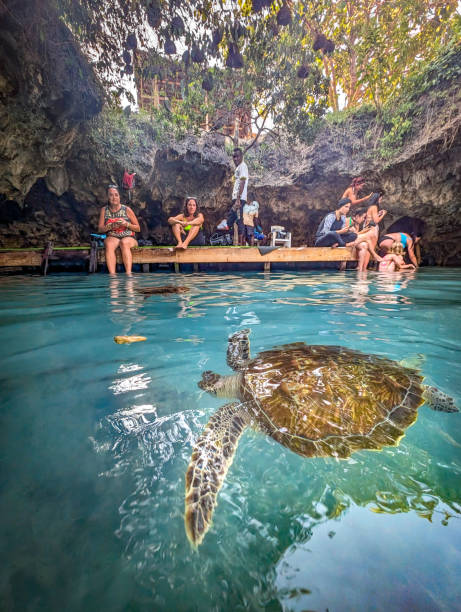
Best Safari for Families Africa: The Ultimate Planning Guide
Planning the best safari for families in Africa is an exciting prospect, promising unforgettable wildlife encounters and shared memories. Africa offers a diverse range of safari experiences, but choosing the right one for your family requires careful consideration. This guide will walk you through everything you need to know to create a successful and enjoyable safari adventure for all ages, from the youngest explorers to seasoned travelers, focusing on practical advice for 2026 and 2027.
Quick Facts: Family Safaris in Africa
| Aspect | Details |
|---|---|
| Target Age Group | Generally 6+ years, but depends on the destination and accommodation. Some lodges cater to younger children. |
| Duration | Typically 7-14 days for a comprehensive experience. Shorter trips (3-5 days) are possible for specific parks. |
| Key Activities | Game drives, walking safaris (age restrictions apply), cultural visits, bird watching, bush breakfasts/dinners. |
| Best Time to Travel | Varies by region; generally the dry seasons offer more predictable wildlife viewing. Consider shoulder seasons for fewer crowds. |
| Accommodation Styles | Family-friendly lodges, tented camps with family suites, mobile camps. |
| Pacing | Slower pace with fewer transfers is often best for families. |
Table of Contents
- Safari Overview for Families
- Why Choose an African Safari for Your Family?
- When is the Best Time for a Family Safari in Africa (2026-2027)?
- Top Destinations for the Best Safari for Families Africa
- Sample Family Safari Itinerary: Tanzania (10 Days)
- What to Expect on a Family Safari
- Packing and Preparation for a Family Safari
- Common Mistakes to Avoid When Planning
- Who is the Best Safari for Families Africa For?
- Alternatives to a Traditional Family Safari
- Planning Your 2026-2027 Family Safari
- Booking Your Family Safari: Expert Tips
Safari Overview for Families
An African safari is more than just seeing animals; it’s an immersive educational experience that connects children with nature in a profound way. The best safari for families Africa offers a blend of adventure, learning, and relaxation. It involves carefully selecting destinations known for their abundant and accessible wildlife, child-friendly accommodations, and engaging activities. The goal is to create a trip that is exciting for the children while remaining comfortable and manageable for the adults. This often means choosing locations with a high density of animals, shorter travel times between parks, and lodges equipped to cater to younger guests. Considering the specific interests and ages of your children is paramount to tailoring an itinerary that will be cherished by everyone.
Why Choose an African Safari for Your Family?
The allure of an African safari for families lies in its unparalleled ability to spark curiosity and foster a deep appreciation for the natural world. It’s a chance to step away from screens and into a living, breathing ecosystem where animals roam freely. For children, seeing iconic creatures like lions, elephants, and giraffes in their natural habitat is a powerful, formative experience that textbooks cannot replicate. Beyond the wildlife, safaris offer opportunities for cultural immersion, learning about local communities, and understanding conservation efforts. These trips often become formative experiences, shaping a child’s perspective on the world and their place in it. The shared adventure strengthens family bonds, creating lasting memories through thrilling game drives, starlit nights, and the simple wonder of the wild.
When is the Best Time for a Family Safari in Africa (2026-2027)?
The ideal timing for your family safari depends heavily on the specific region you plan to visit, as well as your tolerance for crowds and weather. Generally, the dry seasons are preferred for wildlife viewing as animals congregate around water sources. However, this can also mean higher prices and more visitors.
Seasonality Overview for Popular Family Safari Destinations
| Region | Dry Season (Best Wildlife Viewing) | Wet Season (Lush Scenery, Fewer Crowds, Lower Prices) | Shoulder Seasons |
|---|---|---|---|
| Tanzania (Serengeti, Ngorongoro) | June – October, January – February (Calving Season) | March – May | May, November |
| Kenya (Masai Mara) | June – October, January – February | March – May | May, November |
| South Africa (Kruger) | May – October | November – April | April, October |
| Botswana (Okavango Delta) | May – October | November – April | April, October |
For 2026 and 2027, consider these points:
- Dry Season (June-October): This is peak season for many East African destinations. Wildlife is concentrated, making sightings more reliable. However, expect higher prices and more tourists. This is often a good choice for families who want the most predictable wildlife viewing.
- Wet Season (November-May): This period offers lush landscapes, migratory birdlife, and often lower prices. Game viewing can be more challenging due to thicker vegetation and scattered animals, but the dramatic skies and fewer crowds can be appealing. The dramatic rains can also be short-lived.
- Shoulder Seasons (May, November): These months can offer a good balance, with decent wildlife viewing, fewer crowds than peak dry season, and potentially better rates. The weather is often pleasant, transitioning between seasons.
When planning for 2026 or 2027, booking well in advance, especially for peak dry season, is crucial for securing family-friendly accommodations and preferred itineraries.
Top Destinations for the Best Safari for Families Africa
Selecting the right destination is key to a successful family safari. Some regions are particularly well-suited for children due to their accessibility, variety of activities, and family-oriented infrastructure.
Tanzania: The Classic Family Safari
Tanzania is a premier choice for families, offering iconic landscapes and abundant wildlife. The Northern Circuit, encompassing the Serengeti National Park, Ngorongoro Conservation Area, Tarangire National Park, and Lake Manyara National Park, is exceptionally well-developed for tourism.
- Serengeti National Park: Famous for the Great Migration and vast plains teeming with predators and prey. Its sheer size means you can often find excellent viewing away from other vehicles.
- Ngorongoro Crater: A UNESCO World Heritage Site, this collapsed volcano caldera is a wildlife haven with a high concentration of animals, making sightings almost guaranteed. Its contained environment is excellent for younger children.
- Tarangire National Park: Known for its large elephant herds and baobab trees, especially during the dry season. It offers a more intimate safari experience.
- Lake Manyara National Park: Famous for its tree-climbing lions and large baboon troops. Its compact size makes it ideal for a shorter visit or as part of a multi-park itinerary.
Why it’s great for families: High animal density, diverse landscapes, well-established infrastructure, and a range of lodges that cater to families. The Ngorongoro Crater’s contained ecosystem ensures fantastic sightings with minimal travel time within the park.
Kenya: The Maasai Mara and Beyond
Kenya’s Maasai Mara National Reserve is world-renowned for its dramatic wildebeest migration (July-October) and high predator populations. It’s often combined with other parks like Amboseli (for elephants with Kilimanjaro backdrop) or Samburu (for unique northern species).
- Maasai Mara: Offers incredible opportunities to see the Big Five and witness the migration.
- Amboseli National Park: Iconic for its large elephant herds against the backdrop of Mount Kilimanjaro.
- Samburu National Reserve: Home to the ‘Samburu Special Five’ (Grevy’s zebra, reticulated giraffe, Somali ostrich, gerenuk, and beisa oryx).
Why it’s great for families: Excellent wildlife viewing, cultural interactions with the Maasai people, and a variety of safari activities. The Mara is particularly good for seeing predators.
South Africa: Kruger National Park and Private Reserves
South Africa offers a different safari experience, often more accessible and with a wider range of accommodation and activities, including malaria-free options.
- Kruger National Park: Africa’s largest national park, offering self-drive options and excellent infrastructure. It’s known for its high density of wildlife and accessibility.
- Private Game Reserves (e.g., Sabi Sands, Timbavati): Bordering Kruger, these offer exclusive experiences with off-road driving, night drives, and walking safaris, often leading to closer wildlife encounters. Many are malaria-free or have low malaria risk.
Why it’s great for families: High chance of seeing the Big Five, excellent infrastructure, variety of lodging options from self-catering to luxury, and many malaria-free reserves making it ideal for families with very young children. The ability to do night drives and walking safaris (with restrictions) adds to the adventure.
Botswana: The Okavango Delta and Chobe
Botswana offers a more pristine and exclusive safari experience, focusing on low-volume, high-cost tourism. It’s ideal for families seeking a more remote and untouched wilderness.
- Okavango Delta: A unique inland delta offering mokoro (dugout canoe) excursions and water-based game viewing, alongside traditional game drives.
- Chobe National Park: Famous for its massive elephant herds and incredible game viewing along the Chobe River.
Why it’s great for families: Incredible wildlife, unique water-based activities, and a sense of wildness. It’s generally more expensive and best suited for families with slightly older children who can appreciate the tranquility and exclusivity.
Illustrative Route Overview: Tanzania’s Northern Circuit
This is a common and highly effective route for families exploring Tanzania.
| Start: Arusha (Kilimanjaro International Airport – JRO) |
| → |
| Day 1-2: Tarangire National Park (Elephant herds, baobabs) |
| → |
| Day 3-4: Ngorongoro Conservation Area (Crater floor game drive, Maasai village visit option) |
| → |
| Day 5-7: Serengeti National Park (Central Serengeti for year-round game, or follow migration) |
| → |
| Day 8-9: Optional: Lake Manyara National Park (Tree-climbing lions, birding) OR return towards Arusha with stops. |
| → |
| End: Arusha (for departure or onward travel to Zanzibar) |
Sample Family Safari Itinerary: Tanzania (10 Days)
This itinerary is designed for a balanced family experience, focusing on wildlife, comfort, and minimizing travel fatigue. It’s a template and can be customized.
Day 1: Arrival in Arusha
Arrive at Kilimanjaro International Airport (JRO), meet your guide, and transfer to your lodge in Arusha. Relax and acclimatize. Briefing about your upcoming safari.
Day 2: Arusha to Tarangire National Park
After breakfast, drive to Tarangire National Park, famous for its large elephant herds and iconic baobab trees. Enjoy an afternoon game drive.
Day 3: Tarangire National Park
Full day exploring Tarangire. Focus on finding elephants, lions, and diverse birdlife. Optional guided walk (age permitting).
Day 4: Tarangire to Ngorongoro Conservation Area
Morning game drive in Tarangire, then drive to the Ngorongoro Conservation Area. Check into your lodge on the crater rim or nearby. Enjoy the views.
Day 5: Ngorongoro Crater Game Drive
Descend into the Ngorongoro Crater for a full morning of game viewing. This natural amphitheater is home to a high concentration of wildlife, including the Big Five. Picnic lunch on the crater floor.
Day 6: Ngorongoro to Serengeti National Park
Drive to the Serengeti, stopping at Olduvai Gorge (optional) for a glimpse into early human history. Arrive in the Serengeti and begin your game drive en route to your camp/lodge.
Day 7: Serengeti National Park
Full day exploring the vast plains of the Serengeti. Depending on the time of year, you might witness the Great Migration. Look for lions, cheetahs, leopards, and more.
Day 8: Serengeti National Park
Another day in the Serengeti. Consider an early morning hot air balloon safari (optional, extra cost, often best for older children) for a unique perspective. Afternoon game drive.
Day 9: Serengeti to Arusha
Enjoy a final morning game drive in the Serengeti before flying from a local airstrip to Arusha. Transfer to your lodge to relax or do some souvenir shopping.
Day 10: Departure
After breakfast, transfer to Kilimanjaro International Airport (JRO) for your departure flight.
What to Expect on a Family Safari
A family safari is an adventure, and managing expectations is key to a smooth trip.
- Early Mornings: Game drives often start at dawn when animals are most active. This can be a challenge with young children, but many lodges offer flexible schedules or quieter activities for those who prefer to sleep in.
- Vehicle Time: You’ll spend time in safari vehicles. Comfortable, open-sided vehicles are standard. Ensure your chosen operator provides vehicles suitable for your family’s size and needs. Shorter drives between destinations are beneficial.
- Wildlife Sightings: While wildlife is abundant, sightings are not guaranteed. Patience is rewarded. It’s important to explain to children that animals are wild and may not always be visible.
- Lodge Amenities: Many family-friendly lodges offer swimming pools, dedicated children’s menus, and sometimes even kids’ clubs or activities. Researching these facilities is important.
- Safety Protocols: Safety is paramount. Guides are highly trained. Listen to their instructions regarding staying in vehicles, maintaining distance from animals, and camp rules.
- Education and Engagement: Safaris are incredibly educational. Encourage children to ask questions, keep a wildlife journal, or use binoculars. Guides are excellent resources for explaining animal behavior and ecology.
Packing and Preparation for a Family Safari
Smart packing ensures comfort and readiness for your safari adventure. Focus on practical, comfortable items.
Essential Packing List for Families
- Clothing: Neutral-colored, lightweight, breathable clothing (khaki, beige, green, brown). Long sleeves and trousers for sun and insect protection. A warm fleece or jacket for cool mornings and evenings. Comfortable walking shoes/boots. Hats with wide brims.
- Footwear: Comfortable closed-toe shoes for game drives. Sandals or flip-flops for around the lodge.
- Sun Protection: High SPF sunscreen, sunglasses, lip balm with SPF.
- Insect Repellent: With DEET or picaridin, especially for evenings and in malaria-prone areas.
- Health & First Aid: Personal medications, basic first-aid kit (band-aids, antiseptic wipes, pain relievers, motion sickness medication, any specific child needs). Consult your doctor about malaria prophylaxis and vaccinations.
- Gear: Binoculars (essential for everyone!), camera with extra batteries and memory cards, power bank/adapter, headlamps or flashlights.
- Children’s Specifics: Favorite small toys or books, comfort items, any specific snacks they enjoy (though lodges cater well), a small backpack for them to carry their own water and snacks.
- Documents: Passports, visas, vaccination certificates, travel insurance details, copies of important documents.
Preparation Tips:
- Health Consultations: Visit your doctor or a travel clinic 4-6 weeks before your trip to discuss necessary vaccinations and malaria precautions for your chosen destination.
- Educate Children: Read books about African animals and safaris. Discuss safety rules and what to expect.
- Pack Light, but Smart: Most safari lodges have laundry services, so you don’t need to pack an outfit for every day. Soft-sided luggage is often preferred for smaller aircraft.
- Hydration: Encourage everyone to drink plenty of water, especially in the heat.
Common Mistakes to Avoid When Planning
Avoiding common pitfalls can save you stress and ensure a better experience.
- Choosing the Wrong Destination: Not all parks are equally suited for families. Some have challenging terrain, limited child-friendly activities, or require long transfers.
- Over-scheduling: Trying to see too much in too little time leads to rushed days and tired, grumpy children. Prioritize quality over quantity.
- Ignoring Age Suitability: Some activities, like walking safaris or mokoro trips, have age restrictions. Ensure the safari fits the youngest member of your family.
- Not Considering Accommodation: Standard hotel rooms are not ideal. Look for family suites, adjoining rooms, or lodges with family-specific amenities.
- Forgetting Sun and Insect Protection: The African sun is strong, and insects can be present. Proper protection is vital for comfort and health.
- Not Booking in Advance: Especially for peak seasons (like the Great Migration), popular family lodges and vehicles get booked up months, even a year, in advance for 2026 and 2027.
- Underestimating Travel Times: Distances can be vast, and road conditions can vary. Factor in realistic travel times and consider internal flights for longer distances.
- Not Having a Contingency Plan: Travel disruptions can happen. Ensure you have travel insurance and a flexible itinerary.
Who is the Best Safari for Families Africa For?
The best safari for families Africa is ideal for:
- Families with Children Aged 6 and Up: While some lodges cater to younger children, most safaris are most enjoyable for children who can understand and follow instructions, appreciate wildlife, and have a reasonable attention span for game drives.
- Adventurous Families: Those who enjoy nature, wildlife, and a sense of exploration.
- Families Seeking Educational Experiences: Safaris offer incredible learning opportunities about wildlife, conservation, and different cultures.
- Families Wanting Unique Bonding Time: Shared experiences in the wild create powerful, lasting family connections.
- Families Interested in Conservation: Many safaris highlight conservation efforts, which can be inspiring for children.
It is less suited for families who prefer highly structured, predictable environments with constant entertainment or those who are uncomfortable with basic living conditions or long periods without modern amenities.
Alternatives to a Traditional Family Safari
If a traditional multi-day safari doesn’t quite fit your family’s needs, consider these alternatives:
- Day Trips to Game Reserves: Many cities or coastal towns (like Nairobi or Mombasa) offer day trips to nearby smaller reserves or animal orphanages. This provides a taste of wildlife viewing without the commitment of a full safari.
- Private Game Lodges with Shorter Stays: Opt for a 2-3 night stay at a lodge that offers a high density of wildlife and family-friendly activities, minimizing travel time.
- Malaria-Free Safaris: South Africa’s Eastern Cape or certain reserves in Botswana offer excellent game viewing in areas with very low or no malaria risk, which can be a significant factor for families with very young children.
- Combine Safari with Beach Holidays: Many East African safaris can be combined with a relaxing beach holiday, for example, in Zanzibar after a Tanzanian safari. This offers variety and caters to different interests.
- Zoos with African Exhibits: While not the same as a real safari, visiting a well-managed zoo with extensive African exhibits can be a starting point for younger children to learn about the animals before a bigger trip.
Planning Your 2026-2027 Family Safari
Planning a family safari for 2026 or 2027 requires foresight and attention to detail. Here are key considerations:
Family Safari Planning Timeline (2026-2027)
| Timeframe Before Travel | Key Actions |
|---|---|
| 12-18 Months Out | Research destinations and tour operators. Define budget. Book popular lodges/camps, especially for peak season. |
| 9-12 Months Out | Confirm itinerary. Book internal flights. Start discussing travel with children. |
| 6-9 Months Out | Consult doctor for vaccinations and malaria advice. Purchase travel insurance. |
| 3-6 Months Out | Finalize packing list. Purchase binoculars, cameras, and specific gear. Book any optional activities (e.g., hot air balloon). |
| 1-3 Months Out | Obtain necessary visas. Confirm all bookings and travel documents. Pack essential medications. |
| Weeks Before | Final health checks. Exchange currency. Pack final items. Educate children on safety rules. |
Key Considerations for 2026-2027:
- Booking Windows: Popular lodges and safari packages for 2026 and 2027, especially during peak seasons (like July-October for East Africa), will book up quickly. Secure your preferred options early.
- Flexibility: While planning is essential, building a little flexibility into your itinerary can be beneficial, especially with children.
- Budgeting: Safaris can range significantly in price. Understand what is typically included (accommodation, meals, game drives, park fees, guide) and what is extra (international flights, visas, tips, drinks, optional activities).
- Sustainability: Choose operators and lodges that demonstrate a commitment to conservation and supporting local communities.
Booking Your Family Safari: Expert Tips
Choosing the right tour operator is crucial for a stress-free and memorable family safari. Here’s how to approach booking:
- Work with Specialists: Partner with a tour operator that specializes in African safaris and has a strong track record with family travel. They understand the nuances of child-friendly lodges, appropriate pacing, and safety considerations.
- Ask Detailed Questions: Don’t hesitate to ask about vehicle suitability (e.g., number of seats, open sides), lodge facilities for children, meal options, guide experience with families, and cancellation policies.
- Read Reviews (Critically): Look for reviews from other families. Pay attention to comments about service, accommodation, wildlife sightings, and how the operator handled any issues.
- Understand Inclusions/Exclusions: Clarify exactly what is covered in your safari package. Park fees, meals, activities, guide services, and accommodation are standard. Drinks, tips, laundry, and optional activities are often extra.
- Consider a Custom Itinerary: While pre-set packages are available, a custom itinerary tailored to your family’s specific interests, pace, and budget will often provide the best experience.
- Payment Schedules: Reputable operators will have clear payment terms, usually requiring a deposit to secure bookings and the balance due closer to the travel date.
- Travel Insurance: Ensure your travel insurance covers medical emergencies, trip cancellations, and lost luggage. This is non-negotiable for family travel.
When you’re ready to discuss your family’s dream safari, Top Guide Adventures is here to help. We specialize in creating personalized safari experiences that are perfect for families, ensuring safety, comfort, and incredible wildlife encounters.
Ready to Plan Your Family Safari?
Let us craft the perfect African adventure for your family. We offer custom itineraries, family-friendly accommodations, and expert guides to make your trip unforgettable.
WhatsApp Us: +255616946642
Email Us: topguideadventures@gmail.com
Backup Email: info@topguideadventures.com
We look forward to helping you plan the best safari for families Africa!
Frequently Asked Questions (FAQs)
FAQs About Family Safaris in Africa
What is the minimum age for a child on safari?
There isn’t a strict universal minimum age, as it depends on the specific lodge, park regulations, and the child’s temperament. However, most lodges and operators recommend an age of 6 years or older for a traditional safari. Some lodges offer programs for younger children, and certain reserves are more relaxed. It’s best to consult with your tour operator about the specific ages and destinations.
Are African safaris safe for families?
Yes, African safaris are generally very safe for families when planned and executed correctly. Reputable tour operators prioritize safety. Guides are highly trained to manage wildlife encounters and ensure guest well-being. Staying aware of your surroundings, following guide instructions, and choosing appropriate accommodations are key. Malaria-free areas are also an option for families concerned about health risks.
What should we pack for children on safari?
Pack neutral-colored, lightweight clothing, comfortable shoes, sun protection (hats, sunscreen, sunglasses), insect repellent, and any personal medications. Binoculars are a must for kids to spot wildlife. A small backpack for their own water and snacks is also useful. Don’t forget their favorite comfort items for bedtime.
How much wildlife can we expect to see?
Africa is renowned for its abundant wildlife. Parks like the Serengeti, Ngorongoro Crater, and Maasai Mara offer very high chances of seeing iconic animals such as elephants, lions, giraffes, zebras, and buffalo. While sightings are not guaranteed, experienced guides know where to find animals, and the sheer density in these areas is impressive.
Can we combine a safari with other activities?
Absolutely! Many families combine safaris with beach holidays (e.g., Zanzibar after a Tanzanian safari), cultural visits to local villages, or even mountain trekking (though Kilimanjaro is for older, fitter individuals). This offers a diverse experience catering to various interests.
What are the accommodation options for families?
Accommodation ranges from luxury lodges with swimming pools and family suites to more rustic tented camps. Many family-friendly lodges offer connecting rooms, family villas, children’s menus, and sometimes kids’ clubs or activities to keep younger guests entertained.
What is the best time to plan a family safari for 2026 or 2027?
For predictable wildlife viewing, the dry seasons (generally June to October in East Africa) are popular. However, these are peak times with higher prices. Shoulder seasons (May, November) can offer a good balance. The wet season (November to May) can be beautiful with fewer crowds and lower prices, but wildlife viewing can be more challenging. For 2026 and 2027, booking early for any preferred season is advisable.
Do we need to worry about malaria?
Malaria is present in many safari destinations, particularly in East Africa. It’s crucial to consult with a travel doctor about malaria prophylaxis and other preventative measures like using insect repellent and wearing long sleeves/trousers in the evenings. For families with very young children, considering malaria-free safari destinations in South Africa or Botswana is a good option.
How much does a family safari cost?
Safari costs vary widely based on destination, accommodation standard, duration, and time of year. A mid-range family safari in Tanzania or Kenya for 7-10 days can range significantly. Expect higher costs for private reserves or luxury lodges. It’s best to get a personalized quote based on your specific requirements.
What if my child gets bored on safari?
While wildlife is captivating, boredom can happen. Engage children by giving them a checklist of animals to spot, encouraging them to draw or write in a safari journal, or playing games in the car. Lodges with pools or activity centers can also provide downtime. Choosing an operator that understands family pacing is key.
Plan your best safari for families Africa with Top Guide Adventures
Tell us your travel dates, group size, comfort level, and dream experience. We will help you shape a clear, realistic, and memorable Tanzania itinerary.







 Veedesigner
 Fatma Kizanga
 Benjamin Waryuba
 Philip Philip
 John jr Itaja
 Antonia Optatus
 Edith Kanyere
 Neema Iddy
 Kelvin Boniphace
 Damari Maiga



