
Updated planning guide for 2026-2027
The Red Lake In Tanzania That Looks Like Another Planet: Complete Guide
Explore the otherworldly beauty of Tanzania's Red Lake. This comprehensive guide offers everything you need to plan an unforgettable trip to this unique natural wonder.
WhatsApp +255616946642 | topguideadventures@gmail.com | info@topguideadventures.com

Discovering Tanzania’s Alien Landscape: The Red Lake
Imagine a place on Earth that feels like stepping onto another world. Tanzania, a country renowned for its vast savannas, iconic wildlife, and the majestic Mount Kilimanjaro, holds a secret that defies expectations: a lake so vibrantly colored it appears extraterrestrial. This is not a scene from a science fiction movie, but a real, breathtaking natural phenomenon. We are talking about the unique and stunning Red Lake in Tanzania, a destination that promises an experience unlike any other. For travelers seeking the truly extraordinary, a visit to this otherworldly site should be high on their list for 2026 and 2027 adventures.
This guide will take you through everything you need to know to plan a visit to this geological marvel. From understanding what causes its striking color to planning your logistics, experiencing local culture, and ensuring a safe and memorable journey, we cover it all. Let us help you navigate your way to one of Tanzania’s most visually arresting and least-understood natural wonders.
Quick Facts About Tanzania’s Red Lake
| Feature | Details |
|---|---|
| Location | Northern Tanzania, near the Ngorongoro Conservation Area and Lake Manyara. Often accessed via Karatu. |
| Primary Color | Vibrant red, orange, and sometimes pink hues. |
| Cause of Color | Microorganisms (like Rhodobacteria) and mineral content in the water. |
| Surrounding Landscape | Volcanic crater, often with sparse vegetation, alkaline soil. |
| Wildlife Sightings | Flamingos (especially Lesser Flamingos), other water birds, occasional mammals near the lake edges. |
| Accessibility | Requires a 4×4 vehicle, often part of a Northern Circuit safari. |
| Best Time to Visit | Dry season (June to October) for clearer views and easier access; also good during shoulder seasons. |
| Nearby Attractions | Ngorongoro Crater, Lake Manyara National Park, Tarangire National Park, Serengeti National Park. |
What Makes This Red Lake So Unique?
The phenomenon of a ‘red lake’ is not entirely unique globally, but the specific context and visual impact of Tanzania’s version are exceptional. The striking coloration is primarily attributed to a combination of factors:
- Microbial Life: The lake is home to specific types of bacteria, particularly those within the Rhodobacteria family. These microorganisms thrive in alkaline, saline environments and produce pigments that range from red to orange. As the concentration of these bacteria changes with water temperature and depth, the lake’s color can shift, sometimes dramatically.
- Mineral Content: The volcanic soil and underlying geology of the region contribute significant mineral deposits to the lake’s water. These minerals, when interacting with the microbial life and sunlight, can intensify the red and orange tones.
- Alkalinity: The lake is highly alkaline, a condition that favors the growth of these specific salt-loving and heat-loving microorganisms.
The visual effect is astounding. From a distance, the lake appears like a pool of blood or a vibrant sunset captured on the earth’s surface. Closer inspection reveals a shimmering, almost otherworldly hue that changes with the light. This visual spectacle is amplified by the stark, often volcanic landscape surrounding it, creating a stark contrast that enhances its alien appearance. It truly is a place that redefines your perception of natural landscapes.
Why Visit The Red Lake In Tanzania?
For the discerning traveler in 2026-2027, a visit to this Red Lake offers more than just a picturesque view. It’s an opportunity to connect with Tanzania’s diverse geological and ecological wonders, often overlooked in favor of its world-famous wildlife. Here’s why it should be on your itinerary:
- Unparalleled Photography: The vibrant colors create some of the most striking and unique photographic opportunities in Tanzania. The contrast between the red water, the often-blue sky, and the surrounding arid or volcanic terrain is visually arresting.
- Ecological Marvel: Understanding how life adapts and thrives in extreme environments is fascinating. The lake is a living laboratory, showcasing the power of extremophile organisms.
- Flamingo Haven: While the color is the main draw, the lake is also a significant feeding ground for Lesser Flamingos. Witnessing these pink birds against the backdrop of the red water is a doubly surreal experience.
- Off-the-Beaten-Path Adventure: While part of the popular Northern Circuit, the lake itself is often a brief stop. Taking the time to truly appreciate it offers a more intimate and less crowded experience compared to some of the more heavily touristed spots.
- Geological Diversity: It showcases Tanzania’s volcanic past and its dynamic geological processes, offering a different perspective from the typical savanna safari.
Best Time To Visit The Red Lake
The timing of your visit can significantly impact your experience. While the lake is present year-round, certain periods offer better conditions for viewing and accessibility.
| Period | Conditions & Experience |
|---|---|
| Dry Season (June – October) | Pros: Clearer skies, less rain, easier road conditions. Water levels are often lower, which can sometimes intensify colors. This is peak tourist season for safaris. Cons: More crowds at other safari locations; accommodations can be pricier. |
| Shoulder Seasons (March – May, November – December) | Pros: Fewer crowds, potentially lower prices, lush landscapes (especially after rains). The colors can be equally vibrant. Cons: Possibility of rain, which can affect road conditions and visibility. March-May can be the long rains. |
| Wet Season (January – February, parts of March) | Pros: Lush vegetation, newborn animals (part of the Great Migration calving season in Serengeti). Cons: Heavy rains can make roads impassable, significantly impacting access to the lake and surrounding areas. Less ideal for this specific destination. |
For the best visual impact and ease of travel, the dry season (June to October) is generally recommended. However, the shoulder months can offer a good balance of favorable weather and fewer tourists. Planning for 2026 or 2027 during these optimal periods will enhance your chances of a smooth and visually spectacular trip.
Route and Area Overview
The Red Lake is not a standalone destination you can fly directly into. It is typically incorporated as part of a larger safari itinerary, most commonly the Northern Circuit of Tanzania. Its location makes it a convenient stop between major parks.
Typical Route Logic:
- Arrive in Arusha: This is the gateway city for most Northern Circuit safaris.
- Lake Manyara National Park: Often visited for its tree-climbing lions and diverse birdlife. The Red Lake is frequently visited on the way to or from Lake Manyara, or as a dedicated excursion from a lodge in the Karatu area.
- Karatu Area: Many lodges and camps are situated around Karatu, a town that serves as a base for exploring both Lake Manyara and the Ngorongoro Crater. The Red Lake is easily accessible from here.
- Ngorongoro Conservation Area: Home to the famous Ngorongoro Crater, offering incredible wildlife viewing.
- Serengeti National Park: The vast plains renowned for the Great Migration and abundant predators.
Visualizing the Area:
| Starting Point: Arusha | ↓ | En Route To: Lake Manyara NP / Karatu |
| Side Trip/Stop: The Red Lake (often viewed from overlooks near Karatu or on the road) | ↓ | Next: Ngorongoro Conservation Area |
| Continuing: Serengeti National Park |
Your tour operator will integrate the Red Lake visit into your itinerary, usually as a scenic drive-by or a short stop to appreciate the views. Access to the lake itself can vary; sometimes you view it from a high point, other times you may drive closer to its shores, depending on road conditions and park regulations at the time.
Sample Itinerary: Incorporating The Red Lake
This sample itinerary shows how the Red Lake can be integrated into a classic Northern Circuit safari. This is a flexible framework; your actual itinerary can be customized to your interests and time.
7-Day Northern Circuit Safari with Red Lake Visit
Day 1: Arrival in Arusha
Arrive at Kilimanjaro International Airport (JRO), met by your guide, and transferred to your lodge in Arusha. Briefing on your upcoming safari. Overnight in Arusha.
Day 2: Arusha to Tarangire National Park
After breakfast, drive to Tarangire National Park, famous for its large elephant herds and baobab trees. Full day of game drives. Overnight near Tarangire.
Day 3: Tarangire to Karatu (Red Lake Visit)
Morning game drive in Tarangire. Afterward, drive towards the Karatu highlands. En route, you will have opportunities to view and photograph the striking Red Lake from designated viewpoints. Arrive in Karatu, check into your lodge. Afternoon visit to a local coffee plantation or a Maasai village (optional). Overnight in Karatu.
Day 4: Ngorongoro Crater Tour
Descend into the Ngorongoro Crater, a UNESCO World Heritage Site, for an incredible game drive. This is one of the best places in Africa to see the Big Five. Enjoy a picnic lunch on the crater floor. Ascend in the late afternoon. Overnight in Karatu.
Day 5: Karatu to Serengeti National Park
Drive to the world-renowned Serengeti National Park, stopping at the Olduvai Gorge (optional, requires extra time and fee) en route. Begin your game drive as you enter the Serengeti. Overnight in the Serengeti.
Day 6: Full Day Serengeti Exploration
Full day dedicated to exploring the vast plains of the Serengeti. Depending on the time of year, you might witness the Great Migration. Enjoy morning and afternoon game drives. Overnight in the Serengeti.
Day 7: Serengeti to Arusha & Departure
Enjoy a final early morning game drive in the Serengeti. After breakfast, drive back to Arusha, with a stop for lunch. Transfer to Kilimanjaro International Airport (JRO) for your onward flight.
What To Expect When Visiting The Red Lake
Visiting the Red Lake is an experience that engages multiple senses, though sight is the primary one. Here’s a breakdown of what you can anticipate:
- Visual Spectacle: The most immediate and impactful element is the color. It’s intense, unusual, and mesmerizing. The shades can range from deep crimson to bright orange and pink, depending on the light and time of day.
- Atmospheric Conditions: The area around the lake is often arid and can be dusty. The air can be warm, especially during the dry season. You might experience wind, which can stir up dust.
- Wildlife: While the lake’s color is the star, you will likely see flamingos, especially Lesser Flamingos, wading and feeding. Other water birds might also be present. Keep an eye out for general wildlife in the surrounding scrubland, though it’s not a primary wildlife viewing spot compared to national parks.
- Smell: Due to the high mineral content and microbial life, the lake can have a distinct sulfurous or mineral odor, particularly when you get close. This is part of the natural environment and not necessarily unpleasant, just noticeable.
- Accessibility: Access to the lake’s edge might be limited. Often, viewing is done from overlooks or designated points along the road. Your guide will know the best and safest spots.
- Geological Features: The landscape is often rugged, with volcanic rocks and sparse vegetation. It feels ancient and raw.
It’s important to manage expectations. This is not a place for swimming or direct interaction with the water due to its extreme properties. It’s a place for observation, photography, and appreciating a unique natural phenomenon.
Packing and Preparation Essentials
While visiting the Red Lake is often a stop on a larger safari, specific considerations can enhance your experience. Proper packing is key for comfort and enjoyment, especially in Tanzania’s diverse climates.
Essential Packing List
- Clothing: Lightweight, breathable clothing in neutral colors (khaki, beige, green). Long sleeves and trousers for sun protection and insect repellent in the evenings. A warm fleece or jacket for cooler mornings and evenings, especially in the highlands around Karatu.
- Footwear: Comfortable walking shoes or hiking boots if you plan any short walks. Sandals or flip-flops for relaxing at the lodge.
- Sun Protection: Wide-brimmed hat, sunglasses, and high SPF sunscreen are crucial. The sun is intense at altitude and near the equator.
- Camera Gear: Extra batteries, memory cards, and a good zoom lens are highly recommended for wildlife and landscape photography. A polarizing filter can help reduce glare and enhance colors.
- Binoculars: Essential for spotting wildlife at a distance.
- Insect Repellent: Especially important for evenings and areas near water.
- Personal First-Aid Kit: Include any personal medications, pain relievers, antiseptic wipes, and bandages.
- Reusable Water Bottle: Stay hydrated. Most lodges provide filtered water for refills.
- Hand Sanitizer: For use on the go.
- Small Backpack: For day trips, carrying water, snacks, camera, and a light jacket.
- Adapter: Tanzania uses Type G plugs (UK style) and a voltage of 230V.
Preparation Tips:
- Vaccinations and Health: Consult your doctor or a travel clinic well in advance of your trip for recommended vaccinations and malaria prophylaxis.
- Visa: Check the visa requirements for Tanzania for your nationality. Many can obtain a visa on arrival or apply online.
- Travel Insurance: Comprehensive travel insurance is highly recommended, covering medical emergencies, trip cancellations, and lost luggage.
- Currency: The Tanzanian Shilling (TZS) is the local currency, but USD is widely accepted for park fees, tours, and in tourist establishments. Carry smaller USD bills for tips and incidental purchases.
- Fitness: While visiting the Red Lake itself requires minimal physical exertion, a general level of fitness is beneficial for safaris and any optional activities.
Common Mistakes to Avoid
To ensure your trip to the Red Lake and the surrounding areas is as smooth and enjoyable as possible, be aware of these common pitfalls:
- Underestimating Travel Times: Distances in Tanzania can be deceiving, and road conditions can slow travel considerably. Always factor in ample travel time, especially between parks.
- Expecting to Swim: The Red Lake is not for swimming. Its extreme alkalinity and microbial content make it dangerous and unpleasant.
- Not Packing Appropriately: Underpacking for sun protection or overpacking bulky items can detract from your comfort. Layering is key for the varied microclimates.
- Focusing Only on the Lake: The Red Lake is a highlight, but it’s part of a much larger, incredible ecosystem. Don’t let it overshadow the wildlife and landscapes of the national parks.
- Ignoring Local Customs: While tourist areas are accustomed to visitors, showing respect for local culture, especially if visiting villages, is important. Dress modestly when not on safari.
- Not Booking with a Reputable Operator: Tanzania’s tourism infrastructure requires local knowledge. A good operator ensures smooth logistics, safety, and the best experience.
- Assuming All Operators are Equal: Research and choose a company with a proven track record and good reviews.
Who Is This Destination Best Suited For?
The Red Lake and its surrounding circuit are ideal for a variety of travelers:
- Photographers: The unique colors and landscapes offer unparalleled photographic opportunities.
- Nature Enthusiasts: Those fascinated by geology, ecology, and extremophile life will find this destination particularly engaging.
- Safari Goers: It’s a perfect addition to a classic Northern Circuit safari, adding a unique visual element to the wildlife experience.
- Curious Travelers: Anyone looking for experiences beyond the typical tourist trail and seeking to see the diverse natural wonders of Tanzania.
- Families with Older Children: Children old enough to appreciate the unique sights and understand safety instructions will find it fascinating.
- Couples and Honeymooners: The dramatic landscapes and unique beauty create a memorable backdrop for romantic getaways.
It is less suited for travelers with very limited mobility who cannot manage getting in and out of safari vehicles or for those who are solely focused on intensive wildlife viewing without appreciating geological or ecological oddities.
Alternatives and Similar Destinations
While Tanzania’s Red Lake is distinctive, other places offer unique geological or colorful water features:
- Lake Natron, Tanzania: Another highly alkaline lake in northern Tanzania, famous for being a breeding ground for Lesser Flamingos. Its stark, salt-encrusted shores and dramatic landscapes are equally alien.
- Danakil Depression, Ethiopia: Often cited as one of the most alien-looking places on Earth. It features active volcanoes, vast salt flats, and brightly colored hot springs that resemble alien terrains.
- Grand Prismatic Spring, Yellowstone National Park, USA: The largest hot spring in the USA, displaying vibrant rings of color created by thermophilic bacteria.
- Lake Hillier, Western Australia: A striking pink salt lake, famous for its bubblegum-pink hue.
- Salar de Uyuni, Bolivia: The world’s largest salt flat, which, during the wet season, becomes a giant mirror reflecting the sky, creating an illusion of walking on clouds.
Each of these destinations offers a unique visual and environmental experience. However, for those already planning a safari in Tanzania, the Red Lake provides an easily accessible and spectacular detour.
Planning Your Trip for 2026-2027
Planning ahead is crucial for a successful trip to Tanzania, especially for the 2026-2027 travel seasons. Here’s how to approach it:
Key Planning Steps for 2026-2027
- Define Your Interests: Are you primarily interested in wildlife, culture, geology, or a combination? This will shape your itinerary.
- Choose Your Safari Circuit: The Red Lake is best integrated into the Northern Circuit. Decide on the duration and specific parks you wish to visit.
- Select a Reputable Tour Operator: This is perhaps the most critical step. Look for operators with extensive experience in Tanzania, good reviews, and clear communication. Contact us to discuss your custom itinerary.
- Book in Advance: For peak seasons (like June-October 2026/2027), popular lodges and safari vehicles get booked up months, sometimes a year, in advance.
- Consider Your Budget: Tanzania offers a range of accommodation options, from budget-friendly to ultra-luxury. A good operator can help you find options that fit your budget without compromising quality.
- Health and Safety: Start researching health requirements and book any necessary appointments with your doctor 3-6 months before departure.
- Visa and Flights: Check visa requirements and book international flights well in advance to secure better prices and availability.
Booking Advice and What to Expect from Your Operator
Choosing the right tour operator is paramount to experiencing the magic of Tanzania, including the Red Lake. Here’s what to look for and expect:
Choosing Your Tour Operator
- Experience: Look for operators with many years of experience in Tanzania and specifically with the Northern Circuit.
- Customization: Can they tailor an itinerary to your specific interests, pace, and budget? A good operator listens to your needs.
- Communication: Prompt, clear, and helpful communication is a strong indicator of professionalism.
- Guides: Experienced, knowledgeable, and friendly guides are the backbone of any safari. Ask about guide qualifications.
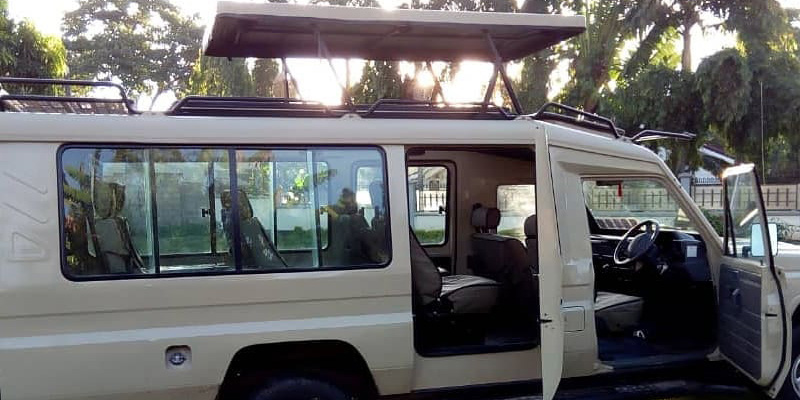
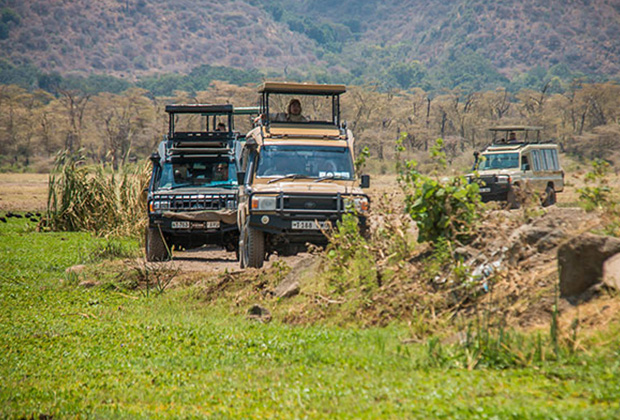
- Vehicle Quality: Ensure they use well-maintained 4×4 safari vehicles with pop-up roofs for optimal viewing.
- Inclusions/Exclusions: Understand exactly what is included in your package (accommodation, park fees, meals, guide, vehicle, water) and what is not (tips, drinks, personal expenses).
What to Expect in Your Booking
- Detailed Itinerary: A clear day-by-day plan outlining activities, driving times, and accommodation.
- Inclusions/Exclusions Table: A precise list of what your package covers.
- Accommodation Details: Information on the lodges or camps where you’ll be staying.
- Payment Schedule: Typically, a deposit is required to confirm booking, with the balance due a few weeks before departure.
- Pre-departure Information: A comprehensive pack with packing lists, health advice, cultural tips, and emergency contacts.
Contact Us for Your Custom Tanzania Adventure
Ready to plan your journey to see The Red Lake In Tanzania That Looks Like Another Planet and beyond? We specialize in creating personalized safari experiences that showcase the best of Tanzania. Let us craft an unforgettable adventure for you in 2026 or 2027.
Get in touch today:
- WhatsApp: +255616946642
- Email: topguideadventures@gmail.com
- Backup Email: info@topguideadventures.com
Plan your The Red Lake in Tanzania That Looks Like Another Planet with Top Guide Adventures
Tell us your travel dates, group size, comfort level, and dream experience. We will help you shape a clear, realistic, and memorable Tanzania itinerary.

 Veedesigner
 Fatma Kizanga
 Benjamin Waryuba
 Philip Philip
 John jr Itaja
 Antonia Optatus
 Edith Kanyere
 Neema Iddy
 Kelvin Boniphace
 Damari Maiga



