
Updated planning guide for 2026-2027
Best Places To Visit In Western Tanzania: Complete Guide 2026-2027
Explore the wild heart of Tanzania with our comprehensive guide to the best places to visit in Western Tanzania. From chimpanzee tracking in Gombe and Mahale to vast, untamed wilderness in Katavi, this region offers a unique safari experience far from the crowds. Plan your 2026-2027 adventure with expert insights.
WhatsApp +255616946642 | topguideadventures@gmail.com | info@topguideadventures.com

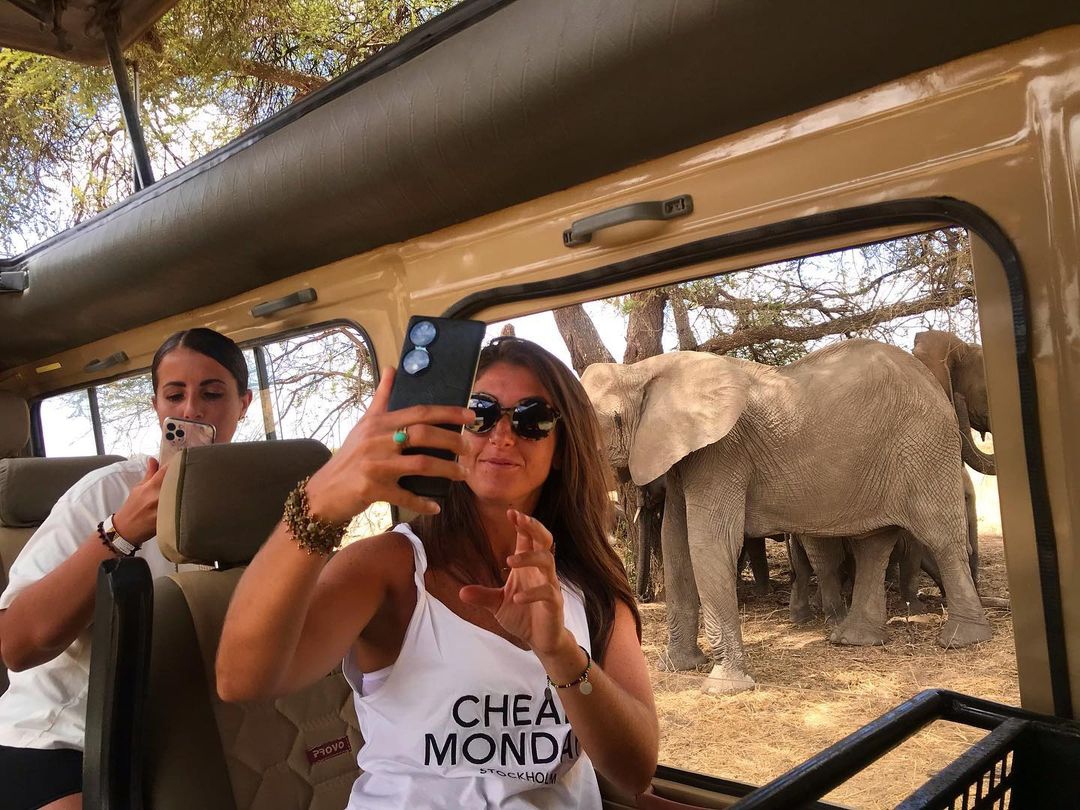
The Best Places to Visit in Western Tanzania: An Expert Safari Guide
When planning a Tanzanian safari, most travelers immediately picture the iconic Serengeti, Ngorongoro Crater, or Mount Kilimanjaro. While these destinations are undeniably spectacular, the western circuit of Tanzania offers a different, yet equally profound, wilderness experience. This region is characterized by its remoteness, its incredible primate populations, and vast, largely untouched landscapes that promise an authentic encounter with nature. If you seek a safari that feels truly wild, adventurous, and off the beaten path, the best places to visit in Western Tanzania should be at the top of your list.
Western Tanzania is a realm of ancient forests, sprawling savannas, and the shimmering waters of Lake Tanganyika. It’s a place where chimpanzees swing through the canopy, where lions hunt in vast plains rarely disturbed by human presence, and where the sheer scale of the wilderness inspires awe. This guide is designed to help you navigate this extraordinary region, providing detailed insights for planning your 2026-2027 journey.
Quick Answer: Your Western Tanzania Safari Snapshot
The absolute must-visit destinations in Western Tanzania for primate enthusiasts and intrepid travelers are Gombe Stream National Park (famous for Jane Goodall’s research and chimpanzee tracking), Mahale Mountains National Park (offering stunning chimpanzee encounters and beautiful lake access), and Katavi National Park (known for its immense wildlife herds and raw, wild atmosphere). These parks provide distinct yet complementary experiences for those wanting to explore beyond the typical northern safari circuit.
| Destination | Primary Wildlife Attraction | Key Activities | Best For | Accessibility |
|---|---|---|---|---|
| Gombe Stream National Park | Chimpanzees, primates | Chimpanzee tracking, hiking, birdwatching, swimming | Primate research enthusiasts, unique close-up wildlife encounters | Fly-in access from Arusha/Dar es Salaam to Kigoma, then boat |
| Mahale Mountains National Park | Chimpanzees, red colobus monkeys, diverse birdlife | Chimpanzee tracking, hiking, swimming, kayaking, relaxation by Lake Tanganyika | Luxury travelers, primate lovers, those seeking stunning natural beauty | Fly-in access from Arusha/Dar es Salaam to Mahale airstrip, then boat |
| Katavi National Park | Large herds of buffalo, elephants, hippos, predators (lions, leopards) | Game drives, walking safaris, birdwatching | Serious wildlife photographers, those seeking solitude and true wilderness | Fly-in access from Arusha/Dar es Salaam to Katavi airstrip |
Table of Contents
- Western Tanzania: A World Apart
- Why Choose Western Tanzania for Your 2026-2027 Safari?
- Best Time to Visit Western Tanzania
- The Premier Destinations: Gombe, Mahale, and Katavi
- Sample Western Tanzania Itinerary: A 10-Day Adventure
- What to Expect: The Reality of a Western Tanzania Safari
- Planning and Preparation: Essential Tips for 2026-2027
- Common Mistakes to Avoid
- Who is Western Tanzania Best Suited For?
- Alternatives to Western Tanzania
- Booking Your Western Tanzania Safari for 2026-2027
- Frequently Asked Questions (FAQs)
Western Tanzania: A World Apart
Western Tanzania is often referred to as the ‘wild west’ of Tanzanian tourism, and for good reason. It lies west of the central plateau, bordering the Democratic Republic of Congo and Burundi. This geographical position, coupled with its unique ecosystems, sets it apart from the more accessible northern circuit parks. The primary draws here are the opportunities to track wild chimpanzees in their natural habitat, experience vast and remote savanna landscapes teeming with wildlife, and explore the shores of Lake Tanganyika, the world’s longest freshwater lake.
Unlike the Serengeti’s endless plains or the Ngorongoro’s caldera, Western Tanzania’s charm lies in its intimacy with nature. Gombe and Mahale offer dense rainforest environments where the thrill of finding chimpanzees is paramount. Katavi, on the other hand, presents a raw, expansive wilderness that few visitors ever get to witness, with dramatic concentrations of animals during the dry season.
Why Choose Western Tanzania for Your 2026-2027 Safari?
The decision to explore Western Tanzania for your 2026-2027 adventure hinges on what you seek from a safari. If you’re looking for:
- Unparalleled Primate Encounters: Gombe and Mahale are globally renowned for chimpanzee tracking. Witnessing these intelligent, social creatures in their natural environment is a profound experience.
- True Wilderness and Solitude: Katavi National Park offers an experience of untouched Africa. You can drive for hours without seeing another vehicle, surrounded by immense herds and the sounds of the wild.
- A Unique Biodiversity: Beyond chimps, these parks host diverse birdlife, various monkey species, hippos, crocodiles, elephants, buffalo, and predators like lions and leopards, each in their own distinct habitats.
- An Authentic, Off-the-Beaten-Path Experience: Western Tanzania attracts fewer tourists than the northern circuit, meaning your encounters are more personal and less commercialized.
- Stunning Natural Beauty: Mahale’s location on the shores of Lake Tanganyika provides breathtaking vistas, combining forest-covered mountains with crystal-clear waters.
For travelers in 2026-2027 looking for a safari that goes beyond the standard, Western Tanzania delivers an unforgettable journey into the heart of Africa’s wild spirit.
Best Time to Visit Western Tanzania
The best time to visit Western Tanzania largely depends on which park you intend to explore and what you wish to see. Generally, the dry season is preferred for wildlife viewing, as animals congregate around water sources. However, the rainforest parks have different considerations.
| Period | Gombe Stream NP | Mahale Mountains NP | Katavi NP |
|---|---|---|---|
| Dry Season (June – October) | Good for chimpanzee tracking, cooler weather. Trails can be less muddy. | Excellent for chimpanzee tracking, pleasant temperatures. Lake Tanganyika is calm for water activities. | Peak season. Animals are concentrated around waterholes. Dramatic wildlife viewing. Very dry, hot. |
| Green Season/Rainy Season (November – May) | Lush scenery, abundant birdlife. Chimpanzee tracking can be more challenging due to mud and dispersed animals. | Lush scenery, beautiful light. Chimpanzee tracking can be more difficult. Lake can be rougher. | Fewer visitors. Landscapes are green and beautiful. Animals disperse. Some roads may be impassable. Good for birding. |
Key considerations for 2026-2027 travel:
- Primate Tracking: While possible year-round, the dry season often offers easier tracking in Gombe and Mahale as primates may descend to lower altitudes or follow predictable routes.
- Katavi’s Spectacle: The dry season (June-October) is when Katavi truly shines. The park transforms into a wildlife spectacle with massive herds.
- Birdwatching: The green season (November-May) is ideal for birders, with migratory birds present and resident species in full plumage.
- Accessibility: Heavy rains can sometimes affect flight schedules and road conditions, particularly in the green season.
The Premier Destinations: Gombe, Mahale, and Katavi
These three parks form the core of the Western Tanzanian safari experience, each offering a unique slice of wild Africa.
Gombe Stream National Park
Nestled on the shores of Lake Tanganyika, Gombe is Tanzania’s smallest national park, made famous by Dr. Jane Goodall’s pioneering research on chimpanzees beginning in the 1960s. It’s a place of dense forest, steep valleys, and cascading streams, accessible only by boat from Kigoma town.
- Chimpanzee Tracking: This is the main event. You’ll trek through the forest with experienced guides to find habituated chimpanzee families. Seeing them play, groom, and forage is an incredibly moving experience. The Kasakela and Mitumba communities are often the focus.
- Other Primates: Gombe is also home to olive baboons, blue monkeys, red-tailed monkeys, and vervet monkeys, offering ample opportunities for primate viewing.
- Walking and Hiking: Explore the park’s trails, leading to stunning viewpoints and waterfalls.
- Birdwatching: With over 200 species recorded, Gombe is a haven for bird enthusiasts.
- Swimming and Relaxation: The clear waters of Lake Tanganyika offer a refreshing respite after a day’s trek.
Accommodation: Options are limited and rustic, focusing on immersion. Expect lodges with basic amenities that prioritize location and experience over luxury.
Mahale Mountains National Park
South of Gombe, also on the shores of Lake Tanganyika, lies Mahale Mountains National Park. This is arguably Tanzania’s most beautiful and exclusive primate destination. Its dramatic, forest-clad mountains plunge directly into the lake, creating a breathtaking landscape.
- Chimpanzee Tracking: Mahale boasts one of the largest wild chimpanzee populations in Tanzania, with several habituated groups. Tracking here is often described as more challenging and rewarding than Gombe, involving steeper ascents through the forest.
- Red Colobus Monkeys: Mahale is also a crucial stronghold for the endemic red colobus monkey, a vibrant and acrobatic species.
- Stunning Lake Tanganyika: The park’s location offers unparalleled beauty. Activities include swimming, kayaking, and boat trips on the crystal-clear lake.
- Hiking and Views: Trails lead to scenic viewpoints offering panoramic vistas of the lake and surrounding mountains.
- Relaxation: The lodges here are often designed to blend with the environment, offering a tranquil escape.
Accommodation: Mahale is known for its high-end, eco-conscious lodges that offer a luxurious wilderness experience. These are typically tented camps or bungalows situated with lake views.
Katavi National Park
Katavi is Tanzania’s third-largest national park and one of its most remote and wild. It’s a vast expanse of acacia woodlands, floodplains, and seasonal swamps, offering a classic savanna safari experience on a grand scale. This park is for the serious wildlife enthusiast seeking solitude and raw, untamed nature.
- Immense Wildlife Concentrations: During the dry season, Katavi is famous for its incredible concentrations of hippos and crocodiles in the Kawa and Katuma rivers. You’ll also find large herds of buffalo, elephants, zebras, and various antelopes.
- Predator Sightings: Lions and leopards are present, and sightings can be excellent, especially with fewer vehicles around.
- Walking Safaris: With its remoteness and fewer crowds, walking safaris in Katavi offer an intimate and thrilling perspective on the bush.
- Birdwatching: Katavi is a birdwatcher’s paradise, particularly during the wet season when migratory birds arrive.
- Sense of True Wilderness: The sheer scale and lack of development here mean you feel like you’re exploring an undiscovered land.
Accommodation: Lodges in Katavi are typically exclusive, remote camps offering a high-quality safari experience in a truly wild setting. They are designed for comfort while maintaining a low environmental impact.
Sample Western Tanzania Itinerary: A 10-Day Adventure
This sample itinerary focuses on combining the unique experiences of Mahale and Katavi, offering a blend of primate encounters and classic savanna wildlife. For 2026-2027, consider booking well in advance, especially for Mahale.
Days 1-2: Arrival in Dar es Salaam & Fly to Mahale
Arrive at Kilimanjaro International Airport (JRO) or Julius Nyerere International Airport (DAR). Connect to a domestic flight to Mahale airstrip (PMH). You’ll be met and transferred by boat to your lodge on the shores of Lake Tanganyika. Settle in and enjoy the stunning lake views.
Days 3-5: Mahale Mountains National Park
Spend three full days exploring Mahale. Activities include:
- Chimpanzee Tracking: Two morning tracking sessions to find habituated chimpanzee groups.
- Lake Activities: Enjoy swimming, kayaking, or boat trips on Lake Tanganyika.
- Hiking: Explore trails for birdwatching and scenic viewpoints.
- Relaxation: Soak in the beautiful surroundings and the tranquility of the lake.
Day 6: Fly from Mahale to Katavi
After a final morning by the lake, take a boat transfer back to Mahale airstrip for your flight to Katavi National Park (KQT). Upon arrival, you’ll be transferred to your safari camp. Enjoy your first afternoon game drive in Katavi.
Days 7-9: Katavi National Park
Three full days dedicated to exploring the vast wilderness of Katavi:
- Game Drives: Morning and afternoon game drives focusing on the park’s unique wildlife, including large hippo and crocodile populations, buffalo herds, and predators.
- Walking Safaris: Experience the bush on foot with experienced guides, learning about tracks, plants, and the smaller details of the ecosystem.
- Birdwatching: Katavi is a haven for bird species, especially around water sources.
- Photography: Capture dramatic scenes of wildlife and landscapes in this remote setting.
Day 10: Departure from Katavi
Enjoy a final morning game drive or bush breakfast, then transfer to Katavi airstrip for your flight back to Dar es Salaam or Arusha, connecting to your international departure or onward journey.
Note: This itinerary can be adjusted. For example, you could substitute Mahale with Gombe for a more budget-friendly primate focus, or add a visit to the Ruaha National Park (though not strictly Western Tanzania) for a more extensive southern circuit experience.
What to Expect: The Reality of a Western Tanzania Safari
A safari in Western Tanzania is distinct from the northern circuit. Here’s what to prepare for:
- Remoteness and Travel Time: Getting to Western Tanzania takes time and often involves multiple flights. The travel is part of the adventure, but it requires patience and planning.
- Primate Tracking Intensity: Chimpanzee tracking involves hiking through dense forest, often on steep and muddy terrain. It requires a reasonable level of fitness and appropriate gear. It’s not a passive experience.
- Fewer Animals (Per Square Mile) than Serengeti: While Katavi has massive concentrations of specific animals (like hippos), the overall density might feel lower than in the Serengeti. However, the quality of sightings and the sheer wildness are exceptional.
- Rustic to Luxurious Accommodation: Lodges range from functional and immersive (Gombe) to incredibly luxurious and exclusive (Mahale, Katavi). Your choice will significantly impact the cost.
- Limited Infrastructure: Outside of the lodges and airstrips, infrastructure is minimal. This contributes to the wild feel but means you are reliant on your tour operator for all logistics.
- Heat and Humidity: Especially in the lower-lying areas and during certain times of the year, expect heat and humidity, particularly in Gombe and Mahale. Katavi can be extremely hot during the dry season.
- Unique Wildlife Encounters: While lions and leopards are present in Katavi, they are not as frequently seen as in some other parks. The focus is often on the larger herds and the dramatic hippo/crocodile scenes.
Planning and Preparation: Essential Tips for 2026-2027
Planning a safari to Western Tanzania requires careful attention to detail. For trips planned for 2026-2027, starting early is advisable, especially for securing preferred lodges and flights.
Packing List Essentials
Pack light, neutral-colored clothing. Layers are key. Given the remote nature, you’ll likely have laundry service available at most camps.
- Clothing:
- Lightweight, breathable long-sleeved shirts and trousers (for sun and insect protection)
- T-shirts and shorts
- Warm fleece or jacket (for cooler evenings/mornings)
- Rain jacket or poncho (especially for the green season)
- Swimsuit
- Underwear and socks
- Footwear:
- Comfortable, broken-in hiking boots (essential for primate tracking)
- Lightweight walking shoes or sandals for camp
- Gear:
- Binoculars (essential for wildlife viewing)
- Camera with extra batteries and memory cards
- Sunscreen (high SPF)
- Insect repellent (with DEET)
- Sun hat and sunglasses
- Headlamp or flashlight
- Small backpack for day trips
- Reusable water bottle
- Personal first-aid kit (including any personal medications)
- Hand sanitizer
- Camera and electronics chargers (adapters may be needed)
- Documents:
- Passport (with at least 6 months validity) and visas
- Yellow fever vaccination certificate
- Travel insurance details
- Copies of all important documents
Health and Safety Considerations
Consult your doctor or a travel clinic well in advance of your 2026-2027 trip.
- Malaria: Tanzania is a malaria risk area. Discuss antimalarial medication with your doctor.
- Vaccinations: Yellow Fever vaccination is mandatory for entry into Tanzania if arriving from a country with Yellow Fever risk. Other recommended vaccinations include Hepatitis A, Typhoid, and Tetanus.
- Water: Drink only bottled or purified water.
- Sun Protection: The equatorial sun is strong. Use sunscreen, wear a hat, and stay hydrated.
- Wildlife Safety: Always follow your guide’s instructions. Maintain a safe distance from animals. Never feed wildlife.
- Park Rules: Adhere to park regulations regarding noise, littering, and staying within designated areas.
Logistics and Travel Styles
Western Tanzania is best explored with a reputable tour operator who can manage the complex logistics of flights, boat transfers, and park fees.
- Flights: Internal flights are crucial. These are typically scheduled charter flights and need to be booked in advance. They are a significant cost component.
- Boat Transfers: Access to Gombe and Mahale is primarily by boat from Kigoma. This is often arranged by the lodges.
- Vehicle Safaris: In Katavi, 4×4 safari vehicles are used for game drives.
- Walking Safaris: Available in Katavi and sometimes within the vicinity of lodges in Mahale (away from habituated chimpanzees).
- Customization: Western Tanzania is ideal for custom itineraries, allowing you to tailor the pace and focus of your trip.
Common Mistakes to Avoid
To ensure a smooth and enjoyable trip to Western Tanzania in 2026-2027, be aware of these common pitfalls:
- Underestimating Travel Time: Western Tanzania is not easily accessible. Factor in significant travel days.
- Not Booking in Advance: Especially for Mahale and popular lodges in Katavi, accommodation and flights fill up months, sometimes a year, in advance.
- Expecting Serengeti-Style Game Viewing in Katavi: While Katavi has abundant wildlife, the viewing experience is different. Don’t expect constant predator sightings or vast, open plains with thousands of animals in every direction. It’s about the raw wilderness and impressive concentrations of specific species.
- Inadequate Fitness for Primate Tracking: Don’t underestimate the physical demands of hiking in Gombe and Mahale. Ensure you are prepared.
- Ignoring Health Precautions: Failing to consult a doctor about malaria prophylaxis and vaccinations can lead to serious health issues.
- Trying to Self-Drive or DIY: The logistics are too complex. Using an experienced tour operator is essential.
- Not Budgeting for Internal Flights: These are a significant, unavoidable cost for Western Tanzania safaris.
Who is Western Tanzania Best Suited For?
Western Tanzania is an ideal destination for:
- Dedicated Primate Enthusiasts: Those whose primary goal is to see chimpanzees in their natural habitat.
- Adventurous Travelers: People who enjoy venturing off the beaten path and embrace the challenges of remote travel.
- Nature Photographers: Seeking unique landscapes and wildlife, with fewer crowds.
- Wildlife Purists: Travelers who appreciate raw, untamed wilderness and authentic safari experiences.
- Those Seeking Solitude: Visitors who prefer a more exclusive and less crowded safari experience.
- Repeat Tanzania Visitors: Those who have already explored the northern circuit and are looking for a different perspective on Tanzania’s wildlife and landscapes.
Alternatives to Western Tanzania
If Western Tanzania doesn’t quite fit your travel style or budget, consider these alternatives:
- Northern Circuit (Serengeti, Ngorongoro, Tarangire, Lake Manyara): Offers classic savanna safaris, the Great Migration, and abundant wildlife viewing with excellent infrastructure. It’s more accessible and generally less expensive for comparable accommodation levels.
- Ruaha National Park: Located in southern Tanzania, Ruaha offers a wild and rugged safari experience with large elephant and predator populations. It’s more accessible than Western Tanzania but still offers a sense of remoteness.
- Selous Game Reserve (Nyerere National Park): Also in southern Tanzania, known for its boat safaris on the Rufiji River, walking safaris, and large wild dog populations. It offers a different landscape and activity set.
- Uganda/Rwanda: If your primary interest is chimpanzee and gorilla trekking, these countries are world-renowned and offer a more developed infrastructure for primate tourism.
Booking Your Western Tanzania Safari for 2026-2027
Booking a safari to Western Tanzania requires careful planning and working with experienced professionals. Here’s how to approach it for your 2026-2027 trip:
Booking Checklist
- Choose Your Destinations: Decide if you want to focus on primates (Gombe/Mahale), classic savanna (Katavi), or a combination.
- Select Your Travel Dates: Consider the best time to visit based on your interests and the weather.
- Find a Reputable Tour Operator: This is crucial. Look for operators with specific experience in Western Tanzania. They will handle all internal flights, lodge bookings, park fees, and transfers.
- Discuss Your Budget: Western Tanzania is generally more expensive due to internal flight costs and exclusive lodges. Be clear about your budget range.
- Request a Detailed Itinerary: Ensure it includes all transfers, activities, accommodation, and meals.
- Understand Inclusions/Exclusions: Clarify what is covered (flights, park fees, meals, activities) and what is not (tips, drinks, personal expenses).
- Confirm Accommodation Details: Know the specific lodges and their amenities.
- Book Well in Advance: For 2026-2027, start your planning 9-12 months ahead, especially for peak season or specific lodges.
- Review Payment Terms: Understand deposit requirements and final payment deadlines.
- Confirm Visa Requirements: Check the latest visa regulations for Tanzania.
- Arrange Travel Insurance: Ensure it covers medical emergencies, evacuation, and trip cancellation.
We specialize in crafting unique safari experiences in Tanzania, including the remote and captivating destinations of Western Tanzania. Our expertise ensures that every detail is managed, from booking your internal flights to arranging your lodge stays and guiding you through the planning process for 2026-2027.
Contact us to start planning your dream Western Tanzania safari:
WhatsApp: +255616946642
Email: topguideadventures@gmail.com
Backup Email: info@topguideadventures.com
Frequently Asked Questions (FAQs)
Q1: Is Western Tanzania more expensive than the Northern Circuit?
A1: Generally, yes. The primary reason is the cost of internal flights required to reach Gombe, Mahale, and Katavi. Lodges in these remote areas also tend to be more exclusive and thus pricier. However, the experience offers a unique value for those seeking true wilderness and primate encounters.
Q2: How do I get to Gombe Stream National Park?
A2: Access is typically via a flight to Kigoma town from Arusha or Dar es Salaam. From Kigoma, you will take a boat transfer directly to your lodge within Gombe Stream National Park. This boat journey along Lake Tanganyika is part of the experience.
Q3: Can I combine Western Tanzania with the Northern Circuit in one trip?
A3: It is possible but requires careful logistical planning and significant travel time. Most travelers opt to focus on either the Northern or Western Circuit for a single trip to maximize their time on safari and minimize travel days. If you wish to combine them for a 2026-2027 trip, a minimum of 14-21 days is recommended.
Q4: What is the best time for chimpanzee tracking in Mahale and Gombe?
A4: Chimpanzee tracking is possible year-round. However, the dry season (June to October) is often preferred as trails can be less muddy and animals may descend to lower altitudes. The green season offers lush scenery and abundant birdlife.
Q5: Do I need to be very fit to track chimpanzees?
A5: A reasonable level of fitness is recommended. Chimpanzee tracking involves hiking through dense, often steep and muddy, forest terrain. The duration of the trek can vary from a few hours to a full day, depending on where the chimpanzees are located.
Q6: Are there lions and leopards in Western Tanzania?
A6: Yes, lions and leopards are present, particularly in Katavi National Park. However, sightings are generally less frequent than in the Serengeti. Katavi is more famous for its large hippo and crocodile populations and vast buffalo herds.
Q7: What kind of accommodation is available in Western Tanzania?
A7: Accommodation ranges from rustic and charming lodges in Gombe, designed for immersion, to luxurious and exclusive tented camps or lodges in Mahale and Katavi. These high-end options cater to discerning travelers seeking comfort and privacy in remote settings.
Q8: What are the main activities in Katavi National Park?
A8: The primary activities in Katavi are game drives, focusing on the park’s spectacular wildlife concentrations, especially hippos and crocodiles. Walking safaris are also a highlight, offering an intimate bush experience. Birdwatching is excellent, particularly during the green season.
Q9: Is Western Tanzania safe for tourists?
A9: Yes, Tanzania is a safe destination for tourists, and Western Tanzania is no exception. The main safety considerations involve adhering to wildlife viewing guidelines, following your guide’s instructions, and taking necessary health precautions (malaria prevention, vaccinations). Reputable tour operators ensure your safety throughout the trip.
Q10: What is the best way to book a safari to Western Tanzania for 2026-2027?
A10: The most effective way to book a safari to Western Tanzania is through a specialist tour operator with proven experience in this region. They can manage the complex logistics, including internal flights, lodge bookings, and transfers, ensuring a seamless and memorable experience for your 2026-2027 adventure.
Your Unforgettable Western Tanzania Safari Awaits
The best places to visit in Western Tanzania offer an unparalleled opportunity to connect with nature in its most raw and pristine form. From the intimate chimpanzee encounters in Gombe and Mahale to the vast, wild plains of Katavi, this region promises a safari experience that is both deeply personal and profoundly wild. Planning your 2026-2027 journey here means stepping away from the crowds and into an Africa that few have the chance to witness.
Let us help you craft your perfect Western Tanzania safari. Our team has the expertise to design an itinerary that matches your interests, budget, and travel style, ensuring every detail is handled for an unforgettable adventure.
Ready to explore the wild heart of Tanzania? Get in touch today:
WhatsApp: +255616946642
Email: topguideadventures@gmail.com
Backup Email: info@topguideadventures.com
Plan your Best Places to Visit in Western Tanzania with Top Guide Adventures
Tell us your travel dates, group size, comfort level, and dream experience. We will help you shape a clear, realistic, and memorable Tanzania itinerary.







 Veedesigner
 Fatma Kizanga
 Benjamin Waryuba
 Philip Philip
 John jr Itaja
 Antonia Optatus
 Edith Kanyere
 Neema Iddy
 Kelvin Boniphace
 Damari Maiga



