
Updated planning guide for 2026-2027
Tanzania Solo Travel Itinerary: Complete Tour Guide 2026-2027
Planning a solo adventure in Tanzania? This comprehensive guide provides everything you need for a memorable trip, from crafting the perfect itinerary to navigating local logistics and ensuring your safety.
WhatsApp +255616946642 | topguideadventures@gmail.com | info@topguideadventures.com
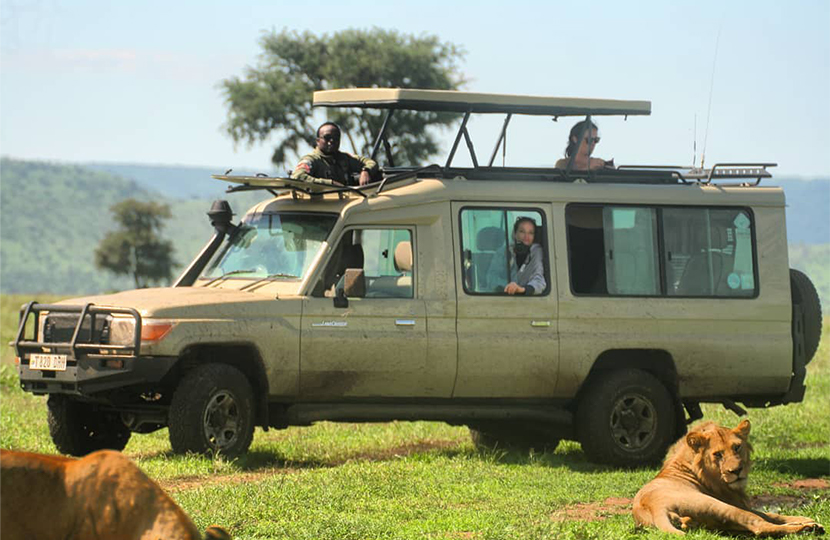

Tanzania Solo Travel Itinerary: Your Ultimate Planning Guide
A solo trip to Tanzania offers an unparalleled opportunity to connect with nature, culture, and yourself. From the vast plains of the Serengeti to the spice-scented shores of Zanzibar and the majestic peak of Kilimanjaro, Tanzania is a destination that rewards independent travelers with incredible experiences. However, planning a solo journey to a country as diverse as Tanzania requires careful consideration. This guide is designed to help you create a personalized Tanzania solo travel itinerary, covering everything from essential preparations and route planning to safety tips and booking advice for your 2026-2027 adventures.
Quick Answer: A well-planned Tanzania solo travel itinerary typically balances iconic wildlife viewing in national parks like the Serengeti and Ngorongoro Crater with cultural immersion and relaxation, often incorporating a trek or a beach escape. It requires advance booking, especially for popular safaris and Kilimanjaro climbs, and prioritizing safety through reputable tour operators and local guidance.
Table of Contents
- Tanzania Solo Travel Quick Facts
- Tanzania Solo Travel: An Overview
- Why Choose Tanzania for Solo Travel?
- Best Time for Your Solo Tanzania Trip
- Sample Solo Travel Route Illustration
- Crafting Your Tanzania Solo Travel Itinerary: Key Components
- Safari Focus: Northern Circuit Solo Itinerary
- Kilimanjaro Trek Solo Itinerary
- Zanzibar Relaxation Solo Itinerary
- Cultural Immersion Solo Itinerary
- What to Expect on a Solo Trip to Tanzania
- Inclusions, Packing, and Preparation for Solo Travelers
- Common Mistakes to Avoid in Your Tanzania Solo Travel Itinerary
- Who is Tanzania Solo Travel Best For?
- Alternatives to a Standard Tanzania Solo Travel Itinerary
- Planning Your Tanzania Solo Travel Itinerary for 2026-2027
- Booking Your Tanzania Solo Adventure: Expert Advice
- Frequently Asked Questions (FAQs)
Tanzania Solo Travel Quick Facts
| Aspect | Details for Solo Travelers |
|---|---|
| Primary Activities | Wildlife safaris, Kilimanjaro trekking, Zanzibar beaches, cultural tours, historical sites. |
| Visa Requirements | Most nationalities require a visa, obtainable online or on arrival. Check current regulations. |
| Currency | Tanzanian Shilling (TZS). USD widely accepted for tourism services, but carry TZS for local markets. |
| Language | Swahili is the national language. English is widely spoken in tourist areas. |
| Health & Safety | Consult your doctor for vaccinations (e.g., Yellow Fever, Hepatitis A). Malaria precautions are recommended. Be aware of your surroundings. |
| Connectivity | Wi-Fi is available in most lodges and hotels, but can be inconsistent. Local SIM cards offer better data access. |
| Transportation | Internal flights, private transfers, shared shuttles, and safari vehicles. Public transport is an option for budget-conscious but time-consuming. |
Tanzania Solo Travel: An Overview
Tanzania is a dream destination for many, and traveling solo here can amplify its magic. Imagine waking up to the sounds of the African bush, witnessing the Great Migration, or standing on the roof of Africa. While the idea of solo travel can seem daunting, Tanzania is remarkably well-equipped to welcome independent explorers. The tourism infrastructure is well-developed, with numerous reputable operators catering to different interests and budgets. The key to a successful solo trip lies in careful planning, prioritizing safety, and embracing the adventure.
Your Tanzania solo travel itinerary can be as varied as the landscapes themselves. It might involve days spent in awe of wildlife in the Serengeti, followed by a challenging yet rewarding climb up Mount Kilimanjaro. Perhaps you prefer to end your journey with tranquil days on the white-sand beaches of Zanzibar, reflecting on your experiences. The flexibility of solo travel allows you to tailor each day to your personal preferences and pace.
Why Choose Tanzania for Solo Travel?
Tanzania offers a unique blend of adventure, natural beauty, and cultural richness that makes it an exceptional choice for solo travelers. Here’s why it stands out:
- World-Class Wildlife: Home to iconic national parks like the Serengeti, Ngorongoro Crater, and Tarangire, Tanzania provides unparalleled opportunities for game viewing. Witnessing the Big Five in their natural habitat is an unforgettable experience, especially when you can focus on your own observations without compromise.
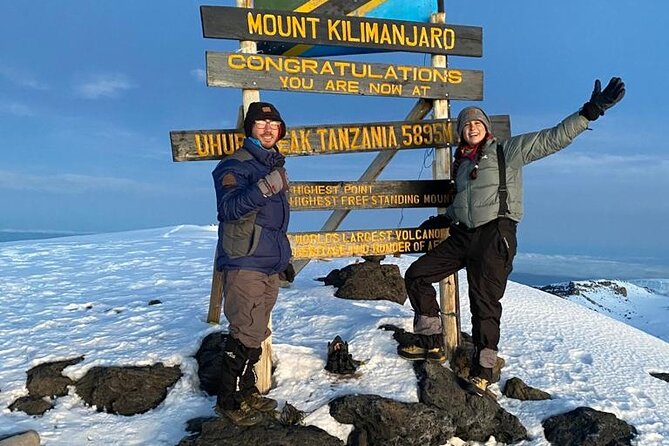
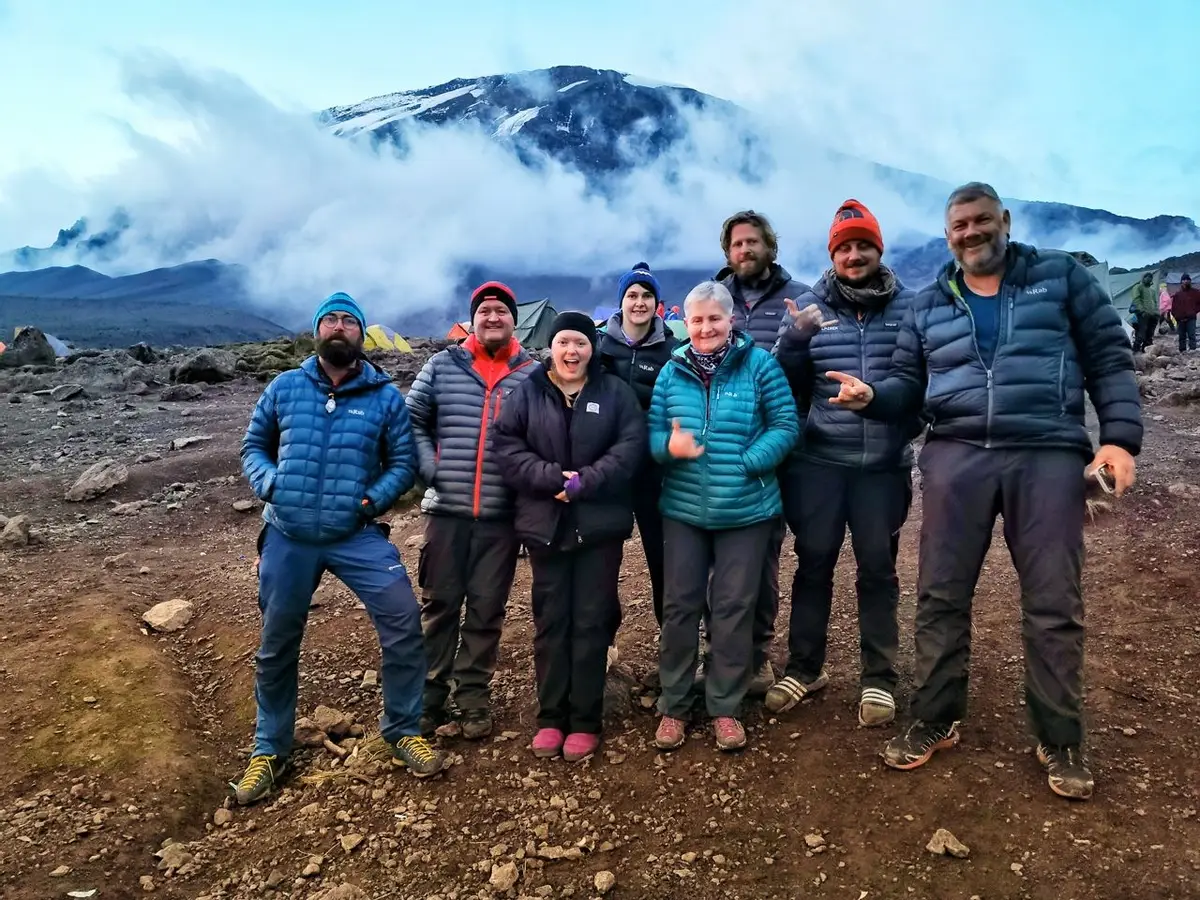
- Kilimanjaro’s Challenge: For those seeking a physical and mental challenge, climbing Mount Kilimanjaro is a monumental achievement. Solo trekkers often find camaraderie among fellow climbers and support from experienced guides, making the journey both personal and shared.
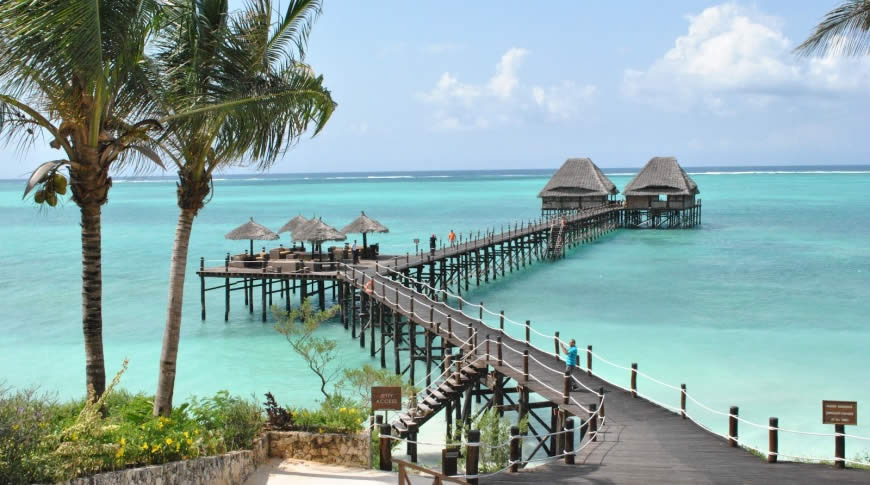
- Zanzibar’s Allure: The Zanzibar Archipelago offers a perfect counterpoint to the rugged safaris. Its historical Stone Town, vibrant culture, and idyllic beaches provide a chance to relax, explore, and connect with local life at your own rhythm.
- Cultural Richness: Tanzania is home to diverse ethnic groups, including the Maasai. Engaging with local communities offers profound insights into different ways of life. Solo travel allows for deeper, more personal interactions.
- Developed Tourist Infrastructure: Tanzania has a mature tourism industry. This means a wide range of accommodation options, reliable transportation networks for tourists, and many reputable tour operators who understand the needs of international visitors, including solo travelers.
- Safety and Friendliness: While common sense precautions are always necessary, Tanzania is generally considered a safe country for tourists. Tanzanians are known for their hospitality and welcoming nature towards visitors. Reputable tour operators prioritize guest safety above all else.
Best Time for Your Solo Tanzania Trip
The best time to visit Tanzania for your solo travel itinerary depends on your priorities. Generally, the dry seasons offer the most favorable conditions for safaris and trekking.
| Period | Weather & Wildlife | Trekking | Zanzibar | Notes for Solo Travelers |
|---|---|---|---|---|
| June – October (Dry Season) | Excellent for game viewing. Wildlife congregates around water sources. The Great Migration is typically in the Serengeti. Less vegetation means better visibility. | Ideal for Kilimanjaro. Clear skies and stable weather. Cooler temperatures. | Pleasant. Lower humidity, less rain. Good for beach activities. | Peak season. Book well in advance. More solo travelers may be around, offering chances to connect. Prices can be higher. |
| November – March (Rainy Season / Short Rains) | Green landscapes, newborn animals. Fewer crowds. Birdwatching is excellent. Can be good for value. Short rains in Nov/Dec can be brief showers. Long rains from March onwards. | Possible but can be challenging with rain and mud. Trails can be slippery. | Hot and humid. Can experience rain showers, but often short. Still enjoyable. | Lower season, potentially better prices. Landscapes are beautiful. Be prepared for occasional rain delays. Good for photography. |
| April – May (Long Rains) | Very green, dramatic skies. Very few tourists. Some roads can be difficult. Best for budget travelers seeking unique experiences. | Difficult. Trails are very muddy, slippery, and often closed. | Hot and humid, significant rainfall. Can be very quiet. | Lowest season. Many lodges offer significant discounts. If you don’t mind rain and fewer amenities, it can be rewarding. |
Sample Solo Travel Route Illustration
This illustration outlines a popular and logical flow for a solo traveler wanting to experience Tanzania’s highlights. It balances iconic wildlife, a potential trek, and beach relaxation.
Route Flow:
- Arrival in Kilimanjaro (JRO) / Arusha: Gateway to Northern Tanzania. Acclimatize and prepare.
- Northern Circuit Safari: Tarangire National Park -> Lake Manyara National Park -> Ngorongoro Crater -> Serengeti National Park.
- Optional: Kilimanjaro Climb: From Moshi or Arusha.
- Flight to Zanzibar: From Arusha or Kilimanjaro Airport.
- Zanzibar Exploration: Stone Town -> Northern/Eastern Beaches (Nungwi, Kendwa, Paje).
- Departure from Zanzibar (ZNZ) or Arusha/Kilimanjaro.
Crafting Your Tanzania Solo Travel Itinerary: Key Components
A successful Tanzania solo travel itinerary is built upon understanding the core experiences available and how they can be sequenced. Consider these elements:
- Duration: How long do you have? A minimum of 7-10 days is needed for a basic safari. 10-14 days allows for safari and Zanzibar. 14-21 days is ideal for safari, Kilimanjaro, and Zanzibar.
- Interests: Are you primarily a wildlife enthusiast, an adventure seeker, a culture buff, or looking for relaxation? Tailor your itinerary accordingly.
- Pace: Solo travel offers flexibility. Decide if you prefer a fast-paced trip covering many locations or a slower, more immersive experience in fewer places.
- Budget: This will influence accommodation choices, safari vehicle types (private vs. shared), and the number of activities you can include.
- Logistics: Factor in travel time between locations, whether by road or internal flights.
Safari Focus: Northern Circuit Solo Itinerary (Example: 7-10 Days)
This itinerary is a classic for a reason, offering incredible wildlife viewing opportunities. It’s often done as a group or private safari, but solo travelers can join group tours or opt for private arrangements.
Days 1-2: Arusha & Tarangire National Park
- Day 1: Arrive at Kilimanjaro International Airport (JRO). Transfer to Arusha. Briefing with your tour operator. Overnight in Arusha.
- Day 2: Drive to Tarangire National Park. Game drive focusing on elephants and baobab trees. Overnight near Tarangire.
Days 3-4: Lake Manyara & Ngorongoro Crater
- Day 3: Morning game drive in Tarangire or head to Lake Manyara National Park, known for its tree-climbing lions and birdlife. Afternoon drive to Karatu or Ngorongoro Conservation Area.
- Day 4: Full day game drive inside the Ngorongoro Crater, a UNESCO World Heritage Site teeming with wildlife, including the rare black rhino. Overnight at the crater rim or Karatu.
Days 5-7: Serengeti National Park
- Day 5: Drive to Serengeti National Park, stopping at Olduvai Gorge if time permits. Afternoon game drive in the central Serengeti.
- Day 6: Full day game drives in the Serengeti, exploring different regions based on wildlife movements and your interests.
- Day 7: Morning game drive in the Serengeti. Fly from a Serengeti airstrip back to Arusha or Kilimanjaro Airport for your onward journey or departure.
Extension (Days 8-10): Add an extra day in the Serengeti for deeper exploration, or include a visit to Lake Natron for a different landscape and flamingo sightings.
Kilimanjaro Trek Solo Itinerary (Example: 7-9 Days for Machame Route)
Climbing Kilimanjaro is a significant undertaking, and solo trekkers are common. You’ll join a group led by experienced guides.
Day 1: Arusha
- Arrival at JRO, transfer to Arusha. Gear check and briefing.
Days 2-8: Kilimanjaro Trek (Machame Route Example)
- Day 2: Machame Gate to Machame Camp: Trek through rainforest.
- Day 3: Machame Camp to Shira Camp: Ascend to moorland.
- Day 4: Shira Camp to Barranco Camp: Cross the Shira Plateau, ascend the Barranco Wall.
- Day 5: Barranco Camp to Karanga Camp: Scenic day with stunning views.
- Day 6: Karanga Camp to Barafu Camp: Approach the alpine desert.
- Day 7: Barafu Camp to Uhuru Peak to Mweka Camp: Summit day, descend to Mweka Camp.
- Day 8: Mweka Camp to Mweka Gate: Final descent and transfer back to Arusha.
Day 9: Arusha / Departure
- Rest day in Arusha or transfer to JRO for departure.
Note: Different routes (Lemosho, Marangu, Rongai) offer varying durations and difficulty levels. Choosing the right route is crucial for acclimatization and success.
Zanzibar Relaxation Solo Itinerary (Example: 4-7 Days)
After a safari or trek, Zanzibar offers a perfect retreat. Solo travelers can enjoy the beaches, culture, and water activities.
Days 1-2: Stone Town
- Day 1: Fly from mainland Tanzania to Zanzibar (ZNZ). Transfer to Stone Town. Explore the historic alleys, markets, and House of Wonders.
- Day 2: Visit Prison Island, spice tours, or simply soak in the atmosphere of this UNESCO World Heritage site.
Days 3-6: Beach Relaxation
- Day 3: Transfer to a beach destination. Options include Nungwi/Kendwa (north, lively, stunning sunsets), Paje/Jambiani (east, kite surfing, tidal beaches), or Matemwe (quieter).
- Days 4-5: Relax on the beach, swim, snorkel, dive, try kite surfing, or take a dhow sunset cruise.
- Day 6: Enjoy your last full day. Perhaps a visit to Jozani Forest to see the red colobus monkeys.
Day 7: Departure
- Morning at leisure. Transfer to ZNZ for your flight.
Cultural Immersion Solo Itinerary (Example: 5-7 Days)
For those keen on understanding local life beyond the typical tourist trail.
Days 1-2: Arusha Region
- Day 1: Arrive JRO, transfer to Arusha. Visit a local market or cultural heritage center.
- Day 2: Day trip to a Maasai village for a respectful cultural exchange, or visit a coffee plantation.
Days 3-4: Moshi & Local Communities
- Day 3: Travel to Moshi. Explore the town and its surroundings. Arrange a visit to a local school or community project (ensure it’s ethical and beneficial).
- Day 4: Hike in the foothills of Kilimanjaro, visit local waterfalls, or engage in a cooking class.
Days 5-7: Bagamoyo / Zanzibar’s Rural Areas
- Day 5: Travel to Bagamoyo, a historic coastal town with significant Swahili and colonial history. Explore ruins and the dhow building tradition.
- Day 6: Alternatively, spend more time in rural Zanzibar, visiting local fishing villages and learning about daily life away from the tourist hubs.
- Day 7: Departure from Dar es Salaam (if visiting Bagamoyo) or ZNZ.
What to Expect on a Solo Trip to Tanzania
Solo travel in Tanzania is an enriching experience, but it comes with its own set of expectations.
- Camaraderie: While you are traveling solo, you will likely encounter other travelers, especially on group safaris or Kilimanjaro treks. This can lead to shared experiences and new friendships.
- Flexibility: The biggest advantage of solo travel is the freedom to change plans on a whim, spend more time at a particular sighting, or skip something that doesn’t appeal.
- Self-Reliance: You’ll be responsible for your own decisions, navigation (with guide support), and managing your time. This builds confidence and independence.
- Cost: Single supplements can sometimes increase costs for accommodation if you opt for private rooms. Joining group tours is often a more budget-friendly option for solo travelers.
- Safety Awareness: While generally safe, you need to be more vigilant as a solo traveler. Always be aware of your surroundings, especially in towns and markets. Trust your instincts.
- Cultural Sensitivity: As a solo visitor, you might attract more attention. Dressing modestly, especially outside tourist resorts, and showing respect for local customs is important.
Inclusions, Packing, and Preparation for Solo Travelers
Thorough preparation is key to a smooth solo journey.
Typical Inclusions in Safari/Trek Packages:
When booking a tour for your Tanzania solo travel itinerary, understand what’s usually included:
- Accommodation (lodges, tented camps, or hotel)
- Safari vehicle with a driver-guide
- Park entrance fees
- Meals (often full board on safari, B&B in Zanzibar hotels)
- Kilimanjaro climbing crew (guides, porters, cook) and park fees
- Water during game drives
- Airport transfers
What’s usually NOT included:
- International flights
- Visa fees
- Travel insurance (essential!)
- Tips for guides and staff
- Personal expenses (souvenirs, drinks, laundry)
- Optional activities
- Single supplement fees (if applicable)
Essential Packing List for Solo Travelers:
Pack light and smart. Layers are crucial.
- Clothing: Neutral-colored, lightweight clothing (khaki, beige, green). Long-sleeved shirts and trousers for sun and insect protection. Warm fleece or jacket for cool evenings/mornings and Kilimanjaro. Comfortable walking shoes/hiking boots. Sandals or flip-flops.
- Safari Gear: Binoculars, camera with extra batteries and memory cards, zoom lens, sun hat, sunglasses, scarf. A small backpack for day trips.
- Trekking Gear (if applicable): Waterproof jacket and trousers, thermal layers, good hiking boots, trekking poles, headlamp, high SPF sunscreen, lip balm, water bottle/hydration pack.
- Health: Personal first-aid kit, insect repellent (with DEET), hand sanitizer, any personal medications, anti-malarial medication (prescribed by your doctor).
- Documents: Passport, visa, flight details, insurance policy, vaccination certificates, copies of important documents (stored separately).
- Other: Power adapter, portable power bank, small travel towel, reusable water bottle.
Preparation Checklist:
- Health Consultations: Visit your doctor 6-8 weeks before travel for vaccinations and malaria advice.
- Visas: Check visa requirements for your nationality and apply in advance or prepare for arrival.
- Travel Insurance: Purchase comprehensive travel insurance covering medical emergencies, evacuation, trip cancellation, and lost belongings.
- Bookings: Secure your safari, trek, or accommodation. For solo travelers, joining a small group tour can be cost-effective and social.
- Finances: Inform your bank about your travel dates. Carry a mix of USD (newer bills preferred) and local currency (TZS).
- Fitness: If trekking Kilimanjaro or planning extensive walking, ensure you are physically prepared.
- Research: Familiarize yourself with local customs, basic Swahili phrases, and safety guidelines.
- Emergency Contacts: Save local emergency numbers and your tour operator’s contact details.
Common Mistakes to Avoid in Your Tanzania Solo Travel Itinerary
Preventing these common pitfalls will make your solo journey smoother and more enjoyable.
- Underestimating Travel Times: Distances in Tanzania can be vast, and road conditions can vary. Always factor in ample travel time between destinations.
- Not Booking in Advance: Especially for peak season (June-October) and Kilimanjaro climbs, popular accommodations and tour slots fill up quickly. Solo travelers may find it harder to secure last-minute spots.
- Ignoring Health Precautions: Skipping vaccinations, malaria prophylaxis, or not using insect repellent can lead to serious health issues.
- Overpacking: Luggage space in safari vehicles and on internal flights can be limited. Pack light and focus on versatile items.
- Not Budgeting for Extras: Many costs, like tips, drinks, and souvenirs, are not included in tour packages. Ensure you have funds for these.
- Being Too Trusting or Too Suspicious: While Tanzanians are friendly, be aware of common tourist scams. Conversely, don’t let excessive suspicion prevent you from engaging positively with locals or fellow travelers.
- Not Having Travel Insurance: This is non-negotiable. A medical emergency or evacuation can be incredibly expensive without proper coverage.
- Trying to See Too Much: Cramming too many destinations into a short period leads to a rushed experience. Focus on quality over quantity for your solo adventure.
Who is Tanzania Solo Travel Best For?
Tanzania is an excellent destination for a wide range of solo travelers:
- Adventurous Explorers: Those seeking thrilling experiences like climbing Kilimanjaro or exploring remote national parks.
- Wildlife Enthusiasts: Anyone passionate about seeing iconic African animals in their natural environment.
- Culture Seekers: Travelers interested in learning about diverse ethnic groups, history, and local traditions.
- Nature Lovers: Individuals who appreciate stunning landscapes, from savannas and mountains to tropical islands.
- Those Seeking Personal Growth: Solo travel in Tanzania can be a powerful journey of self-discovery, building confidence and resilience.
- Photographers: The country offers endless opportunities for breathtaking wildlife and landscape photography.
- Budget to Luxury Travelers: Tanzania caters to various budgets, from camping safaris to high-end lodges and private tours.
It’s particularly well-suited for solo travelers who are comfortable with some degree of planning, open to new experiences, and understand the importance of safety and respect for local culture. It’s less ideal for those who require constant entertainment or are uncomfortable with basic travel logistics.
Alternatives to a Standard Tanzania Solo Travel Itinerary
While the classic Northern Circuit, Kilimanjaro, and Zanzibar are popular, consider these variations:
- Southern Circuit Safaris: Explore Selous Game Reserve (now Nyerere National Park) and Ruaha National Park for a wilder, less crowded safari experience. This might appeal to solo travelers seeking more solitude.
- Lake Tanganyika & Mahale Mountains: For chimpanzee trekking, head west to Mahale Mountains National Park. This is a more remote and adventurous option.
- Zanzibar Cultural Immersion: Spend more time in Stone Town or explore less-visited islands like Pemba for a more authentic cultural experience away from mainstream tourism.
- Tanzania & Kenya Combination: Combine the Maasai Mara in Kenya with the Serengeti in Tanzania for an extended Great Migration experience.
- Short Cultural Stays: Focus on shorter stays in specific cultural hubs like the Hadzabe or Datoga communities (requires specialized tours and ethical considerations).
Planning Your Tanzania Solo Travel Itinerary for 2026-2027
Planning ahead is crucial for a successful and stress-free trip, especially for 2026 and 2027 travel. Here’s a timeline and key considerations:
12+ Months Before Travel:
- Research: Identify your primary interests (safari, trek, beach, culture) and desired destinations.
- Budget: Establish a realistic budget for your trip, considering accommodation, activities, flights, and extras.
- Inspiration: Start looking at sample itineraries and tour operators.
9-12 Months Before Travel:
- Book Kilimanjaro: If climbing Kilimanjaro, book your trek now as popular dates and operators fill up fast.
- Choose Tour Operator: Research and select a reputable tour operator. For solo travelers, look for operators that offer small group tours or have good reviews for solo client experiences.
- Rough Itinerary: Develop a preliminary itinerary, including dates and durations for each location.
6-9 Months Before Travel:
- Book Main Safari/Tours: Confirm and book your primary safari package or custom itinerary.
- International Flights: Start monitoring and book international flights once your main tour is confirmed.
- Visa Research: Check current visa requirements for your nationality for 2026-2027.
3-6 Months Before Travel:
- Internal Flights: Book any necessary internal flights (e.g., to Zanzibar).
- Health Consultations: Schedule appointments with your doctor for vaccinations and malaria advice.
- Travel Insurance: Purchase comprehensive travel insurance.
1-3 Months Before Travel:
- Visa Application: Apply for your visa if required.
- Packing List: Start compiling your packing list and begin purchasing necessary gear.
- Currency Exchange: Research current exchange rates and plan how you’ll carry money.
2-4 Weeks Before Travel:
- Finalize Details: Confirm all bookings, transfers, and flight times.
- Inform Bank: Notify your bank and credit card companies of your travel dates.
- Copies of Documents: Make digital and physical copies of all important documents.
- Learn Basic Phrases: Pick up a few Swahili phrases.
During Your Trip:
- Stay Connected: Consider a local SIM card for easier communication.
- Be Flexible: Embrace the unexpected and adapt as needed.
- Safety First: Always be mindful of your surroundings and trust your intuition.
Booking Your Tanzania Solo Adventure: Expert Advice
Choosing the right tour operator and booking method is crucial for solo travelers.
- Research Reputable Operators: Look for companies with strong online reviews, clear communication channels, and experience handling solo clients. Companies that offer small group tours are excellent for solo travelers looking to save costs and meet people.
- Compare Inclusions: Ensure you understand exactly what is included in the price. Compare park fees, accommodation standards, vehicle types (private 4×4 is standard for safaris), and guide qualifications.
- Ask About Single Supplements: If you prefer your own room, inquire about single supplement fees. Sometimes, joining a group tour can mitigate these costs.
- Group Tours vs. Private Tours:
- Group Tours: More budget-friendly, great for meeting other travelers. Less flexibility.
- Private Tours: Maximum flexibility, personalized service. More expensive, especially for a solo traveler unless you find others to join.
- Clear Communication: Don’t hesitate to ask your potential tour operator many questions. A good operator will be patient and informative. Use their provided contact details to get a feel for their responsiveness.
- Payment Terms: Understand the deposit and final payment schedule. Reputable operators will require a deposit and the balance closer to the travel date.
- Contracts: Read any booking contract carefully before signing.
Contact Us for Tailored Solo Travel:
At Best Tanzania Tour Operator, we specialize in creating personalized Tanzania solo travel itineraries. Whether you dream of a thrilling safari, a challenging Kilimanjaro ascent, or a relaxing Zanzibar getaway, we can craft the perfect trip for you. We offer both private and small group options, ensuring you get the best experience for your budget and travel style.
Get in touch today to start planning your unforgettable solo adventure:
- WhatsApp: +255616946642
- Email: topguideadventures@gmail.com
- Backup Email: info@topguideadventures.com
Frequently Asked Questions (FAQs)
Q1: Is Tanzania safe for solo female travelers?
Yes, Tanzania is generally considered safe for solo female travelers. Like any destination, it’s important to exercise common sense precautions: be aware of your surroundings, avoid walking alone at night in unfamiliar areas, dress modestly, and trust your instincts. Reputable tour operators prioritize the safety of all their clients, including solo women. Many solo female travelers have incredibly positive and safe experiences.
Q2: How much does a Tanzania solo travel itinerary typically cost?
Costs vary significantly based on your itinerary, accommodation style, and whether you join a group or opt for a private tour. A budget safari (camping) might start from around $150-200 USD per day. Mid-range safaris (lodges/tented camps) typically range from $250-400 USD per day. Kilimanjaro climbs range from $1500-$3000+ USD depending on the route and operator. Zanzibar can range from $50-$300+ USD per day depending on accommodation. Solo travelers may face single supplements, making group tours a more economical choice.
Q3: Can I join a group tour as a solo traveler?
Absolutely! Joining a small group tour is one of the most popular and recommended ways for solo travelers to experience Tanzania. It significantly reduces costs by sharing vehicle and guide expenses, and it provides a social environment to meet like-minded individuals. Many tour operators specifically cater to solo travelers by offering these group departures.
Q4: What is the best way to get around Tanzania for a solo traveler?
For safaris and Kilimanjaro treks, you will typically be in a dedicated safari vehicle with a driver-guide or part of a climbing group. For travel between major hubs like Arusha, Kilimanjaro, and Zanzibar, internal flights are the fastest and most convenient option for solo travelers. For shorter distances or more budget-conscious travel, shared shuttles or local buses are available but can be time-consuming and less comfortable.
Q5: Do I need to tip my guide and staff?
Yes, tipping is customary and greatly appreciated in Tanzania for guides, drivers, cooks, and porters. Tour operators usually provide recommended tipping guidelines. For a safari, a tip for your driver-guide is standard at the end of the safari. For Kilimanjaro, tips are given to the entire crew (guides, assistant guides, cook, porters) upon completion of the trek. Factor these costs into your budget for 2026-2027.
Q6: What vaccinations are required for Tanzania?
Consult your doctor or a travel clinic at least 6-8 weeks before your trip. Recommended vaccinations often include Hepatitis A, Typhoid, Tetanus, and Polio. Yellow Fever vaccination is mandatory for entry into Tanzania if you are arriving from or transiting through a country with a risk of Yellow Fever. Malaria prophylaxis is also highly recommended for most areas.
Q7: How much cash should I carry?
While most tour operators and lodges accept credit cards (often with a surcharge), it’s essential to carry cash for smaller purchases, tips, souvenirs, and in areas where cards aren’t accepted. US Dollars are widely accepted for tourism services, but it’s good to have Tanzanian Shillings (TZS) for local markets and smaller expenses. Ensure your USD bills are newer and in good condition.
Q8: Can I travel to Tanzania solo without a tour operator?
It is possible, but significantly more challenging and less recommended for a first-time solo traveler. You would need to arrange all your own transport, accommodation, and park permits independently, which can be complex and time-consuming. Using a reputable tour operator, especially for safaris and Kilimanjaro, simplifies logistics, enhances safety, and often provides better value, particularly for solo travelers.
Q9: What are the best national parks for a solo safari?
The Northern Circuit parks (Serengeti, Ngorongoro, Tarangire, Lake Manyara) are exceptionally well-suited for solo travelers due to their high concentration of wildlife and well-established tourism infrastructure. They are easily accessible and offer excellent game viewing. For a quieter experience, consider parks in the Southern Circuit like Ruaha or Nyerere National Park, though logistics might be more involved for a solo traveler.
Q10: How can I stay connected with family and friends while traveling solo?
Most lodges and hotels offer Wi-Fi, though it can be slow or unreliable in remote areas. For more consistent connectivity, consider purchasing a local SIM card upon arrival at the airport or in Arusha/Dar es Salaam. This is usually very affordable and provides good data coverage for calls, messaging apps, and internet access.
Ready to Plan Your Tanzania Solo Travel Itinerary?
Your solo adventure in Tanzania awaits! Crafting the perfect Tanzania solo travel itinerary is about balancing your interests, budget, and desire for adventure with practical considerations like safety and logistics. Whether you dream of the vast plains of the Serengeti, the summit of Kilimanjaro, or the beaches of Zanzibar, we are here to help you make it a reality.
Let us at Best Tanzania Tour Operator design a personalized itinerary that suits your solo travel style. We have extensive experience creating unforgettable journeys for independent travelers. Reach out to our expert team today and let’s start planning your 2026 or 2027 Tanzanian expedition.
Contact us:
- WhatsApp: +255616946642
- Email: topguideadventures@gmail.com
- Backup Email: info@topguideadventures.com
Plan your Tanzania Solo Travel Itinerary with Top Guide Adventures
Tell us your travel dates, group size, comfort level, and dream experience. We will help you shape a clear, realistic, and memorable Tanzania itinerary.

 Veedesigner
 Fatma Kizanga
 Benjamin Waryuba
 Philip Philip
 John jr Itaja
 Antonia Optatus
 Edith Kanyere
 Neema Iddy
 Kelvin Boniphace
 Damari Maiga



