
Updated planning guide for 2026-2027
Best Tanzania Itinerary Without Serengeti: Safari Guide 2026-2027
Explore incredible wildlife and diverse landscapes across Tanzania beyond the famed Serengeti. This guide details the best alternative parks, sample itineraries, and essential planning tips for your 2026-2027 adventure.
WhatsApp +255616946642 | topguideadventures@gmail.com | info@topguideadventures.com
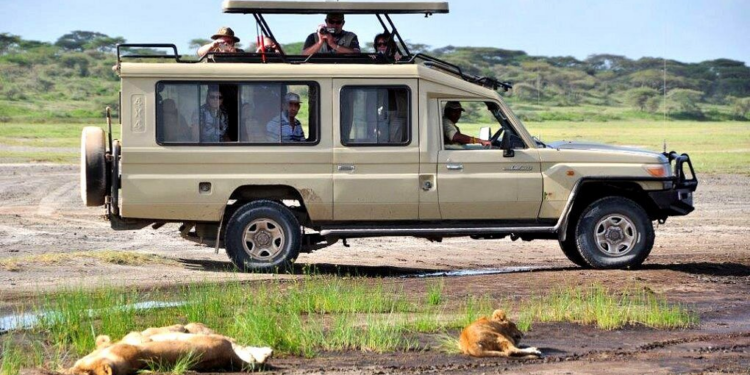

Your Ultimate Tanzania Itinerary Without the Serengeti
Tanzania is synonymous with epic safaris, and for many, the Serengeti is the undisputed star. However, the country offers a wealth of breathtaking wildlife experiences and stunning natural beauty in parks and reserves that often fly under the radar. If you’re looking for a unique safari adventure, want to avoid the peak season crowds in the Serengeti, or simply prefer to explore different ecosystems, crafting a compelling Tanzania itinerary without Serengeti is an excellent choice. This comprehensive guide will walk you through how to build an unforgettable trip, focusing on the diverse and rewarding destinations that lie beyond its most famous park.
This guide is designed for travelers in 2026 and 2027 seeking authentic, in-depth experiences. We’ll cover everything from planning your route and understanding the best times to visit these alternative locations to what to pack and how to book your safari.
Quick Answer: Key Parks for a Tanzania Itinerary Without Serengeti
For a rich safari experience avoiding the Serengeti, focus on these primary destinations:
- Northern Circuit Alternatives: Tarangire National Park (elephants, baobabs), Lake Manyara National Park (tree-climbing lions, birds), Arusha National Park (Mount Meru, diverse habitats).
- Southern Circuit Gems: Ruaha National Park (large predators, vast wilderness), Selous Game Reserve (now Nyerere National Park) (river safaris, wild dogs).
- Western Tanzania Wonders: Mahale Mountains National Park (chimpanzees), Gombe Stream National Park (chimpanzees).
Table of Contents
- Quick Facts: Tanzania Beyond Serengeti
- Why Choose an Alternative Tanzania Itinerary?
- Understanding Tanzania’s Diverse Parks
- Best Time to Visit (Without Serengeti Focus)
- Sample Itinerary Routes
- Detailed Itinerary Examples
- What to Expect on Your Safari
- Packing and Preparation Guide
- Common Mistakes to Avoid
- Who is This Itinerary Best For?
- Alternatives to Consider
- Planning Your 2026-2027 Trip
- Booking Your Tanzania Safari
- Frequently Asked Questions
Quick Facts: Tanzania Beyond Serengeti
| Feature | Details |
|---|---|
| Primary Focus | Wildlife viewing, diverse landscapes, cultural interactions, primate tracking. |
| Key Parks/Reserves | Tarangire, Lake Manyara, Arusha, Ruaha, Nyerere (Selous), Mahale, Gombe. |
| Wildlife Highlights | Elephants, lions, leopards, cheetahs, giraffes, zebras, diverse birdlife, primates (chimpanzees), hippos, crocodiles. |
| Activities | Game drives (day/night), walking safaris, boat safaris, cultural tours, chimpanzee trekking. |
| Best Time (General) | Dry seasons (June-Oct, Dec-Feb) for most parks; specific times for Great Migration viewing in other regions if applicable. |
| Accommodation | Lodges, tented camps, mobile camps, guesthouses. |
| Travel Style | Can be tailored for budget, mid-range, luxury, family, adventure, and photography. |
| Connectivity | Generally good roads in Northern Circuit; internal flights or rougher roads for Southern/Western circuits. |
Why Choose an Alternative Tanzania Itinerary?
While the Serengeti’s annual migration is world-famous, there are compelling reasons to design a Tanzania itinerary without Serengeti:
- Unique Wildlife Encounters: Parks like Tarangire are renowned for massive elephant herds, while Ruaha boasts a high concentration of large predators. Gombe and Mahale offer unparalleled opportunities to see chimpanzees in their natural habitat.
- Diverse Landscapes: From the baobab-studded plains of Tarangire to the Rift Valley escarpment of Lake Manyara, the turquoise waters of the Rufiji River in Nyerere, and the dense rainforests of Mahale, Tanzania’s non-Serengeti parks showcase incredible geographical variety.
- Fewer Crowds: Especially outside peak seasons, parks like Tarangire, Lake Manyara, and the Southern Circuit offer a more intimate and less crowded safari experience. This allows for better wildlife viewing and a more peaceful connection with nature.
- Variety of Activities: Many of these parks offer activities not common in the Serengeti, such as extensive walking safaris (Ruaha, Tarangire), boat safaris (Nyerere/Selous), and dedicated primate tracking (Gombe, Mahale).
- Cost-Effectiveness: While not always cheaper, certain itineraries focusing on alternative parks can sometimes offer better value, especially if they involve fewer internal flights or utilize different accommodation types.
- Photographic Opportunities: The unique landscapes and specific wildlife concentrations in these parks present distinct photographic challenges and rewards.
Understanding Tanzania’s Diverse Parks
Tanzania’s park system is vast and varied. To build your ideal itinerary, understand the strengths of each region:
The Northern Circuit (Beyond Serengeti)
This is the most popular safari circuit due to its accessibility from Arusha and Kilimanjaro International Airport. While the Serengeti is the crown jewel, other parks offer exceptional experiences:
- Tarangire National Park: Famous for its large elephant herds, especially during the dry season when they congregate around the Tarangire River. The park is also dotted with iconic baobab trees, creating a dramatic landscape. It’s excellent for birdwatching and offers walking safaris.
- Lake Manyara National Park: A relatively small but diverse park set beneath the Great Rift Valley escarpment. It’s known for its tree-climbing lions, large troops of baboons, and an incredible variety of birdlife, including flamingos (seasonal). The park encompasses lake shores, woodlands, and savannah.
- Arusha National Park: Easily accessible from Arusha town, this park is home to Mount Meru, alkaline Momella Lakes, and the Ngurdoto Crater. It offers varied habitats from montane forest to alpine vegetation, supporting buffalo, giraffes, zebras, and a rich bird population. It’s a great place for walking safaris and offers stunning views of Kilimanjaro on clear days.
The Southern Circuit (The Wild Heart)
The Southern Circuit offers a more remote and wild safari experience. It requires more travel time, often involving internal flights, but rewards visitors with vast, unspoiled wilderness and fewer tourists.
- Ruaha National Park: Tanzania’s largest national park, offering a truly wild and remote safari. It’s known for its large prides of lions, packs of endangered wild dogs, elephants, and a rugged, dramatic landscape. It’s ideal for those seeking an authentic, off-the-beaten-path experience and is excellent for walking safaris.
- Nyerere National Park (formerly Selous Game Reserve): One of Africa’s largest game reserves, now a national park. It’s famous for its boat safaris along the Rufiji River, offering unique perspectives on hippos, crocodiles, and diverse birdlife. It’s also a critical habitat for wild dogs and elephants. The northern part is more accessible for game drives.
Western Tanzania (Primate Paradise)
For travelers specifically interested in primates, the western parks are unparalleled:
- Mahale Mountains National Park: Nestled on the shores of Lake Tanganyika, Mahale is one of the best places in the world to track wild chimpanzees. The stunning scenery, clear lake waters, and challenging hikes make it a unique destination.
- Gombe Stream National Park: Made famous by Jane Goodall’s research, Gombe is a small park on the shores of Lake Tanganyika, offering excellent opportunities to observe chimpanzees and other primates. It’s accessed by boat.
Best Time to Visit (Without Serengeti Focus)
The ideal time for your Tanzania itinerary without Serengeti depends on which parks you plan to visit and what you hope to see. Generally, Tanzania has two main seasons:
- Dry Season (June to October): This is a prime time for wildlife viewing across most of Tanzania. Animals congregate around water sources, making them easier to spot. The vegetation is less dense, improving visibility. This period is excellent for Tarangire (elephants), Lake Manyara, Ruaha, and Nyerere. It’s also a good time for chimpanzee trekking in Mahale and Gombe, though it can be hot.
- Short Rains (November to December): This transitional period can be good for birdwatching as migratory birds arrive. Wildlife viewing is still decent, and fewer tourists are present.
- Long Rains (March to May): This is the green season. Landscapes are lush and beautiful, and there are fewer tourists. However, heavy rains can make some roads impassable, especially in the Southern and Western circuits. It can be a good time for budget travelers or photographers seeking dramatic skies, but animal sightings might be more challenging due to dense vegetation and scattered wildlife.
- Short Dry Season / Hot Season (December to February): This period is often good for wildlife viewing, particularly in the Southern Circuit. The Northern Circuit can also be good, though it’s hotter. It’s a popular time for families due to school holidays.
Specific Considerations:
- Tarangire: Best during the dry season (June-October) for elephant concentrations.
- Lake Manyara: Good year-round, but birdlife is most prolific during the wet season; tree-climbing lions are more often seen in the dry season.
- Ruaha & Nyerere: Excellent during the dry season (June-October) for predator sightings and general game viewing. The green season (Nov-May) offers dramatic landscapes and birding but can have challenging road conditions.
- Mahale & Gombe: Best during the dry season (June-October) for chimpanzee tracking and comfortable hiking.
Sample Itinerary Routes
Here are a few popular route structures for a Tanzania itinerary without Serengeti, catering to different interests and durations.
Route 1: Northern Circuit Highlights (7-10 Days)
Focuses on accessibility and diverse ecosystems within the Northern Circuit, excluding Serengeti.
Day 1-2: Arusha National Park
Arrive in Arusha, transfer to your lodge. Day 1: Explore Arusha NP, visit Momella Lakes and Ngurdoto Crater. Option for a guided walking safari around Mount Meru foothills. Stay in Arusha or a lodge near the park.
Day 3-4: Tarangire National Park
Drive to Tarangire. Game drives focusing on elephants and baobab trees. Consider a walking safari. Stay in a lodge or tented camp inside or near the park.
Day 5-6: Lake Manyara National Park
Short drive to Lake Manyara. Game drives along the lake shore and into the woodlands. Look for tree-climbing lions and abundant birdlife. Explore the rift valley escarpment. Stay in lodges near the park entrance or Karatu.
Day 7: Cultural Experience / Departure Prep
Visit a local community, a coffee plantation, or explore the town of Karatu. Prepare for departure or onward travel.
Optional Extension (Adds 2-3 Days):
- Ngorongoro Conservation Area (Crater Rim): While not a park, you can stay on the crater rim for stunning views and visit Maasai villages. Game drives are restricted within the crater itself on certain itineraries to avoid over-concentration, but the experience is still magnificent.
Route 2: Southern Circuit Explorer (8-12 Days)
Offers a more remote and wild safari, focusing on vast landscapes and predator sightings. Requires internal flights.
Day 1: Arrive in Dar es Salaam / Fly to Safari Gateway
Arrive at Kilimanjaro (JRO) or Dar es Salaam (DAR). Transfer to your lodge or take a short flight to a gateway town for the Southern Circuit, or spend a night in Dar.
Day 2-4: Nyerere National Park (Selous)
Fly or drive to Nyerere NP. Focus on boat safaris on the Rufiji River, game drives in the northern sectors, and potentially walking safaris. Look for hippos, crocodiles, elephants, and wild dogs. Stay in a lodge or tented camp.
Day 5-8: Ruaha National Park
Fly to Ruaha. This park is vast and remote. Spend multiple days on game drives, focusing on lions, elephants, and the unique landscape. Walking safaris are a highlight here. Stay in a lodge or tented camp.
Day 9: Return to Dar es Salaam / Zanzibar
Fly back to Dar es Salaam for your international departure, or connect to Zanzibar for a beach extension.
Route 3: Primate & Lake Adventure (10-14 Days)
Combines chimpanzee tracking with the beauty of Lake Tanganyika.
Day 1: Arrive in Dar es Salaam
Arrive at DAR, overnight in Dar.
Day 2-4: Mahale Mountains National Park
Fly from Dar to Mahale (Kiboko Bay or Mpanda airstrip, then boat transfer). Spend days tracking wild chimpanzees, hiking in the mountains, and relaxing by Lake Tanganyika. Stay in a lodge on the lake shore.
Day 5-7: Gombe Stream National Park
Fly from Mahale area (or back via Dar) to Gombe (via Kigoma). Focus on chimpanzee tracking, observing other primates, and enjoying the lake views. Stay in a lodge within or near the park.
Day 8-9: Lake Tanganyika Exploration / Travel
Option to spend an extra day exploring Lake Tanganyika near Kigoma or begin your journey back towards Dar es Salaam.
Day 10: Departure
Fly from Kigoma to Dar es Salaam for your international flight.
Detailed Itinerary Examples
Example 1: 8-Day Northern Circuit Explorer (No Serengeti)
| Day | Location | Activities | Accommodation Type |
|---|---|---|---|
| 1 | Arusha | Arrival at JRO, transfer to lodge. Relax or explore Arusha town. | Lodge in Arusha |
| 2 | Arusha National Park | Full day exploring the park: Momella Lakes, Ngurdoto Crater. Option for a guided walk. | Lodge in Arusha / near park |
| 3 | Tarangire NP | Drive to Tarangire. Afternoon game drive focusing on elephants and baobabs. | Tented Camp / Lodge in Tarangire |
| 4 | Tarangire NP | Morning walking safari (if available) followed by game drive. | Tented Camp / Lodge in Tarangire |
| 5 | Lake Manyara NP | Drive to Lake Manyara. Game drive through diverse habitats, search for tree-climbing lions. | Lodge near Karatu / Lake Manyara |
| 6 | Lake Manyara NP / Ngorongoro Area | Morning game drive. Afternoon visit to a Maasai village or coffee plantation near Karatu. | Lodge near Karatu / Lake Manyara |
| 7 | Cultural Exploration / Departure Prep | Visit the Iraqw Cultural Heritage Centre or explore the Mto wa Mbu village. Prepare for departure. | Lodge near Karatu / Lake Manyara |
| 8 | Departure | Transfer to Arusha for your flight to Kilimanjaro International Airport (JRO) or onward travel. | N/A |
Example 2: 10-Day Southern Circuit Adventure
| Day | Location | Activities | Accommodation Type |
|---|---|---|---|
| 1 | Dar es Salaam | Arrival at DAR, transfer to hotel. | Hotel in Dar es Salaam |
| 2 | Nyerere NP (Selous) | Morning flight to Nyerere NP (Beho Beho airstrip). Transfer to lodge. Afternoon boat safari on the Rufiji River. | Tented Camp / Lodge in Nyerere NP |
| 3 | Nyerere NP (Selous) | Full day of game drives in the northern sector, searching for wild dogs and elephants. | Tented Camp / Lodge in Nyerere NP |
| 4 | Nyerere NP (Selous) | Morning walking safari (if permitted and available) followed by a final game drive. | Tented Camp / Lodge in Nyerere NP |
| 5 | Ruaha NP | Fly from Nyerere NP to Ruaha NP (Msembe airstrip). Transfer to lodge. Afternoon game drive. | Tented Camp / Lodge in Ruaha NP |
| 6 | Ruaha NP | Full day game drives exploring Ruaha’s vast wilderness and predator populations. | Tented Camp / Lodge in Ruaha NP |
| 7 | Ruaha NP | Morning walking safari (highly recommended) followed by afternoon game drives. | Tented Camp / Lodge in Ruaha NP |
| 8 | Ruaha NP | Another full day of exploration, focusing on specific areas or species. | Tented Camp / Lodge in Ruaha NP |
| 9 | Return to Dar es Salaam | Morning game drive, then fly from Ruaha NP to Dar es Salaam. Transfer to hotel. | Hotel in Dar es Salaam |
| 10 | Departure | Transfer to DAR for your international flight. | N/A |
What to Expect on Your Safari
A safari is an immersive experience that engages all your senses. Here’s what you can generally expect:
- Early Mornings: Most game drives start at sunrise (around 6:00 AM) when animals are most active and the light is ideal for photography. You’ll typically have a packed breakfast or return to camp for brunch.
- Afternoon Drives: Another game drive usually occurs in the late afternoon, continuing until sunset.
- Vehicle Types: Most safaris use 4×4 safari vehicles (Land Cruisers or Land Rovers) with pop-up roofs for excellent viewing. Some lodges or camps may offer open-sided vehicles.
- Guides: Your safari guide is crucial. They are knowledgeable about animal behavior, tracking, and the local environment. Good guides enhance the experience significantly.
- Wildlife Sightings: While guides are skilled, wildlife sightings are never guaranteed. Patience and flexibility are key. You might see a rare leopard or spend hours observing elephants.
- Camp/Lodge Life: Expect comfortable to luxurious accommodation, often with open-air dining and common areas. Evenings are typically spent sharing stories around a campfire.
- Walking Safaris: In parks like Tarangire and Ruaha, walking safaris offer a different perspective, allowing you to appreciate the smaller details of the bush and learn about tracks, plants, and insects.
- Boat Safaris: In Nyerere (Selous), boat safaris provide unique views of hippos, crocodiles, and water birds along the Rufiji River.
- Primate Tracking: In Gombe and Mahale, expect strenuous hikes through dense forests to find chimpanzees. It’s a physically demanding but incredibly rewarding experience.
Packing and Preparation Guide
Proper packing ensures comfort and practicality for your Tanzanian adventure.
Clothing:
- Neutral Colors: Pack lightweight, breathable clothing in neutral colors like khaki, olive green, beige, and brown. Avoid bright colors (which can scare animals) and dark blue/black (which can attract tsetse flies).
- Layers: Mornings and evenings can be cool, especially in higher altitudes or during the dry season. Pack a fleece jacket or warm sweater.
- Long Sleeves & Pants: For sun protection, insect protection, and warmth in the evenings. Lightweight hiking pants are ideal.
- Shorts/Skirts: For warmer days.
- T-shirts & Tops: Breathable fabrics.
- Rain Jacket: A lightweight, waterproof jacket is essential, especially during the rainy seasons.
- Swimsuit: Many lodges have pools.
- Comfortable Shoes: Closed-toe walking shoes or hiking boots for walking safaris or primate tracking.
- Sandals/Flip-flops: For relaxing at the lodge.
- Hat: Wide-brimmed hat for sun protection.
- Scarf/Bandana: Useful for dust and sun.
Gear & Essentials:
- Sunscreen: High SPF.
- Insect Repellent: With DEET or Picaridin.
- Sunglasses.
- Binoculars: Essential for wildlife viewing.
- Camera: With extra batteries and memory cards. Telephoto lens recommended.
- Power Bank/Adapter: For charging electronics (check voltage and plug type).
- Headlamp/Torch: Useful for moving around camp at night.
- Personal First-Aid Kit: Including any personal medications.
- Hand Sanitizer.
- Water Bottle: Reusable to minimize plastic waste.
- Small Backpack: For day trips and walks.
- Toiletries: Biodegradable options are appreciated.
- Passport & Visas: Ensure they are valid.
- Travel Insurance Documents.
- Cash: For tips and small purchases (USD is widely accepted).
Important Notes:
- Luggage Restrictions: If using small bush planes for internal flights, luggage is usually restricted to 15-20 kg (33-44 lbs) per person, soft-sided bags are often preferred. Check with your operator.
- Modesty: While casual wear is standard on safari, it’s respectful to dress modestly when visiting local villages.
Common Mistakes to Avoid
Planning a safari can be complex. Here are common pitfalls to sidestep when creating your Tanzania itinerary without Serengeti:
- Underestimating Travel Times: Tanzania is vast. Internal flights or long drives are often necessary. Factor in travel time realistically.
- Not Considering Seasonality: Visiting during the wrong season can lead to missed wildlife opportunities or difficult travel conditions. Research the best time for your chosen parks.
- Packing Inappropriately: Bright colors, heavy clothing, or forgetting essentials like binoculars can detract from your experience.
- Over-scheduling: Trying to cram too much into a short trip leads to exhaustion and less enjoyment. Allow for downtime and flexibility.
- Ignoring Park Specifics: Each park offers unique experiences. Don’t expect the same wildlife or landscape everywhere. Tailor your itinerary to what each park excels at.
- Not Budgeting for Extras: Factor in tips, park fees (often included by operators but good to be aware of), drinks, and souvenirs.
- Choosing the Wrong Operator: A reputable, experienced tour operator is crucial for a smooth and enjoyable trip, especially for more remote destinations.
- Failing to Research Accommodation: Lodges and camps vary greatly in comfort, location, and atmosphere. Choose based on your budget and preferences.
- Not Being Prepared for Remote Areas: The Southern and Western circuits can be very remote. Ensure your operator is experienced in these areas and that you have necessary supplies.
Who is This Itinerary Best For?
An itinerary focusing on parks outside the Serengeti is ideal for several types of travelers:
- The Adventurous Explorer: Those who prefer to venture off the most beaten paths and discover less-visited wilderness areas.
- The Wildlife Enthusiast Seeking Diversity: Travelers interested in seeing a wider range of ecosystems and specific species, like chimpanzees, large predator concentrations, or unique birdlife.
- Photographers: The varied landscapes and specific wildlife concentrations offer unique photographic opportunities distinct from the classic Serengeti plains.
- Travelers Seeking Solitude: Those who want a more intimate safari experience with fewer vehicles and a greater sense of wildness.
- Budget-Conscious Travelers (with careful planning): While some remote parks require flights, well-planned itineraries focusing on Northern Circuit alternatives or specific Southern Circuit packages can offer good value.
- Repeat Visitors to Tanzania: Those who have already experienced the Serengeti and wish to explore other facets of Tanzania’s incredible natural heritage.
- Family Travelers (with specific park choices): Parks like Lake Manyara and Tarangire offer excellent game viewing with shorter travel times between them, suitable for families.
Alternatives to Consider
While this guide focuses on national parks and game reserves, other Tanzanian experiences complement or substitute a traditional safari:
- Zanzibar and the Spice Islands: For a beach and cultural extension, Zanzibar offers historical Stone Town, spice tours, and stunning white-sand beaches. It’s a perfect addition to any Tanzanian itinerary.
- Mount Kilimanjaro Trekking: For the physically active, climbing Kilimanjaro is a world-class adventure. It can be combined with a short safari or beach holiday.
- Zanzibar Chimpanzee Sanctuary: A smaller, managed sanctuary on Zanzibar offers a chance to see chimpanzees without traveling to the mainland’s remote western parks.
- Cultural Tourism Programs: Engage with local communities, learn about traditional life, and participate in village tours across Tanzania.
Planning Your 2026-2027 Trip
Planning ahead is key for a successful Tanzania itinerary without Serengeti, especially for 2026 and 2027. Here’s a timeline and key considerations:
| Timeframe | Action Items |
|---|---|
| 12+ Months Prior | Define your interests (wildlife, primates, culture, relaxation). Research parks and regions. Determine your budget range. Start looking at reputable tour operators. Book Kilimanjaro climbs or popular Zanzibar accommodations early. |
| 9-12 Months Prior | Select your preferred tour operator. Discuss your desired itinerary and get quotes. Book your safari if you are traveling during peak season (June-Oct) or have specific accommodation requests. Confirm international flights. |
| 6-9 Months Prior | Finalize your itinerary and accommodation. Pay your deposit. Obtain necessary visas or understand application processes. Start thinking about travel insurance. |
| 3-6 Months Prior | Book internal flights if not included by your operator. Purchase any necessary gear (binoculars, camera equipment). Get any required vaccinations or malaria prophylactics (consult your doctor). |
| 1-3 Months Prior | Final payment for your safari. Confirm all booking details. Share your detailed itinerary with family. Pack essential items. |
| 2-4 Weeks Prior | Confirm luggage restrictions for any bush flights. Finalize packing. Exchange some currency. Download offline maps or useful apps. |
| Week Of Travel | Double-check all travel documents. Notify your bank of your travel dates. Relax and get excited! |
Booking for 2026-2027: Popular operators and lodges fill up quickly, especially for prime safari seasons. Booking 9-12 months in advance is highly recommended for 2026 and 2027 to secure your preferred choices and potentially better rates.
Booking Your Tanzania Safari
Choosing the right tour operator is crucial for a successful and stress-free safari. Here’s how to approach booking:
- Research Operators: Look for companies with extensive experience in Tanzania, particularly in the parks you wish to visit. Check reviews and testimonials.
- Request Custom Itineraries: A good operator will work with you to tailor an itinerary to your interests, budget, and timeframe. Clearly state your preference for a Tanzania itinerary without Serengeti.
- Understand Inclusions: What is covered in the price? Typically, this includes accommodation, park fees, game drives, meals, and a guide. Exclusions often include international flights, visas, tips, drinks, and personal expenses.
- Ask About Vehicle Types: Ensure they use reliable 4×4 vehicles suitable for the terrain.
- Inquire About Guides: Experienced, knowledgeable guides make a significant difference.
- Payment Terms: Understand the deposit and final payment schedule. Most operators require a deposit (e.g., 30-50%) upon booking and the balance a few months before travel.
- Cancellation Policy: Be aware of the cancellation policy in case your plans change.
- Communication: Choose an operator with clear and prompt communication. They should be responsive to your questions and concerns.
Contact Us:
We specialize in crafting bespoke Tanzanian adventures tailored to your desires. Whether you seek the wild plains of the Southern Circuit, the primate-rich forests of the West, or the diverse landscapes of the Northern Circuit (minus the Serengeti), we can design the perfect Tanzania itinerary without Serengeti for your 2026-2027 travels.
Get in touch for a personalized quote:
- WhatsApp: +255616946642
- Email: topguideadventures@gmail.com
- Backup Email: info@topguideadventures.com
Frequently Asked Questions
What are the main advantages of a Tanzania itinerary without Serengeti?
The primary advantages include experiencing different ecosystems and landscapes, encountering unique wildlife like chimpanzees or larger predator concentrations, enjoying a more intimate safari with fewer crowds, and potentially discovering more off-the-beaten-path destinations. It also offers variety for those who have visited the Serengeti before.
Is it possible to see the Great Migration without going to the Serengeti?
The Great Migration primarily occurs within the Serengeti and Masai Mara ecosystem. While herds do move into areas bordering the Serengeti, witnessing the main river crossings or vast herds requires being in the Serengeti or its immediate vicinity during specific months. However, many other parks offer incredible resident wildlife viewing year-round.
What are the best parks for elephants outside the Serengeti?
Tarangire National Park is world-renowned for its massive elephant herds, especially during the dry season. Ruaha National Park also hosts large elephant populations in a wilder setting.
Can I combine Northern Circuit parks with Southern Circuit parks in one trip?
Yes, but it requires careful planning and usually involves internal flights. A common approach is to fly between Kilimanjaro (for Northern Circuit) and Arusha, then fly to Dar es Salaam to connect to Nyerere or Ruaha. This adds to the cost and travel time but offers immense diversity.
Are walking safaris common in parks other than the Serengeti?
Yes, walking safaris are a significant activity in parks like Tarangire, Ruaha, and Nyerere (Selous). They offer a different perspective on the bush, focusing on tracks, plants, and smaller details often missed from a vehicle.
Is Tanzania safe for tourists in 2026-2027?
Tanzania is generally a safe country for tourists, particularly in safari areas and popular tourist destinations. Standard travel precautions are advised, such as being aware of your surroundings, not displaying excessive wealth, and following your guide’s instructions. Reputable tour operators prioritize guest safety.
How much does a Tanzania itinerary without Serengeti typically cost?
Costs vary significantly based on the duration, accommodation style (budget, mid-range, luxury), number of parks visited, and mode of transport (driving vs. flying). A 7-day Northern Circuit itinerary might range from $2,000 – $5,000+ per person, while a 10-day Southern Circuit trip involving flights could be $4,000 – $8,000+ per person. It’s best to get custom quotes.
What is the best way to book a safari?
The most recommended way to book is through a reputable, local Tanzanian tour operator. They have in-depth knowledge, established relationships with lodges and parks, and can offer competitive pricing. Direct booking with international companies can sometimes be more expensive and less flexible.
Do I need special vaccinations for Tanzania?
Consult your doctor or a travel clinic well in advance of your trip (ideally 6-8 weeks). Yellow Fever vaccination is often required if arriving from or transiting through certain countries. Malaria prophylaxis is usually recommended for most areas. Other routine vaccinations should be up-to-date.
What is the difference between Nyerere National Park and Selous Game Reserve?
Nyerere National Park was formerly the northern part of the Selous Game Reserve. The reserve was split, with the northern section becoming Nyerere National Park to focus on tourism and conservation efforts. The southern part remains a Game Reserve. The wildlife and activities in the former Selous northern section are now within Nyerere National Park.
Ready to Plan Your Unique Tanzania Safari?
Let us help you craft an unforgettable Tanzania itinerary without Serengeti. We offer personalized safari experiences, expert advice, and seamless arrangements for 2026 and 2027. Whether you dream of walking with giants in Tarangire, tracking chimpanzees in Mahale, or exploring the vast wilderness of Ruaha, we are here to make it happen.
Contact our Tanzania safari experts today:
- WhatsApp: +255616946642
- Email: topguideadventures@gmail.com
- Backup Email: info@topguideadventures.com
Plan your Best Tanzania Itinerary Without Serengeti with Top Guide Adventures
Tell us your travel dates, group size, comfort level, and dream experience. We will help you shape a clear, realistic, and memorable Tanzania itinerary.







 Veedesigner
 Fatma Kizanga
 Benjamin Waryuba
 Philip Philip
 John jr Itaja
 Antonia Optatus
 Edith Kanyere
 Neema Iddy
 Kelvin Boniphace
 Damari Maiga



