
Updated planning guide for 2026-2027
Tanzania Western Circuit Itinerary: Complete Tour Guide 2026-2027
Explore the wild heart of Tanzania with a detailed Western Circuit itinerary. This guide covers Mahale Mountains, Katavi National Park, and Rubondo Island, offering a unique safari experience beyond the popular northern parks. Plan your 2026-2027 adventure with expert advice.
WhatsApp +255616946642 | topguideadventures@gmail.com | info@topguideadventures.com
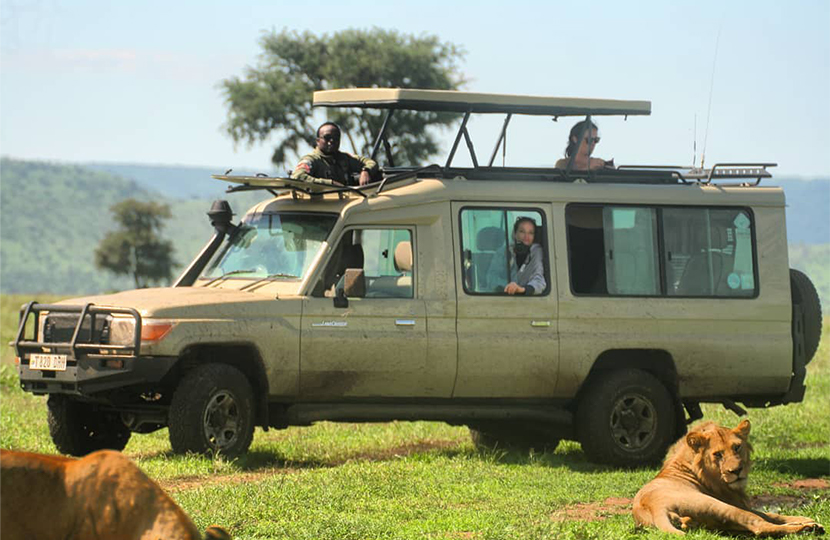
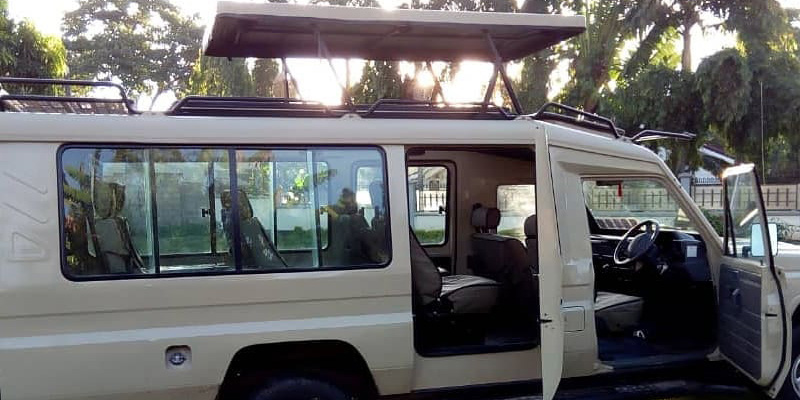
Tanzania Western Circuit Itinerary: The Ultimate Explorer’s Guide
When most travelers envision a Tanzanian safari, their minds often go straight to the iconic Serengeti and Ngorongoro Crater. While these destinations are undeniably spectacular, Tanzania offers a vastly different, yet equally profound, wilderness experience in its Western Circuit. This region, characterized by its remoteness, pristine ecosystems, and remarkable wildlife, appeals to those seeking a more exclusive and adventurous safari. A well-crafted Tanzania Western Circuit itinerary promises encounters with chimpanzees in lush forests, vast herds in untouched savannas, and rare birds on remote islands. This guide is designed to help you plan an unforgettable journey through this less-traveled but highly rewarding part of Tanzania, covering everything from itinerary logic to practical planning for 2026 and 2027.
Quick Facts: Tanzania Western Circuit
| Aspect | Details |
|---|---|
| Key Parks | Mahale Mountains National Park, Katavi National Park, Rubondo Island National Park |
| Main Wildlife Focus | Chimpanzees, elephants, lions, buffaloes, hippos, diverse birdlife, rare primates (Rubondo) |
| Best Time to Visit | Dry seasons: June to October (cooler, less rain) and December to February (hotter, shorter rains) |
| Access | Primarily by light aircraft flights from Arusha or Dar es Salaam; boat transfers are common |
| Accommodation | Exclusive lodges, tented camps, and basic campsites; often remote and intimate |
| Travel Style | Adventure, nature exploration, wildlife photography, primate tracking, off-the-beaten-path |
| Duration | Typically 7-14 days, depending on the number of parks visited and travel pace |
The Western Circuit is not for the faint of heart or those on a tight schedule. It demands more travel time and often higher costs due to its remoteness and reliance on flights. However, the rewards are immense: uncrowded parks, authentic wilderness, and a chance to see Tanzania’s incredible biodiversity in its most natural state. Let’s explore how to put together the perfect Tanzania Western Circuit itinerary.
Table of Contents
- Western Circuit Overview: A Different Kind of Safari
- Why Choose the Western Circuit?
- Best Time to Visit the Western Circuit (2026-2027)
- Western Circuit Route & Area Overview
- Sample Tanzania Western Circuit Itinerary Options
- What to Expect on a Western Circuit Safari
- Inclusions, Packing, and Preparation
- Common Mistakes to Avoid
- Who is the Western Circuit Best Suited For?
- Alternatives to the Western Circuit
- Planning Your 2026-2027 Western Circuit Trip
- Booking Your Tanzania Western Circuit Safari
- Frequently Asked Questions
- Ready to Plan Your Western Circuit Adventure?
Western Circuit Overview: A Different Kind of Safari
Tanzania’s Western Circuit is a collection of national parks and reserves that lie west of the more frequented Northern Circuit. These parks are characterized by their vast, wild landscapes and unique wildlife populations, often requiring more effort to access. The three main jewels of this circuit are:
- Mahale Mountains National Park: Famous for its habituated chimpanzee populations, Mahale offers a breathtaking combination of dense rainforests cascading down to the shores of Lake Tanganyika. It’s a prime destination for primate tracking and stunning lake-based activities.
- Katavi National Park: Often described as Tanzania’s most wild and untouched park, Katavi is a vast savanna wilderness teeming with elephants, buffaloes, lions, and hippos. Its seasonal floodplains and large animal concentrations are a sight to behold, especially during the dry season.
- Rubondo Island National Park: Situated on Lake Victoria, Rubondo is a unique island sanctuary for diverse wildlife, including elephants, hippos, and a remarkable array of bird species. It’s also known for its reintroduction of the rare Angolan colobus monkey and offers excellent fishing opportunities.
Unlike the Northern Circuit’s more developed infrastructure and easier accessibility, the Western Circuit demands a different approach. Travel between parks is typically done by light aircraft, and lodges are often few, exclusive, and blend harmoniously with the environment. This exclusivity is part of its allure, offering a deeply immersive and personal wildlife experience.
Why Choose the Western Circuit?
For the discerning traveler, the Western Circuit offers distinct advantages:
- Unparalleled Exclusivity: You are unlikely to encounter large crowds here. Many lodges host only a handful of guests, ensuring a private and intimate safari.
- Unique Wildlife Encounters: The primary draw is the chance to track and observe wild chimpanzees in their natural habitat in Mahale. Katavi offers raw, untamed predator-prey interactions on a grand scale. Rubondo provides a tranquil island escape with unique bird and primate sightings.
- Authentic Wilderness: These parks feel truly wild and remote. The landscapes are dramatic, from the forested mountains of Mahale to the sprawling floodplains of Katavi.
- Adventure and Discovery: Reaching these parks is an adventure in itself, often involving scenic flights and boat transfers. It appeals to those who enjoy exploring beyond the conventional tourist paths.
- Stunning Scenery: Lake Tanganyika’s crystal-clear waters in Mahale and the vast, open plains of Katavi provide diverse and captivating backdrops for your safari.
If your idea of a perfect safari involves a deep connection with nature, a sense of discovery, and a peaceful escape from the crowds, the Western Circuit should be at the top of your list.
Best Time to Visit the Western Circuit (2026-2027)
The best time to visit Tanzania’s Western Circuit depends on what you prioritize. The region experiences distinct wet and dry seasons, which significantly impact wildlife viewing and accessibility.
Western Circuit Seasonality
| Period | Weather | Wildlife Viewing | Activities | Accessibility | Notes |
|---|---|---|---|---|---|
| June – October (Dry Season) | Cooler, dry, sunny days; lower humidity | Excellent. Animals congregate around water sources in Katavi. Chimpanzee tracking is good in Mahale. | Game drives, walking safaris (where permitted), chimpanzee trekking, bird watching. Lake activities in Mahale. | Generally good, though some internal flights might be affected by wind conditions. | Peak season for most visitors. Best for observing large mammals in Katavi. Comfortable for trekking. Consider booking well in advance for 2026-2027. |
| November – December (Short Rains) | Brief, unpredictable showers; temperatures rise | Good. Landscapes turn green. Migratory birds arrive. Wildlife starts dispersing. | Game drives, primate tracking, bird watching. | Generally good, but rain can impact road conditions. | Fewer crowds, beautiful scenery. Good for bird enthusiasts. |
| January – February (Long Rains / Green Season) | Heavier, but often afternoon rains; very hot and humid | Good, but challenging in some areas. Lush vegetation can make spotting difficult. Good for birding. | Primate tracking, bird watching. Game drives can be limited by road conditions. | Can be challenging due to muddy roads. Some camps may close or have reduced services. | Excellent for photographers seeking dramatic skies and green landscapes. Lower prices may be available. |
| March – May (Long Rains) | Heavy, persistent rains; cooler temperatures | Fair. Wildlife disperses widely. Vegetation is very thick. | Limited. Game drives can be difficult. | Very challenging. Roads become impassable. Many lodges close. Internal flights may be suspended. | Lowest season for tourism. Generally not recommended for the Western Circuit due to accessibility issues. |
For 2026-2027 planning: The dry season (June-October) is the most popular and offers the most reliable conditions for game viewing and accessibility. If you prefer fewer crowds and don’t mind occasional rain, the shoulder months of November-December or even January-February can be rewarding, especially for birding and photography.
Western Circuit Route & Area Overview
The Western Circuit is geographically spread out, and travel between parks is a significant consideration when planning your itinerary. The primary hubs for accessing these parks are Arusha and, to a lesser extent, Dar es Salaam. From these hubs, you’ll typically take a light aircraft flight.
Illustrative Route Flow (Text-Based)
Starting Point: Arusha (Gateway City)
-
Flight to Mahale Mountains National Park:
- Typically a flight from Arusha Airport (ARK) to Mahale airstrip (MWZ).
- Transfer from airstrip to lodge (often by boat).
-
Travel from Mahale to Katavi National Park:
- Flight from Mahale airstrip (MWZ) to Katavi airstrip (KTQ).
- Transfer from airstrip to lodge.
-
Travel from Katavi to Rubondo Island National Park:
- Flight from Katavi airstrip (KTQ) to Rubondo airstrip (RDO).
- Transfer from airstrip to lodge (often by boat).
-
Departure:
- Flight from Rubondo airstrip (RDO) back to Arusha (ARK) or Dar es Salaam (DAR).
Note: This is a typical flow. The order can be adjusted based on flight availability, lodge bookings, and your personal preferences. Some itineraries might combine only two of these parks, or incorporate other western areas if available.
The distances between these parks are significant, making flying the only practical method for a safari of reasonable duration. Road travel is extremely time-consuming and often not feasible for tourists between these specific locations.
Sample Tanzania Western Circuit Itinerary Options
Crafting a Tanzania Western Circuit itinerary requires balancing travel time with the time spent enjoying the parks. Here are two sample itineraries, offering different depths of experience.
Option 1: The Primate & Predator Explorer (10 Days)
This itinerary focuses on the most sought-after experiences: chimpanzee tracking in Mahale and the wild predator action in Katavi. It’s a good option for travelers with limited time who want to experience the highlights of the Western Circuit.
Day 1: Arrival in Arusha & Preparation
Arrive at Kilimanjaro International Airport (JRO), transfer to your lodge in Arusha. Briefing for your upcoming safari.
Day 2: Fly to Mahale Mountains National Park
After breakfast, transfer to Arusha Airport (ARK) for your light aircraft flight to Mahale. Upon arrival at the airstrip, you’ll be met and transferred to your lodge, likely by boat across Lake Tanganyika. Settle in and enjoy the stunning lake views.
Day 3-4: Mahale Mountains – Chimpanzee Trekking
Two full days dedicated to chimpanzee tracking. Guided walks into the forest with experienced rangers to find the habituated chimp groups. Spend time observing their complex social interactions. Other activities may include swimming in Lake Tanganyika, kayaking, or relaxing by the lake.
Day 5: Fly to Katavi National Park
Morning at leisure in Mahale. After lunch, transfer to the airstrip for your flight to Katavi National Park. Arrive at Katavi airstrip (KTQ) and transfer to your lodge. Begin your first game drive en route to the camp.
Day 6-7: Katavi National Park – Wilderness Safari
Two full days exploring Katavi’s vast floodplains and woodlands. Focus on game drives to witness large herds of elephants and buffaloes, prides of lions, and abundant hippos in the Ikuu and Chada floodplains. Walking safaris might be an option depending on the lodge and park regulations.
Day 8: Fly to Rubondo Island National Park (Optional Add-on or Departure)
(If adding Rubondo) Morning game drive in Katavi. Fly from Katavi airstrip (KTQ) to Rubondo airstrip (RDO). Transfer to your lodge on the island.
Day 8-9: Rubondo Island – Island Exploration (Optional Add-on)
(If adding Rubondo) Explore Rubondo Island. Activities include game drives, guided walks to spot colobus monkeys, bird watching, and fishing on Lake Victoria.
Day 10: Departure
Option A (Without Rubondo): Morning game drive in Katavi. Fly from Katavi airstrip (KTQ) back to Arusha (ARK) for your onward international flight or overnight stay.
Option B (With Rubondo): Morning activities on Rubondo. Fly from Rubondo airstrip (RDO) back to Arusha (ARK) for your onward international flight or overnight stay.
Option 2: The Ultimate Wilderness Immersion (14 Days)
This extended itinerary allows for a deeper exploration of all three main Western Circuit parks, providing more time for wildlife viewing, relaxation, and absorbing the unique atmospheres of each location. It’s ideal for those who want to truly disconnect and immerse themselves in Tanzania’s wild west.
Day 1: Arrival in Arusha & Preparation
Arrive at JRO, transfer to Arusha lodge. Safari briefing.
Day 2-4: Mahale Mountains National Park (3 Nights)
Fly from Arusha (ARK) to Mahale (MWZ). Transfer to your lodge. Three full days for chimpanzee trekking, exploring the rainforest, relaxing by Lake Tanganyika, and optional activities like swimming or kayaking. This allows for more flexibility in tracking chimps and enjoying the lake.
Day 5: Fly to Katavi National Park
Morning at leisure in Mahale. Fly from Mahale (MWZ) to Katavi (KTQ). Transfer to your lodge and embark on your first game drive.
Day 6-9: Katavi National Park (4 Nights)
Four full days to explore the vast and wild landscapes of Katavi. Focus on extensive game drives to witness the park’s abundant wildlife, particularly elephants, buffaloes, lions, and hippos. Enjoy sundowners in remote locations and perhaps a walking safari if available. This extended stay allows for deeper exploration of different areas within the park and increases chances of witnessing significant wildlife events.
Day 10: Fly to Rubondo Island National Park
Morning game drive in Katavi. Fly from Katavi (KTQ) to Rubondo (RDO). Transfer to your lodge on the island.
Day 11-12: Rubondo Island National Park (2 Nights)
Two full days on Rubondo Island. Explore the unique island ecosystem, track colobus monkeys, enjoy birdwatching, go fishing for Nile perch on Lake Victoria, or take guided walks through the forested interior.
Day 13: Fly to Arusha
Enjoy a final morning activity on Rubondo. Fly from Rubondo (RDO) back to Arusha (ARK). Overnight in Arusha, perhaps for souvenir shopping or a final celebratory dinner.
Day 14: Departure
Transfer to Kilimanjaro International Airport (JRO) for your international flight home.
These are just sample frameworks. Your specific Tanzania Western Circuit itinerary can be customized to your interests, budget, and available time. For example, you might choose to spend more time in Mahale if your primary interest is primates, or focus solely on Katavi if large mammal concentrations are your priority.
What to Expect on a Western Circuit Safari
A safari in Tanzania’s Western Circuit is a very different experience from the more accessible parks of the north. Here’s what travelers should anticipate:
- Remoteness and Isolation: These parks are far from major cities and require significant travel time, often involving multiple flights. Lodges are few and far between, offering a profound sense of isolation and connection with nature.
- Exclusive Wildlife Viewing: You will likely have game drives or walking experiences with very few other vehicles or people. This allows for intimate wildlife encounters and a more personal connection with the environment.
- Primate Focus: Mahale is world-renowned for its chimpanzee trekking. Expect strenuous but rewarding hikes through dense rainforests to observe these incredible primates.
- Vast Wilderness: Katavi presents a raw, untamed wilderness. Its sheer size and limited visitor numbers mean you can experience vast landscapes with massive herds of animals without crowds.
- Lake and Island Life: Mahale offers a unique combination of forest and lake, with opportunities for swimming and enjoying the shores of Lake Tanganyika. Rubondo provides a tranquil island escape with distinct wildlife and activities centered around Lake Victoria.
- Higher Costs: Due to the reliance on light aircraft flights, park fees, and the exclusivity of the lodges, safaris in the Western Circuit are generally more expensive than in the Northern Circuit.
- Simpler Infrastructure: While lodges are comfortable and often luxurious, the overall infrastructure in these parks is less developed than in the north. This contributes to the wilder feel.
- Bush Flights: Expect to travel between parks via small bush planes. These flights are often scenic but can be subject to weather delays. Luggage restrictions are common (usually 15-20 kg per person in soft bags).
Inclusions, Packing, and Preparation
To ensure a smooth trip, understanding what’s typically included and what you need to pack is crucial. Since this is a premium, remote destination, careful preparation is key.
Typical Inclusions in a Western Circuit Safari Package
- Accommodation at selected lodges/camps
- All internal light aircraft flights (Arusha-Park-Arusha)
- Park and concession fees
- All meals (breakfast, lunch, dinner)
- Standard drinks (water, sometimes soft drinks, house wine/beer)
- Shared game drives in 4×4 vehicles
- Guided walks (where permitted)
- Chimpanzee trekking permits (Mahale)
- Transfers to/from airstrips to lodges
- Professional guide services
What to Pack: Essential Items
- Clothing: Lightweight, neutral-colored clothing (khaki, olive green, beige). Avoid bright colors and dark blue/black (can attract tsetse flies). Include long-sleeved shirts and trousers for sun and insect protection, t-shirts, shorts, a warm fleece or jacket for cool mornings/evenings, and swimwear.
- Footwear: Comfortable walking shoes or hiking boots (essential for chimpanzee trekking), sandals or flip-flops for relaxing at the lodge.
- Headwear: Wide-brimmed hat or cap for sun protection.
- Eyewear: Sunglasses.
- Sun Protection: High SPF sunscreen, lip balm with SPF.
- Insect Repellent: Containing DEET or Picaridin.
- Health: Personal first-aid kit, any prescription medications, malaria prophylaxis (consult your doctor).
- Photography: Camera, extra batteries, memory cards, binoculars (highly recommended), telephoto lens if possible.
- Documents: Passport, visa (if required), flight tickets, travel insurance details, vaccination certificates.
- Money: USD cash for tips and personal expenses (small denominations are useful). Credit cards are accepted at most lodges but can be unreliable in remote areas.
- Other: Headlamp or flashlight, reusable water bottle, small backpack for day trips/treks.
Preparation Checklist:
- Consult your doctor: Discuss necessary vaccinations (e.g., Yellow Fever) and malaria prevention.
- Obtain necessary visas: Check Tanzania’s visa requirements well in advance.
- Book flights: Internal flights are crucial for the Western Circuit and need to be booked early.
- Pack light and smart: Adhere to airline luggage restrictions for bush planes (typically 15-20kg in soft-sided bags).
- Inform your tour operator: Share any dietary requirements, medical conditions, or special interests.
- Get travel insurance: Comprehensive insurance covering medical emergencies, evacuation, and trip cancellation is vital.
Common Mistakes to Avoid
Planning a Western Circuit safari is complex, and a few common pitfalls can detract from the experience. Being aware of these can help you avoid them:
- Underestimating Travel Time: The Western Circuit requires significant travel between parks. Trying to cram too much into a short period will result in more time in transit than enjoying the destinations.
- Not Booking Early Enough: Lodges in the Western Circuit are exclusive and have limited capacity. Flights are also limited. Booking 6-12 months in advance, especially for peak seasons in 2026-2027, is recommended.
- Assuming Road Accessibility: Unlike the Northern Circuit, road travel between Western Circuit parks is not practical for tourists. Relying on road transfers would make a trip unfeasible.
- Ignoring Luggage Restrictions: Bush planes have strict weight and size limits for luggage. Overpacking or using hard suitcases can lead to significant inconvenience and extra costs.
- Not Being Prepared for Remoteness: Wi-Fi and mobile signal are scarce. Embrace the digital detox. Ensure you have all necessary medications and cash beforehand.
- Focusing Only on Chimps: While Mahale’s chimps are a highlight, don’t overlook the incredible diversity of other wildlife and the stunning beauty of Lake Tanganyika. Similarly, Katavi offers more than just predators; its birdlife and vast landscapes are remarkable.
- Not Budgeting Appropriately: The Western Circuit is a premium product. Costs are higher due to flights and exclusivity. Be realistic about the budget required.
- Lack of Flexibility: Weather can affect flight schedules. Having a degree of flexibility in your itinerary is wise.
Who is the Western Circuit Best Suited For?
The Tanzania Western Circuit is ideal for travelers who:
- Seek Authentic Wilderness: Those who want to experience raw, unspoiled nature far from tourist crowds.
- Are Primate Enthusiasts: The chance to see wild chimpanzees in Mahale is a primary draw for many.
- Appreciate Exclusivity: Travelers looking for intimate safari experiences with few other guests.
- Enjoy Adventure: Those comfortable with bush flights, remote locations, and potentially more challenging trekking.
- Are Experienced Safari-Goers: While suitable for first-timers with a good budget and a desire for exclusivity, it particularly appeals to those who have already explored more accessible areas and are looking for something different.
- Are Photographers: The dramatic landscapes and unique wildlife offer incredible photographic opportunities, especially with fewer crowds.
- Have a Higher Budget: The costs associated with flights and exclusive lodges mean this circuit is generally more expensive.
It is generally less suited for budget travelers, those with mobility issues who cannot manage trekking, or those who prefer readily available amenities and constant connectivity.
Alternatives to the Western Circuit
If the Western Circuit doesn’t quite fit your needs, Tanzania offers other incredible safari destinations:
- Northern Circuit (Serengeti, Ngorongoro, Tarangire, Lake Manyara): The most popular and well-known circuit. Offers iconic wildlife viewing, the Great Migration, and a wide range of accommodation options from budget to luxury. Easier to access and more established infrastructure.
- Southern Circuit (Ruaha, Selous/Nyerere National Park): Known for its large elephant and buffalo herds, wild dog sightings, and vast, undeveloped landscapes. Offers a more remote experience than the north but is generally more accessible by road or scheduled flights than the west.
- Gombe Stream National Park: Famous for Jane Goodall’s chimpanzee research. Located on the shores of Lake Tanganyika, north of Mahale. Offers excellent chimpanzee trekking but is a smaller, more focused primate destination.
- Udzungwa Mountains National Park: A biodiversity hotspot known for its unique flora and fauna, including several endemic species and primates. Offers excellent hiking and birding, but less traditional big game viewing.
While these offer fantastic experiences, none replicate the specific combination of chimpanzee trekking in lush rainforests, vast predator-dominated savannas, and island exploration that the Western Circuit provides.
Planning Your 2026-2027 Western Circuit Trip
Planning a safari to the Western Circuit for 2026 or 2027 requires foresight. Here’s a step-by-step approach:
- Define Your Priorities: What do you most want to see and experience? Chimps? Big cats? Birdlife? Remote wilderness? This will help tailor your itinerary.
- Determine Your Budget: The Western Circuit is a high-end safari. Understand the costs involved, particularly for flights and exclusive lodges.
- Choose Your Timing: Refer to the seasonality guide. The dry season (June-Oct) is popular, but shoulder seasons offer different advantages. For 2026-2027, popular dates will book up quickly.
- Select Your Parks: Decide which of the Western Circuit parks you want to visit (Mahale, Katavi, Rubondo) and for how long. A 10-14 day trip is typical for visiting two or three parks.
- Find a Reputable Tour Operator: This is critical for the Western Circuit. An experienced operator will handle complex flight bookings, lodge reservations, and park permits. Look for operators with specific experience in this region.
- Book Flights: Internal flights are the backbone of a Western Circuit itinerary. Your operator will book these, but be aware of luggage limits.
- Secure Lodge Bookings: Lodges are few and book up months, even a year, in advance, especially for 2026 and 2027.
- Arrange Visas and Vaccinations: Start this process well before your departure date.
- Get Travel Insurance: Ensure it covers medical evacuation from remote areas.
- Pack Appropriately: Use the packing list provided to ensure you have everything you need for a comfortable and safe trip.
Early planning is key for the Western Circuit, especially for popular travel windows in 2026 and 2027. The more time you have, the better the availability and potentially the more tailored your experience will be.
Booking Your Tanzania Western Circuit Safari
Booking a Tanzania Western Circuit itinerary is best done through a specialized tour operator. Their expertise is invaluable for navigating the logistics of remote travel.
Key Booking Considerations:
- Operator Experience: Choose an operator that has extensive experience with the Western Circuit specifically. Ask for references or examples of past itineraries.
- Itinerary Customization: The best operators will tailor your Tanzania Western Circuit itinerary to your interests, pace, and budget.
- Inclusions and Exclusions: Clearly understand what is included in your package (flights, park fees, meals, activities) and what is not (tips, personal expenses, premium drinks).
- Payment Schedule: Reputable operators will have a clear payment schedule, often requiring a deposit to secure bookings and the balance closer to the travel date.
- Cancellation Policy: Understand the terms and conditions regarding cancellations, especially given the high cost and reliance on flights.
- Communication: Ensure the operator is responsive and provides clear, timely information.
When you’re ready to discuss your dream Western Circuit safari, don’t hesitate to reach out. We specialize in creating bespoke Tanzanian adventures, including detailed Tanzania Western Circuit itineraries.
Contact us:
- WhatsApp: +255616946642
- Email: topguideadventures@gmail.com
- Backup Email: info@topguideadventures.com
Frequently Asked Questions
FAQs about the Tanzania Western Circuit
Q1: Is the Western Circuit suitable for first-time safari-goers?
A1: While it offers an incredible experience, the Western Circuit’s remoteness, higher costs, and reliance on bush flights make it more suited for experienced travelers or first-timers with a specific interest in primates and exclusivity, and a sufficient budget. The Northern Circuit is often recommended as a more accessible first safari.
Q2: How much does a Western Circuit safari cost?
A2: Due to the significant cost of internal flights and exclusive lodges, Western Circuit safaris are generally more expensive than other regions in Tanzania. Expect costs to be in the higher range, often starting from $500-$700+ per person per day, depending on the lodges and season. Exact pricing for 2026-2027 will vary.
Q3: What is the best way to travel between parks in the Western Circuit?
A3: Light aircraft flights are the only practical and time-efficient way to travel between Mahale, Katavi, and Rubondo. Road travel is extremely time-consuming and often impassable.
Q4: Can I do a self-drive safari in the Western Circuit?
A4: Self-driving is not recommended or feasible for tourists in the Western Circuit. The distances are vast, roads can be poor, and the logistics of park entry, internal flights, and lodge access make it impractical and unsafe.
Q5: What are the chances of seeing chimpanzees in Mahale?
A5: The chances of seeing the habituated chimpanzee groups in Mahale are very high, typically over 90%. However, they are wild animals, and sightings are never guaranteed. Trekking can be physically demanding.
Q6: What wildlife can I expect to see in Katavi?
A6: Katavi is renowned for its huge concentrations of elephants and buffaloes, especially during the dry season. You can also expect to see large prides of lions, hippos, crocodiles, zebras, giraffes, and a variety of antelopes. It’s also a great spot for birdwatching.
Q7: Is malaria a risk in the Western Circuit?
A7: Yes, malaria is present throughout Tanzania, including the Western Circuit. It is crucial to consult your doctor about malaria prophylaxis and take precautions such as using insect repellent and wearing protective clothing, especially at dawn and dusk.
Q8: What is the best time for a Tanzania Western Circuit itinerary in 2026-2027?
A8: The dry season from June to October is generally considered the best time for wildlife viewing and accessibility. The period from December to February also offers good viewing but can be hotter. Planning for 2026-2027 should factor in these peak times.
Q9: What kind of accommodation is available?
A9: Accommodation in the Western Circuit consists of exclusive, often luxurious, lodges and tented camps. These are designed to blend into the environment and offer an intimate experience. Options are limited, so booking in advance is essential.
Q10: What is the luggage allowance for flights?
A10: Luggage allowance on light aircraft flights is typically restricted to 15-20 kg (33-44 lbs) per person, usually in soft-sided duffel bags. Your tour operator will confirm exact specifications.
Ready to Plan Your Western Circuit Adventure?
A Tanzania Western Circuit itinerary offers an unparalleled journey into the wild heart of Africa, promising exclusive encounters with nature and a profound sense of discovery. If you’re seeking an authentic, off-the-beaten-path safari experience that combines primate tracking with vast wilderness and stunning landscapes, the Western Circuit is an exceptional choice.
Let us help you craft your perfect Tanzania Western Circuit itinerary for 2026 or 2027. Our expert team has extensive knowledge of this unique region and can design a trip tailored to your interests and preferences.
Get in touch today to start planning your unforgettable Tanzanian adventure:
- WhatsApp: +255616946642
- Email: topguideadventures@gmail.com
- Backup Email: info@topguideadventures.com
Plan your Tanzania Western Circuit Itinerary with Top Guide Adventures
Tell us your travel dates, group size, comfort level, and dream experience. We will help you shape a clear, realistic, and memorable Tanzania itinerary.

 Veedesigner
 Fatma Kizanga
 Benjamin Waryuba
 Philip Philip
 John jr Itaja
 Antonia Optatus
 Edith Kanyere
 Neema Iddy
 Kelvin Boniphace
 Damari Maiga



