
Updated planning guide for 2026-2027
Arusha Vs Moshi: Where Should You Stay?: Complete Guide 2026-2027
Choosing between Arusha and Moshi is a common dilemma for travelers heading to Northern Tanzania. This comprehensive guide breaks down the pros and cons of each town, helping you decide where to base yourself for your safari, Kilimanjaro trek, or cultural exploration.
WhatsApp +255616946642 | topguideadventures@gmail.com | info@topguideadventures.com
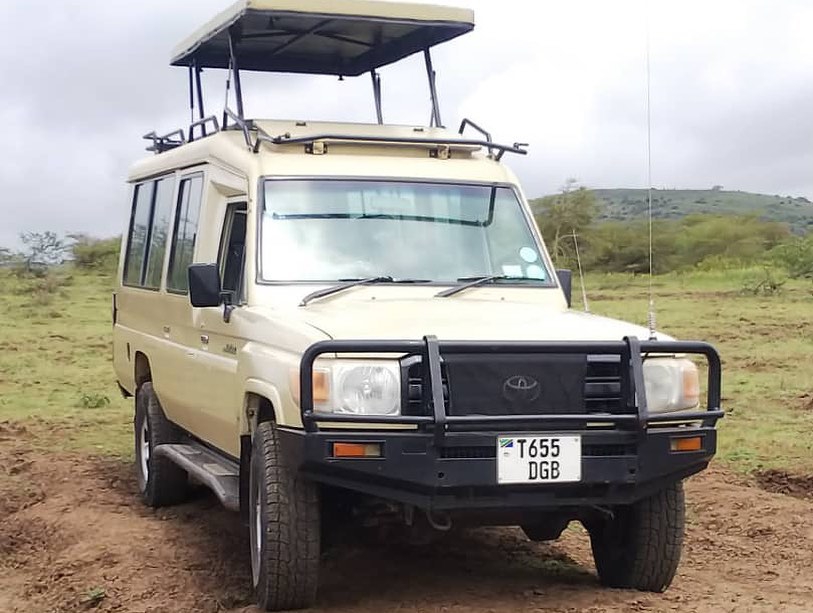


Arusha vs Moshi: Where Should You Stay for Your Tanzania Adventure?
As you plan your unforgettable journey to Tanzania, a crucial early decision often revolves around choosing between two vibrant gateway towns: Arusha and Moshi. Both serve as launchpads for incredible adventures, from the iconic slopes of Mount Kilimanjaro to the vast plains of the Serengeti. But Arusha and Moshi are distinct in their character, offerings, and atmosphere. Knowing their differences is key to selecting the perfect base for your 2026 or 2027 trip.
This guide aims to provide a detailed comparison, helping you understand which town aligns best with your travel style, interests, and itinerary. We’ll look at their proximity to key attractions, accommodation options, local culture, amenities, and overall vibe. By the end, you’ll have a clear picture to make an informed choice for your Tanzanian experience.
Table of Contents
- Quick Facts: Arusha vs. Moshi
- Town Overviews
- Why Your Choice Matters
- Proximity to Key Attractions
- Atmosphere and Vibe
- Accommodation Options
- Dining and Nightlife
- Local Activities and Culture
- Infrastructure and Amenities
- Best Time to Visit the Region
- Sample Itinerary Logic
- Who is Each Town Best For?
- Common Mistakes to Avoid
- Planning Your Trip for 2026-2027
- Booking Advice
- Frequently Asked Questions
Quick Facts: Arusha vs. Moshi
| Feature | Arusha | Moshi |
|---|---|---|
| Primary Role | Major commercial hub, safari gateway | Kilimanjaro trekking base, agricultural center |
| Size | Larger city, more sprawling | Smaller town, more compact |
| Atmosphere | Bustling, diverse, business-oriented | Relaxed, mountain-focused, community feel |
| Proximity to Kilimanjaro Airport (JRO) | Approx. 45-60 minutes | Approx. 40-50 minutes |
| Safari Access | Excellent access to Serengeti, Ngorongoro, Tarangire, Manyara | Excellent access to Kilimanjaro National Park, good for northern circuit safaris |
| Kilimanjaro Trekking Access | Good, but Moshi is closer to trailheads | Direct access, closer to Marangu and Machame routes |
| Accommodation Range | Wide range: budget guesthouses to luxury lodges | Good range: budget to mid-range, more Kili-focused lodges |
| Dining Scene | More diverse, international options | Local eateries, some tourist-oriented restaurants |
| Shopping | Larger markets, more variety | Smaller markets, crafts, trekking gear |
| Main Draw (beyond transport) | Cultural tourism, city life, market exploration | Mount Kilimanjaro, coffee plantations, local culture |
Town Overviews
Arusha, often referred to as the ‘Safari Capital of Africa’, is the largest city in Northern Tanzania. It’s a bustling, cosmopolitan hub with a diverse population and a strong commercial presence. Arusha is the primary international gateway for safaris into the northern circuit parks like the Serengeti, Ngorongoro Conservation Area, Tarangire, and Lake Manyara. It has a more urban feel, with busy streets, a wider range of services, and a more international expatriate community.
Moshi, on the other hand, is a smaller, more laid-back town situated at the foothills of Mount Kilimanjaro. It is renowned as the primary base for Kilimanjaro trekkers. Moshi has a distinct agricultural character, with coffee plantations dotting the surrounding landscape. The town exudes a friendly, community-oriented atmosphere, and its identity is deeply intertwined with the presence of Africa’s highest peak. While it serves as a departure point for safaris, its primary focus is Kilimanjaro expeditions.
Why Your Choice Matters
The decision of where to stay in Arusha or Moshi is more than just a logistical detail; it directly influences your initial experience of Tanzania. Your chosen town can affect:
- Travel Time: How long it takes to reach your safari starting point or Kilimanjaro trailhead.
- Pre- and Post-Adventure Relaxation: The atmosphere and amenities available for unwinding before or after a strenuous trek or safari.
- Cultural Immersion: The types of local interactions and experiences you’ll have.
- Convenience: Access to specific services, shops, and transport options.
- Cost: While both are relatively affordable, some services or accommodations might differ slightly in price.
Understanding these nuances will help you tailor your arrival and departure days to maximize your enjoyment and minimize travel stress for your 2026-2027 travels.
Proximity to Key Attractions
This is often the most significant factor when choosing between Arusha and Moshi.
For Safaris:
- Arusha: Arusha is geographically better positioned for accessing the most famous northern circuit parks. It’s the logical starting point for trips heading towards Tarangire National Park, Lake Manyara National Park, the Ngorongoro Conservation Area, and the vast Serengeti National Park. Many safari operators are based in or have offices in Arusha, making logistics straightforward. If your primary goal is a multi-day safari covering these iconic destinations, Arusha often offers slightly shorter initial drives to the park gates.
- Moshi: While Moshi is also a valid starting point for northern circuit safaris, the initial drive to reach the parks will be longer compared to starting from Arusha. However, Moshi is closer to the eastern side of the Serengeti ecosystem and offers easier access to less-visited parks like Mkomazi National Park.
For Kilimanjaro Treks:
- Moshi: Moshi is the undisputed champion for Kilimanjaro trekkers. It is significantly closer to the main trailheads, particularly the Marangu Gate (for the Marangu route) and the Machame Gate (for the Machame route), which are among the most popular. Staying in Moshi means less travel time on your trekking start and end days, allowing for more rest and preparation. The town is filled with trekking companies, gear rental shops, and a supportive community of climbers.
- Arusha: Arusha is still a viable option for Kilimanjaro climbers. Many trekkers spend their pre-climb nights here due to flight arrivals or other travel plans. From Arusha, you will have a transfer to Moshi and then onwards to the specific Kilimanjaro gate. This adds approximately 1-1.5 hours of travel time each way compared to staying in Moshi.
Other Attractions:
- Arusha: Good base for day trips to Arusha National Park (home to Mt. Meru), the Shira Plateau, and cultural heritage centers.
- Moshi: Excellent for exploring coffee plantations, waterfalls (like Materuni), and engaging with local Chagga culture. It also offers stunning views of Kilimanjaro on clear days.
Atmosphere and Vibe
The feel of each town is a significant differentiator.
Arusha:
- Urban and Bustling: Arusha is a lively city with constant activity. You’ll find busy markets, traffic, and a general sense of a commercial center.
- Cosmopolitan: It hosts a large expatriate community, NGOs, and international businesses, giving it a more global feel.
- Diverse: As a major transit point, you’ll encounter people from all over Tanzania and the world.
- Less Scenic Views: While it’s a gateway, the town itself doesn’t offer direct, dramatic views of Kilimanjaro.
Moshi:
- Relaxed and Laid-back: Moshi has a much slower pace of life. It feels more like a large town or small city than a bustling metropolis.
- Mountain-Centric: The presence of Mount Kilimanjaro is palpable. Views of the mountain are common, and the town’s economy and culture are heavily influenced by it.
- Friendly and Local: It has a strong local character and a welcoming atmosphere, especially for those focused on climbing the mountain.
- Agricultural Influence: Surrounded by fertile land, the town has a connection to farming, particularly coffee.
Accommodation Options
Both towns offer a range of places to stay, catering to different budgets and preferences.
Arusha:
- Wider Variety: Arusha boasts a broader spectrum of accommodation. You’ll find everything from backpacker hostels and budget guesthouses to mid-range hotels, boutique lodges, and high-end safari resorts.
- City Hotels: Many hotels are located within the city center, offering convenience for accessing services and transport.
- Lodge Style: Several beautiful lodges are situated on the outskirts of Arusha, offering more serene environments with gardens and pools, often popular for pre-safari relaxation.
Moshi:
- Kilimanjaro Focus: Moshi’s accommodation is heavily geared towards trekkers. You’ll find many comfortable guesthouses, mid-range hotels, and lodges specifically catering to climbers needing pre-trek briefings and post-trek recovery.
- Homestays: Options for homestays and more local guesthouses are plentiful, offering a chance for deeper cultural immersion.
- Fewer Luxury Options: While comfortable options exist, Moshi has fewer ultra-luxury hotels compared to Arusha, though some exceptional lodges are found in the surrounding hills.
Dining and Nightlife
Your culinary and evening preferences might sway your decision.
Arusha:
- More Diverse Cuisine: Arusha offers a wider array of dining experiences. You can find everything from local Tanzanian dishes at bustling eateries to international cuisine, including Italian, Indian, Chinese, and American-style restaurants.
- More Lively Nightlife: As a larger city, Arusha has more bars, pubs, and clubs. It’s a better choice if you enjoy experiencing local nightlife or seeking out varied entertainment options.
- Cafes and Bakeries: A good selection of cafes and bakeries are available for coffee breaks and light meals.
Moshi:
- Local Focus: Moshi’s dining scene is more focused on local Tanzanian food, often found in smaller restaurants and ‘vibandas’ (local food stalls). There are also several tourist-oriented restaurants serving a mix of international and local dishes.
- Quieter Evenings: The nightlife in Moshi is much more subdued. It’s ideal for relaxing with a drink after a day of preparation or reflection, rather than a party scene.
- Coffee Culture: Given the region’s coffee production, you’ll find good local coffee readily available.
Local Activities and Culture
Beyond your main adventure, what else can you do?
Arusha:
- Cultural Heritage Centre: A popular stop for souvenirs, local art, and information about Tanzanian tribes.
- Maasai Market: For authentic handicrafts and a vibrant shopping experience.
- Arusha National Park: A great option for a day trip, offering game drives and hiking opportunities around Mount Meru.
- Local Markets: Explore the main town market for a feel of daily life.
- Museums: Several small museums offer insights into local history and culture.
Moshi:
- Coffee Plantations: Take a tour to learn about coffee farming and enjoy freshly brewed coffee.
- Materuni Waterfalls & Coffee Tour: A very popular day trip combining stunning waterfalls with a hands-on coffee experience.
- Chagga Cultural Tours: Learn about the traditions and history of the local Chagga people, often including visits to traditional homes and caves.
- Local Markets: Experience the daily life and local produce at Moshi’s market.
- Views of Kilimanjaro: Simply enjoying the majestic views of the mountain from various points in and around town is an activity in itself.
Infrastructure and Amenities
Consider the practicalities of each town.
Arusha:
- Better Banking and Services: As a larger city, Arusha has more banks, ATMs, foreign exchange bureaus, and a wider selection of shops.
- Transportation Hub: It’s the main hub for bus and taxi services connecting to other parts of Tanzania.
- Hospitals and Clinics: Offers more advanced medical facilities.
- Internet: Generally more reliable internet access, though still variable.
Moshi:
- Adequate for Tourists: Moshi has sufficient amenities for travelers, including banks, ATMs, pharmacies, and shops selling trekking essentials.
- Local Transport: Good local taxi services and bus connections, but less of a major transit hub than Arusha.
- Medical Facilities: Has a hospital and clinics, but Arusha generally offers more comprehensive medical services.
- Internet: Internet can be less reliable in Moshi compared to Arusha.
Best Time to Visit the Region
The Northern Circuit of Tanzania, encompassing both Arusha and Moshi, has distinct seasons. While you can visit year-round, the best times for trekking Kilimanjaro and for safaris are generally during the dry seasons.
| Period | Weather | Pros | Cons |
|---|---|---|---|
| June – October (Dry Season) | Cooler temperatures, very little rain. Clear skies. | Ideal for trekking Kilimanjaro (best summit success rates). Excellent for safaris (wildlife congregates around water sources, easier to spot). Comfortable temperatures. | Peak tourist season, higher prices, busier trails and parks. |
| November – December (Short Rains) | Intermittent showers, usually in the afternoons. Warmer. | Fewer tourists, greener landscapes, potentially lower prices. Good for safaris. | Rain can disrupt trekking plans. Less predictable weather. |
| January – March (Long Rains / “Green Season”) | Heavy, prolonged rains, especially in April/May. Hot and humid. | Very few tourists, lowest prices. Lush landscapes, great for birdwatching. Good for calving season in Serengeti. | Kilimanjaro trekking is challenging due to mud and visibility. Safari game viewing can be harder as animals disperse. Roads can be difficult. |
| April – May (Long Rains Peak) | Heavy, persistent rain. | Extremely low season, best prices. | Generally avoided for trekking and difficult for safaris. |
| June – October (Dry Season) | Cooler temperatures, very little rain. Clear skies. | Ideal for trekking Kilimanjaro (best summit success rates). Excellent for safaris (wildlife congregates around water sources, easier to spot). Comfortable temperatures. | Peak tourist season, higher prices, busier trails and parks. |
For 2026 and 2027, planning your trip during the dry seasons (June-October) will offer the most predictable and comfortable weather for both trekking and safaris. However, the shoulder seasons (November-December and potentially early January) can offer a good balance of decent weather, fewer crowds, and better value.
Sample Itinerary Logic
Here’s how your choice of Arusha vs. Moshi might influence your trip’s structure:
Scenario 1: Primary Focus is Safari (e.g., Serengeti, Ngorongoro)
Option A (Starting in Arusha):
- Day 1: Arrive at Kilimanjaro Airport (JRO), transfer to Arusha. Settle into hotel, pre-safari briefing.
- Day 2: Begin safari from Arusha, driving towards Tarangire or Lake Manyara.
- … (Safari days) …
- Final Safari Day: Return to Arusha.
- Departure Day: Transfer from Arusha to JRO for departure.
Option B (Starting in Moshi):
- Day 1: Arrive at JRO, transfer to Moshi. Settle in, briefing.
- Day 2: Long drive from Moshi to Tarangire/Manyara/Ngorongoro. Begin safari.
- … (Safari days) …
- Final Safari Day: Return to Moshi.
- Departure Day: Transfer from Moshi to JRO.
Logic: Arusha offers shorter initial drives to safari parks.
Scenario 2: Primary Focus is Kilimanjaro Trekking
Option A (Starting in Arusha):
- Day 1: Arrive at JRO, transfer to Arusha. Hotel, briefing.
- Day 2: Transfer from Arusha to Moshi, then onwards to Kilimanjaro Gate (e.g., Marangu/Machame). Begin trek.
- … (Trek days) …
- Final Trek Day: Descend Kilimanjaro, transfer to Moshi. Hotel.
- Departure Day: Transfer from Moshi to JRO.
Option B (Starting in Moshi):
- Day 1: Arrive at JRO, transfer directly to Moshi. Hotel, briefing.
- Day 2: Transfer from Moshi to Kilimanjaro Gate. Begin trek.
- … (Trek days) …
- Final Trek Day: Descend Kilimanjaro, transfer to Moshi. Hotel.
- Departure Day: Transfer from Moshi to JRO.
Logic: Moshi significantly reduces travel time to Kilimanjaro trailheads.
Scenario 3: Combined Safari and Kilimanjaro Trek
If you plan to do both, the decision becomes more about logistical flow. Often, travelers will start with their primary activity. For instance:
- Option 1: Safari first, then Kili: Arrive in Arusha, do safari. Then transfer to Moshi for Kili trek. Depart from JRO.
- Option 2: Kili first, then Safari: Arrive in Arusha, transfer to Moshi for Kili trek. Descend, transfer back to Arusha to start safari. Depart from JRO.
The choice here depends on personal preference for the order of activities and how you want to structure your rest days.
Who is Each Town Best For?
To simplify, consider these profiles:
| Traveler Type | Arusha is Likely Better For | Moshi is Likely Better For |
|---|---|---|
| Primary Safari Goers | Yes, especially for Serengeti/Ngorongoro circuit. Shorter initial drive times. | Less ideal for primary safari, but possible. Longer initial drive. |
| Primary Kilimanjaro Trekkers | Okay, but requires extra travel time to trailheads. | Yes, significantly closer to trailheads. Ideal for climbers. |
| First-time Tanzania Visitors | Good all-rounder, convenient for varied interests. | Excellent if Kilimanjaro is the main event. |
| Budget Travelers | Wide range of budget options available. | Good budget options, especially local guesthouses. |
| Luxury Travelers | More luxury hotel and lodge options. | Fewer ultra-luxury options, but high-quality lodges exist. |
| Those seeking vibrant city life/nightlife | Yes, more options for dining and entertainment. | No, much quieter and more relaxed. |
| Cultural Enthusiasts (local immersion) | Good for experiencing a larger Tanzanian city. | Excellent for experiencing Chagga culture and mountain community life. |
| Independent Travelers (self-organizing) | More services and transport options readily available. | Sufficient for most needs, especially if focused on Kili. |
Common Mistakes to Avoid
When choosing between Arusha and Moshi, travelers sometimes make these common errors:
- Not considering flight arrival times: If you arrive very late at JRO, a short transfer to Arusha might be preferable to a longer one to Moshi, especially if you’re just spending one night.
- Assuming they are interchangeable: While both are gateways, their primary strengths lie in different areas. Don’t treat them as identical.
- Overlooking the travel time difference for Kilimanjaro: For trekkers, the extra hour or more each way to/from Arusha can be significant when you’re already tired or need to get to the mountain quickly.
- Not factoring in onward travel: If your itinerary involves immediate onward travel to another region of Tanzania after landing, your choice might be dictated by the most direct route.
- Ignoring the town’s vibe: If you prefer a quiet, mountain-focused atmosphere, staying in bustling Arusha for your pre-Kili days might be jarring. Conversely, if you want more dining and social options, Moshi might feel too quiet.
- Booking accommodation far from services: Ensure your chosen accommodation is conveniently located for your pre-trip briefings, gear checks, or onward transport.
Planning Your Trip for 2026-2027
When planning your Tanzania adventure for the upcoming years, keep these points in mind regarding Arusha and Moshi:
- Book in Advance: Especially for peak seasons (June-October 2026 and 2027), accommodation and popular safari/trekking slots fill up. Early booking is essential.
- Visa Requirements: Ensure you have checked the latest visa requirements for Tanzania for 2026-2027 and have applied accordingly well in advance.
- Vaccinations and Health: Consult your doctor or a travel clinic 4-6 weeks before your trip for recommended vaccinations and malaria precautions.
- Travel Insurance: Essential for any trip, especially involving trekking or safaris. Ensure it covers high-altitude trekking and emergency evacuation.
- Currency: The Tanzanian Shilling (TZS) is the local currency. USD is widely accepted for tourist services, but it’s good to have shillings for smaller purchases and local markets.
- Connectivity: Consider getting a local SIM card upon arrival at JRO for easier communication and data access.
- Customization: Work with a reputable tour operator to tailor your itinerary. They can advise on the best base for your specific plans in 2026 or 2027.
Booking Advice
Whether you choose Arusha or Moshi as your base, here’s how to book your Tanzanian adventure effectively:
- Choose Your Operator Wisely: Select a reputable tour operator that specializes in Tanzania. Look for companies with good reviews, clear communication, and experienced guides. We at Top Guide Adventures are dedicated to crafting exceptional Tanzania experiences.
- Clarify Inclusions: Understand exactly what is included in your safari or Kilimanjaro package. This typically covers park fees, guide fees, accommodation, meals (often during treks/safaris), and transport. Ensure pre- and post-trek accommodation in Arusha or Moshi is clearly stated if required.
- Pre-Trip Briefings: Confirm that your chosen operator provides thorough pre-trip briefings in Arusha or Moshi. This is crucial for understanding what to expect, safety procedures, and gear requirements.
- Gear Rental: If you need to rent trekking gear for Kilimanjaro, book this in advance through your operator or a reputable rental shop in Moshi or Arusha.
- Accommodation Preferences: Communicate your accommodation style and budget clearly. Your operator can recommend suitable options in your chosen town.
- Transfers: Arrange airport transfers and inter-town transfers (e.g., Arusha to Moshi) through your operator for a smooth experience.
- Payment Schedule: Most operators require a deposit to confirm bookings, with the balance due a certain number of weeks before your trip. Understand their payment terms.
- Flexibility: For 2026-2027, consider booking with operators who offer some flexibility in case of unforeseen circumstances.
Contact Top Guide Adventures for Personalized Planning:
To discuss your safari, Kilimanjaro trek, or combined adventure, and to get expert advice on whether Arusha or Moshi is the best starting point for you, please reach out:
- WhatsApp: +255616946642
- Email: topguideadventures@gmail.com
- Backup Email: info@topguideadventures.com
Frequently Asked Questions
Q1: Which town is closer to Kilimanjaro Airport (JRO)?
Both Arusha and Moshi are relatively close to Kilimanjaro International Airport (JRO). Moshi is typically a 40-50 minute drive, while Arusha is about 45-60 minutes. The difference is minimal, but Moshi has a slight edge in proximity.
Q2: If I’m only doing a safari, should I stay in Arusha or Moshi?
If your primary focus is on safaris to the Serengeti, Ngorongoro Crater, Tarangire, and Lake Manyara, Arusha is generally the better choice. It’s geographically more central for accessing these parks, meaning shorter initial travel times on your safari days. Moshi can be a starting point, but the drives are longer.
Q3: I’m planning a Kilimanjaro trek in 2026. Where should I stay?
For Kilimanjaro trekkers, Moshi is highly recommended. It is much closer to the main trailheads like Marangu and Machame gates. Staying in Moshi saves you significant travel time on your trekking start and end days, allowing for more rest and preparation. Arusha is an option, but it adds extra travel time.
Q4: Can I do a day trip to Kilimanjaro from Arusha?
While you can technically drive from Arusha to Kilimanjaro National Park for a day trip, it’s a very long day (minimum 2-3 hours driving each way to the gate, plus time at the mountain). It’s generally not recommended. Most people stay in Moshi for easier access to Kilimanjaro.
Q5: Which town offers better accommodation options?
Arusha offers a wider variety of accommodation, from budget hostels to high-end luxury lodges. Moshi has a good range of comfortable guesthouses and lodges, particularly geared towards trekkers, but fewer ultra-luxury options.
Q6: What about dining and nightlife?
Arusha, being a larger city, has a more diverse dining scene with international cuisine and more options for nightlife. Moshi is more relaxed, with a focus on local eateries and a quieter evening atmosphere, making it ideal for post-trek rest.
Q7: Is it possible to do both safari and Kilimanjaro trekking starting from one town?
Yes, it’s common. Many travelers start in Arusha for safaris, then transfer to Moshi for Kilimanjaro. Alternatively, some do Kilimanjaro first from Moshi, then transfer to Arusha for their safari. Your tour operator can help structure this efficiently.
Q8: Are there good cultural experiences available in both towns?
Yes. Arusha offers access to city markets and cultural centers. Moshi provides excellent opportunities to explore Chagga culture, coffee plantations, and local village life. Both offer authentic experiences, but with different focuses.
Q9: Which town is better for souvenir shopping?
Arusha generally has larger markets and a wider selection of crafts and souvenirs, catering to a broad range of tourists. Moshi also has markets, but they might be more focused on trekking essentials and local produce.
Q10: What are the best months for visiting the Arusha/Moshi region for safaris and trekking in 2026-2027?
The prime dry seasons are June to October and January to February. These months offer the best weather for both trekking Kilimanjaro and game viewing on safaris, with clear skies and minimal rain. However, shoulder seasons can offer fewer crowds and potentially better prices.
Ready to Plan Your Tanzania Adventure?
Choosing between Arusha and Moshi is a foundational step in planning your dream Tanzanian getaway. Whether you’re drawn to the bustling energy of Arusha for its safari access or the serene, mountain-kissed charm of Moshi for your Kilimanjaro ascent, both towns offer unique advantages. Our expert team at Top Guide Adventures is here to guide you through every decision, ensuring your 2026 or 2027 adventure is perfectly tailored to your desires.
Let us help you decide Arusha vs Moshi: Where Should You Stay? We craft unforgettable safari experiences, Kilimanjaro treks, and custom itineraries. Get in touch today to start planning!
Contact Us:
- WhatsApp: +255616946642
- Email: topguideadventures@gmail.com
- Backup Email: info@topguideadventures.com
Plan your Arusha vs Moshi: Where Should You Stay? with Top Guide Adventures
Tell us your travel dates, group size, comfort level, and dream experience. We will help you shape a clear, realistic, and memorable Tanzania itinerary.







 Veedesigner
 Fatma Kizanga
 Benjamin Waryuba
 Philip Philip
 John jr Itaja
 Antonia Optatus
 Edith Kanyere
 Neema Iddy
 Kelvin Boniphace
 Damari Maiga



