
Updated planning guide for 2026-2027
Budget Safari Vs Luxury In Tanzania: Best Guide 2026-2027
Planning your Tanzanian adventure? Understand the key differences between a budget safari and a luxury safari to make the best choice for your dream trip.
WhatsApp +255616946642 | topguideadventures@gmail.com | info@topguideadventures.com

Budget Safari vs Luxury Safari in Tanzania: The Essential Travel Guide
Deciding between a budget safari vs luxury safari in Tanzania is a pivotal step in planning your African adventure. Tanzania, a land of iconic wildlife, vast plains, and towering mountains, offers experiences across a wide spectrum of comfort and cost. Understanding the nuances of each safari style will ensure your trip aligns with your expectations, priorities, and financial plan. This guide aims to provide a comprehensive overview, helping you navigate the choices and create an unforgettable journey in 2026-2027.
Quick Answer:
A budget safari in Tanzania focuses on essential experiences with cost-effective accommodation (like public campsites or basic lodges) and shared transport, prioritizing wildlife viewing. A luxury safari in Tanzania offers premium lodges or tented camps, private game drives, gourmet dining, exclusive services, and often more remote locations, emphasizing comfort and exclusivity. Your choice depends on your travel style, budget, and desired level of comfort.
Table of Contents
- Safari Styles: An Overview
- Why the Distinction Matters for Your Trip
- Budget Safari: What to Expect
- Luxury Safari: What to Expect
- Key Differences: Budget vs. Luxury Safari
- National Parks and Their Safari Styles
- Sample Itineraries: Budget vs. Luxury
- Cost Considerations: Budget vs. Luxury
- What to Pack for Your Tanzania Safari
- Planning Your Tanzania Safari for 2026-2027
- Common Mistakes to Avoid
- Who is Each Safari Style Best For?
- Alternatives to Consider
- Booking Your Tanzania Safari
- Frequently Asked Questions
Safari Styles: An Overview
Tanzania is synonymous with extraordinary wildlife encounters. From the vast Serengeti plains to the Ngorongoro Crater’s abundant populations, the country offers unparalleled safari opportunities. However, the way you experience these wonders can vary significantly. Broadly, safaris in Tanzania can be categorized into budget-friendly options and more opulent, luxury experiences. The distinction isn’t just about price; it’s about the type of accommodation, transport, guiding, dining, and overall service you receive.
Understanding this spectrum is crucial for aligning your expectations with reality. A budget safari prioritizes getting you into the wilderness to see the animals, often with fewer frills. A luxury safari enhances this core experience with superior comfort, personalized service, and often more exclusive access or amenities.
Why the Distinction Matters for Your Trip
The choice between a budget safari vs luxury safari in Tanzania has a direct impact on several aspects of your trip:
- Budget: The most obvious factor. Luxury safaris are significantly more expensive.
- Comfort: Accommodation, vehicle type, and travel time between locations vary greatly.
- Exclusivity: Luxury safaris often offer private vehicles and access to less crowded areas.
- Pace: Luxury trips can sometimes afford a more relaxed pace due to better logistics.
- Service: Higher-end options typically include more personalized service from guides and staff.
- Experiences: While wildlife viewing is paramount in both, luxury can sometimes include unique activities or access.
For many travelers, the core goal is seeing the wildlife. For others, the entire journey, including the comforts of their accommodation and the exclusivity of their experience, is just as important. Knowing your priorities will guide your decision.
Budget Safari: What to Expect
A budget safari in Tanzania is designed for travelers who want to experience the incredible wildlife and landscapes without breaking the bank. The focus is on delivering an authentic safari experience with essential comforts.
Accommodation
Budget safaris typically utilize public campsites within national parks or basic lodges/guesthouses outside the parks. Public campsites offer a more rustic experience, often with shared bathroom facilities. Some operators may offer “mid-range” tented camps that provide more comfort than public campsites but are simpler than luxury lodges.
Transport
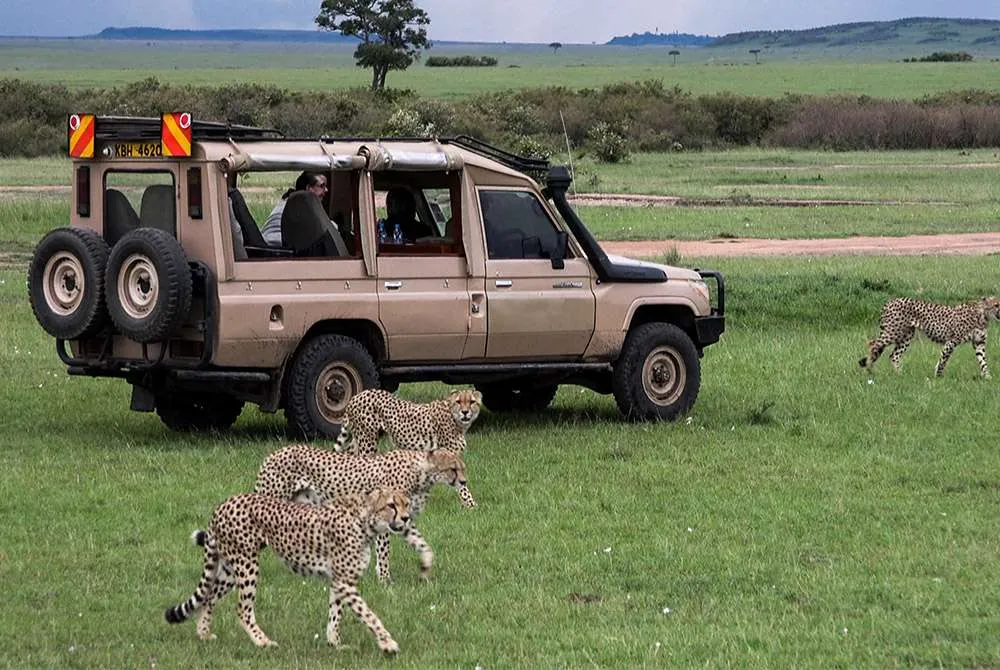
Shared safari vehicles (like 7-seater Land Cruisers or Land Rovers) are common for budget tours. This means you’ll be traveling with other like-minded travelers. Game drives are conducted in these shared vehicles. While this saves costs, it can sometimes mean less flexibility in terms of stopping for photos or spending extra time at a sighting.
Food
Meals are usually prepared by your safari cook and are often hearty and wholesome but may lack variety or gourmet touches. Expect traditional African dishes, pasta, rice, and vegetables. Dining is typically communal at campsites.
Guiding
You will have experienced safari guides who are knowledgeable about the wildlife and local area. While they are professional, the level of personalized attention might be less compared to luxury tours.
What’s Included (Typically)
- Park entrance fees
- Accommodation (public campsites or basic lodges)
- All meals during the safari
- Shared safari vehicle and driver/guide
- Water during game drives
What’s Not Included (Often)
- Tips for guides and staff
- Alcoholic beverages and soft drinks
- Personal expenses
- Travel insurance
- Gratuities
Luxury Safari: What to Expect
A luxury safari in Tanzania is for those who seek an elevated experience, combining incredible wildlife viewing with high levels of comfort, exclusivity, and personalized service. This option is about indulgence and a more refined way to explore the wilderness.
Accommodation
Expect stays in high-end lodges or exclusive tented camps. These accommodations boast en-suite bathrooms, comfortable beds, fine linens, often swimming pools, gourmet dining, and stunning views. Many luxury camps are located in prime wildlife areas, sometimes offering private concessions for a more secluded experience.
Transport
Luxury safaris often include private safari vehicles. This means your own Land Cruiser or Land Rover for the duration of your trip, offering flexibility to set your own pace, stop for photos whenever you wish, and spend as long as you like at sightings. Some high-end operators might even offer specialized vehicles for better viewing angles.
Food
Gourmet meals are a hallmark of luxury safaris. Expect multi-course dinners, fine wines, and a varied menu that can often be tailored to dietary preferences. Bush breakfasts and sundowner cocktails with canapés are common highlights.
Guiding
You’ll be accompanied by highly experienced, often award-winning, guides. They provide in-depth knowledge of flora, fauna, and local culture, and their service is highly personalized, anticipating your needs.
What’s Included (Typically)
- Park entrance fees
- Accommodation in luxury lodges/camps
- All meals, often with premium drinks included
- Private safari vehicle and expert guide
- Washed laundry service
- Exclusive activities (e.g., night drives in private concessions)
What’s Not Included (Often)
- Premium alcoholic beverages (sometimes)
- Tips for guides and staff
- Personal expenses
- Travel insurance
Key Differences: Budget vs. Luxury Safari
The core difference lies in the level of comfort, exclusivity, and service provided. Here’s a breakdown:
| Feature | Budget Safari | Luxury Safari |
|---|---|---|
| Accommodation | Public campsites, basic lodges | High-end lodges, exclusive tented camps |
| Vehicle | Shared 7-seater Land Cruiser/Land Rover | Private 4×4 safari vehicle (Land Cruiser/Land Rover) |
| Group Size | Up to 6-7 people per vehicle | Typically 2-4 people per vehicle (or private) |
| Dining | Hearty, cooked meals, communal | Gourmet meals, fine wines, personalized service |
| Service Level | Standard, efficient | Highly personalized, attentive, anticipatory |
| Exclusivity | Shared parks, standard game drives | Prime locations, private concessions, optional private drives |
| Price Range | More affordable | Significantly higher |
| Pace & Flexibility | Set itinerary, shared decisions | Flexible, tailored to your interests |
| Amenities | Basic facilities | En-suite bathrooms, pools, Wi-Fi (sometimes), premium toiletries |
National Parks and Their Safari Styles
Tanzania boasts several world-renowned national parks and conservation areas. The choice of park can also influence the budget vs. luxury experience.
Serengeti National Park
The vast plains of the Serengeti are the heart of the Tanzanian safari. Both budget and luxury options are available here. Luxury camps are often situated in prime locations, offering incredible access to the Great Migration. Budget options might be located further from the prime viewing areas or involve camping.
Ngorongoro Conservation Area
The Ngorongoro Crater is a unique ecosystem. Accommodation is available both on the crater rim (often more expensive) and outside the conservation area. Budget travelers might stay in lodges outside the area, requiring longer drives into the crater. Luxury travelers can opt for rim lodges with breathtaking views and exclusive access.
Tarangire National Park
Known for its large elephant herds and baobab trees, Tarangire is accessible for both budget and luxury tours. Campsites are available, as are lodges and tented camps.
Lake Manyara National Park
Famous for its tree-climbing lions and birdlife. This park is often visited as part of a northern circuit tour and offers a range of accommodation options.
Other Parks (Selous/Nyerere, Ruaha, Katavi)
These southern and western parks are generally more remote and wild. They tend to attract a more adventurous traveler and often lean towards mid-range to luxury experiences due to the logistics involved. Budget camping is possible but less common than in the northern circuit.
Sample Itineraries: Budget vs. Luxury
To illustrate the differences, here are two sample 5-day itineraries for the Northern Circuit, highlighting how budget and luxury approaches vary. These are conceptual and can be customized.
Sample Budget Safari: 5 Days Northern Circuit
Day 1: Arusha to Tarangire National Park
Morning pick-up from Arusha, drive to Tarangire. Full-day game drive with picnic lunch. Overnight at a public campsite inside the park. Dinner prepared by safari cook.
Day 2: Tarangire to Serengeti National Park
Morning game drive in Tarangire. Drive to Serengeti, with a stop at a Maasai village (optional, extra cost). Arrive in Serengeti in the afternoon for a game drive en route to campsite. Overnight at a public campsite in Central Serengeti.
Day 3: Serengeti National Park
Full-day game drive in Serengeti. Explore different areas based on wildlife movements. Packed lunch provided. Overnight at a public campsite in Central Serengeti.
Day 4: Serengeti to Ngorongoro Crater
Morning game drive in Serengeti. Drive towards Ngorongoro, with an optional visit to Olduvai Gorge (extra cost). Arrive at a campsite near the crater rim or in Karatu. Overnight at a budget lodge or campsite.
Day 5: Ngorongoro Crater to Arusha
Early morning descent into the Ngorongoro Crater for a 4-6 hour game drive. Enjoy a picnic lunch. Ascend and drive back to Arusha in the afternoon.
Sample Luxury Safari: 5 Days Northern Circuit
Day 1: Arusha to Tarangire National Park
Morning pick-up in a private 4×4 safari vehicle. Drive to Tarangire, check into a luxury tented camp. Afternoon private game drive with sundowners. Dinner at the lodge.
Day 2: Tarangire to Serengeti National Park
Morning game drive in Tarangire. Fly from a local airstrip in Tarangire directly to a Serengeti airstrip (reduces driving time). Transfer to a luxury tented camp in a prime Serengeti location. Afternoon private game drive.
Day 3: Serengeti National Park
Full-day exploration of Serengeti with your private guide. Options for hot air balloon safari (additional cost). Focus on areas with high wildlife activity, perhaps following the migration. Gourmet lunch served in the bush or at the lodge. Overnight at luxury tented camp.
Day 4: Serengeti to Ngorongoro Crater
Morning game drive in Serengeti. Transfer to a local airstrip for a short flight to an airstrip near the Ngorongoro Crater. Transfer to a luxury lodge on the crater rim with spectacular views. Afternoon at leisure, perhaps a guided walk (if available). Dinner at the lodge.
Day 5: Ngorongoro Crater to Arusha
Early morning descent into the Ngorongoro Crater for a private game drive. Enjoy a champagne breakfast picnic on the crater floor. Ascend and enjoy the views. Transfer back to Arusha via private vehicle or charter flight.
Cost Considerations: Budget vs. Luxury
The cost is the most significant differentiator. While exact prices fluctuate based on the season, operator, and specific inclusions, the general cost difference is substantial.
Budget Safari Costs (Indicative)
A typical budget safari might cost between $200 to $350 per person per day. This covers park fees, accommodation (camping), food, and shared transport. The total cost for a 7-day trip could range from $1400 to $2450 per person, excluding flights and personal expenses.
Luxury Safari Costs (Indicative)
Luxury safaris can range from $600 to over $1500+ per person per day. This reflects the premium accommodation, private vehicles, exclusive access, gourmet dining, and higher staff-to-guest ratios. A 7-day luxury trip could cost anywhere from $4200 to $10,500+ per person, again, excluding flights.
Factors Affecting Price:
- Accommodation Type: Public campsites are cheapest; luxury lodges are most expensive.
- Vehicle Type: Shared vehicles are economical; private vehicles add significant cost.
- Park Fees: These are fixed by the government and are a substantial part of any safari cost.
- Seasonality: Peak season (July-October, December-February) is more expensive than the low season (March-May).
- Duration: Longer trips naturally cost more.
- Number of People: Solo travelers often pay a premium; larger groups can sometimes reduce per-person costs, especially on budget tours.
- Inclusions: What’s included (drinks, laundry, activities) impacts the price.
What to Pack for Your Tanzania Safari
Packing essentials are similar for both budget and luxury safaris, with a few exceptions. Focus on comfort, practicality, and neutral colors.
Clothing
- Lightweight, breathable clothing (cotton or quick-dry fabrics).
- Neutral colors: Khaki, beige, olive green, brown. Avoid bright colors and black/dark blue (can attract tsetse flies).
- Long-sleeved shirts and trousers for sun protection and cooler evenings.
- T-shirts and shorts/skirts for warmer days.
- A warm fleece or jacket for early morning and evening game drives (temperatures can drop significantly).
- Rain jacket or poncho (especially during rainy seasons).
- Comfortable walking shoes or hiking boots (if doing any walking safaris).
- Sandals or flip-flops for camp/lodge.
- Swimsuit (for lodges with pools).
Gear & Accessories
- Sun hat with a wide brim.
- Sunglasses.
- Sunscreen (high SPF).
- Insect repellent with DEET.
- Binoculars (essential for wildlife viewing).
- Camera with extra batteries and memory cards.
- Power adapter and portable charger/power bank.
- Headlamp or flashlight (especially for camping).
- Small backpack or daypack for essentials during game drives.
- Reusable water bottle.
- Personal toiletries (luxury lodges may provide some).
- Basic first-aid kit.
- Hand sanitizer.
- Dry bag (optional, for protecting electronics).
Important Notes:
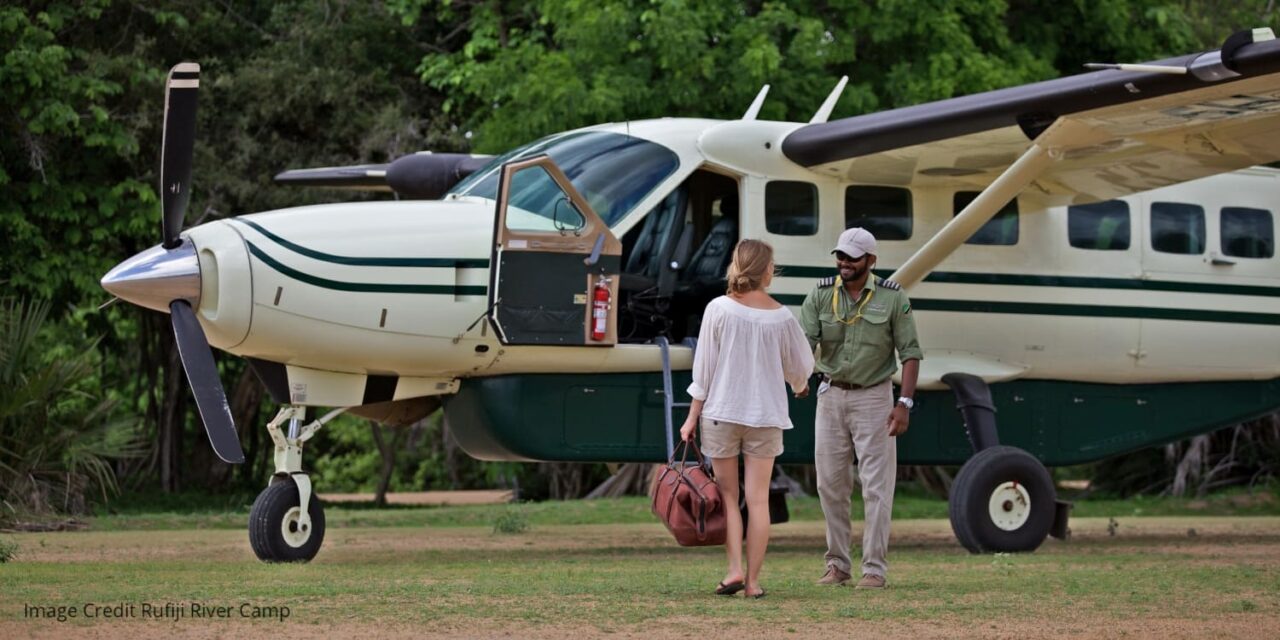
- Luggage Restrictions: If flying between locations (common in luxury), soft-sided duffel bags are often required due to weight and space limitations on small aircraft. Check with your operator.
- Modesty: While on safari, casual wear is fine. However, if visiting villages or towns, dress modestly out of respect for local culture.
Planning Your Tanzania Safari for 2026-2027
Planning a safari requires careful consideration. Here’s a guide to help you prepare for your 2026-2027 trip.
Best Time to Visit
Tanzania offers great safari experiences year-round, but the “best” time depends on what you want to see.
| Period | Weather | Wildlife Highlights | Crowds | Cost |
|---|---|---|---|---|
| June – October (Dry Season) | Cool, dry, sunny days. Short rains might occur in Nov. | Great Migration in Serengeti, animals gather at waterholes. Excellent for predators. | High | Peak (most expensive) |
| November – December (Short Rains/Transitional) | Short, scattered rains. Warmer. | Migration moves south into Serengeti. Birds arrive. | Moderate | Shoulder season (moderate) |
| January – March (Long Rains/Calving Season) | Heavy rains, particularly March. Humid. | Calving season in Serengeti (Southern Serengeti). Lush landscapes. Fewer crowds. | Low | Low season (cheapest) |
| April – May (Long Rains) | Heavy rains, muddy roads. | Migration moves west/north. Great for birding. Very few tourists. | Very Low | Low season (cheapest) |
| June (Start of Dry Season) | Dry, pleasant. | Migration starts moving north. | Moderate | Shoulder season (moderate) |
For 2026 and 2027, consider the Great Migration for your primary focus. If seeing the migration is key, aim for June-October. If you prefer fewer crowds and lower prices, the shoulder or low seasons offer excellent game viewing, though road conditions can be challenging.
Choosing Your Itinerary
A typical Northern Circuit safari (Arusha, Tarangire, Serengeti, Ngorongoro, Lake Manyara) is the most popular and offers a good variety of landscapes and wildlife. A common duration is 5-7 days. Longer trips (10-14 days) allow for deeper exploration or inclusion of other parks like Mahale Mountains for chimpanzees or Selous/Ruaha for a different ecosystem.
Booking Timeline for 2026-2027
The earlier, the better, especially for peak season travel in 2026-2027.
- 12+ Months Ahead: Ideal for peak season (July-Oct 2026/2027), luxury lodges, or custom trips.
- 6-9 Months Ahead: Recommended for shoulder seasons or standard tours.
- 3-6 Months Ahead: Still possible, but availability may be limited, especially for specific lodges or private vehicles.
Common Mistakes to Avoid
Many travelers make similar errors when planning their safari. Being aware can save you stress and money.
- Underestimating Costs: Park fees and vehicle costs are high. Budget realistically.
- Over-packing: Especially if flying, pack light and in soft bags.
- Choosing the Wrong Time of Year: If you don’t time your trip for the Great Migration and expect to see it in the wrong season, you’ll be disappointed.
- Not Researching Operators Thoroughly: Look for reviews, ask for references, and ensure they are reputable. A cheap tour might cut corners on safety or guide quality.
- Focusing Only on Price: The cheapest option is rarely the best. Consider value for money and the overall experience.
- Ignoring Internal Flights: For luxury or time-saving trips, internal flights between parks are efficient but add cost.
- Not Discussing Expectations: Clearly communicate your interests (e.g., photography, specific animals, birding) to your operator.
- Forgetting Travel Insurance: Essential for any international trip, especially one involving remote areas.
Who is Each Safari Style Best For?
The choice between budget and luxury depends on your personal preferences and priorities.
Budget Safari is Best For:
- Travelers on a tighter budget who prioritize seeing wildlife above all else.
- Younger travelers or backpackers.
- Solo travelers looking to share costs.
- Those who are comfortable with basic amenities and shared facilities.
- Travelers who enjoy a more communal and social experience.
- People who are flexible and adaptable.
Luxury Safari is Best For:
- Travelers seeking maximum comfort and service.
- Honeymooners or couples looking for a romantic and exclusive experience.
- Families wanting a more relaxed and private trip.
- Photographers who need flexibility and potentially specialized vehicles.
- Travelers celebrating a special occasion.
- Those who value privacy and personalized attention.
- People who appreciate fine dining and premium amenities.
Alternatives to Consider
While Tanzania is a prime safari destination, consider these alternatives or additions:
- Zanzibar Combination: Many travelers combine a safari with a beach holiday in Zanzibar. This offers a completely different experience and can be arranged in both budget and luxury styles.
- Kilimanjaro Trekking: For the adventurous, climbing Mount Kilimanjaro can be combined with a safari. This requires a separate fitness and planning focus.
- Rwanda or Uganda for Gorillas: If mountain gorillas are a high priority, these countries offer more specialized and often more accessible gorilla trekking experiences than Tanzania.
- Botswana or Kenya: These countries offer different safari experiences. Botswana is known for its exclusive, high-end fly-in safaris. Kenya’s Masai Mara is famous for its large lion prides and the Great Migration.
Booking Your Tanzania Safari for 2026-2027
Choosing the right tour operator is crucial for a successful safari, whether budget or luxury. For your 2026-2027 adventure, consider these points:
- Reputation and Reviews: Look for operators with consistently positive reviews on platforms like TripAdvisor, Google, and safari forums.
- Local Knowledge: A local Tanzanian operator often has better insights into ground operations, park conditions, and local pricing. They can also ensure more of your money stays within the country.
- Communication: A good operator will respond promptly and clearly to your inquiries, demonstrating their professionalism and attentiveness.
- Customization: Can they tailor an itinerary to your specific interests, budget, and timeframe?
- Inclusions/Exclusions: Ensure you understand exactly what is included in the price (park fees, accommodation, meals, guide, vehicle, water, etc.) and what is not.
- Payment Terms: Understand the deposit required and the final payment schedule.
- Safety Standards: Inquire about their vehicle maintenance, guide training, and emergency protocols.
For a personalized safari experience, whether budget-conscious or seeking luxury, reach out to experienced local operators.
Let Us Help You Plan Your Dream Safari!
At Top Guide Adventures, we specialize in creating unforgettable safari experiences in Tanzania, catering to various budgets and preferences. Whether you envision a classic budget safari vs luxury safari in Tanzania, or a custom blend, we are here to help. Let us craft your perfect itinerary for 2026-2027.
Contact Us:
- WhatsApp: +255616946642
- Email: topguideadventures@gmail.com
- Backup Email: info@topguideadventures.com
We look forward to hearing from you and helping you plan an extraordinary Tanzanian adventure!
Frequently Asked Questions
1. What is the main difference between a budget and a luxury safari in Tanzania?
The primary difference lies in the level of accommodation, transportation, and service. Budget safaris use basic campsites or lodges and shared vehicles, focusing on the core wildlife experience. Luxury safaris offer premium lodges, private vehicles, gourmet dining, and highly personalized service for enhanced comfort and exclusivity.
2. Can I do a budget safari in 2026 or 2027 and still see the Great Migration?
Yes, absolutely. The Great Migration moves throughout the Serengeti year-round. While luxury safaris might offer camps in more exclusive migration viewing spots, budget safaris using public campsites within the Serengeti can also position you well to witness this incredible natural event. The key is choosing an operator who understands migration patterns.
3. Is a private vehicle worth the extra cost on a luxury safari?
For many, yes. A private vehicle offers unparalleled flexibility. You can decide when to stop for photos, how long to spend at a sighting, and tailor the game drive to your interests. It also ensures you are not sharing the vehicle with strangers, making the experience more intimate and personalized.
4. What are the typical costs for a 7-day budget safari vs. a 7-day luxury safari in Tanzania?
A 7-day budget safari might range from approximately $1400 to $2450 per person, while a 7-day luxury safari could cost from $4200 to over $10,500 per person. These are indicative prices and exclude international flights, tips, and personal expenses.
5. Are park fees different for budget vs. luxury safaris?
No, park entrance fees are fixed by the Tanzanian government and are the same for all types of safaris. They are a significant component of the overall safari cost.
6. What is the best way to choose a tour operator for a budget safari vs. luxury safari in Tanzania?
For both, prioritize operators with strong reputations, excellent reviews, and clear communication. For budget safaris, ensure they don’t cut corners on safety or guide quality. For luxury, look for those known for exceptional service, unique accommodations, and attention to detail.
7. Can I combine a budget safari with a luxury lodge stay?
Yes, many operators can create hybrid itineraries. You might start with a budget camping experience and then move to a more comfortable lodge for a few nights, or vice versa. This can help balance cost and comfort.
8. What’s the difference in accommodation between budget and luxury?
Budget accommodation typically involves public campsites (shared facilities) or very basic lodges. Luxury accommodation includes high-end tented camps or lodges with en-suite bathrooms, hot running water, comfortable furnishings, and often amenities like swimming pools and fine dining.
9. How important is tipping on a Tanzanian safari?
Tipping is customary and greatly appreciated for guides, cooks, and camp staff. Your tour operator will usually provide guidelines on recommended amounts, which vary for budget and luxury services. It’s a significant part of their income.
10. What kind of vehicle is used for budget vs. luxury safaris?
Budget safaris commonly use shared 7-seater Land Cruisers or Land Rovers. Luxury safaris typically provide a private 4×4 safari vehicle (often a Land Cruiser) for your group, offering more space and flexibility.
Ready to Plan Your Tanzanian Adventure?
Choosing between a budget safari vs luxury safari in Tanzania is a personal decision that hinges on your travel style, priorities, and budget. Both offer incredible opportunities to witness Africa’s stunning wildlife and landscapes. Whether you seek value and authenticity or unparalleled comfort and exclusivity, Tanzania delivers.
For 2026-2027, let Top Guide Adventures help you craft the perfect safari. We understand the intricacies of planning both budget-friendly and luxurious expeditions. Get in touch to discuss your dream trip:
Contact Top Guide Adventures:
- WhatsApp: +255616946642
- Email: topguideadventures@gmail.com
- Backup Email: info@topguideadventures.com
Let us make your Tanzanian safari a reality!
Plan your Budget Safari vs Luxury Safari in Tanzania with Top Guide Adventures
Tell us your travel dates, group size, comfort level, and dream experience. We will help you shape a clear, realistic, and memorable Tanzania itinerary.







 Veedesigner
 Fatma Kizanga
 Benjamin Waryuba
 Philip Philip
 John jr Itaja
 Antonia Optatus
 Edith Kanyere
 Neema Iddy
 Kelvin Boniphace
 Damari Maiga



