
Updated planning guide for 2026-2027
Mto Wa Mbu Cultural Tour Guide: Complete 2026-2027
Explore the heart of Tanzania with our expert Mto wa Mbu cultural tour guide. Learn about local traditions, activities, and how to plan an unforgettable visit in 2026-2027.
WhatsApp +255616946642 | topguideadventures@gmail.com | info@topguideadventures.com
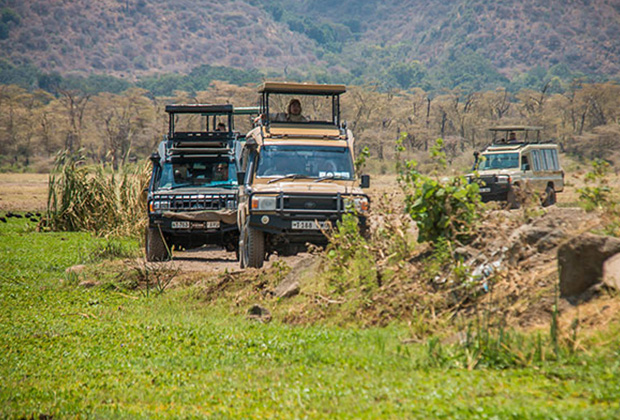
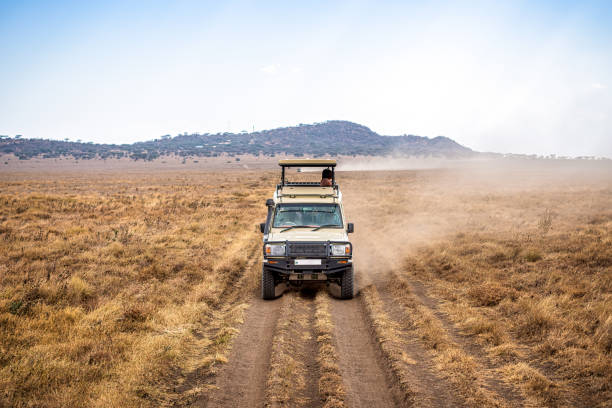

Mto wa Mbu Cultural Tour Guide: Your Gateway to Authentic Tanzanian Life
Welcome to your definitive Mto wa Mbu cultural tour guide. For travelers seeking more than just wildlife sightings and mountain climbs, Mto wa Mbu offers a profound connection to the vibrant spirit of Tanzania. This bustling village, situated between the iconic Serengeti and the Ngorongoro Conservation Area, is a microcosm of Tanzanian daily life, agricultural innovation, and rich cultural heritage. Understanding Mto wa Mbu is key to appreciating the human element of your Tanzanian journey. This guide will equip you with all the essential information for planning an enriching experience, from understanding its significance to practical tips for your visit in the 2026-2027 travel season.
Quick Answers: Your Mto wa Mbu Cultural Tour Essentials
| Aspect | Details |
|---|---|
| Location | Along the main road between Lake Manyara National Park and the Ngorongoro Conservation Area. |
| Primary Activity | Cultural immersion, local village life, banana plantation tours, market visits. |
| Best Time to Visit | Dry seasons (June-October, December-February) offer pleasant weather for outdoor activities. |
| Duration | Half-day to full-day tours are common. |
| Key Experience | Understanding local farming, community interactions, tasting local produce. |
| Accessibility | Easily accessible by road, often visited as a stopover during safaris. |
Table of Contents
- Mto wa Mbu: More Than Just a Stopover
- Why a Mto wa Mbu Cultural Tour Matters
- When to Plan Your Mto wa Mbu Visit (2026-2027)
- Location and Getting There
- A Typical Mto wa Mbu Cultural Experience
- What to Expect on Your Tour
- Key Activities and Attractions
- Understanding Local Culture and Etiquette
- Preparation and Packing for Your Tour
- Common Mistakes to Avoid
- Who is a Mto wa Mbu Cultural Tour Best For?
- Alternatives to Mto wa Mbu Cultural Tours
- Planning Your 2026-2027 Tanzania Trip with Mto wa Mbu
- Booking Your Mto wa Mbu Cultural Tour
- Frequently Asked Questions
Mto wa Mbu: More Than Just a Stopover
Often, travelers see Mto wa Mbu as a brief pause between the wildlife spectacles of Lake Manyara and the vast plains of the Serengeti or the Ngorongoro Crater. However, this village, whose name translates to “Mosquito River” in Swahili, is a vibrant community deserving of dedicated exploration. It’s a place where diverse ethnic groups coexist, bringing together a rich blend of traditions, languages, and ways of life. The fertile land, irrigated by the river, supports extensive banana plantations, making it a significant agricultural hub in the region. A guided tour here provides a unique opportunity to step away from the typical safari circuit and engage directly with the people who call Tanzania home.
Unlike many tourist-centric villages, Mto wa Mbu retains a genuine feel. It’s a working community where you can witness daily life unfold. From the early morning market bustle to the afternoon rhythm of agricultural work, the village offers an authentic glimpse into rural Tanzanian existence. Your Mto wa Mbu cultural tour guide will be your key to navigating this rich environment, translating not just language but also cultural nuances, ensuring your visit is respectful and deeply informative.
Why a Mto wa Mbu Cultural Tour Matters
In the grand narrative of a Tanzanian safari, the cultural component is often as vital as the wildlife. A Mto wa Mbu cultural tour offers a vital counterpoint to the expansive wilderness. It allows you to:
- Connect with Local People: Engage with residents, learn about their livelihoods, and understand their perspectives. This human connection is often the most memorable part of a trip.
- Understand Agricultural Practices: Witness firsthand the ingenuity of local farming, particularly the cultivation of bananas, which are a staple and a source of income. You’ll see irrigation techniques and learn about the agricultural cycle.
- Experience a Multi-Ethnic Community: Mto wa Mbu is unique in its diversity. People from various tribes across Tanzania have settled here, creating a dynamic cultural mosaic. Your guide can explain the influences and traditions that coexist.
- Support Local Economy: By participating in guided tours, purchasing local crafts, and enjoying local food, you directly contribute to the community’s economic well-being.
- Gain Context for Your Journey: Understanding the local culture provides a richer context for your entire Tanzania experience, from the guides you meet to the people you encounter in towns and villages.
This experience goes beyond simple sightseeing; it’s about gaining a deeper appreciation for the human landscape of Tanzania, complementing the natural wonders you’ll undoubtedly encounter.
When to Plan Your Mto wa Mbu Visit (2026-2027)
The best time to plan your Mto wa Mbu cultural tour aligns with Tanzania’s general dry seasons, which offer the most comfortable conditions for exploration and outdoor activities. For your 2026 and 2027 travels, consider these periods:
- June to October (Long Dry Season): This period is ideal. The weather is typically sunny and dry, with cooler temperatures, making walking and exploring pleasant. It’s also peak safari season, so Mto wa Mbu often fits perfectly into itineraries at this time.
- December to February (Short Dry Season): This is another excellent window. While it can be warmer than the long dry season, it remains largely dry and suitable for touring. This period also coincides with festive holidays, offering a different kind of vibrant atmosphere.
- March to May (Long Rains): This is the wet season. While not impossible to visit, expect frequent and sometimes heavy rainfall, which can make roads muddy and outdoor activities less enjoyable. However, it’s also a time of lush green landscapes and fewer tourists, potentially offering a more tranquil experience if you don’t mind the rain.
- November (Short Rains): This transitional month can be unpredictable, with a mix of dry days and occasional showers.
For the most predictable and pleasant weather for your Mto wa Mbu cultural tour in 2026 or 2027, aim for the dry seasons. Your tour operator can advise on how weather patterns might affect your specific itinerary.
Location and Getting There
Mto wa Mbu is strategically located in the Arusha Region of northern Tanzania, along the main tourist highway. Its position makes it a natural and convenient stop for travelers heading between popular safari destinations.
Geographical Context:
The village lies on the floor of the Great Rift Valley. To its west is the escarpment that leads up to the Ngorongoro Conservation Area, and to its east is the alkaline Lake Manyara, famous for its tree-climbing lions and diverse birdlife. The Mto wa Mbu river, originating from the highlands, is crucial for the region’s agriculture.
Route Illustration:
Consider this typical route flow:
- From Arusha: Travel west on the main road (A14). The journey takes approximately 2-3 hours. You’ll pass through Karatu before descending into the Rift Valley towards Mto wa Mbu.
- Between Lake Manyara and Ngorongoro: Mto wa Mbu is situated directly on the road connecting the exit of Lake Manyara National Park to the entrance road for the Ngorongoro Conservation Area. Many safari vehicles stop here for lunch or a short break.
- From Serengeti: If coming from the central or southern Serengeti, you will likely pass Mto wa Mbu as you descend towards the Ngorongoro Conservation Area or Lake Manyara.
Most visitors arrive by private safari vehicle, often with a guide who will facilitate the cultural tour. It’s a common inclusion in multi-day safari packages covering the northern circuit parks.
A Typical Mto wa Mbu Cultural Experience
While tours can be customized, a standard Mto wa Mbu cultural tour usually covers the highlights of village life and local industry. Here’s a sample itinerary for a half-day experience:
Sample Half-Day Mto wa Mbu Cultural Tour
| Time | Activity | Description |
|---|---|---|
| 9:00 AM | Arrival and Introduction | Meet your local guide at a designated point. Brief introduction to Mto wa Mbu and its significance. |
| 9:30 AM | Banana Plantation Tour | Walk through the lush banana farms. Learn about different banana varieties, cultivation techniques, and the importance of irrigation. Taste fresh bananas. |
| 10:30 AM | Local Market Visit | Explore the vibrant local market. See a variety of produce, local crafts, and observe daily commerce. Opportunity to interact with vendors. |
| 11:30 AM | Craftsman’s Workshop / Maasai Boma Visit (Optional) | Visit a workshop to see local artisans at work (e.g., wood carving, beadwork) or, depending on the tour, visit a traditional Maasai boma to learn about their lifestyle. |
| 12:00 PM | Local Lunch Experience | Enjoy a traditional Tanzanian meal prepared with local ingredients, often at a local eatery or community center. |
| 1:00 PM | Conclusion and Departure | Wrap up the tour, with opportunities for final questions and souvenir purchases. Depart for your next destination or accommodation. |
A full-day tour might include more in-depth visits to different community projects, longer interactions with families, or exploring the riverine areas.
What to Expect on Your Tour
Your Mto wa Mbu cultural tour is designed to be an immersive and educational experience. Here’s a breakdown of what you can anticipate:
- Guided Exploration: You will be accompanied by a local guide who is knowledgeable about the village’s history, culture, agriculture, and people. They will facilitate interactions and provide insights.
- Walking and Light Hiking: The tour involves walking through the village, banana plantations, and potentially market areas. Comfortable walking shoes are essential. The terrain is generally flat.
- Sensory Experience: Expect to engage your senses. You’ll see vibrant colors in the market, smell the earth and ripening fruit, taste local foods, and hear the sounds of village life.
- Authentic Interactions: While staged for tourism, the interactions are genuine. You’ll have opportunities to talk with farmers, artisans, and perhaps community elders. Be prepared for a friendly reception.
- Learning Opportunities: The primary goal is education. You’ll learn about traditional farming methods, the challenges and rewards of rural life, the significance of different tribes, and the importance of community.
- Local Cuisine: A highlight for many is tasting local dishes. This usually involves staples like ugali (maize porridge), rice, beans, and fresh vegetables, often prepared with local spices. Bananas are a must-try.
- Souvenir Shopping: The village offers opportunities to buy local crafts, artwork, and textiles. It’s a chance to find unique items and support local artisans directly.
The pace is generally relaxed, allowing for questions and spontaneous moments. It’s an opportunity to slow down and connect with a different rhythm of life.
Key Activities and Attractions
Mto wa Mbu offers a range of activities that showcase the heart of its community and environment.
Banana Plantation Tours
This is perhaps the most distinctive aspect of Mto wa Mbu. The village is renowned for its extensive banana cultivation, thriving due to the fertile volcanic soil and the Mto wa Mbu river’s irrigation system. Your tour will likely include:
- Variety of Bananas: Learn about the numerous types of bananas grown, from those eaten raw to those used for cooking or making local beer.
- Farming Techniques: Understand the traditional methods used for planting, irrigation, and harvesting. See how the river water is channeled effectively.
- Economic Importance: Discover how bananas are a primary source of food and income for many residents, and how they are sold locally and in larger markets.
- Tasting: Enjoy the sweetness of freshly picked bananas.
Local Market Exploration
The Mto wa Mbu market is a bustling hub of activity. It’s a fantastic place to witness daily commerce and experience the local atmosphere:
- Produce: See a colorful array of fresh fruits, vegetables, grains, and spices.
- Local Crafts: Browse stalls selling handmade goods, including wood carvings, beaded jewelry, textiles, and baskets.
- Social Hub: Observe locals gathering, chatting, and conducting their business. It’s a vital social and economic center for the community.
Community and Cultural Interactions
Mto wa Mbu is a melting pot of Tanzanian tribes. Your guide will help you understand this diversity:
- Multi-Ethnic Village: Learn about the various tribes that have settled here, such as the Maasai, Datoga, Hadzabe, and Chagga, and how they coexist and influence each other.
- Maasai Boma Visit: Some tours may include a visit to a traditional Maasai homestead (boma) to learn about their pastoralist lifestyle, social structures, and customs.
- Artisan Workshops: Discover local craftsmen, such as woodcarvers or painters, and learn about their skills and the stories behind their art.
Local Cuisine and Tasting
Food is a universal language, and Mto wa Mbu offers a taste of authentic Tanzanian rural life:
- Traditional Meals: Enjoy dishes like ugali, pilau (spiced rice), various stews, and fresh vegetables, often served with locally grown ingredients.
- Local Brews: In some instances, you might learn about or sample local banana beer, a traditional beverage.
These activities, guided by local experts, provide a comprehensive and engaging cultural immersion.
Understanding Local Culture and Etiquette
Respectful engagement is key to a meaningful cultural tour. Understanding local customs will enhance your experience and ensure you are a welcome visitor.
- Greetings: A simple “Jambo” (hello) or “Habari?” (how are you?) is appreciated. Always greet people politely.
- Dress Code: While Mto wa Mbu is accustomed to visitors, it’s a local village. Dress modestly, especially when visiting homes or community areas. Avoid overly revealing clothing. Shoulders and knees should generally be covered.
- Asking Permission: Always ask permission before taking photographs of people, especially elders or children. Your guide will assist with this.
- Bargaining: When shopping for crafts, polite bargaining is acceptable, but do so respectfully. Remember that these items are often the livelihood of the artisans. Don’t bargain aggressively over small amounts.
- Gifts: If you wish to give gifts, consider practical items for children (like school supplies) rather than money, which can sometimes create dependency. Consult your tour operator for advice.
- Respect for Elders: Show particular respect to older members of the community.
- Humility and Openness: Approach the experience with humility and a willingness to learn. Be open to new perspectives and ways of life.
- Hygiene: Be mindful of hygiene, especially when offered food or drink. Your guide can advise on what is safe and appropriate.
Your local guide is your best resource for navigating cultural nuances. Don’t hesitate to ask them for clarification or advice.
Preparation and Packing for Your Tour
To make the most of your Mto wa Mbu cultural tour, a little preparation goes a long way.
What to Wear
- Comfortable Walking Shoes: Essential for exploring the village and plantations.
- Lightweight, Breathable Clothing: Long trousers or skirts and t-shirts/shirts are ideal for protection from the sun and insects, while remaining comfortable.
- Modest Attire: As mentioned in etiquette, pack clothing that covers your shoulders and knees.
- Hat: A wide-brimmed hat for sun protection.
- Sunglasses: To protect your eyes from the strong African sun.
- Light Jacket or Scarf: For cooler mornings or evenings, though unlikely to be needed during the main part of a day tour.
What to Bring
- Water Bottle: Stay hydrated. While water is usually provided, carrying your own reusable bottle is environmentally friendly.
- Sunscreen: High SPF sunscreen to protect your skin.
- Insect Repellent: Especially important if visiting near the river or during dawn/dusk.
- Camera: To capture memories, but remember to ask permission before photographing people.
- Small Backpack: To carry your essentials.
- Hand Sanitizer: For hygiene, particularly before eating.
- Small Amount of Cash: For purchasing souvenirs or tipping guides. Local currency (Tanzanian Shilling) is best, but USD is often accepted for crafts.
- A Notebook and Pen: If you wish to jot down notes or information.
Pre-Tour Preparation
- Discuss with Your Operator: Confirm what is included in your tour and what you need to bring.
- Learn Basic Swahili Phrases: Even a few words like “Asante” (thank you) can be greatly appreciated.
- Be Mentally Prepared: Understand that this is a real village, not a curated tourist attraction. Embrace the authenticity.
Being well-prepared ensures you can focus on the experience and gain the most from your Mto wa Mbu cultural tour.
Common Mistakes to Avoid
To ensure a respectful and enjoyable visit, be aware of these common pitfalls:
- Treating it Purely as a Photo Opportunity: While photos are great, remember you are visiting a community. Prioritize interaction and respect over just snapping pictures.
- Being Disrespectful of Dress Code: Arriving in beachwear or overly revealing clothing is inappropriate for a village setting.
- Aggressive Bargaining: Haggling is expected for crafts, but doing so excessively or rudely devalues the work and can offend the seller.
- Giving Money Directly to Children: This can encourage begging and disrupt their education. If you wish to help, discuss with your guide or operator about supporting community projects or schools.
- Assuming All Locals Speak English: While many in tourist areas do, rely on your guide for translations and avoid speaking loudly or slowly in English as if that will help.
- Touching People Without Permission: This includes children. Maintain personal space unless invited to interact more closely.
- Ignoring Your Guide’s Advice: Your guide is your cultural bridge. Trust their knowledge and follow their lead on etiquette and interactions.
- Expecting a Polished Tourist Show: Mto wa Mbu is a living village. Expect authenticity, which may include less infrastructure or different living standards than you are accustomed to.
- Not Staying Hydrated: The African sun can be intense. Forgetting to drink enough water can quickly lead to dehydration and discomfort.
Avoiding these mistakes will ensure your visit is positive for both you and the community.
Who is a Mto wa Mbu Cultural Tour Best For?
A Mto wa Mbu cultural tour is ideal for a specific type of traveler seeking a richer, more grounded experience in Tanzania.
- Curious Travelers: Those who are genuinely interested in understanding different cultures, daily life, and the people behind the landscapes.
- Safari Enthusiasts Seeking Depth: Travelers on safari who want to add a human dimension to their wildlife encounters and understand the context of the communities living alongside the parks.
- Sustainable Tourism Advocates: Individuals who want to ensure their travel benefits local communities directly and promotes responsible tourism practices.
- Budget-Conscious Travelers: While not always the cheapest option, it offers significant cultural value for the cost, especially when included as part of a larger safari package. It provides an authentic experience without the premium price tag of some highly curated cultural villages.
- Families: Older children can benefit greatly from learning about different ways of life, agriculture, and community. It offers educational value beyond typical tourist attractions.
- Solo Travelers: A guided tour provides a safe and structured way for solo travelers to engage with the local culture and community.
- Photographers: For those interested in cultural photography, Mto wa Mbu offers rich opportunities, provided they approach it with respect and permission.
It is less suited for travelers who are only interested in ticking off wildlife sightings or who prefer highly controlled, resort-like environments without any interaction with local life.
Alternatives to Mto wa Mbu Cultural Tours
While Mto wa Mbu is a prime destination for cultural immersion, Tanzania offers other opportunities to connect with local life, each with its unique flavor.
Cultural Heritage Tourism Programme (CHTP) Villages
Managed by the Tanzania Tourist Board, these villages offer structured cultural experiences, often with a focus on traditional dances, crafts, and homestays. Examples include:
- Mto wa Mbu: Yes, it is also part of the CHTP.
- Marangu: Near Kilimanjaro, offering Chagga culture, coffee farm tours, and waterfalls.
- Kolo: Known for ancient rock paintings.
- Engaruka: An ancient agricultural community with ruins.
These offer a more standardized experience, often with a clearer itinerary and guaranteed activities.
Maasai Boma Visits
Many safari itineraries include visits to Maasai villages. These can range from very authentic encounters to more commercialized performances. A good guide will ensure you visit a genuine community where your presence is welcomed and beneficial.
Local Market Visits in Towns
Visiting markets in towns like Arusha or Moshi provides a bustling atmosphere and a chance to see local produce and crafts. However, it lacks the focused agricultural and community insight that Mto wa Mbu offers.
Homestays and Community-Based Tourism
For deeper immersion, consider organized homestays or community-based tourism projects in more remote areas. These offer longer-term engagement with families and a chance to participate more actively in daily life, though they require more planning and commitment.
Hadzabe and Datoga Visits
Near Lake Eyasi, you can arrange tours to visit the Hadzabe (bushmen) and Datoga tribes. These experiences are often more rugged and focused on traditional hunting and craft-making (like iron smelting by the Datoga), offering a different, more anthropological perspective.
Comparison Table: Mto wa Mbu vs. Other Cultural Experiences
| Feature | Mto wa Mbu | CHTP Villages (General) | Maasai Boma Visit | Hadzabe/Datoga Visit |
|---|---|---|---|---|
| Focus | Agriculture (bananas), multi-ethnic community, daily life. | Broader cultural aspects, traditions, crafts, homestays. | Traditional pastoralist lifestyle, social structure. | Hunter-gatherer (Hadzabe), artisan skills (Datoga). |
| Authenticity | High, living community. | Varies, can be more structured. | Varies, can be commercialized. | High, often remote and less influenced by mass tourism. |
| Accessibility | Very high, on main tourist route. | Moderate, often accessible. | Moderate, often roadside or near lodges. | Lower, requires specific travel to remote areas. |
| Duration | Half-day to full-day. | Half-day to multi-day (homestays). | 1-2 hours typically. | Half-day to full-day. |
| Best For | Quick, impactful cultural insight on a safari. | Deeper dive into specific tribal cultures. | Understanding Maasai traditions. | Experiencing ancient ways of life. |
Mto wa Mbu stands out for its accessibility and its focus on the vibrant, multi-ethnic agricultural life that forms a significant part of Tanzania’s identity.
Planning Your 2026-2027 Tanzania Trip with Mto wa Mbu
Integrating a Mto wa Mbu cultural tour into your 2026 or 2027 Tanzania itinerary requires thoughtful planning. Here are key considerations:
Integrating into Safari Itineraries
Mto wa Mbu is perfectly positioned for northern circuit safaris. It can be easily incorporated on days traveling between:
- Lake Manyara National Park and the Ngorongoro Conservation Area.
- Lake Manyara National Park and Karatu (gateway to Ngorongoro).
- Arusha and Lake Manyara/Ngorongoro/Serengeti.
A typical safari might include a stop for lunch and a 2-3 hour cultural tour on the travel day.
Customizing Your Experience
When booking for 2026-2027, communicate your interests to your tour operator:
- Specific Interests: Are you keen on learning about traditional medicine, specific crafts, or community projects?
- Pace: Do you prefer a quick stop or a more in-depth half-day exploration?
- Interactions: Do you want to visit a school, a women’s cooperative, or spend more time with farmers?
A good operator will tailor the tour to your preferences.
Logistics for 2026-2027
- Booking in Advance: For peak seasons (June-Oct 2026, Dec 2026-Feb 2027, June-Oct 2027), book your safari and any specific cultural tours well in advance.
- Guide Selection: Ensure your safari guide is experienced in facilitating cultural tours or that a local village guide will meet you.
- Flexibility: While planning is crucial, remain flexible. Sometimes the most memorable moments are spontaneous interactions.
- Budgeting: Factor in the cost of the tour, potential tips for guides, and any souvenirs you might wish to purchase.
Planning Checklist for 2026-2027
Pre-Trip Planning (6-12 months out):
- Choose your travel dates (consider dry seasons for 2026-2027).
- Select your tour operator and discuss itinerary including Mto wa Mbu.
- Book international flights.
Trip Preparation (1-3 months out):
- Confirm Mto wa Mbu tour details and inclusions.
- Pack appropriate clothing and gear.
- Arrange necessary visas and vaccinations.
- Exchange some currency or plan for ATM access.
During Your Trip:
- Engage respectfully with the community.
- Ask questions and be open to learning.
- Support local artisans and businesses.
- Be mindful of your guide’s advice.
Proactive planning ensures a smooth and enriching cultural experience during your 2026-2027 travels.
Booking Your Mto wa Mbu Cultural Tour
Securing a quality Mto wa Mbu cultural tour is best done through reputable tour operators who understand the local context and prioritize authentic, respectful experiences.
Choose a Reputable Operator
When looking for a tour operator for your 2026-2027 trip, consider these factors:
- Local Knowledge: An operator with strong local ties and understanding of Mto wa Mbu is crucial.
- Ethical Practices: Ensure they work with local guides who are fairly compensated and that the tour benefits the community.
- Reviews and Reputation: Look for testimonials or reviews that specifically mention cultural tours or community engagement.
- Customization: Can they tailor the tour to your interests and time constraints?
- Inclusions: Clarify what the tour price covers (guide, transport, meals, entrance fees if any).
Direct Booking vs. Package Deals
Direct Booking:
Booking directly with a local Tanzanian tour operator like Best Tanzania tour operator can often provide the most authentic experience and better value. You can communicate your specific needs directly and build a relationship. For a Mto wa Mbu cultural tour, reaching out directly is highly recommended.
Package Deals:
Many northern circuit safari packages will include a stop at Mto wa Mbu. Ensure that the cultural tour component is well-defined and not just a brief, superficial visit. Ask your operator about the duration and activities included.
What to Ask When Booking
- Who will be my guide? Are they from the local community?
- What is the typical duration of the tour?
- What specific activities are included (e.g., banana plantation, market, specific craft demonstrations)?
- Are meals included? What kind of food can I expect?
- What is the cost, and what does it cover? Are there any additional costs?
- What is your policy on photography and interacting with local people?
- How does this tour benefit the local community?
Contact Information for Booking
For a well-organized and authentic Mto wa Mbu cultural tour, consider contacting Best Tanzania tour operator. They specialize in creating meaningful travel experiences in Tanzania.
- WhatsApp: +255616946642
- Email: topguideadventures@gmail.com
- Backup Email: info@topguideadventures.com
Reach out to them to discuss your 2026-2027 travel plans and how to best incorporate a Mto wa Mbu cultural tour into your adventure.
Frequently Asked Questions
Frequently Asked Questions about Mto wa Mbu Cultural Tours
1. Is Mto wa Mbu safe for tourists?
Yes, Mto wa Mbu is generally considered safe for tourists, especially when participating in guided tours. Like any populated area, it’s wise to be aware of your surroundings, but violent crime against tourists is rare. Your local guide will ensure your safety and comfort throughout the tour.
2. How long should I spend in Mto wa Mbu?
A half-day tour (approximately 3-4 hours) is usually sufficient to experience the main highlights, including the banana plantations, market, and community interactions. Some travelers opt for a full day for a more in-depth experience or if they are combining it with a leisurely lunch.
3. What should I buy as a souvenir in Mto wa Mbu?
Mto wa Mbu offers a variety of local crafts, including wood carvings, beaded jewelry, colorful textiles, and baskets. These are often made by local artisans. Look for unique items that reflect the culture of the region.
4. Can I take photos of people in Mto wa Mbu?
You can take photos, but it is crucial to always ask for permission before photographing individuals, especially children or elders. Your guide will assist you with this. Respect their privacy; if someone declines, do not insist.
5. What is the main reason Mto wa Mbu is famous?
Mto wa Mbu is most famous for its extensive banana plantations and its status as a vibrant, multi-ethnic community where people from various tribes across Tanzania live and work together. It’s a significant agricultural center in the region.
6. Is it possible to arrange a Mto wa Mbu cultural tour for 2026 or 2027?
Absolutely. Mto wa Mbu cultural tours are available year-round. For 2026 and 2027, it’s advisable to book in advance, especially if you are traveling during peak safari seasons (June-October) or holiday periods. Contacting a local tour operator like Best Tanzania tour operator is the best way to arrange this.
7. What kind of food is served during the cultural tour?
You can expect traditional Tanzanian cuisine. This often includes staples like ugali (maize porridge), rice, beans, local vegetables, and possibly stews. Fresh fruits, especially bananas, are also a highlight. The meals are typically hearty and prepared with local ingredients.
8. Do I need to tip my guide in Mto wa Mbu?
Tipping is customary and appreciated for good service. If you have a dedicated local guide for the cultural tour, a tip is a good way to show your appreciation for their knowledge and effort. Your safari guide can advise on appropriate amounts, but generally, a small gratuity is expected.
9. Can children participate in a Mto wa Mbu cultural tour?
Yes, children can participate, and it can be a very educational experience for them. The activities involve walking and learning, which can be engaging for younger travelers. However, very young children might find a full-day tour tiring. It’s best suited for school-aged children and above.
10. How does visiting Mto wa Mbu contribute to sustainable tourism?
By participating in a guided tour and purchasing local crafts, you directly support the livelihoods of the Mto wa Mbu community members. Choosing operators who work with local guides and prioritize community benefit ensures your visit has a positive economic and social impact, promoting responsible tourism.
Your Authentic Tanzanian Journey Starts Here
A Mto wa Mbu cultural tour is an essential addition to any discerning traveler’s itinerary in Tanzania. It offers a rare and valuable opportunity to connect with the heart and soul of the country, moving beyond the extraordinary wildlife to embrace the equally captivating human stories. From understanding the vital role of agriculture to appreciating the richness of a multi-ethnic society, this experience provides context, depth, and unforgettable memories.
For your 2026-2027 travels, ensure this vital cultural element is a part of your adventure. Let us help you craft an itinerary that includes this enriching experience.
Ready to Plan Your Mto wa Mbu Cultural Tour?
Contact us today to design your personalized Tanzanian adventure, including an authentic Mto wa Mbu cultural tour. Our expert team is ready to help you create a journey that is both exciting and culturally immersive.
WhatsApp: +255616946642
Email: topguideadventures@gmail.com
Backup Email: info@topguideadventures.com
Let us guide you to the best of Tanzania!
Plan your Mto wa Mbu Cultural Tour Guide with Top Guide Adventures
Tell us your travel dates, group size, comfort level, and dream experience. We will help you shape a clear, realistic, and memorable Tanzania itinerary.







 Veedesigner
 Fatma Kizanga
 Benjamin Waryuba
 Philip Philip
 John jr Itaja
 Antonia Optatus
 Edith Kanyere
 Neema Iddy
 Kelvin Boniphace
 Damari Maiga



