
Updated planning guide for 2026-2027
Chagga Culture Tour In Moshi: Complete Guide 2026-2027
Explore the rich heritage of the Chagga people on an immersive cultural tour in Moshi, Tanzania. This guide covers everything you need to know for planning your visit, from understanding their history to practical travel tips for 2026-2027.
WhatsApp +255616946642 | topguideadventures@gmail.com | info@topguideadventures.com
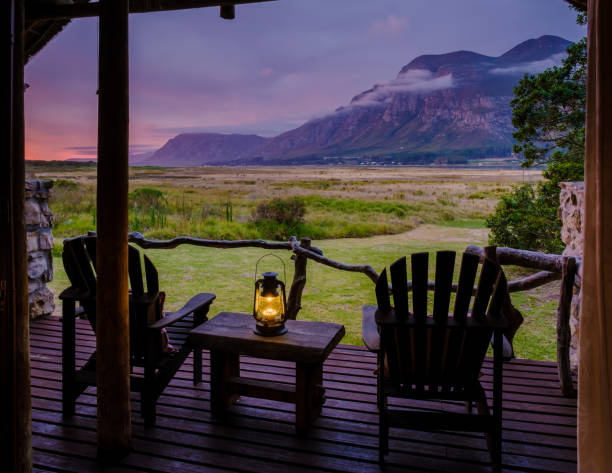


Discover the Heart of the Chagga People: Your Moshi Cultural Tour Guide
The slopes of Mount Kilimanjaro are not only a magnet for trekkers but also the ancestral home of the vibrant Chagga people. A Chagga culture tour in Moshi offers a profound opportunity to connect with one of Tanzania’s most prominent and historically rich ethnic groups. Far more than just a sightseeing excursion, this experience allows you to step into the daily lives, traditions, and enduring spirit of the Chagga community. From understanding their unique agricultural practices to witnessing their artistic expressions and social structures, this guide provides an in-depth look at what makes a cultural tour with the Chagga people near Moshi so rewarding.
This comprehensive guide is designed to help you plan an unforgettable journey. We’ll cover the essential aspects, from what to expect and the best times to visit, to practical preparation and how to choose the right tour operator. Whether you are a first-time visitor to Tanzania or seeking a deeper understanding of its diverse cultures, this resource will equip you with the knowledge needed for a fulfilling Chagga culture tour in Moshi.
Table of Contents
- Quick Facts: Chagga Culture Tour
- What is a Chagga Culture Tour?
- Why Experience Chagga Culture in Moshi?
- Best Time to Visit for a Chagga Culture Tour
- Key Cultural Sites and Experiences
- Sample Chagga Culture Tour Itinerary (3 Days)
- What to Expect During Your Tour
- Typical Inclusions and Exclusions
- Preparation and Packing Essentials
- Common Mistakes to Avoid
- Who is a Chagga Culture Tour Best For?
- Alternatives to a Dedicated Chagga Tour
- Planning Your Tour for 2026-2027
- Booking Your Chagga Culture Tour
- Frequently Asked Questions (FAQs)
Quick Facts: Chagga Culture Tour
| Aspect | Details |
|---|---|
| Primary Location | Moshi and surrounding Kilimanjaro foothills, Tanzania |
| Ethnic Group Focus | Chagga (or Wachagga) |
| Key Activities | Village visits, coffee plantation tours, traditional home visits, local market exploration, storytelling, local cuisine tasting, Chagga rituals (if available). |
| Duration | Typically 1 to 3 days, can be customized. |
| Best For | Travelers interested in authentic cultural experiences, learning about local livelihoods, understanding agricultural practices, and connecting with local communities. |
| Seasonality | Year-round, though drier months (June-October, December-February) are often preferred for comfort. |
| Language | Swahili and Kipare (Chagga dialect), English widely spoken in tourist areas and by guides. |
What is a Chagga Culture Tour?
A Chagga culture tour in Moshi is a curated experience designed to introduce visitors to the history, customs, social organization, and daily life of the Chagga people. These tours typically take place in villages located on the fertile slopes of Mount Kilimanjaro, where the Chagga have traditionally thrived. The focus is on authentic interaction and learning, moving beyond superficial observation to engage with the community on a more personal level.
These tours often involve visiting traditional homesteads, learning about their unique banana cultivation and coffee farming methods, understanding their historical defense systems (like underground tunnels), tasting local foods and drinks (such as banana beer, or ‘Mbege’), and listening to stories from elders. Some tours may include visits to local schools or community projects, offering a broader perspective on contemporary Chagga life.
Why Experience Chagga Culture in Moshi?
The Chagga are one of Tanzania’s largest and most influential ethnic groups, known for their industriousness, strong social structures, and deep connection to the land. Visiting them offers:
- Rich History and Resilience: The Chagga have a compelling history of organized resistance against colonial powers and a remarkable ability to adapt and innovate, particularly in agriculture.
- Unique Agricultural Practices: Their sophisticated irrigation systems and terraced farming, especially for coffee and bananas, are a testament to their ingenuity. Learning about the coffee-making process from bean to cup is a highlight for many.
- Vibrant Social Structure: The Chagga have historically had strong community ties, with distinct age-set systems and traditions that shape their social fabric.
- Warm Hospitality: Visitors often remark on the welcoming nature of the Chagga people, eager to share their heritage and way of life.
- Stunning Scenery: The tours are set against the breathtaking backdrop of Mount Kilimanjaro, adding natural beauty to the cultural immersion.
- Authentic Encounters: Unlike some more commercialized cultural experiences, tours focused on the Chagga often provide genuine interactions with local families and community members.
Best Time to Visit for a Chagga Culture Tour
The Kilimanjaro region experiences a tropical climate, and a Chagga culture tour in Moshi can be undertaken year-round. However, certain periods offer more comfortable weather conditions for exploring the villages and plantations.
Climate and Visiting Seasons
| Period | Weather | Pros | Cons |
|---|---|---|---|
| June – October (Dry Season) | Cooler temperatures, minimal rainfall. Sunny days. | Ideal for walking and exploring; clear views of Kilimanjaro. Pleasant for outdoor activities. | Can be busier with general tourism. Evenings can be cool. |
| November – December (Short Rains) | Intermittent, light to moderate showers. Temperatures warm up. | Landscapes are lush and green. Fewer tourists. | Rain can occasionally disrupt outdoor plans. |
| January – March (Long Rains/Dry Season Break) | Often a dry period within the main rainy season, but can be unpredictable. Warm temperatures. | Good for trekking Kilimanjaro. Can be a good time for cultural tours if you don’t mind occasional rain. | Rainfall is possible, though often short-lived. |
| April – May (Long Rains) | Heavier, prolonged rainfall. High humidity. | Very few tourists. Landscapes are extremely green. Prices might be lower. | Rain can significantly impact outdoor activities and travel within villages. Muddy conditions. |
For planning your 2026-2027 trips, the dry seasons (June-October and December-February) are generally recommended for the most comfortable experience. However, shoulder seasons can offer a more intimate feel with fewer crowds.
Key Cultural Sites and Experiences
While specific sites vary by tour operator, a typical Chagga culture tour in Moshi will likely include visits to or interactions with the following aspects of Chagga life:
- Local Villages: The heart of the tour. You’ll walk through villages, observe daily life, and meet residents.
- Coffee Plantations: The Chagga are renowned coffee farmers. Learn about the entire process, from picking the beans to roasting and brewing. Many tours include a tasting.
- Banana Farms: Bananas are a staple crop, used for food, drink (banana beer), and construction. Understanding their cultivation is key to understanding Chagga sustenance.
- Traditional Homes (Shambas): Visit a family compound to see how homes are built and how families live. You might be invited for tea or a meal.
- Chagga Tunnels: Historical underground tunnels used as hiding places during inter-tribal conflicts and against colonial forces. Learning about their construction and use provides insight into Chagga history.
- Local Markets: Experience the bustling atmosphere of a weekly market where locals trade goods. This is a great place to see local produce and crafts.
- Chagga Cuisine: Taste traditional dishes like ‘Ndizi’ (banana stew), ‘Ugali’ (maize porridge), and of course, ‘Mbege’ (banana beer).
- Storytelling and Music: Engage with elders or community members who can share traditional stories, proverbs, and perhaps traditional music or dance.
- Crafts: Observe or participate in local crafts, such as weaving or carving.
Sample Chagga Culture Tour Itinerary (3 Days)
This is a sample itinerary and can be customized. It focuses on providing a deep dive into Chagga life.
Day 1: Arrival in Moshi & Introduction to Chagga Agriculture
- Morning: Arrive in Moshi, meet your local Chagga guide. Transfer to a guesthouse or lodge near the foothills. Briefing on the tour and Chagga customs.
- Late Morning: Visit a local coffee plantation. Learn about the entire process from bean to cup, including picking, drying, roasting, and grinding. Enjoy a freshly brewed cup of Chagga coffee.
- Lunch: Enjoy a traditional Chagga lunch prepared with local ingredients, likely featuring ‘Ndizi’ (banana stew) and other staples.
- Afternoon: Explore a banana farm. Understand the multi-purpose nature of bananas in Chagga culture and economy. See how banana beer (‘Mbege’) is made.
- Late Afternoon: Visit a local family’s homestead. Learn about their daily routines, home structure, and family life.
- Evening: Dinner at your accommodation, discussing the day’s learnings with your guide.
Day 2: History, Community & Local Life
- Morning: Visit a historical site related to Chagga defense, such as the Chagga tunnels. Your guide will explain their significance and the history of conflict and resilience.
- Late Morning: Walk through a local village, observing daily activities like fetching water, preparing food, and children playing. Interact respectfully with villagers.
- Lunch: A simple, authentic local lunch in the village or at a community center.
- Afternoon: Visit a local market (if it’s market day) to experience the vibrant trade and social hub. Alternatively, visit a local school or community project to understand modern Chagga life and development.
- Late Afternoon: Participate in a traditional cooking demonstration or learn a local craft.
- Evening: Enjoy a farewell dinner, perhaps with a performance of traditional Chagga songs or stories.
Day 3: Departure or Further Exploration
- Morning: Enjoy a final Chagga breakfast. Opportunity for last-minute souvenir shopping from local artisans.
- Late Morning: Depending on your onward travel plans, you can visit a local church, a historical monument in Moshi town, or simply relax.
- Afternoon: Transfer to your next destination or to Kilimanjaro International Airport (JRO).
What to Expect During Your Tour
A Chagga culture tour in Moshi is an immersive experience. Be prepared for:
- Authentic Interactions: Expect genuine conversations and hospitality. People are often happy to share their lives, but always be respectful of their privacy and customs.
- Walking: You will do a fair amount of walking, often on unpaved paths, through villages and farms. Comfortable footwear is essential.
- Basic Conditions: While tours are organized, you will be visiting rural areas. Accommodations might be simpler guesthouses, and facilities can be basic compared to city hotels.
- Sensory Experiences: You’ll encounter new sights, sounds, and smells – from the aroma of roasting coffee to the sounds of village life.
- Learning and Engagement: Your guide will facilitate learning. Be curious, ask questions respectfully, and be open to new perspectives.
- Photography: Always ask for permission before taking close-up photos of people. Some may ask for a small fee.
- Flexibility: Local life can be unpredictable. Be prepared for slight changes to the schedule.
Typical Inclusions and Exclusions
When booking a tour, it’s crucial to understand what is included. This can vary significantly between operators.
Common Inclusions:
- Local English-speaking Chagga guide
- All planned activities and entrance fees (e.g., to farms, historical sites)
- Transportation to/from villages from Moshi
- Meals as specified in the itinerary (e.g., lunches, dinners)
- Accommodation (if part of a multi-day tour)
- Tastings (e.g., coffee, banana beer)
Common Exclusions:
- International and domestic flights
- Visa fees
- Travel insurance
- Tips for guides and drivers
- Personal expenses (souvenirs, laundry, alcoholic beverages not specified)
- Meals not specified in the itinerary
- Optional activities not listed
Preparation and Packing Essentials
Proper preparation ensures a more comfortable and enjoyable experience. For your Chagga culture tour in Moshi, consider the following:
Packing List:
- Clothing: Lightweight, breathable clothing for daytime (cotton or linen). A light jacket or fleece for cooler evenings. Modest clothing is recommended when visiting villages (shoulders and knees covered). A rain jacket or poncho, especially during shoulder seasons.
- Footwear: Comfortable walking shoes or sturdy trainers are essential. Sandals or flip-flops for relaxing.
- Sun Protection: Sunscreen, a wide-brimmed hat, and sunglasses.
- Insect Repellent: Especially for evenings.
- Personal First-Aid Kit: Include any personal medications, basic painkillers, antiseptic wipes, and bandages.
- Camera: With extra batteries and memory cards.
- Water Bottle: A reusable bottle is eco-friendly. You can often refill it with purified water provided by your tour operator.
- Small Backpack: For carrying essentials during daily excursions.
- Hand Sanitizer: Useful when facilities are limited.
- Cash: For tips, souvenirs, and personal expenses. Tanzania Shillings are local currency, but USD is widely accepted for larger purchases and tips. Small denominations are useful.
- Adapter: Tanzania uses Type D and Type G outlets (230V).
- Small Notebook and Pen: To jot down notes or sketch.
Common Mistakes to Avoid
To ensure a respectful and enriching experience, be mindful of these common pitfalls:
- Disrespecting Local Customs: Always ask before taking photos of people. Dress modestly. Be mindful of noise levels and public displays of affection.
- Assuming You Know Best: Be open to learning from your guide and the local community. Avoid making comparisons that might seem critical.
- Not Engaging: The tour is about interaction. Don’t be afraid to ask questions (respectfully) and participate in activities.
- Over-Commercialization: While buying souvenirs is encouraged, avoid excessive haggling that can seem disrespectful. Understand the value of local crafts.
- Ignoring Your Guide: Your guide is there to facilitate the experience, translate, and ensure safety and cultural appropriateness. Listen to their advice.
- Not Being Prepared for Basic Facilities: Some villages may have limited access to modern amenities. Be adaptable.
- Giving Money Directly to Children: This can encourage begging. If you wish to support the community, ask your guide about contributing to a school or a specific project.
Who is a Chagga Culture Tour Best For?
This type of tour is ideal for travelers who:
- Are genuinely interested in learning about different cultures and ways of life.
- Seek authentic, non-touristy experiences.
- Appreciate history, agriculture, and sustainable living.
- Enjoy walking and exploring rural environments.
- Are looking for an enriching complement to a safari or Kilimanjaro climb.
- Are respectful, curious, and open-minded.
- Want to understand the human element behind the landscapes of Tanzania.
It may be less suitable for travelers expecting luxury resorts, constant entertainment, or those who prefer to remain detached observers.
Alternatives to a Dedicated Chagga Tour
While a dedicated Chagga culture tour in Moshi offers the most in-depth experience, other options exist:
- Cultural Heritage Tourism Programme (CHTP) Sites: Tanzania has many official CHTP sites across the country, some of which are located in the Kilimanjaro region and offer shorter, more general cultural experiences.
- Day Trips from Moshi: Many tour operators offer half-day or full-day excursions that might include a visit to a coffee farm or a local village, providing a shorter taste of Chagga life.
- Homestays: Some operators can arrange homestays with Chagga families, offering a more immersive, albeit potentially more basic, living experience.
- Visiting Local Markets: Simply visiting a busy market in Moshi or a nearby town can offer glimpses into local life and commerce.
- Cultural Centers: Moshi town has some cultural centers that might offer introductory sessions on Chagga traditions, music, or dance.
A dedicated tour, however, allows for deeper engagement, more comprehensive learning, and more meaningful interactions.
Planning Your Tour for 2026-2027
Planning ahead is key to securing the best experiences, especially for popular travel periods in 2026 and 2027. Here’s how to approach it:
- Define Your Interests: Are you most interested in coffee, history, daily life, or a mix? This will help you choose the right tour.
- Choose Your Operator Wisely: Look for operators with good reviews, experienced local guides, and a commitment to ethical and sustainable tourism. Best Tanzania tour operator is a prime example of a company focused on authentic experiences.
- Book in Advance: Especially if traveling during peak seasons (June-October, December-February) in 2026 or 2027, book your tour at least 3-6 months ahead.
- Consider a Custom Tour: If you have specific interests or a limited timeframe, a custom tour can be arranged.
- Combine with Other Activities: A Chagga culture tour can be an excellent addition to a Kilimanjaro trek, a safari in nearby parks (like Arusha National Park or Tarangire), or a visit to Zanzibar. Plan your itinerary to flow logically.
- Budget: While exact prices vary, factor in tour costs, tips, souvenirs, and personal expenses. Ensure your chosen operator is transparent about what’s included.
- Health Preparations: Consult your doctor about vaccinations and malaria prophylaxis well in advance of your 2026-2027 travel dates.
Booking Your Chagga Culture Tour
When you’re ready to book your Chagga culture tour in Moshi, consider these points:
- Research Operators: Look for reputable companies that employ local guides and have a strong understanding of Chagga culture. Ask for recommendations and read reviews.
- Direct Communication is Key: Contact tour operators directly. This allows you to ask specific questions about the itinerary, guides, and what to expect.
- Ask About Guide Qualifications: A good guide is crucial. They should be knowledgeable about Chagga history, customs, and language, and be able to communicate effectively in English. Many are members of the Chagga community themselves, offering unique insights.
- Understand the Itinerary: Ensure the tour aligns with your interests and pace. A good operator will be flexible and willing to customize.
- Inquire About Community Benefit: Ask how the tour benefits the local community. Responsible operators often have partnerships with villages or contribute to local projects.
- Payment Terms: Clarify deposit requirements, payment methods, and cancellation policies.
- Travel Insurance: Always ensure you have comprehensive travel insurance that covers medical emergencies and trip cancellations.
For a reliable and authentic experience, consider reaching out to specialists like Best Tanzania tour operator. They can be contacted via WhatsApp at +255616946642 or by email at topguideadventures@gmail.com or info@topguideadventures.com to discuss your ideal Chagga culture tour.
Frequently Asked Questions (FAQs)
What is the main language spoken by the Chagga people?
The primary language is Kichagga, which has several dialects. However, Swahili is the national language and is widely spoken. English is also commonly understood and spoken by guides and in tourist areas.
Is it safe to visit Chagga villages?
Yes, with reputable tour operators and guides, visiting Chagga villages is very safe. They are accustomed to visitors, and guides ensure respectful interactions and manage logistics. Standard travel precautions apply.
Can I buy souvenirs during the tour?
Yes, you will likely have opportunities to purchase local handicrafts, such as carvings, beaded jewelry, or woven items, directly from artisans or at local markets. It’s a great way to support the community.
What is ‘Mbege’ and should I try it?
‘Mbege’ is a traditional alcoholic beverage made from fermented bananas and millet. It’s a significant part of Chagga social gatherings. Most tours offer a chance to try it. It has a unique, often acquired taste, and is usually safe to consume when prepared by locals for guests.
How much should I tip my guide?
Tipping is customary and appreciated. A general guideline for a 1-3 day cultural tour is around $10-$20 USD per person per day for the guide, shared with any assistants. Your tour operator can provide more specific recommendations for 2026-2027 tours.
What if I have dietary restrictions?
It’s important to inform your tour operator well in advance of any dietary restrictions or allergies. While traditional Chagga cuisine is often simple, they will do their best to accommodate your needs, though options might be limited in very remote settings.
Are there toilet facilities available in villages?
Facilities can vary greatly. Some homes may have basic pit latrines. Your guide will advise you on available facilities and where to go. It’s wise to use restrooms at your accommodation before departing for the day.
How physically demanding is a Chagga culture tour?
The tours generally involve moderate walking on uneven terrain. They are not typically strenuous unless you opt for longer treks between villages. Most people with average fitness can comfortably participate.
Can I visit Chagga villages during the rainy season?
Yes, you can visit during the rainy season (April-May, November). However, be prepared for potential mud and rain, which might affect the comfort of walking and the condition of paths. The landscape will be very green and lush.
What is the difference between a Chagga tour and a general cultural tour in Tanzania?
A Chagga culture tour focuses specifically on the history, traditions, and daily life of the Chagga people in the Kilimanjaro region. General cultural tours in Tanzania might cover multiple ethnic groups or focus on broader aspects of Tanzanian life, often in different regions.
Ready to Experience Chagga Culture?
A Chagga culture tour in Moshi offers a unique window into the heart of Tanzania. It’s an opportunity to connect with a proud and resilient community, learn about their innovative ways of life, and gain a deeper appreciation for the rich cultural tapestry of East Africa. Whether you are planning for 2026, 2027, or beyond, this experience promises to be both educational and deeply memorable.
Let us help you craft your perfect cultural immersion. For expert advice and personalized tour arrangements, get in touch with our team at Best Tanzania tour operator.
Contact us today:
- WhatsApp: +255616946642
- Email: topguideadventures@gmail.com
- Backup Email: info@topguideadventures.com
Plan your Chagga Culture Tour in Moshi with Top Guide Adventures
Tell us your travel dates, group size, comfort level, and dream experience. We will help you shape a clear, realistic, and memorable Tanzania itinerary.







 Veedesigner
 Fatma Kizanga
 Benjamin Waryuba
 Philip Philip
 John jr Itaja
 Antonia Optatus
 Edith Kanyere
 Neema Iddy
 Kelvin Boniphace
 Damari Maiga



