
Updated planning guide for 2026-2027
Rubondo Island Hidden Gem Guide: Complete Travel 2026-2027
Explore Rubondo Island, a unique national park on Lake Victoria. This comprehensive guide offers insights into planning your trip, activities, accommodation, and what to expect from this secluded Tanzanian paradise in 2026-2027.
WhatsApp +255616946642 | topguideadventures@gmail.com | info@topguideadventures.com
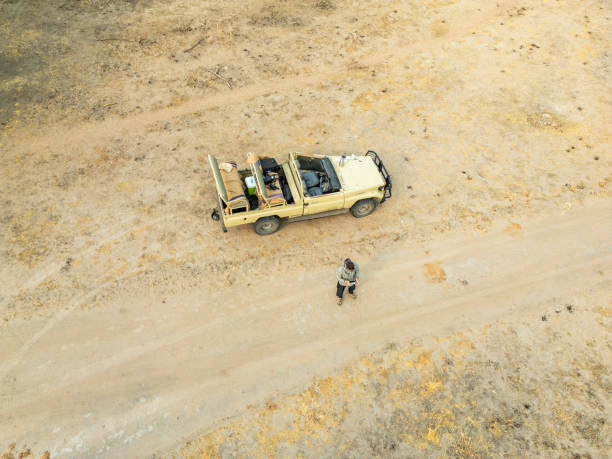
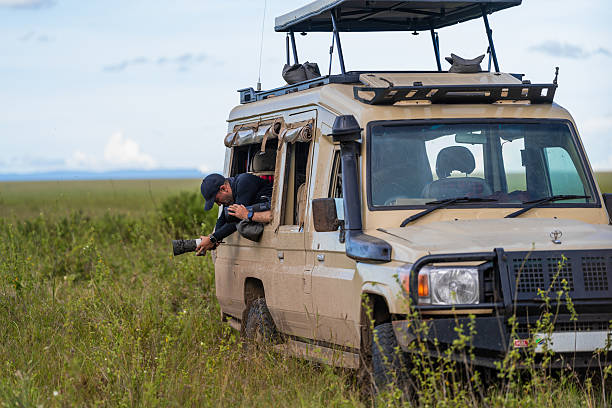
Rubondo Island: Tanzania’s Unspoiled Lake Victoria Secret
When most travelers picture a Tanzanian safari, images of the vast Serengeti plains or the majestic Ngorongoro Crater often come to mind. While these iconic destinations are undeniably spectacular, Tanzania holds other, less-trodden treasures. Rubondo Island National Park, nestled in the southwestern corner of Lake Victoria, is one such place. Often overlooked, this island sanctuary offers a distinct and profoundly peaceful wildlife experience, far removed from the usual safari crowds. This guide is designed to help you understand what makes Rubondo Island a truly special ‘hidden gem’ and how to plan your visit for 2026-2027.
Your Quick Answer to Visiting Rubondo Island
Rubondo Island National Park is Tanzania’s only national park located entirely on an island, situated in Lake Victoria. It’s a haven for birdlife, primates, and diverse flora, offering a unique blend of forest, savannah, and lake environments. It’s ideal for travelers seeking tranquility, birdwatching, primate encounters, and a different pace of safari. Planning involves considering flight access, choosing eco-lodges, and understanding the best seasons for wildlife viewing and comfortable travel.
Table of Contents
- Rubondo Island Quick Facts
- What is Rubondo Island National Park?
- Why Rubondo Island is a Hidden Gem
- Best Time to Visit Rubondo Island (2026-2027)
- Getting to Rubondo Island
- <a href="Where to Stay on Rubondo Island
- Things to Do on Rubondo Island
- Sample Rubondo Island Itinerary
- Wildlife You Might See
- What to Expect: The Rubondo Experience
- Packing and Preparation
- Common Mistakes to Avoid
- Who is Rubondo Island Best For?
- Alternatives to Rubondo Island
- Planning Your 2026-2027 Trip
- Booking Your Rubondo Island Adventure
- Frequently Asked Questions
Rubondo Island Quick Facts
| Feature | Details |
|---|---|
| Location | Southwestern Lake Victoria, Tanzania |
| Size | Approximately 237 sq km (island) |
| Established | 1977 |
| Primary Ecosystem | Tropical rainforest, savannah, papyrus swamps, Lake Victoria shores |
| Key Wildlife | Primates (chimpanzees, vervet monkeys, black-and-white colobus), birds (over 300 species), hippos, crocodiles, fish eagles, elephants, giraffes (introduced) |
| Activities | Birdwatching, primate tracking, nature walks, fishing, boat safaris, chimpanzee viewing (habituation), relaxation |
| Accessibility | Charter flights from major hubs (e.g., Arusha, Kilimanjaro International Airport, Zanzibar), boat transfers |
| Accommodation | Eco-lodges, camping (limited) |
What is Rubondo Island National Park?
Rubondo Island National Park is a unique ecological system comprising Rubondo Island and 11 smaller islets within Lake Victoria, Tanzania’s largest lake and Africa’s second-largest freshwater lake. Unlike mainland parks focused primarily on large mammal game drives, Rubondo offers a more intimate and diverse natural experience. Its landscape is a rich tapestry of dense tropical rainforest, open grassy savannas, rocky outcrops, and extensive papyrus swamps along its shores. This varied terrain supports a remarkable array of wildlife, with a particular emphasis on primates and an astonishing diversity of bird species.
The park was established in 1977 to protect the indigenous chimpanzee population and the island’s unique ecosystem. Over the years, various animal species have been introduced, including elephants, giraffes, and various antelopes, adding to the island’s biodiversity. The lake itself teems with life, making fishing and boat excursions popular activities. Rubondo is managed with a strong focus on conservation, aiming to preserve its natural beauty and provide a sustainable tourism model.
Why Rubondo Island is a Hidden Gem
Rubondo Island stands out as a hidden gem for several compelling reasons:
- Unspoiled Nature: It remains largely undeveloped, offering an authentic wilderness experience. You won’t find large crowds or commercial tourism infrastructure here.
- Primate Encounters: It’s one of the few places in Tanzania where you can track chimpanzees in their natural habitat. The ongoing habituation project offers a unique opportunity to observe these intelligent primates.
- Birdwatcher’s Paradise: With over 300 recorded bird species, including many endemic to the region and migratory birds, Rubondo is a dream destination for ornithologists and casual birdwatchers alike. The fish eagles, kingfishers, and herons are particularly iconic.
- Diverse Ecosystems: The blend of rainforest, savanna, and lake shores creates a unique environment supporting a wide range of wildlife, from forest-dwelling primates to aquatic creatures and terrestrial mammals.
- Tranquility and Serenity: Its remote location and limited visitor numbers ensure a peaceful and exclusive experience. It’s a place to disconnect and immerse yourself in nature.
- Unique Safari Style: Activities lean towards guided nature walks, boat trips, and primate tracking rather than traditional vehicle-based game drives, offering a different perspective on wildlife viewing.
Best Time to Visit Rubondo Island (2026-2027)
The best time to visit Rubondo Island depends on your priorities, but generally, the dry seasons offer the most comfortable experience for wildlife viewing and activities. The park experiences a tropical climate with distinct wet and dry periods.
| Period | Weather & Wildlife Viewing | Activities & Considerations |
|---|---|---|
| June to October (Dry Season) | Less rain, more sunshine, comfortable temperatures. Wildlife congregates around water sources, though Rubondo’s lushness means animals are usually well-distributed. Excellent for birdwatching as resident birds are active. | Ideal for nature walks, primate tracking, and boat safaris. Paths are drier. This is peak season for many Tanzanian parks, but Rubondo remains less crowded. Expect pleasant evenings. |
| November to December (Short Rains) | Intermittent light showers, temperatures start to rise. The landscape becomes greener. Migratory birds begin to arrive. | Still good for activities, though some walks might be affected by rain. A good shoulder season for potentially fewer visitors and greener scenery. |
| January to March (Long Rains) | Heavier rainfall, high humidity, and hot temperatures. The island is lush and vibrant. This is the breeding season for many birds. | Some activities might be limited by heavy rain. Roads and trails can become muddy. This is the least popular time for general tourism but can be excellent for dedicated birdwatchers and photographers seeking dramatic skies and lush landscapes. |
| April to May (Long Rains Peak) | Significant rainfall, especially in April. The island is at its greenest. Can be humid and hot between downpours. | This period is generally considered the low season. Some lodges might close or reduce services. Travel can be challenging due to rain. Primarily for the adventurous traveler seeking solitude and dramatic natural beauty. |
For 2026-2027 planning: The dry season from June to October is generally recommended for the best overall experience, offering the most predictable weather for outdoor activities. However, if you’re a keen birder, the shoulder seasons and even the wet season can offer unique advantages.
Getting to Rubondo Island
Reaching Rubondo Island is an adventure in itself, contributing to its secluded feel. The most common and efficient way is via charter flights.
By Air
- From Arusha or Kilimanjaro International Airport (JRO): Several safari operators, including us, can arrange charter flights directly to Rubondo’s airstrip. This is the most convenient option, typically taking around 1.5 to 2 hours.
- From other hubs: Flights can also be arranged from Mwanza (MWZ), the nearest major city on the mainland, or even from Zanzibar (ZNZ) for those combining a beach holiday with a safari experience.
- Booking: These flights are usually arranged by your tour operator as part of your safari package.
By Road and Boat
While possible, this is a significantly longer and more complex journey. It typically involves:
- Driving from Mwanza or another mainland town to a designated launch point on the mainland shore opposite Rubondo Island.
- Taking a boat transfer across Lake Victoria to the island. This can take several hours depending on conditions and the departure point.
This option is less common for international tourists due to the time commitment but can be an option for those on a very tight budget or seeking a more adventurous overland experience. We generally advise against this for a first-time visit to Rubondo due to the logistical challenges.
Where to Stay on Rubondo Island
Accommodation on Rubondo Island is focused on eco-tourism, offering a low-impact and immersive experience. There are limited options, which helps maintain the island’s pristine nature.
- Rubondo Island Camp: This is the primary and most established lodge on the island. It offers comfortable bandas (bungalows) with stunning lake views. The camp is built with sustainability in mind and provides guided activities. It’s a fantastic base for exploring the island.
- Park Authority Accommodation: There might be basic park guesthouses or bandas managed by Tanzania National Parks Authority (TANAPA). These are typically more rustic and require booking in advance, often through your tour operator.
- Camping: Designated camping sites may be available for adventurous travelers who wish to camp under the stars. This requires bringing your own equipment or arranging it through a specialized operator.
Important Note: Due to the limited options and the island’s remote nature, booking accommodation well in advance is crucial, especially if you plan to visit during peak seasons in 2026 or 2027.
Things to Do on Rubondo Island
Rubondo Island offers a unique range of activities that focus on its natural environment and wildlife.
| Activity | Description |
|---|---|
| Chimpanzee Viewing | The island is home to a habituated group of chimpanzees. Guided walks allow you to observe them in their natural habitat. This is a highlight for many visitors. |
| Birdwatching | With over 300 species, Rubondo is a birder’s paradise. Look for African fish eagles, kingfishers, weavers, herons, and many more. Guided walks and boat trips offer excellent viewing opportunities. |
| Nature Walks & Hiking | Explore the island’s diverse trails with experienced guides. Discover the rainforest, savanna areas, and shoreline, learning about the flora and fauna. |
| Boat Safaris | Cruise the waters of Lake Victoria surrounding Rubondo. This is a great way to spot hippos, crocodiles, water birds, and enjoy the island’s scenery from a different perspective. You might even see elephants or giraffes near the shore. |
| Fishing | Lake Victoria is famous for its Nile perch. Guided fishing excursions can be arranged for those interested in trying their luck. Catch-and-release is often practiced to conserve the fish population. |
| Guided Game Drives (Limited) | While not the primary focus, short game drives in specialized vehicles might be available to explore certain areas of the island where introduced mammals like giraffes and elephants can be spotted. |
| Relaxation | Simply enjoy the peace and quiet. Relax at your lodge, take in the lake views, and soak up the serene atmosphere of this unique island sanctuary. |
Sample Rubondo Island Itinerary (4 Days / 3 Nights)
This sample itinerary is designed for a 4-day, 3-night stay, focusing on the unique experiences Rubondo offers. It can be customized based on your interests and time.
| Day | Morning | Afternoon | Evening |
|---|---|---|---|
| Day 1: Arrival & Island Immersion | Arrive at Rubondo Airstrip via charter flight. Transfer to your lodge. After settling in, enjoy a welcome briefing and lunch. | Embark on a guided nature walk through the island’s rainforest trails. Look for colobus monkeys and diverse birdlife. | Relax at the lodge. Enjoy sundowners overlooking Lake Victoria. Dinner followed by a briefing for the next day. |
| Day 2: Primate Tracking & Lake Exploration | Early morning chimpanzee tracking excursion. Spend time observing the habituated group with your guide. | After lunch, take a boat safari on Lake Victoria. Search for hippos, crocodiles, and water birds along the shores and surrounding islets. | Enjoy dinner. Optional: a night walk to spot nocturnal creatures. |
| Day 3: Birdwatching & Fishing/Game Drive | Dedicated birdwatching walk or boat trip. Focus on identifying various species, including the iconic African fish eagle. | Choose between a guided fishing trip for Nile perch or a short game drive to look for introduced mammals like giraffes and elephants. | Farewell dinner at the lodge. Share experiences and enjoy the peaceful island ambiance. |
| Day 4: Departure | Enjoy a final leisurely breakfast. Depending on your flight schedule, you might have time for a short walk or some relaxation by the lake. | Transfer to Rubondo Airstrip for your charter flight back to your next destination. | N/A |
Note: This itinerary can be extended to 5 or 7 days for a more in-depth exploration, allowing for more specialized activities like extended fishing trips or exploring different parts of the island.
Wildlife You Might See
Rubondo Island’s wildlife is diverse and unique, offering encounters not typically found on the mainland.
- Primates: The star attraction is the habituated chimpanzee group. You can also see vervet monkeys and black-and-white colobus monkeys, which are native to the island.
- Birds: Over 300 species have been recorded. Key sightings include the majestic African fish eagle (often seen diving for fish), various species of kingfishers, herons, egrets, weaver birds, bee-eaters, and migratory birds during certain seasons.
- Reptiles: Hippos are common in the lake and along the shores. Nile crocodiles are also present. Various smaller reptiles and amphibians inhabit the island’s forests and swamps.
- Mammals: Introduced species include elephants and giraffes, which are sometimes seen near the lake edges or in more open areas. You might also spot smaller antelopes like Sitatunga (a semi-aquatic antelope) and bushbucks. Otters are also present.
- Insects: The island supports a rich variety of insects, including numerous butterfly species, which contribute to the vibrant ecosystem.
While large predators like lions or leopards are absent, the focus on primates, birds, and the unique lake environment makes Rubondo a special destination.
What to Expect: The Rubondo Experience
Visiting Rubondo Island is about experiencing nature in a raw, peaceful, and intimate way. It’s different from the high-octane game drives of the Serengeti.
- Pace: Expect a slower, more relaxed pace. Activities are guided and often involve walking or boat trips, allowing for quiet observation.
- Crowds: You are unlikely to encounter many other tourists. This offers a sense of exclusivity and genuine solitude.
- Environment: The island is lush and green, with dense forest, rocky shores, and open grasslands. Be prepared for humidity, especially during certain times of the year.
- Connectivity: Mobile phone signal and internet access can be limited or non-existent. This is an opportunity to disconnect from the digital world.
- Activities: Your days will be filled with guided walks, boat excursions, and opportunities to learn about the island’s unique ecology from knowledgeable guides.
- Comfort: Accommodation is typically in comfortable eco-lodges designed to blend with the environment. Expect good service but not the opulence of some mainland luxury lodges.
Packing and Preparation
Packing for Rubondo Island requires consideration for the tropical climate, the types of activities, and the remote location.
Essential Items:
- Lightweight clothing: Breathable fabrics like cotton or linen. Long-sleeved shirts and long trousers are essential for sun protection and insect repellent, especially for walks.
- Rain gear: A lightweight, waterproof jacket or poncho is crucial, particularly during the wet seasons (April-May, November-December).
- Comfortable walking shoes: Sturdy, broken-in walking shoes or hiking boots for nature walks.
- Sandals or flip-flops: For relaxing at the lodge.
- Sun protection: High SPF sunscreen, a wide-brimmed hat, and sunglasses.
- Insect repellent: With DEET or Picaridin for protection against mosquitoes and other biting insects.
- Binoculars: Essential for birdwatching and wildlife spotting.
- Camera: With extra batteries and memory cards. Consider a waterproof bag for camera gear.
- Personal first-aid kit: Including any personal medications, antiseptic wipes, and bandages.
- Reusable water bottle: To minimize plastic waste.
- Headlamp or flashlight: Useful for navigating at night or during early morning/late evening activities.
- Swimsuit: If your lodge has a pool or if you plan to swim in designated safe areas (check with your lodge).
- Light sweater or fleece: For cooler evenings, though temperatures are generally warm.
Preparation:
- Vaccinations: Consult your doctor or a travel clinic about recommended vaccinations, including Yellow Fever (required for entry into Tanzania if arriving from an endemic country) and malaria prophylaxis.
- Travel Insurance: Comprehensive travel insurance covering medical emergencies, evacuation, and trip cancellation is highly recommended.
- Visa: Ensure you have the necessary visa for Tanzania.
Common Mistakes to Avoid
To ensure a smooth and enjoyable trip to Rubondo Island, be aware of these common pitfalls:
- Expecting a Traditional Safari: Rubondo is not about ticking off the Big Five. It offers a different, more intimate wildlife experience. Adjust your expectations accordingly.
- Underestimating the Weather: Even in the dry season, rain can occur. Always pack for varied conditions, especially rain gear. Humidity can also be high.
- Not Booking in Advance: Due to limited accommodation and flight options, booking your trip, especially for 2026-2027, well in advance is crucial.
- Forgetting Insect Repellent: Mosquitoes and other insects are present, particularly around dawn and dusk and near water. Strong repellent is a must.
- Lack of Patience: Wildlife sightings, especially for primates, require patience. Rushing the experience will detract from its magic.
- Ignoring Your Guide: Your guide is your key to understanding the island’s ecosystem. Listen to their advice regarding safety, wildlife, and the best viewing spots.
- Overpacking: Charter flights often have stricter luggage limits. Pack light and smart, focusing on essentials.
- Not Informing Your Operator of Special Interests: If you are a keen birder or photographer, let your tour operator know in advance so they can tailor your experience.
Who is Rubondo Island Best For?
Rubondo Island National Park is ideally suited for:
- Nature Enthusiasts: Those who appreciate diverse ecosystems, lush landscapes, and a rich variety of flora and fauna.
- Birdwatchers: With its extensive bird list, it’s a prime destination for ornithologists and hobbyist birders.
- Primate Lovers: The opportunity to track chimpanzees in the wild is a major draw.
- Travelers Seeking Tranquility: Anyone looking to escape the crowds and enjoy a peaceful, remote wilderness experience.
- Photographers: The unique landscapes, birdlife, and primates offer excellent photographic opportunities.
- Eco-tourists: Travelers who value sustainable tourism and low-impact travel experiences.
- Adventurous Travelers: Those who enjoy hiking, boat trips, and exploring off-the-beaten-path destinations.
It might be less ideal for travelers expecting constant adrenaline-fueled game drives, a wide array of luxury amenities, or those who are uncomfortable with limited connectivity.
Alternatives to Rubondo Island
While Rubondo Island offers a unique experience, other Tanzanian destinations provide different but equally rewarding safari adventures:
| Destination | Unique Selling Proposition | Best For | Considerations |
|---|---|---|---|
| Serengeti National Park | Iconic vast plains, the Great Migration, high density of predators and large mammals. Classic safari experience. | First-time safari-goers, those seeking predator sightings and the Great Migration. | Can be crowded, especially during peak migration months. More traditional game drive focused. |
| Ngorongoro Conservation Area | Unique crater ecosystem with high wildlife density, including the Big Five. Stunning landscapes. | Seeing the Big Five in a single day, dramatic scenery. | Strict visitor limits on the crater floor, can feel crowded. |
| Ruaha National Park | Tanzania’s largest park, wild and remote, known for large elephant and lion populations, and cheetahs. Great for walking safaris. | Off-the-beaten-path adventurers, those interested in walking safaris and seeing large herds of elephants. | More remote access, can be hotter. |
| Selous Game Reserve (Nyerere National Park) | Vast wilderness, boat safaris on the Rufiji River, walking safaris, and fly camping. Less dense wildlife than Serengeti but more remote feel. | Those seeking a more adventurous and varied safari experience (boat, walking). | Wildlife sightings can be more dispersed. |
| Gombe Stream National Park | Famous for chimpanzee trekking (Jane Goodall’s research site), mountainous rainforest terrain. | Dedicated chimpanzee tracking, hiking in a forest environment. | Primarily focused on chimps, limited other large mammals. Requires boat access. |
Rubondo Island offers a niche experience focused on primates, birds, and lake environments, distinct from the savannah-based safaris of other parks.
Planning Your 2026-2027 Trip
Planning ahead is key to a successful Rubondo Island adventure, especially for visits in 2026 and 2027. Here’s a guide to help you:
- Define Your Interests: Are you primarily interested in birdwatching, primate tracking, fishing, or simply relaxing in nature? This will help tailor your itinerary.
- Choose Your Season: As outlined above, consider the dry season (June-Oct) for best weather, or shoulder seasons for greener landscapes and fewer crowds.
- Book Flights & Accommodation Early: Charter flights and Rubondo Island Camp have limited availability. Book at least 6-12 months in advance for 2026-2027, especially if traveling during popular periods.
- Arrange Transfers: Ensure your lodge or tour operator has coordinated your airport transfers and boat transfers if applicable.
- Pack Appropriately: Refer to the packing list above. Don’t forget essentials like insect repellent and sun protection.
- Health Precautions: Consult your doctor about necessary vaccinations and malaria precautions well in advance.
- Budget Considerations: Rubondo Island can be more expensive due to the cost of charter flights and limited infrastructure. Factor this into your overall Tanzania travel budget.
- Travel Insurance: Secure comprehensive travel insurance that includes medical evacuation.
- Communicate with Your Operator: Work closely with a reputable tour operator like Best Tanzania tour operator. They can handle complex logistics, recommend the best lodges, and customize your trip.
Booking Your Rubondo Island Adventure
Securing your trip to Rubondo Island requires careful planning and booking through reliable channels. Here’s how to approach it:
Work with a Reputable Tour Operator
This is highly recommended for Rubondo Island due to its remote nature and specialized logistics. A good operator will:
- Arrange charter flights to the island’s airstrip.
- Book accommodation at Rubondo Island Camp or other available options.
- Coordinate all necessary transfers (airport, lodge, activities).
- Help craft a personalized itinerary based on your interests.
- Provide expert advice on the best time to visit and what to expect.
- Manage payments and confirm bookings.
Contact us at Best Tanzania tour operator:
- WhatsApp: +255616946642
- Email: topguideadventures@gmail.com
- Backup Email: info@topguideadventures.com
We specialize in creating unique Tanzanian safari experiences, including hidden gems like Rubondo Island. Let us help you plan your unforgettable journey for 2026-2027.
What to Confirm Before Booking:
- Inclusions: Clearly understand what is included in your package (accommodation, meals, park fees, activities, transfers, park fees).
- Exclusions: Be aware of what is not included (international flights, visas, tips, personal expenses, drinks, specific optional activities).
- Cancellation Policy: Review the cancellation and refund policy of the lodge and tour operator.
- Payment Schedule: Understand the deposit and final payment deadlines.
Booking Timeline for 2026-2027:
- 12+ Months Prior: Start researching and contacting tour operators. This is especially important for peak seasons or if you have specific dates in mind for 2026-2027.
- 9-12 Months Prior: Confirm your itinerary and book flights and accommodation.
- 3-6 Months Prior: Arrange visas, vaccinations, and travel insurance.
- 1-2 Months Prior: Finalize any last-minute details and pack.
Booking Rubondo Island requires attention to detail, but the reward is an unparalleled experience in one of Tanzania’s most serene natural wonders.
Frequently Asked Questions
Q1: Is Rubondo Island safe for tourists?
Yes, Rubondo Island is generally very safe for tourists. The main risks are typical of any wilderness area: insect bites and potential for minor injuries during activities like hiking. There are no dangerous predators like lions or leopards on the island. Your guides will ensure you follow safety protocols. It’s essential to take malaria precautions and use insect repellent.
Q2: Can you see chimpanzees on Rubondo Island?
Yes, Rubondo Island is home to a habituated group of chimpanzees. There is an ongoing project to habituate them further, allowing visitors to track and observe them in their natural habitat. This is one of the main attractions of visiting the island.
Q3: What is the best way to get to Rubondo Island?
The most convenient and recommended way to reach Rubondo Island is by charter flight from major hubs like Arusha, Kilimanjaro International Airport (JRO), or Mwanza. This significantly reduces travel time and hassle.
Q4: What kind of wildlife can I expect to see on Rubondo Island?
Rubondo offers a unique wildlife viewing experience. You can expect to see primates (chimpanzees, vervet monkeys, colobus monkeys), abundant birdlife (over 300 species), hippos, crocodiles, and introduced mammals like elephants and giraffes. It is not a destination for seeing the Big Five in a traditional sense.
Q5: Is Rubondo Island suitable for families with children?
Rubondo Island can be suitable for families with older children who are interested in nature and wildlife. The guided walks and boat trips are engaging. However, the remoteness and focus on quiet observation might be less engaging for very young children. It’s best to discuss your family’s needs with your tour operator.
Q6: How many days should I spend on Rubondo Island?
A minimum of 3 nights (4 days) is recommended to experience the main activities like primate tracking, birdwatching, and a boat safari. For a more relaxed pace or to explore more deeply, 5-7 nights would be ideal.
Q7: What are the accommodation options on Rubondo Island?
The primary accommodation is Rubondo Island Camp, offering comfortable bandas. There may also be basic park guesthouses or designated camping sites. Options are limited, so booking in advance is essential.
Q8: What should I pack for Rubondo Island?
Pack light, breathable clothing, long sleeves and trousers for protection, comfortable walking shoes, rain gear, insect repellent, sunscreen, a hat, sunglasses, and binoculars. Refer to the packing list in this guide for more details.
Q9: Can I go fishing on Rubondo Island?
Yes, guided fishing trips, primarily for Nile perch, can be arranged on Lake Victoria. Catch-and-release practices are often encouraged to conserve fish stocks.
Q10: How does Rubondo Island compare to Gombe Stream National Park for chimpanzee trekking?
Both offer chimpanzee trekking. Gombe Stream is more focused solely on chimps and hiking in its mountainous rainforest. Rubondo Island offers a broader experience with chimpanzees as one of several highlights, alongside diverse birdlife and a unique lake environment. Rubondo is generally more accessible via charter flight than Gombe.
Plan Your Rubondo Island Hidden Gem Adventure for 2026-2027
Rubondo Island National Park is a sanctuary of peace, biodiversity, and natural beauty, offering a truly unique Tanzanian travel experience. If you’re seeking an escape from the ordinary, a chance to connect with nature intimately, and witness primates and incredible birdlife in an unspoiled setting, this hidden gem awaits.
Ready to discover the magic of Rubondo Island? Let us, at Best Tanzania tour operator, craft your perfect itinerary. We handle all the details, from charter flights and accommodation to ensuring you have the most enriching experience possible. Planning your Rubondo Island hidden gem trip for 2026-2027 starts now.
Contact us today:
- WhatsApp: +255616946642
- Email: topguideadventures@gmail.com
- Backup Email: info@topguideadventures.com
We look forward to helping you explore Tanzania’s best-kept secrets!
Plan your Rubondo Island Hidden Gem Guide with Top Guide Adventures
Tell us your travel dates, group size, comfort level, and dream experience. We will help you shape a clear, realistic, and memorable Tanzania itinerary.







 Veedesigner
 Fatma Kizanga
 Benjamin Waryuba
 Philip Philip
 John jr Itaja
 Antonia Optatus
 Edith Kanyere
 Neema Iddy
 Kelvin Boniphace
 Damari Maiga



