
Updated planning guide for 2026-2027
Kondoa Safari Flight Or Drive: Best Guide 2026-2027
Discover the best way to reach Kondoa for your Tanzania safari. This comprehensive guide compares flight and drive options, detailing routes, timings, costs, and essential planning tips for 2026-2027.
WhatsApp +255616946642 | topguideadventures@gmail.com | info@topguideadventures.com
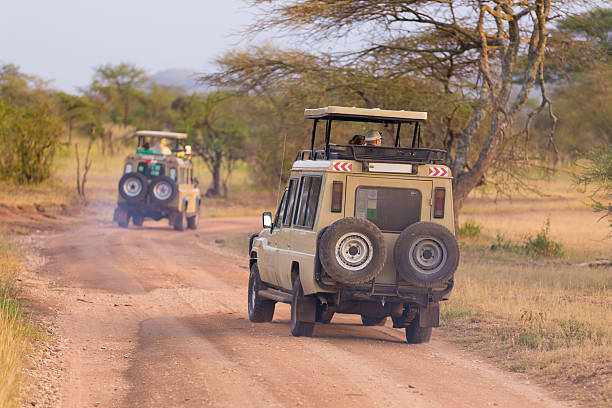
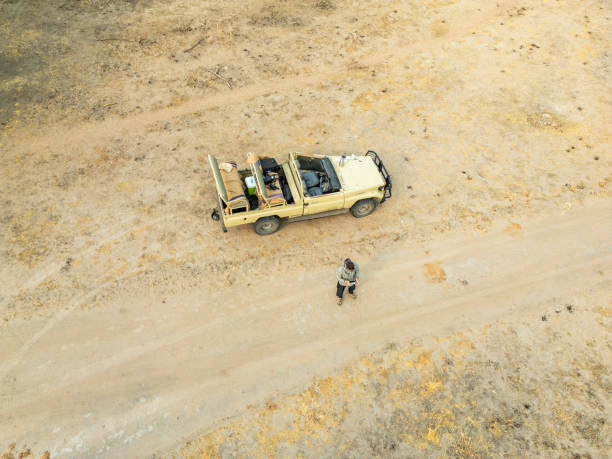
Kondoa Safari: Flight or Drive? Your Ultimate Planning Guide
Deciding on the best way to reach Kondoa for your Tanzania safari is a crucial first step in planning an unforgettable adventure. While many associate Tanzania safaris with the Northern Circuit’s famous parks like the Serengeti and Ngorongoro, the Kondoa Rock-Art Sites offer a unique cultural and historical dimension, often combined with wildlife viewing in surrounding areas. Travelers frequently ponder whether a Kondoa safari flight or drive is the more suitable option. This guide breaks down both approaches, providing you with the detailed insights needed to make an informed decision for your 2026-2027 journey.
Best Tanzania tour operator understands that every traveler has different priorities – whether it’s maximizing time in the bush, seeking a more immersive overland experience, or managing a specific budget. We’ll explore the advantages and disadvantages of flying versus driving to Kondoa, look at typical routes, consider the best times to travel, and offer practical advice to ensure your trip is as smooth and rewarding as possible.
Quick Answer: Kondoa Safari Travel Options
For a Kondoa safari, the primary decision is between flying into a nearby airstrip and then transferring by road, or undertaking a full road journey from major hubs like Arusha or Dar es Salaam. Driving offers more flexibility and a chance to see the Tanzanian landscape but takes longer. Flying is faster but more expensive and less flexible.
Here’s a quick look:
- Driving: More affordable, allows for scenic stops, more flexibility for spontaneous detours, requires significant travel time (6-10+ hours depending on origin and road conditions).
- Flying: Faster, saves travel time, often involves a flight to an airstrip near Kondoa (e.g., Manyara or Arusha) followed by a road transfer, more expensive, less flexible with flight schedules.
Table of Contents
- Kondoa Rock-Art Sites: An Overview
- Why Choose Kondoa for Your Safari?
- Kondoa Safari: Flight or Drive? Detailed Comparison
- Driving to Kondoa: Routes, Times, and Considerations
- Flying to Kondoa: A Faster Alternative
- Best Time to Visit Kondoa
- Sample Itinerary: Kondoa Safari Experience
- What to Expect on a Kondoa Safari
- Packing and Preparation for Kondoa
- Common Mistakes to Avoid
- Who is a Kondoa Safari Best Suited For?
- Alternatives to Kondoa
- Planning Your 2026-2027 Kondoa Safari
- Booking Your Kondoa Safari
- Frequently Asked Questions (FAQs)
Kondoa Rock-Art Sites: An Overview
The Kondoa Rock-Art Sites, a UNESCO World Heritage site, are renowned for their extensive collection of ancient rock paintings. These sites provide a unique window into the lives of early human inhabitants of the region, depicting scenes of hunting, rituals, and daily life dating back thousands of years. While not a traditional Big Five safari destination in the same vein as the Serengeti, Kondoa offers a profound cultural experience, often integrated with visits to nearby wildlife areas or as a stop on a longer overland journey through Tanzania.
The area is characterized by its rugged landscapes, dotted with hills and kopjes that house the rock shelters. The paintings themselves are remarkably well-preserved in many locations, offering a tangible connection to the past. Understanding the significance of these sites is key to appreciating why travelers seek out a Kondoa safari flight or drive.
Why Choose Kondoa for Your Safari?
Kondoa offers a distinct experience that complements the classic wildlife-focused safari:
- Rich Cultural Heritage: The rock art provides unparalleled insights into human history and prehistoric art.
- Off-the-Beaten-Path: It offers a less crowded experience compared to the main Northern Circuit parks, allowing for a more personal connection with the environment and culture.
- Unique Landscape: The topography is different from the open plains, featuring more hills and rock formations, which can be visually striking.
- Integration with Wildlife: While not a primary game-viewing area, Kondoa is situated within reach of other parks and conservation areas, allowing for a blend of culture and wildlife.
- Authentic Local Interaction: Visiting Kondoa provides opportunities to engage with local communities and understand their traditions.
Kondoa Safari: Flight or Drive? Detailed Comparison
The choice between a Kondoa safari flight or drive hinges on your travel style, time constraints, and budget. Both methods have their merits, and the ‘best’ option depends entirely on your personal travel preferences.
| Feature | Driving | Flying (to nearest airstrip + transfer) |
|---|---|---|
| Travel Time | Long (6-10+ hours from Arusha/Dar) | Shorter (approx. 1-2 hour flight + 1-3 hour transfer) |
| Cost | Generally more affordable | Significantly more expensive |
| Flexibility | High; can stop anywhere, adjust route | Low; tied to flight schedules, fixed routes |
| Scenery & Experience | Immersive; see changing landscapes, local life | Limited; focus on destination, not journey |
| Comfort | Depends on vehicle and road conditions; can be bumpy | Generally more comfortable during flight, transfer can vary |
| Luggage | More generous allowances | Stricter weight and size limits on small aircraft |
| Accessibility | Direct access to Kondoa town and surrounding areas | Requires onward road transfer from airstrip |
Driving to Kondoa: Routes, Times, and Considerations
Driving to Kondoa is the more traditional and often more budget-friendly way to reach the region. The journey itself can be an adventure, offering glimpses into rural Tanzanian life.
Main Driving Routes:
- From Arusha: This is the most common starting point for many Northern Circuit safaris. The route typically goes via Babati. The distance is approximately 250-300 km, and driving time can range from 6 to 10 hours, heavily dependent on road conditions and traffic. The roads can be paved for a significant portion, but the final stretches might be unpaved and rough, especially during the rainy season.
- From Dar es Salaam: This is a much longer journey, often requiring an overnight stop. The route is typically via Morogoro and Dodoma. The distance is over 600 km, and driving time can exceed 10-12 hours, making it impractical as a single-day drive for most travelers.
Considerations for Driving:
- Vehicle Choice: A sturdy 4×4 vehicle is highly recommended, especially for accessing the rock-art sites themselves and for navigating potentially rough roads.
- Road Conditions: While major routes are improving, expect variable road conditions. The rainy seasons (March-May and November) can make some roads challenging.
- Travel Time: Factor in ample time. It’s often best to break up long drives, especially from Dar es Salaam.
- Driver/Guide: Hiring an experienced local driver-guide is essential. They know the routes, can handle vehicle issues, and provide insights into the areas you pass through.
- Stops: Plan for stops in towns like Babati or Dodoma for meals and breaks.
Example Route Illustration (Driving from Arusha):
| Start: Arusha | (Approx. 2-3 hours) | Via A104 Highway towards Babati |
| Mid-point: Babati | (Approx. 3-5 hours) | Continue on secondary roads towards Kondoa |
| Destination: Kondoa | (Final 1-2 hours) | Access to town and local sites |
Flying to Kondoa: A Faster Alternative
For travelers with limited time or those who prefer to avoid long road journeys, flying offers a quicker route to the Kondoa region. However, there isn’t a major airport directly in Kondoa. Instead, you would fly to a regional airport and then arrange a road transfer.
Nearest Airstrips and Airports:
- Arusha Airport (ARK): This is the most common starting point for domestic flights in Northern Tanzania. You can fly from Arusha to various airstrips, but direct flights to an airstrip very close to Kondoa are rare.
- Kilimanjaro International Airport (JRO): The main international gateway. Flights from JRO to Arusha are frequent, or you might find charter options.
- Mwanza Airport (MWZ): Less common for Kondoa access, but an option if your itinerary starts in Western Tanzania.
Typical Flying Itinerary:
- Fly to Arusha (ARK): From Kilimanjaro (JRO) or other major Tanzanian cities.
- Charter Flight (less common): Chartering a small aircraft directly to an airstrip near Kondoa is an option but is very expensive.
- Fly to a Regional Airstrip (e.g., Manyara Airstrip – LKY): Some scheduled or charter flights might go to airstrips like Manyara, which is still a significant drive (around 2-3 hours) from Kondoa.
- Road Transfer: The most common scenario involves flying into Arusha and then arranging a 4×4 vehicle for the road transfer to Kondoa. This effectively combines a shorter road journey with the speed of air travel.
Considerations for Flying:
- Cost: This is the biggest factor. Charter flights or even scheduled small aircraft flights are considerably more expensive than driving.
- Luggage Restrictions: Small aircraft have strict weight and size limits for luggage. Pack light and efficiently.
- Transfer Time: Even after flying, you’ll likely have a road transfer of 1-3 hours from the nearest airstrip to Kondoa.
- Logistics: You need to coordinate flight schedules with your safari operator and ensure a reliable transfer is waiting for you.
Best Time to Visit Kondoa
The best time to visit Kondoa depends on your priorities, balancing weather, wildlife viewing potential (if combined with other areas), and the condition of the rock art sites.
| Period | Weather | Rock Art Access | Wildlife Viewing (if combined) | Crowds |
|---|---|---|---|---|
| June – October (Dry Season) | Cool, dry, sunny days. Pleasant temperatures. | Excellent; roads are good, sites accessible. | Good to Excellent (in nearby parks like Tarangire, Lake Manyara). | Moderate to High (peak tourist season). |
| November – December (Short Rains) | Sporadic showers, warmer temperatures. | Good, but occasional rain can affect access. | Good; landscapes begin to green. | Moderate. |
| January – February (Hot/Dry) | Hot and dry, potential for humidity. | Excellent; dry conditions. | Good; calving season in Serengeti. | Moderate. |
| March – May (Long Rains) | Heavy, prolonged rainfall. Humid. | Challenging; roads can become difficult, some sites may be less accessible. | Poor to Moderate; vegetation is thick, making spotting harder. | Low (off-peak season). |
For the Kondoa Rock-Art Sites themselves, the dry seasons (June-October and January-February) are ideal for comfortable travel and good access. If you are combining Kondoa with a traditional safari in the Northern Circuit parks, the dry season is also generally preferred for wildlife viewing.
Sample Itinerary: Kondoa Safari Experience (5 Days)
This sample itinerary assumes you are starting from Arusha and includes both driving and cultural exploration. It can be adapted based on whether you choose a Kondoa safari flight or drive for the initial leg.
| Day | Morning | Afternoon | Evening |
|---|---|---|---|
| Day 1: Arusha to Kondoa | Depart Arusha by 4×4 safari vehicle. Drive south towards Babati. | Continue drive to Kondoa. Check into your lodge/camp. Briefing on the upcoming days. | Dinner and overnight near Kondoa. |
| Day 2: Kondoa Rock Art Exploration | Visit key rock art sites like Kolo. Guided tour with a local expert explaining the paintings’ significance. | Explore more rock art shelters. Visit a local village to understand the cultural context and traditions. | Dinner and overnight near Kondoa. |
| Day 3: Wildlife Viewing (Nearby Area) | Drive to a nearby wildlife area such as Tarangire National Park or a conservancy. | Full-day game drive. Look for elephants, lions, giraffes, and diverse birdlife. | Return to lodge/camp near Kondoa or in the park. |
| Day 4: Cultural Immersion & Scenic Drive | Morning visit to a local market or craft center in Kondoa town. | Begin the scenic drive back towards Arusha, with stops at viewpoints or local communities. | Overnight at a lodge/camp en route or back in Arusha. |
| Day 5: Departure | Enjoy a leisurely breakfast. | Transfer to Arusha Airport for your onward flight or to your hotel. | End of services. |
Note: This itinerary prioritizes driving for the entire duration. If you opt for a Kondoa safari flight to Arusha and then a road transfer, Day 1 would be adjusted accordingly.
What to Expect on a Kondoa Safari
A safari experience centered around Kondoa is different from a typical Big Five chase. Here’s what to anticipate:
- Cultural Depth: The primary draw is the rich history and art. Expect guided walks and discussions focused on the rock paintings and local heritage.
- Landscape: The terrain is varied, with hills, valleys, and acacia woodlands. It’s visually distinct from the flat savannas of other parks.
- Wildlife: While not teeming with large herds, the surrounding areas can offer opportunities to see wildlife. You might encounter antelopes, various bird species, and smaller mammals. For significant game viewing, you’ll need to combine Kondoa with nearby parks.
- Accommodation: Lodging options near Kondoa can range from basic guesthouses and bandas to more comfortable safari lodges, depending on your budget and preference.
- Pace: A Kondoa safari often moves at a slower pace, allowing for deeper engagement with the culture and environment.
- Road Conditions: Be prepared for potentially dusty and bumpy roads, especially when accessing remote rock art sites.
Packing and Preparation for Kondoa
Packing for a Kondoa safari requires a balance between comfort for travel, readiness for cultural visits, and preparedness for varied conditions.
| Category | Items |
|---|---|
| Clothing | Lightweight, neutral-colored long-sleeved shirts and trousers (for sun and insect protection, and cultural respect). Comfortable walking shoes/hiking boots. Sandals for camp/lodge. A light fleece or jacket for cooler evenings. A hat with a wide brim. Swimsuit (if accommodation has a pool). |
| Gear | Binoculars. Camera with extra batteries and memory cards. Power bank or solar charger. Headlamp or flashlight. Reusable water bottle. Small backpack for day trips. |
| Health & Hygiene | Personal first-aid kit (band-aids, antiseptic wipes, pain relievers, motion sickness medication). Insect repellent (DEET recommended). Sunscreen (high SPF). Hand sanitizer. Personal toiletries. Prescription medications. |
| Documents & Money | Passport (with at least 6 months validity). Visa (if required). Yellow fever certificate (if required). Flight tickets and confirmations. Travel insurance details. Copies of important documents. Cash (USD for tips/small purchases, Tanzanian Shillings for local markets). Credit/debit cards. |
| Cultural Sensitivity | Modest clothing for village visits (cover shoulders and knees). A light scarf or wrap can be useful. |
Preparation:
- Book in Advance: Especially for 2026-2027, secure your preferred accommodation and safari operator early.
- Consult Your Doctor: Discuss necessary vaccinations and malaria precautions.
- Learn Basic Swahili Phrases: A few greetings can go a long way in fostering positive interactions.
- Understand Local Customs: Be respectful of local traditions and dress codes.
Common Mistakes to Avoid
Planning a safari involves many details. Here are common pitfalls to sidestep when organizing a trip to Kondoa:
- Underestimating Travel Times: Whether flying or driving, always add buffer time for transfers and potential delays. Don’t overschedule your arrival or departure days.
- Not Considering Road Conditions: Assuming all roads are paved and smooth is a mistake. A robust 4×4 and an experienced driver are crucial for overland travel, especially to remote sites.
- Focusing Solely on Wildlife: Kondoa’s main draw is its cultural and historical significance. If your sole aim is Big Five spotting, other destinations might be more suitable or need to be added.
- Packing Inappropriately: Forgetting insect repellent, sunscreen, or not packing modest clothing for cultural visits can detract from your experience.
- Ignoring Luggage Limits for Flights: If opting for a flight component, be acutely aware of the strict weight and size restrictions on small bush planes.
- Not Booking with a Reputable Operator: Especially for unique destinations like Kondoa, a reliable tour operator ensures smooth logistics, knowledgeable guides, and safe transport.
- Not Budgeting for Extras: Factor in costs for tips, souvenirs, drinks, and potential park fees if visiting nearby reserves.
Who is a Kondoa Safari Best Suited For?
A Kondoa safari appeals to a specific type of traveler:
- History Enthusiasts: Those fascinated by archaeology, ancient art, and human origins will find Kondoa incredibly rewarding.
- Cultural Explorers: Travelers seeking authentic interactions with local communities and an understanding of traditional life.
- Off-the-Beaten-Path Adventurers: People who enjoy exploring less-touristed destinations and appreciate a slower, more immersive travel experience.
- Photographers: The unique landscapes and the art itself offer exceptional photographic opportunities.
- Travelers Combining Interests: Those who want to blend cultural exploration with wildlife viewing by incorporating Kondoa into a broader Tanzania itinerary.
- Budget-Conscious Travelers (driving): When undertaken by road, Kondoa can be a more affordable cultural component of a Tanzanian trip.
It is less suited for travelers whose primary and sole objective is to see the ‘Big Five’ in abundance, as Kondoa itself is not a major game park. However, it’s an excellent addition to a safari that includes parks like Tarangire or Lake Manyara.
Alternatives to Kondoa
If Kondoa doesn’t quite fit your travel plans, or if you’re looking to supplement your itinerary, consider these alternatives or additions:
- Cultural Tourism Programs (e.g., Maasai Bomas): Many safari itineraries include visits to Maasai villages for cultural insights, offering a different but accessible cultural experience.
- Olduvai Gorge: Located in the Ngorongoro Conservation Area, Olduvai Gorge is another significant paleoanthropological site, often visited as part of a Northern Circuit safari.
- National Parks with Cultural Elements: Some parks, like Lake Manyara National Park, offer opportunities for cultural interaction alongside wildlife viewing.
- Further North: For more traditional wildlife safaris, focus on Serengeti National Park, Ngorongoro Crater, Tarangire National Park, and Lake Manyara National Park.
Kondoa’s unique appeal lies in its specific concentration of ancient rock art, making it distinct from other cultural or historical sites in Tanzania.
Planning Your 2026-2027 Kondoa Safari
Planning ahead is key for a successful safari, especially when looking towards 2026 and 2027. Here’s how to approach your Kondoa trip:
1. Define Your Priorities:
- Is Kondoa the main focus, or an add-on?
- What is your budget for travel (Kondoa safari flight or drive)?
- What is your desired pace of travel?
- Are you interested in combining it with wildlife viewing?
2. Choose Your Travel Style:
- Overland Adventure: Opt for a Kondoa safari drive for a more immersive, budget-friendly experience.
- Time-Saving Approach: Consider flying into Arusha and arranging a road transfer, or exploring charter flight options if budget allows.
3. Select Your Operator:
- Research reputable tour operators specializing in Tanzania. Look for those with experience in cultural tourism and off-the-beaten-path destinations.
- For 2026-2027 travel, booking 6-12 months in advance is advisable, especially for peak seasons.
4. Craft Your Itinerary:
- Work with your operator to build an itinerary that balances your interests. A typical Kondoa visit might be 2-3 days, often combined with 3-5 days in nearby wildlife parks.
- Ensure your itinerary accounts for travel days and potential delays.
5. Book Flights and Accommodation:
- If flying internationally, book your main flights well in advance.
- Accommodation near Kondoa can be limited, so early booking is essential.
6. Prepare for the Trip:
- Review packing lists, health recommendations, and visa requirements.
- Confirm all arrangements with your tour operator closer to your departure date.
Key Considerations for 2026-2027 Travel
- Visa Requirements: Check the latest Tanzanian visa regulations for your nationality well in advance.
- Vaccinations: Consult your doctor or a travel clinic 4-6 weeks before your trip regarding recommended vaccinations and malaria prophylaxis.
- Travel Insurance: Ensure you have comprehensive travel insurance covering medical emergencies, trip cancellations, and lost luggage.
- Currency: While USD is widely accepted for tourism services, having Tanzanian Shillings for local markets and tips is useful. ATMs are available in major towns.
- Connectivity: Mobile phone reception can be spotty outside of main towns. Consider a local SIM card or inform your operator of your plans.
Booking Your Kondoa Safari
Choosing the right tour operator is paramount for a successful Kondoa safari flight or drive experience. Best Tanzania tour operator is here to help you craft the perfect Tanzanian adventure.
When booking with us or any operator, consider the following:
- Customization: We specialize in creating tailor-made itineraries. Let us know your interests, budget, and preferred travel style, and we’ll design a trip that fits.
- Expertise: Our team has in-depth knowledge of Tanzania, including the unique cultural and historical significance of Kondoa.
- Logistics: We handle all the details, from arranging suitable 4×4 vehicles and experienced drivers for your drive, to coordinating any necessary flight bookings and transfers.
- Accommodation: We partner with a range of accommodations to suit different budgets and comfort levels, ensuring a pleasant stay near Kondoa and other safari destinations.
- Safety and Support: Your safety is our priority. We provide 24/7 support throughout your trip.
To start planning your 2026-2027 Kondoa safari, contact us:
WhatsApp: +255616946642
Email: topguideadventures@gmail.com
Backup Email: info@topguideadventures.com
We recommend getting in touch at least 6-12 months in advance to secure the best options and ensure a seamless planning process.
Frequently Asked Questions (FAQs)
Can I visit Kondoa as a day trip?
It’s highly unlikely to visit Kondoa as a day trip from major hubs like Arusha due to the significant travel time involved (6-10+ hours round trip). A visit to Kondoa typically requires at least one overnight stay to properly explore the rock art sites and surrounding areas. If you are already in a nearby town, a longer day trip might be conceivable, but it would be rushed.
What is the best way to get from Arusha to Kondoa?
The most common and practical way to get from Arusha to Kondoa is by driving in a 4×4 safari vehicle. This journey takes approximately 6-10 hours, depending on road conditions. While flying to a nearby airstrip is an option, it’s significantly more expensive and still requires a road transfer, making the direct drive often the preferred method for most travelers.
Are the Kondoa Rock-Art Sites suitable for children?
Yes, children can visit the Kondoa Rock-Art Sites, provided they are old enough to appreciate the cultural and historical significance. The sites involve some walking and exploring, so it’s best suited for children who can manage this. Parents should ensure children are supervised and respect the delicate nature of the rock art.
What kind of wildlife can I see near Kondoa?
Kondoa itself is not a primary wildlife viewing destination like the Serengeti or Ngorongoro. However, the surrounding areas and nearby parks such as Tarangire National Park or Lake Manyara National Park (which can be combined with a Kondoa visit) offer excellent opportunities to see elephants, lions, giraffes, zebras, wildebeest, and a variety of bird species.
How much does a Kondoa safari cost?
The cost of a Kondoa safari varies greatly depending on whether you choose a Kondoa safari flight or drive, the duration of your trip, accommodation choices, and whether it’s part of a larger itinerary. Driving is generally more budget-friendly than flying. A typical 3-day Kondoa-focused trip, including transport, accommodation, guide, and park fees (if applicable), could range significantly. It’s best to get a personalized quote from a tour operator.
Is Kondoa safe for tourists?
Yes, Kondoa is generally safe for tourists, especially when traveling with a reputable tour operator and guide. Standard travel precautions apply, such as being aware of your surroundings and securing valuables. The main risks are related to road travel and health (like malaria), which are managed by experienced guides and proper preparation.
What is the best time of year for a 2026-2027 Kondoa safari?
The dry seasons, from June to October and January to February, are generally considered the best times to visit Kondoa. During these periods, the weather is pleasant, roads are in good condition, and access to the rock art sites is optimal. If you plan to combine Kondoa with wildlife parks, these dry periods are also excellent for game viewing.
Do I need a special permit to visit the Kondoa Rock-Art Sites?
Access to the Kondoa Rock-Art Sites typically involves a fee, which contributes to their preservation and local community development. Your tour operator will arrange for the necessary permits and entry fees as part of your safari package.
What should I pack for Kondoa?
Pack light, comfortable clothing in neutral colors, sturdy walking shoes, sun protection (hat, sunscreen), insect repellent, a camera, binoculars, and any personal medications. For cultural visits, modest clothing that covers shoulders and knees is recommended. A light jacket or fleece is useful for cooler mornings and evenings.
Can I arrange a Kondoa safari independently?
While it’s possible to arrange parts of your trip independently, we strongly advise against it for a comprehensive Kondoa experience. A reputable tour operator will handle complex logistics like vehicle hire, driver-guides, accommodation bookings, and navigating access to the art sites. This ensures a smoother, safer, and more enriching trip, especially when considering the nuances of a Kondoa safari flight or drive.
Ready to Plan Your Kondoa Adventure?
Whether you envision a journey across the Tanzanian plains by road or a quicker flight to begin your exploration, Best Tanzania tour operator is equipped to make your Kondoa safari a reality. We pride ourselves on crafting unique travel experiences that blend cultural discovery with the thrill of the African landscape.
Let us help you decide between a Kondoa safari flight or drive and build an itinerary that perfectly matches your interests for 2026 or 2027. Contact our expert team today to start planning your unforgettable trip.
Get in touch:
WhatsApp: +255616946642
Email: topguideadventures@gmail.com
Backup Email: info@topguideadventures.com
Plan your Kondoa safari flight or drive with Top Guide Adventures
Tell us your travel dates, group size, comfort level, and dream experience. We will help you shape a clear, realistic, and memorable Tanzania itinerary.







 Veedesigner
 Fatma Kizanga
 Benjamin Waryuba
 Philip Philip
 John jr Itaja
 Antonia Optatus
 Edith Kanyere
 Neema Iddy
 Kelvin Boniphace
 Damari Maiga



