
Updated planning guide for 2026-2027
Cultural Etiquette For Travelers In Tanzania: Complete Guide 2026-2027
Navigate Tanzania with confidence by understanding its rich cultural etiquette. This comprehensive guide covers greetings, dress codes, social customs, and respectful interaction for an enriching 2026-2027 journey.
WhatsApp +255616946642 | topguideadventures@gmail.com | info@topguideadventures.com
Understanding Cultural Etiquette for Travelers in Tanzania
Tanzania, a land of breathtaking landscapes, diverse wildlife, and vibrant cultures, offers an unforgettable travel experience. From the vast plains of the Serengeti to the spice-scented air of Zanzibar, its beauty is matched by the warmth and richness of its people. To truly appreciate and connect with this East African gem, understanding and respecting local customs is paramount. This guide provides essential insights into cultural etiquette for travelers in Tanzania, ensuring your 2026-2027 journey is not only adventurous but also respectful and deeply rewarding.
Many visitors arrive with dreams of spotting the Big Five on safari or conquering Mount Kilimanjaro, but the human element of Tanzania is just as significant. Interacting with locals, understanding their way of life, and showing consideration for their traditions can significantly enhance your trip. This comprehensive guide aims to prepare you for these interactions, covering everything from basic greetings to more nuanced social protocols.
Quick Facts: Tanzania at a Glance
| Aspect | Details |
|---|---|
| Official Language | Swahili (Kiswahili); English widely spoken in business and tourism. |
| Major Religions | Islam (especially coastal areas and Zanzibar), Christianity, Indigenous beliefs. |
| Currency | Tanzanian Shilling (TZS). USD widely accepted for tourist services. |
| Greetings | Polite greetings are important. Use Swahili phrases if possible. |
| Dress Code | Modest dress is generally recommended, especially outside tourist resorts. |
| Photography | Always ask permission before photographing people. |
| Tipping | Customary for good service, especially for guides and lodge staff. |
| Punctuality | Can be more relaxed; known as ‘African time’ in social contexts. |
Why Understanding Tanzanian Cultural Etiquette Matters
Tanzania is a mosaic of over 120 ethnic groups, each with unique traditions. However, a common thread of hospitality and politeness weaves through the nation. For travelers, showing awareness of these customs demonstrates respect and opens doors to more authentic experiences. It helps build rapport with local guides, lodge staff, and people you encounter in villages or markets. Misunderstandings can arise from cultural differences, but with a little knowledge, you can navigate them gracefully.
Respecting local norms isn’t just about avoiding offense; it’s about enriching your own journey. When you engage respectfully, you’re more likely to receive genuine warmth and hospitality, leading to memorable interactions that go beyond typical tourist experiences. For your 2026-2027 travels, this foundational knowledge will be invaluable.
Key Areas of Cultural Etiquette
We’ll explore specific aspects of Tanzanian culture that travelers should be mindful of:
- Greetings and Social Interactions
- Dress Code and Appearance
- Photography Etiquette
- Dining and Hospitality
- Gift Giving and Tipping
- Respecting Religious and Traditional Practices
- Communication Styles
- Behavior in Public and Private Spaces
Greetings and Social Interactions
Greetings are a cornerstone of Tanzanian social life. A warm “Jambo!” (Hello!) or “Habari?” (How are you?) is always appreciated. When meeting someone for the first time, or in a more formal setting, a handshake is common. Men typically shake hands with men, and women with women. If a woman offers her hand, it is polite to accept. If she doesn’t, a nod and a smile are sufficient. Always wait for the other person to initiate the handshake.
It’s customary to inquire about family and well-being before getting straight to business. This shows genuine interest and builds rapport. For example, after “Habari?”, you might hear “Nzuri” (Good). You can then respond with “Nzuri pia” (Good too) or ask about their family: “Habari za familia?” (How is the family?).
Key Phrases to Know:
- Jambo: Hello (common tourist greeting)
- Habari: News? (Used as “How are you?”)
- Nzuri: Good (common response)
- Asante: Thank you
- Asante sana: Thank you very much
- Karibu: Welcome / You’re welcome
- Pole: Sorry (used for sympathy or mild apology)
- Samahani: Excuse me / Pardon me (for getting attention or a more serious apology)
When addressing elders or individuals in positions of authority, use respectful titles. If unsure, using their title (e.g., ‘Mheshimiwa’ for an honorable person, or simply ‘Bwana’ for Mr. and ‘Bi.’ for Mrs./Ms.) followed by their name is appropriate. However, in many tourist contexts, your guide will facilitate introductions, and it’s often acceptable to use first names once introduced.
Dress Code and Appearance
Tanzania is a predominantly conservative society. While tourist resorts often have a relaxed dress code, it’s essential to dress modestly when visiting villages, towns, markets, religious sites, and even in some lodges’ public areas. This means covering shoulders and knees.
For Women:
- Avoid very short shorts, miniskirts, low-cut tops, or revealing clothing.
- Loose-fitting trousers, long skirts, and shirts or blouses that cover your shoulders are ideal.
- A light scarf can be useful for covering up when needed.
For Men:
- Avoid sleeveless shirts or vests when not at a beach resort or swimming pool.
- Long trousers or smart shorts are generally acceptable.
- T-shirts and collared shirts are fine.
Zanzibar Specifics: Zanzibar is more conservative due to its strong Muslim heritage. It is particularly important to dress modestly when outside of private beach areas or resorts. Covering shoulders and knees is strongly advised in Stone Town and villages.
During safaris, comfortable and neutral-colored clothing is practical for wildlife viewing. However, if you plan to visit local communities or towns during your safari, pack a few more modest items.
Photography Etiquette
Tanzanians are generally friendly and approachable, but it’s crucial to ask permission before taking photographs of people, especially children. A smile and a gesture asking if you can take a photo often suffice. Some people may decline, and their wishes must be respected without argument. Be aware that some may ask for a small fee for a photo, particularly in tourist areas; decide if you are comfortable with this before proceeding.
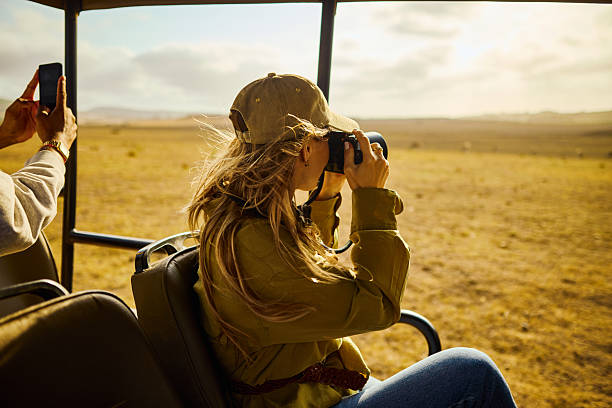
When photographing wildlife on safari, follow your guide’s instructions. Generally, you can photograph animals freely, but avoid using flash if it might disturb them. Be mindful of your guide’s vehicle and other photographers; maintain a respectful distance.
Avoid photographing government buildings, military installations, police officers, or airports, as this can lead to serious trouble.
Dining and Hospitality
Tanzanian hospitality is legendary. If you are invited into someone’s home, it is a great honor. Always accept food or drink if offered, even if it’s just a small amount. Refusing can be seen as impolite. Wash your hands before eating if a basin is provided, and eat with your right hand, as the left hand is traditionally considered unclean.
Meals are often communal. Wait to be told where to sit and when to begin eating. It’s polite to try a little bit of everything offered.
Tipping Culture:
While not always mandatory, tipping is a common way to show appreciation for good service. This applies to safari guides, lodge staff, porters, and drivers. Your tour operator will usually provide guidelines on tipping, often suggesting amounts per day for guides and per person for other staff. It’s best to tip at the end of your safari or stay. Small denominations of USD are often preferred for tipping.
Cost Considerations for 2026-2027 Travel: While exact prices fluctuate, budgeting for tips is an essential part of planning your 2026-2027 Tanzanian adventure. Your tour operator can provide current recommendations.
Gift Giving and Showing Appreciation
Gift-giving is not a primary expectation, but small tokens of appreciation can be well-received, especially if you visit a local home or school. Avoid giving money directly to children, as this can encourage begging. Instead, consider giving practical items like school supplies (pens, notebooks) or small toys to a school or community leader to distribute.
For your safari guides or lodge staff, a tip is more appropriate than a gift, as discussed above. If you wish to give a gift to your guide, something practical for their work or personal use (e.g., a good quality flashlight, warm socks, or a useful tool) might be appreciated, but this is entirely optional and should not be expected.
Respecting Religious and Traditional Practices
Tanzania is a secular nation, but religion plays a significant role in daily life. Islam is prevalent, especially in Zanzibar and coastal areas, while Christianity is strong inland. Be mindful of prayer times and mosque etiquette. When visiting mosques, dress very modestly (shoulders and knees covered, and women may need to cover their hair). Remove your shoes before entering.
On Fridays, the holy day for Muslims, some businesses may have reduced hours. Be patient and understanding.
Respect traditional ceremonies or rituals you might witness. Observe from a distance unless invited to participate. Never interrupt or disrupt religious services or ceremonies.
Communication Styles
Tanzanians are generally polite and indirect in their communication. Direct confrontation or criticism is often avoided. If something is not possible, they might say “It’s difficult” rather than a flat “No.” Understanding this indirectness is key to avoiding misunderstandings.
Patience is valued. Things may not always happen at the speed you are accustomed to. Embrace the concept of ‘African time’ in social settings and try not to become frustrated by delays.
When discussing sensitive topics, such as politics or local customs, do so with respect and an open mind. Listen more than you speak, and avoid making judgments.
Behavior in Public and Private Spaces
Public displays of affection are generally frowned upon. Keep your interactions with your travel companions discreet.
When visiting homes, always remove your shoes if others have done so. Wait to be invited to sit down. Never enter someone’s home uninvited.
Haggling is common in markets, but do so politely and with a smile. Decide on a price you are willing to pay before you start negotiating. If a price is fixed, respect that.
Cultural Etiquette for Specific Tanzanian Experiences
Let’s look at how etiquette applies to popular travel activities:
Safari Etiquette
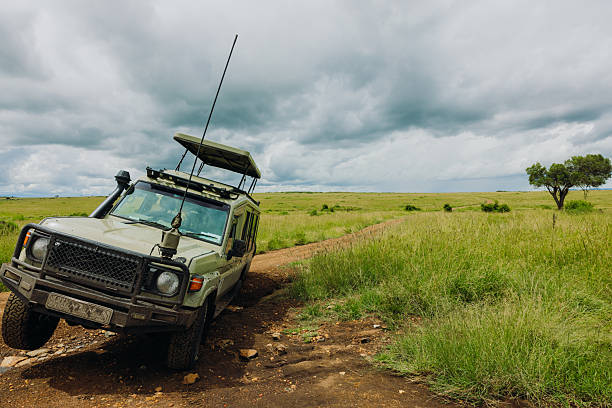
Beyond photography, safari etiquette is about respecting the wildlife and the environment. Always stay in your vehicle unless instructed otherwise by your guide. Do not feed the animals. Keep noise levels down to avoid disturbing the wildlife. Listen to your guide; they are experts in animal behavior and safety.
Kilimanjaro Trekking Etiquette
On Kilimanjaro, respect for your guides, porters, and fellow trekkers is paramount. Listen carefully to instructions from your guide. Be patient with slower members of your group. Show appreciation for the hard work of the porters; they carry your gear and set up camp. Avoid littering; pack out everything you pack in. Using Swahili greetings and thank yous will be highly appreciated.
Zanzibar and Coastal Etiquette
As mentioned, Zanzibar is more conservative. Dress modestly when exploring Stone Town or villages. In beach resorts, swimwear is acceptable, but cover up when walking to restaurants or bars. Be mindful of local customs during Ramadan; avoid eating, drinking, or smoking in public during fasting hours if you are not Muslim. Respect the calls to prayer, which can be heard throughout the day.
Common Mistakes to Avoid
Travelers often make unintentional faux pas. Here are some to steer clear of:
- Dress Code Violations: Wearing overly revealing clothing in public areas, especially in Zanzibar or villages.
- Photography Without Permission: Taking photos of people without asking first.
- Impatience: Becoming frustrated with perceived delays or slower service (‘African time’).
- Left-Hand Use: Using the left hand for eating or handing items, especially in more traditional settings.
- Direct Criticism: Being overly blunt or critical in communication.
- Ignoring Guides: Disregarding instructions from safari guides or trekking leaders.
- Littering: Leaving trash behind, particularly in natural areas.
- Public Displays of Affection: Excessive PDA.
Who is This Guide For?
This guide is for anyone planning a trip to Tanzania, whether for a wildlife safari, a Mount Kilimanjaro climb, a relaxing holiday in Zanzibar, or a combination of experiences. It’s particularly useful for first-time visitors to East Africa who want to ensure their interactions are respectful and enriching. Travelers seeking authentic cultural connections will find these insights invaluable for their 2026-2027 adventures.
Alternatives to Consider for Cultural Immersion
While this guide focuses on general etiquette, consider these for deeper cultural immersion:
- Homestays: Arranging a homestay offers direct interaction with local families.
- Cultural Tours: Many operators offer tours specifically designed to visit local communities and learn about their way of life.
- Language Classes: Learning a few basic Swahili phrases before or during your trip can greatly enhance interactions.
- Volunteering: For longer stays, ethical volunteering can provide profound cultural exchange.
Planning Your 2026-2027 Tanzania Trip with Cultural Awareness
When planning your 2026-2027 trip, integrate cultural considerations from the outset. Choose tour operators who prioritize responsible tourism and cultural sensitivity. Discuss your interest in learning about local customs with your travel agent or guide.
Best Time to Travel:
Tanzania has distinct seasons. The dry seasons (June to October and December to February) are popular for safaris and trekking. The shoulder seasons can offer fewer crowds and potentially lower prices for 2026-2027 bookings. Consider that during Ramadan, travel to Zanzibar might require extra sensitivity regarding local customs.
Itinerary Planning:
If your itinerary includes visiting local villages or communities, ensure there is adequate time for respectful interaction. Avoid rushing these experiences. A balanced itinerary might combine wildlife viewing with cultural visits.
Sample Tanzania Itinerary Snippet (Cultural Focus)
| Day | Location | Activity | Cultural Notes |
|---|---|---|---|
| 1-3 | Serengeti National Park | Game drives, wildlife viewing. | Respect guides, wildlife. |
| 4 | Near Ngorongoro Conservation Area | Visit Maasai Boma (cultural village). | Ask permission for photos, buy crafts respectfully, learn about their lifestyle. Dress modestly. |
| 5-7 | Arusha / Moshi | Visit local market, coffee plantation tour, meet community project. | Engage with vendors politely, ask before photographing workers. Be mindful of local dress. |
| 8-10 | Zanzibar (Stone Town & Beaches) | Explore Stone Town, visit spice farm, relax on beach. | Dress modestly in Stone Town. Be aware of prayer times. Avoid public eating/drinking during Ramadan. Respect local customs. |
Packing Essentials with Cultural Etiquette in Mind
| Item | Why Essential | Cultural Consideration |
|---|---|---|
| Long Skirts/Trousers | Comfortable for travel, village visits. | Covers knees, essential for modesty in many areas. |
| Shoulder-Covering Tops | Versatile for day and evening. | Avoids revealing shoulders, important for modesty. |
| Light Scarf/Pashmina | Sun protection, warmth. | Can be used to cover head when visiting mosques or for extra modesty. |
| Comfortable Walking Shoes | For markets, towns, light treks. | Essential for exploring on foot. |
| Swimwear | For beach resorts/pools. | Use only in appropriate private areas; cover up when moving around. |
| Small Notebook & Pen | For notes, journaling. | Can be a small, useful gift for children if visiting schools. |
| Small USD Bills | Tipping, small purchases. | Useful for tips and in areas where local currency might not be readily accepted. |
Booking Advice for 2026-2027 Travel
When booking your Tanzanian adventure for 2026-2027, choose a reputable tour operator that emphasizes responsible tourism and cultural respect. They can provide tailored advice and ensure your itinerary allows for meaningful and respectful interactions.
Considerations for Booking:
- Operator Reputation: Look for operators with a strong track record in responsible tourism and positive client reviews.
- Customization: A good operator will work with you to create an itinerary that balances your interests with cultural sensitivity.
- Inclusions: Understand what is included in your package (guides, accommodation, meals, park fees) and what is not (tips, personal expenses).
- Sustainability Practices: Inquire about the operator’s commitment to environmental and community sustainability.
Contact Us for Your Custom 2026-2027 Tanzania Adventure:
Planning a trip to Tanzania involves many details, and we are here to help you craft an unforgettable experience that respects local culture. Whether you’re dreaming of a safari, Kilimanjaro trek, or Zanzibar getaway, our team can guide you.
WhatsApp: +255616946642
Email: topguideadventures@gmail.com
Backup Email: info@topguideadventures.com
Frequently Asked Questions (FAQs) about Tanzanian Cultural Etiquette
Q1: What is the most important Swahili greeting to know?
A1: “Jambo” is a widely recognized greeting for tourists, meaning “Hello.” For a more authentic interaction, “Habari?” (How are you?) is excellent. The common response is “Nzuri” (Good).
Q2: Is it okay to wear shorts in Tanzania?
A2: It depends on the location. Shorts are generally acceptable within tourist lodges, beach resorts, and during game drives. However, when visiting towns, villages, or religious sites, especially in Zanzibar, modest attire covering the knees and shoulders is recommended for both men and women.
Q3: Should I tip my safari guide and lodge staff in 2026-2027?
A3: Yes, tipping is customary and highly appreciated for good service. Your tour operator will typically provide recommended daily rates for guides and amounts for lodge staff. It’s a significant part of their income. Budget for this when planning your 2026-2027 trip.
Q4: Can I take photos of people in Tanzania?
A4: Always ask for permission before photographing people, especially children. A smile and a gesture are usually enough. Respect their decision if they decline. Be prepared that some may ask for a small fee.
Q5: What is considered rude when dining in Tanzania?
A5: Refusing food or drink when offered, especially in a home, is considered impolite. Eating with your left hand is also frowned upon; use your right hand. Try to eat a little of everything served.
Q6: Is it appropriate to haggle prices in markets?
A6: Yes, haggling is common in local markets. Do so politely, with a smile, and be prepared to walk away if you can’t agree on a fair price. In established shops or restaurants, prices are usually fixed.
Q7: How should I dress when visiting Zanzibar?
A7: Zanzibar is more conservative due to its Muslim majority. It’s essential to dress modestly, covering shoulders and knees, especially when in Stone Town and villages. Swimwear should be reserved for hotel grounds or beaches.
Q8: What should I do if I witness a local ceremony?
A8: Observe respectfully from a distance unless explicitly invited to participate. Never interrupt or disrupt ceremonies or religious services.
Q9: Are there any specific etiquette rules for climbing Mount Kilimanjaro?
A9: Yes, on Kilimanjaro, respect for guides and porters is crucial. Listen to instructions, be patient, and show appreciation for their hard work. Avoid littering and follow Leave No Trace principles.
Q10: What are the main cultural differences I should be aware of for my 2026-2027 trip?
A10: Key differences include the importance of greetings, modest dress, indirect communication styles, and the concept of ‘African time’ in social contexts. Being mindful of these will greatly improve your interactions and overall experience.
Conclusion: Embrace Tanzania with Respect and Openness
Tanzania offers a travel experience rich in natural beauty and cultural depth. By understanding and practicing basic cultural etiquette, you can foster positive interactions, gain deeper insights into local life, and ensure your journey is both enjoyable and respectful. Remember that politeness, patience, and a willingness to learn go a long way.
As you plan your 2026-2027 adventure, let these guidelines for cultural etiquette for travelers in Tanzania be your companion. They are designed to help you navigate your trip with confidence and grace, leading to more meaningful connections and a truly unforgettable experience.
Ready to plan your respectful and amazing Tanzanian adventure?
Contact us to help you craft a personalized itinerary that aligns with your travel dreams and respects local customs. We specialize in creating authentic experiences for safaris, Kilimanjaro treks, Zanzibar holidays, and custom tours.
Get in touch today:
WhatsApp: +255616946642
Email: topguideadventures@gmail.com
Backup Email: info@topguideadventures.com
We look forward to helping you explore the wonders of Tanzania!
Plan your Cultural Etiquette for Travelers in Tanzania with Top Guide Adventures
Tell us your travel dates, group size, comfort level, and dream experience. We will help you shape a clear, realistic, and memorable Tanzania itinerary.







 Veedesigner
 Fatma Kizanga
 Benjamin Waryuba
 Philip Philip
 John jr Itaja
 Antonia Optatus
 Edith Kanyere
 Neema Iddy
 Kelvin Boniphace
 Damari Maiga



