
Updated planning guide for 2026-2027
Best Tanzania Destinations Beyond Safari: Guide 2026-2027
Discover the rich diversity of Tanzania beyond its world-famous safaris. This comprehensive guide explores cultural hubs, stunning coastlines, and adventurous peaks, offering practical advice for planning your 2026-2027 journey.
WhatsApp +255616946642 | topguideadventures@gmail.com | info@topguideadventures.com
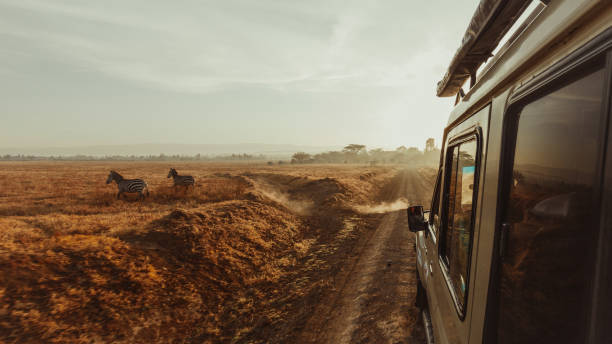
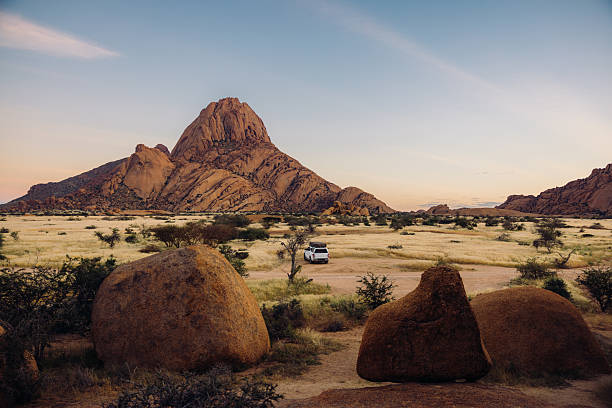
Discover Tanzania’s Hidden Gems: The Best Destinations Beyond Safari
When many travelers think of Tanzania, the immediate image is of vast savannas teeming with wildlife – the iconic Serengeti, the majestic Ngorongoro Crater, and the great migration. While these safari experiences are undeniably world-class and a cornerstone of Tanzanian tourism, this incredible East African nation offers so much more. From vibrant cultural encounters and historical explorations to breathtaking island paradises and challenging mountain ascents, Tanzania’s appeal extends far beyond its celebrated wildlife parks. This guide is designed to help you discover the best Tanzania destinations beyond safari, offering a complete picture for your 2026-2027 travel plans.
We’ll cover essential planning details, unique experiences, practical tips, and what to expect when you venture off the typical safari circuit. Whether you’re seeking relaxation on tropical beaches, an immersion into local life, or an adrenaline-pumping adventure, Tanzania has a compelling offering waiting for you.
Quick Overview: Tanzania Beyond the Game Drive
Tanzania is a land of contrasts and immense beauty. While safaris are a primary draw, understanding the breadth of what the country offers is key to crafting a truly memorable trip. Beyond the savanna, you can find:
- Cultural Heartland: Explore the rich heritage of the Maasai, Hadzabe, and other ethnic groups.
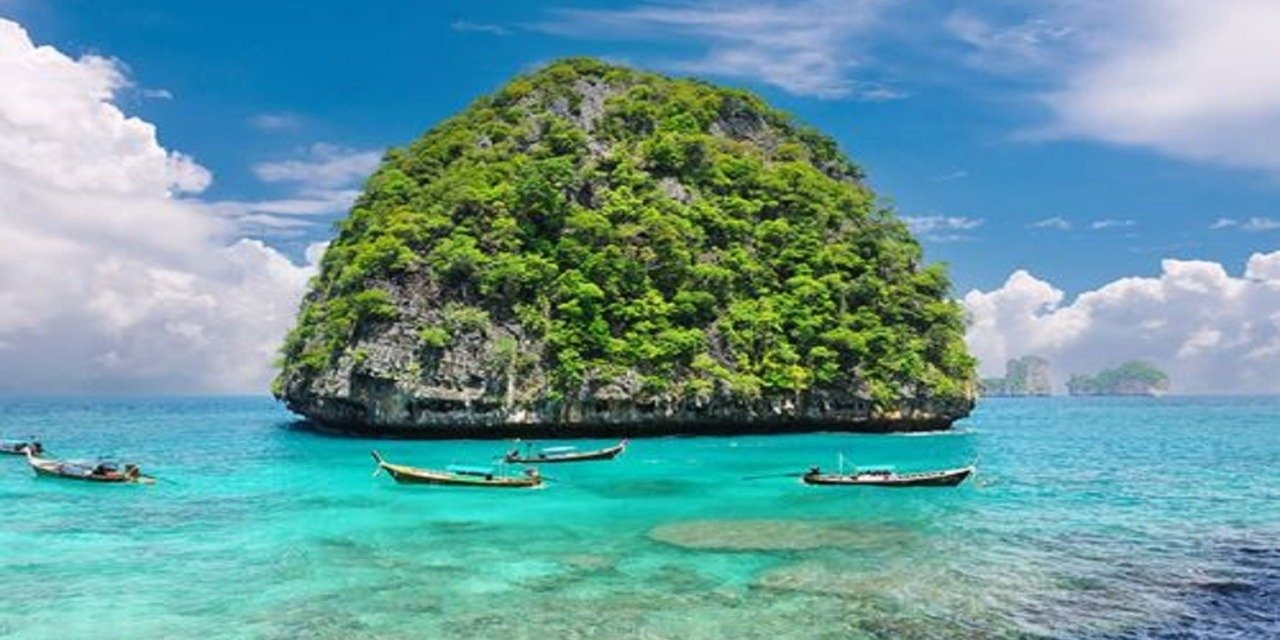
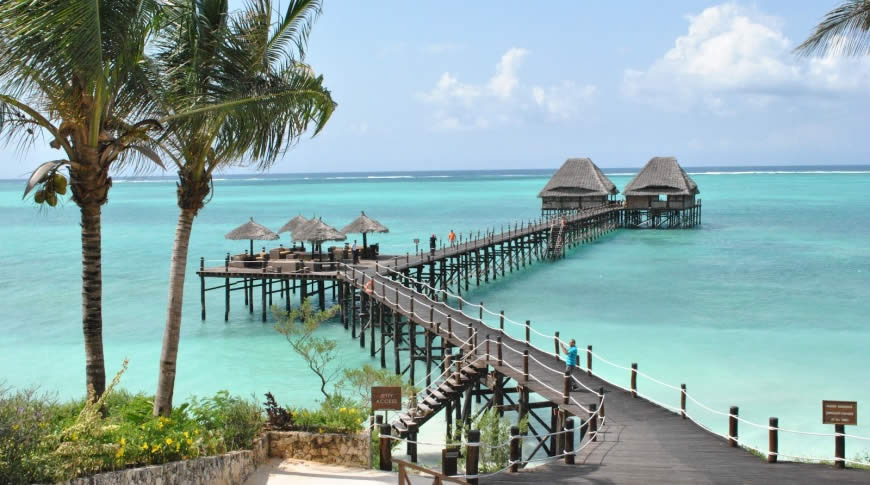
- Island Escapes: Relax on the spice-scented beaches of Zanzibar or the less-visited Pemba and Mafia islands.
- Mountain Adventures: Conquer Mount Kilimanjaro, Africa’s highest peak, or explore the dramatic landscapes of Mount Meru.
- Historical Sites: Wander through the ancient ruins of Kilwa Kisiwani and Songo Mnara, or explore the vibrant history of Stone Town.
- Coastal Charm: Experience the laid-back atmosphere and Swahili culture of Dar es Salaam and Bagamoyo.
Table of Contents
- Why Explore Tanzania Beyond Safari?
- Best Time to Visit Non-Safari Destinations
- Key Destinations Beyond Safari
- Sample Itineraries and Routes
- Cultural Immersion Experiences
- Island Getaways: Zanzibar and Beyond
- Mountain Adventures: Kilimanjaro and Meru
- Historical and Coastal Exploration
- What to Expect: Practicalities
- Packing and Preparation for Diverse Tours
- Common Mistakes to Avoid
- Who is This For?
- Alternatives to Consider
- Planning for 2026-2027: Your Tanzania Trip
- Booking Advice and Recommendations
- Frequently Asked Questions
Why Explore Tanzania Beyond Safari?
Tanzania is a country of staggering diversity. While the wildlife parks rightfully claim significant attention, overlooking other aspects of the country means missing out on a richer, more nuanced understanding of its soul. Exploring beyond safari offers:
- Cultural Depth: Engage with communities that have unique traditions, languages, and ways of life. This offers a profound connection to the people of Tanzania.
- Stunning Natural Beauty: From the turquoise waters and white sands of Zanzibar to the rugged peaks of Kilimanjaro, Tanzania’s landscapes are breathtakingly varied.
- Historical Significance: Discover ancient trade routes, colonial influences, and archaeological wonders that tell the story of East Africa’s past.
- Adventure Opportunities: Hike, climb, dive, snorkel, or trek – Tanzania provides ample opportunities for active travelers.
- Relaxation and Rejuvenation: Unwind on pristine beaches or in tranquil island settings after an adventurous safari or trek.
- A More Complete Experience: Combining safari with other activities provides a well-rounded view of what Tanzania truly is.
Best Time to Visit Non-Safari Destinations
The ideal time to visit Tanzania’s diverse destinations depends on your specific interests, but generally, the dry seasons offer the most pleasant weather for a variety of activities.
| Destination Type | Best Months (Dry Season) | Shoulder Seasons (Good Weather, Fewer Crowds) | Green Season (Rainy, Lush Scenery, Lower Prices) |
|---|---|---|---|
| Zanzibar & Coast | June – October, January – February | March – May, November – December | April – May (heavier rains) |
| Kilimanjaro & Northern Highlands | June – October, January – February | March – May, November – December | April – May (heavier rains) |
| Cultural Tours (Central/South) | June – October, January – February | March – May, November – December | April – May (heavier rains) |
| Historical Sites (Coast) | June – October, January – February | March – May, November – December | April – May (heavier rains) |
Note for 2026-2027: Weather patterns can be unpredictable. Always check current conditions closer to your travel dates.
Key Destinations Beyond Safari
Here’s a closer look at some of the most compelling destinations that showcase Tanzania’s diversity:
Zanzibar Archipelago
Often called the ‘Spice Island,’ Zanzibar is a semi-autonomous part of Tanzania famed for its history, culture, and stunning beaches. It’s a perfect complement to a safari or a destination in its own right.
- Stone Town: A UNESCO World Heritage site, this historic heart of Zanzibar City is a labyrinth of narrow streets, bustling bazaars, intricately carved wooden doors, and centuries of Swahili, Arab, Indian, and European influences.
- Beaches: From the lively northern coast (Nungwi, Kendwa) with its vibrant sunsets and water activities to the more serene eastern and southern shores (Paje, Jambiani, Kizimkazi) ideal for kite surfing, dhow sailing, and dolphin watching.
- Spice Farms: Tour working spice plantations to learn about cloves, cinnamon, vanilla, nutmeg, and exotic fruits, often including a traditional Swahili lunch.
- Prison Island (Changuu Island): A short boat trip from Stone Town, known for its giant tortoises and snorkeling opportunities.
Mount Kilimanjaro
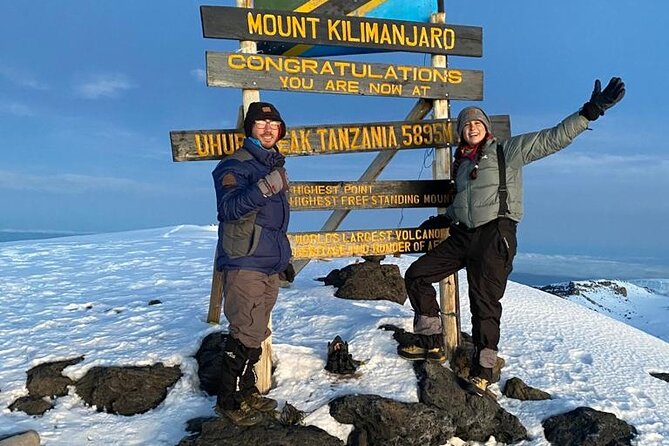
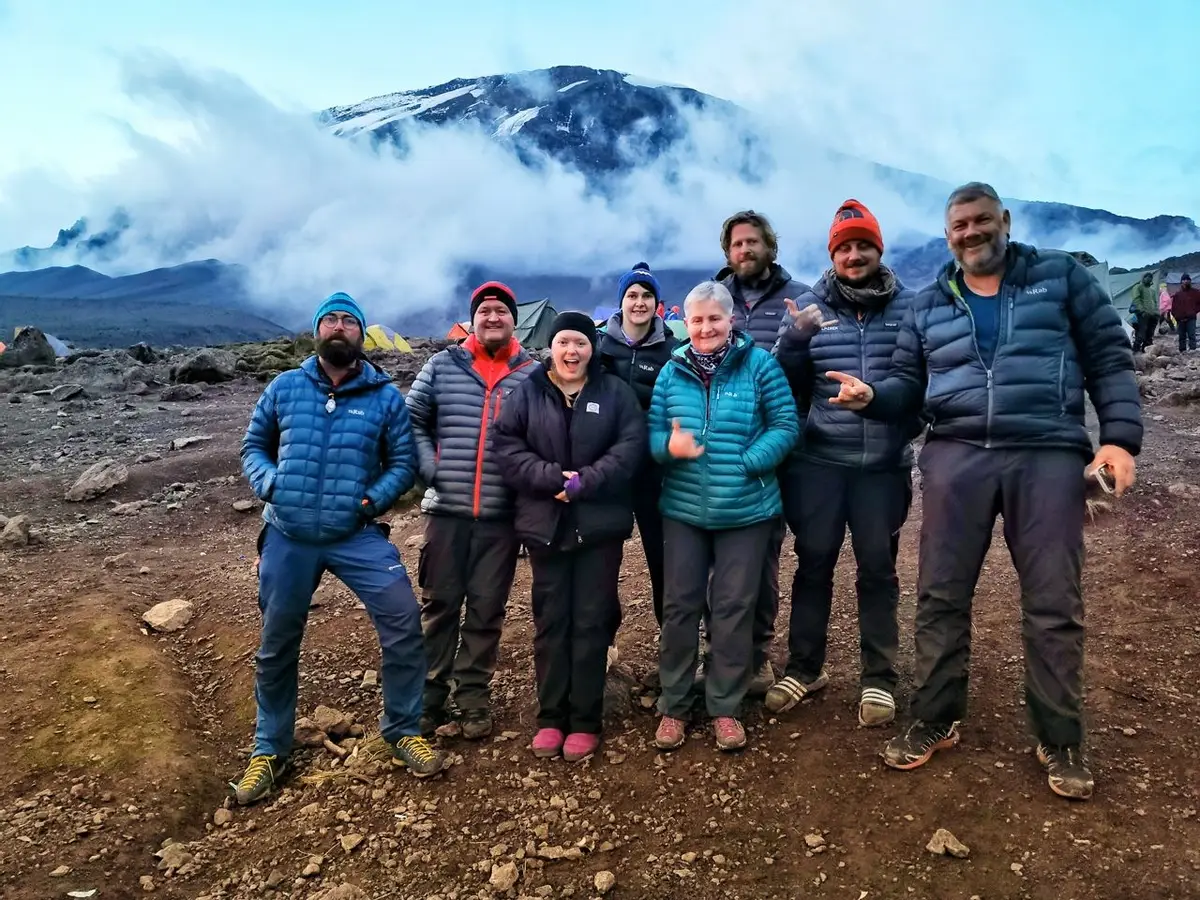
Africa’s highest peak and the world’s highest free-standing mountain, Kilimanjaro is a bucket-list destination for trekkers. It offers a significant physical challenge and unparalleled views.
- Routes: Popular routes include Marangu (the ‘Coca-Cola’ route), Machame (the ‘Whiskey’ route), Lemosho, Shira, and Rongai, each offering different scenery and difficulty levels.
- Acclimatization: Success hinges on proper acclimatization, which is why longer routes are generally recommended.
- Summit: Reaching Uhuru Peak (5,895m / 19,341 ft) at sunrise is an unforgettable achievement.
Mount Meru
Often overlooked in favor of Kilimanjaro, Mount Meru is a formidable volcano located in Arusha National Park. It’s a challenging trek, offering spectacular views of Kilimanjaro and abundant wildlife in the lower reaches.
- Trek Difficulty: Considered a more technical climb than Kilimanjaro, often requiring guides and porters.
- Wildlife: The park is home to buffalo, giraffes, elephants, and various monkey species, making for an exciting trek.
- Preparation: A good acclimatization climb before tackling Kilimanjaro.
Cultural Regions and Villages
Tanzania is home to over 120 ethnic groups, each with unique traditions. Engaging with these communities offers a profound understanding of the country.
- Maasai Villages: Visit traditional Maasai bomas (homesteads) to learn about their semi-nomadic lifestyle, cattle culture, and warrior traditions.
- Hadzabe Bushmen: Experience the ancient ways of the Hadzabe, one of Africa’s last hunter-gatherer tribes, near Lake Eyasi. This is a deeply authentic and humbling experience.
- Chagga People: Explore the fertile slopes of Kilimanjaro and learn about the Chagga people’s coffee farming, banana cultivation, and unique history.
- Local Markets: Immerse yourself in the vibrant chaos of local markets, a true window into daily Tanzanian life.
Historical Sites
Tanzania’s coast has been a crossroads of civilizations for centuries.
- Kilwa Kisiwani and Songo Mnara: UNESCO World Heritage sites featuring the ruins of medieval Swahili city-states that were once powerful trading centers.
- Bagamoyo: A historic port town with a rich history of trade, slavery, and early European exploration. It’s also the site of an important Roman Catholic mission.
- Kondoa Rock-Art Sites: Another UNESCO site, featuring ancient rock paintings depicting human life and rituals over thousands of years.
Mafia Island and Pemba Island
For a more off-the-beaten-path island experience, consider Mafia or Pemba.
- Mafia Island: Famous for its marine park and exceptional diving and snorkeling, particularly with whale sharks during the season (October-March). It offers a more rustic and laid-back atmosphere than Zanzibar.
- Pemba Island: Known as the ‘Green Island,’ Pemba is more rugged and less developed than Zanzibar. It’s renowned for its pristine dive sites, rich clove cultivation, and unique traditional culture.
Sample Itineraries and Routes
Combining destinations beyond safari can create a varied and enriching trip. Here are a few ideas:
Sample Itinerary 1: Culture and Coast (10 Days)
This itinerary focuses on cultural immersion and beach relaxation.
| Day | Location | Activities |
|---|---|---|
| 1-2 | Arusha / Moshi | Arrival, acclimatize, visit local markets, Chagga cultural tour (coffee plantation). |
| 3 | Lake Eyasi | Travel to Lake Eyasi, visit Hadzabe hunter-gatherer community. |
| 4 | Maasai Village Visit | Spend time with a Maasai community, learn about their traditions. |
| 5 | Stone Town, Zanzibar | Fly to Zanzibar, check into hotel, explore Stone Town’s alleys. |
| 6 | Stone Town & Spice Tour | Morning Spice Tour, afternoon exploring Stone Town, sunset dhow cruise. |
| 7-9 | Zanzibar Beach (e.g., Paje or Nungwi) | Relax on the beach, water sports (kitesurfing, snorkeling), visit local villages. |
| 10 | Departure | Transfer to Zanzibar airport for departure. |
Sample Itinerary 2: Mountain and Island Adventure (14 Days)
This itinerary combines a challenging trek with a tropical island escape.
| Day | Location | Activities |
|---|---|---|
| 1-2 | Arusha | Arrival, pre-trek briefing, gear check, rest. |
| 3-8 | Mount Kilimanjaro Trek | Ascent via Machame or Lemosho route (6 days is common). |
| 9 | Arusha | Descend, transfer to Arusha, rest and celebrate. |
| 10 | Stone Town, Zanzibar | Fly to Zanzibar, check into hotel, initial exploration of Stone Town. |
| 11 | Stone Town & Spice Tour | Morning Spice Tour, afternoon exploring Stone Town, historical sites. |
| 12-13 | Zanzibar Beach (e.g., Nungwi or Kendwa) | Relaxation, swimming, snorkeling, enjoying the turquoise waters. |
| 14 | Departure | Transfer to Zanzibar airport for departure. |
Sample Itinerary 3: Historical Coast and Islands (12 Days)
Focuses on history, culture, and a quieter island experience.
| Day | Location | Activities |
|---|---|---|
| 1-2 | Dar es Salaam | Arrival, explore the city, visit the National Museum, Oyster Bay. |
| 3-4 | Bagamoyo | Day trip or overnight to Bagamoyo, explore historical sites, old town. |
| 5 | Kilwa Kisiwani | Travel to Kilwa, explore the UNESCO World Heritage ruins. |
| 6 | Travel to Mafia Island | Fly or boat to Mafia Island, settle into accommodation. |
| 7-9 | Mafia Island Marine Park | Diving, snorkeling (whale shark excursions if in season), relaxing on beaches. |
| 10 | Travel to Zanzibar | Transfer to Mafia airstrip for flight to Zanzibar. Check into Stone Town hotel. |
| 11 | Stone Town | Explore Stone Town, visit markets, historical buildings, sunset. |
| 12 | Departure | Transfer to Zanzibar airport for departure. |
Cultural Immersion Experiences
Beyond organized village visits, authentic cultural experiences can be found in everyday interactions.
- Cooking Classes: Learn to prepare traditional Swahili dishes in Zanzibar or other local cuisines.
- Local Markets: Visit bustling food and craft markets in towns like Arusha, Moshi, or Stone Town. Go early to see the real action.
- Community-Based Tourism: Engage with projects that directly benefit local communities, such as schools or conservation initiatives.
- Language Exchange: Even learning a few Swahili phrases like ‘Jambo’ (Hello) and ‘Asante sana’ (Thank you very much) can open doors.
- Traditional Music & Dance: Seek out opportunities to witness or participate in local performances.
Island Getaways: Zanzibar and Beyond
Tanzania’s coastline and islands offer a different pace of life.
Zanzibar Planning
- Getting There: Flights arrive at Abeid Amani Karume International Airport (ZNZ) from mainland Tanzania (Dar es Salaam, Kilimanjaro) and international hubs. Ferries also run from Dar es Salaam.
- Accommodation: From luxury resorts and boutique hotels in Stone Town to beach bungalows and guesthouses.
- Activities: Water sports, spice tours, historical tours, Jozani Forest (for Red Colobus monkeys), Mnarani Marine Turtle Conservation Pond.
- Getting Around: Taxis, dala-dalas (local minibuses), or hired cars/scooters.
Mafia Island Focus
- Getting There: Small charter flights from Dar es Salaam or Zanzibar are the most common and convenient.
- Accommodation: Eco-lodges and small beach resorts.
- Key Attraction: Mafia Island Marine Park is a protected area, offering world-class snorkeling and diving. Whale shark season (Oct-Mar) is a major draw.
- Vibe: Very relaxed, focused on marine life and simple pleasures.
Pemba Island Secrets
- Getting There: Flights from Zanzibar or Dar es Salaam.
- Accommodation: Limited, but growing. Focus on smaller lodges and guesthouses.
- Key Attractions: Incredible dive sites (including the famous ‘Pemba Channel’), lush interior, traditional culture, and the Misali Island conservation area.
- Vibe: Authentic, less touristy, with a strong local culture and agricultural focus (cloves).
Mountain Adventures: Kilimanjaro and Meru
These iconic peaks offer more than just a climb; they are journeys of self-discovery.
Kilimanjaro Trekking Details
- Routes: Machame, Lemosho, and Rongai are generally considered the best for acclimatization and scenery. Marangu is popular for its hut accommodation.
- Duration: Typically 6-9 days, with longer routes offering better success rates due to acclimatization.
- Difficulty: High altitude, cold temperatures, and physical exertion. Not technically difficult, but demanding.
- Best Time: Dry seasons (June-October, January-February).
- Guides and Porters: Mandatory and essential for safety and success.
Mount Meru Climb
- Duration: Typically 3-4 days.
- Difficulty: Steeper and more challenging than Kilimanjaro for its altitude, with some exposed sections. Requires a ranger and porters.
- Scenery: Dramatic volcanic crater, diverse vegetation zones, and excellent wildlife viewing in the lower park.
- Purpose: Excellent acclimatization for Kilimanjaro or a rewarding trek on its own.
Historical and Coastal Exploration
These destinations offer a glimpse into Tanzania’s rich past and vibrant present.
Kilwa Kisiwani & Songo Mnara Uncovered
- Access: Usually reached via a flight from Dar es Salaam or Zanzibar to Kilwa Masoko, followed by a short boat trip.
- Highlights: The Great Mosque, Husuni Kubwa palace ruins, Gereza (prison), the Marco de Arte.
- Significance: Once a major trading port, these ruins speak of Swahili prosperity and Arab influence.
Bagamoyo Heritage
- Access: Day trip or overnight from Dar es Salaam (approx. 1-2 hours drive).
- Highlights: The Old Fort, the slave market site, the Kaole ruins, the colonial-era buildings, and the vibrant fishing community.
- Atmosphere: A quiet, historic town with a palpable sense of history.
What to Expect: Practicalities
Traveling beyond the well-trodden safari path requires some preparation.
- Infrastructure: While major tourist hubs like Zanzibar have good infrastructure, more remote cultural areas or historical sites may have basic facilities. Roads can be rough.
- Connectivity: Wi-Fi is common in hotels in towns and tourist areas, but can be spotty in remote villages or on islands like Pemba. Consider a local SIM card.
- Currency: Tanzanian Shilling (TZS). USD is widely accepted for larger expenses (tours, hotels), but smaller purchases and local transport require Shillings.
- Language: Swahili is the national language. English is widely spoken in tourist areas, hotels, and by guides. In remote villages, English may be less common.
- Health: Consult your doctor about necessary vaccinations and malaria precautions. Drink bottled or treated water.
Packing and Preparation for Diverse Tours
Your packing list will vary significantly depending on your chosen activities.
| Category | General (Culture/Coast) | Kilimanjaro Trekking | Zanzibar/Beach |
|---|---|---|---|
| Clothing | Lightweight, breathable clothing. Modest attire for villages (shoulders/knees covered). Swimwear. Light jacket. | Layering system: base layers, fleece, waterproof/windproof outer shell. Warm hat, gloves. Hiking socks. | Swimwear, light sundresses, shorts, t-shirts. Cover-ups. Light evening wear. |
| Footwear | Comfortable walking shoes, sandals. | Broken-in hiking boots, camp shoes/sandals. | Sandals, flip-flops, light trainers. |
| Health & Hygiene | Sunscreen, insect repellent, hand sanitizer, personal first-aid kit. | High SPF sunscreen, blister treatment, altitude sickness medication (prescribed), basic first-aid. | Sunscreen, insect repellent, after-sun lotion. |
| Accessories | Hat, sunglasses, reusable water bottle, power bank, camera. | Headlamp, trekking poles (optional but recommended), waterproof bags, sunglasses, hat, camera. | Sun hat, sunglasses, beach towel, waterproof phone case, camera. |
| Documents | Passport, visa, yellow fever certificate, travel insurance, copies. | Passport, visa, yellow fever certificate, travel insurance, copies, permits (arranged by operator). | Passport, visa, yellow fever certificate, travel insurance, copies. |
Key Tip: For Kilimanjaro, quality gear is crucial. You can often rent equipment like sleeping bags and jackets in Arusha.
Common Mistakes to Avoid
Planning a trip beyond the standard safari route can sometimes lead to common pitfalls.
- Underestimating Travel Times: Distances can be deceiving, and road conditions can cause delays. Factor in ample travel time.
- Not Packing Modestly for Cultural Visits: Respect local customs by dressing conservatively when visiting villages or religious sites.
- Over-Scheduling: Tanzania is best enjoyed at a relaxed pace. Don’t try to cram too much into a short period.
- Ignoring Health Precautions: Be diligent with malaria prevention and safe drinking water practices.
- Not Budgeting for Local Transport/Tips: While tour packages cover main costs, budget for local guides, tips, and small purchases.
- Assuming All Beaches are the Same: Zanzibar’s coasts offer different vibes – research to find the best fit for your style (e.g., kite surfing vs. quiet relaxation).
- Booking Kilimanjaro Without Proper Acclimatization Focus: Prioritize routes and durations that allow for acclimatization.
Who is This For?
Exploring the best Tanzania destinations beyond safari is ideal for:
- Culture Enthusiasts: Travelers keen to understand local traditions, history, and daily life.
- Adventure Seekers: Those looking to challenge themselves with mountain treks or enjoy water sports.
- Beach Lovers: Individuals seeking relaxation on tropical shores with clear waters.
- History Buffs: Explorers interested in ancient ruins and colonial pasts.
- Divers and Snorkelers: Especially those interested in marine parks like Mafia Island.
- Travelers Seeking Variety: Those who want a multi-faceted experience of Tanzania, combining different types of activities.
- Repeat Visitors: Travelers who have already experienced a safari and want to see more of what Tanzania offers.
Alternatives to Consider
While Tanzania offers a wealth of experiences, consider these related options:
- Other East African Safaris: If wildlife is still a priority but you want a different landscape, consider Kenya’s Maasai Mara, Uganda’s Bwindi Impenetrable Forest for gorilla trekking, or Rwanda.
- Diving in the Red Sea (Egypt): For a dedicated diving holiday with abundant marine life.
- Cultural Tours in Morocco: Explore vibrant souks, ancient medinas, and Berber culture.
- Island Hopping in Greece or the Caribbean: For a classic beach holiday experience.
Planning for 2026-2027: Your Tanzania Trip
Planning ahead is key, especially for popular destinations and peak seasons. Here are some tips for your 2026-2027 trip:
- Book in Advance: For Kilimanjaro climbs, prime safari dates, and popular Zanzibar accommodations, book at least 6-12 months ahead, especially for 2026 and 2027.
- Choose Your Operator Wisely: For Kilimanjaro, select a reputable operator focused on safety and ethical treatment of porters. For cultural tours, ensure they are community-focused.
- Visa Requirements: Check current visa regulations for Tanzania. Many nationalities can obtain a visa on arrival or apply online.
- Health Consultations: Schedule appointments with your doctor or a travel clinic 4-6 weeks before departure.
- Travel Insurance: Essential for any trip. Ensure it covers high-altitude trekking if you plan to climb Kilimanjaro or Meru, and includes medical evacuation.
- Budgeting: Factor in flights, accommodation, tours, park fees (if applicable), meals, tips, and personal expenses. Costs can vary significantly based on the luxury level.
- Flexibility: While planning is crucial, maintain some flexibility for unexpected events or spontaneous opportunities.
Booking Advice and Recommendations
When you’re ready to book your Tanzanian adventure, consider these points:
- Work with Experts: Partnering with a local, experienced tour operator like Top Guide Adventures can streamline planning, ensure you get the best value, and provide invaluable on-the-ground support.
- Customization: Don’t be afraid to request a tailor-made itinerary that combines your interests, whether it’s a mix of culture, beach, and a shorter trek, or a deep dive into historical sites.
- Ask Questions: Inquire about inclusions, exclusions, guide qualifications, safety protocols (especially for Kilimanjaro), and the operator’s commitment to responsible tourism.
- Read Reviews: Look for feedback from previous travelers, particularly concerning the specific types of tours you’re interested in.
- Understand Inclusions: Be clear about what your tour package covers (e.g., meals, park fees, accommodation, transfers, guides, porters).
Ready to plan your unique Tanzanian journey beyond the typical safari? Let us help you craft an unforgettable experience. We specialize in creating custom itineraries that showcase the incredible diversity of Tanzania, from the vibrant streets of Stone Town to the summit of Kilimanjaro and the tranquil shores of Mafia Island. We are experts in arranging cultural tours, beach holidays, and mountain expeditions, ensuring a seamless and enriching adventure for your 2026-2027 travels.
Contact Top Guide Adventures today:
- WhatsApp: +255616946642
- Email: topguideadventures@gmail.com
- Backup Email: info@topguideadventures.com
We look forward to helping you discover the best Tanzania destinations beyond safari.
Frequently Asked Questions
What are the main reasons to explore Tanzania beyond safari?
Travelers choose to explore beyond safari to experience Tanzania’s rich cultural heritage, stunning island paradises like Zanzibar, challenging mountain treks like Kilimanjaro, and significant historical sites. It offers a more complete and varied perspective of the country.
Is Zanzibar safe for solo female travelers?
Zanzibar is generally considered safe for solo female travelers, especially in tourist areas like Stone Town and beach resorts. However, it’s advisable to dress modestly, particularly in local areas, avoid walking alone late at night in deserted places, and be aware of your surroundings. Using reputable transport and accommodation is recommended.
How long should I allocate for a trip combining safari and other destinations?
A trip combining safari with other experiences typically requires at least 10-14 days. For example, a 4-5 day safari followed by 5-7 days on Zanzibar or for a Kilimanjaro trek. For a more relaxed pace or to include multiple non-safari destinations, 2-3 weeks is ideal.
What is the best way to get from the mainland to Zanzibar?
The most convenient way is by a short domestic flight (approx. 15-20 minutes) from Dar es Salaam or Kilimanjaro International Airport to Zanzibar’s Abeid Amani Karume International Airport (ZNZ). Alternatively, a ferry service operates between Dar es Salaam and Zanzibar, taking about 1.5 to 2 hours.
Do I need to be very fit to climb Mount Kilimanjaro?
While you don’t need to be an elite athlete, a good level of physical fitness is essential for climbing Kilimanjaro. The challenge comes more from the altitude and sustained effort over several days than from technical difficulty. Training that includes hiking with a backpack and cardiovascular exercise is highly recommended. Proper acclimatization is more critical than peak fitness.
What are the visa requirements for Tanzania for 2026-2027?
Visa requirements can change, so it’s crucial to check the latest information from the Tanzanian embassy or consulate in your country well in advance of your 2026-2027 trip. Many nationalities can obtain a visa on arrival at major entry points or apply for an e-visa online. A Yellow Fever vaccination certificate is often required.
Can I combine Kilimanjaro trekking with a safari?
Yes, combining Kilimanjaro trekking with a safari is a very popular option. Many travelers do a trek first, then relax on a safari to recover and see wildlife, or vice versa. It’s advisable to factor in rest days between the strenuous trek and intense safari activities.
What currency should I use in Tanzania?
The local currency is the Tanzanian Shilling (TZS). While US Dollars are widely accepted for major tourist expenses like accommodation, tours, and park fees, it’s essential to have Shillings for smaller purchases, local markets, tips, and local transport. ATMs are available in major towns, but it’s wise to carry some USD cash for emergencies.
Are there opportunities for diving and snorkeling beyond Zanzibar?
Absolutely. Mafia Island Marine Park is renowned for its exceptional diving and snorkeling, especially for encounters with whale sharks during the season. Pemba Island also offers pristine dive sites with vibrant coral reefs and a rich marine ecosystem, often considered less crowded than Zanzibar.
How can I ensure my cultural tour is authentic and respectful?
Choose tour operators who work directly with local communities and have a strong reputation for responsible tourism. Look for tours that emphasize genuine interaction and learning, rather than staged performances. Respect local customs, ask permission before taking photos of people, and be open to learning. Your tour operator can guide you on best practices.
What are the best Tanzania destinations beyond safari for a honeymoon in 2026-2027?
For a honeymoon in 2026-2027, consider the romantic beaches of Zanzibar, the tranquility of Mafia Island for diving and relaxation, or a luxurious lodge in a less crowded wildlife area. Combining a few days in Stone Town with a week on a secluded beach offers a perfect blend of culture and romance.
Plan your Best Tanzania Destinations Beyond Safari with Top Guide Adventures
Tell us your travel dates, group size, comfort level, and dream experience. We will help you shape a clear, realistic, and memorable Tanzania itinerary.

 Veedesigner
 Fatma Kizanga
 Benjamin Waryuba
 Philip Philip
 John jr Itaja
 Antonia Optatus
 Edith Kanyere
 Neema Iddy
 Kelvin Boniphace
 Damari Maiga



