
Updated planning guide for 2026-2027
Tanzania Travel For Solo Travelers: Complete Guide 2026-2027
Discover how to plan an incredible solo trip to Tanzania. This comprehensive guide covers everything from choosing safaris and Kilimanjaro treks to Zanzibar escapes, safety, budgeting, and booking with confidence for 2026-2027.
WhatsApp +255616946642 | topguideadventures@gmail.com | info@topguideadventures.com
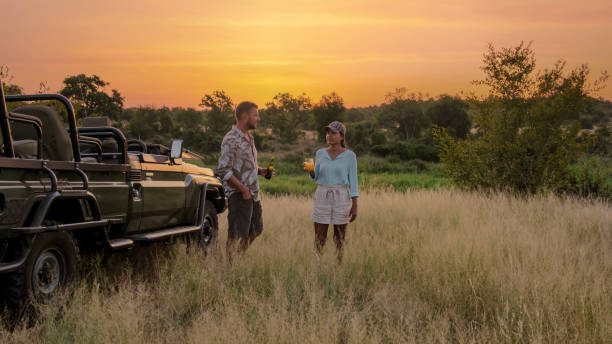
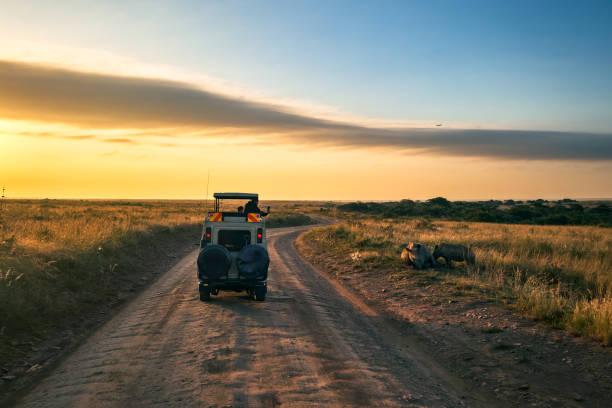
Tanzania Travel for Solo Travelers: An Expert Planning Guide
Tanzania, a land of breathtaking landscapes, abundant wildlife, and rich cultural heritage, offers an unparalleled experience for the adventurous soul. For solo travelers, it presents a unique opportunity for self-discovery, independence, and connection. Whether you dream of witnessing the Great Migration on the Serengeti plains, standing atop Mount Kilimanjaro, or relaxing on the spice-scented beaches of Zanzibar, Tanzania welcomes you. This guide is specifically crafted for those planning Tanzania travel for solo travelers, providing in-depth insights and practical advice to ensure a safe, enriching, and memorable journey in 2026-2027.
Many solo travelers wonder if Tanzania is a suitable destination. The answer is a resounding yes. With proper planning and by choosing reliable tour operators, solo travel in Tanzania can be incredibly rewarding. You’ll find a vibrant tourism infrastructure that caters to various needs, and the warmth of the Tanzanian people often makes solo journeys feel less solitary.
Quick Tanzania Solo Travel Facts
| Aspect | Details for Solo Travelers |
|---|---|
| Safety | Generally safe with standard precautions. Stick to reputable operators, avoid displaying valuables, and be aware of your surroundings, especially in cities. |
| Accommodation | Options range from budget-friendly hostels and guesthouses to comfortable mid-range hotels and luxury lodges. Many lodges and camps offer single supplements or can pair solo travelers in shared rooms to reduce costs. |
| Transportation | Safari vehicles, private transfers, internal flights, and reliable public transport (buses/dala-dalas for the adventurous). Group tours are excellent for solo travelers. |
| Activities | Safaris (Serengeti, Ngorongoro, Tarangire, etc.), Kilimanjaro climbs, Zanzibar cultural tours and beach relaxation, spice tours, local village visits, bird watching, and more. |
| Best Time to Visit | Dry seasons (June-October and December-February) are ideal for safaris and Kilimanjaro. Zanzibar is pleasant year-round but drier from June-October and December-March. |
| Visa Requirements | Most nationalities require a visa. Apply online in advance or obtain upon arrival (check current regulations). |
| Currency | Tanzanian Shilling (TZS). US Dollars are widely accepted for tourist services and park fees. |
Why Tanzania is a Great Choice for Solo Explorers
Tanzania offers a unique blend of adventure, wildlife, and culture that appeals to a wide range of solo travelers. The country is renowned for its well-established tourism industry, meaning that infrastructure and services are geared towards international visitors, making navigation easier even when traveling alone.
For those seeking wildlife encounters, the Serengeti National Park, Ngorongoro Conservation Area, and Tarangire National Park provide some of the most spectacular safari experiences on the planet. Witnessing the Great Migration or spotting the Big Five in their natural habitat is a profound experience that solo travelers can fully immerse themselves in.
For the physically adventurous, climbing Mount Kilimanjaro is a challenging yet immensely rewarding feat. The camaraderie among trekkers on the mountain, including solo adventurers, often forms strong bonds, creating a supportive environment.
And for those looking to unwind, the exotic island of Zanzibar offers pristine beaches, historical Stone Town, and vibrant spice markets. It’s a place where solo travelers can relax, explore at their own pace, and soak in the Swahili culture.
The strong presence of reputable tour operators, many of whom specialize in small group tours, is a significant advantage for solo travelers. These tours provide a structured yet flexible way to see the country, often including accommodation, transport, and guiding, while offering the social aspect of traveling with others without the need to plan every detail yourself.
Best Time for Tanzania Travel for Solo Travelers
Choosing the right time to visit Tanzania can significantly enhance your solo travel experience. The country experiences distinct seasons that affect wildlife viewing, trekking conditions, and beach weather.
Safari Seasonality
The dry seasons are generally considered the best for safaris, offering excellent game viewing as animals congregate around water sources.
- June to October: This is the peak dry season and arguably the best time for safaris. The grass is shorter, making animals easier to spot. It’s also the time of the Great Migration river crossings in the northern Serengeti (usually July-September), a truly spectacular event. Weather is pleasant with cooler temperatures.
- December to February: This is the short dry season, often referred to as the ‘green season’ or calving season in the southern Serengeti. It’s a good time for birdwatching and offers beautiful, lush landscapes. Fewer crowds than the main dry season.
The wet seasons can offer lush scenery and fewer tourists, but game viewing can be more challenging due to thicker vegetation and scattered animals. Heavy rains can sometimes disrupt travel, especially on unpaved roads.
Kilimanjaro Trekking Seasonality
Climbing Kilimanjaro is best during the dry seasons:
- June to October: Clear skies, dry trails, and good visibility. This is the most popular trekking season.
- December to March: Also good for trekking, though there can be occasional short showers. This period is less crowded than the June-October window.
The rainy seasons (April-May and November) are generally avoided due to slippery trails, poor visibility, and increased risk of landslides.
Zanzibar Weather
Zanzibar enjoys a tropical climate.
- June to October: Pleasant, dry, and less humid. Ideal for beach holidays and exploring Stone Town.
- December to March: Hot and dry, perfect for beach relaxation.
The ‘long rains’ (March-May) can be heavy, and the ‘short rains’ (November) can bring intermittent showers, which might affect beach activities but can also offer a more authentic, less crowded experience for those unfazed by occasional rain.
Popular Routes and Destinations for Solo Travelers
Tanzania offers diverse experiences. For solo travelers, combining different regions provides a comprehensive taste of the country. Here are some popular routes and destinations, often combined into multi-day itineraries.
The Northern Circuit Safari
This is the most famous safari circuit and ideal for first-time visitors and solo travelers due to its accessibility and abundance of wildlife.
Key Parks:
- Tarangire National Park: Known for its large elephant herds and iconic baobab trees. Great for shorter trips.
- Lake Manyara National Park: Famous for its tree-climbing lions and diverse birdlife. Offers both game drives and walking safaris.
- Ngorongoro Conservation Area: A UNESCO World Heritage Site featuring the Ngorongoro Crater, a natural amphitheater teeming with wildlife, including the rare black rhino.
- Serengeti National Park: The ultimate safari destination, famous for the Great Migration and vast plains.
Typical Solo Traveler Itinerary Logic (7-10 Days):
Day 1: Arrive at Kilimanjaro International Airport (JRO), transfer to Arusha. (Optional: Arusha National Park day trip).
Day 2: Drive to Tarangire National Park for game drives.
Day 3: Game drive in Tarangire, then transfer to Karatu or Ngorongoro area.
Day 4: Full day game drive inside the Ngorongoro Crater.
Day 5: Drive to Serengeti National Park, stopping at Olduvai Gorge. Afternoon game drive.
Day 6-7: Explore different regions of the Serengeti (Central, North, or South depending on migration season).
Day 8: Morning game drive in Serengeti, then fly from a Serengeti airstrip back to Arusha or Kilimanjaro.
Day 9: Optional day trip (e.g., local village tour, coffee plantation) or depart.
Kilimanjaro Trekking
Climbing Kilimanjaro is a popular goal for many solo travelers seeking a physical and mental challenge.
Popular Routes:
- Machame Route: (7 days) Considered the most scenic and offers good acclimatization. High success rate.
- Lemosho Route: (7-8 days) Similar to Machame but starts further west, offering more remote scenery and excellent acclimatization.
- Marangu Route: (5-6 days) The ‘Coca-Cola’ route, known for its hut accommodation. Lower success rate due to rapid ascent.
Solo trekkers are typically integrated into a group, sharing guides and porters, which enhances safety and camaraderie.
Zanzibar Island Escape
After a safari or trek, Zanzibar offers a perfect place to relax and reflect.
- Stone Town: A UNESCO World Heritage site with narrow alleys, historical buildings, bustling markets, and rich Swahili-Kizimkazi culture.
- Northern Beaches: Nungwi and Kendwa offer stunning white sands, clear turquoise waters, and lively beach bars.
- Eastern Beaches: Paje and Jambiani are popular for kite surfing and offer a more laid-back vibe.
- Spice Plantations: Explore the island’s history and agricultural heritage.
Solo travelers can enjoy walking tours in Stone Town, relax on the beach, try water sports, or take boat trips (e.g., to Prison Island or for snorkeling).
Combining Destinations
A classic solo itinerary might look like this for 2026-2027:
Sample 14-Day Itinerary: Safari & Zanzibar
- Day 1: Arrive JRO, transfer to Arusha.
- Day 2: Tarangire National Park game drive.
- Day 3: Ngorongoro Crater game drive.
- Day 4: Drive to Serengeti, afternoon game drive.
- Day 5-6: Serengeti game drives (explore different sectors).
- Day 7: Fly from Serengeti to Zanzibar. Transfer to Stone Town.
- Day 8: Stone Town tour (history, markets, spice tour).
- Day 9: Transfer to a northern beach (e.g., Nungwi/Kendwa). Beach relaxation, swimming.
- Day 10-12: Beach activities (snorkeling, sunset dhow cruise, relax).
- Day 13: Transfer back to Stone Town or airport for departure.
- Day 14: Depart from Zanzibar (ZNZ) or fly back to JRO for international flight.
Sample 10-Day Itinerary: Kilimanjaro & Zanzibar
- Day 1: Arrive JRO, transfer to Moshi/Arusha.
- Day 2: Kilimanjaro trek briefing, gear check.
- Day 3-7/8: Kilimanjaro Trek (e.g., Machame Route 7 days).
- Day 8/9: Descend Kilimanjaro, transfer to Arusha/Moshi.
- Day 9/10: Fly from Arusha to Zanzibar. Transfer to beach resort.
- Day 10/11: Relax on Zanzibar beach, depart from ZNZ.
What to Expect: Solo Travel Realities
Solo travel in Tanzania is often smoother than one might imagine, thanks to a well-developed tourist infrastructure. However, understanding the nuances will help you prepare.
Group Tours vs. Independent Travel
For most solo travelers, especially those on their first trip to Tanzania, joining a small group tour is highly recommended.
- Group Tours:
- Pros: Safety in numbers, shared costs (especially for vehicle hire on safari), built-in social interaction, hassle-free logistics (accommodation, transport, guides arranged), experienced local guides.
- Cons: Less flexibility, need to adhere to group schedules, potential for personality clashes.
- Independent Travel:
- Pros: Complete flexibility, set your own pace, deeper immersion in local culture if planned well.
- Cons: Can be more expensive (especially safaris due to private vehicle costs), requires more planning and research, potential for safety concerns if not cautious, can feel isolating at times.
For Kilimanjaro climbs, solo trekkers are almost always placed in groups for safety and logistical reasons. For safaris, small group tours are ideal for solo travelers looking for companionship and cost-sharing. For Zanzibar, independent exploration is very feasible, but combining it with a safari or trek via a tour operator is common.
Accommodation for Solo Travelers
Finding suitable accommodation is key.
- Lodges & Camps: Many safari lodges and tented camps have single rooms or can offer single occupancy. Some may charge a single supplement, which can increase costs. To mitigate this, some operators pair solo travelers in twin rooms to avoid this supplement on group tours.
- Hotels & Guesthouses: Standard hotels in towns and cities offer single rooms. Guesthouses and smaller establishments can be very welcoming.
- Hostels: Less common outside major hubs like Arusha and Zanzibar, but available for budget-conscious solo travelers.
When booking through a tour operator, they will typically arrange accommodation that suits your budget and preferences. Always clarify if single supplements apply if you are booking independently.
Connectivity and Communication
Mobile phone reception is generally good in towns and cities. For remote areas like national parks, connectivity is limited. Purchasing a local SIM card (e.g., Vodacom, Tigo) upon arrival is inexpensive and recommended for staying in touch. Wi-Fi is available in most hotels and lodges, though speeds can vary.
Cultural Etiquette
Tanzanians are generally warm and welcoming.
- Dress modestly, especially when visiting villages or religious sites. Light, breathable clothing is best for the climate.
- Learning a few Swahili phrases like ‘Jambo’ (Hello), ‘Asante’ (Thank you), and ‘Karibu’ (Welcome) is always appreciated.
- Ask permission before taking photos of people.
- Be mindful of local customs and traditions.
Safety for Solo Travelers in Tanzania
Safety is a primary concern for anyone traveling solo, and Tanzania is generally a safe destination for tourists, provided standard precautions are taken. The tourism industry is well-established, and locals are accustomed to visitors.
General Safety Tips
- Be Aware of Your Surroundings: Especially in busy markets, bus stations, and at night in urban areas.
- Secure Your Valuables: Use hotel safes, keep valuables out of sight, and avoid flashing expensive items like cameras or jewelry.
- Avoid Walking Alone at Night: In cities and towns, it’s best to use taxis or arrange transport.
- Trust Your Instincts: If a situation feels uncomfortable, remove yourself from it.
- Stay Informed: Keep up-to-date with local news and any travel advisories from your government.
Safari Safety
Safari operators prioritize safety.
- Always follow your guide’s instructions.
- Do not exit the vehicle in national parks unless permitted by your guide.
- Maintain a safe distance from wildlife.
- Never feed animals.
Kilimanjaro Safety
Climbing Kilimanjaro is physically demanding and requires careful preparation.
- Choose a reputable operator with experienced guides and adequate equipment.
- Ascend slowly (‘pole pole’) to allow for acclimatization.
- Stay hydrated and eat well.
- Inform your guide of any symptoms of altitude sickness immediately.
Zanzibar Safety
Zanzibar is generally safe, but petty crime can occur in crowded areas.
- Be cautious of unsolicited guides or touts, especially in Stone Town and at the airport.
- Avoid walking on deserted beaches at night.
- Keep an eye on your belongings at all times.
Health Precautions
Consult your doctor or a travel clinic well in advance of your trip regarding vaccinations (e.g., Yellow Fever, Hepatitis A, Typhoid) and malaria prophylaxis. Drink bottled or purified water only.
Packing Essentials for Solo Travelers
Packing light yet smart is crucial for a comfortable trip. Consider the diverse activities you’ll undertake.
Clothing
- Lightweight, Breathable Fabrics: Cotton, linen, and moisture-wicking synthetics are ideal.
- Neutral Colors: Khaki, beige, olive green are best for safaris to blend in and avoid attracting insects. Avoid bright colors and black/dark blue which can attract tsetse flies.
- Layers: Mornings and evenings can be cool, especially on safari and at higher altitudes. Pack fleece jackets or sweaters.
- Rain Gear: A lightweight, waterproof jacket is essential, especially during the shoulder seasons or wet season.
- Modest Attire: For cultural visits and in towns/villages, cover shoulders and knees.
- Swimwear: For Zanzibar or lodges with pools.
- Comfortable Footwear: Broken-in hiking boots for Kilimanjaro, sturdy walking shoes for safaris and town exploration, and sandals/flip-flops for the beach.
Gear and Accessories
- Sun Protection: High SPF sunscreen, wide-brimmed hat, sunglasses.
- Insect Repellent: With DEET or Picaridin.
- Camera & Binoculars: Essential for wildlife viewing. Extra batteries and memory cards.
- First-Aid Kit: Include personal medications, bandages, antiseptic wipes, pain relievers, anti-diarrhea medication, and motion sickness remedies.
- Reusable Water Bottle: To reduce plastic waste.
- Headlamp or Flashlight: Useful for navigating at night or in camps.
- Power Adapter & Portable Charger: For keeping devices charged.
- Travel Documents: Passport, visa, flight tickets, insurance details, vaccination certificates. Keep digital and physical copies.
- Small Backpack: For day trips and carrying essentials on safari or hikes.
Common Mistakes Solo Travelers Make (and How to Avoid Them)
Even experienced solo travelers can make missteps. Being aware of common pitfalls can save you time, money, and stress.
Mistake 1: Not booking with a reputable tour operator.
Avoidance: Research thoroughly. Look for operators with clear communication, good reviews, and established safety protocols. For Tanzania, companies like Best Tanzania tour operator are highly recommended for their expertise in handling solo travelers and customizing experiences.
Mistake 2: Underestimating costs or not budgeting properly.
Avoidance: Factor in park fees, accommodation, transport, food, tips, visas, and personal expenses. Understand what’s included in tour packages. Be aware of single supplements if booking independently.
Mistake 3: Overpacking.
Avoidance: Pack only essentials. Many lodges offer laundry services. Remember you can buy some items locally if needed.
Mistake 4: Not acclimatizing properly on Kilimanjaro.
Avoidance: Choose longer routes (7+ days) for better acclimatization. Listen to your body and your guide. ‘Pole pole’ is the mantra.
Mistake 5: Being too trusting or too suspicious.
Avoidance: Strike a balance. Be friendly and open to meeting people, but remain aware and cautious. Trust your instincts about people and situations.
Mistake 6: Neglecting health precautions.
Avoidance: Consult your doctor well in advance for necessary vaccinations and malaria prevention. Pack a comprehensive first-aid kit.
Mistake 7: Not informing loved ones of your itinerary.
Avoidance: Share your travel plans and expected return date with family or friends. Check in periodically when you have reliable connectivity.
Who is Tanzania Travel for Solo Travelers Best Suited For?
Tanzania travel for solo travelers is ideal for a range of individuals, each seeking different experiences:
- The Adventurous Spirit: Those looking for physical challenges like climbing Kilimanjaro or seeking thrilling wildlife encounters on safari.
- The Nature Enthusiast: Individuals passionate about wildlife photography, birdwatching, and experiencing diverse ecosystems.
- The Culture Seeker: Travelers interested in learning about Swahili culture, visiting local communities, and exploring historical sites like Stone Town.
- The Self-Discovery Traveler: Those seeking independence, personal growth, and a chance to connect with themselves in a profound setting.
- The Social Explorer: Solo travelers who enjoy meeting new people and sharing experiences, making small group tours an excellent option.
It might be less suited for travelers who prefer absolute solitude with no interaction, or those who are very uncomfortable with basic accommodations or rustic conditions, though options for luxury solo travel are abundant.
Alternatives to a Full Tanzania Solo Trip
If a comprehensive solo trip to Tanzania feels overwhelming or doesn’t quite fit your current travel style, consider these alternatives:
- Short Safari in a Neighboring Country: Consider a shorter safari in Kenya or Uganda, which might have more readily available budget accommodation options for solo travelers or simpler logistics for independent exploration.
- Focus on Zanzibar: Spend your entire trip on Zanzibar, enjoying the beaches, culture, and activities. This is a more relaxed solo travel experience and easier to navigate independently.
- Join a Multi-Country East Africa Tour: Some operators offer longer tours that cover multiple countries, allowing you to experience Tanzania as part of a broader East African adventure, providing a structured social environment.
- Volunteering Programs: Participate in a reputable volunteer program in Tanzania. This offers structured activities, accommodation, and a built-in community of like-minded individuals.
Planning Your Tanzania Solo Trip for 2026-2027
Planning ahead is key for a successful solo adventure. Here’s a timeline and checklist to guide you for your 2026-2027 travels.
Timeline for Planning
| Timeframe | Action Items |
|---|---|
| 12-18 Months Before | Research destinations and activities. Decide on the type of trip (safari, trek, beach, combination). Identify reputable tour operators. Start saving. |
| 8-12 Months Before | Finalize your itinerary. Book Kilimanjaro climbs (permits are limited). Book popular safari lodges or group tours. Secure flights. |
| 4-6 Months Before | Apply for your visa (if required). Book internal flights if needed. Confirm accommodation and safari bookings. Purchase travel insurance. |
| 2-3 Months Before | Consult your doctor for vaccinations and malaria advice. Start purchasing necessary gear (hiking boots, safari clothing). |
| 1 Month Before | Finalize packing list. Get necessary currency. Make copies of important documents. Inform bank of travel dates. |
| 1-2 Weeks Before | Confirm all bookings. Pack your bags. Charge electronics. Learn a few Swahili phrases. |
Solo Traveler Planning Checklist
- [ ] Define your primary interests (wildlife, trekking, culture, relaxation).
- [ ] Choose your destinations within Tanzania (Serengeti, Ngorongoro, Kilimanjaro, Zanzibar, etc.).
- [ ] Select your travel style (budget, mid-range, luxury; group tour or independent).
- [ ] Research and select a reputable tour operator (e.g., Best Tanzania tour operator).
- [ ] Create a preliminary itinerary and budget.
- [ ] Book Kilimanjaro permits and trek well in advance.
- [ ] Book safari tours or lodge accommodations.
- [ ] Book international and internal flights.
- [ ] Purchase comprehensive travel insurance covering medical emergencies, trip cancellation, and lost luggage.
- [ ] Check passport validity (at least 6 months beyond your stay) and apply for a visa if needed.
- [ ] Schedule a doctor’s appointment for travel vaccinations and malaria prophylaxis.
- [ ] Start acquiring necessary gear and clothing.
- [ ] Plan for communication (local SIM card).
- [ ] Inform family/friends of your itinerary.
- [ ] Learn basic Swahili phrases.
- [ ] Pack a first-aid kit and personal medications.
- [ ] Prepare for tipping: research customary amounts for guides, drivers, and lodge staff.
Booking Your Tanzania Solo Adventure
Choosing the right booking method is crucial for a smooth solo trip. For Tanzania travel for solo travelers, working with a specialist tour operator is often the most efficient and secure way to book.
Why Book with a Specialist Operator?
- Expertise: They understand the local logistics, best times to visit, and safety considerations specific to Tanzania.
- Customization: They can tailor itineraries to your interests, budget, and pace, which is invaluable for solo travelers who may have unique preferences.
- Cost-Effectiveness: For safaris, they can often group solo travelers together to share vehicle costs, significantly reducing expenses compared to booking a private safari alone.
- Safety and Support: You have a local contact and support system throughout your trip, from initial inquiries to on-the-ground assistance.
- Peace of Mind: They handle complex bookings for park fees, permits, accommodation, and transport, allowing you to focus on the excitement of your trip.
What to Look For in an Operator:
- Clear Communication: Responsive and knowledgeable.
- Tailored Itineraries: Ability to customize.
- Transparent Pricing: Detailed breakdowns of what’s included and excluded.
- Safety Record: Established safety protocols, especially for Kilimanjaro.
- Local Knowledge: Deep understanding of Tanzanian parks, culture, and logistics.
- Reviews and Testimonials: Look for feedback from other solo travelers.
Booking Advice for 2026-2027
For your 2026-2027 Tanzania travel for solo travelers, consider the following booking tips:
- Book Early: Especially for peak seasons (June-October) and Kilimanjaro climbs, as permits and popular accommodations fill up months in advance.
- Ask About Single Traveler Options: Inquire if they can pair you with other solo travelers to share costs or if single supplements can be waived or reduced.
- Confirm Inclusions: Understand exactly what your booking covers – park fees, meals, accommodation type, guide services, transfers, etc.
- Payment Terms: Be clear on deposit requirements, payment schedules, and cancellation policies.
- Travel Insurance: Ensure your policy covers adventure activities, medical evacuation, and trip cancellation.
Ready to plan your unforgettable solo adventure in Tanzania? Let us help you craft the perfect itinerary. Contact us today to discuss your dream trip.
Get in Touch to Plan Your Solo Tanzania Adventure!
We specialize in creating personalized Tanzania travel experiences for solo travelers. Whether you’re dreaming of a thrilling safari, an epic Kilimanjaro climb, a relaxing Zanzibar getaway, or a combination, we can craft the ideal itinerary for you.
WhatsApp: +255616946642
Email: topguideadventures@gmail.com
Backup Email: info@topguideadventures.com
Let’s make your Tanzania travel for solo travelers a reality for 2026-2027!
Frequently Asked Questions (FAQs) for Solo Travelers in Tanzania
Q1: Is Tanzania safe for solo female travelers?
Yes, Tanzania is generally considered safe for solo female travelers. Like anywhere, it requires common sense and precautions. Sticking to reputable tour operators, dressing modestly in local areas, avoiding walking alone at night in cities, and being aware of your surroundings are key. Many solo female travelers have very positive and safe experiences.
Q2: How can I minimize costs as a solo traveler in Tanzania?
The biggest cost for solo safari travelers is often the private vehicle. Joining a small group tour is the best way to share these costs. Opting for mid-range accommodation over luxury lodges, eating at local restaurants when possible (outside of safari lodges), and booking during shoulder seasons can also help reduce expenses.
Q3: Will I be lonely traveling solo in Tanzania?
While you are traveling alone, you are unlikely to feel lonely, especially if you join group tours. Safaris and Kilimanjaro treks naturally foster camaraderie among travelers. Even on your own, the warmth of the Tanzanian people and the shared wonder of the experiences often lead to interactions and new friendships.
Q4: What is the best way to get around Tanzania as a solo traveler?
For safaris and Kilimanjaro, organized tours are best. For inter-city travel, reputable bus companies (e.g., Scandinavia, Kilimanjaro Express) are common. For shorter distances or more comfort, private taxis or ride-sharing apps (in major cities) are options. Internal flights are efficient for covering long distances quickly, like between the safari circuit and Zanzibar.
Q5: Do I need to tip my guide and driver? How much?
Tipping is customary and greatly appreciated for guides, drivers, and safari camp staff. For a private safari guide/driver, a common range is $20-$30 USD per day. For Kilimanjaro, tips are pooled for the entire crew (guides, porters, cook) and usually range from $250-$350 USD per trekker. It’s best to confirm current recommendations with your tour operator.
Q6: What about single supplements on tours?
Many tour operators understand the challenges solo travelers face with single supplements. Some will pair solo travelers in twin rooms to avoid this cost. Always ask about their policy on single supplements when booking. Reputable operators like us actively work to minimize these costs for solo adventurers.
Q7: Can I use my credit cards in Tanzania?
Credit cards are accepted in larger hotels, lodges, and some shops in major towns and tourist areas. However, it’s essential to carry enough cash (US Dollars and Tanzanian Shillings) for park fees, smaller purchases, tips, and in more remote locations where card facilities might not be available or reliable.
Q8: What vaccinations are recommended for Tanzania for 2026-2027 travel?
It’s crucial to consult a travel doctor or clinic 4-6 weeks before your trip for personalized advice. Generally recommended vaccinations include Hepatitis A, Typhoid, and Yellow Fever (required for entry if coming from a country with risk of transmission). Malaria prophylaxis is highly recommended for most areas. Your doctor will provide the most up-to-date guidance.
Q9: How much data/internet access can I expect?
Internet access is available in most hotels and lodges in towns and tourist hubs, but speeds can be slow and unreliable, especially in more remote safari areas. Purchasing a local SIM card upon arrival is recommended for better connectivity and cheaper data bundles for calls and messaging.
Q10: Is it possible to combine Kilimanjaro trekking with a safari and Zanzibar in one trip?
Absolutely! This is a very popular combination for solo travelers. A typical itinerary might involve a 7-day Kilimanjaro trek, followed by a 4-5 day Northern Circuit safari, and concluding with 3-4 days relaxing in Zanzibar. Planning this well in advance with a tour operator is essential due to the logistics involved.
Ready to Plan Your Unforgettable Tanzania Solo Adventure?
Tanzania offers an extraordinary experience for solo travelers, from the majestic wildlife of the Serengeti to the breathtaking heights of Kilimanjaro and the idyllic beaches of Zanzibar. Planning a solo trip can seem daunting, but with the right guidance, it’s an incredibly rewarding endeavor. We are experts in crafting bespoke Tanzania travel for solo travelers, ensuring your safety, comfort, and adventure.
Let us help you create a personalized itinerary for your 2026-2027 journey. Contact us today:
WhatsApp: +255616946642
Email: topguideadventures@gmail.com
Backup Email: info@topguideadventures.com
Your incredible Tanzania travel for solo travelers awaits!
Plan your Tanzania Travel for Solo Travelers with Top Guide Adventures
Tell us your travel dates, group size, comfort level, and dream experience. We will help you shape a clear, realistic, and memorable Tanzania itinerary.







 Veedesigner
 Fatma Kizanga
 Benjamin Waryuba
 Philip Philip
 John jr Itaja
 Antonia Optatus
 Edith Kanyere
 Neema Iddy
 Kelvin Boniphace
 Damari Maiga



