
Updated planning guide for 2026-2027
Transport Apps Used In Tanzania: Complete Guide 2026-2027
Planning your trip to Tanzania and wondering about getting around? This comprehensive guide details the transport apps you'll find useful, from ride-hailing services in cities to booking local transfers and safaris. Get practical advice for 2026-2027 travel.
WhatsApp +255616946642 | topguideadventures@gmail.com | info@topguideadventures.com
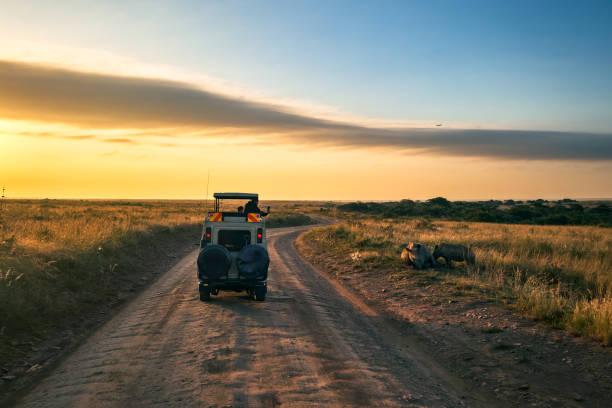

When planning an adventure in Tanzania, from the bustling streets of Dar es Salaam to the vast plains of the Serengeti, understanding how to get around is crucial. While traditional methods like shared taxis and daladalas are still prevalent, the digital age has introduced a range of transport apps that can simplify your travel experience. This guide focuses specifically on the transport apps used in Tanzania, helping you navigate your journey efficiently and comfortably.
For many travelers, especially those visiting major hubs like Dar es Salaam, Arusha, and Zanzibar City, ride-hailing apps have become a go-to option. They offer convenience, often transparent pricing, and a degree of safety through driver identification and GPS tracking. Beyond these, other apps facilitate booking local transport, inter-city travel, and even private transfers for your safari or Kilimanjaro trek. Knowing which apps are popular and reliable will significantly enhance your trip planning for 2026-2027.
Quick Facts: Transport Apps in Tanzania
| Feature | Details for Tanzania |
|---|---|
| Primary Ride-Hailing Apps | Uber, Bolt (formerly Taxify), Ping (local) |
| Availability | Mainly in major cities (Dar es Salaam, Arusha) and tourist hubs. Limited in remote areas. |
| Payment Methods | Cash, Mobile Money (M-Pesa, Tigo Pesa), sometimes linked cards. |
| Inter-city Travel Apps | Less common for direct bus booking; often requires direct booking or travel agent assistance. |
| Safari/Tour Booking Apps | Directly through tour operator websites/apps or international booking platforms. |
| Offline Maps | Google Maps, Maps.me are essential for navigation without data. |
Understanding the Tanzanian Transport Landscape
Tanzania’s transport infrastructure is diverse. In urban centers, you’ll find a mix of private cars, motorcycle taxis (boda-bodas), and public minibuses known as daladalas. For longer distances, buses are the primary mode of inter-city travel, connecting major towns and cities. For tourists, however, private transfers, specialized safari vehicles, and flights are common for reaching national parks and islands like Zanzibar.
The introduction and growing adoption of ride-hailing apps have brought a new layer of convenience, particularly for visitors accustomed to app-based services. These apps streamline the process of finding a ride, estimating fares, and ensuring a degree of accountability. However, it’s important to note that their coverage is not universal across the country. They are most prevalent and reliable in Dar es Salaam and Arusha, with some presence in Zanzibar City.
When considering transport apps used in Tanzania, it’s also vital to understand their limitations. For remote areas, national parks, or specialized travel like Kilimanjaro climbs, these apps are generally not applicable. In such cases, pre-arranged transport through your tour operator or lodge remains the most effective solution.
Popular Ride-Hailing Apps in Tanzania
The most commonly used transport apps in Tanzania fall under the ride-hailing category. These platforms connect passengers with drivers who use their own vehicles.
Uber in Tanzania
Uber operates in Dar es Salaam and Arusha. It functions much like it does in other parts of the world. You can request a ride, see your driver’s details, track their arrival, and pay via the app or in cash. Uber offers a straightforward way to get around these cities, especially if you’re looking for a more predictable and comfortable option than traditional taxis or daladalas.
- Pros: Familiar interface, GPS tracking, driver ratings, cashless payment options.
- Cons: Limited to major cities, surge pricing during peak hours, not always the cheapest option.
Bolt (formerly Taxify) in Tanzania
Bolt is another prominent ride-hailing service available in Dar es Salaam and Arusha. It often competes with Uber on price and availability. Many travelers find Bolt to be a reliable alternative, sometimes offering more competitive rates. The app’s functionality is similar to Uber’s, providing a convenient way to book rides.
- Pros: Often more affordable than Uber, good availability in supported cities, user-friendly app.
- Cons: Similar limitations to Uber regarding geographical coverage.
Ping (Local Ride-Hailing App)
Ping is a locally developed ride-hailing app that has gained traction in Tanzania. It aims to provide a competitive service with a focus on the local market. While its user base might be smaller than Uber or Bolt, it’s worth checking Ping for potentially different pricing or availability, especially in areas where the international apps might be less active.
- Pros: Local focus, potentially competitive pricing, supports local businesses.
- Cons: May have fewer drivers and less widespread coverage compared to international apps.
Beyond Ride-Hailing: Other Useful Apps and Digital Tools
While ride-hailing apps are great for city navigation, other digital tools are essential for a comprehensive travel experience in Tanzania.
Google Maps and Maps.me
These are indispensable for any traveler. Google Maps is excellent for navigating cities, finding points of interest, and even estimating travel times. However, in Tanzania, mobile data can be spotty and expensive. This is where offline map applications like Maps.me shine. You can download detailed maps of Tanzania beforehand, allowing you to navigate even without an internet connection. This is particularly useful for finding your way to hotels, restaurants, or trailheads.
- Use Case: Navigation, finding places, offline access.
- Tip: Download the Tanzania map for Maps.me before you leave home.
WhatsApp is the dominant messaging app in Tanzania. It’s used by almost everyone for communication, including many tour operators, guides, and drivers. Having WhatsApp installed and a local or international SIM card with data will allow you to communicate easily with your tour provider, confirm pick-up times, and receive updates. Many businesses, including tour operators, use it for quick customer service and booking inquiries.
- Use Case: Communication with tour operators, guides, drivers, and local contacts.
- Tip: Save your tour operator’s WhatsApp number for direct communication.
Mobile Money Apps (M-Pesa, Tigo Pesa, Airtel Money)
While not strictly transport apps, mobile money services are crucial for many transactions in Tanzania, including paying for rides when cash is not preferred or available. M-Pesa is particularly widespread. If you’re staying for a while or plan to use local services, understanding how to use mobile money can be very beneficial. Some ride-hailing apps allow integration or payment via these services.
- Use Case: Payments for services, sending/receiving money locally.
- Tip: Familiarize yourself with the process if you plan to rely on cashless payments.
Booking Safari and Long-Distance Transport
For the core of a Tanzanian adventure – safaris, Kilimanjaro treks, and travel between major cities like Arusha and Dar es Salaam – dedicated transport apps are rare. Instead, booking is typically done through:
- Tour Operator Websites and Apps: Reputable tour operators will have detailed information on their websites and often direct booking portals or inquiry forms. This is the most common and recommended method for arranging safari vehicles, guides, and transfers.
- International Booking Platforms: Sites like Viator or GetYourGuide may offer some tours and transfers, but for a personalized experience, direct booking with a local operator is usually better.
- Direct Contact (Email/WhatsApp): This is how most specialized travel arrangements are made. You’ll communicate directly with the tour operator to customize your itinerary, discuss vehicle options, and confirm logistics.
When booking your safari or Kilimanjaro trek for 2026-2027, prioritize operators who offer clear communication channels and detailed itineraries. They will arrange all necessary transport, including airport transfers, internal flights (if applicable), and the safari vehicle itself.
Table of Contents
- Understanding the Tanzanian Transport Landscape
- Popular Ride-Hailing Apps in Tanzania
- Beyond Ride-Hailing: Other Useful Apps and Digital Tools
- Booking Safari and Long-Distance Transport
- Getting Around Cities: Specifics
- Transport Apps in National Parks and Remote Areas
- Kilimanjaro Trekking Transport
- Common Mistakes When Using Transport Apps
- Who Will Benefit Most from Transport Apps?
- Alternatives to Using Transport Apps
- Planning Your Tanzania Transport for 2026-2027
- Booking Advice
- FAQs
- Ready to Explore Tanzania?
Getting Around Cities: Specifics
The utility of transport apps varies significantly depending on the city you are visiting.
Dar es Salaam
As Tanzania’s largest city and economic hub, Dar es Salaam has the most developed ride-hailing scene. Uber and Bolt are widely available and are often the most convenient ways for tourists to get from the airport to their hotel, travel between districts, or reach attractions like the National Museum or Kariakoo Market. You’ll also see many private taxis, some of which may be bookable via phone or local apps.
App Availability: High for Uber and Bolt. Ping may also be present.
Typical Use: Airport transfers, hotel to restaurant, city sightseeing.
Payment: Cash is king, but app payments (card or mobile money) are increasingly accepted.
Arusha
Arusha serves as the gateway to northern Tanzania’s safari circuit and Kilimanjaro. Ride-hailing services like Uber and Bolt are operational here, though perhaps with slightly less density than in Dar es Salaam. They are useful for getting around town, reaching your lodge before a safari, or heading to the bus station for onward travel. Many safari operators are based in Arusha, and they will arrange your airport transfers and safari transport.
App Availability: Moderate to High for Uber and Bolt.
Typical Use: Town exploration, pre-safari accommodation transfers.
Payment: Cash is very common; app payments are possible.
Zanzibar City (Stone Town)
Zanzibar City, particularly Stone Town, is a UNESCO World Heritage site with narrow, winding streets that are best explored on foot. However, for arrivals at the airport or ferry port, and for travel to other parts of the island, taxis are essential. Ride-hailing apps like Uber and Bolt have a presence in Zanzibar City, offering a convenient way to book transport. Be aware that traffic can be heavy, and fares might be higher during peak times.
App Availability: Moderate for Uber and Bolt. Local taxi services are also prevalent.
Typical Use: Airport/port transfers, getting to beaches or other island attractions (though pre-booked transfers are often better for longer island journeys).
Payment: Cash is widely preferred by local drivers; app payments may be an option.
Transport Apps in National Parks and Remote Areas
It is crucial to understand that transport apps used in Tanzania, particularly ride-hailing services like Uber and Bolt, do not operate within national parks or remote safari areas. These regions are vast, often have poor cellular reception, and require specialized 4×4 safari vehicles driven by experienced guides.
When you book a safari, your tour operator will arrange all your transport. This typically includes:
- Airport pick-up and drop-off.
- Transfers between lodges, camps, and park gates.
- The safari vehicle itself (usually a land cruiser or land rover) with a driver-guide for game drives.
For any travel within national parks, you rely entirely on your guide and the provided safari vehicle. Communication will be directly with your guide or the lodge. Apps are generally irrelevant for this part of your journey.
Kilimanjaro Trekking Transport
Similarly, for Kilimanjaro trekking, transport apps are not a factor. Your tour operator will arrange:
- Airport transfers to your hotel in Moshi or Arusha.
- Transfers from your hotel to the Kilimanjaro National Park gate (e.g., Marangu, Machame) on your trek start date.
- Transfers from the park exit gate back to your hotel after your descent.
All these arrangements are made in advance by your trekking company. You will communicate directly with them via email, phone, or WhatsApp to coordinate these logistics.
Common Mistakes When Using Transport Apps in Tanzania
Even with familiar apps, travelers can make mistakes. Being aware of these can save you time and frustration:
- Assuming Universal Availability: The biggest mistake is expecting these apps to work everywhere. They are primarily city-based. Don’t rely on them for inter-city travel or reaching remote lodges.
- Not Having Cash: While app payments are possible, cash is still the most reliable payment method, especially for local drivers or if your card isn’t accepted. Always carry sufficient Tanzanian Shillings.
- Ignoring Local SIM/Data: While some apps work on Wi-Fi, reliable use of ride-hailing apps requires a stable internet connection. Purchasing a local SIM card with a data bundle is highly recommended for city travel.
- Not Verifying Driver/Vehicle: Always check that the license plate number and driver’s details in the app match the vehicle that arrives. This is a standard safety precaution.
- Over-reliance for Safari/Trek Logistics: Thinking you can book your safari vehicle or Kilimanjaro transfer through an app is a misunderstanding of how these services work in Tanzania. These require specialized operators.
- Not Downloading Offline Maps: Relying solely on live GPS can be risky due to connectivity issues. Always have offline maps as a backup.
Who Will Benefit Most from Transport Apps?
Transport apps in Tanzania are most beneficial for:
- Independent City Travelers: Those exploring Dar es Salaam, Arusha, or Zanzibar City on their own and looking for convenient, relatively predictable transport.
- Budget-Conscious Travelers (sometimes): While not always the cheapest, app fares can sometimes be more predictable than negotiating with unmetered taxis. However, daladalas are the true budget option for locals.
- Tech-Savvy Tourists: Travelers who are comfortable using smartphone apps and prefer digital solutions for booking and payment.
- Tourists Arriving Late: For late-night airport arrivals, having a ride-hailing app ready can be more reassuring than searching for a taxi in the dark.
Alternatives to Using Transport Apps
For many situations in Tanzania, especially outside major cities, traditional methods are the norm:
- Pre-booked Transfers: Arranging airport pick-ups, hotel transfers, and safari transport directly with your hotel or tour operator is the most common and often best method.
- Taxis: Official taxi stands and hotel taxis are available in cities. Always agree on the fare *before* starting your journey.
- Daladalas: These are the local minibuses and are the backbone of public transport. They are very cheap but can be crowded, confusing for tourists, and follow specific routes.
- Boda-Bodas: Motorcycle taxis are common for short distances in cities and towns. They are fast but carry inherent risks. Helmets are often not provided or used.
- Inter-city Buses: Comfortable, air-conditioned buses operate between major towns. Companies like Scandinavia, Kilimanjaro Express, and Royal Express are popular. These are booked directly at the bus station or through agents.
- Internal Flights: For longer distances, especially between Dar es Salaam and Kilimanjaro region or Zanzibar, flights are a quick option. Airlines like Precision Air, Air Tanzania, and Coastal Aviation operate these routes. Booked directly or via travel agents.
Planning Your Tanzania Transport for 2026-2027
When planning your trip for 2026-2027, integrate your transport strategy early.
Pre-Trip Research
Familiarize yourself with the apps available and their coverage areas. Research your accommodation and tour operators to understand what transport they include. Download offline maps.
During Your Trip
City Navigation: For Dar es Salaam, Arusha, and Zanzibar City, have Uber and Bolt apps installed. Have cash and a local SIM card ready. Use offline maps as a backup.
Inter-city Travel: For travel between major cities (e.g., Arusha to Dar es Salaam), research bus companies or consider domestic flights. Book these in advance, especially for 2026-2027 travel during peak seasons.
Safari & Trekking: All transport related to national parks, game drives, and Kilimanjaro climbs will be handled by your tour operator. Confirm these details in your itinerary. For example, a typical northern circuit safari itinerary will include:
Sample Safari Transport Flow (Northern Circuit)
- Day 1: Arrival at Kilimanjaro International Airport (JRO). Meet and greet by your tour operator representative. Private transfer in an air-conditioned vehicle to your hotel in Arusha.
- Day 2: After breakfast, your dedicated safari driver-guide and 4×4 safari vehicle will pick you up from your Arusha hotel. Drive to Tarangire National Park for game drives. Overnight at a lodge/camp near Tarangire.
- Day 3: Morning game drive in Tarangire. Drive to the Ngorongoro Conservation Area. Overnight at a lodge on the crater rim or in Karatu.
- Day 4: Descend into the Ngorongoro Crater for a full day of game viewing. Late afternoon drive to your lodge near the Serengeti National Park boundary.
- Day 5-7: Game drives within the Serengeti National Park, moving with wildlife patterns (e.g., following the Great Migration if applicable for your dates in 2026 or 2027). Overnight in mobile camps or lodges within the Serengeti.
- Day 8: Morning game drive in the Serengeti. Fly from a Serengeti airstrip (e.g., Seronera) to Zanzibar or Arusha. If flying to Zanzibar, a representative will meet you for transfer to your beach resort. If flying to Arusha, transfer to your hotel.
- Day 9 (if flying to Arusha): Transfer to Kilimanjaro International Airport (JRO) for your departure.
Note: This is a sample. Actual transport details depend on your chosen itinerary, duration, and specific parks visited.
Zanzibar Travel: For travel between Stone Town and beach resorts, or between resorts, pre-booked transfers or local taxis are common. Apps might be useful for shorter hops within Stone Town or immediate surroundings.
Booking Advice
When it comes to arranging transport, especially for core travel like safaris and treks, here’s what to consider:
- Book Safaris/Treks First: Your safari vehicle, driver-guide, and Kilimanjaro transport are integral parts of your main booking. These should be arranged with your chosen tour operator well in advance. For 2026-2027, especially if you have specific dates or preferences, booking 6-12 months ahead is advisable.
- Confirm Inclusions: Carefully review what your tour package includes. Most reputable operators cover airport transfers and all in-country transport related to your safari or trek.
- Communicate Clearly: Use email or WhatsApp to confirm pick-up times, locations, and any special requirements.
- Ride-Hailing Apps: For city travel, download Uber and Bolt before you arrive. Set up your payment methods. Be prepared to pay with cash as a backup.
- Offline Maps: Prioritize downloading Maps.me or Google Maps offline for Tanzania before your trip.
- Local SIM Card: Consider purchasing a local SIM card upon arrival for easier communication and data access in cities.
FAQs
-
Are Uber and Bolt available in all of Tanzania?
No, Uber and Bolt are primarily available in major cities like Dar es Salaam and Arusha, and to a lesser extent in Zanzibar City. They are not operational in national parks, remote areas, or most smaller towns.
-
Can I use transport apps to book my safari?
No, transport apps are not used for booking safaris. Safari transport, including 4×4 vehicles and guides, must be arranged directly with a licensed tour operator.
-
What is the best way to get around cities like Dar es Salaam?
For convenience and predictability, Uber and Bolt are good options. However, always have cash as a backup and be aware that local taxis and daladalas are also widely used.
-
Is it safe to use ride-hailing apps in Tanzania?
Ride-hailing apps generally offer a good level of safety due to driver identification and GPS tracking. However, always exercise standard precautions: verify your driver and vehicle, share your trip details with someone, and trust your instincts.
-
Do I need a local SIM card to use transport apps?
While you can use apps on Wi-Fi, a local SIM card with a data plan is highly recommended for seamless use of ride-hailing apps and for communication with tour operators, especially in 2026-2027 when connectivity is expected to improve but still variable.
-
What payment methods are accepted by transport apps in Tanzania?
Most apps accept cash, and increasingly, payments via linked credit/debit cards or mobile money services like M-Pesa. However, cash remains the most universally accepted method.
-
How do I get from Kilimanjaro International Airport (JRO) to Arusha or Moshi?
This transfer should be pre-booked with your tour operator or accommodation. Ride-hailing apps are generally not recommended or reliable for airport pick-ups.
-
Are there any apps for booking inter-city buses?
Direct booking apps for inter-city buses are not widespread in Tanzania. It is usually best to book through bus company offices at the station or via travel agents for services like Scandinavia or Kilimanjaro Express.
-
What if I have trouble with a ride-hailing app or driver?
Most apps have a customer support feature within the app to report issues. If paying cash, try to resolve issues directly with the driver, but if you feel unsafe or are overcharged, report it to the app’s support.
-
Can I use these apps for transport within national parks?
Absolutely not. National parks require specialized 4×4 safari vehicles and licensed guides arranged by your tour operator. Apps like Uber or Bolt do not operate in these areas.
Ready to Explore Tanzania?
Navigating Tanzania is an adventure in itself. While transport apps used in Tanzania, particularly ride-hailing services, can greatly enhance your experience in cities like Dar es Salaam and Arusha, they are just one piece of the puzzle. For the iconic safari adventures, Kilimanjaro climbs, and island getaways that Tanzania is famous for, comprehensive planning with experienced local operators is key.
At Best Tanzania Tour Operator, we specialize in creating unforgettable journeys tailored to your interests. Whether you’re planning a safari for 2026, a trek in 2027, or a combination of experiences, we handle all your transport logistics, ensuring a smooth and enjoyable trip from start to finish. Let us take the complexity out of planning so you can focus on the magic of Tanzania.
Contact us today to start planning your dream Tanzanian adventure:
- WhatsApp: +255616946642
- Email: topguideadventures@gmail.com
- Backup Email: info@topguideadventures.com
We look forward to helping you discover the wonders of Tanzania!
Plan your Transport Apps Used in Tanzania with Top Guide Adventures
Tell us your travel dates, group size, comfort level, and dream experience. We will help you shape a clear, realistic, and memorable Tanzania itinerary.







 Veedesigner
 Fatma Kizanga
 Benjamin Waryuba
 Philip Philip
 John jr Itaja
 Antonia Optatus
 Edith Kanyere
 Neema Iddy
 Kelvin Boniphace
 Damari Maiga



