
Updated planning guide for 2026-2027
Travel Delays And Transport Tips In Tanzania: Complete Guide 2026-2027
Understand and prepare for potential travel delays and learn essential transport tips for a smooth journey through Tanzania, from safaris to Zanzibar.
WhatsApp +255616946642 | topguideadventures@gmail.com | info@topguideadventures.com
Navigating Tanzania: Your Essential Guide to Travel Delays and Transport Tips
Planning a trip to Tanzania is an exciting prospect, promising breathtaking wildlife encounters on safari, the formidable challenge of Mount Kilimanjaro, and the serene beauty of Zanzibar’s beaches. However, like any destination, Tanzania has its own unique logistical considerations, particularly concerning travel delays and its diverse transport network. Understanding these aspects is crucial for a stress-free and enjoyable adventure. This comprehensive guide will equip you with the knowledge to anticipate and manage potential travel delays and make informed decisions about transportation for your 2026-2027 journey.
Quick Tanzania Travel Facts
| Primary Airport(s): | Julius Nyerere International Airport (DAR) in Dar es Salaam; Kilimanjaro International Airport (JRO) near Arusha. |
| Main Transport Hubs: | Arusha (for Northern Circuit safaris & Kilimanjaro), Dar es Salaam (for Southern Circuit safaris & Zanzibar ferry), Zanzibar (for island travel). |
| Common Modes of Transport: | Safari vehicles (4x4s), small aircraft (bush planes), long-distance buses, ferries, taxis, dala-dalas (local minibuses), private transfers. |
| Typical Travel Pace: | Can be slower than Western standards due to road conditions, distances, and logistics. |
| Key Considerations: | Road quality, weather, flight schedules, ferry reliability, booking in advance. |
Why Understanding Travel Delays and Transport is Key
Tanzania’s vast landscapes and popular attractions are often separated by significant distances. The infrastructure, while improving, can present challenges. Roads, especially in more remote areas or after heavy rains, can be slow to traverse. Internal flights, while efficient, are subject to weather and scheduling changes. Ferries to islands like Zanzibar can also experience delays due to sea conditions or mechanical issues. Being prepared for these eventualities means less frustration and more time enjoying your experiences. It allows for flexible planning and helps avoid missed connections, especially crucial if you have tight schedules for flights or specific tours.
Common Causes of Travel Delays in Tanzania
Several factors can contribute to delays when traveling within Tanzania. Recognizing these helps set realistic expectations:
- Road Conditions: Many roads, particularly unpaved tracks in national parks or rural areas, can become difficult to navigate during the rainy seasons (typically March-May and November). This significantly slows down travel times. Even major highways can experience congestion or temporary closures due to maintenance or accidents.
- Vehicle Issues: Safari vehicles, essential for park exploration, are robust but can still experience mechanical problems, especially after long journeys or rough terrain. Tour operators usually have backup vehicles, but a repair or replacement can cause delays.
- Weather: Heavy rainfall can affect road conditions, visibility for flights, and ferry operations. Dust storms can also impact air travel.
- Flight Schedules: Internal flights, particularly those operated by smaller charter companies, can be subject to schedule changes due to operational reasons, passenger loads, or weather. It’s always wise to reconfirm flight times closer to departure.
- Ferry Operations: The ferry service between Dar es Salaam and Zanzibar is a popular, cost-effective option, but it is susceptible to delays. These can be caused by rough seas, mechanical issues, or passenger processing times.
- Bureaucracy and Checkpoints: While generally efficient, border crossings, park entry procedures, and occasional police checkpoints can sometimes add unexpected time to journeys.
- Logistical Planning: Sometimes, delays stem from simple logistical miscalculations or last-minute changes in plans, which are more common in developing travel infrastructure.
Best Time to Travel to Tanzania (and How it Affects Transport)
The dry seasons are generally considered the best time to visit Tanzania for safaris and trekking, offering the most predictable weather and best wildlife viewing. However, these peak times also mean more travelers and potentially tighter schedules for transport.
| Season | Months | Weather | Impact on Transport | Best For |
|---|---|---|---|---|
| Dry Season (Peak) | June – October | Sunny, dry, cooler temperatures. Minimal rain. | Roads are in good condition. Flights and ferries generally run on schedule. Higher demand means booking transport and accommodations well in advance is critical. | Serengeti migration, Kilimanjaro climbing, general safari, beach relaxation. |
| Short Rains | November – December | Intermittent showers, often in the afternoons. Still good game viewing. | Roads can become muddy in places, potentially slowing travel. Flights and ferries are usually unaffected but check forecasts. Less crowded than peak season. | Bird watching, fewer crowds, migrating wildebeest in some areas. |
| Long Rains (Low Season) | March – May | Heavy, prolonged rains. Lush landscapes. | Roads can be very challenging, especially in parks, leading to significant travel delays. Some remote airstrips may be affected. Ferry services can be disrupted by rough seas. Lower prices. | Budget travel, photography (green landscapes), fewer tourists. Not ideal for Kilimanjaro. |
| Green Season (Shoulder) | January – February | Hot and humid with scattered showers, usually brief. | Roads are generally good, though occasional short delays from rain are possible. Flights and ferries are usually reliable. Good for calving season in Serengeti. | Serengeti calving season, good value, fewer crowds than peak dry season. |
Tanzania’s Transport Network: Options and Considerations
Tanzania offers a variety of ways to get around, each with its own advantages and potential for delays.
1. Safari Vehicles (4×4 Land Cruisers/Land Rovers)
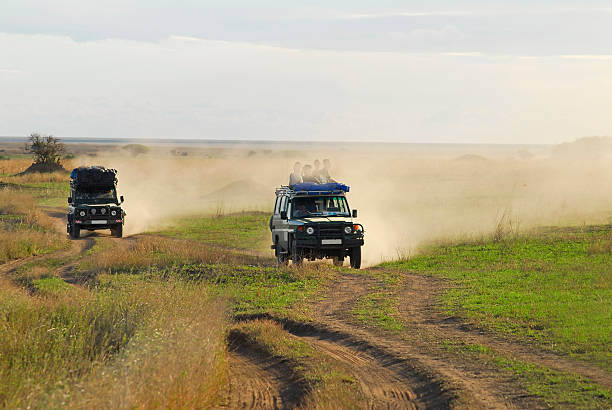
Description: These are the workhorses of Tanzanian safaris, specifically designed for off-road conditions in national parks. They typically seat 5-7 passengers comfortably, equipped with pop-top roofs for game viewing and photography.
Pros: Essential for park exploration, comfortable for long distances, reliable for off-road travel, driven by experienced guides who know the parks.
Cons: Can be slow on rough tracks, breakdowns can occur (though rare with well-maintained vehicles), often the most expensive component of a safari due to vehicle, fuel, and driver costs.
Delay Factor: Moderate. Can be significantly slowed by poor road conditions, especially during rainy seasons. Mechanical issues, though infrequent, can cause downtime.
2. Internal Flights (Bush Planes)
Description: Small aircraft operate between major hubs (Arusha, Dar es Salaam, Zanzibar) and remote airstrips within national parks (e.g., Serengeti, Ruaha). Companies like Coastal Aviation, Auric Air, and Precision Air are common providers.
Pros: Dramatically reduces travel time, offering scenic aerial views. Ideal for maximizing time in destinations like the Serengeti or for hopping between parks without long drives.
Cons: Significantly more expensive than road travel. Strict luggage weight limits (usually 15-20 kg in soft bags). Subject to weather delays or cancellations. Schedules can be flexible and may change.
Delay Factor: Low to Moderate. Weather is the primary cause of delays or cancellations. Schedule changes are also possible. Always reconfirm flight times.
3. Long-Distance Buses
Description: A very common and affordable way for locals and budget travelers to cover long distances between cities like Arusha, Dar es Salaam, Moshi, and Mbeya. Companies like Scandinavian Express, Super Shem Tours, and Kidia One operate these routes.
Pros: Very economical. Offers a glimpse into local life. Connects major cities.
Cons: Can be slow, crowded, and uncomfortable. Road conditions can make for a bumpy ride. Schedules are often approximate, and delays are common. Not suitable for time-sensitive travel or reaching national parks directly.
Delay Factor: High. Buses often depart late, stop frequently, and are heavily impacted by road conditions and traffic. Journeys can take much longer than estimated.
4. Ferries
Description: The main ferry route connects Dar es Salaam to Zanzibar (Stone Town) and sometimes to other coastal towns. Several companies operate this service, with varying levels of comfort and speed.
Pros: Affordable and direct between Dar es Salaam and Zanzibar. Offers sea views.
Cons: Can be crowded. Subject to weather conditions (rough seas can lead to cancellations or delays). Ferry condition and punctuality can vary. Speed ferries are faster but more expensive and prone to rougher rides.
Delay Factor: Moderate to High. Weather is a significant factor. Mechanical issues or delays in passenger boarding can also occur.
5. Taxis and Private Transfers
Description: Available in cities and tourist hubs for shorter distances or airport transfers. Private transfers can be arranged for longer inter-city journeys or airport-to-hotel transfers.
Pros: Convenient for point-to-point travel. Private transfers offer comfort and direct service.
Cons: Can be expensive, especially for longer distances. Negotiate fares beforehand for taxis. Reliability can vary.
Delay Factor: Low. Primarily affected by local traffic conditions.
6. Dala-dalas (Local Minibuses)
Description: The most basic and cheapest form of public transport within towns and cities. Open-sided or closed minibuses that run fixed routes.
Pros: Extremely cheap. Authentic local experience.
Cons: Crowded, slow, can be uncomfortable. Not suitable for tourists with luggage or time constraints. Routes can be confusing for visitors.
Delay Factor: High. Constantly stop to pick up and drop off passengers, subject to traffic. Best avoided for significant travel.
Navigating Specific Travel Routes and Potential Delays
1. Arusha to National Parks (Serengeti, Ngorongoro, Tarangire, Lake Manyara)
Typical Transport: 4×4 Safari Vehicle.
Route Overview: Arusha is the gateway to the Northern Circuit. Roads are generally paved until the park gates, then turn into gravel and dirt tracks. The drive to Tarangire or Manyara takes 2-3 hours. Ngorongoro Conservation Area is about 3-4 hours. The Serengeti is further, requiring 5-7 hours of driving depending on the gate and your specific lodge location within the park.
Potential Delays:
- Road Conditions: During the long rains (March-May), roads within the parks, especially the Serengeti, can become impassable or extremely slow due to mud. This can turn a 6-hour drive into a full-day affair, or even necessitate rerouting.
- Park Entry: While usually efficient, queues at park gates can sometimes occur, especially during peak season.
- Vehicle Breakdown: Although tour operators maintain vehicles, the rough terrain increases the risk.
- Wildlife Sightings: While not a ‘delay’ in the negative sense, frequent stops for amazing sightings can extend travel times between locations.
Tips: Travel during the dry season (June-October) for the best road conditions. Allow ample time for transfers, especially to the Serengeti. Consider a flight from Arusha to a Serengeti airstrip if time is very limited or you want to avoid long drives.
2. Arusha to Kilimanjaro National Park
Typical Transport: 4×4 Vehicle for park entry and trek start point; walking/climbing for the trek itself.
Route Overview: Arusha to Marangu or Machame gate (depending on the route) is approximately 1-2 hours drive on paved roads.
Potential Delays:
- Roads: Generally not an issue as roads are paved.
- Gate Procedures: Registration at the park gate can sometimes take time, especially during busy trekking seasons.
- Weather: While unlikely to cause road delays, heavy rain at the start of your trek can be uncomfortable.
Tips: Ensure your transfer to the gate is booked and confirmed. Arrive at the gate with all necessary permits and documentation ready.
3. Dar es Salaam to Zanzibar
Typical Transport: Ferry or Flight.
Route Overview: Dar es Salaam city center to the ferry terminal; ferry journey takes 1.5-2 hours to Stone Town, Zanzibar. Alternatively, a 15-20 minute flight from DAR to Zanzibar International Airport (ZNZ).
Potential Delays:
- Ferry: Highly susceptible to rough seas, especially during the rainy seasons or windy periods. Cancellations or significant delays are possible. Mechanical issues can also arise.
- Flight: Less prone to delays than ferries but can be affected by weather or operational reasons.
- Traffic: Getting to the ferry terminal or airport in Dar es Salaam can be subject to heavy traffic delays.
Tips: Book ferry tickets in advance, especially during peak times. Opt for flights if your time is very limited or if you are traveling during a period known for rough seas. Allow plenty of time to reach the Dar es Salaam terminal due to potential traffic.
4. Within Zanzibar
Typical Transport: Taxis, private transfers, dala-dalas, rental cars (less common for tourists due to driving style). Ferries for day trips to nearby islands.
Route Overview: Stone Town to various beach resorts (e.g., Nungwi, Paje) takes 1-1.5 hours. Travel between resorts is also common.
Potential Delays:
- Road Conditions: Many roads, especially off the main routes, are unpaved and can become muddy or potholed after rain.
- Traffic: Stone Town and main roads can get congested.
- Vehicle Issues: Rental cars or taxis can experience breakdowns.
Tips: Use reputable taxi services or arrange transfers through your accommodation. If renting a car, be prepared for local driving habits and road conditions.
Strategies for Minimizing Travel Delays
While some delays are unavoidable, proactive planning can significantly reduce their impact:
- Build in Buffer Time: This is the golden rule. Never schedule tight connections. Add extra hours or even a full day between major travel legs (e.g., between arriving from an international flight and starting a safari, or between returning from Kilimanjaro and flying out).
- Choose Reputable Operators: Partner with experienced tour operators who have a proven track record for reliability, well-maintained vehicles, and contingency plans. They will have backup vehicles and understand how to navigate potential issues.
- Travel During the Dry Season: If your schedule and budget allow, planning your trip for the dry seasons (June-October, and January-February) will generally lead to smoother travel with fewer weather-related delays.
- Consider Internal Flights: For long distances or time-sensitive itineraries, investing in internal flights can save considerable time and reduce the risk of road-related delays. Be aware of luggage restrictions.
- Stay Informed: Keep abreast of weather forecasts and local news. Your tour operator should be your primary source of real-time information regarding travel conditions.
- Pack Smart: Ensure you have essentials like snacks, water, and entertainment for longer journeys, as unexpected stops or delays can happen.
- Flexible Mindset: Embrace the adventure! Sometimes, unexpected stops lead to memorable experiences. A flexible attitude is your best travel companion in Tanzania.
Packing and Preparation for Tanzanian Travel
Your packing list should account for the diverse environments and potential travel conditions:
Essential Packing List
- Clothing: Lightweight, breathable fabrics (cotton, linen, moisture-wicking synthetics). Neutral colors (khaki, beige, olive) are best for safaris. Include layers for cooler mornings/evenings (fleece, light jacket). Modest clothing for Zanzibar town and villages.
- Footwear: Comfortable walking shoes or hiking boots (broken in!), sandals or flip-flops for relaxation.
- Sun Protection: Wide-brimmed hat, sunglasses, high SPF sunscreen.
- Insect Repellent: With DEET or Picaridin.
- Health: Personal first-aid kit, any prescription medications, anti-malarial medication (consult your doctor).
- Documents: Passport, visa, yellow fever certificate (if required), flight/booking confirmations, travel insurance details. Keep copies separate.
- Electronics: Camera, extra batteries/power bank, universal adapter, phone.
- Toiletries: Biodegradable options if possible. Hand sanitizer.
- Miscellaneous: Binoculars (highly recommended for safaris), reusable water bottle, small backpack for day trips, headlamp/torch.
Common Mistakes to Avoid
Learning from others’ experiences can help you sidestep common pitfalls:
- Underestimating Travel Times: Assuming distances are covered quickly can lead to rushed itineraries and missed opportunities.
- Not Booking in Advance: Especially during peak season (June-October), accommodations, flights, and popular safari slots fill up quickly.
- Packing Inappropriately: Bright colors can scare wildlife; heavy, dark clothing is uncomfortable in the heat.
- Ignoring Luggage Restrictions: Especially for internal flights, overweight or bulky luggage can cause significant delays and extra costs.
- Not Having Travel Insurance: Essential for covering medical emergencies, trip cancellations, or lost belongings.
- Relying Solely on Public Transport for Tight Schedules: Long-distance buses are not for those on a strict timetable.
- Not Confirming Details: Always reconfirm flight times, ferry schedules, and pick-up arrangements 24-48 hours in advance.
Who is This Travel Style Best Suited For?
This approach to travel, focusing on understanding and managing transport and delays, is ideal for:
- First-time visitors to Tanzania: Provides a realistic overview of what to expect.
- Independent travelers: Those who prefer to arrange some aspects of their trip themselves and need practical advice.
- Budget-conscious travelers: Understanding transport options helps in making cost-effective choices, though it requires more time and flexibility.
- Adventurous travelers: Those who are comfortable with a bit of unpredictability and enjoy experiencing local life.
- Photographers and Wildlife Enthusiasts: Planning for longer travel times means more opportunities for spontaneous stops and unique shots.
For those seeking absolute predictability and minimal travel time, opting for more internal flights and private, pre-arranged transfers throughout their itinerary is recommended, though it comes at a higher cost.
Alternatives and Variations
While this guide focuses on common travel patterns, consider these variations:
- Luxury Fly-in Safaris: Minimize road travel by flying directly to luxury lodges in remote areas. This dramatically reduces travel time and potential for delays but is the most expensive option.
- Combined Safari and Beach Packages: Many operators offer packages that seamlessly combine Northern Circuit safaris with Zanzibar, often including internal flights to save time.
- Focus on One Region: Instead of trying to see too much, focus on the Northern Circuit or a specific area to reduce inter-regional travel and associated delays.
- Kilimanjaro Trekking: This is a specific activity where transport is mainly to and from the mountain gate. The primary ‘travel’ is the trek itself, which has its own set of challenges and timelines.
Planning Your 2026-2027 Tanzania Trip: Transport Considerations
When planning your adventure for 2026 or 2027, keep these points in mind:
- Book Early for Peak Season: The dry seasons (June-October 2026/2027) are popular. Secure your preferred accommodations, safari vehicles, and internal flights well in advance.
- Research Flight Availability: Internal flight schedules can change. Work with a tour operator who can monitor these and rebook if necessary.
- Factor in Road Conditions for Rainy Seasons: If traveling during the shoulder or rainy seasons (Nov-May, excluding Jan-Feb), be prepared for slower travel and potentially longer journeys. Adjust your itinerary accordingly.
- Visa Requirements: Check the latest visa requirements for Tanzania well in advance of your travel dates.
- Health Precautions: Consult your doctor about necessary vaccinations and malaria prophylaxis for 2026-2027 travel.
- Travel Insurance: Ensure your policy covers trip cancellations, medical emergencies, and any adventure activities you plan.
Booking Advice for a Smooth Journey
To ensure your Tanzanian adventure is as smooth as possible, follow these booking tips:
- Choose a Reputable Tour Operator: This is paramount. A good operator will handle logistics, advise on transport, manage potential delays, and provide reliable vehicles and guides. Look for operators with strong local knowledge and positive reviews.
- Be Clear About Your Itinerary: Discuss your priorities, budget, and desired pace with your operator. If minimizing travel time is key, discuss incorporating more flights. If you prefer a more immersive road experience, understand the time implications.
- Understand Inclusions/Exclusions: Clarify what is covered in your package. This includes park fees, accommodation, meals, vehicle hire, guide fees, and any internal flights or ferry tickets. Knowing this prevents unexpected costs and delays.
Sample Itinerary Logic (Northern Circuit Safari)
| Day | Location | Activities | Transport Focus | Potential Delay Points |
|---|---|---|---|---|
| 1 | Arrive Kilimanjaro (JRO) & Transfer to Arusha | Airport pickup, relax | Private Transfer | Flight delays, airport traffic |
| 2 | Arusha to Tarangire National Park | Full-day game drive | 4×4 Safari Vehicle | Road conditions (if wet), park entry |
| 3 | Tarangire to Ngorongoro Crater | Morning game drive, drive to Crater rim | 4×4 Safari Vehicle | Road conditions to crater, descent permit |
| 4 | Ngorongoro Crater to Serengeti National Park | Full-day game drive in Serengeti | 4×4 Safari Vehicle | Long drive, road conditions (especially if rainy), wildlife congestion |
| 5 | Serengeti National Park | Full-day game drive | 4×4 Safari Vehicle | Wildlife sightings, vehicle issues (rare) |
| 6 | Serengeti to Arusha / Kilimanjaro (JRO) | Morning game drive, fly to Arusha or drive to JRO | Bush Plane or 4×4 Vehicle | Flight delays (weather), long drive time (if not flying) |
This sample highlights how transport choices and potential delays are woven into the daily experience. For instance, Day 6 offers a choice between a potentially faster flight (with luggage limits and weather risks) or a long drive (with road condition risks).
Frequently Asked Questions (FAQs)
Q1: How common are flight delays for internal Tanzanian flights in 2026-2027?
A1: Internal flights, especially those operated by smaller carriers, can experience delays due to weather (rain, dust storms), operational reasons, or passenger loads. While not constant, it’s wise to build buffer time into your itinerary and reconfirm flight times 24 hours in advance. Major airlines are generally more reliable.
Q2: What should I do if my ferry to Zanzibar is delayed or cancelled?
A2: If traveling independently, check with the ferry operator for updates. If booked through a tour operator, contact them immediately. They can assist with rebooking or arranging alternative transport, such as a flight, though this may incur extra costs. Be prepared for potential overnight stays in Dar es Salaam if cancellations are severe.
Q3: Are roads in Tanzania safe for self-driving?
A3: Self-driving is generally not recommended for tourists in Tanzania, especially outside major towns. Road conditions can be poor, driving standards are different, and navigation can be challenging. Relying on experienced local guides and drivers with appropriate safari vehicles is safer and more efficient.
Q4: How much time should I add for potential travel delays in my itinerary?
A4: For inter-city travel by road, add at least 20-30% extra time. For transfers to/from airports or ferry terminals, add an extra hour to account for traffic. If connecting between international and domestic flights, aim for a minimum of 4-6 hours, or ideally, an overnight stay.
Q5: What is the best way to travel between Arusha and Dar es Salaam in 2027?
A5: The fastest and most convenient way is by internal flight (approx. 1 hour flight time). Alternatively, you can take a long-distance bus (approx. 8-10 hours, but often longer due to delays) or arrange a private transfer (also 8-10 hours, but more comfortable). Flights are recommended for time-sensitive travelers.
Q6: Can my tour operator help manage travel delays?
A6: Absolutely. A reputable tour operator is your best asset. They have local contacts, understand the transport network, and have contingency plans. They will rebook flights, arrange alternative vehicles, and adjust your itinerary with minimal disruption to your experience.
Q7: Are there specific times of year when transport is more reliable?
A7: The dry seasons (June-October and January-February) generally offer the most reliable transport. Roads are in better condition, and flights and ferries are less likely to be affected by weather. However, these are also peak tourist seasons.
Q8: What are the luggage restrictions for internal flights in Tanzania?
A8: Most internal charter flights have strict weight limits, typically 15-20 kg per person, and usually require soft-sided duffel bags rather than hard suitcases. Always confirm the exact limits with your tour operator or the airline.
Q9: How can I prepare for long road journeys in Tanzania?
A9: Pack snacks, plenty of water, entertainment (books, music), a comfortable neck pillow, and motion sickness medication if needed. Dress in comfortable clothing and wear layers for changing temperatures. Your tour operator will likely provide a cooler with water and snacks.
Q10: What if my safari vehicle breaks down?
A10: Reputable tour operators carry spare parts and have backup vehicles. While a breakdown can cause a delay, your operator’s priority will be to get you back on track quickly, either by repairing the vehicle or transferring you to a replacement.
Ready to Plan Your Tanzanian Adventure?
Navigating the transport network and potential travel delays in Tanzania is part of the adventure. With careful planning and the right partner, you can ensure a smooth and unforgettable journey. Whether you dream of spotting the Big Five, conquering Kilimanjaro, or relaxing on Zanzibar’s beaches, understanding these logistical elements is key.
Let us help you craft your perfect Tanzanian experience for 2026-2027. We specialize in creating custom itineraries that account for travel times, transport options, and your specific interests, ensuring you make the most of your precious holiday time. We understand the importance of reliable transport and have contingency plans in place to manage any unforeseen travel delays.
Contact us today to start planning your trip:
WhatsApp: +255616946642
Email: topguideadventures@gmail.com
Backup Email: info@topguideadventures.com
We look forward to helping you experience the magic of Tanzania without the stress of travel delays.
Plan your Travel Delays and Transport Tips in Tanzania with Top Guide Adventures
Tell us your travel dates, group size, comfort level, and dream experience. We will help you shape a clear, realistic, and memorable Tanzania itinerary.







 Veedesigner
 Fatma Kizanga
 Benjamin Waryuba
 Philip Philip
 John jr Itaja
 Antonia Optatus
 Edith Kanyere
 Neema Iddy
 Kelvin Boniphace
 Damari Maiga



