
Updated planning guide for 2026-2027
Charter Flights In Tanzania Explained: Complete Guide 2026-2027
Planning a trip to Tanzania and considering charter flights? This comprehensive guide explains everything you need to know about private air travel in Tanzania, from benefits and routes to costs and booking tips for 2026-2027.
WhatsApp +255616946642 | topguideadventures@gmail.com | info@topguideadventures.com

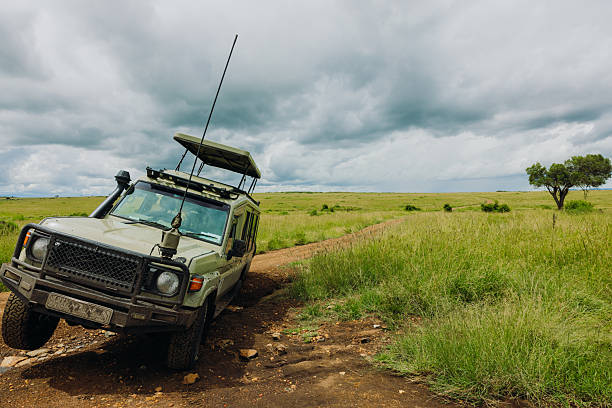
Charter Flights in Tanzania Explained: Your Ultimate Travel Guide
Tanzania, a land of breathtaking landscapes, iconic wildlife, and vibrant cultures, offers a truly unforgettable travel experience. From the vast plains of the Serengeti to the spice-scented beaches of Zanzibar and the towering peak of Mount Kilimanjaro, reaching these diverse destinations can sometimes present logistical challenges. This is where charter flights in Tanzania become an invaluable consideration for travelers seeking efficiency, comfort, and a more personalized way to explore this magnificent country. This guide provides an in-depth look at charter aviation in Tanzania, covering everything from understanding its purpose to making informed booking decisions for your 2026-2027 adventures.
For many, the dream of a Tanzanian safari or a serene Zanzibar holiday involves navigating vast distances. While scheduled flights connect major hubs, they often require multiple connections, lengthy layovers, or overland travel that eats into precious vacation time. Charter flights offer a direct, flexible, and often more comfortable alternative, allowing you to maximize your time experiencing the wonders of Tanzania.
Quick Guide to Charter Flights in Tanzania
Considering private air travel for your Tanzanian journey? Here’s a snapshot of what you need to know:
| Aspect | Details |
|---|---|
| Purpose | Connecting remote safari camps, islands, or specific points of interest quickly and efficiently. Enhancing comfort and reducing travel time. |
| Key Destinations | Serengeti, Ngorongoro Crater, Kilimanjaro International Airport (JRO), Zanzibar (ZNZ), Mafia Island, Ruaha National Park, Selous Game Reserve (Nyerere National Park), Lake Manyara, Arusha Airport (ARK). |
| Aircraft Types | Small to medium-sized aircraft, typically Cessna Caravans, Twin Otters, or similar, suitable for bush airstrips. Larger options available for longer routes. |
| Benefits | Time-saving, direct routes, flexibility in scheduling, access to remote locations, enhanced privacy and comfort, scenic aerial views. |
| Considerations | Higher cost compared to scheduled flights, weather dependency, luggage restrictions (weight and size), booking in advance is recommended. |
| Best For | Travelers with limited time, those seeking luxury or exclusive experiences, families or groups wanting to travel together, visitors accessing remote safari lodges. |
Table of Contents
- Why Consider Charter Flights in Tanzania?
- How Charter Flights in Tanzania Work
- The Advantages of Private Air Travel
- Popular Routes and Destinations Served
- Aircraft Options for Your Tanzanian Journey
- Understanding the Costs of Charter Flights
- How to Book Your Charter Flight
- Planning Your Itinerary with Charter Flights (2026-2027)
- Common Mistakes to Avoid
- Who Are Charter Flights Best For?
- Alternatives to Charter Flights
- Luggage and Packing Considerations
- Safety and Regulations
- Frequently Asked Questions
- Ready to Book Your Tanzanian Adventure?
Why Consider Charter Flights in Tanzania?
Tanzania is a vast country, and its most sought-after attractions are often spread far apart. The Serengeti National Park, for instance, is immense. Reaching a specific lodge deep within the park from Kilimanjaro International Airport (JRO) can involve a drive of 6-8 hours or more. Similarly, traveling between different safari areas or from the mainland to Zanzibar can consume significant time if relying solely on ground transport or scheduled flights with multiple stops.
Charter flights offer a solution by providing:
- Time Efficiency: This is perhaps the most compelling reason. A flight that takes 1-2 hours can replace an entire day of overland travel. This is crucial for travelers on tighter schedules or those who wish to maximize their time on safari or enjoying the coast.
- Access to Remote Locations: Many exclusive safari lodges and camps are situated in remote areas with their own dedicated airstrips. Charter planes are often the only practical way to reach these pristine, less-crowded destinations.
- Comfort and Privacy: Traveling in a private aircraft means you avoid crowded terminals, long check-in queues, and the general hustle of commercial airports. You travel with your own group, offering a more relaxed and personalized experience.
- Flexibility: While not entirely on-demand like a personal jet, charter flights offer significantly more flexibility than scheduled services. You can often arrange departure times that suit your itinerary, rather than being bound by fixed schedules.
- Scenic Views: Flying over Tanzania provides a spectacular aerial perspective of its diverse geography – the Great Rift Valley, vast savannken, winding rivers, and the turquoise waters surrounding Zanzibar.
How Charter Flights in Tanzania Work
The process of arranging charter flights in Tanzania is typically managed through tour operators or specialized aviation providers. When you book a safari package or a multi-destination trip that includes internal flights, your tour operator will coordinate these arrangements for you.
Here’s a general overview of how it functions:
- Inquiry and Planning: You express your interest in charter flights to your tour operator. Based on your itinerary, the operator will determine the most suitable routes and aircraft.
- Quotation: You will receive a quote for the charter flight, usually priced per aircraft or per sector, rather than per passenger. This quote will detail the flight path, estimated duration, and any associated landing fees.
- Booking Confirmation: Once you accept the quote, the operator books the flight with the airline. You’ll need to provide passenger names, weights, and sometimes passport details.
- Departure: You will be informed of the departure point (usually a designated terminal at a main airport like JRO or Arusha Airport, or a specific airstrip), and the scheduled time. You’ll typically check in at the charter operator’s desk or directly with the pilot/ground staff.
- Flight: The flight proceeds to your destination. The pilots are experienced in operating in Tanzanian conditions and landing at various airstrips.
- Arrival: Upon landing, you will usually be met by representatives from your lodge or camp, or your safari guide, ready to continue your journey.
It’s important to note that most charter flights within Tanzania utilize small to medium-sized aircraft designed for bush landings. These planes are robust and operated by professional pilots. The booking and coordination are handled by your tour operator, simplifying the process for you.
The Advantages of Private Air Travel
Beyond the core benefits of time and access, private air travel in Tanzania offers a refined travel experience:
- Unmatched Convenience: Forget the stress of navigating multiple airports or long road journeys. Charter flights connect you directly from one point of interest to another, often landing just minutes from your lodge or camp.
- Personalized Experience: You travel with your chosen companions, making it ideal for families, honeymooners, or groups of friends. You can often have a brief chat with the pilot, gaining local insights.
- Reduced Travel Fatigue: Long drives on sometimes rough roads can be tiring. A short flight significantly reduces physical strain, leaving you refreshed and ready to explore.
- Flexibility for Spontaneity: While major changes are difficult, a charter flight can sometimes accommodate minor adjustments to timing if feasible for the operator and other bookings. This is a luxury not afforded by scheduled services.
- Enhanced Wildlife Viewing Potential: By reaching remote, less-visited areas quickly, you increase your chances of experiencing pristine wilderness and abundant wildlife with fewer crowds.
Popular Routes and Destinations Served
Tanzania’s premier safari and tourist destinations are well-connected by a network of airstrips, making charter flights a popular choice for internal transfers.
Tanzania Charter Flight Network Overview
Main Hubs:
- Kilimanjaro International Airport (JRO): Gateway to Northern Circuit safaris.
- Arusha Airport (ARK): Smaller airport often used for departures to Northern Circuit parks.
- Julius Nyerere International Airport (DAR): Main gateway for Southern Circuit and Dar es Salaam access.
- Zanzibar Airport (ZNZ): Connects the mainland to the island.
Key Safari Destinations & Airstrips:
- Serengeti National Park: Numerous airstrips spread across different regions (e.g., Seronera, Kogatende, Ndutu, Grumeti) to access various camps and lodges.
- Ngorongoro Conservation Area: Airstrips near the crater rim or in surrounding areas.
- Tarangire National Park: Airstrips within or near the park.
- Lake Manyara National Park: Access via nearby airstrips.
- Ruaha National Park: Airstrips within the park, serving lodges.
- Nyerere National Park (formerly Selous): Airstrips serving different sectors of this vast reserve.
- Mafia Island: Airstrip for accessing island resorts.
Common Routes:
- JRO/Arusha to Serengeti (various airstrips)
- Serengeti to Zanzibar (ZNZ)
- Zanzibar to Serengeti (various airstrips)
- JRO/Arusha to Ruaha or Nyerere
- Dar es Salaam to Mafia Island
- Dar es Salaam to Ruaha or Nyerere
- Zanzibar to Ruaha or Nyerere (often via mainland connection)
The choice of airstrip depends entirely on the location of your chosen accommodation. Your tour operator will select the most appropriate one.
Aircraft Options for Your Tanzanian Journey
The type of aircraft used for charter flights in Tanzania is dictated by the length of the flight, the number of passengers, and the nature of the destination airstrip.
The most common aircraft you’ll encounter are:
- Cessna Caravan (208): This is the workhorse of East African bush flying. It’s a single-engine turboprop aircraft that can carry up to 10-12 passengers. It’s known for its reliability, ability to operate from short, unpaved airstrips, and good cargo capacity.
- Pilatus PC-6 Porter: Another robust option, famous for its short takeoff and landing (STOL) capabilities, making it ideal for very basic airstrips. It typically carries fewer passengers than a Caravan.
- De Havilland Canada DHC-6 Twin Otter: A twin-engine turboprop capable of carrying more passengers (up to 19) and offering greater reliability due to its twin engines. It’s suitable for longer routes or carrying larger groups.
- Cessna Grand Caravan EX: An upgraded version of the Caravan, offering improved performance and comfort.
Larger aircraft, such as turboprops or even light jets, can be chartered for longer inter-country flights or for groups requiring more space and amenities, but these are less common for typical internal Tanzanian transfers and significantly more expensive.
The capacity mentioned is maximum; actual passenger numbers may be lower depending on luggage weight and the specific configuration of the aircraft.
Understanding the Costs of Charter Flights
Charter flights are a premium service, and their cost reflects the exclusivity, flexibility, and operational overheads involved. Unlike scheduled flights where you pay per person, charter flights are typically priced per flying hour or per flight sector.
Key factors influencing the cost include:
- Aircraft Type: Larger or more complex aircraft cost more to operate.
- Distance and Flight Time: Longer flights naturally incur higher costs due to fuel consumption and pilot hours.
- Airstrip Fees: Some remote airstrips may have landing or handling fees.
- Operational Costs: This includes pilot salaries, maintenance, insurance, and fuel.
- Demand and Seasonality: Prices can fluctuate based on peak travel seasons and availability.
Important Note on Pricing: Exact prices are highly variable and depend on the specific route, date, and operator. It is not possible to provide fixed prices here. However, as a general indication, a typical one-way charter flight between popular hubs (e.g., Arusha to a Serengeti airstrip) for a small group might range from USD $400 to $800+ per flying hour. A full charter for a specific route could cost anywhere from USD $1,000 to $5,000 or more.
When you book through a reputable tour operator like Best Tanzania Tour Operator, the cost of necessary internal charter flights is usually integrated into your overall safari package. This simplifies budgeting and ensures you are getting a competitive rate through their established relationships with aviation providers.
How to Book Your Charter Flight
For most international travelers, the easiest and most recommended way to book charter flights in Tanzania is through your chosen tour operator. They have the expertise, established relationships, and understanding of the local aviation landscape to manage these bookings efficiently.
The process involves:
- Discussing Your Needs: When planning your itinerary, inform your tour operator about your preferences for travel speed, comfort, and any specific lodges you wish to visit.
- Itinerary Integration: The operator will propose an itinerary that logically incorporates charter flights where they offer the most benefit.
- Receiving a Comprehensive Quote: Your safari package quote will detail all inclusions, including necessary charter flights.
- Confirmation and Details: Once booked, you will receive confirmation of your flight details, including departure times, locations, and any specific instructions.
Directly booking with an airline can be complex due to licensing, currency, and communication challenges. Working with a trusted local operator ensures a smoother experience.
Planning Your Itinerary with Charter Flights (2026-2027)
Integrating charter flights into your 2026-2027 Tanzanian travel plans can significantly enhance your experience. Here’s a step-by-step approach to planning:
2026-2027 Tanzania Charter Flight Planning Checklist
- Define Your Destinations: Identify the key places you want to visit (e.g., Serengeti, Zanzibar, Kilimanjaro, Ruaha).
- Determine Your Travel Style: Are you prioritizing speed and comfort, or are you on a tighter budget and open to overland travel?
- Consult with a Tour Operator: Share your desired destinations and travel style with a reputable operator. They will advise on the feasibility and benefits of charter flights for your specific route.
- Review Proposed Itinerary: The operator will present an itinerary detailing overland travel, scheduled flights, and charter flights.
- Understand Flight Details: Clarify departure airports/airstrips, flight times, aircraft type, and passenger capacity for each charter leg.
- Confirm Luggage Allowances: Pay close attention to weight and size restrictions for luggage on smaller aircraft.
- Budget Accordingly: Charter flights will increase the overall cost of your trip. Ensure your budget accommodates this.
- Book in Advance: Especially for peak seasons in 2026-2027, charter flights need to be booked well in advance to secure availability.
- Prepare for Flexibility: While charter flights are flexible, weather or operational issues can sometimes cause delays. Have a contingency mindset.
Sample Itinerary Logic (Northern Circuit & Zanzibar):
A common and efficient itinerary might look like this:
Example: 10-Day Northern Circuit Safari & Zanzibar
- Day 1: Arrive at Kilimanjaro International Airport (JRO). Transfer to Arusha (overland or short charter). Overnight in Arusha.
- Day 2: Morning charter flight from Arusha Airport (ARK) to a central Serengeti airstrip (e.g., Seronera). Meet your guide, begin game drives en route to your lodge/camp.
- Day 3-4: Full days of game drives in the Serengeti.
- Day 5: Morning game drive. Charter flight from Serengeti airstrip to Zanzibar (ZNZ). Transfer to your beach resort.
- Day 6-9: Relax on Zanzibar’s beaches, explore Stone Town, visit spice farms, or enjoy water sports.
- Day 10: Transfer to Zanzibar Airport (ZNZ) for your departure flight.
Note: This is a simplified example. A 2026-2027 trip might involve longer durations or specific migration viewing locations in the Serengeti requiring different airstrips.
Common Mistakes to Avoid
To ensure your charter flight experience is smooth and enjoyable, be aware of common pitfalls:
- Overpacking: Small aircraft have strict weight and size limits for luggage. Exceeding these can lead to costly delays or the need to leave items behind. Always confirm limits with your operator.
- Assuming Unlimited Flexibility: While charter flights are flexible, they are not on-demand jets. They operate within a framework of schedules, operational constraints, and pilot duty times.
- Not Clarifying Costs: Ensure all costs associated with the charter flight (landing fees, taxes, etc.) are included in your quote.
- Booking Too Late: Especially during peak seasons in 2026-2027, aircraft and pilots are booked months in advance. Last-minute bookings can be difficult and expensive, if possible at all.
- Ignoring Weather Delays: East African weather can be unpredictable. Heavy rains can sometimes make airstrips unusable or affect flight schedules. Have a backup plan or be prepared for minor delays.
- Underestimating Transfer Times: Even with charter flights, factor in time for check-in, boarding, and transfers from the airstrip to your lodge/camp.
Who Are Charter Flights Best For?
Charter flights in Tanzania are an excellent option for specific types of travelers:
- Time-Constrained Travelers: Those on shorter trips who want to maximize their time in key locations.
- Luxury Seekers: Travelers who value comfort, privacy, and convenience and are willing to pay a premium for it.
- Families and Groups: Traveling together on a charter flight is often more efficient and enjoyable than coordinating multiple vehicles or individual seats on scheduled flights.
- Travelers to Remote Lodges: Many high-end safari lodges are accessible only by air.
- Honeymooners and Special Occasions: For a romantic or celebratory trip, the privacy and ease of charter flights add to the special experience.
- Photographers and Birdwatchers: Those who want to reach specific, often remote, locations quickly for optimal viewing opportunities.
If you are a budget traveler focused on experiencing Tanzania’s wonders with minimal expenditure, overland travel and scheduled flights might be more suitable.
Alternatives to Charter Flights
While charter flights offer significant advantages, they are not the only way to travel within Tanzania. Consider these alternatives:
- Scheduled Internal Flights: Airlines like Precision Air, Coastal Aviation, or Auric Air operate scheduled services between major towns and some popular tourist hubs. These are more affordable than charters but offer less flexibility and can involve multiple stops.
- Overland Travel (Safari Vehicles): This is the most traditional way to experience a safari. Driving in a 4×4 safari vehicle with a knowledgeable guide allows for stops, interaction with the landscape, and is generally the most budget-friendly option for reaching destinations within a reasonable driving distance. For example, driving from Arusha to Tarangire or Lake Manyara is common.
- Private Road Transfers: For shorter distances or between specific points, a private car and driver can be arranged. This offers more comfort and flexibility than shared transport but is slower than flying.
The choice between these options depends on your budget, time constraints, and desired level of comfort.
Luggage and Packing Considerations
This is a critical point for charter flights. Small aircraft operating from bush airstrips have stringent luggage limitations.
- Weight Limit: Typically, this is around 15-20 kg (33-44 lbs) per person, including hand luggage.
- Bag Type: Soft-sided duffel bags are often preferred over rigid suitcases, as they are easier to load into the aircraft’s cargo hold.
- Size Restrictions: Ensure your bags are not excessively large.
Why are these limits so strict? The aircraft have limited cargo space, and weight is a critical factor in aviation safety and performance, especially when operating from unpaved airstrips. Exceeding limits can lead to:
- Being asked to leave luggage behind (which will then need to be shipped to you later at your own expense).
- Paying for extra cargo space if available and feasible.
- Delays while the weight is redistributed or sorted.
Recommendation: Pack light and efficiently. Use lightweight, soft bags. Your tour operator will provide specific guidance on luggage allowances for your charter flights. It’s often possible to store excess luggage at your hotel in Arusha or Kilimanjaro if you are returning there later.
Safety and Regulations
Safety is paramount in aviation, and charter operations in Tanzania adhere to international standards, overseen by the Tanzania Civil Aviation Authority (TCAA).
- Experienced Pilots: Charter companies employ highly trained and experienced pilots, many of whom have extensive knowledge of flying in East African conditions.
- Aircraft Maintenance: Aircraft undergo regular maintenance checks and are subject to stringent safety regulations.
- Operational Procedures: Flights are planned considering weather, aircraft performance, and pilot duty times.
- Insurance: Reputable operators carry comprehensive insurance.
While aviation is inherently safe, as with any form of transport, there are risks. Choosing well-established and reputable charter operators, as facilitated by a trusted tour operator, is the best way to mitigate these risks.
Frequently Asked Questions
Your Questions About Charter Flights in Tanzania Answered
Q1: How much do charter flights in Tanzania typically cost?
A1: Charter flight costs vary significantly based on aircraft type, route distance, and flight duration. They are generally priced per flying hour or per flight sector, making them more expensive than scheduled flights. Expect costs to range from several hundred to a few thousand US dollars per flight, depending on the specifics. Your tour operator will provide detailed quotes integrated into your itinerary for 2026-2027.
Q2: Can I book a charter flight directly, or must I go through a tour operator?
A2: While direct booking is technically possible, it is highly recommended to book charter flights through a reputable Tanzanian tour operator. They have established relationships, understand local regulations and logistics, and can integrate flights seamlessly into your overall travel plan, often securing better rates and handling all coordination.
Q3: What are the luggage restrictions for charter flights?
A3: Luggage is strictly limited on smaller charter aircraft, typically to 15-20 kg (33-44 lbs) per person, including hand luggage. Soft-sided duffel bags are usually preferred. Always confirm exact allowances with your tour operator.
Q4: What happens if a charter flight is delayed or cancelled due to weather?
A4: Weather, particularly heavy rain, can cause delays or cancellations. In such cases, your tour operator will work to re-route you, potentially via an alternative airstrip, a different flight time, or by arranging overland transport if feasible. Flexibility and communication are key.
Q5: Are charter flights safe in Tanzania?
A5: Yes, safety is a top priority. Reputable charter operators adhere to strict international aviation standards, employ experienced pilots, and maintain their aircraft meticulously. Choosing a well-vetted operator through your tour provider ensures a safe experience.
Q6: How far in advance should I book charter flights for my 2026-2027 trip?
A6: It’s advisable to book charter flights at least 3-6 months in advance, especially if traveling during peak safari seasons (June-October, December-February) in 2026-2027, to ensure availability and preferred timings.
Q7: Can I choose my departure time for a charter flight?
A7: Charter flights offer more flexibility than scheduled services, but departure times are coordinated based on aircraft availability, pilot schedules, and your itinerary. You can usually request preferred times, and the operator will do their best to accommodate.
Q8: What types of aircraft are typically used for charter flights in Tanzania?
A8: The most common aircraft are single-engine turboprops like the Cessna Caravan (seating up to 10-12 passengers) and sometimes twin-engine options like the Twin Otter for larger groups or longer distances.
Q9: Is it possible to charter a flight for a day trip, for example, to the Serengeti from Arusha?
A9: While technically possible, chartering a flight for a day trip to a location as distant as the Serengeti is usually not cost-effective or practical due to flight times and the need for a full day on the ground. Day trips are more commonly done via road.
Q10: What is the difference between a charter flight and a scheduled safari flight?
A10: Scheduled safari flights operate on fixed routes and timetables, selling individual seats. Charter flights involve hiring the entire aircraft for your group, offering greater privacy, flexibility, and direct routing, but at a higher overall cost.
Ready to Book Your Tanzanian Adventure?
Charter flights in Tanzania offer an unparalleled way to experience the country’s vastness and beauty with maximum efficiency and comfort. Whether you’re planning an epic 2026-2027 safari adventure, a tranquil Zanzibar escape, or a challenging Kilimanjaro trek, incorporating private air travel can elevate your journey.
At Best Tanzania Tour Operator, we specialize in crafting bespoke Tanzanian travel experiences. We understand the intricacies of internal logistics and can seamlessly integrate charter flights into your itinerary, ensuring a smooth, unforgettable trip. Let us handle the details so you can focus on the magic of Tanzania.
Contact us today to start planning your dream Tanzanian holiday:
- WhatsApp: +255616946642
- Email: topguideadventures@gmail.com
- Backup Email: info@topguideadventures.com
Let us help you navigate the skies and landscapes of Tanzania with ease and style.
Plan your Charter Flights in Tanzania Explained with Top Guide Adventures
Tell us your travel dates, group size, comfort level, and dream experience. We will help you shape a clear, realistic, and memorable Tanzania itinerary.







 Veedesigner
 Fatma Kizanga
 Benjamin Waryuba
 Philip Philip
 John jr Itaja
 Antonia Optatus
 Edith Kanyere
 Neema Iddy
 Kelvin Boniphace
 Damari Maiga



