
Updated planning guide for 2026-2027
Flying To National Parks In Tanzania: Complete Guide 2026-2027
Discover the convenience and efficiency of flying to Tanzania's renowned national parks. This comprehensive guide details how to plan your aerial safari adventure, including park access, best times to visit, sample itineraries, and booking tips for 2026-2027.
WhatsApp +255616946642 | topguideadventures@gmail.com | info@topguideadventures.com
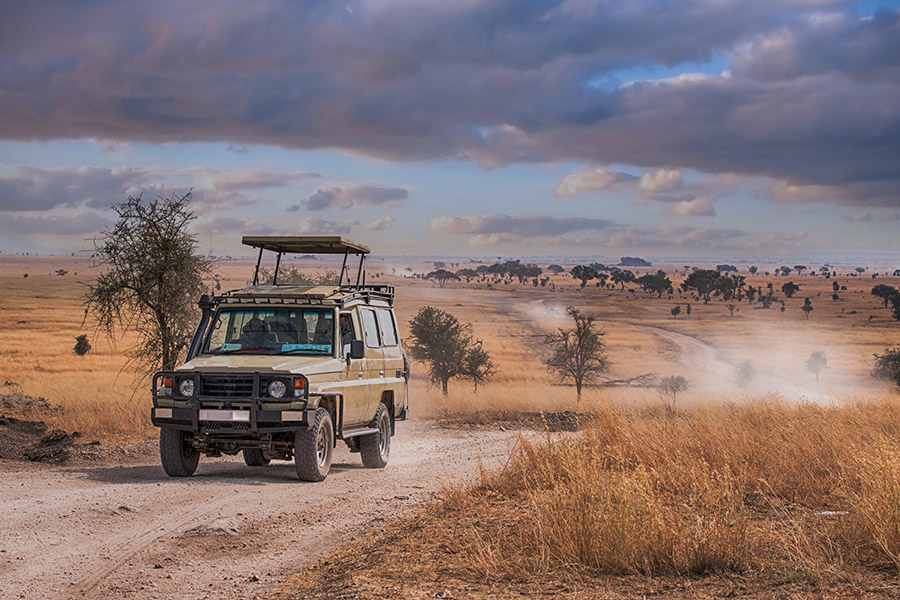

Flying to National Parks in Tanzania: The Ultimate Guide
Tanzania, a land of breathtaking landscapes and unparalleled wildlife, beckons travelers with its world-famous national parks. While many imagine long drives across dusty tracks, an increasingly popular and efficient way to experience these natural wonders is by flying to national parks in Tanzania. This method not only saves considerable travel time but also offers a unique perspective of the country’s vast beauty. Whether you’re planning a luxury safari, a family adventure, or a photographic expedition for 2026-2027, understanding the logistics of flying into these remote locations is key to a successful and memorable trip.
This guide provides an in-depth look at flying to Tanzania’s national parks, covering everything from choosing your parks and understanding flight options to practical planning details, what to expect on arrival, and how to book your ultimate safari experience. We aim to equip you with all the information needed to make informed decisions for your 2026-2027 Tanzanian adventure.
Table of Contents
- Quick Facts About Flying to Tanzania’s Parks
- Overview: Why Fly to Tanzania’s National Parks?
- The Advantages of Aerial Safari Travel
- Major National Parks Accessible by Air
- Understanding Your Flight Options
- Best Time to Fly to Tanzania’s National Parks (2026-2027)
- Sample Routes & Itinerary Logic
- What to Expect Upon Arrival
- Packing Essentials for an Aerial Safari
- Pre-Trip Planning & Preparation
- Common Mistakes to Avoid
- Who is Flying to National Parks in Tanzania Best Suited For?
- Alternatives to Flying: Ground Travel
- Planning Your 2026-2027 Trip
- Booking Your Flying Safari
- Frequently Asked Questions
- Ready to Plan Your Tanzanian Safari?
Quick Facts About Flying to Tanzania’s Parks
| Aspect | Details |
|---|---|
| Primary Airports | Kilimanjaro International Airport (JRO), Arusha Airport (ARK), Zanzibar International Airport (ZNZ). Smaller airstrips within most national parks. |
| Airlines/Operators | Domestic carriers like Auric Air, Coastal Aviation, Precision Air, Safari Air Link. Charter flights also available. |
| Typical Flight Duration (Internal) | 30 minutes to 2 hours, depending on distance and destination. |
| Luggage Allowance | Strictly enforced, usually 15-20kg per person in soft-sided bags. |
| Best For | Maximizing time in parks, reaching remote areas, luxury safaris, multi-park itineraries. |
| Considerations | Cost, luggage restrictions, weather-dependent schedules, booking in advance. |
Overview: Why Fly to Tanzania’s National Parks?
Tanzania’s national parks are vast, and reaching them often involves significant travel time by road. For instance, driving from Arusha to the Serengeti can take 8-10 hours. While this journey offers its own kind of adventure, it consumes valuable safari time. This is where flying becomes an attractive option. Flying to national parks in Tanzania allows you to bypass these long drives, landing you directly at airstrips located within or very close to the parks. This dramatically cuts down on travel time, enabling you to spend more of your precious vacation days on game drives and wildlife viewing.
The primary gateway airports for international travelers are Kilimanjaro International Airport (JRO) and, to a lesser extent, Julius Nyerere International Airport (DAR) in Dar es Salaam. From these hubs, you’ll connect to domestic flights or charter services that will transport you to the heart of the wilderness. Arusha Airport (ARK) is a crucial domestic hub, serving as the main departure point for many internal flights to the northern circuit parks.
The Advantages of Aerial Safari Travel
Opting for flights offers several compelling advantages for your Tanzanian safari:
- Time Efficiency: This is the most significant benefit. Instead of spending days driving, you can be on your first game drive within hours of landing in Tanzania. This is particularly beneficial for shorter safaris or for maximizing your time in extensive parks like the Serengeti.
- Access to Remote Areas: Some lodges and camps are located in very remote areas, far from the nearest road access. Flying directly to their nearest airstrip is often the only practical way to reach them, especially for luxury camps seeking exclusivity.
- Spectacular Aerial Views: The flight itself provides a stunning perspective of Tanzania’s diverse landscapes – from the Great Rift Valley to the endless plains of the Serengeti.
- Comfort and Convenience: Avoid the bumps and dust of long road journeys. Flights offer a more comfortable and direct way to travel, especially for those with limited mobility or who prefer a more relaxed journey.
- Seamless Itinerary Building: Flying makes it much easier to combine multiple parks or even different regions of Tanzania within a single trip without losing days to transit. For example, combining the Serengeti with the Selous (now Nyerere National Park) or Ruaha is far more feasible by air.
- Reduced Environmental Impact (Potentially): While aircraft have their own footprint, fewer long-distance vehicle journeys can, in some scenarios, reduce overall road wear and tear and fuel consumption for the entire trip.
Major National Parks Accessible by Air
Tanzania boasts a network of airstrips that cater to safari tourism. The most popular parks easily accessible by air include:
- Serengeti National Park: The crown jewel of Tanzanian safaris. It has multiple airstrips (e.g., Seronera, Kogatende, Grumeti, Ndutu) serving different regions, crucial for following the Great Migration.
- Tarangire National Park: Known for its large elephant herds and baobab trees. Airstrips like Kuro and Tarangire offer access.
- Lake Manyara National Park: Famous for its tree-climbing lions and birdlife. While accessible by road, flights can save time, with airstrips nearby.
- Arusha National Park: Closer to Arusha, often visited for day trips or as a starting point for Kilimanjaro treks. While not typically flown into for safari, its proximity to ARK is a benefit.
- Nyerere National Park (formerly Selous Game Reserve): A vast wilderness in southern Tanzania, renowned for its boat safaris and diverse wildlife. It has several airstrips (e.g., Beho Beho, Mtemere).
- Ruaha National Park: Tanzania’s largest park, offering a more wild and less crowded safari experience. It has airstrips like Msembe.
- Mahale Mountains National Park: Famous for chimpanzee trekking. Access is primarily via flights to airstrips like Mahale or Mpata, followed by boat transfers.
- Gombe Stream National Park: Another prime chimpanzee trekking destination. Flights land at Kigoma, followed by boat transfers.
Understanding Your Flight Options
When planning to fly to national parks in Tanzania, you’ll encounter a few types of air travel:
Scheduled Internal Flights
These are the most common option. Domestic airlines operate regular flights from Arusha Airport (ARK) and sometimes Kilimanjaro (JRO) or Zanzibar (ZNZ) to various park airstrips. Companies like Auric Air and Coastal Aviation are reputable providers. Booking these in advance is essential, especially during peak seasons.
- Booking: Typically done through your tour operator or directly with the airline.
- Destinations: Cover major hubs and popular park airstrips.
- Cost: Generally more affordable than charter flights but less flexible.
Charter Flights
For ultimate flexibility, privacy, and convenience, charter flights are available. You hire the entire aircraft for your group. This is ideal for specific itineraries, reaching very remote locations not served by scheduled flights, or for groups wanting to travel together on their own schedule.
- Booking: Almost exclusively through tour operators who have relationships with charter companies.
- Destinations: Can often land at smaller, more remote airstrips.
- Cost: Significantly more expensive than scheduled flights, priced per flight hour or trip.
Light Aircraft Operations
Most internal flights within Tanzania operate on small to medium-sized aircraft (e.g., Cessna Caravans, Twin Otters). These planes are designed for bush operations and are perfect for accessing the network of airstrips across the country.
Luggage Restrictions – A Critical Point
This is perhaps the most important detail for anyone flying within Tanzania. Small bush planes have strict weight and size limitations for luggage. Typically:
- Weight: 15-20 kg (33-44 lbs) per person, including hand luggage.
- Type: Soft-sided duffel bags are mandatory. Hard suitcases are generally not allowed as they are difficult to load and can damage the aircraft.
- Size: Bags must be flexible enough to fit into the limited luggage compartment.
Exceeding these limits can result in your luggage being left behind, to be sent on a later flight (which may not be guaranteed for days), or you may be asked to pay for excess baggage. Always confirm the exact allowance with your tour operator.
Best Time to Fly to Tanzania’s National Parks (2026-2027)
The best time to visit Tanzania’s national parks depends on your primary interests, but for flying, consider these factors:
- Dry Seasons (June – October; December – February): These are peak tourist seasons. The weather is generally stable, with clear skies, making flying conditions excellent. Wildlife congregates around water sources, making sightings easier. However, flights and accommodations are in high demand and prices are generally higher. Book well in advance for 2026-2027.
- Green Season (March – May): This is the ‘long rains’ period. While often beautiful with lush landscapes, heavy downpours can cause flight delays or cancellations. Some remote airstrips might become temporarily inaccessible. This is the low season, offering fewer crowds and lower prices, but with the risk of weather disruptions.
- Shoulder Seasons (Late May – early June; November): These months can offer a good balance of decent weather, fewer crowds, and slightly more moderate pricing. Flying conditions are usually good.
For the Great Migration: If your goal is to witness the Great Migration, the best time to fly to specific Serengeti airstrips depends on the migration’s location. For instance, Kogatende and Lamai in the north are best for river crossings (July-October), while Seronera and Ndutu in the south/central areas are ideal for calving season (January-March) and general plains viewing.
Sample Routes & Itinerary Logic
Flying allows for diverse and efficient itinerary planning. Here are a couple of examples illustrating how flying can be integrated:
Route 1: Northern Circuit Explorer (7 Days)
Focus: Serengeti, Tarangire, Ngorongoro Conservation Area.
Day 1: Arrive JRO/ARK, Fly to Tarangire
Arrive at Kilimanjaro (JRO) or Arusha (ARK). Transfer to Arusha Airport for a short flight to Tarangire National Park (e.g., Kuro Airstrip). Transfer to your lodge for lunch and an afternoon game drive. (Focus: Elephants, Baobabs).
Day 2: Tarangire to Serengeti
Morning game drive in Tarangire. After breakfast, fly from Tarangire to the Serengeti (e.g., Seronera Airstrip). Transfer to your camp/lodge. Afternoon game drive in the central Serengeti. (Focus: Big Cats, Plains Game).
Day 3-4: Serengeti Exploration
Full days of game drives in the Serengeti. Depending on the time of year, your itinerary might be adjusted to fly to Kogatende (north) or Grumeti (west) to follow the migration. (Focus: Great Migration, Predators).
Day 5: Serengeti to Ngorongoro Crater Rim
Morning game drive in the Serengeti. Fly from Seronera to the Manyara Airstrip (near Ngorongoro). Transfer by road to your lodge on the Ngorongoro Crater rim. (Focus: Scenery, Relaxation).
Day 6: Ngorongoro Crater Tour
Descend into the Ngorongoro Crater for a full-day game drive. This caldera is a UNESCO World Heritage Site and home to a dense concentration of wildlife, including the rare black rhino. Return to your lodge on the rim. (Focus: High Wildlife Density, Rhino).
Day 7: Ngorongoro to Arusha/JRO, Departure
Enjoy a final morning view of the crater. Transfer by road to Arusha for your onward flight or departure from JRO.
Route 2: Southern Circuit & Bush Experience (6 Days)
Focus: Nyerere National Park, Ruaha National Park.
Day 1: Arrive DAR, Fly to Nyerere National Park
Arrive at Dar es Salaam (DAR). Connect to a scheduled flight to Nyerere National Park (e.g., Mtemere or Beho Beho airstrip). Transfer to your lodge. Afternoon boat safari on the Rufiji River. (Focus: Hippos, Crocodiles, Birdlife, Elephants).
Day 2: Nyerere National Park
Full day of activities including game drives and walking safaris (where permitted). Explore the diverse habitats of the park. (Focus: Wild Dogs, Big Cats, Diverse Fauna).
Day 3: Nyerere to Ruaha National Park
Morning game drive in Nyerere. Fly from Nyerere to Ruaha National Park (e.g., Msembe Airstrip). Transfer to your lodge. Afternoon game drive in Ruaha. (Focus: Large Predators, Elephants, Greater Kudu).
Day 4-5: Ruaha National Park
Two full days dedicated to exploring Ruaha’s vast and rugged landscapes. Known for its large lion prides and high concentration of elephants and predators. Activities include game drives and potentially walking safaris. (Focus: Off-the-beaten-path safari, Predators).
Day 6: Ruaha to DAR, Departure
Final morning game drive in Ruaha. Fly back to Dar es Salaam (DAR) for your international departure.
These are just examples. Your itinerary can be customized extensively. For instance, you could fly from the Serengeti to Zanzibar for a beach extension, or combine the northern circuit with a flight to Kigoma for chimpanzee trekking in Gombe.
What to Expect Upon Arrival
Landing at a national park airstrip in Tanzania is a unique experience:
- Airstrip: Expect a small, often unpaved or gravel airstrip. There might be a small shelter or open-air waiting area, but rarely a formal terminal building.
- Welcome: Your lodge or camp representative, or your safari guide, will typically be waiting for you at the airstrip with a safari vehicle. They will greet you, assist with your luggage, and transfer you to your accommodation.
- First Impressions: The transition from the aircraft to the wilderness is immediate. You’ll likely feel the heat, smell the unique scents of the bush, and might even see wildlife near the airstrip.
- Transfer: The transfer to your lodge is often your first game drive, offering an immediate opportunity to spot animals.
- Check-in: Lodge staff will handle your check-in and provide a brief orientation.
Packing Essentials for an Aerial Safari
Given the strict luggage limits, packing smart is crucial. Focus on lightweight, versatile items:
- Soft-sided Duffle Bag: As mentioned, this is non-negotiable.
- Lightweight Clothing: Neutral colors (khaki, green, brown) are best for safaris. Pack breathable fabrics like cotton or linen. Include:
- T-shirts and long-sleeved shirts (for sun protection and cooler evenings).
- Trousers or convertible pants.
- Shorts.
- A fleece or warm jacket for early morning/late evening game drives, especially in higher altitudes or during cooler months.
- Swimsuit (many lodges have pools).
- Comfortable Shoes: Closed-toe walking shoes or sturdy trainers are ideal. Sandals for relaxing at the lodge.
- Sun Protection: Wide-brimmed hat, sunglasses, high SPF sunscreen.
- Insect Repellent: Especially important for evenings and areas near water.
- Camera Gear: Extra batteries, memory cards, zoom lens. A smaller camera bag for daily game drives.
- Binoculars: Essential for wildlife viewing.
- Personal Items: Basic first-aid kit, any personal medications, hand sanitizer.
- Adapter/Power Bank: For charging electronics. Many lodges have limited charging facilities or use solar power.
- Headlamp or Small Flashlight: Useful for navigating around the lodge at night.
Pro Tip: Layering is key. You can add or remove clothing as temperatures change throughout the day.
Pre-Trip Planning & Preparation
Effective planning is vital for a smooth flying safari:
- Choose Your Operator Wisely: Select a reputable tour operator with experience in arranging flights and safaris in Tanzania. They will manage all flight bookings, transfers, and ensure you are aware of luggage restrictions.
- Health Precautions: Consult your doctor about necessary vaccinations and malaria prophylaxis.
- Visas: Check visa requirements for Tanzania for your nationality. You can often obtain a visa on arrival or apply online in advance.
- Travel Insurance: Comprehensive travel insurance is highly recommended, covering medical emergencies, trip cancellations, and lost luggage.
- Currency: Tanzanian Shilling (TZS) is the local currency. US Dollars are widely accepted for park fees and at lodges, but it’s good to have some local currency for smaller purchases.
- Communication: Inform your bank about your travel dates to avoid issues with card usage. Consider purchasing a local SIM card upon arrival for easier communication if needed.
Common Mistakes to Avoid
Travelers often make a few common errors when planning to fly to national parks in Tanzania:
- Ignoring Luggage Limits: This is the most frequent mistake. Travelers arrive with large, hard suitcases or exceed the weight limit, leading to stress and potential costs at the airport. Always pack in a soft duffel.
- Last-Minute Bookings: Especially for peak seasons (2026-2027), flights and popular lodges fill up months in advance. Book early to secure your preferred options.
- Not Considering Weather: Assuming perfect flying weather year-round can lead to disappointment during the rainy season. Have some flexibility or understand the risks.
- Underestimating Transfer Times: While flying saves time, always factor in time for check-in, boarding, and the transfer from the airstrip to your lodge.
- Packing Too Much: The luggage limit forces you to pack efficiently. Resist the urge to overpack; you can often purchase essentials or laundry services at lodges.
- Not Clarifying Inclusions: Understand what your flight bookings include (e.g., park fees, taxes) and what is separate. Your tour operator should clarify this.
Who is Flying to National Parks in Tanzania Best Suited For?
This travel style is ideal for several types of travelers:
- Time-Conscious Travelers: Those on shorter safaris (e.g., 5-7 days) who want to maximize their wildlife viewing time.
- Luxury Seekers: Flying often pairs well with stays at exclusive, remote lodges that are best accessed by air. It offers a more comfortable and premium safari experience.
- Families with Young Children: Shorter travel times and avoiding long, bumpy drives can make the safari experience more enjoyable for younger travelers.
- Travelers Visiting Multiple Parks: If you plan to visit several distant parks (e.g., Serengeti and Ruaha), flying is almost essential to make it feasible within a reasonable timeframe.
- Photographers: Maximizing time on the ground in prime wildlife areas allows for more photographic opportunities.
- Travelers with Mobility Issues: Avoiding long road transfers can be a significant advantage for those with physical limitations.
Alternatives to Flying: Ground Travel
While flying offers distinct advantages, ground travel by 4×4 safari vehicle is still the most traditional and common way to explore Tanzania’s parks:
- Pros: Generally more affordable, allows for spontaneous stops, you can soak in the changing landscapes gradually, and there are no strict luggage limits (though space is still a consideration).
- Cons: Significantly more time-consuming, can be uncomfortable on rough roads, limited access to very remote lodges, and can be tiring.
Many safaris combine both. For example, you might drive between Arusha and Tarangire, then fly from Tarangire to the Serengeti to save time on the longer stretch. Your tour operator can help design the perfect blend.
Planning Your 2026-2027 Trip
Planning ahead is crucial, especially for trips in 2026 and 2027. Here’s a timeline and checklist:
2026-2027 Planning Checklist
- 12-18 Months Before: Research destinations and tour operators. Define your budget and desired safari style (luxury, mid-range, family). Book peak season travel if applicable.
- 9-12 Months Before: Confirm your chosen tour operator. Discuss your itinerary, including preferred parks and whether flying is part of the plan. Book international flights.
- 6-9 Months Before: Finalize your itinerary. Your operator will book internal flights and lodges. Secure your visa if required in advance.
- 3-6 Months Before: Consult your doctor for vaccinations and malaria advice. Purchase travel insurance. Start thinking about packing essentials.
- 1-3 Months Before: Confirm all bookings and payments. Pack your soft-sided duffel bag, adhering strictly to weight limits.
- 1-2 Weeks Before: Exchange some currency. Inform your bank of travel dates. Finalize packing.
- Departure: Enjoy your incredible Tanzanian safari!
For 2026-2027, consider that popular lodges and flights, especially those serving the Serengeti during migration season, get booked up very quickly. Early planning ensures you get the best options and potentially better rates.
Booking Your Flying Safari
When booking your trip that involves flying to national parks in Tanzania, follow these guidelines:
- Choose a Reputable Tour Operator: This is paramount. A good operator will have extensive knowledge of domestic flight schedules, luggage restrictions, and the best airstrips for accessing specific parks or lodges. They handle all the complex bookings for you.
- Be Clear About Your Itinerary: Discuss with your operator if you prefer to fly between all parks, drive between some, or use a combination.
- Confirm Luggage Allowance: Reiterate the weight and type of luggage allowed for your specific flights. Ensure your operator confirms this with the airline.
- Understand Inclusions and Exclusions: Clarify what is covered in your package – park fees, conservation fees, internal flights, transfers, meals, activities, etc.
- Payment Schedule: Understand the deposit and final payment terms.
- Flexibility: While booking in advance is key, understand the cancellation and rebooking policies, especially concerning weather-related flight disruptions.
- Ask Questions: Don’t hesitate to ask your operator anything you’re unsure about. A good operator will be transparent and helpful.
Example: When booking with us, we’ll guide you through every step, ensuring your flights are perfectly aligned with your safari goals, whether it’s catching the Great Migration in the Serengeti or reaching a secluded luxury lodge in Ruaha. We manage all the details, from booking Auric Air or Coastal Aviation flights to coordinating your seamless transfers.
Frequently Asked Questions
FAQs About Flying to Tanzania’s Parks
What is the most common way to fly to Tanzania’s national parks?
The most common method is using scheduled domestic flights operated by companies like Auric Air or Coastal Aviation, departing from Arusha Airport (ARK) or Kilimanjaro International Airport (JRO) to various airstrips within or near the national parks.
Can I fly directly from Kilimanjaro (JRO) to a national park?
Yes, some domestic carriers offer direct flights from JRO to major park airstrips like Seronera in the Serengeti. However, Arusha Airport (ARK) is a more frequent hub for internal flights.
What happens if my flight is canceled due to weather?
If a flight is canceled due to weather, your tour operator will work to rebook you on the next available flight. This might involve adjusting your itinerary or opting for road transfers if feasible and agreed upon. It’s why having a flexible operator is important.
Are park fees included in flight costs?
Typically, park fees and conservation fees are separate from flight costs. Your tour operator will usually include these in your overall safari package cost, but it’s essential to clarify this when booking.
Can I bring a hard suitcase when flying within Tanzania?
No, hard suitcases are generally not permitted on the small bush planes used for internal flights. You must use soft-sided duffel bags that can be compressed to fit the luggage compartments and meet weight limits.
How far in advance should I book flights for my 2027 Tanzania safari?
For travel in 2027, especially during peak seasons (June-October), it’s advisable to book your internal flights and safari package at least 6-9 months in advance. For very popular lodges or specific migration viewing spots, booking 9-12 months ahead is recommended.
What is the typical cost of internal flights in Tanzania?
The cost varies depending on the route, airline, and time of booking. As a general estimate, internal flights can range from $300 to $500 USD per person per leg, but this is not an exact price and is subject to change. Charter flights are significantly more expensive.
Is it possible to combine flying safaris with ground safaris?
Absolutely. Many travelers choose a combination approach to balance cost, time, and experience. For example, you might drive to Tarangire and then fly to the Serengeti. Your tour operator can design this mixed itinerary.
Which parks are best for seeing the Great Migration by air?
For the Great Migration, the Serengeti is key. Flying into Kogatende or Lamai in the north is ideal for river crossings (July-October), while Seronera or Ndutu in the south/central areas are excellent for calving season (January-March) and general plains viewing.
Do I need to book my internal flights separately from my safari package?
It is highly recommended to book internal flights through your tour operator. They have the expertise to coordinate flight times with lodge check-ins and game drives, understand the baggage rules, and can often secure better rates or manage issues more effectively than you could independently.
Ready to Plan Your Tanzanian Safari?
Flying to national parks in Tanzania offers an efficient, comfortable, and often spectacular way to experience the country’s incredible wildlife and landscapes. Whether you’re dreaming of the vast Serengeti plains, the unique ecosystem of the Ngorongoro Crater, or the remote beauty of Ruaha, aerial travel can help you make the most of your valuable time.
Let us help you craft the perfect safari itinerary. With years of experience in organizing seamless Tanzania tours, we understand the nuances of internal flights, lodge access, and creating unforgettable experiences. We cater to all travel styles, from luxury honeymoons to family adventures and solo expeditions.
Contact us today to start planning your dream safari for 2026-2027!
WhatsApp: +255616946642
Email: topguideadventures@gmail.com
Backup Email: info@topguideadventures.com
Plan your Flying to National Parks in Tanzania with Top Guide Adventures
Tell us your travel dates, group size, comfort level, and dream experience. We will help you shape a clear, realistic, and memorable Tanzania itinerary.







 Veedesigner
 Fatma Kizanga
 Benjamin Waryuba
 Philip Philip
 John jr Itaja
 Antonia Optatus
 Edith Kanyere
 Neema Iddy
 Kelvin Boniphace
 Damari Maiga



