
Updated planning guide for 2026-2027
Ferry Safety In Tanzania: Complete Guide 2026-2027
Planning a trip to Tanzania often involves island hopping or coastal travel. This comprehensive guide focuses on ferry safety in Tanzania, providing essential information for travelers to ensure a secure and enjoyable journey across the country's waters.
WhatsApp +255616946642 | topguideadventures@gmail.com | info@topguideadventures.com

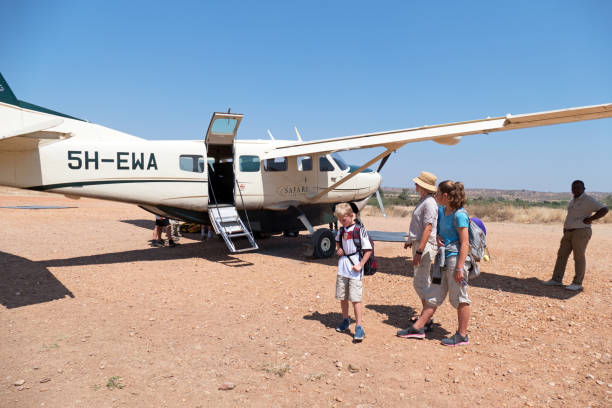
Ferry Safety in Tanzania: Essential Travel Guide
Tanzania, a land of breathtaking landscapes and vibrant cultures, offers diverse travel experiences. For many visitors, particularly those heading to the spice islands of Zanzibar or exploring the coastal regions, ferry travel is a common and often necessary mode of transport. Understanding and prioritizing ferry safety in Tanzania is crucial for a smooth and secure journey. This guide aims to equip you with the knowledge needed to make informed decisions, from choosing the right ferry to what to expect onboard, ensuring your maritime adventures are as safe as they are memorable. We will cover everything from general safety practices to specific considerations relevant for 2026 and 2027 travel.
Quick Answer: What to Know About Ferry Safety in Tanzania
Ferry safety in Tanzania involves understanding the local maritime conditions, choosing reputable operators, adhering to safety regulations, and being prepared for your journey. While most trips are uneventful, awareness of potential risks and precautions is key. Key aspects include checking vessel condition, life jacket availability, weather forecasts, and emergency procedures. Planning your trip with reliable tour operators who prioritize passenger welfare is also highly recommended.
| Aspect | Details |
|---|---|
| Primary Routes | Zanzibar to mainland (Dar es Salaam), Pemba, smaller islands. |
| Key Safety Concerns | Overcrowding, vessel maintenance, weather conditions, emergency response. |
| Best Practices | Choose reputable companies, check life jackets, listen to crew, monitor weather. |
| Traveler Type | Suitable for budget travelers, backpackers, and those seeking authentic local experiences. Requires a degree of flexibility. |
| Booking | Tickets often available at ferry terminals; advance booking recommended for popular routes/times. |
Table of Contents
- Understanding Ferry Travel in Tanzania
- Why Ferry Safety in Tanzania is Paramount
- Best Time for Maritime Travel in Tanzania
- Major Ferry Routes and Considerations
- Sample Itinerary: Zanzibar to Dar es Salaam
- What to Expect Onboard Tanzanian Ferries
- Essential Ferry Safety Checklist
- Packing and Preparation for Ferry Journeys
- Common Mistakes to Avoid
- Who is Ferry Travel Best Suited For?
- Alternatives to Ferry Travel
- Planning Your Ferry Travel for 2026-2027
- Booking Advice and Tips
- Frequently Asked Questions (FAQs)
- Ready to Plan Your Tanzanian Adventure?
Understanding Ferry Travel in Tanzania
Tanzania’s extensive coastline and archipelago, most notably Zanzibar, make ferry services an integral part of its transportation network. The most common and busy routes connect the islands of Zanzibar (Unguja and Pemba) to the mainland port of Dar es Salaam. Ferries also serve shorter inter-island hops and coastal communities. These vessels range from large, multi-deck passenger ferries to smaller, more localized boats. For many Tanzanians and tourists alike, ferries represent an affordable and often direct way to travel between key destinations. However, the nature of maritime travel, especially in tropical waters, necessitates a keen focus on safety protocols.
The ferry experience in Tanzania can be quite varied. Some services are operated by government entities, while others are private ventures. The condition of the vessels, the adherence to safety standards, and the efficiency of operations can differ significantly. It’s not uncommon for ferries to be crowded, particularly during peak travel times or holidays. This is where understanding the nuances of ferry safety in Tanzania becomes paramount for any traveler.
Why Ferry Safety in Tanzania is Paramount
The importance of ferry safety in Tanzania cannot be overstated. Several factors contribute to this:
- Vessel Condition and Maintenance: Older vessels may not always meet the latest international safety standards. Regular maintenance and inspections are critical to prevent mechanical failures at sea.
- Overcrowding: Ferries, especially popular ones, can become very crowded. This not only makes the journey uncomfortable but can also impede emergency evacuations if necessary. Adhering to passenger limits is a key safety measure.
- Weather Conditions: The Indian Ocean can experience sudden changes in weather, including strong winds and rough seas. Ferries operating in these waters must be equipped to handle such conditions, and captains must make informed decisions about sailing.
- Emergency Preparedness: The availability and accessibility of life jackets, life rafts, and clear emergency procedures are vital. Crew training in first aid and emergency response also plays a significant role.
- Navigation and Operation: Ensuring ferries are operated by experienced and licensed crews, and that navigation equipment is up-to-date, is fundamental.
- Passenger Behavior: While not solely the operator’s responsibility, passengers also contribute to safety by following crew instructions and not engaging in risky behavior onboard.
For international travelers, being aware of these potential issues and taking proactive steps to mitigate risks is essential. Choosing a reputable tour operator who understands these dynamics and can advise on the best and safest travel options adds another layer of security to your trip.
Best Time for Maritime Travel in Tanzania
The best time for ferry travel in Tanzania generally aligns with the dry seasons, when sea conditions are typically calmer and more predictable. This minimizes the chances of encountering rough seas and potential delays.
| Period | Sea Conditions | Travel Recommendation |
|---|---|---|
| June to October (Dry Season) | Calmest seas, lowest rainfall, clear skies. Ideal for ferry travel. | Highly Recommended. Most comfortable and reliable. |
| November to March (Short Rains & Hot Season) | Generally good, but short rain showers can occur, leading to choppier waters. Can be very hot. | Good, but monitor weather. Be prepared for heat. |
| March to May (Long Rains) | Significant rainfall, potentially rough seas, high humidity. | Least Recommended. Ferries may be cancelled or delayed due to weather. |
Traveling during the long rainy season (roughly March to May) carries the highest risk of disruptions due to adverse weather. If your itinerary involves significant ferry travel, it’s wise to plan your trip during the drier months to ensure smoother journeys and reduce the likelihood of cancellations or uncomfortable experiences. For 2026-2027 travel, targeting the June-October window will offer the best maritime conditions.
Major Ferry Routes and Considerations
The most prominent ferry routes in Tanzania are those connecting the Zanzibar archipelago to the mainland, primarily Dar es Salaam. Understanding the specifics of these routes is key to planning your travel.
1. Zanzibar (Stone Town) to Dar es Salaam
This is the busiest and most well-known ferry route. Ferries depart from the main port in Stone Town, Zanzibar, and arrive at the Dar es Salaam port. Several ferry companies operate on this route, offering different levels of service and comfort.
- Frequency: Multiple departures daily, especially during peak season.
- Duration: Approximately 1.5 to 2 hours, depending on the vessel and sea conditions.
- Operators: Companies like Azam Marine and Kilimanjaro Fast Ferries are common. It is advisable to research current operators and their reputations.
- Safety Considerations: This route can be prone to rough seas, particularly in the morning or late afternoon. Ensure the ferry you choose has a good safety record and appears well-maintained. Overcrowding is a common issue, so arriving early to secure a good spot and potentially avoid the most crowded conditions is wise.
2. Pemba to Dar es Salaam/Zanzibar
Travel between Pemba Island and the mainland (Dar es Salaam) or Unguja (Zanzibar) is also possible by ferry, though less frequent and often with more basic vessels compared to the Zanzibar-Dar es Salaam route.
- Frequency: Less frequent than the Unguja-Dar route, sometimes only a few times a week.
- Duration: Significantly longer, potentially 4-8 hours or more, depending on the destination and stops.
- Safety Considerations: These longer journeys mean greater exposure to weather changes. The vessels may be older or less equipped than those on the main route. It is crucial to verify the safety features and operational status of any ferry used for this longer trip.
3. Local Island Hopping & Coastal Ferries
For exploring smaller islands around Zanzibar or traveling along the coast, smaller local boats and dhows are sometimes used. While these can offer a more traditional experience, safety standards can vary widely.
- Type of Vessels: Often open wooden boats or traditional dhows.
- Safety Considerations: Ensure the boat has adequate life jackets for all passengers, that the captain is experienced, and that the weather is favorable. These are best for short, calm-water crossings.
Ferry Route Overview (Text-Based)
Main Corridor:
- Origin: Zanzibar Archipelago (Unguja – Stone Town Port)
- Destination: Dar es Salaam (Mainland Port)
- Duration: ~1.5-2 hours
- Frequency: Multiple daily departures
Secondary Corridor:
- Origin: Pemba Island
- Connecting to: Zanzibar (Unguja) OR Dar es Salaam
- Duration: ~4-8+ hours
- Frequency: Less frequent (e.g., weekly or bi-weekly)
Local Routes:
- Example: Zanzibar (Unguja) to nearby smaller islands (e.g., Mnemba Atoll for day trips, though often by smaller boats/speedboats).
- Vessel Type: Varies from small speedboats to traditional dhows.
Sample Itinerary: Zanzibar to Dar es Salaam Ferry Crossing
This sample itinerary focuses on the typical ferry journey from Zanzibar to Dar es Salaam, highlighting key steps and safety considerations.
Day X: Departure from Zanzibar to Dar es Salaam
- Morning (e.g., 8:00 AM): Arrive at the Stone Town ferry terminal well in advance of your chosen departure time. Aim for at least 1 hour before departure, especially if traveling during peak season or wanting to secure specific seating.
- 8:00 AM – 8:30 AM: Purchase tickets (if not pre-booked) and proceed to the check-in and security screening area. Ensure you have your passport or relevant identification.
- 8:30 AM – 9:00 AM: Board the ferry. Take your time to find your seat. Locate the nearest emergency exits and life jacket storage points.
- 9:00 AM (approx.): Ferry departs. Listen carefully to any safety announcements from the crew.
- 9:00 AM – 10:30 AM: Journey across the Indian Ocean. Be aware of any changes in sea conditions. If you feel unwell or concerned about safety, discreetly alert a crew member.
- 10:30 AM (approx.): Arrival at Dar es Salaam port. Disembark in an orderly fashion.
- Post-Arrival: Proceed to immigration/customs if necessary, or meet your onward transport.
Note: This is a simplified example. Actual timings and procedures may vary. Always confirm departure times and allow ample buffer for check-in and boarding.
What to Expect Onboard Tanzanian Ferries
The onboard experience on Tanzanian ferries can vary significantly depending on the operator, vessel, and class of ticket purchased. Understanding these variations helps manage expectations and prepare accordingly.
- Seating: Most ferries offer different classes. Economy class is the most basic, often with bench seating or crowded arrangements. Business or VIP classes usually offer more comfortable seating, air conditioning, and sometimes refreshments.
- Amenities: Basic amenities might include toilets, and sometimes a small snack bar selling drinks and snacks. Do not expect luxury services on most standard ferries.
- Crowding: As mentioned, overcrowding is common, especially in economy class. Passengers may stand in aisles if seats are full. This is a significant factor in assessing ferry safety in Tanzania; ensure there is clear passage for movement.
- Cleanliness: Standards of cleanliness can vary. It’s advisable to carry hand sanitizer.
- Safety Equipment: Life jackets should be visible and accessible. There should be clear signage for emergency exits. Crew members should be identifiable.
- Journey Experience: The ride can be bumpy, especially if the sea is rough. Motion sickness is possible, so consider bringing medication. Luggage is typically stored in designated areas, sometimes in the hold.
- Crew Interaction: Crew members are usually available to assist with boarding, luggage, and basic queries. They are your primary point of contact for safety concerns.
It’s important to approach the ferry journey with a degree of flexibility and an open mind. While comfort levels may not always match Western standards, the focus should remain on safe passage.
Essential Ferry Safety Checklist
Before and during your ferry journey in Tanzania, run through this checklist to ensure you’ve covered the key safety aspects:
- Vessel Inspection: Briefly observe the ferry before boarding. Does it appear well-maintained? Are there obvious signs of damage or neglect?
- Life Jackets: Locate where life jackets are stored. Are they easily accessible? Are there enough for all passengers? Are they in good condition?
- Emergency Exits: Identify the location of emergency exits and assembly points.
- Crew Briefing: Pay attention to any safety announcements or demonstrations provided by the crew.
- Weather Check: Before booking and on the day of travel, be aware of the weather forecast. If conditions look poor, consider postponing or choosing an alternative.
- Passenger Load: If the ferry appears dangerously overcrowded, voice your concerns politely to the crew or consider waiting for the next service.
- Personal Belongings: Keep valuables secure and with you. Do not leave bags unattended.
- Children/Vulnerable Passengers: Ensure children are supervised at all times, especially near open decks or railings.
- Communication: Know the emergency number for maritime authorities if applicable, though crew communication is usually the first step.
- Health: Carry any personal medication and consider motion sickness remedies.
Packing and Preparation for Ferry Journeys
Proper preparation can significantly enhance your ferry travel experience in Tanzania. Here’s what to pack and how to prepare:
- Identification and Tickets: Always carry your passport or ID and ferry tickets. Keep them in a waterproof pouch.
- Motion Sickness Remedies: Dramamine, ginger candies, or acupressure bands can be lifesavers if you’re prone to seasickness.
- Water and Snacks: While some ferries have vendors, bringing your own water and snacks is a good idea, especially for longer journeys or if you have dietary restrictions. Ensure snacks are sealed and not messy.
- Sun Protection: A hat, sunglasses, and sunscreen are essential, as you’ll be exposed to strong tropical sun, even if you’re inside.
- Light Jacket or Shawl: Ferry interiors can sometimes be heavily air-conditioned, or the sea breeze can be cool, especially in the mornings or evenings.
- Entertainment: A book, downloaded music, or a portable game can help pass the time, especially if the journey is delayed or the seas are rough.
- Hand Sanitizer and Wet Wipes: Useful for hygiene, especially on crowded ferries.
- Small Backpack: Keep essentials (medication, snacks, valuables, entertainment) in a small, easily accessible bag that you can keep with you.
- Camera: To capture the coastal views, but ensure it’s secured.
- Cash: Small denominations for snacks or potential luggage porters at the terminal.
Preparation Tip: Before your trip, check the latest ferry schedules and company reviews. If possible, book tickets in advance, especially for popular routes like Zanzibar to Dar es Salaam, to secure your preferred time and potentially avoid queues.
Common Mistakes to Avoid
Travelers often make a few common mistakes when it comes to ferry travel in Tanzania. Being aware of these can help you avoid them:
- Not Arriving Early: Assuming you can just show up minutes before departure is a mistake. Queues for tickets, security, and boarding can be long, leading to missed ferries.
- Ignoring Weather Warnings: Traveling during the rainy season without checking the forecast or dismissing rough sea conditions can lead to a very unpleasant or even risky journey.
- Over-reliance on Schedules: Ferry schedules in Tanzania can be flexible. Delays and cancellations due to weather, mechanical issues, or operational reasons are not uncommon. Build buffer time into your itinerary.
- Not Verifying Ferry Condition: Boarding the first ferry you see without a quick assessment of its condition or reputation. Always look for well-maintained vessels.
- Not Carrying Essentials: Forgetting motion sickness medication, water, or sun protection can make the journey miserable.
- Leaving Valuables Unattended: On crowded ferries, pickpocketing can be a risk. Keep your valuables secure and close.
- Expecting Luxury: Assuming a ferry ride will be like a Western cruise can lead to disappointment. Embrace the local experience.
- Not Listening to Crew: Ignoring instructions from the ferry crew, especially regarding safety, can be dangerous.
Who is Ferry Travel Best Suited For?
Ferry travel in Tanzania is particularly well-suited for certain types of travelers:
- Budget Travelers and Backpackers: Ferries are generally the most economical way to travel between the islands and the mainland.
- Adventurous Travelers: Those who enjoy authentic local experiences and are comfortable with less predictable schedules and basic amenities will find it rewarding.
- Time-Flexible Travelers: If your itinerary has some flexibility and you aren’t on a tight schedule, ferry travel can be a good option, allowing for potential delays.
- Eco-Conscious Travelers: Compared to flying, ferry travel often has a lower carbon footprint per passenger.
- Travelers to Zanzibar: It’s the most common and direct way for many to reach Zanzibar from Dar es Salaam.
Conversely, if you prioritize comfort, punctuality, and guaranteed smooth journeys, other transport options might be more suitable. Ferry safety in Tanzania is a consideration, but for the right traveler, it’s a viable and interesting part of the journey.
Alternatives to Ferry Travel
For travelers who prefer different modes of transport or have time constraints, several alternatives to ferries exist:
- Flights:
- To Zanzibar: Numerous daily flights operate between Dar es Salaam (and other major Tanzanian cities like Kilimanjaro) and Zanzibar’s Abeid Amani Karume International Airport (ZNZ). This is the fastest and most comfortable option.
- To Pemba: Flights are also available to Pemba’s Karume Airport (PMA), though less frequent than to Zanzibar.
- Pros: Speed, comfort, reliability, bypasses rough seas.
- Cons: Significantly more expensive than ferries.
- Private Speedboats/Charter Flights:
- For groups or those seeking exclusive travel, chartering a speedboat or a small aircraft is an option. This offers maximum flexibility and speed but comes at a premium cost.
- Pros: Ultimate flexibility, speed, privacy.
- Cons: Very expensive.
- Cargo Ships/Less Frequent Services:
- In some remote coastal areas or for specific routes, cargo ships or less frequent passenger services might exist. These are generally not recommended for tourists due to reliability and safety concerns.
- Pros: Can be an adventure for the truly intrepid.
- Cons: Unreliable schedules, basic facilities, safety standards may be questionable.
When planning your Tanzanian adventure for 2026-2027, weigh the cost, time, and comfort factors of each option. For essential ferry safety in Tanzania, choosing the ferry means accepting its inherent characteristics.
Planning Your Ferry Travel for 2026-2027
Planning your ferry travel well in advance, especially for trips in 2026 and 2027, will help ensure a smoother experience. Here’s a planning guide:
| Planning Stage | Actions & Considerations for 2026-2027 |
|---|---|
| Choosing Travel Dates | Prioritize dry seasons (June-October) for calmer seas. Avoid peak holiday periods if possible to reduce overcrowding and potential for schedule disruptions. For 2026-2027, research any significant local events that might impact ferry demand. |
| Route Selection | Identify your specific ferry route needs (e.g., Dar-Zanzibar, Pemba-Dar). Understand the frequency and duration for each. |
| Operator Research | Look for reputable operators like Azam Marine or Kilimanjaro Fast Ferries. Check recent traveler reviews for insights into their safety records and service quality for 2026-2027. |
| Booking Tickets | Tickets can often be bought at the ferry terminal on the day of travel. However, for popular times or during busy seasons, consider booking a few days in advance, or through your tour operator. Online booking options are becoming more common but may not always be reliable. |
| Budgeting | Factor in ferry costs, but also potential costs for taxis to/from ports, and budget for potential delays or the need for alternative transport if a ferry is cancelled. |
| Contingency Planning | Always have a backup plan. If a ferry is cancelled due to weather, know your options (e.g., overnight stay, flight). Factor this into your overall trip itinerary. |
| Health & Safety Prep | Pack necessary medications, motion sickness aids, and personal hygiene items. Ensure you understand basic safety procedures. |
Booking Advice and Tips
Securing your ferry tickets and planning your journey effectively requires smart booking practices:
- Book in Advance (When Possible): For popular routes like Dar es Salaam to Zanzibar, especially during peak tourist seasons or public holidays in 2026-2027, consider booking your tickets a day or two ahead. This is often possible at the ferry terminal or through authorized agents.
- Use Reputable Operators: Stick to well-known companies with a generally good reputation for maintenance and safety, such as Azam Marine or Kilimanjaro Fast Ferries. Avoid unmarked or unknown smaller operators for long-distance travel.
- Check Ticket Classes: Ferries usually offer different classes (e.g., Economy, Standard, VIP/Business). VIP/Business class tickets are more expensive but offer more comfortable seating, air conditioning, and a less crowded environment. Choose based on your budget and comfort preference.
- Verify Departure Times: Ferry schedules can change. Always re-confirm departure times at the terminal or with your accommodation/tour operator the day before travel.
- Be Wary of Scams: Purchase tickets only from official ticket counters or authorized agents. Avoid unofficial sellers at the port who may overcharge or sell fake tickets.
- Tour Operator Assistance: If you are booking a tour package with a reputable operator like Best Tanzania Tour Operator, they can often handle ferry bookings for you, ensuring you get reliable services and potentially better-arranged transfers. This adds a significant layer of convenience and safety assurance.
- Payment: Be prepared for cash payments for tickets, although some terminals may accept mobile money or cards.
- Luggage Handling: Understand the luggage allowance and any fees for excess baggage. Ensure your luggage is clearly marked.
Frequently Asked Questions (FAQs)
1. Is ferry travel in Tanzania safe?
Ferry travel in Tanzania can be safe when proper precautions are taken. Reputable operators maintain their vessels, and safety equipment like life jackets should be available. However, potential risks include vessel condition, overcrowding, and unpredictable weather. Prioritizing well-known companies and checking vessel appearance are key. For 2026-2027, consistent adherence to safety standards by operators remains vital.
2. What is the most common ferry route?
The most common and busiest ferry route is between Zanzibar (Stone Town) and Dar es Salaam on the mainland. This route is served by multiple operators multiple times a day.
3. How long does the ferry from Zanzibar to Dar es Salaam take?
The journey typically takes between 1.5 to 2 hours, depending on the specific ferry operator, vessel speed, and sea conditions.
4. Can I buy ferry tickets on the day of travel?
Yes, you can usually buy ferry tickets at the terminal on the day of travel. However, for popular routes and times, especially during peak seasons, it is advisable to book at least a day in advance to secure your spot and preferred class.
5. What should I do if the sea is very rough?
If the sea is very rough, it’s advisable to assess the situation. Listen to the crew’s instructions carefully. If you feel the conditions are unsafe or are prone to seasickness, consider postponing your trip or opting for an alternative transport like a flight. Ferry safety in Tanzania means being aware of and respecting the ocean’s power.
6. Are life jackets provided on Tanzanian ferries?
Yes, life jackets are legally required and should be provided on all passenger ferries. They are usually stored under seats or in overhead compartments. Ensure you know where they are located and check their condition.
7. What are the different classes of ferry tickets?
Most major ferries offer different classes, commonly Economy, Standard, and VIP or Business Class. VIP/Business class offers more comfortable seating, air conditioning, and a less crowded experience, whereas Economy is the most basic and often the most crowded.
8. What happens if a ferry is cancelled?
Ferry cancellations can occur due to bad weather, mechanical issues, or other operational reasons. If your ferry is cancelled, you will typically be offered a refund or the option to travel on the next available service. Having a flexible itinerary or a backup plan (like a flight) is wise.
9. Is it better to fly or take the ferry to Zanzibar?
Flying is faster, more comfortable, and more reliable, bypassing potential sea conditions. However, it is significantly more expensive. The ferry is a budget-friendly option and offers a more local travel experience, but it is slower and subject to weather and schedule changes.
10. What are the recommended ferry operators for 2026-2027?
For the Zanzibar-Dar es Salaam route, Azam Marine and Kilimanjaro Fast Ferries are generally considered reputable. It’s always good to check recent reviews closer to your travel dates in 2026 or 2027, as service quality can evolve.
Ready to Plan Your Tanzanian Adventure?
Navigating the logistics of travel in Tanzania, including understanding ferry safety in Tanzania, can seem complex. Let us help you create an unforgettable and safe journey. Whether you dream of safaris in the Serengeti, climbing Mount Kilimanjaro, relaxing on Zanzibar’s beaches, or exploring the coast, our expert team can craft a custom itinerary tailored to your interests and budget.
We prioritize your safety and comfort, ensuring all aspects of your trip are well-organized. Get in touch with us to discuss your travel plans for 2026-2027 and beyond.
Contact Us Today:
WhatsApp: +255616946642
Email: topguideadventures@gmail.com
Backup Email: info@topguideadventures.com
Plan your Ferry Safety in Tanzania with Top Guide Adventures
Tell us your travel dates, group size, comfort level, and dream experience. We will help you shape a clear, realistic, and memorable Tanzania itinerary.







 Veedesigner
 Fatma Kizanga
 Benjamin Waryuba
 Philip Philip
 John jr Itaja
 Antonia Optatus
 Edith Kanyere
 Neema Iddy
 Kelvin Boniphace
 Damari Maiga



