
Updated planning guide for 2026-2027
Common Border Problems And Solutions: Complete Guide 2026-2027
Planning a trip to Tanzania? Understand potential border crossing issues, from visa applications to customs, and discover practical solutions to ensure a stress-free journey. This guide covers everything you need to know for 2026-2027 travel.
WhatsApp +255616946642 | topguideadventures@gmail.com | info@topguideadventures.com

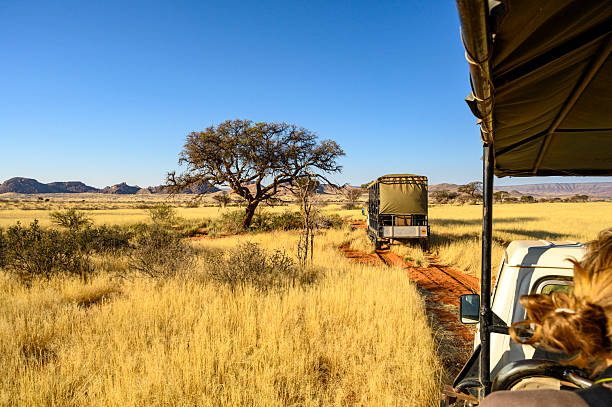
Common Border Problems and Solutions: Your Essential Tanzania Travel Guide
Tanzania, a land of breathtaking landscapes, vibrant cultures, and unparalleled wildlife, is a dream destination for many. From the iconic Serengeti plains and the majestic Mount Kilimanjaro to the spice-scented beaches of Zanzibar, its allure is undeniable. However, like any international travel, crossing borders and navigating entry requirements can sometimes present challenges. Understanding common border problems and their solutions is crucial for a smooth and enjoyable experience. This comprehensive guide is designed to equip you with the knowledge needed to navigate Tanzania’s borders with confidence, whether you’re arriving by air, land, or sea, ensuring your 2026-2027 adventure begins on the right foot.
This guide will cover everything from visa regulations and customs procedures to potential delays and how to handle them. We’ll provide practical advice tailored for travelers planning safaris, Kilimanjaro treks, Zanzibar holidays, and custom itineraries. Our aim is to demystify the process, address your concerns, and help you prepare thoroughly so you can focus on the incredible experiences that await you in Tanzania.
Quick Answer: What are the most common border problems in Tanzania?
The most frequent border problems in Tanzania revolve around visa processing (incorrect applications, missing documents, unexpected fees), customs declarations (undeclared items, prohibited goods), and potential delays due to high traffic or administrative procedures. Thorough preparation, accurate documentation, and patience are key solutions.
Table of Contents
- Tanzania Border Crossings: An Overview
- Why Understanding Border Issues Matters
- Main Entry Points into Tanzania
- Visa Requirements for Tanzania
- Customs Regulations and Declarations
- Common Border Problems and Their Solutions
- Pre-Trip Preparation and Documentation
- What to Expect Upon Arrival
- Navigating Borders for Different Travel Styles
- Impact of Seasonality on Border Crossings
- Common Mistakes to Avoid at the Border
- Planning Your 2026-2027 Tanzania Trip: Border Focus
- Booking Advice for a Smooth Entry
- Frequently Asked Questions (FAQs)
Tanzania Border Crossings: An Overview
Tanzania shares borders with eight countries: Uganda, Rwanda, Burundi, Democratic Republic of Congo, Zambia, Malawi, Mozambique, and Kenya. Each of these land borders, along with its international airports and seaports, serves as a potential entry or exit point. The primary international airports are Julius Nyerere International Airport (JNIA) in Dar es Salaam, Kilimanjaro International Airport (JRO), and Abeid Amani Karume International Airport (AAKIA) in Zanzibar. While air travel is often the most straightforward, land crossings are common for overland tours and for travelers coming from neighboring countries.
The Tanzanian immigration and customs authorities are generally efficient, but understanding their procedures is key. Expect to present your passport, visa (if required), and potentially other documents like proof of onward travel or accommodation. Immigration officers will assess your entry purpose and duration of stay. Customs officials focus on ensuring you comply with regulations regarding goods brought into the country.
Why Understanding Border Issues Matters
A smooth border crossing sets a positive tone for your entire trip. Conversely, unexpected problems can lead to significant delays, stress, missed connections, and even denial of entry. For a country like Tanzania, where travel often involves remote locations and scheduled activities like safaris or treks, being late can mean missing out on crucial parts of your itinerary. For instance, missing a pre-booked flight to the Serengeti or a guided start to your Kilimanjaro climb due to border issues can be highly disruptive and costly.
Understanding common border problems and solutions empowers you to:
- Prepare the correct documentation in advance.
- Avoid common pitfalls and misunderstandings.
- Manage expectations regarding time and potential hurdles.
- Communicate effectively with border officials.
- Ensure a safe and legal entry into Tanzania.
Main Entry Points into Tanzania
Tanzania offers several entry points, each with its own characteristics:
Major Tanzanian Entry Points
By Air:
- Julius Nyerere International Airport (JNIA), Dar es Salaam: The main gateway for international arrivals, serving as a hub for onward travel to safaris and other mainland destinations.
- Kilimanjaro International Airport (JRO), near Arusha: Ideal for those heading directly to Mount Kilimanjaro, the Northern Circuit safaris (Serengeti, Ngorongoro, Tarangire), and northern Tanzania.
- Abeid Amani Karume International Airport (AAKIA), Zanzibar: The primary entry point for those visiting the Zanzibar archipelago, offering direct international flights and connections from the mainland.
By Land:
- Namanga Border Post (Kenya-Tanzania): The busiest land border crossing, connecting Nairobi, Kenya, with Arusha, Tanzania. Essential for overland safaris and travel between the two countries.
- Horohoro Border Post (Kenya-Tanzania): Another crossing point between Kenya and Tanzania, often used for travel to/from Mombasa.
- Kasumulu Border Post (Burundi-Tanzania): Connects Bujumbura, Burundi, with Kigoma, Tanzania.
- Aleg Border Post (Rwanda-Tanzania): Connects Kigali, Rwanda, with Arusha/Mwanza, Tanzania.
- Kasese Border Post (Uganda-Tanzania): Connects Kampala, Uganda, with Mwanza/Bukoba, Tanzania.
- Tunduma Border Post (Zambia-Tanzania): Connects Lusaka, Zambia, with Mbeya, Tanzania.
By Sea:
- Dar es Salaam Port: Receives international cruise ships and ferries.
- Zanzibar Port: Major hub for ferries from mainland Tanzania and international yachts.
Visa Requirements for Tanzania
Visa requirements can be a significant area of concern. As of recent information, many nationalities can obtain a visa on arrival, apply online in advance (e-visa), or are visa-exempt for short stays. However, rules can change, so it’s vital to check the latest requirements for your specific nationality well before your travel dates for 2026-2027.
E-Visa: The Tanzanian government encourages the use of the e-visa system for many nationalities. Applying online in advance can save time at the airport. The official portal is the safest place to apply. Be wary of third-party sites that charge excessive fees.
Visa on Arrival: Available at major international airports and some land borders. You’ll need to fill out an application form, provide passport photos, and pay the required fee. Ensure you have the exact cash amount in USD, as this is often preferred and sometimes required.
Visa Exemptions: Citizens of certain countries may be exempt from visa requirements for short tourist stays. Always verify this.
Visa Types: Ensure you apply for the correct visa type (e.g., tourist visa, business visa). Applying for the wrong type can lead to complications.
Required Documents for Visa Application:
- Valid passport (with at least six months’ validity beyond your intended stay and blank pages).
- Completed visa application form (if applying on arrival or e-visa).
- Passport-sized photographs.
- Proof of onward or return travel.
- Proof of accommodation.
- Visa fee (often payable in USD cash).
- Yellow fever vaccination certificate (may be required if arriving from or transiting through a country with a risk of yellow fever).
Common Visa Problems:
- Incorrect Application: Filling out forms incorrectly or providing incomplete information.
- Missing Documents: Forgetting required documents like photos or proof of onward travel.
- Payment Issues: Not having the correct currency (USD) or exact amount for the visa fee.
- E-Visa Delays: Applying too late for an e-visa, leading to uncertainty.
- Confusing Rules: Different rules for different nationalities or entry points.
Visa Solutions:
- Check Official Sources: Always consult the official Tanzanian immigration website or your country’s Tanzanian embassy for the most up-to-date visa information.
- Apply E-Visa Early: If eligible, apply for your e-visa at least 2-3 weeks before your trip.
- Prepare All Documents: Gather all required documents, including extra passport photos and a copy of your passport, before you travel.
- Carry USD Cash: Have the exact visa fee in clean, new USD bills (usually $50-$100 depending on nationality and visa type).
- Consult Your Tour Operator: Your tour operator can provide guidance on visa requirements and assist with documentation.
Customs Regulations and Declarations
Tanzania’s customs regulations aim to control the import and export of goods. Most personal items for your trip are allowed without issue, but certain items require declaration or are prohibited.
Items Generally Allowed:
- Personal clothing and effects.
- Cameras, binoculars, and camping equipment (for personal use during your safari/trek).
- Reasonable amounts of perfume, toiletries, and tobacco (usually 200 cigarettes or 50 cigars, 250g of tobacco).
- Alcohol (usually 1 liter).
Items Requiring Declaration or Special Permits:
- Firearms: Strictly prohibited without prior written authorization from the Tanzanian Police Force.
- Medicines: Personal medication is generally allowed if accompanied by a doctor’s prescription. Large quantities may raise suspicion.
- Electronic Equipment: While usually fine, very high-value or commercial-grade equipment might attract attention.
- Antiques and Cultural Artifacts: Exporting these is heavily regulated and usually requires permits from the Ministry of Natural Resources and Tourism. Do not attempt to buy or transport such items without proper authorization.
Prohibited Items:
- Narcotics and illegal drugs.
- Pornographic materials.
- Plastic bags: Tanzania has a strict ban on single-use plastic bags. Do not bring them into the country, even for carrying items. You can be fined or have them confiscated.
- Certain agricultural products: To prevent the spread of pests and diseases.
Customs Declaration Form: You will typically be given a customs declaration form to complete upon arrival. Fill it out accurately and honestly. If in doubt about an item, declare it.
Common Customs Problems:
- Undeclared Items: Failing to declare items that require it, leading to fines or confiscation.
- Prohibited Items: Accidentally bringing banned items like plastic bags or certain medications without a prescription.
- Excessive Quantities: Bringing commercial quantities of goods for personal use.
- Misunderstanding Regulations: Not being aware of specific bans or restrictions.
Customs Solutions:
- Declare Everything: If you are unsure about an item, declare it on your customs form and explain its purpose.
- No Plastic Bags: Strictly avoid bringing single-use plastic bags. Use reusable shopping bags or pack items in other containers.
- Medication: Carry prescription medications in their original packaging with a copy of the prescription.
- Alcohol/Tobacco: Adhere to the specified limits.
- Valuables: If carrying expensive electronics or equipment for professional use, be prepared to explain their purpose.
Common Border Problems and Their Solutions
Beyond visa and customs, several other issues can arise at border crossings.
Common Border Problems & Solutions
| Problem | Details | Solutions |
|---|---|---|
| Long Queues/Delays | High traffic volumes, especially at peak travel times or during holidays, can lead to extended waiting periods at immigration and customs. Land borders can be particularly busy. | Travel during off-peak hours or days if possible. Be patient. Have all documents ready. Consider using a reputable tour operator who can advise on less crowded crossings or facilitate assistance. |
| Lost or Damaged Luggage | While less common at border control itself, it can happen during transit to/from the border, especially with overland travel. | Keep valuables and essential items in your carry-on. Document any damage immediately with the airline/transport provider. Have travel insurance. |
| Language Barriers | While many officials in tourist areas speak English, communication can be challenging at less frequented land borders or with specific individuals. | Learn a few basic Swahili phrases (Jambo, Asante Sana, Pole Pole). Use translation apps. Remain polite and use gestures. Your tour guide will be invaluable here. |
| Scams or Extortion | Unfortunately, some travelers encounter officials or touts attempting to solicit unofficial fees or bribes. | Never pay fees that are not officially stated or documented. Insist on receipts. If pressured, politely but firmly refuse and state you will pay the official fee at the counter. Report any persistent issues to your tour operator or the embassy. Stick to official channels. |
| Health Checks | Random health checks, especially for diseases like Yellow Fever or COVID-19, can occur. Proof of vaccination may be required. | Carry your Yellow Fever vaccination certificate if required. Stay updated on any health advisories and carry relevant documentation. Follow instructions from health officials. |
| Passport Issues | Passport expiring soon, insufficient blank pages, or damage to the passport. | Ensure your passport has at least 6 months of validity and plenty of blank pages BEFORE you travel. Keep your passport in a protective cover. Never travel with a damaged passport. |
| Incorrect Entry Stamp/Duration | Immigration officers might accidentally stamp the wrong date or grant a shorter duration of stay than intended. | Always check your passport stamp immediately after it’s issued to ensure the date and allowed duration of stay are correct. Politely point out any errors to the officer before leaving the counter. |
Pre-Trip Preparation and Documentation
Thorough preparation is the best defense against border problems. For your 2026-2027 trip, start planning early.
Essential Pre-Trip Checklist for Tanzania Borders
- Passport: Check validity (6+ months) and blank pages (at least 2-3). Renew if necessary.
- Visas: Research requirements for your nationality. Apply for e-visa early or prepare for visa on arrival.
- Vaccination Certificates: Carry Yellow Fever certificate if required. Consult your doctor about other recommended vaccinations.
- Flight/Accommodation Bookings: Printouts or digital copies of your itinerary, including return/onward travel.
- Passport Photos: Carry a few extra passport-sized photos for visa applications or permits.
- Visa Fees: Have exact USD cash for visa fees. Check current fees.
- Travel Insurance: Ensure it covers medical emergencies, trip cancellations, and lost luggage. Carry policy details.
- Emergency Contacts: List of contacts, including your tour operator and embassy.
- Customs Declaration: Familiarize yourself with prohibited and restricted items.
- Copies of Documents: Keep digital and physical copies of your passport, visa, and other important documents separate from the originals.
What to Expect Upon Arrival
Whether arriving at JNIA, JRO, or a land border, the process generally follows a pattern:
- Health Screening: You may go through a health checkpoint, especially if arriving internationally. Present your Yellow Fever certificate if required.
- Immigration: Present your passport, visa (or arrange for visa on arrival), completed immigration form, and any other required documents. Be prepared to answer questions about your purpose of visit and duration.
- Baggage Claim: Collect your luggage.
- Customs: Proceed through customs. If you have items to declare, go to the declaration counter. Otherwise, proceed to the green channel. Be prepared for random checks.
- Arrival Hall: Meet your driver or tour representative. If you have booked with a tour operator like Best Tanzania Tour Operator, they will usually have a sign with your name.
Tips for a Smooth Arrival:
- Stay Calm and Polite: Border officials are doing their job. Politeness goes a long way.
- Have Documents Ready: Keep your passport, visa information, and immigration/customs forms easily accessible.
- Be Honest: Answer all questions truthfully.
- Know Your Itinerary: Be able to briefly explain your travel plans.
- Don’t Rush: Take your time to ensure everything is correct, especially your passport stamp.
Navigating Borders for Different Travel Styles
Your travel style influences how you’ll experience border crossings.
Travel Style and Border Considerations
| Travel Style | Primary Entry Points | Key Border Considerations | Tips |
|---|---|---|---|
| Classic Safari (Northern Circuit) | Kilimanjaro International Airport (JRO), Namanga (from Kenya) | Visa processing at JRO, potential queues at Namanga. Ensure adequate time before safari transfer. | Arrange airport pickup with your safari operator. If crossing Namanga, ensure your safari starts later in the day or on the next day. |
| Kilimanjaro Trekking | Kilimanjaro International Airport (JRO), Namanga (if coming from Kenya) | Similar to safaris, ensuring timely arrival for trek briefing and start. | Allow a full day between arrival at JRO and starting your trek for acclimatization and briefing. |
| Zanzibar Holidays | Abeid Amani Karume International Airport (AAKIA), Zanzibar Port, Ferry from Dar es Salaam | Visa on arrival at AAKIA, customs checks. Ferry crossing can be affected by weather. | Book accommodation and transfers in advance. If arriving by ferry, check schedules and book tickets. Be aware of touts at the port. |
| Overland Travel (e.g., Kenya to Tanzania) | Namanga Border Post | Can be very busy, long queues, currency exchange, potential for touts. Requires patience. | Use a reputable overland tour operator. Have all documents and USD cash ready. Be firm with touts. Allow ample time for the crossing. |
| Custom Multi-Country Trips | Multiple airports and land borders depending on itinerary. | Complex visa requirements, currency, different procedures at each border. Requires meticulous planning. | Work closely with your tour operator to manage all border crossings and visa needs. Have detailed itineraries and contact information for each leg of the journey. |
Impact of Seasonality on Border Crossings
The time of year can significantly affect border crossing experiences.
- Peak Tourist Season (June-October, December-February): Expect larger crowds at airports and popular land borders like Namanga. This means longer queues for immigration and customs. Flights and accommodations are also more expensive and book up faster.
- Low/Shoulder Season (March-May, November): Generally fewer travelers, leading to quicker processing times at borders. However, the rainy season (March-May) can sometimes affect flight schedules or road conditions, potentially causing delays not directly related to border control but impacting travel plans.
- Holidays and Festivals: Around major holidays (e.g., Christmas, Easter, Eid), local and international travel increases, leading to busier borders.
Recommendation for 2026-2027: If you prefer a more relaxed border experience, consider traveling during the shoulder seasons. If traveling during peak season, build extra buffer time into your schedule for border crossings and onward travel.
Common Mistakes to Avoid at the Border
Learning from others’ experiences can prevent unnecessary stress.
Key Mistakes to Avoid
- Not checking visa requirements: Assuming rules are the same as previous trips or other countries.
- Bringing prohibited items: Especially single-use plastic bags.
- Not having enough valid USD cash: For visas, potential fees, or initial expenses.
- Damaged or insufficient passport: Expired, low validity, or not enough blank pages.
- Rushing through immigration: Not checking passport stamps for accuracy.
- Falling for scams: Paying unofficial fees or dealing with unauthorized touts.
- Not having copies of important documents: In case originals are lost or stolen.
- Underestimating travel time: Not allowing enough buffer for border delays when connecting to flights or tours.
Planning Your 2026-2027 Tanzania Trip: Border Focus
When planning your 2026-2027 Tanzanian adventure, integrate border considerations from the outset.
2026-2027 Planning Timeline with Border Focus
| Timeframe | Action | Border Consideration |
|---|---|---|
| 9-12 Months Before | Research destinations, activities, and tour operators. Book main safaris/treks. | Identify main entry points based on your itinerary. |
| 6-9 Months Before | Confirm flight bookings. Check passport validity and pages. | Ensure passport meets 6-month validity and blank page requirements. |
| 3-6 Months Before | Research visa requirements thoroughly for your nationality. Consult official sources. | Start the e-visa application process if applicable and desired. Note down exact visa fees. |
| 1-3 Months Before | Book internal flights or transfers. Finalize itinerary details. Obtain necessary vaccinations. | Confirm if Yellow Fever certificate is needed. Prepare to carry it. Gather required documents for visa on arrival if chosen. |
| 2-4 Weeks Before | Print important documents (flights, hotels, visa application confirmations). Purchase USD cash for visa fees. Pack carefully, especially avoiding plastic bags. | Double-check all document details match. Ensure USD cash is clean and crisp. |
| 1 Week Before | Confirm airport/border meeting arrangements with your tour operator. Check latest travel advisories. | Have your tour operator’s contact details readily available. |
| Arrival Day | Stay calm, be prepared, and enjoy the process! | Have all documents accessible. Be patient. Check passport stamp. |
Booking Advice for a Smooth Entry
Choosing the right tour operator can significantly simplify border procedures and your overall travel experience.
- Work with Experienced Operators: Select a tour operator with a strong track record in Tanzania and a deep understanding of local procedures. They can provide up-to-date visa information, advise on the best entry points, and sometimes offer assistance with airport greetings.
- Communicate Your Entry Point: Inform your tour operator about your exact arrival airport or land border crossing. This allows them to coordinate transfers and meetings effectively.
- Ask About Included Services: Some premium packages might include airport assistance or expedited immigration processing (where legally possible). Clarify what is included.
- Request Documentation Support: If you need specific documents from the operator for your visa application (e.g., hotel booking confirmation, itinerary details), request them well in advance.
- Clarify All Fees: Ensure you understand all costs associated with your trip, including any potential border-related fees or optional services.
For your 2026-2027 Tanzania adventure, consider partnering with us. We specialize in creating memorable safari, Kilimanjaro, and Zanzibar experiences, and our team is dedicated to ensuring your journey, from the moment you land, is as smooth and enjoyable as possible. We provide comprehensive pre-trip support, including detailed advice on border requirements.
Frequently Asked Questions (FAQs)
Your Common Border Questions Answered
1. What is the best way to get a Tanzanian visa for 2026-2027?
The best way depends on your nationality and preference. For many, applying for an e-visa online in advance through the official government portal is recommended for convenience and to save time upon arrival. Alternatively, you can obtain a visa on arrival at major international airports. Always check the latest official requirements for your nationality.
2. Do I need to pay for my visa in USD?
Yes, the visa fee is typically payable in US Dollars (USD). It’s crucial to have the exact amount in clean, new bills. Some border posts might accept local currency or cards, but USD cash is the most reliable method.
3. Can I bring my own water bottle on safari?
Yes, bringing your own reusable water bottle is highly encouraged! It’s environmentally friendly and helps you stay hydrated. However, please ensure it’s not a single-use plastic bottle, as Tanzania has a ban on plastic bags, and it’s best to avoid all unnecessary plastic.
4. What happens if my passport expires soon after my trip?
Tanzania requires passports to be valid for at least six months beyond your intended stay. If your passport is due to expire within six months of your arrival date, you will likely be denied entry. Renew your passport before traveling.
5. How much time should I allocate for border crossings, especially land borders?
For international airports, allow 1-2 hours for immigration and customs, especially during peak times. Land borders, like Namanga, can take anywhere from 2 to 5 hours, or even longer if it’s exceptionally busy. Always build in significant buffer time.
6. What if I have prescription medication?
Carry your prescription medications in their original packaging. Bring a copy of your doctor’s prescription. While generally allowed, avoid carrying large quantities that might appear commercial. Check specific restrictions if you have controlled substances.
7. Can my tour operator help with border issues?
A reputable tour operator can provide invaluable guidance on visa requirements, document preparation, and what to expect at the border. They can often arrange airport greetings and transfers, making the process much smoother. However, they cannot bypass official immigration or customs procedures.
8. What are the rules for importing electronics for personal use?
Standard personal electronics like cameras, laptops, and phones for your trip are generally fine. If you are bringing professional photography or filming equipment, it’s advisable to declare it. Be aware that high-value items might attract attention, but for typical tourist use, it’s not usually an issue.
9. Is it safe to cross borders at night?
It is strongly advised not to cross land borders at night. Border posts often have reduced operating hours or security presence after dark. Stick to daylight hours for safety and to ensure all offices are open and operational. This is especially true for 2026-2027 travel.
10. What if I lose my passport while in Tanzania?
Report the loss immediately to the local police and then contact your country’s embassy or consulate in Tanzania (e.g., in Dar es Salaam or Zanzibar) to obtain emergency travel documents for your return home or onward travel.
Plan Your Stress-Free Tanzania Adventure
Navigating common border problems and solutions might seem daunting, but with proper preparation and the right information, your entry into Tanzania can be remarkably smooth. Understanding visa requirements, customs regulations, and potential delays is the first step towards a worry-free holiday. Whether you’re planning a thrilling safari in the Serengeti, an exhilarating climb up Mount Kilimanjaro, or a relaxing escape to the beaches of Zanzibar, a well-prepared arrival sets the stage for an unforgettable experience.
At Best Tanzania Tour Operator, we are committed to making your journey exceptional from start to finish. We offer expert advice and support to help you navigate all aspects of your trip, including common border problems and solutions. Let us handle the complexities so you can focus on the magic of Tanzania.
Ready to plan your 2026-2027 Tanzanian adventure? Contact our travel experts today:
- WhatsApp: +255616946642
- Email: topguideadventures@gmail.com
- Backup Email: info@topguideadventures.com
We look forward to helping you create the Tanzanian experience of a lifetime!
Plan your Common Border Problems and Solutions with Top Guide Adventures
Tell us your travel dates, group size, comfort level, and dream experience. We will help you shape a clear, realistic, and memorable Tanzania itinerary.







 Veedesigner
 Fatma Kizanga
 Benjamin Waryuba
 Philip Philip
 John jr Itaja
 Antonia Optatus
 Edith Kanyere
 Neema Iddy
 Kelvin Boniphace
 Damari Maiga



