
Updated planning guide for 2026-2027
Border Travel During Peak Season: Complete Guide 2026-2027
Planning a trip to Tanzania during its busiest months? This comprehensive guide details everything you need to know about border travel during peak season, from visa requirements to navigating crowded parks and popular destinations for 2026-2027.
WhatsApp +255616946642 | topguideadventures@gmail.com | info@topguideadventures.com
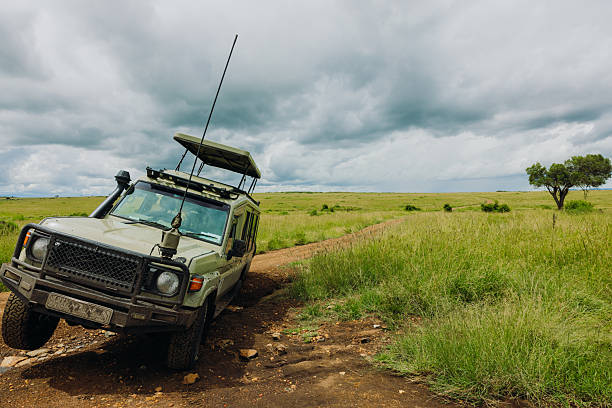
Border Travel During Peak Season: Your Complete Tanzania Planning Guide 2026-2027
Tanzania, a jewel of East Africa, draws visitors year-round with its iconic wildlife, majestic Kilimanjaro, and the exotic spice island of Zanzibar. However, planning a trip during peak season presents unique considerations, especially concerning border crossings and the initial stages of your journey. Understanding how to manage border travel during peak season is crucial for a smooth and enjoyable adventure in 2026-2027. This guide offers expert insights into navigating international entry points, internal transit, and the logistical nuances that come with visiting Tanzania when it’s most popular.
Whether you’re arriving by air into Kilimanjaro International Airport (JRO), Julius Nyerere International Airport (DAR) in Dar es Salaam, or crossing overland from neighboring countries, being prepared for peak season influxes will significantly enhance your experience. This detailed article covers everything from visa applications and immigration procedures to understanding potential delays and making the most of your arrival, even when crowds are larger.
Quick Facts for Peak Season Border Travel
| Aspect | Details for Peak Season |
|---|---|
| Primary Entry Airports | Kilimanjaro (JRO), Dar es Salaam (DAR), Zanzibar (ZNZ) |
| Peak Season Months | June to October (dry season, Great Migration); December to February (hoter, dry season) |
| Visa Requirements | Most nationalities require a visa. E-visas are available and recommended for faster processing. Apply well in advance for 2026-2027 travel. |
| Immigration Processing | Expect longer queues at airports and land borders during peak season. Arriving with completed forms and necessary documents helps. |
| Currency | Tanzanian Shilling (TZS). USD widely accepted for tourist services, but carry Shillings for local purchases. |
| Health Precautions | Consult your doctor about malaria prophylaxis and recommended vaccinations. Yellow fever vaccination may be required if arriving from an endemic country. |
| Connectivity | Local SIM cards are available at airports and in cities for easier communication. |
Understanding Tanzania’s Peak Seasons
Tanzania experiences two main peak seasons, each attracting different types of travelers and presenting distinct considerations for border travel during peak season.
The Dry Season (June to October)
This is arguably the most popular period for tourism. The weather is generally dry and sunny, making it ideal for safaris and trekking. The Great Migration of wildebeest and zebras typically crosses the Grumeti and Mara Rivers in the Serengeti during these months, a spectacular natural event that draws significant crowds to the northern safari circuit. International arrivals at JRO and DAR are at their highest. Land border crossings, particularly from Kenya and Uganda, also see increased activity. Expect fuller flights, busier airports, and more vehicles in popular national parks.
The Hotter Dry Season (December to February)
This period is also a peak season, especially for beach holidays in Zanzibar and for those seeking to climb Kilimanjaro before the short rains. While still dry, temperatures can be higher, particularly inland. The calving season of the Great Migration occurs in the southern Serengeti during February, attracting a different but still substantial number of visitors. This season also sees high numbers of European and North American travelers seeking to escape winter.
Traveling during these times means that border control points, whether at airports or land crossings, will be busier. Pre-planning and understanding the procedures are paramount for a stress-free start to your Tanzania adventure in 2026-2027.
Navigating Airport Arrivals: JRO, DAR, and ZNZ
Most international visitors enter Tanzania through Kilimanjaro International Airport (JRO), serving Arusha and the northern safari circuit; Julius Nyerere International Airport (DAR) in Dar es Salaam, the country’s largest airport and gateway to southern parks and Zanzibar; or Abeid Amani Karume International Airport (ZNZ) in Zanzibar.
Immigration and Customs Procedures
Upon arrival, you’ll proceed through immigration. Have your passport (valid for at least six months beyond your intended stay), visa (if pre-arranged or obtained on arrival), and completed arrival card ready. During peak season, queues can be substantial. Consider purchasing an e-visa in advance for 2026-2027 travel; this often streamlines the process, although on-arrival visas are still available for many nationalities.
After immigration, you’ll collect your luggage and proceed through customs. Tanzania has strict regulations regarding the import of certain items, such as plastic bags, firearms, and large amounts of cash. Declare any items that may be subject to duty.
Tips for Smoother Airport Arrivals During Peak Times
- Pre-Apply for Your Visa: For 2026-2027, the e-visa system is highly recommended. Complete the online application at least two weeks before your travel date.
- Have Documents Ready: Keep your passport, visa confirmation, return flight details, and accommodation booking information easily accessible.
- Complete Arrival Cards Promptly: Fill out the immigration and customs cards accurately while on the plane to save time upon landing.
- Be Patient: Understand that delays are possible during peak periods. Stay calm and follow the instructions of airport officials.
- Arrange Airport Transfers in Advance: Pre-booking your transfer with your tour operator or hotel ensures a swift departure from the airport, avoiding potentially crowded taxi ranks.
Land Border Crossings: Kenya, Uganda, Rwanda, and Beyond
For travelers combining Tanzania with other East African countries, land border crossings are common. The most frequented are between Tanzania and Kenya (Namanga and Holili/Taveta) and Tanzania and Uganda (Mutukula).
Namanga Border Crossing (Tanzania-Kenya)
This is the busiest land border, connecting Arusha in Tanzania with Nairobi in Kenya. It’s a crucial crossing for those on overland safaris or traveling between the two countries. During peak season, expect significant queues for both immigration and customs. The process involves exiting one country and entering the other, requiring separate checks at each side.
Mutukula Border Crossing (Tanzania-Uganda)
Connecting Tanzania to Uganda, this crossing is vital for travelers exploring the gorilla trekking regions of Uganda and then heading south to Tanzania’s parks or Kilimanjaro. Similar to Namanga, it can experience high traffic during peak months.
Other Crossings
Borders with Rwanda (Rusumo) and Burundi also exist, though they are generally less busy for international tourists compared to Kenya and Uganda. Overland travelers should always verify current visa requirements and border procedures for all nationalities involved.
Advice for Land Border Crossings During Peak Season
- Allow Ample Time: Do not schedule tight connections around land border crossings, especially during peak periods. Allow at least 2-3 hours, and potentially more, for the entire process.
- Have All Documents Organized: Passports, visas for both countries, vehicle carnets (if applicable), and any other required permits should be in order and easily accessible.
- Be Wary of Scams: Unofficial touts may try to assist you for a fee. Stick to official channels for visa applications, currency exchange, and vehicle processing.
- Carry Sufficient Currency: Have USD for visa fees (if applicable) and local currency for any immediate needs upon arrival in the new country.
- Stay Hydrated and Prepared: Border areas can be hot and dusty. Bring water, snacks, and sun protection.
Internal Transit and Movement
Once inside Tanzania, movement between popular destinations like the Serengeti, Ngorongoro Crater, Arusha, and Zanzibar also requires planning, particularly during peak season.
Domestic Flights
For efficiency, domestic flights are popular. Air Tanzania, Precision Air, and charter companies operate routes between major hubs and national parks. During peak season, flights fill up quickly, and schedules can become more demanding. Booking flights well in advance is essential for 2026-2027 travel.
Road Travel
Road travel is common, especially for safaris. Roads within parks can become congested with safari vehicles during peak times, particularly at popular sighting spots or viewpoints. The main highways connecting cities are generally well-maintained but can be slow due to traffic and road conditions.
Ferry to Zanzibar
The ferry between Dar es Salaam and Zanzibar is a popular and affordable option. During peak seasons, especially around public holidays or school breaks, ferries can be very crowded. Booking tickets in advance or arriving very early is advised. Consider flying if you are short on time or prefer a more comfortable journey.
Border Travel During Peak Season: Planning Checklist
| Item | Action Needed | Notes for Peak Season |
|---|---|---|
| Passport Validity | Ensure it’s valid for 6+ months beyond your stay. | Crucial for all border crossings. |
| Visas | Apply for e-visas in advance. Check requirements for all transit countries. | Essential to avoid long queues or potential denial at the border. Apply at least 2-3 weeks before departure for 2026-2027. |
| Flight Bookings | Book international and domestic flights. | Book 6-12 months in advance for peak season to secure seats and better prices. |
| Accommodation | Reserve hotels, lodges, and camps. | Availability is severely limited during peak times. Book 8-12 months ahead, especially for popular areas like Serengeti and Zanzibar. |
| Safari/Tour Bookings | Confirm your safari package or guided tours. | Guides and vehicles are in high demand. Secure your booking early. |
| Airport Transfers | Arrange pick-up and drop-off services. | Ensures a smooth transition from busy airports. |
| Travel Insurance | Purchase comprehensive travel insurance. | Covers unexpected events, medical emergencies, and trip cancellations. Essential for peace of mind. |
| Health Preparations | Consult doctor, get vaccinations, and pack a basic medical kit. | Malaria precautions are vital. Check yellow fever requirements for your entry point. |
| Currency Exchange | Plan for USD and TZS. | Have enough USD for visas and initial expenses, and TZS for local markets. Exchange rates at borders can be poor. |
| Communication | Consider a local SIM or international roaming. | Essential for coordinating with your tour operator and for general communication. |
Common Mistakes to Avoid When Planning Border Travel During Peak Season
Even experienced travelers can overlook crucial details when planning trips during Tanzania’s busiest periods. Here are common pitfalls to steer clear of:
- Underestimating Travel Times: Thinking you can make a tight connection after arriving at an airport or crossing a land border during peak season is a recipe for stress. Always add buffer time.
- Not Booking Far Enough in Advance: For peak season 2026-2027, accommodation, flights, and popular tours, especially within the Serengeti and for Kilimanjaro, can book up 9-12 months ahead. Last-minute bookings are often expensive or unavailable.
- Ignoring Visa Requirements: Assuming visas are easily obtainable on arrival or that the e-visa process is instant can lead to significant delays or even denied entry. Start your visa application process early.
- Over-reliance on On-Arrival Services: While services like taxis or currency exchange are available at borders, they are often more expensive and slower during peak times. Pre-booking transfers and exchanging a small amount of currency before arrival is wise.
- Not Preparing for Queues: Immigration, customs, and even park entry points will have longer lines. Mentally prepare for this and have entertainment or reading material handy.
- Packing Inadequately for the Climate: Peak seasons can still bring varied weather. Ensure you pack appropriately for sun, potential rain (especially in shoulder months), and cooler evenings at higher altitudes.
- Not Informing Your Bank of Travel Plans: This can lead to your cards being blocked when you try to use them abroad, causing significant inconvenience during busy travel periods.
Who Is Border Travel During Peak Season Best For?
Border travel during peak season in Tanzania is well-suited for several types of travelers:
- First-Time Visitors: For those who want to experience Tanzania’s highlights during its prime weather and wildlife viewing periods, the peak season offers the most reliable conditions.
- Wildlife Enthusiasts: Witnessing the Great Migration in the Serengeti or the Ngorongoro Crater’s dense wildlife population is a major draw during these months.
- Adventure Seekers: Kilimanjaro trekking is popular year-round but particularly favored during the dry seasons for clearer views and easier conditions.
- Beach Lovers: Zanzibar offers ideal beach weather during the dry seasons, making it a perfect addition to a safari or trek.
- Travelers with Fixed Schedules: If your travel dates are dictated by school holidays, work commitments, or specific events, embracing peak season travel with thorough planning is the way to go.
However, it’s important to note that this period is less ideal for budget travelers seeking the lowest prices or those who prefer a more solitary, uncrowded experience. If solitude is a priority, considering the shoulder seasons might be a better choice.
Alternatives to Peak Season Travel
If the idea of navigating peak season crowds and higher prices for border travel during peak season seems daunting, consider these alternatives:
- Shoulder Seasons (e.g., March-May, November): These months offer a good balance. You’ll find fewer crowds, potentially lower prices, and still excellent wildlife viewing, though there might be short rains. The landscape is lush and green after the rains.
- Off-Peak Seasons (e.g., April-May, early November): These are the quietest months. While April and May can be very wet, you’ll experience the most solitude and the lowest prices. Wildlife is still present, and the landscape is beautiful.
- Focusing on Less-Visited Parks: Tanzania has vast national parks beyond the popular northern circuit, such as Ruaha, Selous (Nyerere National Park), Katavi, and Mikumi. Visiting these can offer a more exclusive experience, even during peak months, though accessibility might require more internal travel planning.
Planning Your 2026-2027 Tanzania Trip During Peak Season
Successful border travel during peak season in 2026-2027 hinges on meticulous planning and early booking. Here’s a step-by-step approach:
Step 1: Define Your Itinerary and Dates
Decide which regions you want to visit (e.g., Northern Circuit safari, Kilimanjaro climb, Zanzibar) and when. Pinpoint your exact travel dates, keeping the peak seasons in mind.
Step 2: Research and Book Flights
International flights to JRO or DAR are the first major booking. For peak season, aim to book 9-12 months in advance. Look for direct flights or those with minimal, manageable layovers.
Step 3: Secure Accommodation and Tours
This is critical for peak season. Lodges within national parks, especially in the Serengeti and Ngorongoro, book up extremely fast. Safari packages, including guides and vehicles, also become scarce. Reserve these 8-12 months ahead.
Step 4: Visa Applications
For 2026-2027, begin your e-visa application process at least 3-4 weeks before your departure. Ensure all details are accurate.
Step 5: Health Preparations
Consult your doctor 6-8 weeks before your trip to discuss necessary vaccinations and malaria prophylaxis. Obtain any required prescriptions.
Step 6: Finalize Internal Travel and Transfers
Book any domestic flights or confirm airport transfers with your tour operator. If using the Zanzibar ferry, consider booking tickets or planning your arrival time.
Step 7: Pack Smart
Refer to packing lists provided by your tour operator. Focus on light, breathable clothing, sun protection, insect repellent, and any personal medications.
Sample Itinerary Logic: Northern Circuit Safari During Peak Season
This sample itinerary logic highlights how to structure a Northern Circuit safari, considering peak season demands. It focuses on efficient use of time and maximizing wildlife viewing opportunities.
Duration: 7 Days / 6 Nights
Focus: Serengeti, Ngorongoro Crater, Tarangire National Park
| Day | Location | Activities | Peak Season Considerations |
|---|---|---|---|
| Day 1 | Arrival in Arusha/Kilimanjaro (JRO) | Airport meet and greet, transfer to Arusha hotel. Relaxation. | Pre-booked airport transfer is essential. Arrive early in the day if possible to avoid late-night border/immigration queues. |
| Day 2 | Arusha to Tarangire National Park | Morning drive to Tarangire. Full-day game drive. Famous for baobab trees and elephant herds. | Tarangire can get busy. An early start maximizes game viewing before peak heat and other vehicles. |
| Day 3 | Tarangire to Serengeti National Park | Morning game drive in Tarangire, then drive to Serengeti. Afternoon game drive in Serengeti. | Long driving day. Serengeti accommodation books up months in advance. Ensure your lodge/camp is confirmed. |
| Day 4 | Serengeti National Park | Full-day game drives in the Serengeti. Focus on areas with high wildlife density, potentially following the Migration. | Serengeti is vast; your guide’s expertise is key to finding wildlife away from other vehicles. Book Serengeti camps/lodges 9-12 months ahead. |
| Day 5 | Serengeti to Ngorongoro Conservation Area | Morning game drive in Serengeti, then drive to Ngorongoro. Overnight on the crater rim or nearby. | Ngorongoro Crater has a limit on vehicles and time spent inside. Book your crater descent slot in advance with your tour operator. |
| Day 6 | Ngorongoro Crater Tour & Lake Manyara | Morning game drive inside the Ngorongoro Crater. Afternoon drive to Lake Manyara National Park (optional, or more time in Serengeti). | Crater floor can be crowded. Enjoy the unique ecosystem. If adding Lake Manyara, note its popularity too. |
| Day 7 | Arusha & Departure | Morning drive back to Arusha. Transfer to JRO for departure. | Allow ample time for the drive back to JRO, especially during peak season traffic. Pre-booked transfers are crucial. |
Border Travel During Peak Season: Booking Advice
Booking your Tanzania adventure during peak season requires diligence and foresight. Here’s how to approach it for 2026-2027:
Work with Experienced Tour Operators
A reputable tour operator is invaluable. They have established relationships with lodges, park authorities, and transport providers, giving them an edge in securing bookings even during high demand. They can also advise on the best timing within peak season for specific wildlife events or locations.
Book Early, Very Early
As emphasized, for peak season travel in 2026-2027, aim to book your main components (flights, accommodation, safari package) 9-12 months in advance. For Kilimanjaro climbs or specific lodges, even earlier might be necessary.
Understand Inclusions and Exclusions
Ensure your package clearly outlines what is included (park fees, meals, accommodation, guide, vehicle) and what is not (tips, personal expenses, drinks, visa fees). This helps avoid unexpected costs.
Be Flexible with Accommodation
While luxury options are desirable, during peak season, being open to different tiers of accommodation can increase your chances of securing a booking. Sometimes mid-range options offer excellent value and experience.
Confirm All Details Before Payment
Double-check flight details, names on bookings, and itinerary specifics before making payments. Secure your booking with a deposit and understand the cancellation policy.
Consider Travel Insurance
This is non-negotiable, especially when traveling during peak times when disruptions can be more impactful. Ensure it covers trip cancellation, medical emergencies, and lost luggage.
Engage Directly for Customization
If you have specific requests or need a custom itinerary, communicate these clearly and early to your tour operator. They can help tailor your trip to your needs, even during busy periods.
For a seamless experience with border travel during peak season and throughout your Tanzania journey in 2026-2027, reach out to us. We specialize in crafting unforgettable Tanzanian adventures.
Ready to Plan Your Peak Season Tanzania Adventure?
Navigating border travel during peak season can seem complex, but with expert guidance, it’s entirely manageable. Let Best Tanzania Tour Operator help you craft your perfect 2026-2027 safari, Kilimanjaro trek, or Zanzibar holiday. We handle the details so you can focus on the magic of Tanzania.
Contact us today:
WhatsApp: +255616946642
Email: topguideadventures@gmail.com
Backup Email: info@topguideadventures.com
We are here to answer all your questions about border travel during peak season and beyond!
Frequently Asked Questions (FAQs)
Q1: What are the main challenges of border travel during peak season in Tanzania?
The primary challenges are longer queues at immigration and customs, potential flight or ferry delays due to high passenger volume, and the need for earlier bookings for accommodation and internal transport. Pre-planning is key for border travel during peak season.
Q2: Is it possible to get a visa on arrival during peak season?
Yes, for most nationalities, visas are available on arrival. However, during peak season, immigration lines can be very long. We strongly recommend applying for an e-visa in advance for 2026-2027 travel to save time and ensure a smoother entry.
Q3: How far in advance should I book my trip for peak season?
For peak season travel in 2026-2027, it’s advisable to book international flights 9-12 months in advance. For popular accommodation within national parks, Kilimanjaro treks, and safari packages, aim for 8-12 months ahead.
Q4: What is the best way to travel between Dar es Salaam and Zanzibar during peak season?
You can choose between the ferry or a short domestic flight. The ferry is more budget-friendly but can be crowded and potentially delayed during peak times. Flights are quicker and more comfortable but more expensive. Book either option well in advance.
Q5: Are there specific health requirements for entering Tanzania during peak season?
Standard health recommendations apply. Consult your doctor for vaccinations and malaria prophylaxis well before your trip. A Yellow Fever vaccination certificate may be required if you are arriving from or transiting through a country with a risk of Yellow Fever transmission. Check current requirements for 2026-2027 travel.
Q6: Will I encounter fewer crowds if I travel in late October or November?
Late October and November are considered shoulder months. While still popular, crowds generally start to decrease compared to the core dry season (July-October). You might find slightly shorter queues at borders and parks, and potentially better availability for bookings.
Q7: Can I use USD for visa fees at the border?
USD is often accepted for visa fees at border crossings and airports, but it’s always best to have exact USD denominations. It’s also wise to have some Tanzanian Shillings (TZS) for smaller purchases immediately upon arrival, as exchange rates at borders can be unfavorable.
Q8: How should I prepare for potential delays at land borders during peak season?
Allow ample buffer time in your itinerary. Pack water, snacks, sun protection, and entertainment. Keep all your documents organized and easily accessible. Stay patient and polite with border officials.
Q9: Are there any specific travel advisories for border travel during peak season 2026-2027?
Always check the latest travel advisories from your country’s foreign office and Tanzania’s immigration department before your trip. While peak season means more people, the fundamental safety and immigration procedures remain the same. Stay informed about any specific alerts.
Q10: What if my flight arrives very late at night during peak season?
Late-night arrivals can still experience queues, though sometimes slightly shorter. Ensure your airport transfer is pre-booked and confirmed, as finding reliable transport late at night can be challenging during busy periods.
Plan your Border Travel During Peak Season with Top Guide Adventures
Tell us your travel dates, group size, comfort level, and dream experience. We will help you shape a clear, realistic, and memorable Tanzania itinerary.







 Veedesigner
 Fatma Kizanga
 Benjamin Waryuba
 Philip Philip
 John jr Itaja
 Antonia Optatus
 Edith Kanyere
 Neema Iddy
 Kelvin Boniphace
 Damari Maiga



