
Updated planning guide for 2026-2027
Border Travel During Rainy Season: Complete Guide 2026-2027
Discover how to navigate border travel in Tanzania during the rainy season. This comprehensive guide covers safaris, Kilimanjaro, Zanzibar, and essential planning for 2026-2027.
WhatsApp +255616946642 | topguideadventures@gmail.com | info@topguideadventures.com
Border Travel During Rainy Season: Your Essential Tanzania Guide 2026-2027
Tanzania, a land of iconic wildlife, majestic mountains, and spice-scented islands, draws visitors year-round. However, planning a trip that involves crossing its borders, whether for a safari, a Kilimanjaro trek, or a journey to Zanzibar, requires special consideration during the rainy season. Many travelers shy away from this period, fearing disruptions and less-than-ideal conditions. Yet, with careful planning and the right knowledge, border travel during the rainy season in Tanzania can offer unique advantages, from fewer crowds to lush, vibrant landscapes. This guide provides an in-depth look at what to expect, how to prepare, and why this season might be the perfect time for your Tanzanian adventure in 2026 or 2027.
Understanding Tanzania’s Rainy Seasons
Tanzania experiences two main rainy seasons: the long rains (Mvua Kubwa) typically from March to May, and the short rains (Mvua Ndogo) from November to mid-December. The timing and intensity can vary slightly year to year and by region. The long rains are generally heavier and more widespread, while the short rains can be more localized and sporadic.
The impact on border travel and general tourism activities is significant. Roads can become challenging, especially in remote areas. National parks remain open, but game viewing conditions might change, and some lodges may have reduced operations or different pricing. Kilimanjaro’s routes can become slippery and more demanding. Zanzibar’s beaches are still beautiful, but occasional downpours are common.
| Season | Months | Typical Conditions | Impact on Travel |
|---|---|---|---|
| Long Rains (Mvua Kubwa) | March, April, May | Heavy, prolonged rainfall; overcast skies; cooler temperatures. | Potential road washouts; reduced accessibility in some areas; lush landscapes; fewer tourists. |
| Short Rains (Mvua Ndogo) | November, December | Intermittent, often brief showers; can be heavy but short-lived; sunny periods. | Generally less disruptive than long rains; can improve landscape appearance; some areas may experience muddy conditions. |
Why Consider Border Travel During the Rainy Season?
While many plan safaris and treks during the dry seasons (June-October and January-February), the rainy periods offer distinct benefits for those willing to travel outside the peak times.
- Fewer Crowds: With fewer tourists, you’ll experience national parks and popular sites with a greater sense of solitude. This means more intimate wildlife encounters and a more relaxed atmosphere.
- Lush Landscapes: The rains transform the typically dry savannah into a vibrant green paradise. This is particularly beautiful for photography and offers a different perspective on the Tanzanian scenery.
- Birdwatching: Migratory birds arrive during the wet seasons, making it an excellent time for bird enthusiasts. The abundance of water and vegetation attracts a diverse avian population.
- Calving Season: For certain wildlife, the rainy season coincides with the calving season, offering incredible opportunities to witness young animals and predator-prey interactions.
- Lower Prices: Many lodges and tour operators offer lower rates during the low season, making your Tanzanian adventure more affordable. This can extend to border crossing fees or related transport costs.
Border Crossing Considerations
Tanzania shares borders with several countries, including Kenya, Uganda, Rwanda, Burundi, Zambia, Malawi, and Mozambique. Border crossings can be busy, and during the rainy season, conditions can add complexity.
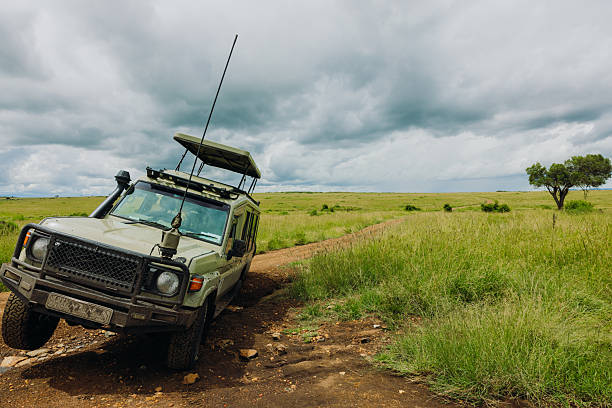
- Road Conditions: The most significant factor. Roads leading to and from border posts, especially those crossing into or out of national parks or remote areas, can become muddy and impassable. This might necessitate using 4×4 vehicles with experienced drivers or opting for alternative transport.
- Visa and Immigration: Ensure all your visa requirements are in order well in advance. Rainy weather can sometimes slow down processing at border posts due to reduced visibility or comfort for officials.
- Vehicle Checks: If you are self-driving or using a private vehicle, ensure it is well-maintained and equipped for wet conditions. Four-wheel-drive capabilities are highly recommended.
- Communication: Keep communication lines open with your tour operator. They will have the most up-to-date information on road conditions and border crossing status.
Safari During the Rainy Season
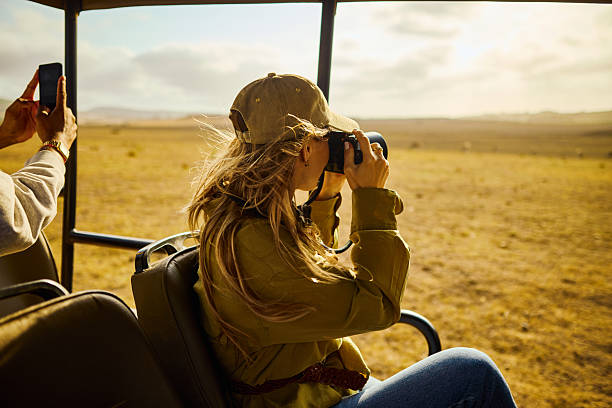
Tanzania’s famed national parks, including the Serengeti, Ngorongoro Conservation Area, Tarangire, and Lake Manyara, remain open throughout the year. Border travel related to safaris often involves moving between these parks or crossing into neighboring countries like Kenya.
Serengeti National Park
During the long rains (March-May), the Serengeti experiences its greenest period. The Great Migration often moves through the southern and central Serengeti during the early months of the year, and while the rains might affect the timing, the herds are still present, and the lush grass supports them. The short rains (November-December) see the herds returning to the north and west.
Border Travel Note: Crossing from Kenya into the Serengeti (or vice-versa) via the Isebania-Sirari border is a common route. While the main roads within the Serengeti are generally maintained, smaller tracks can become muddy. Always use a reputable tour operator who understands these conditions.
Ngorongoro Conservation Area
The Ngorongoro Crater is a year-round wildlife destination. The rains bring a fresh bloom to the crater floor, attracting herbivores. The higher rainfall can sometimes make game drives on the crater floor slightly more challenging, but the views are spectacular, and wildlife viewing remains excellent.
Tarangire and Lake Manyara National Parks
Tarangire is famous for its large elephant herds, which are present year-round but tend to congregate more around permanent water sources during the dry season. During the rains, wildlife disperses as water becomes more available. Lake Manyara, known for its tree-climbing lions and birdlife, is also beautiful in the wet season, with lush vegetation.
Tanzania Northern Circuit Safari Areas
A common border travel route might involve starting in Arusha, moving to Lake Manyara, then Tarangire, followed by the Ngorongoro Crater, and finally the Serengeti. Alternatively, a border crossing from Kenya might bring you directly into the Serengeti or Masai Mara (Kenya) before moving between parks.
Sample Route Logic (Rainy Season Focus):
- Arrive Kilimanjaro International Airport (JRO), transfer to Arusha.
- Arusha to Tarangire National Park (road conditions can be variable, expect potential delays if rains are heavy).
- Tarangire to Ngorongoro Conservation Area (roads within NCA are generally good, but access roads can be affected).
- Ngorongoro Crater tour, then drive to Serengeti National Park (Central/Western Serengeti is often good in early rains, Southern Serengeti for calving season).
- Serengeti exploration, potentially exiting towards the Kenya border (e.g., Isebania-Sirari) or returning to Arusha.
Kilimanjaro Trekking in the Wet Season
Climbing Kilimanjaro during the rainy season presents unique challenges and rewards. The long rains (March-May) are generally considered the most difficult time to trek due to heavy rainfall, mist, and potentially snow at higher altitudes. Visibility can be poor, and trails can be very muddy and slippery.
The short rains (November-December) are more manageable. While you can expect some rain, it’s often in the form of afternoon showers, leaving mornings clear for trekking. The landscape is beautiful, and there are fewer climbers on the mountain.
Kilimanjaro Trekking Preparation (Rainy Season)
- Waterproof Gear: High-quality waterproof and windproof outer layers are essential.
- Gaiters: To keep mud and water out of your boots.
- Trekking Poles: Crucial for stability on slippery, muddy trails.
- Layering System: Multiple insulating layers to adapt to changing temperatures and conditions.
- Waterproof Backpack Cover: To protect your gear.
- Good Quality Waterproof Boots: Well broken-in.
- Mindset: Be prepared for challenging conditions and a slower pace.
Border Travel Note: Most trekkers fly into Kilimanjaro International Airport (JRO) and start their climb from there, so direct border crossing is less common for the trek itself. However, if you are combining a trek with a safari in Kenya, for example, you might cross borders before or after your climb.
Zanzibar Holidays During the Rains
Zanzibar, the ‘Spice Island’, experiences its own rainy seasons. The long rains (March-May) can bring heavy, consistent downpours, sometimes leading to localized flooding and making beach activities less appealing. The short rains (November-December) are typically characterized by brief, intense showers, often in the afternoon, leaving plenty of sunshine for enjoying the beaches and exploring.
Border Travel Note: The main ‘border’ for Zanzibar is the flight or ferry from mainland Tanzania (e.g., Dar es Salaam). While not a physical land border crossing, disruptions due to weather can occur. Flights might be delayed or canceled during heavy storms, and ferry services can be affected. It’s wise to build some buffer time into your itinerary.
Despite the rain, Zanzibar is still a wonderful destination. The island is lush and green, the water is warm, and tourist numbers are lower, offering a more authentic experience. The spices are particularly fragrant after the rain.
Zanzibar Rainy Season Tip: If traveling during the long rains, consider staying in accommodations with good indoor facilities or options for covered activities. Stone Town offers a rich cultural experience that is less weather-dependent.
What to Expect: Practicalities of Border Travel in the Rain
When planning border travel during Tanzania’s rainy seasons, especially for 2026-2027, manage your expectations and prepare for potential shifts in your itinerary.
- Slower Pace: Journeys can take longer. Roads might be rougher, and border crossings might be less efficient. Factor in extra travel time.
- Flexibility is Key: Be prepared for last-minute changes. A reputable tour operator will be your best asset in navigating these.
- Vehicle Choice: For safaris, a robust 4×4 vehicle is non-negotiable. For inter-country travel, consider the road conditions on both sides of the border.
- Health Precautions: Mosquitoes are more prevalent during the wet seasons. Ensure you have adequate malaria precautions and insect repellent.
- Connectivity: Mobile phone signal can be patchy in remote areas, especially during heavy rain. Download offline maps and essential information.
Common Mistakes to Avoid
Traveling during the rainy season, particularly with border crossings involved, carries specific pitfalls:
- Underestimating Road Conditions: Assuming all roads are passable can lead to significant delays or being stranded.
- Not Booking a Reputable Tour Operator: During the rainy season, local knowledge and up-to-date information are crucial. An experienced operator can reroute you, advise on conditions, and manage logistics.
- Packing Inadequately: Insufficient waterproof gear or inappropriate footwear can make your trip miserable.
- Over-scheduling: Trying to cram too much into a tight itinerary without allowing for travel delays due to weather.
- Ignoring Health Advice: Not taking precautions against malaria or other insect-borne diseases, which can be more prevalent when it’s wet.
- Expecting Peak Season Conditions: A rainy season safari or trek is a different experience. Embrace the unique aspects rather than comparing it to the dry season.
Who is Border Travel During Rainy Season Best For?
This travel period is ideal for:
- Budget Travelers: Lower prices make it more accessible.
- Photographers: Lush landscapes and dramatic skies offer unique photographic opportunities.
- Birdwatchers: The abundance of avian life is a major draw.
- Nature Enthusiasts: Those who appreciate vibrant greenery and the sounds of rain in the wilderness.
- Repeat Visitors: Travelers who have already experienced Tanzania in the dry season and want a different perspective.
- Independent or Flexible Travelers: Those who can adapt to changing plans and enjoy a less crowded experience.
It might be less suitable for:
- First-time travelers with very rigid expectations: Who might be disappointed by potential disruptions.
- Travelers with mobility issues: Where muddy and uneven terrain could be a significant obstacle.
- Those seeking guaranteed perfect beach weather: Although Zanzibar can still be enjoyed, heavy rain can impact beach time.
Alternatives and Combinations
If the thought of heavy rains is a concern, consider these alternatives or combinations:
- Focus on Specific Regions: Some areas are less affected by heavy rains. For instance, the northern safari circuit’s main roads are generally better maintained than remote overland routes.
- Short Rains vs. Long Rains: Opting for the short rains (November-December) offers a compromise, with fewer crowds and beautiful scenery but less risk of prolonged, impassable downpours compared to March-May.
- Combine with Dry Season: If your travel dates are flexible, consider starting in the shoulder season of the dry period and extending into the early rainy season for a mix of conditions and potentially better value.
- Focus on Mainland or Island: If border crossing is the main concern, focus your trip entirely on mainland Tanzania safaris or a Zanzibar holiday to minimize potential border-related delays.
Planning Your 2026-2027 Trip
Planning is paramount when considering border travel during Tanzania’s rainy season for 2026 or 2027. Early booking and detailed preparation will ensure a smoother experience.
| Timeframe | Action | Notes |
|---|---|---|
| 9-12+ Months Prior | Research destinations & operators. Define interests (safari, trek, beach). Identify specific border crossings. | Consider the specific months of the rainy season for your chosen activities. |
| 6-9 Months Prior | Book flights. Select and book with a reputable tour operator. Secure permits for Kilimanjaro if applicable. | Operators will advise on rainy season logistics. Early booking secures better rates and availability. |
| 3-6 Months Prior | Apply for visas. Arrange travel insurance (ensure it covers weather-related disruptions). Book internal flights/ferries (e.g., to Zanzibar). | Check visa requirements for all countries you plan to visit or transit through. |
| 1-3 Months Prior | Purchase essential gear (waterproofs, boots, layers). Get necessary vaccinations & malaria prophylaxis. | Start breaking in hiking boots if trekking. |
| 2-4 Weeks Prior | Confirm all bookings. Share itinerary with family/friends. Pack essentials. | Download offline maps and important contacts. |
| During Trip | Stay flexible. Communicate with your guide/operator. Enjoy the unique aspects of the rainy season. | Be prepared for potential changes to the schedule. |
Booking Advice for Rainy Season Border Travel
Choosing the right tour operator is more critical than ever when planning border travel during Tanzania’s rainy season.
- Look for Experience: Select operators with extensive experience operating in Tanzania during the wet seasons. They will understand the nuances of road conditions, wildlife movements, and potential disruptions.
- Ask Specific Questions: Don’t hesitate to ask about their contingency plans for bad weather, how they manage vehicle maintenance for wet conditions, and what their policy is on itinerary changes due to weather.
- Read Reviews: Look for reviews from travelers who visited during the rainy season, especially those who undertook similar border crossings or activities.
- Clear Inclusions/Exclusions: Understand what is covered in your package. Does it include necessary 4×4 transport, experienced drivers, and provisions for potential delays?
- Communication Channels: Ensure the operator provides reliable communication channels (like WhatsApp) and is responsive.
When booking your 2026-2027 adventure, especially involving border travel during the rainy season, reach out to us at Best Tanzania Tour Operator. We specialize in crafting memorable and practical itineraries that account for seasonal variations.
Ready to Plan Your Tanzania Adventure?
Let us help you navigate the intricacies of border travel during the rainy season. Our expert team can design a bespoke safari, Kilimanjaro trek, or Zanzibar holiday tailored to your preferences and the specific conditions of 2026-2027. We prioritize your safety, comfort, and the best possible experience, even when the skies open up.
Contact us today:
- WhatsApp: +255616946642
- Email: topguideadventures@gmail.com
- Backup Email: info@topguideadventures.com
We look forward to helping you discover the magic of Tanzania, rain or shine!
Frequently Asked Questions (FAQs)
Q1: Is it safe to travel to Tanzania during the rainy season, especially for border crossings?
Yes, it is generally safe. The main concerns are related to road conditions and potential travel delays. Reputable tour operators prioritize safety by using experienced drivers, well-maintained 4×4 vehicles, and staying informed about the latest conditions. It’s crucial to travel with a knowledgeable guide or operator.
Q2: What are the main border crossings in Tanzania, and how do they fare in the rain?
Major land border crossings include Isebania (Tanzania-Kenya), Namanga (Tanzania-Kenya), Tunduma (Tanzania-Zambia), and Rusumo (Tanzania-Rwanda). While main roads leading to these points are often paved, access roads within parks or connecting to less developed areas can become muddy and difficult. Overland travel between countries might be slower and require flexible planning, especially in 2026-2027.
Q3: Can I still see wildlife on safari during the rainy season?
Absolutely. Wildlife is present year-round. The rains bring lush vegetation and water, attracting herbivores. Predators are often more active, and birdlife is abundant. While some animals may disperse more widely due to available water, game viewing remains excellent, with the added benefit of fewer crowds.
Q4: How does the rainy season affect Kilimanjaro trekking routes?
The long rains (March-May) make trekking particularly challenging due to heavy rain, mud, and slippery conditions. The short rains (November-December) are more manageable, with intermittent showers. Visibility can be reduced, and trails will be wet and muddy, requiring good waterproof gear and trekking poles for safety and stability.
Q5: What is the best way to travel between mainland Tanzania and Zanzibar during the rainy season?
Flights between Arusha/Dar es Salaam and Zanzibar are the most reliable. Ferries operate but can be subject to delays or cancellations during rough weather. Building buffer time into your itinerary is advisable, especially if connecting to international flights. This advice holds true for 2026-2027 travel plans.
Q6: Are there fewer tourists during the rainy season?
Yes, the rainy season is considered the low season for tourism in Tanzania. This means fewer crowds in national parks, on Kilimanjaro, and on Zanzibar, offering a more intimate and authentic experience.
Q7: What kind of prices can I expect for tours during the rainy season?
Prices for accommodation and often for safari packages are typically lower during the low season (rainy periods). This can make Tanzania more affordable. However, transport costs (especially for specialized 4×4 vehicles) and park fees remain consistent.
Q8: What are the essential items to pack for border travel during Tanzania’s rainy season?
Essential items include high-quality waterproof and windproof jackets and trousers, waterproof hiking boots, gaiters, warm layers (fleece, thermals), a waterproof backpack cover, insect repellent, and a basic first-aid kit. For Kilimanjaro, trekking poles are highly recommended.
Q9: Can I still enjoy Zanzibar’s beaches during the rainy season?
You can still enjoy Zanzibar’s beautiful beaches, but be prepared for potential rain showers. The short rains often bring afternoon showers, leaving mornings and evenings sunny. The long rains can be more disruptive. The island is lush and beautiful, and fewer tourists mean a more relaxed atmosphere.
Q10: What is the best rainy season month for border travel in Tanzania?
The short rains, particularly November and early December, are often considered the most favorable rainy season period for border travel. While showers are expected, they are typically brief and less disruptive than the prolonged rains of March, April, and May. However, the specific timing can vary.
Q11: How should I prepare for malaria and other health risks during the rainy season?
Consult your doctor or a travel clinic well in advance of your 2026-2027 trip for recommended malaria prophylaxis and vaccinations. Use insect repellent consistently, especially at dawn and dusk, and wear long sleeves and trousers. Mosquito nets are standard in most accommodations.
Q12: What are the advantages of booking a guided tour for border travel during the rainy season?
A guided tour provides crucial local knowledge, up-to-date information on road conditions, and contingency planning. Guides ensure you have appropriate transport, navigate border formalities efficiently, and can adapt the itinerary if conditions change unexpectedly, making your border travel during the rainy season much smoother and safer.
Plan your Border Travel During Rainy Season with Top Guide Adventures
Tell us your travel dates, group size, comfort level, and dream experience. We will help you shape a clear, realistic, and memorable Tanzania itinerary.







 Veedesigner
 Fatma Kizanga
 Benjamin Waryuba
 Philip Philip
 John jr Itaja
 Antonia Optatus
 Edith Kanyere
 Neema Iddy
 Kelvin Boniphace
 Damari Maiga



