
Updated planning guide for 2026-2027
How Long Border Crossings Take: Complete Guide 2026-2027
Navigating Tanzania's borders can be a significant part of your travel plans. This guide details how long border crossings typically take, offering practical advice for safaris, Kilimanjaro treks, Zanzibar holidays, and custom adventures in 2026-2027.
WhatsApp +255616946642 | topguideadventures@gmail.com | info@topguideadventures.com
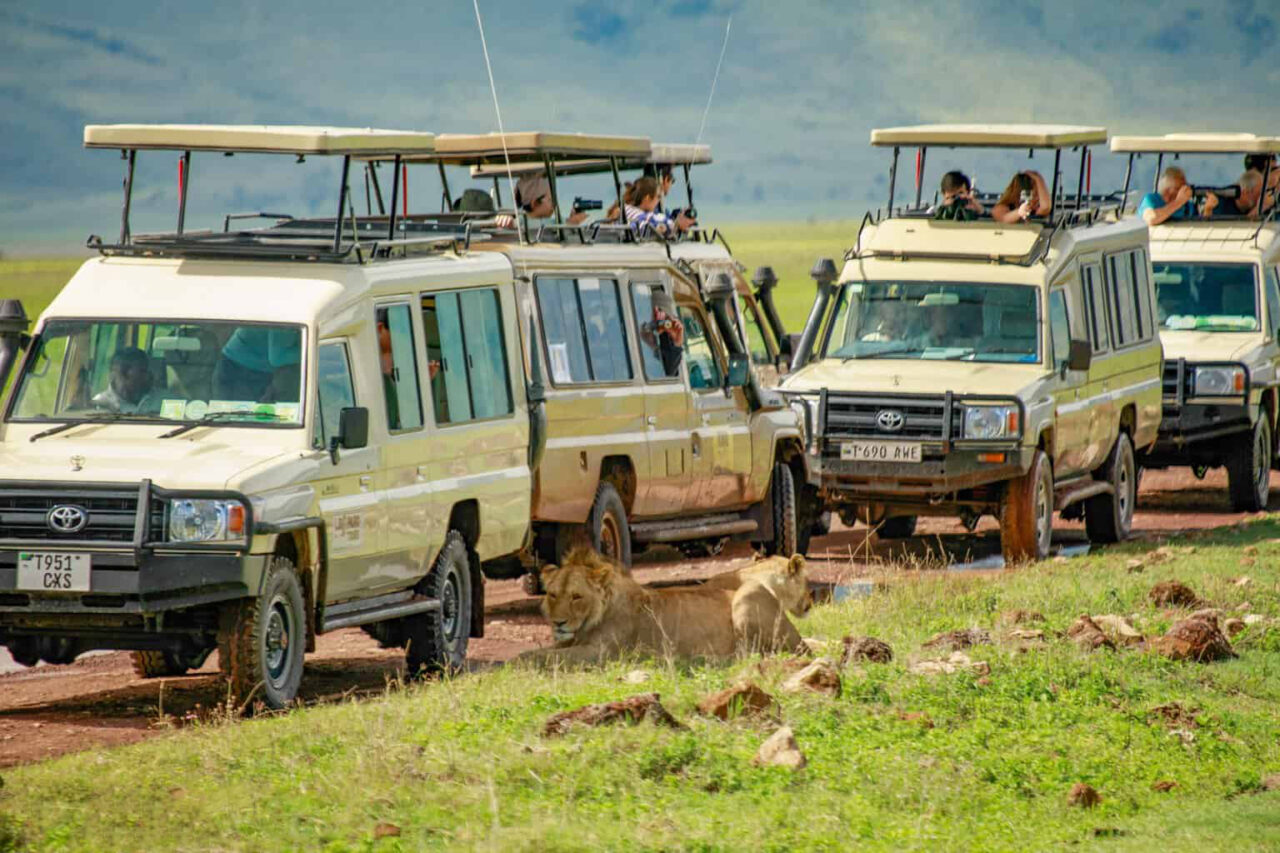
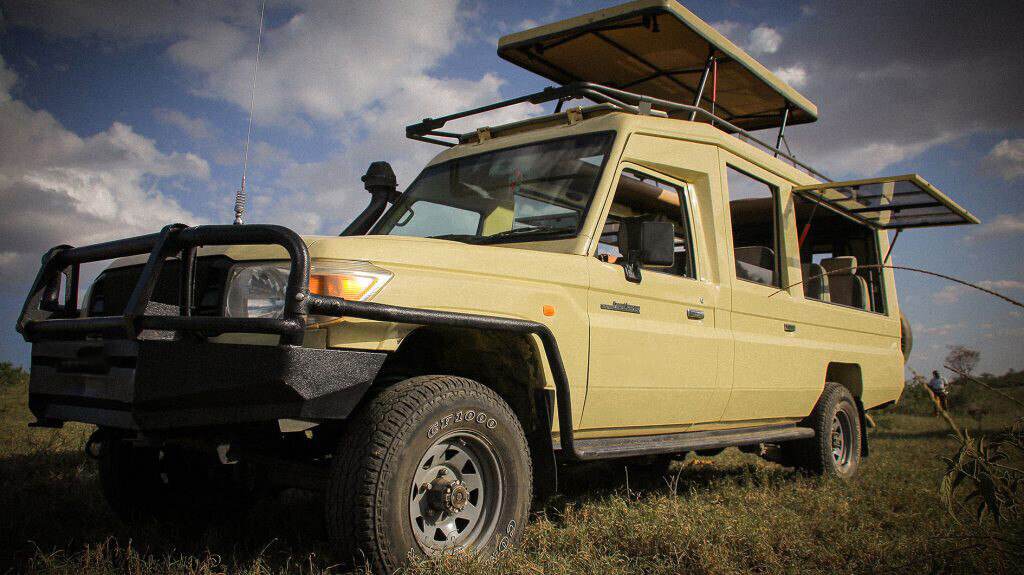
Understanding How Long Border Crossings Take in Tanzania
When planning an adventure to Tanzania, whether it’s an exhilarating safari, a challenging Kilimanjaro climb, a relaxing Zanzibar beach holiday, or a combination of these, understanding the logistics is key. One crucial aspect that often sparks questions is how long border crossings take. This comprehensive guide aims to demystify the process, providing realistic expectations and practical advice for travelers looking to enter or exit Tanzania, or move between its distinct regions and neighboring countries.
Tanzania shares borders with several nations, including Kenya, Uganda, Rwanda, Burundi, and the Democratic Republic of Congo. Additionally, internal border checks can occur, particularly when traveling between mainland Tanzania and the semi-autonomous Zanzibar archipelago. The duration of these crossings can vary significantly based on numerous factors, from the specific entry point and time of day to immigration policies and your preparedness.
This article will break down what influences border crossing times, provide estimates for different scenarios, and offer actionable tips to make your journey as smooth as possible. We’ll cover land borders, ferry crossings, and even consider the implications for international flights. By the end, you’ll have a clearer picture of how long border crossings take and how to factor this into your 2026-2027 travel itinerary.
Quick Answer: How Long Border Crossings Take
Border crossings in Tanzania can range from 30 minutes to several hours. Land borders with neighboring countries (like Kenya or Uganda) typically take longer, often between 1 to 4 hours, due to immigration, customs, and potential queues. The ferry crossing between mainland Tanzania and Zanzibar is generally quicker, usually 30 minutes to 1.5 hours, but can be delayed by weather or passenger volume. International airport arrivals and departures also vary, from 1 to 3 hours, depending on flight schedules and airport efficiency.
Table of Contents
- Tanzania Border Crossing: An Overview
- Factors Influencing Border Crossing Times
- Land Border Crossings: In-Depth Analysis
- Zanzibar Ferry Crossing: Mainland to Island
- Airport Immigration and Customs
- Internal Transit and Checks
- Planning Your Time: Integrating Crossing Durations
- What to Expect During the Process
- Essential Preparation and Documentation
- Common Mistakes to Avoid
- Who is This Information For?
- Alternatives to Land Border Crossings
- 2026-2027 Tanzania Travel Planning: Border Focus
- Booking Advice for Smooth Transitions
- Frequently Asked Questions (FAQs)
Tanzania Border Crossing: An Overview
Tanzania’s strategic location in East Africa makes it a popular destination and transit point. The country’s border infrastructure varies significantly. Major land crossings, like Namanga between Tanzania and Kenya, are generally busier and better equipped than more remote crossings. Understanding these differences is fundamental to accurately estimating how long border crossings take.
Travelers might encounter border crossings in several contexts:
- International Entry/Exit by Land: Arriving in or departing from Tanzania from a neighboring country.
- International Entry/Exit by Air: Arriving at or departing from Kilimanjaro International Airport (JRO), Julius Nyerere International Airport (DAR), or Abeid Amani Karume International Airport (ZNZ).
- Inter-Archipelago Travel: Primarily the ferry crossing between Dar es Salaam on the mainland and Zanzibar.
- Transit Through Tanzania: If your itinerary involves passing through Tanzania to reach another country.
Each scenario presents its own set of procedures and potential delays. For instance, a visa application process at a land border can add considerable time compared to having a pre-arranged e-visa.
Factors Influencing Border Crossing Times
Several dynamic elements contribute to the variability in border crossing durations. Being aware of these will help you set realistic expectations for how long border crossings take:
- Time of Day: Peak hours (early morning, late afternoon, and during public holidays) almost always mean longer waits. Crossing very early or late might be quicker, but consider safety and operating hours.
- Day of the Week: Weekends and public holidays often see increased traffic, leading to extended processing times.
- Volume of Travelers: If a bus tour or several vehicles arrive simultaneously, queues can form rapidly.
- Immigration and Customs Staffing: Understaffing or a sudden influx of travelers can significantly slow down the process.
- Your Documentation: Having all necessary visas, passports, vehicle permits, and customs declarations in order and easily accessible is crucial. Missing or incorrect documents are the most common cause of significant delays.
- Type of Border Post: Major, well-established border posts tend to be more efficient than smaller, less developed ones.
- Vehicle Type and Cargo: Crossing with a private vehicle, tour bus, or commercial truck involves different checks and can take longer than pedestrian crossings.
- Political Stability and Security: In rare cases, heightened security measures can impact crossing times.
- Weather Conditions: For ferry crossings, adverse weather can lead to cancellations or significant delays.
- Language Barriers: While English is often spoken by officials, communication can sometimes be slower if there are misunderstandings.
| Factor | Impact on Time | Notes |
|---|---|---|
| Time of Day (Peak Hours) | Increases Time | Early morning, late afternoon, lunch breaks. |
| Day of Week (Weekends/Holidays) | Increases Time | Higher traveler volume. |
| Documentation Errors | Significantly Increases Time | Missing visas, incorrect forms, expired passports. |
| Staffing Levels | Increases/Decreases Time | Understaffing causes delays; efficient staff speeds things up. |
| Type of Crossing | Varies | Land borders vs. ferry vs. airport. |
| Vehicle Presence | Increases Time | Car, bus, truck checks take longer than pedestrian. |
Land Border Crossings: In-Depth Analysis
Land border crossings are often the most time-consuming part of travel between Tanzania and its neighbors. This section provides insights into how long border crossings take at key entry points.
Kenya-Tanzania Border (Namanga/Taveta)
The Namanga border crossing, located south of Nairobi and north of Arusha, is the busiest land route between Kenya and Tanzania. It’s frequently used by tourists traveling between the Masai Mara and Serengeti ecosystems.
- Estimated Time: 1 to 3 hours. This is for a smooth process with all documents in order.
- Process: You’ll go through Kenyan immigration exit, then Tanzanian immigration entry. Vehicle checks and customs may also be involved.
- Tips: Arrive mid-morning to avoid the early rush. Ensure your Kenyan visa (if required) is sorted, and you have your Tanzanian visa arranged (e-visa or visa on arrival, depending on nationality). Have your yellow fever certificate ready.
The Taveta-Holili border is another option, often less busy but potentially more remote and with fewer services. Travelers heading towards Moshi or Kilimanjaro may find this a viable alternative.
Uganda-Tanzania Border (Mutukula)
The Mutukula border post connects Uganda to Tanzania, primarily serving travelers between Kampala and Kampala/Arusha/Mwanza. It’s a common route for those visiting the southern circuit of Uganda’s national parks or heading to Lake Victoria’s Tanzanian shores.
- Estimated Time: 1.5 to 4 hours. This border can sometimes be slower due to infrastructure and staffing.
- Process: Similar to Namanga, involving exit and entry immigration for both countries, and potential vehicle inspections.
- Tips: Be patient. Ensure all your travel insurance details and vaccination records are handy. If you’re driving, ensure your carnet de passage (if applicable) and temporary import permits are in order.
Rwanda-Tanzania Border (Rusumo)
The Rusumo Falls border post connects Rwanda and Tanzania. It’s a route for travelers moving between Kigali and the western regions of Tanzania, such as Kigoma or Mwanza.
- Estimated Time: 1 to 3 hours.
- Process: Standard immigration and customs procedures.
- Tips: This crossing can be very busy with local transport. If you are driving, be prepared for potential delays related to vehicle documentation.
DRC-Tanzania Border (Kasindi)
The Kasindi border connects the Democratic Republic of Congo to Tanzania, often used by those traveling to or from the eastern DRC, including areas near Lake Tanganyika.
- Estimated Time: 2 to 5 hours. This is often one of the slower crossings due to infrastructure and potential security considerations.
- Process: Immigration, customs, and potentially more thorough checks.
- Tips: This border is less frequented by typical tourist groups. Ensure you have all necessary visas and documentation well in advance. It is advisable to travel with a local guide or driver familiar with this crossing.
For all land borders, it’s crucial to have enough local currency for any potential visa fees or small charges, though major payments are usually expected in USD or by card where available.
Zanzibar Ferry Crossing: Mainland to Island
The most common way to travel between mainland Tanzania (Dar es Salaam) and the Zanzibar archipelago (specifically Unguja island, Stone Town) is via the fast ferry.
- Estimated Time: 30 minutes to 1.5 hours. This includes boarding, the journey, and disembarking.
- Process: Purchase tickets at the ferry terminal, go through security checks, and then board. Upon arrival in Zanzibar, you might have a brief immigration check if you are a foreign national, though this is less common for those already in Tanzania. Luggage is screened.
- Tips: Aim for the earliest departures to avoid crowds. Ferries can be delayed due to weather, mechanical issues, or high passenger numbers. Book tickets in advance during peak seasons if possible. If you suffer from seasickness, take precautions.
This crossing is essential for anyone combining a mainland safari or Kilimanjaro trek with a Zanzibar beach holiday. Understanding how long border crossings take here is vital for connecting flights or onward travel.
Airport Immigration and Customs
International airports like Kilimanjaro (JRO), Dar es Salaam (DAR), and Zanzibar (ZNZ) have their own immigration and customs procedures.
- Estimated Time: 1 to 3 hours for arrival, 2 to 3 hours for departure.
- Process: Upon arrival, you’ll proceed through immigration, collect your luggage, and pass through customs. For departures, you’ll check in, go through security, and then immigration exit.
- Tips: Have your passport, visa (if pre-arranged), and completed arrival card ready. For departures, arrive at the airport well in advance of your flight.
While generally efficient, long queues can form, especially with multiple international flights arriving simultaneously. If you have a connecting flight, ensure you have ample buffer time.
Internal Transit and Checks
While not strictly border crossings, internal transit points and checkpoints can sometimes cause minor delays within Tanzania.
- Estimated Time: 5 to 30 minutes per check.
- Process: These are typically random checks by police or other authorities, often focusing on vehicle documentation, driver’s licenses, or sometimes luggage.
- Tips: Always carry your passport, visa, and any relevant travel permits. If you are in a tour vehicle, your guide will handle these checks efficiently.
Planning Your Time: Integrating Crossing Durations
Accurate planning is paramount when factoring in how long border crossings take. Mistakes here can lead to missed flights, canceled tours, or stressful travel days.
Key considerations for planning:
- Buffer Time: Always add a buffer of at least 1-2 hours to your estimated crossing time, especially for land borders.
- Connecting Travel: If you have a connecting flight or a pre-booked tour departure immediately after a border crossing, ensure a significant gap. For international flights, aim for at least 4-5 hours after your estimated border arrival time. For domestic connections, 2-3 hours is safer.
- Time Zones: Be aware of time zone differences between neighboring countries, though East Africa generally operates on East African Time (EAT, UTC+3) for most of its neighbors.
- Daylight Travel: It is strongly recommended to complete land border crossings during daylight hours for safety and ease of navigation. Plan your departure accordingly.
Sample Itinerary Logic: Nairobi to Arusha Safari
Let’s illustrate this with a common tourist route: Nairobi, Kenya to Arusha, Tanzania.
Day 1: Nairobi to Arusha
- Morning: Depart Nairobi by private vehicle or shuttle bus (e.g., 8:00 AM).
- Mid-morning: Arrive at Namanga border crossing (approx. 2-3 hours drive from Nairobi).
- Late Morning/Early Afternoon: Complete Kenyan exit immigration and Tanzanian entry immigration. This is where how long border crossings take becomes critical. Assume 1.5 hours here (including potential queues and vehicle checks). (e.g., 10:00 AM – 11:30 AM).
- Afternoon: Continue drive from Namanga to Arusha (approx. 2-3 hours). (e.g., 11:30 AM – 2:30 PM).
- Late Afternoon: Arrive in Arusha, check into your hotel, and relax.
Total Estimated Time: 6.5 hours, but with buffer, plan for 8-9 hours. If the border took 3 hours, you’d arrive in Arusha much later.
What to Expect During the Process
Border crossings can feel like a bureaucratic maze, but understanding the steps can ease anxiety.
- Queues: Be prepared to stand in line. Patience is key.
- Forms: You will likely need to fill out arrival/departure cards and customs declarations. Have a pen handy.
- Officer Interactions: Be polite and respectful. Present your documents clearly when asked. Avoid taking photos of officials or sensitive areas.
- Baggage Checks: Your luggage may be inspected, especially at customs. Be honest about what you are carrying.
- Vehicle Checks: If you are driving, your vehicle will be inspected. Ensure all registration and insurance documents are up-to-date.
- Potential for ‘Facilitation Fees’: While official fees are clearly listed, you might encounter requests for small ‘facilitation’ payments, particularly at less formal crossings. It’s best to politely decline and insist on following official procedures. If you are with a reputable tour operator, they will manage this.
Essential Preparation and Documentation
Thorough preparation is the best way to minimize delays and ensure how long border crossings take is as short as possible.
Pre-Crossing Checklist:
- Passports: Must be valid for at least six months beyond your intended stay and have sufficient blank pages.
- Visas: Check visa requirements for Tanzania and any neighboring countries you’ll cross. Apply online (e-visa) in advance where possible, or confirm eligibility for visa on arrival.
- Vaccination Certificates: Yellow Fever vaccination is often mandatory for entry into Tanzania from certain countries. Carry your International Certificate of Vaccination (ICV).
- Travel Insurance: Essential for medical emergencies and trip disruptions.
- Vehicle Documents (if driving): Carnet de Passage, Temporary Import Permit, registration, insurance.
- Copies: Keep digital and physical copies of all important documents separate from the originals.
- Currency: Have USD (often preferred for visas and fees), local currency, and a credit/debit card.
- Contact Information: Your tour operator’s details, hotel bookings, and emergency contacts.
Common Mistakes to Avoid
Many travelers inadvertently cause delays at borders. Here are common pitfalls to steer clear of:
- Incomplete or Incorrect Visa Applications: This is the most frequent cause of significant delays or even denial of entry. Double-check requirements for your nationality.
- Expired Passports: Ensure your passport has sufficient validity.
- Lack of Preparedness: Not having all required documents ready and accessible. Digging through luggage at the counter wastes everyone’s time.
- Traveling at Peak Times: Trying to cross during rush hour, weekends, or holidays without factoring in extra time.
- Not Carrying Enough Local Currency or USD: Some border posts may only accept specific currencies or cash for fees.
- Underestimating Crossing Times: Planning tight connections between border crossings and onward travel.
- Ignoring Official Procedures: Attempting to bypass queues or officials can lead to penalties.
- Being Unprepared for Scams: While most officials are legitimate, be aware of individuals offering ‘help’ who may charge inflated fees. Rely on your guide or official channels.
Who is This Information For?
This guide is for anyone planning to travel to or through Tanzania, particularly those who:
- Are planning a multi-country East African safari, involving cross-border travel (e.g., Kenya-Tanzania, Uganda-Tanzania).
- Are combining a mainland safari or Kilimanjaro trek with a Zanzibar beach holiday.
- Are independent travelers managing their own border crossings.
- Are concerned about managing their time effectively to avoid missed connections.
- Are curious about the practicalities of Tanzanian border control and immigration.
Understanding how long border crossings take is crucial for a stress-free experience.
Alternatives to Land Border Crossings
While land borders are common, especially for budget or adventure travel, there are alternatives that can save time, albeit at a higher cost.
- Flying Between Countries: For example, flying directly from Nairobi to Kilimanjaro (JRO) or Arusha (ARK), or from Entebbe (EBB) to JRO/DAR. This bypasses land border delays entirely.
- Flying Between Mainland Tanzania and Zanzibar: Numerous daily flights operate between Dar es Salaam (DAR) and Zanzibar (ZNZ), offering a much quicker alternative to the ferry, especially if time is critical.
- Charter Flights: For ultimate convenience and time-saving, especially for high-end safaris, charter flights can connect remote airstrips and major hubs, bypassing immigration and customs entirely at intermediate points (though final entry/exit procedures still apply).
These alternatives are excellent for optimizing your time, particularly if you have a limited travel window or want to maximize your time on safari or relaxation. However, they do come at a premium price.
2026-2027 Tanzania Travel Planning: Border Focus
As you plan your Tanzanian adventure for 2026-2027, keep these border-specific considerations in mind:
- Visa Policies: Visa regulations can change. Always check the official Tanzanian immigration website or consult with your tour operator for the latest requirements for your nationality for 2026-2027 travel. E-visas are becoming increasingly common and recommended.
- Digital Nomad Visas/Long-Term Stays: If planning extended travel or work, research specific visa types and their associated border processes, which may differ from tourist visas.
- Evolving Infrastructure: Border posts are continually being upgraded. While improvements aim to speed up processes, they can also lead to temporary disruptions. Stay informed through your tour operator.
- Peak Travel Seasons: 2026 and 2027 will likely see continued high demand for Tanzanian tourism, especially during July-October and December-February. Factor this into your border crossing plans.
- Sustainability Travel: Consider how your border crossing choices impact the environment and local communities. Opting for fewer, more efficient crossings can reduce your footprint.
Booking Advice for Smooth Transitions
To ensure your journey is as smooth as possible, especially concerning how long border crossings take, consider these booking tips:
- Work with Experienced Tour Operators: Companies like Best Tanzania tour operator (Top Guide Adventures) have extensive experience navigating borders. They know the best times to cross, manage documentation, and handle any unexpected issues.
- Allocate Ample Time: When booking multi-country tours or combining different Tanzanian experiences (e.g., safari + Zanzibar), ensure your itinerary has generous buffer times around any border crossings or ferry trips.
- Pre-Book Visas: If eligible, applying for e-visas well in advance of your travel dates for 2026-2027 is highly recommended.
- Confirm Transportation: If you are arranging your own transfers, confirm pick-up times and locations at the other side of the border well in advance.
- Stay Informed: Regularly check travel advisories and your tour operator’s updates regarding border status and any potential changes.
Contact Us for Seamless Travel Planning:
For expert advice on planning your Tanzania safari, Kilimanjaro trek, or Zanzibar holiday, and to ensure your travel transitions are smooth, get in touch with Top Guide Adventures. We handle the complexities so you can focus on the adventure.
WhatsApp: +255616946642
Email: topguideadventures@gmail.com
Backup Email: info@topguideadventures.com
Frequently Asked Questions (FAQs)
Q1: How long does the visa process typically take at a land border in Tanzania?
A1: If you are eligible for a visa on arrival, the process can take anywhere from 30 minutes to over an hour, depending on queues and efficiency. It is highly recommended to obtain an e-visa in advance for Tanzania to avoid these delays.
Q2: Can I cross the border into Tanzania with my own rental car?
A2: Yes, but it requires specific documentation, including a Carnet de Passage or Temporary Import Permit, and proof of insurance. The process can add significant time to your crossing. It is often easier and more reliable to use a local tour operator’s vehicles or arrange transport on the other side.
Q3: What is the best time of day to cross the Namanga border to minimize delays?
A3: The best times are generally mid-morning (around 10 AM to 12 PM) or early afternoon (1 PM to 3 PM) on weekdays. Avoid early mornings, late afternoons, and weekends if possible. Your tour operator can advise on the most current optimal times.
Q4: How long does the ferry crossing between Dar es Salaam and Zanzibar take, and are there delays?
A4: The ferry journey itself is about 1 to 1.5 hours. However, factoring in ticket purchase, security checks, boarding, and disembarking, you should allocate at least 2 to 3 hours for the entire process. Delays can occur due to weather, mechanical issues, or high passenger volumes, especially during peak seasons in 2026-2027.
Q5: Is it safe to cross borders in Tanzania at night?
A5: It is strongly advised against crossing land borders in Tanzania at night. Most border posts have limited operating hours, and nighttime travel increases risks. Always aim to complete your crossing during daylight hours.
Q6: What happens if I have incorrect or missing documentation at a border?
A6: Missing or incorrect documentation is the primary reason for significant delays. You may be asked to return to the previous country to rectify the issue, pay fines, or, in severe cases, be denied entry. It is crucial to have all your paperwork in order.
Q7: How long should I budget for immigration and customs at Kilimanjaro International Airport (JRO)?
A7: For arrival at JRO, budget approximately 1 to 2 hours for immigration and baggage claim. This can extend to 3 hours during busy periods. For departures, arrive at least 3 hours before your international flight.
Q8: Are there any border crossings that are particularly difficult or time-consuming?
A8: Remote or less-established border crossings, such as those with the DRC, can be more challenging and time-consuming due to infrastructure and staffing. Major crossings like Namanga (Kenya) or Mutukula (Uganda) can also be slow due to high traffic volume. Understanding how long border crossings take at specific points is key to planning.
Q9: Should I use a tour operator to handle my border crossings?
A9: While not mandatory, using an experienced tour operator like Top Guide Adventures significantly smooths the process. They manage documentation, know the optimal times to cross, and can resolve issues quickly, saving you time and stress, especially for complex multi-country itineraries in 2026-2027.
Q10: What are the typical costs associated with border crossings?
A10: Costs include visa fees (if applicable), potential road taxes or vehicle permits for private vehicles, and sometimes small processing fees. Always check official sources for current visa fees. Reputable tour operators will include these in their package costs or clearly itemize them.
Your Tanzania Adventure Awaits
Navigating how long border crossings take is a practical aspect of planning any trip to Tanzania. By understanding the factors involved, preparing your documentation meticulously, and allocating sufficient time, you can ensure these transitions are as smooth as possible. Whether you’re heading for a thrilling safari across multiple countries, conquering Mount Kilimanjaro, or relaxing on the beaches of Zanzibar, a well-planned itinerary that accounts for border logistics will significantly enhance your travel experience.
For personalized assistance in crafting an itinerary that perfectly balances adventure and smooth travel, including expert management of all border crossings for your 2026-2027 journey, contact Top Guide Adventures. Let us handle the details so you can focus on creating unforgettable memories in Tanzania.
Ready to plan your Tanzanian adventure? Contact us today!
WhatsApp: +255616946642
Email: topguideadventures@gmail.com
Backup Email: info@topguideadventures.com
Plan your How Long Border Crossings Take with Top Guide Adventures
Tell us your travel dates, group size, comfort level, and dream experience. We will help you shape a clear, realistic, and memorable Tanzania itinerary.







 Veedesigner
 Fatma Kizanga
 Benjamin Waryuba
 Philip Philip
 John jr Itaja
 Antonia Optatus
 Edith Kanyere
 Neema Iddy
 Kelvin Boniphace
 Damari Maiga



