
Updated planning guide for 2026-2027
Border Travel For Cultural Tours: Complete Guide 2026-2027
Discover the rich cultural tapestry of Tanzania by venturing across its borders. This guide provides comprehensive planning details for cultural tours, covering routes, best times, and essential advice for 2026-2027.
WhatsApp +255616946642 | topguideadventures@gmail.com | info@topguideadventures.com
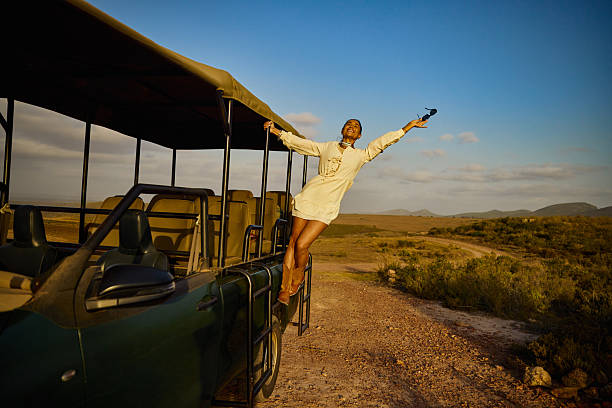
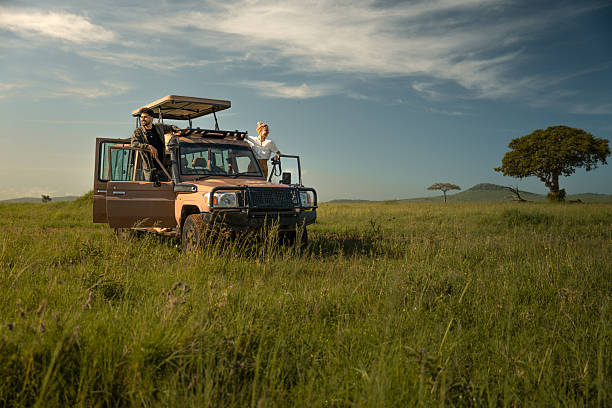
Border Travel for Cultural Tours: Your Comprehensive Planning Guide
Tanzania, a nation celebrated for its breathtaking wildlife safaris and iconic Mount Kilimanjaro, also holds a deep and diverse cultural heritage that extends far beyond its famous national parks. For travelers seeking a more profound understanding of East African traditions, engaging in border travel for cultural tours offers a unique pathway to connect with communities, explore historical sites, and witness living heritage. This guide is designed to help you navigate the complexities and rewards of cultural exploration that may involve crossing into neighboring regions or engaging with communities near border areas, ensuring a richer and more authentic experience in 2026-2027.
Understanding the nuances of border travel for cultural tours requires careful planning. It’s about more than just visiting a place; it’s about immersing yourself in the local way of life, understanding traditions, and appreciating the historical connections that shape these regions. Whether you’re interested in the Swahili coast’s ancient trade routes, the pastoralist traditions of the Maasai people who may span borders, or the historical influences from neighboring countries, this guide will equip you with the knowledge to plan an unforgettable journey.
Quick Facts: Border Travel for Cultural Tours in Tanzania
| Aspect | Details |
|---|---|
| Primary Focus | Experiencing diverse cultures, historical sites, and community interactions, potentially near or across national borders. |
| Key Regions | Northern Tanzania (Maasai regions, border with Kenya), Coastal areas (Zanzibar, historical trade routes), Southern Highlands (border with Malawi/Zambia influences). |
| Best Time to Travel | Dry seasons (June-October, December-February) for easier travel, but cultural festivals can occur year-round. Consider local calendars. |
| Travel Styles | Homestays, community-based tourism, guided village visits, historical site exploration, cultural workshops. |
| Visa Requirements | Varies by nationality. Generally, a visa for Tanzania is required. If crossing borders, check requirements for adjacent countries. |
| Health Precautions | Consult a travel clinic. Malaria precautions, vaccinations (Yellow Fever often required), and travel insurance are essential. |
| Currency | Tanzanian Shilling (TZS). US Dollars are widely accepted for larger expenses, but local currency is needed for smaller purchases and markets. |
Table of Contents
- Overview: Cultural Richness Beyond Borders
- Why Choose Border Travel for Cultural Tours?
- Best Time to Plan Your Cultural Journey
- Key Cultural Regions and Border Connections
- Sample Itinerary: A Glimpse into Border Cultures
- What to Expect on a Cultural Tour
- Inclusions, Packing, and Preparation
- Common Mistakes to Avoid
- Who is Border Travel for Cultural Tours Best Suited For?
- Alternatives to Border Travel for Cultural Immersion
- Planning Your Trip for 2026-2027
- Booking Your Cultural Tour: Expert Tips
- Frequently Asked Questions (FAQs)
Overview: Cultural Richness Beyond Borders
Tanzania is a mosaic of over 120 ethnic groups, each with distinct languages, traditions, and social structures. While many tourists focus on the wildlife spectacles of the Serengeti or the ascent of Kilimanjaro, the country’s cultural heart beats strongly in its villages, towns, and historical settlements, some of which are situated near or influence regions across national boundaries. Border travel for cultural tours allows you to move beyond the typical tourist paths and engage with this rich heritage more directly.
This type of travel often involves visiting communities that share historical or ethnic ties with people in neighboring countries, such as Kenya, Uganda, Rwanda, Burundi, the Democratic Republic of Congo, Zambia, Malawi, and Mozambique. It might mean exploring the ancient Swahili city-states along the coast, which historically connected East Africa to Arabia and India, or understanding the nomadic lifestyles of groups like the Maasai, whose ancestral lands span across the Tanzania-Kenya border. It’s an opportunity to see how cultural exchange has shaped identities and traditions over centuries.
The experience can range from staying in a local village and participating in daily activities to visiting historical ruins that tell stories of past empires and trade networks. Understanding these connections provides a deeper appreciation for the region’s complex history and the enduring human spirit.
Why Choose Border Travel for Cultural Tours?
Opting for border travel for cultural tours provides several distinct advantages for the curious traveler:
- Authentic Encounters: By venturing into areas that are less frequented by mass tourism, you are more likely to have genuine interactions with local people and experience their daily lives without significant commercialization.
- Deeper Understanding: Cultural tours that cross or focus on border regions often highlight shared histories, ethnic groups, and traditions that transcend modern political boundaries. This offers a unique perspective on regional identity and connection.
- Historical Insights: Many border areas are rich in history, marked by ancient trade routes, colonial influences, or significant migration patterns. Exploring these sites provides a tangible link to the past.
- Support for Local Communities: Community-based tourism initiatives, often found in these areas, directly benefit local economies and empower residents, ensuring your travel has a positive impact.
- Unique Perspectives: Witnessing how different cultures interact, adapt, and maintain their identities in proximity to other nations offers a nuanced view of cultural dynamics.
For instance, exploring the northern border regions allows for an understanding of the Maasai culture that is not confined by the modern map, revealing their traditional grazing lands and social structures that historically spanned vast territories. Similarly, coastal towns near the Mozambican or Kenyan borders can reveal layers of Swahili, Arab, and Portuguese influence, reflecting centuries of maritime trade and cultural fusion.
Best Time to Plan Your Cultural Journey
The ideal time for border travel for cultural tours in Tanzania largely depends on your priorities, but generally, the dry seasons offer the most comfortable travel conditions.
- June to October: This is the main dry season. Skies are usually clear, temperatures are pleasant, and roads are in better condition, making travel to more remote cultural sites easier. Wildlife viewing is also excellent during this period, though that might not be your primary focus.
- December to February: Another dry spell, often referred to as the ‘short rains’ or ‘long rains’ depending on the year and region. It’s generally warm, with sunny mornings and potential afternoon showers. This period can be less crowded and offers a different perspective on the landscape.
- March to May (Long Rains): This is the wettest period. Travel can be challenging due to muddy roads, and some remote areas might become inaccessible. However, the landscape is lush and green, and prices might be lower. This time is best avoided unless you are specifically seeking the quiet of the green season and are prepared for potential travel disruptions.
Consider Cultural Events: Beyond the weather, research local festivals and important dates. For example, the Maasai often have specific ceremonies tied to cattle, circumcision rites, or seasonal gatherings that might occur at particular times of the year. Engaging with your tour operator about these events can significantly enrich your cultural immersion.
For 2026-2027: Planning well in advance for peak dry seasons (June-October 2026 and 2027) is advisable, especially if you wish to align your trip with specific cultural events or secure preferred local guides and accommodations. The shoulder months of June and October can offer a good balance of favorable weather and fewer crowds.
Key Cultural Regions and Border Connections
Tanzania’s cultural landscape is vast. When considering border travel for cultural tours, several regions stand out for their unique heritage and proximity to neighboring countries:
1. Northern Tanzania (Maasai Lands & Kenya Border):
- Focus: Maasai culture, pastoralist traditions, traditional villages (bomas), beadwork, and social structures.
- Border Connection: The Maasai people’s ancestral lands extend into Kenya. Tours here offer insight into a culture that predates modern borders and maintains strong ties across the frontier. You can visit Maasai communities near Arusha, Manyara, and the Serengeti ecosystem.
- Activities: Village visits, learning about traditional medicine, attending (or observing from a respectful distance) ceremonies, understanding cattle herding practices, and visiting local craft markets.
2. Coastal Tanzania (Swahili Coast & Zanzibar – Historical Trade Routes):
- Focus: Swahili culture, Islamic influences, ancient trade history, Arabic and Persian heritage, distinct architecture, and vibrant local life.
- Border Connection: Historically, the Swahili coast was a hub of maritime trade connecting East Africa to Arabia, Persia, India, and beyond. While not a direct land border in the same way as Maasai lands, the cultural influences are profound and echo across the Indian Ocean. Zanzibar, with its Stone Town, is a prime example, but mainland coastal towns like Bagamoyo and Kilwa Kisiwani also hold immense historical significance.
- Activities: Exploring UNESCO World Heritage sites (Stone Town, Kilwa), visiting historical mosques and ruins, learning about dhow building, experiencing local markets, and understanding the fusion of African, Arab, and European cultures.
3. Southern Highlands (Tanzania-Malawi/Zambia Border Influence):
- Focus: Diverse tribal groups, agricultural communities, unique crafts, and influences from neighboring southern African cultures.
- Border Connection: Regions like Mbeya and Ruvuma share cultural exchanges with Malawi and Zambia. This can manifest in music, food, and social customs.
- Activities: Visiting tea plantations, interacting with agricultural communities, exploring local markets for unique crafts, and understanding the impact of historical migration patterns.
4. Western Tanzania (Lake Tanganyika & DRC/Burundi Border Influence):
- Focus: Tribal diversity, fishing communities, and potentially influences from Congolese and Burundian cultures.
- Border Connection: Areas around Lake Tanganyika experience cross-border interactions and cultural nuances.
- Activities: Exploring lake-based communities, understanding fishing traditions, and experiencing the unique atmosphere of this vast inland sea.
Sample Route Illustration: Northern Tanzania Cultural Focus
This is a conceptual route focusing on cultural immersion near the Kenyan border, adaptable for various lengths of stay.
| Stage | Location | Cultural Focus | Border Relevance | Duration |
|---|---|---|---|---|
| 1 | Arusha Region | Maasai Boma visit, local markets, introduction to tribal diversity. | Gateway to Maasai lands that extend into Kenya. | 2-3 days |
| 2 | West Kilimanjaro / Longido | Deeper immersion in Maasai community life, understanding traditional governance and daily routines. | Closer proximity to border communities, observing traditional pastoralist life. | 3-4 days |
| 3 | Mto wa Mbu / Lake Manyara Area | Diverse cultural interactions with various tribes (Mbugwe, Hadzabe, Datoga), agricultural practices. | While not a direct border, it showcases ethnic groups whose kin may live in neighboring regions or who have historical migration ties. | 2-3 days |
| 4 | (Optional Extension) Border Town Exploration | Understanding cross-border trade, local life at the frontier. (Requires specific permits and local guidance). | Direct experience of life on the edge of the nation. | 1-2 days |
Note: This is a sample and actual routes will be customized based on traveler interests and logistical feasibility. Direct border crossings for cultural tours require specific planning and may not always be practical or recommended for typical tourist itineraries. The focus is often on communities living near the border or those with strong cross-border ethnic ties.
Sample Itinerary: 10-Day Northern Tanzania Cultural Immersion
This itinerary focuses on cultural experiences in Northern Tanzania, highlighting communities with strong historical and ethnic ties to neighboring regions.
| Day | Location | Activities | Cultural Focus |
|---|---|---|---|
| Day 1 | Arusha | Arrival at Kilimanjaro International Airport (JRO), transfer to Arusha. Orientation and briefing. | Introduction to Tanzanian culture and the diversity of the North. |
| Day 2 | Arusha – Maasai Boma Visit | Visit a Maasai boma (village) near Arusha. Learn about Maasai traditions, social structure, and daily life. Participate in a traditional welcome dance. | Direct interaction with Maasai elders and women, understanding their nomadic lifestyle and connection to the land. |
| Day 3 | Arusha to West Kilimanjaro (Longido Area) | Scenic drive towards West Kilimanjaro. Settle into a community lodge or guesthouse. Afternoon walk with a Maasai guide. | Deeper understanding of pastoralism, traditional land use, and the challenges faced by the Maasai. |
| Day 4 | West Kilimanjaro – Community Immersion | Spend the day learning about traditional Maasai practices: beadwork making, cattle herding, local remedies, and storytelling. Evening campfire session. | Hands-on experience and in-depth conversations about Maasai culture and its resilience. |
| Day 5 | West Kilimanjaro to Mto wa Mbu | Travel to Mto wa Mbu, a unique village known for its agricultural diversity and mix of tribes. | Exposure to a multi-ethnic community, showcasing how different groups coexist and contribute to the local economy. |
| Day 6 | Mto wa Mbu – Tribal Exploration | Guided village tour. Visit local farms, learn about irrigation systems. Option to visit Hadzabe hunter-gatherer or Datoga blacksmith communities (requires specific arrangements). | Understanding the lives of indigenous groups and specialized craftspeople. |
| Day 7 | Mto wa Mbu – Cultural Workshop | Participate in a local cooking class, learn traditional dances, or try your hand at local crafts. Visit a local school to understand education systems. | Interactive learning and contribution to community projects. |
| Day 8 | Mto wa Mbu to Karatu (Ngorongoro Highlands) | Drive to Karatu, a town surrounded by coffee plantations and agricultural landscapes. Visit a local coffee farm to learn about cultivation and processing. | Understanding the agricultural economy and its impact on local life, as well as the influence of colonial-era farming. |
| Day 9 | Karatu – Village Life & Local Crafts | Explore a local village in the Karatu area. Visit craftspeople, interact with farmers. Farewell dinner with local music. | Appreciation for rural Tanzanian life and local artistic traditions. |
| Day 10 | Karatu to Arusha/JRO | Transfer back to Arusha for souvenir shopping or directly to Kilimanjaro International Airport (JRO) for departure. | Reflecting on the cultural journey. |
What to Expect on a Cultural Tour
Border travel for cultural tours is fundamentally different from a standard safari or beach holiday. It requires an open mind and a willingness to step outside your comfort zone.
- Basic Facilities: Accommodations can range from comfortable lodges and guesthouses to homestays with local families. Be prepared for simpler amenities in rural or community-run establishments. This might include shared bathrooms, limited electricity, or basic furnishings.
- Cultural Sensitivity: Respect is paramount. Dress modestly, especially when visiting villages or religious sites. Always ask permission before taking photographs of people. Be mindful of local customs and traditions. Learn a few basic Swahili phrases; it goes a long way.
- Pace of Travel: Cultural tours are often slower-paced than other types of travel. There’s time for observation, interaction, and reflection. Rushing through experiences diminishes their value.
- Interaction: Expect direct engagement with local communities. This might involve sharing meals, participating in daily chores, listening to stories, and asking questions. Your guides will facilitate these interactions, ensuring they are respectful and mutually beneficial.
- Unpredictability: While itineraries are planned, local life can be unpredictable. Sometimes, plans might shift due to local events, weather, or community activities. Embrace these changes as part of the authentic experience.
- Learning Curve: You will be learning constantly – about customs, history, language, and daily life. Be curious, ask questions, and be prepared to absorb new information.
For 2026-2027 trips, setting realistic expectations about the level of comfort and the pace of travel will help ensure a more satisfying experience. It’s about immersion, not just sightseeing.
Inclusions, Packing, and Preparation
To make your border travel for cultural tours smooth and enjoyable, thoughtful preparation is key.
What Your Tour Might Include:
A well-organized cultural tour typically includes:
- Accommodation (ranging from hotels to homestays)
- Meals (often specified, e.g., breakfast and dinner, or full board)
- Ground transportation (4×4 vehicles, local transport where appropriate)
- Experienced local guides who are knowledgeable about culture and history
- Community visit fees and contributions
- Activities as per the itinerary (e.g., workshops, village tours)
- Park fees (if applicable to specific cultural heritage sites)
What to Pack:
Pack for comfort, practicality, and respect:
- Clothing: Lightweight, breathable fabrics. Long-sleeved shirts and trousers for sun protection and modesty. A light fleece or jacket for cooler evenings. A rain jacket or poncho, especially during shoulder seasons. Modest clothing for village visits (shoulders and knees covered). Comfortable walking shoes or sturdy sandals. Flip-flops for around camp/lodge.
- Health & Hygiene: Personal first-aid kit, any prescription medications, insect repellent (with DEET), hand sanitizer, sunscreen, after-sun lotion.
- Accessories: Wide-brimmed hat, sunglasses, reusable water bottle, headlamp or flashlight, power bank for charging devices, camera with extra memory cards and batteries.
- Documents: Passport, visa (if required), travel insurance details, vaccination certificates, copies of important documents.
- Money: Small denominations of US Dollars for tips and small purchases, local currency (Tanzanian Shillings) for markets and local crafts.
Preparation:
- Health Consult: Visit your doctor or a travel clinic 4-6 weeks before departure to discuss necessary vaccinations (e.g., Yellow Fever, Hepatitis A, Typhoid) and malaria prophylaxis.
- Travel Insurance: Ensure your policy covers medical emergencies, evacuation, and trip cancellation.
- Visa: Check visa requirements for Tanzania based on your nationality well in advance.
- Learn Basic Swahili: Phrases like ‘Jambo’ (Hello), ‘Asante’ (Thank you), ‘Karibu’ (Welcome), ‘Pole pole’ (Slowly, slowly) are greatly appreciated.
- Research: Read about the specific cultures you will be visiting to approach them with informed respect.
Common Mistakes to Avoid
To ensure a respectful and enriching experience, be aware of common pitfalls:
- Disrespecting Local Customs: Not dressing modestly, taking photos without permission, or being loud and intrusive can cause offense. Always observe and follow your guide’s advice.
- Assuming Familiarity: Do not assume that because a culture is near a border, it is identical to its neighbor. Each community has unique traditions.
- Treating People Like Exhibits: Remember you are visiting living communities, not a museum. Engage with genuine curiosity and respect, not as a passive observer.
- Over-reliance on Technology: While useful, don’t let your phone or camera be a barrier to genuine human connection. Put devices away during meals or important interactions.
- Bargaining Aggressively: While bargaining is common in markets, do so with a smile and respect. Remember that for many vendors, this is their livelihood.
- Expecting Western Standards: Be prepared for different standards of living, hygiene, and service in rural or community settings. Patience and flexibility are key.
- Ignoring Your Guide: Your local guide is your crucial link to understanding the culture. Listen to their advice regarding etiquette, safety, and appropriate interactions.
- Not Budgeting for Extras: Factor in costs for tips, souvenirs, additional drinks, or snacks not included in your tour package.
For 2026-2027, thorough pre-trip research and a commitment to respectful engagement will help you avoid these common missteps.
Who is Border Travel for Cultural Tours Best Suited For?
Border travel for cultural tours is ideal for travelers who:
- Seek authentic, in-depth experiences beyond typical tourist attractions.
- Are curious about history, anthropology, and ethnography.
- Value human connection and enjoy interacting with diverse communities.
- Are comfortable with basic accommodations and less predictable travel conditions.
- Are interested in supporting local economies and community development through tourism.
- Have an adventurous spirit and are open to learning and adapting.
- Wish to understand the broader regional context of East African cultures, acknowledging historical and ethnic links across borders.
This type of travel is less suited for those seeking luxury resorts, fast-paced itineraries, or guaranteed predictable comforts. It appeals to the thoughtful, the curious, and the adventurous.
Alternatives to Border Travel for Cultural Immersion
If direct border travel isn’t feasible or aligns less with your interests, Tanzania offers numerous ways to experience its rich culture:
- Community-Based Tourism (CBT) within Tanzania: Many villages across Tanzania offer CBT programs focused on local life, crafts, and traditions. Examples include visiting Maasai villages near Arusha, exploring Hadzabe and Datoga communities, or experiencing rural life in the Southern Highlands.
- Cultural Heritage Centers: Places like the Cultural Heritage Centre in Arusha offer insights into Tanzanian art, history, and archaeology, providing a curated introduction to the country’s heritage.
- Zanzibar Cultural Experiences: Beyond the beaches, Zanzibar offers deep cultural immersion through exploring Stone Town’s history, visiting spice farms, and understanding the island’s unique Swahili-Shirazi heritage.
- Local Markets and Festivals: Visiting bustling local markets in towns like Arusha, Moshi, or Dar es Salaam provides a vibrant snapshot of daily life, commerce, and local products. Attending local festivals (research dates in advance) offers direct exposure to music, dance, and traditional celebrations.
- Swahili Coast Exploration: Traveling along the mainland coast to historical towns like Bagamoyo, Kilwa, or Tanga reveals centuries of Swahili culture, Arab influences, and colonial history without needing to cross international borders.
- Cooking Classes and Craft Workshops: Many operators offer hands-on experiences in learning to cook Tanzanian dishes or create local crafts, providing a tangible connection to the culture.
These alternatives can offer profound cultural insights within Tanzania’s established borders, often with more readily available infrastructure and support.
Planning Your Trip for 2026-2027
Planning border travel for cultural tours for 2026-2027 requires foresight and attention to detail. Here’s a practical checklist:
| Timeline | Action | Notes |
|---|---|---|
| 12+ Months Out | Define Interests & Budget | What specific cultures or historical periods interest you? What is your approximate budget? |
| 9-12 Months Out | Research Tour Operators | Look for operators specializing in cultural tours and community-based tourism. Check reviews and ask about their approach to ethical tourism. |
| 6-9 Months Out | Select & Book Tour | Confirm itinerary details, inclusions, and exclusions. Book your preferred tour, especially for peak seasons. |
| 4-6 Months Out | Visa & Vaccinations | Check visa requirements for Tanzania. Consult a travel clinic for recommended vaccinations and malaria prevention. |
| 2-3 Months Out | Book Flights & Insurance | Secure international flights. Purchase comprehensive travel insurance. |
| 1 Month Out | Finalize Packing & Currency | Purchase necessary gear. Obtain some USD for tips and initial expenses. Plan for local currency needs. |
| 1-2 Weeks Out | Confirm Details & Learn Phrases | Reconfirm tour details with your operator. Practice basic Swahili phrases. Inform your bank of travel dates. |
| During Trip | Be Present & Respectful | Engage fully, observe customs, be patient, and enjoy the learning experience. |
| Post-Trip | Share Feedback & Photos | Provide constructive feedback to your operator. Share your experiences responsibly. |
For 2026-2027, starting this planning process early will give you the best options and ensure a well-prepared, rewarding cultural journey.
Booking Your Cultural Tour: Expert Tips
Choosing the right tour operator and booking process is critical for a successful border travel for cultural tours experience. Here’s how to approach it:
- Choose Specialists: Look for tour operators with proven experience in cultural tourism and community engagement in Tanzania. They should understand the nuances of respectful interaction and have established relationships with local communities. Companies like Best Tanzania tour operator (Top Guide Adventures) are well-versed in these types of experiences.
- Read the Itinerary Carefully: Ensure the itinerary clearly outlines the cultural activities, accommodation types, and the level of immersion. Does it align with your expectations? Are there opportunities for genuine interaction?
- Inquire About Community Benefits: Ask how your tour contributes to the local communities. Ethical operators will have clear policies on fair payments, supporting local businesses, and respecting cultural heritage.
- Understand Inclusions/Exclusions: Be clear on what is covered (meals, accommodation, guide fees, entrance fees) and what is not (tips, personal expenses, optional activities). This helps in budgeting.
- Ask About Guides: Inquire about the qualifications and experience of your guides. Local guides are invaluable for cultural understanding and respectful communication.
- Check for Flexibility: While structured, good cultural tours allow for some flexibility. Ask if there’s room for spontaneous interactions or adjustments based on local events.
- Read Reviews and Testimonials: Look for feedback from previous travelers, particularly those who have undertaken similar cultural tours.
- Direct Communication is Key: Don’t hesitate to contact the operator directly with your questions. A responsive and informative operator is a good sign. For inquiries regarding your next cultural adventure in Tanzania, consider reaching out via WhatsApp at +255616946642 or email at topguideadventures@gmail.com. A backup email is also available at info@topguideadventures.com.
- Consider Customization: If you have specific cultural interests, inquire about custom tour options. Tailoring a trip ensures it perfectly matches your desires.
When booking for 2026-2027, securing your spot early with a reputable operator is crucial, especially for tours during popular seasons or those involving unique community stays.
Frequently Asked Questions (FAQs)
Q1: Is border travel for cultural tours safe?
Safety is a priority. Reputable tour operators work with experienced local guides who understand the areas and communities. They adhere to safety protocols and ensure respectful interactions. Standard travel precautions, such as staying aware of your surroundings and following guide instructions, are important. Always ensure you have comprehensive travel insurance.
Q2: What are the visa requirements for Tanzania?
Visa requirements vary by nationality. Many nationalities can obtain a visa on arrival at major airports, while others may need to apply in advance through an embassy or online portal. It is essential to check the latest requirements for your specific country of citizenship well before your travel dates for 2026-2027.
Q3: How much should I tip my guide and local hosts?
Tipping is customary for guides and support staff. Your tour operator can provide specific recommendations, but generally, a daily tip for your guide and smaller tips for local hosts or community members who provide specific services are appreciated. This is usually best given in US Dollars.
Q4: Can I visit a Maasai boma that is close to the Kenyan border?
Yes, it’s possible to visit Maasai communities in Tanzania that are situated in regions historically connected to Kenya. While you won’t cross the actual border in most standard tours, the cultural experience will reflect the shared heritage. Direct border crossings for tourism are complex and usually require specific permits and arrangements.
Q5: What is the difference between a cultural tour and a safari?
A safari primarily focuses on wildlife viewing in national parks and game reserves. A cultural tour focuses on human interaction, traditions, history, and daily life of local communities. Border travel for cultural tours often combines elements of understanding regional connections that might span across geographical or historical boundaries.
Q6: What currency should I use for purchases in villages?
The local currency is the Tanzanian Shilling (TZS). While US Dollars are accepted for larger expenses or by some tour operators, it’s best to have smaller denominations of TZS for purchasing crafts, local snacks, or for small contributions in villages. Your guide can help you exchange money or find ATMs.
Q7: How can I ensure my visit is respectful to the local culture?
Respect is key. Dress modestly, especially when visiting villages or religious sites. Always ask permission before taking photos of people. Listen attentively to your guide’s advice on local customs and etiquette. Engage with genuine curiosity and humility. Avoid making assumptions or judgments.
Q8: Are there opportunities for learning local crafts or skills?
Absolutely. Many cultural tours include workshops where you can learn traditional beadwork, cooking, farming techniques, or even local dances. These hands-on experiences are a highlight for many travelers seeking deeper engagement.
Q9: What if I have dietary restrictions?
It’s crucial to inform your tour operator about any dietary restrictions or allergies well in advance. While options may be simpler in rural settings, operators will do their best to accommodate your needs, especially in lodges and established guesthouses.
Q10: How far in advance should I book my cultural tour for 2027?
For 2027, especially if you plan to travel during the dry season (June-October) or wish to experience specific cultural festivals, booking 6-9 months in advance is highly recommended. This ensures availability with popular operators and preferred accommodations.
Plan Your Unforgettable Border Travel for Cultural Tours
Tanzania’s cultural landscape is as rich and varied as its wildlife. Venturing into border travel for cultural tours offers a profound opportunity to connect with the people, history, and traditions that shape this East African nation. From the pastoralist heritage of the Maasai to the ancient Swahili trade routes, these experiences provide insights that go beyond the ordinary.
To make your journey meaningful and well-organized, partner with experienced guides who understand the local context and prioritize ethical tourism. For personalized itineraries and expert advice on border travel for cultural tours in Tanzania, don’t hesitate to reach out.
Contact us today:
- WhatsApp: +255616946642
- Email: topguideadventures@gmail.com
- Backup Email: info@topguideadventures.com
Let us help you craft an authentic cultural adventure for 2026-2027.
Plan your Border Travel for Cultural Tours with Top Guide Adventures
Tell us your travel dates, group size, comfort level, and dream experience. We will help you shape a clear, realistic, and memorable Tanzania itinerary.

 Veedesigner
 Fatma Kizanga
 Benjamin Waryuba
 Philip Philip
 John jr Itaja
 Antonia Optatus
 Edith Kanyere
 Neema Iddy
 Kelvin Boniphace
 Damari Maiga



