
Updated planning guide for 2026-2027
Complete Guide To Overland Travel From Tanzania: 2026-2027
Discover how to plan and execute an incredible overland journey starting from Tanzania. This guide covers everything from initial planning and route selection to essential preparations and booking advice for your 2026-2027 adventure.
WhatsApp +255616946642 | topguideadventures@gmail.com | info@topguideadventures.com
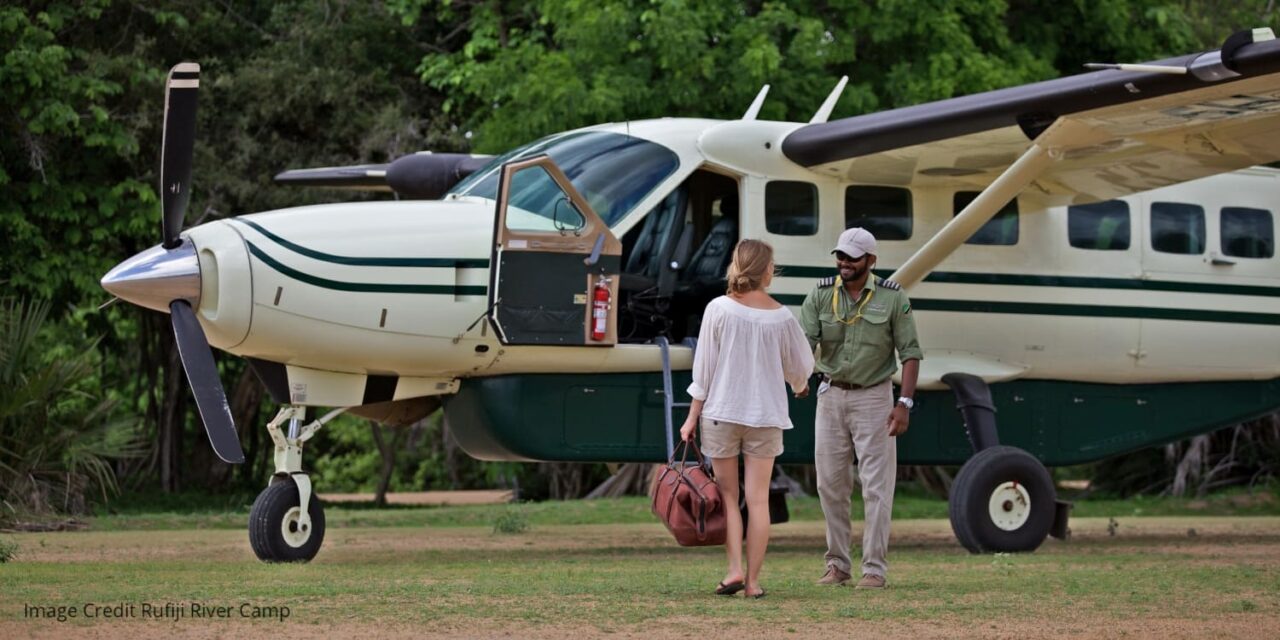
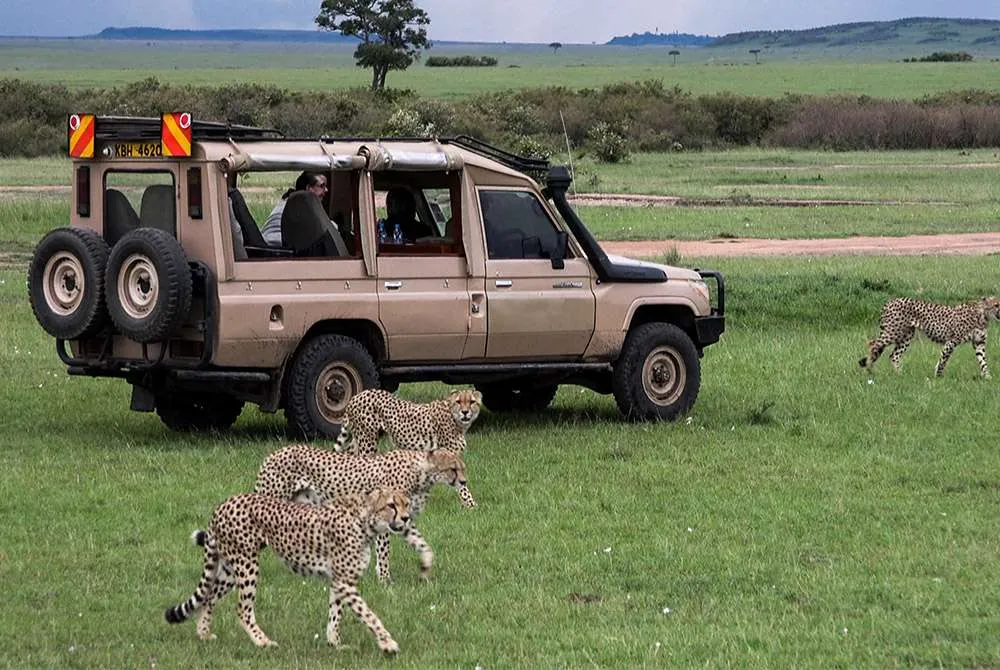
Your Complete Guide to Overland Travel from Tanzania
Tanzania, a land of iconic landscapes, abundant wildlife, and vibrant cultures, serves as an exceptional launchpad for overland adventures across East Africa and beyond. Whether you’re dreaming of crossing borders into neighboring countries or simply exploring the vastness of this magnificent continent, understanding the nuances of overland travel from Tanzania is crucial. This comprehensive guide is designed to equip you with all the knowledge needed to plan an unforgettable journey, covering everything from initial route considerations and logistical challenges to packing essentials and safety precautions. We’ll help you navigate the complexities and prepare for an experience that offers unparalleled freedom and discovery, especially as you plan for 2026 and 2027.
Quick Facts: Overland Travel from Tanzania
| Starting Point: Tanzania (e.g., Arusha, Dar es Salaam) |
| Typical Destinations: Kenya, Uganda, Rwanda, Burundi, Malawi, Zambia, Mozambique, DRC (with caution) |
| Travel Styles: Self-drive (4×4), guided overland tours, public transport combinations |
| Key Considerations: Visas, vehicle preparation, border crossings, road conditions, safety, budget |
| Best Time to Travel: Generally dry seasons (June-Oct, Dec-Feb), but varies by specific route and region. |
| Duration: Highly variable, from a few weeks to several months. |
Why Choose Tanzania as Your Overland Starting Point?
Tanzania’s strategic location in East Africa makes it a natural hub for overland expeditions. Its diverse geography, bordering several countries with their own unique attractions, offers numerous route possibilities. From the wildebeest migration in the Serengeti and the peaks of Kilimanjaro to the spice-scented islands of Zanzibar, Tanzania provides an incredible introduction to the continent. Once you’ve experienced its wonders, the pathways to explore further are readily accessible. This region is renowned for its robust wildlife parks, stunning natural beauty, and rich cultural heritage, providing a compelling reason to begin an extended overland journey here.
Understanding Overland Travel: What It Entails
Overland travel, especially in Africa, is distinct from typical tourist vacations. It often involves longer travel times, more basic accommodations, and a greater degree of self-reliance. It’s about the journey as much as the destination. This style of travel is characterized by:
- Flexibility: The ability to change plans, stop spontaneously, and explore off-the-beaten-path locations.
- Immersion: Deeper engagement with local cultures, communities, and environments.
- Adventure: Embracing the unexpected, navigating challenges, and experiencing a sense of true exploration.
- Cost-Effectiveness (often): While not always cheaper, it can offer more value for extended periods compared to flying between destinations.
For those looking to embark on overland travel from Tanzania, understanding these principles is the first step. It requires a different mindset, a willingness to adapt, and a spirit of adventure.
Best Time for Overland Travel from Tanzania
The ideal timing for overland travel from Tanzania depends heavily on the specific routes you plan to take and the activities you wish to pursue. However, general guidelines for the dry seasons are most advantageous:
Tanzania Overland Travel Seasonality Overview
| Season | Months | Conditions & Considerations |
|---|---|---|
| Dry Season (Peak) | June – October | Excellent for wildlife viewing, especially the Great Migration in the Serengeti. Roads are generally in better condition. Cooler temperatures. Ideal for most overland routes. |
| Short Rains | November – December | Intermittent showers, landscapes begin to green. Wildlife disperses. Some roads can become muddy and challenging. |
| Long Rains (Wet Season) | March – May | Heavy rainfall, lush green scenery. Wildlife viewing can be more challenging as animals spread out. Many roads become impassable, especially in national parks and remote areas. Lower tourist numbers, potential for lower prices. |
| Dry Season (Secondary) | January – February | Generally dry, hot. Good for wildlife viewing, especially calving season in Southern Serengeti. Roads are usually good. |
Planning for 2026-2027: If you are planning your overland trip for 2026 or 2027, aiming for the dry seasons (June-October or January-February) will offer the most predictable and accessible road conditions. However, if your itinerary includes areas less affected by rain or if you are seeking a more budget-friendly experience with fewer crowds, the shoulder seasons can also be viable, provided you are prepared for potential weather disruptions.
Popular Overland Routes from Tanzania
Tanzania’s central location opens up a variety of compelling overland routes. The choice depends on your interests, available time, and budget. Here are some of the most popular and feasible options:
1. Tanzania to Kenya (Safari Circuit Focus)
This is perhaps the most common overland route. It offers a seamless transition between Tanzania’s northern safari circuit and Kenya’s world-renowned parks.
- Typical Route: Arusha (Tanzania) -> Namanga Border -> Amboseli National Park (Kenya) -> Tsavo West/East National Parks -> Nairobi -> Maasai Mara National Reserve.
- Highlights: Amboseli’s iconic elephant herds with Kilimanjaro backdrop, the vastness of Tsavo, and the unparalleled wildlife spectacle of the Maasai Mara.
- Logistics: Relatively straightforward border crossing at Namanga. Roads within parks are generally good during dry seasons, though can be challenging in the wet season. Nairobi is a major hub for supplies and onward travel.
- Duration: Minimum 7-10 days for a focused safari, but can be extended significantly.
2. Tanzania to Uganda (Gorilla Trekking & Wildlife)
This route takes you north-west towards the dense forests of Uganda, famous for its mountain gorillas and chimpanzees.
- Typical Route: Arusha (Tanzania) -> Kampala (Uganda) via various routes (e.g., through Kenya or directly via Lake Victoria region). Common entry points into Uganda are from western Kenya.
- Highlights: Bwindi Impenetrable National Park or Mgahinga Gorilla National Park for gorilla trekking, Queen Elizabeth National Park for tree-climbing lions and diverse wildlife, Murchison Falls National Park.
- Logistics: Border crossings can be more complex than Namanga. Roads in Uganda can be rough, especially in park areas and during the wet season. Gorilla permits must be booked well in advance.
- Duration: Minimum 10-14 days for a focused gorilla and wildlife trip.
3. Tanzania to Rwanda (Gorilla Trekking & Cultural Tourism)
Similar to Uganda, Rwanda offers a premium gorilla trekking experience, often with more developed infrastructure.
- Typical Route: Arusha (Tanzania) -> Kigali (Rwanda). Often involves passing through Uganda or Kenya.
- Highlights: Volcanoes National Park for gorilla trekking, Nyungwe Forest National Park for chimpanzees and canopy walks, Akagera National Park for savannah wildlife.
- Logistics: Rwanda generally has better road infrastructure than Uganda. Gorilla permits are expensive but highly sought after. Border crossings are usually efficient.
- Duration: Minimum 7-10 days for a focused gorilla trip.
4. Tanzania to Malawi (Lake Malawi & Southern Africa Gateway)
This route heads south, leading towards the stunning shores of Lake Malawi and opening up access to Southern Africa.
- Typical Route: Arusha/Dar es Salaam (Tanzania) -> Iringa -> Mbeya -> Kasumulu Border -> Karonga (Malawi) -> Nkhata Bay/Cape Maclear (Lake Malawi) -> Lilongwe.
- Highlights: Exploring the crystal-clear waters and beach life of Lake Malawi, hiking in the highlands, encountering unique cichlid fish.
- Logistics: This is a long journey. Roads in southern Tanzania can be poor. Border crossing at Kasumulu is manageable. Malawi offers a more relaxed pace and is generally more affordable.
- Duration: Minimum 10-14 days to reach Lake Malawi and explore a bit, but can be part of a much longer southern Africa trip.
5. Tanzania to Zambia (Wildlife & Victoria Falls)
Continuing south from Malawi, or via a direct route through Tanzania’s less-visited southern parks, you can reach Zambia.
- Typical Route: From Malawi, or via Tanzania’s Ruaha National Park (requires significant detour and robust vehicle) -> Tunduma Border (Tanzania/Zambia) -> Lusaka -> South Luangwa National Park -> Livingstone (for Victoria Falls).
- Highlights: South Luangwa is considered one of Africa’s finest walking safari destinations. Victoria Falls is one of the world’s largest waterfalls.
- Logistics: Long distances. Roads can be challenging, particularly the route through southern Tanzania. Requires careful planning for fuel and supplies.
- Duration: Minimum 14-21 days to reach Victoria Falls from Tanzania.
Note on Routes: These are simplified outlines. Actual routes can be customized extensively. Traveling overland from Tanzania to countries like the Democratic Republic of Congo (DRC) or Burundi is possible but carries significantly higher risks and requires extensive local knowledge, robust vehicles, and a high tolerance for uncertainty.
Tanzania Overland Travel: Key Border Crossings & Neighboring Countries
Simplified Route Overview (Text-Based Illustration):
North: Tanzania -> Kenya (Namanga border) -> Uganda/Rwanda (via Kenya or direct routes)
South: Tanzania -> Zambia (Tunduma border) -> Malawi (Kasumulu border, often en route to Zambia) -> Mozambique (via Malawi or direct, more complex)
East: Zanzibar (island) is accessible by ferry from Dar es Salaam, not overland to other countries directly.
West: Limited overland options due to difficult terrain and political situations in some bordering countries (e.g., Burundi, DRC).
Choosing Your Travel Style
The way you undertake overland travel from Tanzania will significantly shape your experience and budget.
Overland Travel Style Comparison
| Style | Pros | Cons | Best For |
|---|---|---|---|
| Self-Drive (4×4) | Ultimate freedom, flexibility, ability to reach remote areas, carry more gear. | High initial cost (vehicle purchase/rental), requires mechanical knowledge, significant planning, navigating complex paperwork (carnets, insurance), can be stressful. | Experienced overlanders, those with ample time and budget, independent travelers seeking maximum control. |
| Guided Overland Tours | Logistically handled, experienced guides, fixed itineraries (often flexible), social aspect, safer for first-timers, vehicle and accommodation sorted. | Less flexibility than self-drive, fixed pace, group travel dynamics, cost can add up. | First-time overlanders, those seeking a balance of adventure and comfort, social travelers, people with limited time who want maximum coverage. |
| Combination (Public Transport & Local Hires) | Most budget-friendly, deep local interaction, authentic experience. | Slowest, least comfortable, requires significant time and patience, language barriers, safety concerns on crowded transport, limited access to remote areas. | Budget backpackers, long-term travelers, those prioritizing cultural immersion over speed and comfort. |
Vehicle Preparation for Self-Drive Overland Travel
If you opt for self-drive, your vehicle is your lifeline. Proper preparation is non-negotiable. A robust 4×4 is essential.
- Vehicle Choice: Toyota Land Cruiser (popular for reliability and parts availability), Land Rover Defender, or similar rugged 4×4.
- Mechanical Check: Thorough service before departure. Check engine, transmission, differentials, brakes, suspension, cooling system, and all fluids.
- Tires: All-terrain or mud-terrain tires in excellent condition, plus at least one full-size spare. Consider tire repair kits and a reliable air compressor.
- Recovery Gear: High-lift jack, shovel, snatch strap, shackles, tow rope.
- Fuel: Long-range fuel tanks are highly recommended. Carry extra fuel cans. Understand fuel availability along your route.
- Water: Carry ample water storage. Water purification methods (filters, tablets) are vital.
- Camping Gear: Roof tent or ground tent, sleeping bags, cooking equipment, chairs, table.
- Navigation: GPS device (with pre-loaded maps), paper maps, compass.
- Tools & Spares: Comprehensive toolkit, spare parts (belts, hoses, filters, fuses), duct tape, cable ties.
- Documentation: Vehicle registration, insurance (cross-border is crucial), Carnet de Passages en Douane (if required).
Visa and Border Crossing Procedures
Navigating borders is a key part of overland travel. Procedures can vary and are subject to change.
- Visas: Research visa requirements for each country you plan to enter well in advance. Some visas can be obtained on arrival, others require application beforehand at embassies or online. East African Tourist Visas (for Kenya, Uganda, Rwanda) can simplify multi-country trips.
- Vehicle Importation: For self-drive, you’ll need your vehicle’s registration documents. A Carnet de Passages en Douane (CPD) is often required for temporary importation of vehicles into many African countries. This acts as a guarantee to customs that the vehicle will be re-exported. Obtain this before leaving your home country or through a local motoring organization.
- Insurance: Ensure your vehicle insurance covers all countries you intend to visit. Third-party insurance is often mandatory and can be purchased at borders.
- Border Officials: Be patient, polite, and organized. Have all documents ready. Be aware of potential scams, but also understand legitimate fees.
- Customs & Immigration: You will typically go through immigration (passport control) and customs (vehicle declaration) separately for both exiting Tanzania and entering the next country.
Safety and Security Considerations
Safety is paramount. While many overland journeys are trouble-free, it’s wise to be prepared.
- Road Safety: Drive defensively. Roads can be poorly maintained, unmarked, and shared with livestock, pedestrians, and unpredictable drivers. Avoid driving at night whenever possible due to poor lighting and increased risks.
- Wildlife: Maintain a safe distance from wildlife, especially when driving in national parks. Never feed animals.
- Petty Crime: Be vigilant in towns and markets. Secure your belongings. Avoid displaying valuables.
- Political Stability: Stay informed about the political situation in the countries you plan to visit. Check travel advisories from your home country’s foreign office.
- Health: Consult your doctor about necessary vaccinations (e.g., Yellow Fever, Hepatitis A/B, Typhoid) and malaria prophylaxis. Carry a comprehensive first-aid kit.
- Communication: Purchase local SIM cards for communication. Inform someone of your itinerary and expected check-in times. Satellite phones can be an option for very remote travel.
- Solo Travel: If traveling solo, especially as a woman, take extra precautions. Consider joining a group tour or traveling with a companion.
Packing Essentials for Overland Travel
Packing smart is key to a comfortable overland experience. Focus on versatility and durability.
Overland Packing Checklist
- Clothing: Lightweight, breathable, quick-drying fabrics. Layers for varying temperatures. Long-sleeved shirts and trousers for sun/insect protection and modesty. Comfortable walking shoes, sandals. A warm jacket for cooler evenings/high altitudes.
- Health & Hygiene: Personal toiletries, hand sanitizer, insect repellent (with DEET), sunscreen, basic first-aid kit (band-aids, antiseptic wipes, pain relievers, anti-diarrhea medication, any personal prescriptions).
- Documents: Passport, visas, driver’s license, vehicle papers, insurance, copies of all important documents (stored separately and digitally).
- Electronics: Phone, charger, power bank, travel adapter, camera. Consider a solar charger for extended remote travel.
- Navigation: GPS device, maps, compass.
- Vehicle Specifics: As detailed in the ‘Vehicle Preparation’ section.
- Camping/Outdoor: Tent, sleeping bag, mat, headlamp/torch, reusable water bottle, water filter/purification tablets, basic cooking set, cooler box.
- Miscellaneous: Small backpack for day trips, sunglasses, hat, binoculars, dry bags, travel towel, book/entertainment.
Common Mistakes to Avoid
Learning from others’ experiences can save you time, money, and headaches.
- Underestimating Durations: Distances are vast, roads are often slow, and border crossings can take hours. Always add buffer time.
- Not Planning Vehicle Maintenance: Neglecting pre-trip checks or routine maintenance can lead to breakdowns in remote areas.
- Ignoring Visa Requirements: Arriving at a border without the correct visa can lead to delays, fines, or being turned back.
- Overpacking: Space is often limited, especially in a 4×4. Pack only essentials and versatile items.
- Not Carrying Enough Water/Fuel: Relying solely on finding fuel stations or water sources can be risky.
- Driving at Night: This significantly increases the risk of accidents due to poor visibility, unlit vehicles, and wildlife on the road.
- Not Budgeting for the Unexpected: Vehicle repairs, unexpected accommodation, or longer stays can add costs.
- Ignoring Local Advice: Local knowledge is invaluable for road conditions, safety, and cultural etiquette.
Who is Overland Travel from Tanzania Best Suited For?
Overland travel from Tanzania is an adventure best suited for:
- Adventurous Spirits: Those who enjoy challenges, embrace the unexpected, and seek authentic experiences.
- Independent Travelers: Individuals or groups who value freedom and the ability to set their own pace.
- Wildlife Enthusiasts: Those eager to explore diverse ecosystems and witness incredible animal migrations and populations across multiple countries.
- Culture Explorers: Travelers interested in deeply engaging with different communities and understanding local ways of life.
- Budget-Conscious Long-Term Travelers: Those who want to see a lot of a continent over an extended period without the high cost of frequent flights.
- Experienced Drivers/Mechanics (for self-drive): A certain level of mechanical aptitude and driving confidence is beneficial for self-drive expeditions.
Alternatives to Full Overland Travel
If a full-blown overland expedition seems too daunting, consider these alternatives that still offer a sense of adventure:
- Multi-Country Safari Packages: Many tour operators offer packages that combine safaris in Tanzania with trips to Kenya, Uganda, or Rwanda, handled logistically by the operator.
- Regional Flights: For time-constrained travelers, flying between major hubs (e.g., Kilimanjaro/Nairobi, Nairobi/Entebbe, Dar es Salaam/Lilongwe) can save significant travel time, though it increases cost and reduces the overland experience.
- Guided Road Trips with Private Drivers: Hire a vehicle and driver for specific legs of your journey. This offers more flexibility than a group tour but less responsibility than self-drive.
- Focus on Tanzania: Tanzania itself offers immense diversity. You can spend weeks exploring its parks, mountains, coast, and islands without crossing a border.
Planning Your Overland Trip for 2026-2027
Planning is key to a successful overland adventure, especially when looking ahead to 2026 and 2027. Start early!
Overland Travel Planning Timeline (2026-2027)
- 12-18 Months Before:
- Define your primary goals: What countries? What experiences (safari, gorillas, culture)?
- Research potential routes and durations.
- Determine your travel style (self-drive, guided tour, etc.).
- Start saving and setting a realistic budget.
- For self-drive: Begin researching suitable vehicles.
- 8-12 Months Before:
- Book any essential permits or tours, especially for gorilla trekking (Uganda/Rwanda) and popular safari lodges. These book up far in advance.
- For self-drive: Purchase or arrange long-term rental of your vehicle.
- Investigate visa requirements for all planned countries.
- Research and secure cross-border vehicle insurance and Carnet de Passages if needed.
- Book international flights to Tanzania.
- 4-8 Months Before:
- Obtain necessary vaccinations and malaria prophylaxis. Consult your doctor.
- For self-drive: Undertake major vehicle servicing and modifications. Purchase essential spares and recovery gear.
- Familiarize yourself with navigation tools and maps.
- Start learning basic phrases in local languages.
- 1-3 Months Before:
- Finalize your itinerary and book key accommodations or campsites.
- Pack and test your gear.
- Arrange for any necessary international money transfers or access to funds.
- For self-drive: Ensure all vehicle paperwork is in order.
- Confirm all visa applications are submitted or visas obtained.
- Last Month:
- Confirm all bookings.
- Inform bank of travel plans.
- Download offline maps.
- Get a final vehicle check-up (for self-drive).
- Prepare a comprehensive first-aid kit.
Booking Your Overland Adventure
How you book depends on your chosen travel style. For guided overland tours, working with experienced operators is crucial. For self-drive, you’ll be arranging most elements yourself.
For Guided Overland Tours:
- Research Operators: Look for companies with a strong track record in East African overland expeditions. Check reviews, ask for references, and understand what’s included/excluded.
- Inquire About Itineraries: Ensure the itinerary matches your interests and pace. Ask about group size, accommodation standards, and the experience level of the guides.
- Clarify Inclusions: What does the price cover? Transport, accommodation, meals, park fees, activities, guide fees?
- Understand Exclusions: What will you need to pay for separately? Visas, international flights, tips, personal expenses, some meals, optional activities.
- Booking Process: Typically involves a deposit to secure your spot, with the balance due closer to the departure date.
For Self-Drive Adventures:
- Vehicle Acquisition: Purchase a reliable used 4×4 or arrange a long-term rental. Consider companies specializing in overland vehicle rentals.
- Paperwork: This is the most complex part. Obtain your Carnet de Passages en Douane, cross-border insurance, and ensure all vehicle documents are valid and accessible.
- Route Planning: Use a combination of online resources, guidebooks, and advice from other overlanders.
- Accommodation: Plan for a mix of camping, basic guesthouses, and occasional lodges. Book campsites in national parks in advance where possible.
- Supplies: Plan where you will resupply food, water, and fuel.
Working with a Local Operator: Even for self-drive, partnering with a local Tanzanian tour operator can be invaluable. They can assist with vehicle sourcing, local permits, route advice, and emergency support. For those opting for guided tours, choosing a reputable operator based in Tanzania ensures deep local knowledge and efficient logistics.
Ready to Plan Your Overland Journey from Tanzania?
Let us help you craft an unforgettable overland adventure starting from Tanzania. Whether you’re envisioning a safari circuit through Kenya and Uganda, a journey south to Malawi and Zambia, or a custom route tailored to your interests, our expertise can guide you. We specialize in creating seamless and authentic travel experiences, ensuring your overland trip for 2026-2027 is everything you dreamed of.
Contact us today for a personalized consultation:
WhatsApp: +255616946642
Email: topguideadventures@gmail.com
Backup Email: info@topguideadventures.com
Discuss your plans for overland travel from Tanzania and let us help you navigate the complexities to create your perfect adventure.
Frequently Asked Questions (FAQs)
Q1: Is overland travel from Tanzania safe for solo travelers?
A1: Overland travel from Tanzania can be safe for solo travelers, but it requires increased vigilance and preparation. Joining a reputable guided overland tour is often recommended for solo travelers seeking added security and a social environment. If self-driving, staying informed about current conditions, sticking to main routes during daylight, and maintaining communication are crucial.
Q2: What is the average cost of overland travel from Tanzania?
A2: Costs vary dramatically based on travel style, duration, and destinations. Self-drive is expensive upfront for the vehicle but can be cheaper per day for extended trips. Guided tours range from budget-friendly to luxury. A rough daily budget (excluding international flights and vehicle purchase) could range from $70-$150+ USD per person per day, depending heavily on choices.
Q3: How long does it take to get a Carnet de Passages en Douane?
A3: The time it takes to obtain a Carnet de Passages en Douane (CPD) can vary depending on your location and the issuing authority. It’s best to apply at least 1-2 months in advance of your planned departure to allow for processing, potential delays, and the required deposit or bond.
Q4: Can I use my regular driver’s license for overland travel?
A4: While a national driver’s license is a starting point, an International Driving Permit (IDP) is highly recommended and often required or preferred by authorities in many African countries. Ensure your license and IDP are valid for the entire duration of your trip.
Q5: What are the biggest challenges of overland travel in East Africa?
A5: Common challenges include unpredictable road conditions (especially during the wet season), complex and sometimes lengthy border crossings, potential for vehicle breakdowns in remote areas, and ensuring adequate fuel and water supplies. Patience and flexibility are essential.
Q6: How do I handle money when overland traveling from Tanzania?
A6: It’s advisable to carry a mix of cash (USD is widely accepted and useful for visas/fees, but local currency is needed for smaller purchases) and cards. Inform your bank of your travel plans. ATMs are available in larger towns, but can be unreliable in remote areas.
Q7: Is it possible to overland from Tanzania to South Africa?
A7: Yes, it is possible to overland from Tanzania to South Africa, typically via Zambia and Botswana or Zimbabwe. This is a very long journey, often taking several weeks to months, and requires extensive planning, a robust vehicle, and careful navigation of border crossings and road conditions, particularly through countries like Malawi and Zambia.
Q8: What kind of vehicle is best for overland travel from Tanzania?
A8: A reliable 4×4 vehicle is essential. Toyota Land Cruisers (various models like the 70, 80, 100 series) are extremely popular due to their durability, comfort, and widespread availability of parts and mechanics across Africa. Land Rover Defenders are also capable but can be more challenging for repairs in remote areas.
Q9: How can I stay connected while overland from Tanzania?
A9: Purchasing local SIM cards in each country is the most cost-effective way to stay connected for calls and data. Roaming charges can be very high. In areas with no mobile signal, a satellite phone or satellite messenger (like Garmin inReach or SPOT) is the only reliable option for communication and emergency situations.
Q10: Are there specific overland routes recommended for 2026-2027 that are particularly good?
A10: For 2026-2027, the classic routes like Tanzania to Kenya (safari focus) and Tanzania to Uganda/Rwanda (gorilla trekking) remain excellent choices due to established infrastructure and clear attractions. For those seeking a longer journey, the southern route through Malawi and Zambia offers a different perspective, focusing on Lake Malawi and the walking safaris of South Luangwa, provided careful planning for road conditions during the intended travel months.
Plan your Complete Guide to Overland Travel from Tanzania with Top Guide Adventures
Tell us your travel dates, group size, comfort level, and dream experience. We will help you shape a clear, realistic, and memorable Tanzania itinerary.







 Veedesigner
 Fatma Kizanga
 Benjamin Waryuba
 Philip Philip
 John jr Itaja
 Antonia Optatus
 Edith Kanyere
 Neema Iddy
 Kelvin Boniphace
 Damari Maiga



