
Updated planning guide for 2026-2027
Trans-African Overland Expeditions: Complete Guide 2026-2027
Considering a Trans-African overland expedition? This comprehensive guide covers everything you need to know, from planning and routes to packing and safety, for your 2026-2027 adventure.
WhatsApp +255616946642 | topguideadventures@gmail.com | info@topguideadventures.com
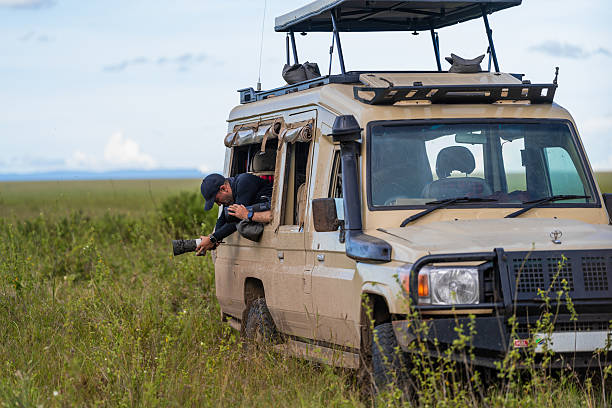
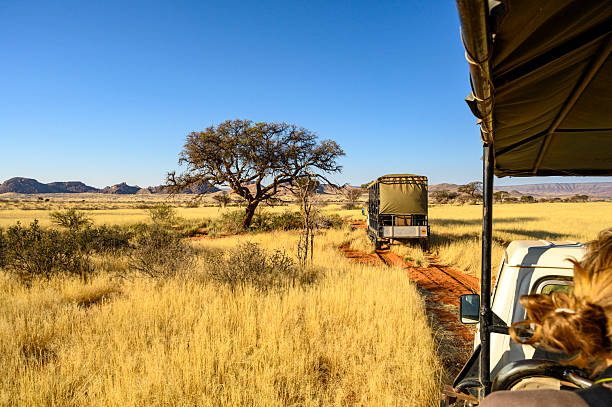
Trans-African Overland Expeditions: Your Essential Travel Guide
Embarking on a Trans-African overland expedition is a dream for many adventurers. It represents a profound journey across a continent of immense diversity, offering experiences that go far beyond a typical holiday. This guide is designed to equip you with the knowledge and planning tools necessary to undertake such an epic adventure, focusing on practical advice, route considerations, and what to expect. Whether you’re planning for 2026 or 2027, comprehensive preparation is key.
A Trans-African overland expedition is not just a trip; it’s an immersion into the heart of Africa. It involves traversing multiple countries, often by rugged 4×4 vehicles, overland trucks, or even by public transport, connecting disparate cultures, landscapes, and wildlife encounters. This kind of travel demands flexibility, resilience, and a genuine curiosity about the world.
Quick Facts for Trans-African Overland Expeditions
| Aspect | Details |
|---|---|
| Duration | Typically 3 weeks to 6 months, depending on route and pace. |
| Countries Covered | Varies greatly; can include 5-20+ countries. |
| Vehicle Types | 4x4s, overland trucks, motorcycles, sometimes public transport. |
| Accommodation | Camping, budget guesthouses, hostels, occasional mid-range hotels. |
| Key Regions | East Africa, Southern Africa, West Africa, North Africa. |
| Best Time to Travel | Generally during the dry seasons, which vary by region. |
Understanding the Scope of a Trans-African Journey
The sheer scale of Africa means that a single expedition can rarely cover the entire continent. Instead, travelers typically focus on specific regions or define a start and end point, often between major hubs like Cape Town and Cairo, or Nairobi and Dakar. The definition of a “Trans-African” journey is therefore fluid, shaped by individual goals and logistical possibilities.
These expeditions are characterized by:
- Extensive Travel: Covering thousands of kilometers, often on unpaved roads or challenging terrain.
- Cultural Immersion: Direct interaction with diverse local communities and traditions.
- Wildlife Encounters: Opportunities to see iconic African wildlife in national parks and reserves.
- Logistical Challenges: Navigating border crossings, visa requirements, vehicle maintenance, and varying infrastructure.
- Budget Travel: Often undertaken by backpackers or independent travelers seeking value.
Why Choose a Trans-African Overland Expedition?
The allure of a Trans-African overland expedition lies in its authenticity and depth. It offers a chance to see Africa as few tourists do, moving at a pace that allows for genuine connection with the places and people you encounter. It’s about the journey itself – the unexpected detours, the shared meals with locals, the starry nights in remote campsites, and the breathtaking landscapes that unfold day by day.
For travelers seeking more than just a vacation, an overland expedition provides:
- Unparalleled Adventure: Pushing personal boundaries and experiencing true exploration.
- Deep Cultural Understanding: Witnessing the vast cultural tapestry of Africa firsthand.
- Incredible Scenery: From the Sahara Desert to the Serengeti plains, the Okavango Delta to Victoria Falls.
- Self-Discovery: The challenges and triumphs foster personal growth and a new perspective.
Planning Your Trans-African Overland Expedition: The Foundation
Successful planning is the bedrock of any significant overland journey. For a Trans-African expedition, this means meticulous attention to detail, especially when looking ahead to 2026-2027 travel. Your planning phase should begin well in advance, ideally 12-18 months before your intended departure.
Key planning areas include:
- Defining Your Route: Decide on the regions you wish to explore and the general direction of travel.
- Budgeting: Estimate costs for visas, transport, accommodation, food, activities, and emergencies.
- Vehicle Choice: If traveling independently, select a reliable 4×4 suitable for African conditions.
- Visas and Vaccinations: Research requirements for each country on your itinerary.
- Travel Insurance: Ensure comprehensive coverage for overland travel, remote areas, and medical evacuation.
- Health Precautions: Consult your doctor about necessary vaccinations and malaria prophylaxis.
Route Planning: The Backbone of Your Expedition
Africa is vast, and a Trans-African overland expedition can take many forms. Common routes often focus on specific regions due to logistical ease and visa requirements. Here are some popular conceptual routes:
Conceptual Route Overview:
- Cape to Cairo: The classic, traversing South Africa, Botswana, Zimbabwe, Zambia, Tanzania, Kenya, Ethiopia, Sudan, Egypt. (This is a highly ambitious route).
- East African Explorer: Focusing on Kenya, Tanzania, Uganda, Rwanda, potentially Burundi and parts of Ethiopia or DRC.
- Southern Africa Circuit: South Africa, Namibia, Botswana, Zimbabwe, Zambia, Mozambique.
- West African Adventure: Senegal, Gambia, Guinea, Sierra Leone, Liberia, Ivory Coast, Ghana, Togo, Benin, Nigeria, Cameroon, Chad, etc. (This route is often more challenging due to infrastructure and political stability).
- North African Traverse: Morocco, Mauritania, Mali, Niger, Algeria, Libya, Egypt. (Requires significant planning and awareness of current security situations).
When planning your route for 2026-2027, consider the following:
- Seasonality: Dry seasons are generally preferred for ease of travel, but the wet season can offer unique experiences and fewer crowds.
- Political Stability: Stay informed about the security situation in the countries you plan to visit.
- Visa Requirements: Some visas can be obtained on arrival, while others require advance application, which can be time-consuming.
- Road Conditions: Research the expected road quality – from paved highways to challenging off-road tracks.
- Border Crossings: These can be lengthy and complex; allow ample time and be prepared for bureaucracy.
Choosing Your Mode of Travel: Independent vs. Organized Tours
One of the most significant decisions for your Trans-African overland expedition is how you will travel. Each approach has its pros and cons, particularly relevant for planning in 2026 and 2027.
| Approach | Pros | Cons |
|---|---|---|
| Independent Travel (Self-Drive) | Ultimate freedom and flexibility; deep personal discovery; can be more cost-effective for groups. | Requires significant vehicle preparation and maintenance; complex visa and border processes; higher personal risk and responsibility; requires extensive planning. |
| Organized Overland Truck Tours | Structured itinerary; experienced guides and drivers; vehicle maintenance handled; social atmosphere; often includes camping and some activities. | Less flexibility; fixed departure dates; group travel dynamic may not suit everyone; can still involve some overland travel challenges. |
| Small Group Expedition Vehicles/4×4 Tours | More intimate group size; often higher comfort levels than overland trucks; experienced local guides; good balance of structure and exploration. | Can be more expensive than overland trucks; fixed itineraries; limited availability. |
| Public Transport & Local Travel | Deepest cultural immersion; most budget-friendly; authentic local experience. | Slowest and most challenging; requires high adaptability and language skills; safety concerns in some areas; very difficult to cover large distances efficiently. |
For many, especially those new to overland travel in Africa, an organized tour offers a manageable introduction. Companies specializing in African overland tours, like those based in Tanzania, can provide invaluable local knowledge and logistical support. This is especially true for navigating complex border crossings and understanding local road conditions.
Best Time to Travel for Your Expedition
Africa’s climate is diverse, and the ‘best’ time to travel for a Trans-African overland expedition depends heavily on your chosen route. Generally, dry seasons are favored for easier driving and wildlife viewing, but shoulder seasons can offer a balance of good weather and fewer crowds.
General Seasonality:
- Dry Seasons: Typically June to October (cooler, drier) and December to February (hotter, drier). Ideal for most of East and Southern Africa.
- Wet Seasons: Often November to May. Can make some roads impassable, but landscapes are greener, and wildlife can be more concentrated around water sources. It’s also the low season, meaning lower prices and fewer tourists.
Regional Considerations:
- East Africa (Kenya, Tanzania): Dry seasons are June-October and Jan-Feb. The Great Migration in the Serengeti is often best viewed in specific months (e.g., Mara River crossings in July-September).
- Southern Africa (Botswana, Namibia, South Africa): Dry season is May-October. This is peak wildlife viewing season.
- North Africa (Morocco, Egypt): Spring (March-May) and Autumn (September-November) offer pleasant temperatures. Summer can be extremely hot.
- West Africa: The dry season from November to April is generally preferred, though it can be very hot. The rainy season (May-October) brings humidity and heavy downpours.
When planning for 2026-2027, check specific regional weather patterns and consider how they align with your desired experiences and route.
What to Expect: The Realities of Overland Travel in Africa
A Trans-African overland expedition is an adventure that challenges and rewards in equal measure. It’s important to set realistic expectations.
Daily Life on the Road
- Long Travel Days: Expect to spend many hours each day in your vehicle, covering significant distances.
- Basic Accommodation: Nights are often spent camping (sometimes wild camping, sometimes in designated campsites) or in simple guesthouses. Hot showers and flush toilets are not always guaranteed.
- Food: Meals can range from self-catered camping food to local market finds and simple restaurant meals. Variety can be limited in remote areas.
- Border Crossings: These are often lengthy, involving multiple officials, paperwork, and sometimes unexpected delays or fees. Patience is essential.
- Vehicle Issues: Breakdowns can happen. Having a reliable vehicle and basic mechanical knowledge (or a skilled guide) is crucial.
- Connectivity: Internet and phone signal can be intermittent or non-existent in many areas.
Cultural Encounters
One of the most enriching aspects is the interaction with local people. Be prepared for genuine curiosity, warm hospitality, and the opportunity to learn about different ways of life. Always approach interactions with respect and an open mind. Learning a few basic phrases in local languages can go a long way.
Wildlife Viewing
Africa is renowned for its wildlife. National parks and reserves offer incredible opportunities to see iconic animals. However, sightings are never guaranteed. Patience, early morning or late evening game drives, and knowledgeable guides significantly improve your chances.
Safety and Security
Safety is paramount. While many overland routes are well-trodden and relatively safe, it’s crucial to stay informed about current political situations, local customs, and potential risks. Avoid traveling at night in many regions, be mindful of your belongings, and trust your instincts. Reputable tour operators will have robust safety protocols and local knowledge to mitigate risks.
Essential Packing List for Your Expedition
Packing light but smart is vital for any overland trip. You’ll likely be living out of a backpack or duffel bag, and space will be at a premium. Consider versatility and durability.
- Clothing:
- Lightweight, quick-drying trousers and shorts.
- T-shirts and long-sleeved shirts (for sun and insect protection).
- Fleece or warm jacket for cooler evenings/mornings.
- Waterproof and windproof jacket.
- Swimsuit.
- Comfortable walking shoes/hiking boots.
- Sandals or flip-flops.
- Socks (plenty of them!).
- Underwear.
- Hat for sun protection.
- Scarf or bandana (useful for dust, sun, modesty).
- Gear:
- Backpack or sturdy duffel bag (easier to store than suitcases).
- Daypack for excursions.
- Sleeping bag (check if provided by tour operator).
- Travel towel (quick-drying).
- Headlamp or flashlight with extra batteries.
- Reusable water bottle.
- Universal sink plug (for washing clothes).
- Duct tape and zip ties (for quick repairs).
- Small padlock for securing bags/lockers.
- Health & Hygiene:
- Personal first-aid kit (band-aids, antiseptic wipes, pain relievers, motion sickness medication, any personal prescriptions).
- Insect repellent (high DEET content recommended).
- Sunscreen (high SPF).
- Hand sanitizer.
- Toiletries (travel-sized).
- Malaria tablets (as prescribed by your doctor).
- Any necessary personal medications.
- Documents & Money:
- Passport (with at least 6 months validity beyond your return date).
- Visas (if required in advance).
- Copies of passport, visas, insurance, and important documents (stored separately).
- Credit/debit cards.
- Some USD cash (small denominations for emergencies and tips).
- Emergency contact information.
- Electronics:
- Universal travel adapter.
- Power bank/portable charger.
- Camera and extra memory cards/batteries.
- Phone and charger.
Note: If traveling with a tour operator, check their specific packing recommendations, as they may provide some items like camping equipment.
Common Mistakes to Avoid on Your Expedition
Overland expeditions in Africa are incredible, but pitfalls exist. Being aware of common mistakes can save you time, money, and stress.
- Underestimating Travel Times: Distances are vast, and road conditions, border delays, and vehicle issues mean travel days are often longer than anticipated.
- Insufficient Budget: Always add a buffer of 15-20% to your estimated budget for unexpected expenses.
- Ignoring Visa Requirements: Researching and obtaining visas well in advance is crucial. Some can take weeks or months to process.
- Inadequate Travel Insurance: Ensure your policy covers overland travel, remote areas, and medical evacuation. Don’t skimp here.
- Packing Too Much: You will regret every unnecessary item. Pack light and focus on essentials.
- Not Researching Health Risks: Consult a travel doctor well in advance for vaccinations and malaria advice.
- Expecting Everything to Run Smoothly: Flexibility and a good sense of humor are your best assets. Things will go wrong – that’s part of the adventure!
- Disrespecting Local Customs: Dress modestly in rural areas and cities, ask permission before taking photos of people, and be mindful of local traditions.
Who is a Trans-African Overland Expedition Best For?
This type of travel is not for everyone. It appeals to a specific type of traveler:
- The Adventurous Spirit: Those who thrive on challenges, the unknown, and a sense of exploration.
- The Cultural Enthusiast: Individuals eager to deeply engage with diverse cultures and local life.
- The Patient Traveler: Those who understand that journeys take time and can handle delays and logistical hurdles with grace.
- The Budget-Conscious Explorer: While not always the cheapest option, it can offer incredible value for money compared to flying between destinations.
- The Independent Mindset: People who are comfortable with a degree of uncertainty and are happy to adapt plans on the fly.
- Those Seeking Authenticity: Travelers who want to experience Africa beyond the typical tourist trails.
It is generally less suitable for those who prefer luxury, predictable schedules, and a high level of comfort and convenience throughout their trip.
Alternatives to a Full Trans-African Expedition
If a full Trans-African overland expedition feels too daunting or doesn’t fit your time or budget, consider these alternatives:
- Regional Overland Tours: Focus on a specific region like East Africa (e.g., Kenya, Tanzania, Uganda) or Southern Africa (e.g., South Africa, Botswana, Zambia). These are more manageable in terms of time and logistics.
- Safari-Focused Trips: Concentrate on wildlife viewing in well-established national parks and reserves, often with comfortable lodge stays.
- Cultural Immersion Tours: Trips that focus on visiting communities, learning traditional crafts, or participating in local festivals.
- Independent Travel within One or Two Countries: Explore a country like Tanzania or Morocco in depth using a combination of public transport, private drivers, and local guides.
For example, a tour operator based in Tanzania can help you craft an incredible journey through East Africa, encompassing safaris in the Serengeti and Maasai Mara, trekking Mount Kilimanjaro, and relaxing on the beaches of Zanzibar. This offers a taste of overland adventure without crossing the entire continent.
Planning Your 2026-2027 Trans-African Expedition: Key Considerations
As you look towards planning your expedition for 2026 or 2027, several factors require early attention:
Visa Planning for 2026-2027
Visa requirements can change. It’s crucial to consult the official embassy websites for each country you plan to visit. Some common scenarios:
- East African Tourist Visa: Available for Kenya, Uganda, and Rwanda, allowing multiple entries into these countries with one visa.
- Visas on Arrival: Common for many East and Southern African countries, but always verify this.
- Advance Applications: Countries like Nigeria, Ghana, or some North African nations often require visas applied for in advance from your home country or a regional hub. This can be a significant bottleneck.
Factor in processing times and costs when building your itinerary and budget for 2026-2027.
Vehicle Preparation for Independent Travelers (2026-2027)
If you’re self-driving, meticulous vehicle preparation is non-negotiable. For a 2026-2027 trip:
- Reliable 4×4: Choose a robust vehicle known for its durability (e.g., Land Cruiser, Land Rover Defender).
- Mechanical Check: Ensure the vehicle is in perfect condition. Overhaul the engine, transmission, suspension, and brakes.
- Tires: Invest in good quality all-terrain tires and carry at least one, preferably two, full-sized spares.
- Recovery Gear: Essential items include a winch, recovery straps, shackles, sand ladders, and a high-lift jack.
- Fuel Capacity: Long-range fuel tanks are often necessary.
- Tools and Spares: Carry a comprehensive toolkit, spare parts (belts, hoses, filters), and lubricants.
Health and Safety Updates (2026-2027)
Stay updated on health advisories. Consult a travel clinic 6-8 weeks before departure for:
- Vaccinations: Yellow Fever (often mandatory for border crossings), Hepatitis A & B, Typhoid, Tetanus, Polio.
- Malaria Prevention: Discuss options like Malarone or Doxycycline.
- First-Aid Kit: Customize it based on your doctor’s advice and your itinerary.
For 2026-2027, check for any new travel health recommendations or requirements.
Booking Your Trans-African Overland Expedition
The booking process depends on your chosen travel style. For independent travelers, it’s about securing your vehicle, insurance, and initial accommodation. For organized tours, it involves choosing a reputable operator.
Choosing a Reputable Tour Operator
If opting for an organized tour, research operators thoroughly. Look for:
- Experience: How long have they been operating in Africa?
- Reviews: Read independent reviews from past travelers.
- Itinerary Details: Are they clear about what’s included and excluded?
- Vehicle Quality: What kind of vehicles do they use? Are they well-maintained?
- Guides: Are the guides experienced, knowledgeable, and local?
- Safety Protocols: What measures do they have in place for emergencies?
When considering a journey that might start or pass through Tanzania, operators like us at Best Tanzania Tour Operator have deep expertise in East African overland logistics. We can assist with planning segments of your Trans-African overland expedition, offering local insights and support.
Booking Advice for 2026-2027
- Book in Advance: Especially for popular departure dates or specific routes, booking 6-12 months ahead is advisable for 2026-2027.
- Understand Inclusions/Exclusions: Be clear on what your tour price covers (accommodation, meals, activities, transport, park fees) and what is extra (visas, tips, personal expenses, some meals).
- Payment Terms: Understand the deposit and final payment schedule.
- Cancellation Policy: Read the fine print regarding cancellations and refunds.
Contact Us for East African Overland Segments:
If your Trans-African overland expedition includes East Africa, or if you’re planning a comprehensive Tanzanian adventure, we can help. Reach out to us for expert advice and custom trip planning.
WhatsApp: +255616946642
Email: topguideadventures@gmail.com
Backup Email: info@topguideadventures.com
Sample Itinerary: East African Overland Expedition (3 Weeks)
This is a sample itinerary focusing on a popular East African overland route, suitable for integration into a larger Trans-African journey or as a standalone adventure. This is what a 2026-2027 trip might look like.
Week 1: Kenya – Safari & Culture
- Day 1-2: Nairobi, Kenya. Arrive, acclimatize, prepare for safari. Visit Giraffe Centre or Sheldrick Elephant Orphanage.
- Day 3-5: Maasai Mara National Reserve. Game drives in one of Africa’s most famous wildlife reserves. Look for the Big Five. Optional Maasai village visit.
- Day 6-7: Lake Nakuru National Park. Famous for its birdlife (flamingos) and rhinos. Scenic drives.
Week 2: Tanzania – Wildlife & Kilimanjaro Views
- Day 8: Cross Border to Tanzania. Arrive in Arusha.
- Day 9-11: Serengeti National Park. Extensive game drives in the heart of Tanzania’s wildlife. Witness the vast plains and diverse fauna.
- Day 12-13: Ngorongoro Conservation Area. Descend into the Ngorongoro Crater for incredible wildlife viewing in a unique caldera ecosystem.
- Day 14: Tarangire National Park. Known for its large elephant herds and baobab trees.
Week 3: Zanzibar – Relaxation & History
- Day 15: Travel to Zanzibar. Fly or ferry from mainland Tanzania.
- Day 16-18: Stone Town & Island Exploration. Explore the historic alleys of Stone Town, visit spice farms, and relax on the white-sand beaches of Nungwi or Paje. Snorkeling or diving opportunities.
- Day 19: Departure. Fly out from Zanzibar.
This sample highlights how a portion of a Trans-African overland expedition can be structured, focusing on key highlights while allowing for overland travel between locations.
Frequently Asked Questions (FAQs)
1. Is a Trans-African overland expedition safe?
Safety is a primary concern for any traveler. While Africa presents unique challenges, reputable overland tours employ experienced guides and drivers, follow established safety protocols, and stay informed about local conditions. Independent travelers must conduct thorough research and exercise caution, especially regarding road safety and security in certain regions. For 2026-2027, staying updated on travel advisories is crucial.
2. What is the average cost of a Trans-African overland expedition?
Costs vary enormously based on the duration, route, mode of transport, and standard of accommodation. A budget independent trip might cost $50-$100 per day, while organized tours can range from $100-$300+ per day. This typically covers transport, accommodation, and some meals/activities, but excludes visas, international flights, and personal expenses. It’s wise to budget for a buffer.
3. How long does it take to cross Africa overland?
A true Trans-African expedition, covering significant portions of the continent, can take anywhere from 3 weeks to 6 months or even longer. Shorter, regional overland trips are typically 1-4 weeks. The pace depends on the route, travel method, and how much time you spend in each location.
4. What kind of vehicle is best for an overland expedition in Africa?
For independent travel, a robust 4×4 vehicle like a Toyota Land Cruiser or Land Rover Defender is highly recommended due to its reliability and off-road capabilities. Overland trucks are common for organized tours, designed to handle various terrains.
5. Do I need special visas for a Trans-African overland expedition?
Yes, you will likely need multiple visas. Requirements vary significantly by nationality and country. Some visas can be obtained on arrival, while others must be applied for in advance. It is essential to research the specific visa requirements for every country on your itinerary well before your departure. Planning for 2026-2027 means starting this research early.
6. What vaccinations are required for overland travel in Africa?
Consult a travel doctor at least 6-8 weeks before your trip. Common vaccinations include Yellow Fever (often mandatory), Hepatitis A & B, Typhoid, Tetanus, and Polio. Malaria prophylaxis is also usually recommended for many regions. Always follow medical advice.
7. How can I stay connected with the internet and phone service?
Internet and phone service can be very limited or non-existent in remote areas. Consider purchasing local SIM cards in different countries for better rates, but expect patchy coverage. Satellite phones are an option for remote expeditions, though expensive. Embrace the opportunity to disconnect!
8. What should I pack for an overland expedition?
Pack light, versatile, and durable clothing. Essentials include quick-drying fabrics, comfortable walking shoes, a warm layer, rain gear, a good first-aid kit, insect repellent, sunscreen, a headlamp, and copies of all important documents. A detailed packing list is provided in this guide.
9. Is it better to go on an organized tour or travel independently?
For first-time overland travelers in Africa, organized tours offer a structured and supported experience, handling many logistical complexities. Independent travel provides ultimate freedom but requires significant planning, vehicle preparation, and self-reliance. The choice depends on your budget, experience, and desired level of independence.
10. What if my vehicle breaks down during an independent expedition?
Vehicle breakdowns are a reality of overland travel. Having a reliable vehicle, carrying essential spare parts and tools, and knowing basic mechanics are crucial. For independent travelers, having a satellite communication device can be vital for calling for assistance. Tour operators will have mechanics and contingency plans.
Ready to Plan Your Trans-African Overland Expedition?
A Trans-African overland expedition is a journey of a lifetime, offering unparalleled adventure, cultural immersion, and breathtaking landscapes. Whether you envision a classic Cape to Cairo route or a focused exploration of East Africa, meticulous planning is the key to a successful and memorable trip for 2026 or 2027.
If your adventure includes Tanzania or the wider East African region, our local expertise can be invaluable. We specialize in creating authentic safari experiences, Kilimanjaro treks, and Zanzibar holidays, and can assist with integrating overland travel segments into your broader African journey. Let us help you craft an unforgettable expedition.
Get in touch with our travel experts today:
WhatsApp: +255616946642
Email: topguideadventures@gmail.com
Backup Email: info@topguideadventures.com
Plan your Trans-African Overland Expeditions with Top Guide Adventures
Tell us your travel dates, group size, comfort level, and dream experience. We will help you shape a clear, realistic, and memorable Tanzania itinerary.







 Veedesigner
 Fatma Kizanga
 Benjamin Waryuba
 Philip Philip
 John jr Itaja
 Antonia Optatus
 Edith Kanyere
 Neema Iddy
 Kelvin Boniphace
 Damari Maiga



