
Updated planning guide for 2026-2027
Remote Wilderness Expeditions Across Africa: Complete Guide 2026-2027
Explore the untamed beauty of Africa on a remote wilderness expedition. This comprehensive guide covers everything you need to know for planning your adventure in 2026-2027, from choosing destinations to essential preparations.
WhatsApp +255616946642 | topguideadventures@gmail.com | info@topguideadventures.com
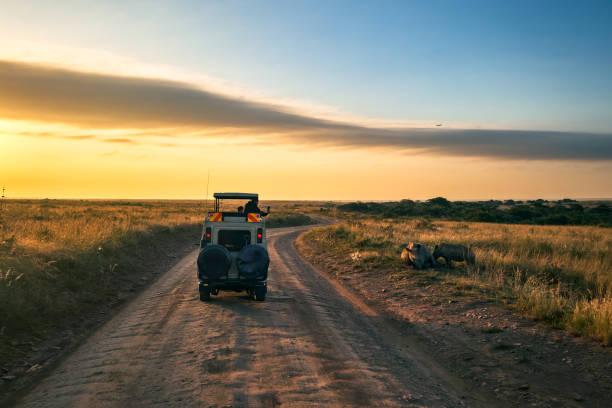
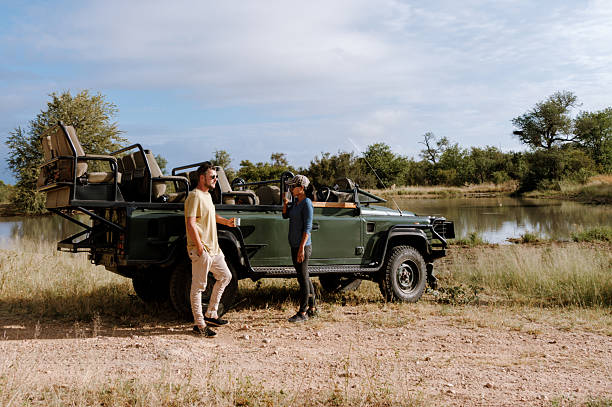
Remote Wilderness Expeditions Across Africa: An Expert Planning Guide
Africa is a continent of unparalleled natural grandeur, offering experiences that extend far beyond the typical safari. For those seeking the raw, untamed heart of the wild, remote wilderness expeditions across Africa present an unparalleled opportunity. These journeys take you to the less-traveled corners, where nature reigns supreme and encounters with wildlife are intimate and profound. Whether you dream of tracking gorillas in dense rainforests, traversing vast, empty deserts, or navigating pristine, untouched coastlines, this guide will equip you with the knowledge to plan an unforgettable adventure for 2026-2027.
This extensive guide is designed for travelers who want to go deeper, to experience Africa away from the crowds and discover its most secluded treasures. We will cover everything from understanding what constitutes a remote expedition, to selecting the right destinations, planning your itinerary, preparing for the journey, and making informed booking decisions.
Quick Overview: Remote Wilderness Expeditions in Africa
| Aspect | Details |
|---|---|
| What it is | Journeys to less accessible, undeveloped areas of Africa for nature and wildlife immersion. Focus on conservation, raw landscapes, and authentic experiences. |
| Key Destinations | Remote parts of Botswana (Okavango Delta, Chobe), Namibia (Damaraland, Kaokoveld), Tanzania (Selous/Nyerere NP, Ruaha NP), Kenya (Northern Rangelands), Rwanda/Uganda (Gorilla Trekking), Madagascar, Zambia (South Luangwa). |
| Travel Style | Often involves camping (fly-in, mobile, or basic campsites), walking safaris, canoeing, and potentially small aircraft transfers. Emphasis on self-sufficiency and environmental respect. |
| Best For | Experienced travelers, nature enthusiasts, photographers, those seeking solitude, and individuals passionate about conservation. |
| When to Go | Varies by region, but generally the dry seasons offer better wildlife viewing and access. Consider shoulder seasons for fewer crowds and unique phenomena. |
| Planning Horizon | Requires significant advance planning, often 6-12 months or more, especially for custom itineraries and peak seasons. |
Understanding Remote Wilderness Expeditions
What truly defines a remote wilderness expedition across Africa? It’s about venturing beyond the established tourist trails and into areas where human presence is minimal. This often means:
- Limited Infrastructure: Expect basic or no permanent lodging. Accommodations might be high-quality tented camps that are moved seasonally, or even fully mobile camping setups. Roads can be rough, nonexistent, or require specialized vehicles.
- Exclusive Wildlife Encounters: With fewer visitors, you’re more likely to have sightings all to yourself. The wildlife is often less habituated to humans, offering a more natural and thrilling experience.
- Deep Immersion in Nature: These expeditions prioritize experiencing the landscape, the sounds, the smells, and the sheer scale of Africa’s wild spaces. Activities often include walking safaris, canoe trips, and night drives in areas where they are permitted.
- Focus on Conservation: Many remote expeditions are linked to conservation efforts, supporting local communities and wildlife protection initiatives. Your presence can contribute positively to these areas.
- Logistical Complexity: Getting to these places often involves multiple modes of transport, including small charter flights, 4×4 vehicles, and sometimes even boats or walking. Expert logistical planning is crucial.
Unlike a standard safari where you might stay in a lodge and follow set game drive routes, a remote expedition is more about the journey and the deep connection you forge with the environment. It requires a spirit of adventure and a willingness to embrace the unpredictable nature of the wild.
Why Choose a Remote Expedition for Your African Adventure?
The allure of the remote is powerful. For travelers in 2026-2027 looking for something truly special, a remote wilderness expedition offers:
- Unrivaled Solitude: Escape the crowds and experience the profound peace of vast, undeveloped landscapes. Imagine watching the sunset over an empty savannah, with only the sounds of the wild for company.
- Authentic Wildlife Viewing: Witness animals in their natural habitat, undisturbed by large groups. This leads to more natural behaviors and often more intimate photographic opportunities.
- Connection to the Wild: These trips foster a deeper appreciation for nature. Walking safaris, for instance, allow you to notice the smaller details – the tracks, the plants, the insects – that are often missed from a vehicle.
- Unique Landscapes: Explore diverse and dramatic environments, from the stark beauty of deserts and canyons to the lushness of riverine forests and vast wetlands.
- Sense of Discovery: There’s an inherent thrill in venturing into places few others have been. It’s about discovery, not just observation.
Top Destinations for Remote Wilderness Expeditions Across Africa
Africa is vast, and many regions offer incredible opportunities for remote exploration. Here are some of the top contenders, focusing on areas known for their wildness and fewer tourist footprints:
1. Botswana: The Okavango Delta and Chobe Enclave
Botswana is a pioneer in low-impact, high-cost tourism, making its prime wilderness areas exceptionally well-preserved. The Okavango Delta, a UNESCO World Heritage Site, is an inland delta that floods seasonally, creating a mosaic of channels, lagoons, and islands. Remote camps here offer incredible water-based activities like mokoro (dugout canoe) excursions and boat safaris, alongside traditional game drives.
Why it’s remote: Access is typically by light aircraft to remote airstrips. Camps are spread out, offering exclusivity. The sheer size of the Delta means vast areas remain wild and largely unexplored by casual visitors.
Activities: Mokoro excursions, walking safaris, boat safaris, game drives, birdwatching.
2. Namibia: Damaraland and Kaokoveld
Namibia is synonymous with dramatic landscapes and vast, open spaces. Damaraland, in the northwest, is characterized by stark mountains, ancient rock art sites (like Twyfelfontein), and unique desert-adapted wildlife, including elephants and rhinos that have learned to survive in arid conditions.
Further north lies the Kaokoveld, home to the semi-nomadic Himba people. This is one of Africa’s last truly wild frontiers, with rugged mountains, dry riverbeds, and a sense of profound isolation.
Why it’s remote: Long distances, challenging terrain, and limited infrastructure. Access is usually via 4×4 vehicles or small charter flights. Lodges are few and far between, ensuring a secluded experience.
Activities: Tracking desert-adapted elephants and rhinos, visiting Himba villages (with respect and ethical guidelines), exploring ancient rock art, scenic drives, stargazing.
3. Tanzania: Nyerere National Park (formerly Selous) & Ruaha National Park
While parts of Tanzania are popular, its southern circuit offers a more wild and less crowded experience. Nyerere National Park is one of the largest game reserves in Africa, known for its diverse ecosystems, including miombo woodlands, grasslands, and the Rufiji River. It’s famous for boat safaris, walking safaris, and excellent elephant and wild dog populations.
Ruaha National Park, further inland, is Tanzania’s largest national park and is renowned for its dramatic landscapes, massive elephant herds, and high predator density, particularly lions and African wild dogs. It remains one of the most remote and wild parks on the continent.
Why it’s remote: These parks are vast, and many camps are located in exclusive-use areas, accessible by light aircraft. They receive significantly fewer visitors than the northern parks.
Activities: Walking safaris, boat safaris (Nyerere), game drives, birdwatching, photography.
4. Kenya: Northern Rangelands Conservation Area (NORAK)
Beyond the Maasai Mara, Kenya’s northern regions offer a different kind of wilderness. Areas like Lewa Wildlife Conservancy, Borana Conservancy, and the Samburu National Reserve (and surrounding conservancies) provide opportunities to see unique wildlife such as the Grevy’s zebra, reticulated giraffe, and Beisa oryx. These conservancies are often community-owned or managed, with a strong focus on conservation and sustainable tourism.
Why it’s remote: These areas are vast and often require light aircraft access. Lodges are typically exclusive, and activities like walking safaris and horseback riding allow for deep immersion.
Activities: Walking safaris, camel trekking, horseback riding, game drives, cultural visits (Samburu), anti-poaching unit visits.
5. Zambia: South Luangwa National Park
Often cited as the birthplace of the walking safari, South Luangwa is a true wilderness gem. The Luangwa River is the lifeblood of the park, attracting a spectacular array of wildlife. The park is famous for its leopard sightings, large elephant herds, and abundant birdlife. The remote camps are often unfenced, allowing for incredible nocturnal encounters and a genuine sense of being in the wild.
Why it’s remote: Access to many camps is via light aircraft. The park’s design encourages walking safaris, taking you off the beaten track on foot.
Activities: Walking safaris (day and night), game drives, night drives, birdwatching.
6. Madagascar: Remote Rainforests and Coastlines
For a truly unique expedition, consider Madagascar. While not a traditional safari destination, it offers unparalleled biodiversity with its endemic wildlife, particularly lemurs. Exploring its remote rainforests (like Masoala or Marojejy National Parks) or its pristine coastlines offers a different kind of wilderness experience, focused on unique flora and fauna and dramatic, undeveloped landscapes.
Why it’s remote: Difficult terrain, limited road access, and the need for local guides. Requires a spirit of adventure and flexibility.
Activities: Lemur spotting, hiking through rainforests, exploring coastal areas, birdwatching, discovering unique plant life.
Planning Your Remote Wilderness Expedition: A Step-by-Step Approach
Successfully planning a remote expedition requires careful consideration and advance preparation. Here’s a structured approach to guide you through the process for 2026-2027 travel.
Step 1: Define Your Expedition Goals
Before you even look at destinations, ask yourself:
- What kind of experience are you seeking? (e.g., intense wildlife photography, deep immersion in nature, cultural interaction, challenging trekking, pure solitude).
- What level of comfort are you expecting? (e.g., luxury fly-in camp, basic mobile camping, rustic lodge).
- What is your budget? Remote expeditions can be more expensive due to logistical costs.
- Who are you traveling with? Some expeditions are better suited for solo travelers, couples, or families with older children.
- What are your physical capabilities? Walking safaris or trekking might require a certain level of fitness.
Step 2: Choose Your Destination & Time of Year
Based on your goals, research destinations that align. Consider the seasonality:
| Region | Best Time (Dry Season for Wildlife) | Considerations |
|---|---|---|
| Botswana (Okavango, Chobe) | May to October | Delta levels vary. High water for mokoro. Wildlife congregates around permanent water. |
| Namibia (Damaraland, Kaokoveld) | May to October | Pleasant temperatures, clear skies. Water scarcity can concentrate wildlife. |
| Tanzania (Nyerere, Ruaha) | June to October | Dry season concentrates wildlife. Ruaha can be very hot in October. |
| Kenya (Northern Rangelands) | June to October, January to February | Dry spells are excellent for wildlife viewing. Grevy’s zebra are often seen well in dry periods. |
| Zambia (South Luangwa) | May to October | Walking safaris are best in the dry season when animals are on the move. |
| Madagascar | April to November (Dry Season) | Rainy season (Dec-Mar) can make access difficult. Lemur breeding season (Sept-Oct) is fascinating. |
Step 3: Select Your Tour Operator/Ground Handler
This is perhaps the most critical step for remote expeditions. You need a company with:
- Deep local knowledge: Understanding the logistics, terrain, and local communities is vital.
- Experience in remote areas: They must have a proven track record of successfully operating in challenging environments.
- Strong relationships: With local guides, pilots, and conservation partners.
- Commitment to responsible tourism: Ensuring your trip benefits the environment and local people.
For Tanzania and East Africa, operators like Top Guide Adventures specialize in creating bespoke, off-the-beaten-path experiences.
Step 4: Develop Your Itinerary
Work closely with your chosen operator to craft an itinerary. This might involve:
- Multi-destination trips: Combining different ecosystems or regions.
- Focus on specific activities: Dedicating days to walking, canoeing, or tracking.
- Allowing for flexibility: Weather or wildlife movements can necessitate changes.
A sample itinerary might look like this:
| Day | Location | Activities | Accommodation Type |
|---|---|---|---|
| 1-2 | Arrive Kilimanjaro (JRO), transfer to Arusha | Briefing, relax | Lodge |
| 3 | Fly to Nyerere National Park (Selous) | Game drive upon arrival | Remote Tented Camp |
| 4-5 | Nyerere NP | Walking safari, boat safari on Rufiji River, game drives | Remote Tented Camp |
| 6 | Fly to Ruaha National Park | Game drive upon arrival | Remote Tented Camp |
| 7-9 | Ruaha NP | Game drives (focus on predators), walking safaris | Remote Tented Camp |
| 10 | Fly back to Arusha | Relax, prepare for departure | Lodge |
| 11 | Depart from Kilimanjaro (JRO) |
Step 5: Health and Safety Preparations
Consult your doctor well in advance (at least 6-8 weeks) regarding:
- Vaccinations: Yellow Fever (often mandatory), Hepatitis A & B, Typhoid, Tetanus, Polio.
- Malaria Prevention: Discuss prophylactic medication with your doctor.
- Travel Insurance: Absolutely essential. Ensure it covers medical evacuation from remote areas.
- First-Aid Kit: Pack a comprehensive kit with personal medications, bandages, antiseptic wipes, pain relievers, and insect repellent with DEET.
Step 6: Packing for the Wild
Packing light but smart is key. Focus on practical, durable items:
- Clothing: Neutral-colored, breathable fabrics (khaki, olive, beige). Long sleeves and trousers for sun and insect protection. A warm fleece or jacket for cool mornings/evenings.
- Footwear: Comfortable, sturdy walking boots (broken in) and comfortable camp shoes.
- Gear: Binoculars (essential!), camera with extra batteries and memory cards, headlamp or flashlight, reusable water bottle, sun hat, sunglasses, sunscreen.
- Documents: Passport, visas, vaccination certificates, insurance details, emergency contact information. Keep digital and physical copies.
Important Note: Many remote camps have strict luggage weight limits for light aircraft transfers (often 15-20 kg total, including hand luggage). Soft-sided bags are usually preferred.
What to Expect on a Remote Wilderness Expedition
The experience of a remote expedition is vastly different from a conventional holiday. Be prepared for:
- Basic Amenities: Hot water might be limited, electricity can be generator-powered and available only at certain times, and Wi-Fi is often non-existent. Embrace the digital detox.
- Early Mornings and Late Evenings: The best wildlife viewing often happens at dawn and dusk.
- Dust and Heat: Depending on the season and location, expect dust and warm temperatures.
- The Sounds of the Night: The African bush comes alive after dark. You’ll hear lions roar, hyenas whoop, and countless other sounds that are both thrilling and humbling.
- Encountering Wildlife Up Close: Maintain a respectful distance. Your guide will ensure your safety and the well-being of the animals.
- The Importance of Your Guide: Your guide is your lifeline and interpreter of the wilderness. Listen to their advice and respect their expertise.
Common Mistakes to Avoid When Planning Remote Expeditions
To ensure your adventure is successful, be aware of potential pitfalls:
- Underestimating the Cost: Remote operations involve high logistical costs (charter flights, specialized vehicles, expert guides), making them more expensive than standard safaris.
- Not Planning Far Enough in Advance: Top remote camps and operators book up quickly, especially for 2026-2027. Aim for 9-12 months lead time.
- Ignoring Luggage Restrictions: Overpacking for light aircraft transfers can lead to missed flights or costly repacking.
- Choosing the Wrong Operator: An inexperienced operator can lead to logistical nightmares, safety issues, or a disappointing experience. Thorough research is crucial.
- Lack of Proper Travel Insurance: Medical evacuation from remote areas is extremely expensive. Ensure your policy is comprehensive.
- Not Being Physically Prepared: If your expedition includes walking safaris or other strenuous activities, ensure you are fit enough.
- Expecting Luxury Amenities: While many remote camps offer excellent comfort, they are not five-star hotels. Embrace the wildness.
Who Are Remote Wilderness Expeditions Best Suited For?
These expeditions are not for everyone. They are ideal for:
- Adventurous Travelers: Those who enjoy exploring and are comfortable with a degree of unpredictability.
- Nature Enthusiasts and Wildlife Lovers: Individuals with a deep passion for the natural world and a desire to see animals in their pristine habitats.
- Photographers: The exclusivity and unique light of remote locations offer exceptional photographic opportunities.
- Those Seeking Solitude: Travelers who want to escape crowds and experience the profound peace of untouched wilderness.
- Experienced African Travelers: Those who have perhaps done a standard safari and want to go deeper.
- Conservation-Minded Individuals: Travelers who appreciate and want to support responsible tourism practices.
They are generally less suited for travelers who prefer predictable schedules, demand constant connectivity, or require high levels of luxury and modern amenities.
Alternatives to Full Remote Expeditions
If a full-blown remote expedition seems too daunting, consider these alternatives that still offer a wilder experience:
- Conservancy-Based Safaris: Many countries now have private conservancies bordering national parks. These offer exclusive-use areas, fewer vehicles, and often more flexible activities like night drives and walking safaris. Examples include areas around the Maasai Mara in Kenya or private concessions in Botswana.
- Walking Safari Focused Trips: Dedicate your trip to regions renowned for walking safaris, such as South Luangwa in Zambia or the Selous/Nyerere in Tanzania. You can still stay in comfortable camps but prioritize walking.
- Fly-In Safaris to Remote Camps: Even within popular parks, there are often remote camps accessible only by light aircraft. This provides a sense of exclusivity and access to quieter areas.
- Self-Drive with Expert Guidance: For some destinations (like parts of Namibia), a self-drive trip with a knowledgeable guide or detailed itinerary can allow access to more remote areas, though this requires significant preparation and comfort with off-road driving.
Planning Your 2026-2027 Remote Wilderness Expedition
Looking ahead to 2026 and 2027, here are some specific planning considerations:
2026-2027 Planning Checklist
- Define Your Vision (Now): Start dreaming and researching destinations and experiences.
- Consult Your Doctor (10-12 months prior): Discuss vaccinations and malaria prophylaxis.
- Select Operator & Destination (9-12 months prior): Book prime remote camps and popular operators early.
- Secure Flights (6-9 months prior): International flights can be booked, but internal charters will be handled by your operator.
- Obtain Visas (3-6 months prior): Check requirements for all countries you will visit.
- Purchase Travel Insurance (Immediately after booking): Ensure comprehensive coverage.
- Finalize Itinerary & Payments (4-6 months prior): Confirm all details and make final payments.
- Gear Up (2-4 months prior): Purchase or rent necessary equipment and clothing. Break in boots.
- Pack (1-2 weeks prior): Pack according to the operator’s guidelines, paying close attention to weight limits.
- Pre-Trip Briefing (1 week prior): Review your itinerary, safety information, and emergency contacts.
2026-2027 Travel Trends: Expect a continued interest in sustainable and responsible travel. Many operators are focusing on conservation projects and community involvement. Personalized, tailor-made itineraries will remain highly sought after.
Booking Your Remote Wilderness Expedition: Expert Advice
When booking, prioritize working with a reputable tour operator that specializes in remote wilderness expeditions across Africa. Here’s how to approach it:
- Do Your Due Diligence: Look for operators with extensive experience, positive testimonials (though be wary of overly generic ones), and clear communication.
- Ask Detailed Questions: Don’t hesitate to ask about the remoteness of the camps, the type of vehicles used, the qualifications of guides, emergency procedures, and the operator’s conservation ethics.
- Understand Inclusions and Exclusions: Remote trips often include park fees, accommodation, meals, and scheduled activities. Exclusions typically involve international flights, visas, travel insurance, personal expenses, and gratuities.
| Typical Inclusions | Typical Exclusions |
|---|---|
| Accommodation in remote camps | International flights |
| All meals (often gourmet bush cuisine) | Visa fees |
| Scheduled game drives, walking safaris, boat trips | Travel insurance (mandatory) |
| Park and conservation fees | Gratuities for guides and camp staff |
| Local camp guides and trackers | Drinks and alcoholic beverages (sometimes limited) |
| Light aircraft transfers between camps/airstrips (as specified) | Personal expenses (souvenirs, laundry) |
| Drinking water | Optional activities not listed in the itinerary |
Booking with Top Guide Adventures: For tailor-made remote wilderness expeditions across Africa, particularly focusing on Tanzania’s wild southern circuit or other less-traveled destinations, partnering with an experienced local operator is key. Top Guide Adventures has the expertise to craft unique itineraries, manage complex logistics, and ensure an authentic, responsible travel experience. They understand the nuances of remote operations and can guide you through every step of planning for your 2026-2027 adventure.
Frequently Asked Questions (FAQs)
Q1: How much do remote wilderness expeditions across Africa typically cost?
A1: Remote expeditions are generally more expensive than standard safaris due to the high logistical costs involved, such as charter flights, specialized vehicles, and expert guides. Prices can range significantly based on the destination, level of luxury, duration, and specific activities, but expect a daily rate that is often higher than typical safari lodges. For planning purposes for 2026-2027, budget conservatively.
Q2: Is it safe to travel on a remote wilderness expedition?
A2: Safety is paramount. Reputable operators adhere to strict safety protocols. Your guides are highly trained in wildlife behavior and emergency procedures. However, it is crucial to follow their instructions at all times, maintain a respectful distance from wildlife, and be aware of your surroundings.
Q3: What is the best way to get to remote areas?
A3: The most common way to access remote wilderness areas is by light aircraft (bush planes) to small, often unpaved, airstrips. This is essential due to the vast distances and lack of roads. In some cases, 4×4 vehicles are used for overland travel to more accessible remote locations.
Q4: What kind of accommodation can I expect?
A4: Accommodation varies from luxurious tented camps with en-suite bathrooms and comfortable furnishings to more basic mobile camping setups. Even in remote locations, many camps offer excellent comfort, fine dining, and a deep connection to nature, often with open-air lounges and dining areas.
Q5: How much luggage can I bring?
A5: This is a critical point. Due to the weight and space limitations of light aircraft, most operators have a strict luggage limit, typically 15-20 kg (33-44 lbs) per person, including hand luggage. Soft-sided bags are usually mandatory. Always confirm the exact limits with your tour operator.
Q6: What vaccinations are needed for remote expeditions?
A6: Consult your doctor or a travel clinic 6-8 weeks before your trip. Yellow Fever vaccination is often mandatory for entry into certain African countries. Other common recommendations include Hepatitis A, Typhoid, Tetanus, and Polio. Malaria prophylaxis is usually advised for most regions.
Q7: Can I go on a remote expedition solo?
A7: Yes, solo travelers are welcome on many remote expeditions. Some operators may charge a single supplement, while others have dedicated departures for solo travelers or pair solo travelers in shared vehicles or camps. It’s a fantastic way to experience solitude.
Q8: What is the difference between a remote expedition and a standard safari?
A8: A standard safari typically involves staying in lodges or permanent camps within or near national parks, with set game drive routes and more tourist infrastructure. A remote expedition ventures into less accessible areas, often with fewer or no permanent structures, fewer vehicles, and a greater emphasis on immersion in undeveloped wilderness.
Q9: How much walking is involved in a walking safari?
A9: Walking safaris can vary. Some might be short walks around a camp to learn about tracks and plants, while others can be multi-hour treks through the bush. The pace is usually moderate, focusing on observation. Your guide will assess your fitness and comfort level.
Q10: What are the best months for remote expeditions in 2026-2027?
A10: The dry seasons are generally best for wildlife viewing as animals congregate around water sources and vegetation is thinner. For most of East and Southern Africa, this is typically from May/June to October/November. However, specific regions might have nuances, so consult with your operator for the precise best time for your chosen destination in 2026 or 2027.
Ready for Your African Wilderness Adventure?
Remote wilderness expeditions across Africa offer a profound connection with nature and an experience that stays with you long after you return home. For 2026-2027, the call of the wild is stronger than ever, inviting you to explore its most secluded corners.
If you’re ready to plan an unforgettable journey into Africa’s untamed heart, let us help. Top Guide Adventures specializes in crafting bespoke safari experiences, including remote expeditions designed for the discerning traveler. We can help you navigate the complexities of planning, ensuring a safe, responsible, and awe-inspiring adventure.
Contact us today to start planning your dream expedition:
WhatsApp: +255616946642
Email: topguideadventures@gmail.com
Backup Email: info@topguideadventures.com
Plan your Remote Wilderness Expeditions Across Africa with Top Guide Adventures
Tell us your travel dates, group size, comfort level, and dream experience. We will help you shape a clear, realistic, and memorable Tanzania itinerary.







 Veedesigner
 Fatma Kizanga
 Benjamin Waryuba
 Philip Philip
 John jr Itaja
 Antonia Optatus
 Edith Kanyere
 Neema Iddy
 Kelvin Boniphace
 Damari Maiga



