
Updated planning guide for 2026-2027
Long-Distance Overland Travel Adventures: Complete Guide 2026-2027
Discover the thrill of long-distance overland travel. This in-depth guide covers everything from initial planning and route selection to packing and booking your next epic journey, specifically for 2026-2027 adventurers.
WhatsApp +255616946642 | topguideadventures@gmail.com | info@topguideadventures.com
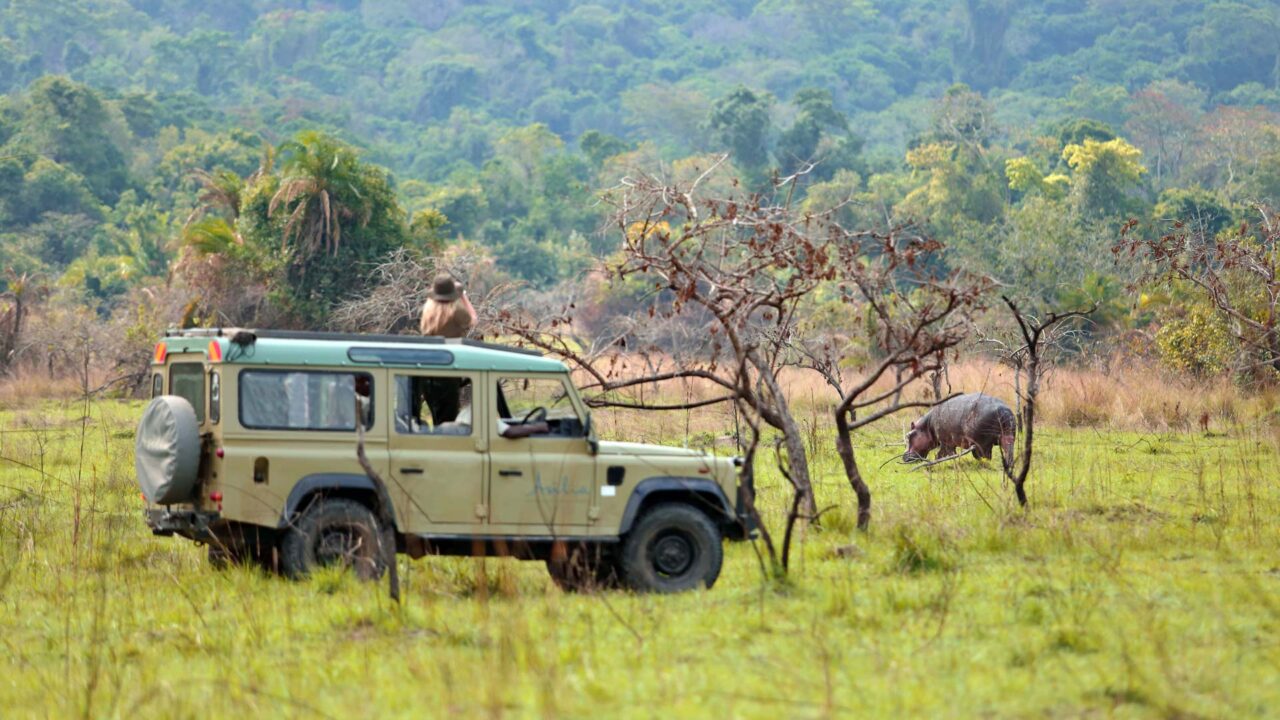
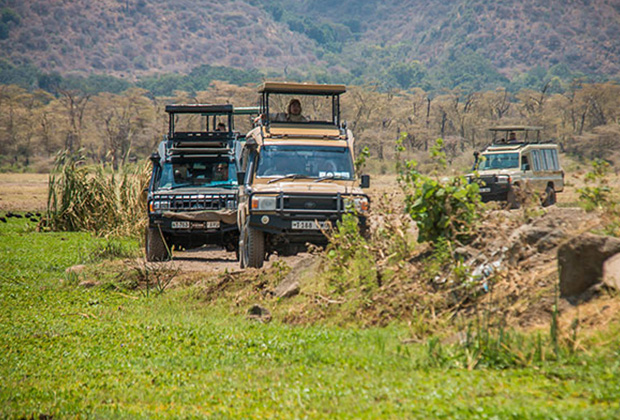
Long-Distance Overland Travel Adventures: Your Ultimate Planning Guide
Long-distance overland travel adventures represent a profound way to experience the world. It’s about charting your own course, embracing the unexpected, and connecting with destinations on a deeply personal level. Unlike typical package tours, overland journeys offer unparalleled freedom and immersion. This guide is designed for those who dream of traversing continents, navigating diverse landscapes, and creating memories that last a lifetime. We’ll cover everything you need to know to plan your expedition, from initial concept to on-the-ground realities, with specific insights relevant for planning in the 2026-2027 timeframe.
Quick Overview: What is Long-Distance Overland Travel?
At its core, long-distance overland travel involves journeys across land, typically covering significant distances, often spanning multiple countries or even continents. This style of travel prioritizes the journey itself, using vehicles like 4x4s, campervans, or even motorcycles to explore remote regions, national parks, and off-the-beaten-path locations. It’s a pursuit for the adventurous, the curious, and those seeking an authentic connection with the places and people they encounter. For many, the goal is not just reaching a destination, but the experience of getting there.
Tanzania, with its vast savannas, iconic wildlife, and rugged terrain, offers incredible opportunities for overland adventures. Imagine driving through the Serengeti, crossing the Ngorongoro Conservation Area, or heading towards the remote Selous Game Reserve. These are the kinds of experiences that define true overland travel.
| Aspect | Details |
|---|---|
| Duration | Weeks to months, or even years |
| Vehicle Type | 4x4s, campervans, motorcycles, expedition trucks |
| Accommodation | Camping, lodges, guesthouses, self-contained vehicles |
| Key Elements | Self-sufficiency, navigation, cultural immersion, flexibility |
| Common Destinations | Africa (e.g., Tanzania), Asia, South America, Australia |
| Preparation Level | High: vehicle prep, visas, logistics, safety |
Why Choose Long-Distance Overland Travel Adventures?
The allure of overland travel lies in its authenticity and the sense of accomplishment it provides. It’s a chance to:
- Experience True Freedom: You set the pace, choose the routes, and decide where to stop. Your itinerary is a guide, not a rigid schedule.
- Deep Cultural Immersion: Traveling overland allows for more spontaneous interactions with local communities, markets, and everyday life, far from tourist crowds.
- Connect with Nature: You’ll witness landscapes change dramatically, from dense forests to arid deserts and vast plains, often in remote areas inaccessible by other means.
- Develop Self-Reliance: From vehicle maintenance to navigating challenging terrain, overland travel builds practical skills and a strong sense of capability.
- See More, Do More: Cover vast distances and explore multiple regions or countries in a single, continuous journey.
For travelers looking to explore Tanzania beyond a typical safari, overland journeys offer a unique perspective. Imagine driving from the northern safari circuit, perhaps after witnessing the Great Migration in the Serengeti, and then heading south towards the vast wilderness of Ruaha National Park or the unique ecosystems of the Selous Game Reserve. This is the essence of overland exploration in East Africa.
Best Time for Your Overland Adventure
The ideal time for long-distance overland travel adventures depends heavily on the region you plan to explore. For Tanzania, a prime overland destination, consider these factors:
| Period | Conditions | Pros | Cons |
|---|---|---|---|
| June – October (Dry Season) | Clear skies, cooler temperatures, less humidity. Roads are generally in good condition. | Excellent for wildlife viewing (animals congregate around water sources), easier driving, comfortable camping. Ideal for Great Migration viewing in northern parks. | Peak tourist season, higher prices for accommodation and park fees. Can be crowded in popular areas. |
| November – March (Wet Season) | Intermittent rains, lush landscapes, warmer temperatures. Roads can become challenging, especially in remote areas. | Fewer tourists, lower prices, beautiful green scenery. Birdwatching is excellent. calving season in Serengeti (late Jan-Feb). | Rain can disrupt travel plans, some roads may be impassable. Wildlife disperses, making sightings potentially harder. Mosquitoes are more prevalent. |
| April – May (Long Rains) | Heavy, prolonged rainfall. Many roads become very difficult or impossible to traverse. | Lowest prices, very few tourists. | Significant travel disruptions likely. Many lodges and camps may be closed. Not recommended for most overland trips. |
When planning for 2026-2027, consider that weather patterns can be unpredictable. Always check local conditions and consult with experienced tour operators for the most current advice.
Planning Your Route: Designing Your Overland Journey
Crafting an overland route is a significant part of the adventure. It requires research, flexibility, and an understanding of the logistics involved. Here’s a breakdown of how to approach it:
1. Define Your Goals and Interests
What do you want to see and experience? Are you focused on wildlife, culture, historical sites, or remote landscapes? For Tanzania, this might mean:
- Northern Circuit Focus: Serengeti, Ngorongoro Crater, Tarangire, Lake Manyara. Ideal for classic wildlife viewing and the Great Migration.
- Southern Circuit Focus: Ruaha, Selous (Nyerere National Park). Offers a more wild, less crowded experience.
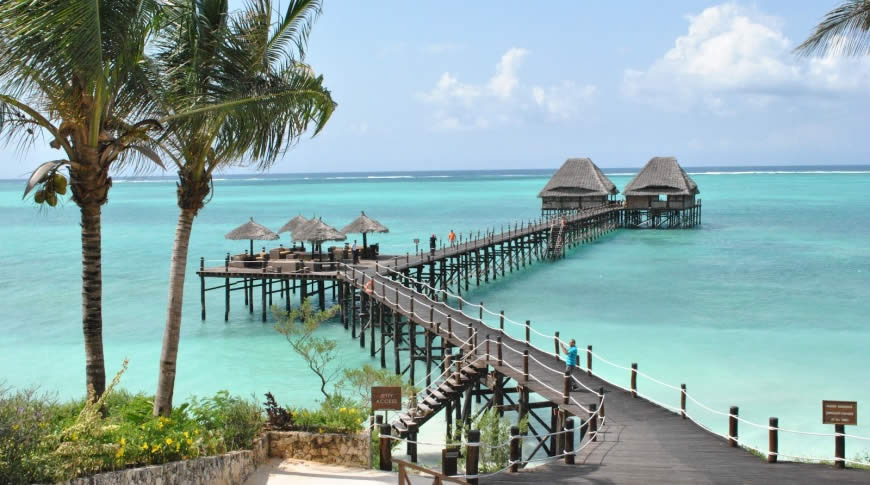
- Coastal & Island Exploration: Zanzibar, Mafia Island. Combine overland travel with beach relaxation and marine activities.
- Trans-African Routes: For the truly ambitious, consider routes that connect Tanzania to neighboring countries like Kenya, Uganda, Rwanda, Zambia, or Malawi.
2. Research Vehicle Requirements
Your vehicle is your lifeline. For Tanzania’s diverse terrain, a reliable 4×4 is almost essential. Key considerations include:
- Four-Wheel Drive Capability: Crucial for navigating sandy tracks, muddy roads, and off-road park routes.
- Ground Clearance: High clearance prevents damage to the undercarriage.
- Robustness: Choose a vehicle known for reliability in challenging conditions (e.g., Toyota Land Cruiser, Land Rover Defender).
- Fuel Range: Access to fuel can be sporadic; ensure your vehicle (or auxiliary tanks) can cover long distances between stations.
- Comfort: For long trips, a comfortable interior, good suspension, and reliable air conditioning are vital.
3. Understand Visa and Border Crossings
Each country has its own visa requirements. Research these well in advance. For Tanzania:
- Tanzanian Visa: Can often be obtained on arrival, but e-visas are increasingly available and recommended for efficiency. Check current regulations for your nationality.
- Neighboring Countries: If your route extends beyond Tanzania, research visa requirements for Kenya, Uganda, Rwanda, etc. Some may require applications months in advance.
- Carnet de Passages en Douane: If you are bringing your own vehicle into multiple African countries, this document is essential for customs clearance and can be expensive and complex to obtain.
4. Navigation and Communication
Reliable navigation and communication tools are non-negotiable:
- GPS Devices: Dedicated GPS units with up-to-date maps are essential.
- Satellite Phone/Communicator: For areas with no mobile signal, a satellite device is crucial for emergencies.
- Local SIM Cards: Purchase local SIM cards for connectivity where available, but don’t rely on them exclusively.
- Paper Maps: Always carry detailed paper maps as a backup.
5. Safety and Security
Overland travel involves inherent risks. Prioritize safety by:
- Researching Political Stability: Stay informed about the current political climate in regions you plan to visit.
- Avoiding Risky Areas: Heed travel advisories and avoid known conflict zones or areas with high crime rates.
- Vehicle Security: Invest in good locks and consider a vehicle alarm system. Never leave valuables visible.
- Wildlife Encounters: Understand safe distances and protocols when encountering wildlife, especially in national parks.
- Health Precautions: Consult your doctor about necessary vaccinations (e.g., Yellow Fever, Typhoid) and malaria prophylaxis. Carry a comprehensive first-aid kit.
Example Route Concept: Tanzania Explorer (Approx. 3 Weeks)
This is a sample route, adaptable for custom overland adventures.
- Days 1-3: Arusha & Preparation. Arrive, acclimatize, final vehicle checks, and procure supplies.
- Days 4-7: Tarangire National Park. Drive south from Arusha. Focus on elephant herds and diverse birdlife. Camp within or near the park.
- Days 8-10: Ngorongoro Conservation Area. Descend into the crater for incredible wildlife density. Explore the highlands. Stay at a lodge or campsite on the crater rim.
- Days 11-14: Serengeti National Park. Journey into the vast plains. Track the Great Migration (seasonal). Experience game drives in different regions of the park. Camp in designated areas.
- Days 15-17: Lake Manyara National Park. Known for its tree-climbing lions and flamingoes. A shorter, scenic park.
- Days 18-20: Drive South towards Ruaha or Selous. This is a significant overland drive, potentially involving overnight stops in towns like Kondoa or Dodoma. This leg highlights the ‘overland’ aspect, covering large distances.
- Days 21+: Ruaha National Park / Nyerere National Park (Selous). Explore Tanzania’s southern wilderness. Less crowded, offering a different safari experience. Ideal for longer stays.
Note: This route can be extended to include Zanzibar or connect to other countries.
Vehicle Preparation: The Key to Success
Your vehicle is your home and your transport. Thorough preparation is non-negotiable for long-distance overland travel adventures. For a 2026-2027 trip, start preparations at least 6-12 months in advance.
1. Vehicle Choice and Modifications
As mentioned, a robust 4×4 is recommended. Modifications might include:
- Suspension Upgrade: For handling rough terrain and carrying extra weight.
- All-Terrain Tires: Durable tires suitable for varied surfaces.
- Snorkel: Essential for water crossings and dusty conditions.
- Extra Fuel and Water Tanks: Increases range between resupply points.
- Roof Rack: For carrying additional gear and a roof tent.
- Winch: For self-recovery in difficult situations.
- Dual Battery System: To power accessories without draining the main battery.
- Camping Equipment: Roof tent, awning, fridge, cooking gear, recovery gear (shovels, traction boards, etc.).
2. Mechanical Checks and Spares
Ensure your vehicle is in top mechanical condition. A full service, including all fluids, filters, belts, and brakes, is a minimum. Carry essential spare parts:
- Tires (including spare) and repair kit
- Belts and hoses
- Fuses
- Spark plugs
- Basic toolkit
- Jump leads
- Wiper blades
- Air, fuel, and oil filters
3. Documentation
Keep all vehicle documents organized and accessible:
- Vehicle registration
- Proof of insurance (ensure it covers the countries you’ll visit)
- Carnet de Passages en Douane (if applicable)
- Driver’s license (international driving permit may be required)
Packing Essentials for Overland Travel
Packing for an overland trip requires balancing necessity with space. Prioritize versatile, durable items.
1. Clothing
- Layering: Lightweight, breathable fabrics are key. Include base layers, mid-layers (fleece), and a waterproof/windproof outer shell.
- Sun Protection: Wide-brimmed hats, sunglasses, long-sleeved shirts, and long trousers.
- Comfortable Footwear: Sturdy hiking boots and comfortable camp shoes.
- Modest Attire: Especially when visiting local villages or towns.
2. Camping Gear
- Tent (or rooftop tent)
- Sleeping bag and mat
- Camp chairs and table
- Cooking stove, fuel, pots, pans, utensils
- Water bottles and purification method
- Headlamp or flashlight with extra batteries
- First-aid kit (comprehensive)
- Toiletries (biodegradable where possible)
3. Navigation and Communication
- GPS device with loaded maps
- Satellite phone or personal locator beacon (PLB)
- Power banks and charging cables
- Durable smartphone with offline maps downloaded
4. Vehicle Specifics
- Vehicle recovery gear (straps, shackles, traction boards)
- Tyre pressure gauge and pump
- Basic tools and spare parts
- Fire extinguisher
5. Documents and Money
- Passport and visas
- Copies of all important documents (stored separately)
- Credit/debit cards
- Local currency for immediate needs
- Emergency contact information
Common Mistakes to Avoid in Overland Travel
Even experienced travelers can make mistakes. Being aware of common pitfalls can save you time, money, and frustration on your long-distance overland travel adventures.
- Underestimating Time: Journeys always take longer than you think, especially with vehicle issues, border delays, or simply wanting to spend more time in a place.
- Overpacking: Every item adds weight and takes up space. Be ruthless in your selection.
- Neglecting Vehicle Maintenance: Small issues can become major problems far from repair facilities. Regular checks are crucial.
- Ignoring Local Customs and Laws: Research and respect the cultures of the places you visit.
- Not Having a Backup Plan: Roads can be closed, borders shut, or vehicles break down. Always have alternatives in mind.
- Relying Solely on Technology: GPS can fail, batteries can die. Paper maps and a compass are still valuable.
- Underestimating Costs: Factor in fuel, food, accommodation, park fees, repairs, and unexpected expenses.
- Not Informing Someone of Your Plans: Leave a detailed itinerary with a trusted contact and check in regularly.
Who is Long-Distance Overland Travel Best Suited For?
This style of travel is not for everyone. It appeals to a specific type of traveler:
- The Independent Spirit: Those who value freedom and self-sufficiency above all else.
- The Patient Explorer: Travelers who understand that journeys take time and appreciate the slow travel experience.
- The Resilient Adventurer: Individuals who can handle challenges, adapt to changing circumstances, and maintain a positive attitude.
- The Culturally Curious: Those eager to connect with local people and understand different ways of life.
- The Mechanically Inclined (or willing to learn): A basic understanding of vehicle mechanics is a significant advantage.
If you’re looking for a luxurious, hassle-free vacation, traditional overland travel might not be your ideal choice. However, for those seeking an authentic, challenging, and deeply rewarding experience, it is unmatched.
Alternatives to Self-Drive Overland Travel
If the idea of managing your own vehicle and logistics seems daunting, there are excellent alternatives that still capture the spirit of overland exploration:
- Organized Overland Expeditions: Companies offer guided trips in larger expedition vehicles (like overland trucks). These handle all logistics, driving, and planning, allowing you to focus on the experience. This is a great way to explore Tanzania’s vastness without personal vehicle ownership.
- Guided 4×4 Tours: Smaller group tours using specialized 4×4 vehicles with experienced guides. These offer more flexibility than large trucks but still provide expert support.
- Regional Bus and Local Transport: For a more budget-conscious and immersive experience, using local buses and shared taxis can get you between destinations, though it’s slower and less direct.
- Combination Tours: Many operators offer packages that combine driving safaris with stays in lodges or even flights between remote locations, providing a taste of overland adventure with added comfort and efficiency.
For instance, exploring Tanzania’s parks can be done via guided 4×4 safaris that traverse significant distances, offering an overland feel without the personal vehicle commitment. Operators like Best Tanzania tour operator can craft custom itineraries that blend driving, wildlife viewing, and cultural encounters.
Planning Your 2026-2027 Overland Adventure
Planning for future travel, especially for complex trips like long-distance overland adventures, requires foresight. Here’s how to prepare for 2026-2027:
- Start Early: Begin researching destinations, routes, and vehicle options at least 12-18 months in advance.
- Budgeting: Costs can vary significantly. Research fuel prices, park fees, visa costs, and potential repair budgets. Aim to save more than you think you’ll need.
- Health and Vaccinations: Consult your doctor or a travel clinic 6-9 months before your planned departure for necessary vaccinations and health advice.
- Visa Applications: Some visas require significant lead times. Check application windows and requirements for your chosen countries.
- Vehicle Acquisition/Preparation: If buying a vehicle, allow ample time for sourcing and modifications. If renting, book well in advance, especially for specialized vehicles.
- Insurance: Secure comprehensive travel insurance that covers overland travel, medical emergencies, and repatriation. Also, ensure your vehicle insurance is adequate.
- Language Basics: Learning a few key phrases in Swahili (for Tanzania) or other local languages can greatly enhance your interactions.
- Stay Informed: Keep an eye on geopolitical situations, travel advisories, and any changes in border regulations that might affect your plans for 2026-2027.
Pre-Trip Planning Checklist (2026-2027 Focus)
- [ ] Define trip goals and desired duration
- [ ] Research and select primary regions/countries
- [ ] Outline potential route and key stops
- [ ] Research visa requirements for all nationalities involved
- [ ] Consult doctor for health advice and vaccinations (6-9 months prior)
- [ ] Begin researching/acquiring suitable overland vehicle
- [ ] Plan vehicle modifications and essential equipment
- [ ] Obtain International Driving Permit (if needed)
- [ ] Research and book travel insurance
- [ ] Secure necessary vehicle documentation (Carnet, etc.)
- [ ] Start saving and budgeting for trip expenses
- [ ] Learn basic phrases in local languages
- [ ] Inform family/friends of your detailed itinerary
Booking Your Overland Adventure: When and How
Booking for long-distance overland travel adventures differs from standard holidays. If you opt for an organized tour:
- Research Operators: Look for reputable companies with extensive experience in the regions you wish to explore. Read reviews and check their safety records.
- Understand Inclusions/Exclusions: Be clear about what the tour price covers (vehicle, guide, accommodation, meals, park fees, fuel) and what you need to budget for separately.
- Booking Timeline: For popular overland expeditions, especially for 2026-2027, book 9-12 months in advance, as spots can fill quickly.
- Deposit and Payments: Understand the payment schedule and cancellation policy.
| Inclusions (Likely) | Exclusions (Likely) |
|---|---|
| Vehicle hire/use | International flights to/from start/end point |
| Professional driver/guide | Visa fees |
| Accommodation (camping/budget lodges) | Travel insurance |
| Most meals | Personal expenses (souvenirs, drinks) |
| Fuel | Optional activities (e.g., hot air balloon safari) |
| Camping equipment | Tips for guide/crew |
| Park entry fees for specified parks | Vaccinations and medications |
If you are planning a self-drive adventure, the ‘booking’ is more about preparation and logistics: securing your vehicle, visas, and essential gear. For Tanzanian-specific overland experiences, working with a local expert can be invaluable. They can assist with vehicle hire, permits, and local knowledge that is hard to find elsewhere.
Contact Us for Custom Overland Adventures in Tanzania
Dreaming of your own long-distance overland travel adventures through Tanzania’s spectacular landscapes? Let us help you craft the perfect journey. Whether you envision a self-drive expedition or a guided tour, our expertise in Tanzania ensures an unforgettable experience.
Reach out to our team today:
- WhatsApp: +255616946642
- Email: topguideadventures@gmail.com
- Backup Email: info@topguideadventures.com
We are ready to assist you with planning your 2026-2027 overland adventure.
Frequently Asked Questions (FAQs)
Q1: What is the minimum time required for a meaningful long-distance overland travel adventure in Africa?
A1: For a single country like Tanzania, a minimum of 2-3 weeks is recommended to cover key highlights. For multi-country trips across Africa, 2-6 months is more realistic to allow for travel time, border crossings, and exploration without feeling rushed. Planning for 2026-2027 allows ample time for this.
Q2: Do I need a special license to drive an overland vehicle?
A2: Generally, a standard driver’s license is sufficient for most countries. However, an International Driving Permit (IDP) is highly recommended and often required by rental companies or authorities, especially if your license is not in English. Always check the specific requirements for each country on your route.
Q3: How much does long-distance overland travel cost?
A3: Costs vary wildly. Self-drive trips can range from $50-$150+ USD per person per day, covering fuel, food, accommodation, park fees, and maintenance. Organized tours can range from $100-$300+ USD per person per day depending on the comfort level and itinerary. Budgeting is crucial, especially for 2026-2027 travel where prices may fluctuate.
Q4: Is it safe to travel overland in Tanzania?
A4: Tanzania is generally safe for overland travel, especially in national parks and on main routes. However, like anywhere, petty crime can occur in cities. It’s vital to stay informed about current conditions, avoid driving at night, secure your vehicle, and be aware of wildlife when in parks. Using experienced local operators like Best Tanzania tour operator enhances safety and local navigation.
Q5: What kind of vehicle is best for overland travel in Tanzania?
A5: A robust 4×4 vehicle with high ground clearance is strongly recommended for Tanzania. Vehicles like Toyota Land Cruisers or Land Rover Defenders are popular choices due to their reliability and off-road capability. Ensure it’s well-maintained and equipped for remote travel.
Q6: Can I wild camp during my overland trip?
A6: In Tanzania, wild camping is generally not permitted within national parks or conservation areas, except in designated campsites. Outside these areas, camping might be possible with permission from local authorities or landowners, but it’s often safer and more practical to use established campsites or lodges.
Q7: What are the essential documents for border crossings in Africa?
A7: Essential documents typically include your passport, valid visas, vehicle registration, proof of insurance, and a Carnet de Passages en Douane if applicable. Each border crossing can have unique requirements, so thorough research is key.
Q8: How do I handle communication and internet access?
A8: Mobile network coverage can be patchy outside major towns. Purchasing local SIM cards (e.g., Vodacom, Tigo in Tanzania) is cost-effective where available. For remote areas, a satellite phone or a device like a Garmin InReach is essential for communication and emergency use.
Q9: What if my vehicle breaks down in a remote area?
A9: This is where good preparation pays off. Ensure you have basic tools, spare parts, and recovery gear. If you’re on an organized tour, your guide will handle this. For self-drive, a satellite communication device is crucial for calling for assistance. Knowing basic mechanical fixes is also a huge advantage.
Q10: How can I find reliable information for planning my 2026-2027 overland trip?
A10: Reliable sources include experienced overland travel blogs, forums, guidebooks, and reputable tour operators. Directly contacting local experts who specialize in overland travel in your target region, like Best Tanzania tour operator, provides the most current and practical advice.
Start Your Long-Distance Overland Travel Adventures Today
Long-distance overland travel adventures offer a unique and rewarding way to see the world. They challenge you, connect you, and leave you with stories you’ll tell for a lifetime. Whether you dream of crossing continents or exploring the vast wilderness of Tanzania, the journey begins with careful planning. For those looking to experience the magic of Tanzania overland, we are here to help you design an unforgettable expedition. Let us handle the complexities so you can focus on the adventure.
Contact us to discuss your bespoke long-distance overland travel adventures for 2026-2027 and beyond:
- WhatsApp: +255616946642
- Email: topguideadventures@gmail.com
- Backup Email: info@topguideadventures.com
Plan your Long-Distance Overland Travel Adventures with Top Guide Adventures
Tell us your travel dates, group size, comfort level, and dream experience. We will help you shape a clear, realistic, and memorable Tanzania itinerary.

 Veedesigner
 Fatma Kizanga
 Benjamin Waryuba
 Philip Philip
 John jr Itaja
 Antonia Optatus
 Edith Kanyere
 Neema Iddy
 Kelvin Boniphace
 Damari Maiga



