
Updated planning guide for 2026-2027
Cultural And Nature Expedition Journeys: Complete Guide 2026-2027
Discover the best of Tanzania with our comprehensive guide to cultural and nature expedition journeys. From thrilling safaris and Kilimanjaro treks to serene Zanzibar escapes, learn how to plan your unforgettable adventure for 2026-2027.
WhatsApp +255616946642 | topguideadventures@gmail.com | info@topguideadventures.com
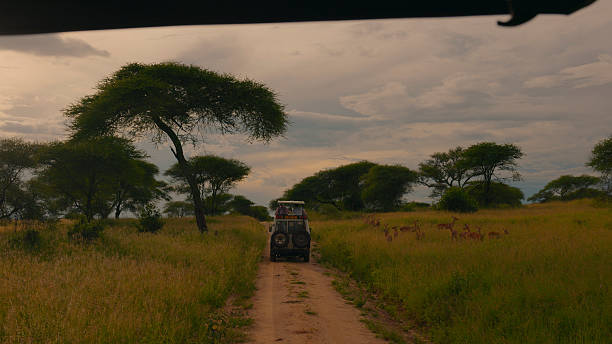
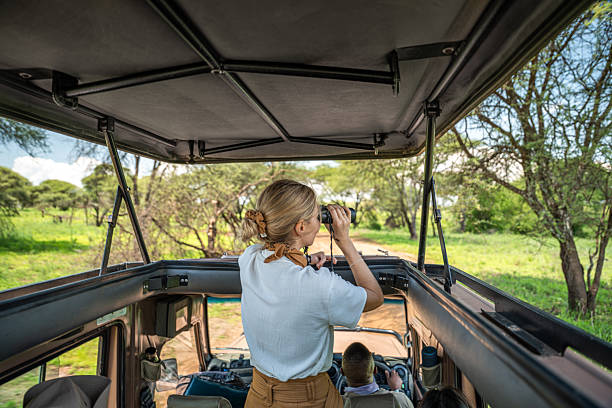
Cultural and Nature Expedition Journeys: Your Ultimate Tanzania Guide
Tanzania offers an unparalleled blend of breathtaking natural landscapes and rich cultural heritage, making it a prime destination for those seeking meaningful travel experiences. A journey here is more than just a vacation; it’s an immersion into vibrant traditions, diverse ecosystems, and iconic wildlife. For travelers planning their adventures in 2026 and 2027, understanding the nuances of these cultural and nature expedition journeys is key to crafting an itinerary that resonates deeply and fulfills every expectation. This guide provides an in-depth look at what makes Tanzania so special, from the vast plains of the Serengeti to the spice-scented air of Zanzibar, and the challenging slopes of Mount Kilimanjaro.
Quick Facts: Tanzania Expedition Journeys
| Primary Focus | Wildlife Safaris, Cultural Encounters, Mountain Trekking, Beach Relaxation |
| Key Destinations | Serengeti National Park, Ngorongoro Conservation Area, Tarangire National Park, Mount Kilimanjaro, Zanzibar Archipelago, Lake Manyara National Park, Maasai Villages |
| Best Time to Visit | June to October (Dry Season, Great Migration), January to February (Calving Season, Northern Serengeti) |
| Visa Requirements | Most nationalities require a visa; can often be obtained on arrival or online in advance. |
| Currency | Tanzanian Shilling (TZS). USD widely accepted for tourist services. |
| Language | Swahili (official), English widely spoken in tourist areas. |
| Health Precautions | Consult your doctor regarding vaccinations (e.g., Yellow Fever, Hepatitis A) and malaria prophylaxis. |
Understanding Cultural and Nature Expedition Journeys
Cultural and nature expedition journeys in Tanzania are designed to connect travelers with the soul of the country. These trips go beyond standard sightseeing, aiming for authentic interactions and profound appreciation of both the natural world and its human inhabitants. Imagine witnessing the Great Migration across the Mara River, sharing stories with Maasai elders, or learning about Swahili culture on the historic island of Zanzibar. These experiences are woven together to create a holistic understanding of Tanzania’s unique offering.
For 2026-2027 travel, the demand for responsible and immersive tourism is growing. Travelers are looking for operators who prioritize community engagement, conservation efforts, and authentic experiences. Our approach focuses on delivering just that – journeys that are not only spectacular but also contribute positively to the places and people you visit.
When to Plan Your Tanzania Expedition for 2026-2027
| Period | Weather | Wildlife Highlights | Crowds | Ideal For |
|---|---|---|---|---|
| June – October (Dry Season) | Cooler, dry, sunny days. Minimal rain. | Great Migration in the Serengeti, predator activity, excellent game viewing. | High | Serengeti Migration, general wildlife viewing, Kilimanjaro trekking. |
| November – December (Short Rains) | Brief, localized showers, often in afternoons. Green landscapes. | Calving season begins in southern Serengeti, resident wildlife is plentiful. | Moderate | Birdwatching, fewer crowds, experiencing green landscapes. |
| January – February (Long Rains / Calving Season) | Hot and humid, with occasional heavy rains. | Calving season in Ndutu area (southern Serengeti/Ngorongoro border), predator-chasing newborns. | Moderate | Wildlife photography (calving), bird migration, less crowded parks. |
| March – May (Long Rains) | Heavier, persistent rains. Can impact road conditions. | Green scenery, newborn animals, resident wildlife. | Low | Budget travelers, birdwatchers, those seeking solitude. Kilimanjaro trekking can be challenging due to rain. |
| June – October (Dry Season – Continued) | Continues to be dry and pleasant. | Migration moves north, river crossings in Grumeti and Mara Rivers. | High | Witnessing river crossings, excellent game viewing, Kilimanjaro trekking. |
The Heart of the Expedition: Key Destinations
Tanzania’s vastness encompasses a variety of ecosystems and cultural hubs, each offering unique facets for your expedition.
Northern Circuit Safaris: The Iconic Wildlife Experience
This is the classic Tanzanian safari route, renowned for its density of wildlife and dramatic landscapes. It’s the cornerstone of many cultural and nature expedition journeys.
- Serengeti National Park: The crown jewel, famous for its endless plains and the annual Great Migration of wildebeest and zebras. Witnessing millions of animals on the move is a profound natural spectacle. The park offers diverse habitats, from acacia woodlands to riverine forests, supporting a rich array of predators and prey.
- Ngorongoro Conservation Area: A UNESCO World Heritage Site featuring the stunning Ngorongoro Crater, an intact volcanic caldera teeming with wildlife. It’s one of the few places where you can reliably see the Big Five (lion, leopard, elephant, rhino, buffalo) in a single day. The conservation area also includes Maasai communities, offering opportunities for cultural exchange.
- Tarangire National Park: Known for its large elephant herds and ancient baobab trees. During the dry season, the Tarangire River becomes a magnet for wildlife, offering exceptional viewing opportunities.
- Lake Manyara National Park: Famous for its tree-climbing lions, large troops of baboons, and diverse birdlife. The park’s compact size makes it ideal for a shorter game drive or as part of a multi-day itinerary.
Mount Kilimanjaro: Africa’s Roof
For the adventurous spirit, climbing Mount Kilimanjaro is a quintessential expedition. It’s a trek that tests physical and mental endurance while rewarding climbers with unparalleled views and a sense of accomplishment.
- Routes: Several routes ascend Kilimanjaro, each with varying difficulty, scenery, and acclimatization profiles. Popular choices include Marangu (the ‘Coca-Cola’ route, known for its huts), Machame (the ‘Whiskey’ route, popular for its scenic beauty and good acclimatization), Lemosho (a longer, more scenic route), and Rongai (approaching from the north, often drier).
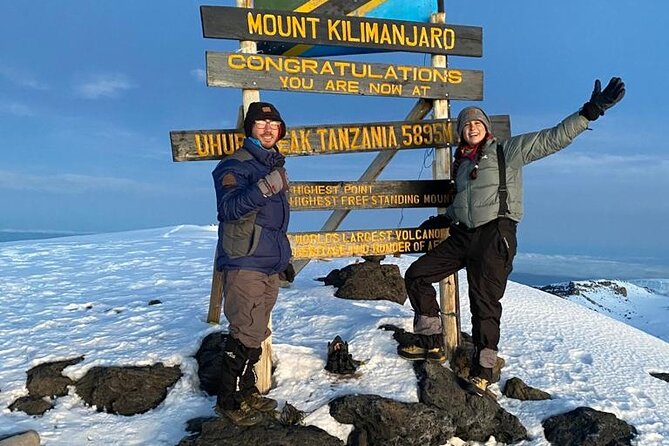
- Experience: The climb takes you through distinct ecological zones, from rainforest and moorland to alpine desert and arctic summit. Reaching Uhuru Peak (5,895m) is a life-changing moment.
- Preparation: Proper physical training, appropriate gear, and choosing a reputable operator are crucial for a safe and successful climb. Acclimatization is paramount.
Zanzibar Archipelago: The Spice Island’s Charm
Beyond the wildlife and mountains, Zanzibar offers a cultural and natural contrast. It’s an ideal place to relax and explore after a safari or trek.
- Stone Town: A UNESCO World Heritage Site, Stone Town is a labyrinth of narrow streets, bustling bazaars, historic mosques, and intricately carved doors. It’s a melting pot of Arab, Persian, Indian, and European influences.
- Spice Tours: Zanzibar is famously known as the ‘Spice Island’. Tours offer a sensory journey, exploring plantations where cloves, nutmeg, cinnamon, vanilla, and other spices are grown.
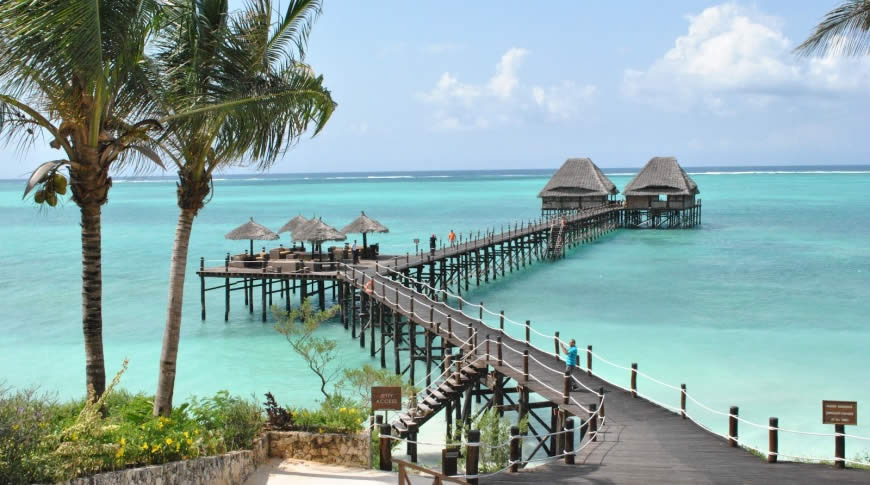
- Beaches: Pristine white-sand beaches line the coast, particularly on the north and east sides of the island. Nungwi, Kendwa, Paje, and Jambiani offer relaxation, water sports, and stunning ocean views.
- Marine Life: Snorkeling and diving around the islands, especially at Mnemba Atoll, reveal vibrant coral reefs and diverse marine life.
Cultural Encounters: Beyond the Tourist Trail
Authentic cultural experiences are central to our expedition journeys. These are opportunities to engage respectfully with local communities and gain a deeper understanding of Tanzanian life.
- Maasai Villages: Visits to Maasai bomas (homesteads) offer insights into their traditional pastoralist lifestyle, social structures, and customs. Responsible tours ensure these visits are mutually beneficial.
- Hadza and Datoga Tribes: In areas like Lake Eyasi, you can encounter hunter-gatherer communities like the Hadza and the blacksmithing Datoga people, offering a glimpse into ancient ways of life.
- Local Markets: Exploring bustling local markets provides a vibrant snapshot of daily life, from colorful produce to handmade crafts.
- Swahili Culture: On Zanzibar, learning about Swahili traditions, cuisine, and history through guided walks and interactions enriches the island experience.
Tanzania Expedition Route Overview (Northern Circuit Focus)
This is a typical flow for a northern circuit safari, often combined with Kilimanjaro or Zanzibar.
- Arrival in Arusha: Gateway to Northern Tanzania. Briefing and preparation.
- Tarangire National Park: Known for elephants and baobabs. 1-2 nights.
- Lake Manyara National Park: Famous for tree-climbing lions and birdlife. Day trip or overnight.
- Ngorongoro Conservation Area: Crater descent for Big Five viewing. 1-2 nights (lodge/camp on crater rim or nearby).
- Serengeti National Park: Central, Western, or Northern sector depending on migration. 3-5 nights.
- Optional: Kilimanjaro trek (before or after safari), Zanzibar (flight from Arusha or Serengeti airstrip).
Crafting Your Itinerary: Logic and Planning
Designing a successful cultural and nature expedition journey involves careful consideration of your interests, time, and budget. The flow of a typical Tanzanian trip is often dictated by geography and wildlife movements.
Safari Itinerary Logic
Most Northern Circuit safaris begin and end in Arusha. The typical order is designed to maximize game viewing and minimize travel time between parks. For 2026-2027, booking in advance is highly recommended, especially for peak seasons.
- Start Point: Arusha is the common starting point. You’ll typically spend a night here upon arrival to rest and prepare.
- Logical Progression: Many tours follow a sequence like Arusha -> Tarangire -> Lake Manyara -> Ngorongoro -> Serengeti. This route makes geographical sense and offers a diverse range of wildlife experiences.
- Migration Timing: If witnessing the Great Migration river crossings is a priority, your Serengeti itinerary will be timed for June-August (Western Corridor/Grumeti River) or July-October (Northern Serengeti/Mara River). For calving season, focus on the Ndutu area in January-February.
- Duration: A minimum of 5-7 days is recommended for a good overview of the Northern Circuit. Longer trips (10-14 days) allow for deeper exploration of the Serengeti, inclusion of less-visited parks, or combining safari with Kilimanjaro or Zanzibar.
Kilimanjaro Trekking Planning
Climbing Kilimanjaro is a serious undertaking requiring meticulous planning.
- Route Selection: Choose a route based on your fitness, time available, and desire for acclimatization. Longer routes (Lemosho, Machame) generally offer better acclimatization and higher success rates.
- Duration: A minimum of 6 days is common for shorter routes like Machame, but 7-8 days are highly recommended for better acclimatization and a more enjoyable experience.
- Operator Choice: This is critical. Select a company with a strong safety record, experienced guides, good equipment, and ethical treatment of porters.
- Physical & Mental Prep: Train consistently for several months, focusing on cardiovascular fitness and endurance.
Zanzibar Integration
Zanzibar can be easily added to a safari or trek. Flights are available from Arusha or Serengeti airstrips to Zanzibar’s Abeid Amani Karume International Airport (ZNZ).
- Duration: 3-7 days is typical for Zanzibar, allowing time for Stone Town exploration, spice tours, and beach relaxation.
- Location: Choose your beach base based on your preferred atmosphere – Nungwi/Kendwa for lively vibes, Paje/Jambiani for kite surfing and a more local feel.
Sample Expedition Itinerary: 10-Day Tanzania Explorer (2026-2027)
This sample itinerary balances wildlife, culture, and a taste of Zanzibar. It can be customized.
Day 1: Arrival in Arusha
Arrive at Kilimanjaro International Airport (JRO), transfer to your hotel in Arusha. Briefing with your guide.
Day 2: Arusha to Tarangire National Park
Morning drive to Tarangire, known for its large elephant herds and baobab trees. Afternoon game drive. Overnight near Tarangire.
Day 3: Tarangire to Ngorongoro Conservation Area
Morning game drive in Tarangire, then drive to the Ngorongoro Conservation Area. Visit a Maasai village en route (optional). Overnight on the crater rim or nearby.
Day 4: Ngorongoro Crater Tour & Serengeti
Descend into the Ngorongoro Crater for a morning game drive. Afterwards, drive to the Serengeti National Park, entering via the Naabi Hill Gate. Game drive en route to your lodge/camp in Central Serengeti.
Day 5-6: Serengeti National Park
Full days exploring the Serengeti. Game drives focused on predator sightings and the Great Migration (timing dependent). Optional hot air balloon safari.
Day 7: Serengeti to Zanzibar
Morning game drive in the Serengeti, then transfer to a local airstrip for a flight to Zanzibar. Transfer to your hotel in Stone Town.
Day 8: Stone Town & Spice Tour
Morning walking tour of historic Stone Town. Afternoon spice tour to learn about local spices and fruits.
Day 9: Zanzibar Beaches
Transfer to your chosen beach resort (e.g., Nungwi, Paje). Relax, swim, or enjoy optional water sports.
Day 10: Departure
Enjoy a final morning on the beach before transferring to Zanzibar Airport (ZNZ) for your onward flight.
What to Expect: The Realities of Expedition Travel
Cultural and nature expedition journeys in Tanzania offer incredible rewards but also come with certain realities.
- Wildlife Viewing: While Tanzania boasts exceptional wildlife density, sightings are not guaranteed. Patience and expert guiding are key. The Great Migration is a cyclical event, and specific movements can vary.
- Accommodation: Options range from luxury lodges and tented camps to more basic but comfortable guesthouses. Expect varying levels of comfort, amenities, and service depending on your chosen style and budget.
- Road Conditions: Roads within parks can be rough and dusty, especially during the rainy season. Game drives involve bumpy rides, which are part of the adventure.
- Cultural Sensitivity: When visiting communities, dress modestly, ask permission before taking photos, and be open to learning. Respect local customs and traditions.
- Connectivity: Mobile phone signal and Wi-Fi can be intermittent or unavailable in remote areas and national parks. Embrace the digital detox.
- Guides: Your safari driver-guide is crucial. They are knowledgeable about wildlife, local culture, and the parks. Good communication with your guide enhances the experience.
Packing and Preparation Essentials
Proper packing is vital for comfort and safety on your Tanzanian expedition. Layering is key due to varying temperatures.
Safari & General Travel:
- Lightweight, neutral-colored clothing (khaki, beige, olive green)
- Long-sleeved shirts and trousers (for sun and insect protection)
- Warm fleece or jacket (for cool mornings/evenings)
- Comfortable walking shoes or hiking boots
- Sandals or flip-flops for camp/lodge
- Sun hat with a wide brim
- Sunglasses
- High SPF sunscreen
- Insect repellent (with DEET)
- Binoculars (essential for wildlife viewing)
- Camera with extra batteries and memory cards
- Power adapter and portable power bank
- Personal first-aid kit
- Reusable water bottle
- Small backpack for day trips
- Headlamp or flashlight
- Swimsuit (for lodges with pools or Zanzibar)
Kilimanjaro Trekking (Additional):
- Waterproof and windproof outer shell jacket and trousers
- Warm insulated jacket (down or synthetic)
- Thermal base layers (merino wool or synthetic)
- Fleece mid-layers
- Warm hat and gloves
- Trekking poles
- Gaiters
- Waterproof hiking boots (broken in)
- Sleeping bag (rated to -10°C or -20°C)
- Duffel bag for porters (waterproof)
- Small daypack
Zanzibar (Additional):
- Lightweight, breathable clothing
- Swimwear
- Rash guard for sun protection in water
- Light scarf or sarong (useful for modesty in Stone Town)
Common Mistakes to Avoid
Planning a trip to Tanzania is exciting, but avoiding common pitfalls can ensure a smoother, more enjoyable experience.
- Underestimating Travel Times: Distances in Tanzania can be long, and road conditions can slow travel. Always factor in generous travel times between locations.
- Not Booking in Advance: Especially for 2026-2027 travel, popular lodges, safari vehicles, and Kilimanjaro permits get booked up months, sometimes a year, in advance.
- Packing Inappropriately: Overpacking or packing the wrong items (e.g., bright colors for safari, inadequate warm gear for Kilimanjaro) can detract from your trip.
- Ignoring Health Advice: Failing to consult a doctor about necessary vaccinations and malaria prevention can lead to serious health issues.
- Choosing the Cheapest Operator: While budget is a factor, the cheapest option often compromises on safety, guide quality, vehicle maintenance, or ethical treatment of staff. Prioritize value and reputation.
- Expecting Guaranteed Sightings: Wildlife viewing is unpredictable. Be patient and enjoy the entire safari experience, not just the big-ticket sightings.
- Not Budgeting for Extras: Factor in tips, park fees (if not fully included), drinks, souvenirs, and optional activities like hot air balloon safaris.
Who Are Cultural and Nature Expedition Journeys Best For?
These journeys are ideal for a range of travelers seeking depth and authenticity:
- Adventure Seekers: Those who enjoy active travel, trekking, and exploring off-the-beaten-path locations.
- Nature Enthusiasts: Individuals passionate about wildlife, birdwatching, and diverse ecosystems.
- Culture Curious Travelers: People interested in understanding different ways of life, interacting with local communities, and learning about history and traditions.
- Photographers: Tanzania offers unparalleled opportunities for wildlife and landscape photography.
- Families: Age-appropriate safaris can be incredibly educational and bonding experiences for families.
- Couples: Romantic safaris and Zanzibar getaways are popular for honeymoons and anniversaries.
- Solo Travelers: Tanzania is a safe destination, and group tours or joining a small group safari can be a great way to experience it.
Traveler Type Comparison
| Traveler Type | Safari Focus | Cultural Focus | Adventure Level | Pace | Accommodation Style |
|---|---|---|---|---|---|
| The Wildlife Enthusiast | High (Serengeti, Ngorongoro, Tarangire) | Moderate (Maasai visits) | Moderate (game drives) | Moderate | Tented camps, lodges with good views |
| The Culture Seeker | Moderate (park visits) | High (Stone Town, villages, markets) | Low to Moderate | Leisurely to Moderate | Boutique hotels, guesthouses, cultural homestays |
| The Adventurer | Moderate (safari intro) | Moderate (village visits) | High (Kilimanjaro, potentially water sports) | Active | Camping (Kilimanjaro), lodges, basic camps |
| The Relaxation Seeker | Low (short safari) | Moderate (Zanzibar history) | Low | Slow | Beach resorts, luxury lodges |
Alternatives and Complementary Experiences
While Tanzania is a top choice, consider these for similar experiences:
- Kenya: Offers similar iconic safari destinations like the Maasai Mara (for the Great Migration), Amboseli (for elephants with Kilimanjaro backdrop), and rich cultural interactions.
- Uganda/Rwanda: Primarily known for gorilla trekking and chimpanzee tracking, offering a different kind of wildlife encounter.
- Botswana: Known for its high-end, low-impact tourism model, particularly in the Okavango Delta, offering pristine wilderness and exclusivity.
- South Africa: Offers a wide range of safari experiences, often with more developed infrastructure and easier accessibility, though sometimes less wild than East Africa.
Planning Your 2026-2027 Tanzania Expedition
Proactive planning is essential for a successful trip, especially when looking at travel dates for 2026 and 2027. The earlier you start, the better your options will be.
12-18 Months Before:
- Research: Define your interests – safari focus, Kilimanjaro climb, Zanzibar relaxation, cultural immersion?
- Budget: Establish a realistic budget. Tanzania can range from mid-range to luxury.
- Choose Operator: Research and shortlist reputable tour operators. Look for reviews, certifications, and clear communication.
- Select Dates: Consider the best time to visit for your priorities (e.g., migration, weather).
9-12 Months Before:
- Book Key Elements: Secure your chosen tour operator. Book Kilimanjaro climbs (permits are limited) and popular lodges/camps, especially for peak season 2026-2027.
- Flights: Start monitoring international flight prices.
6-9 Months Before:
- Refine Itinerary: Work with your operator to finalize daily plans.
- Visa Research: Understand visa requirements for your nationality.
- Health Consultations: Book appointments with your doctor or a travel clinic for vaccinations and malaria advice.
3-6 Months Before:
- Book Flights: Purchase international flights.
- Travel Insurance: Purchase comprehensive travel insurance that covers medical emergencies, trip cancellation, and activities like Kilimanjaro trekking.
- Gear Shopping: Begin purchasing or renting necessary gear, especially for Kilimanjaro.
1-3 Months Before:
- Final Payments: Make any remaining payments to your tour operator.
- Visa Application: Apply for your visa if required and not available on arrival.
- Pack Smart: Start organizing your packing list.
Last Month:
- Confirm Details: Reconfirm flight times, accommodation, and tour operator arrangements.
- Currency Exchange: Obtain some USD for initial expenses and local currency (TZS) upon arrival.
- Final Checks: Ensure all documents (passport, visas, insurance, tickets) are in order.
Booking Your Cultural and Nature Expedition Journey
Choosing the right tour operator is paramount to a successful and memorable trip. We specialize in crafting personalized cultural and nature expedition journeys that go beyond the ordinary.
When selecting an operator for your 2026-2027 adventure, consider the following:
- Experience and Reputation: Look for operators with a proven track record in Tanzania and positive client testimonials.
- Safety Standards: Especially critical for Kilimanjaro treks and remote safaris. Ensure they have robust safety protocols and trained staff.
- Guide Quality: Knowledgeable, experienced, and personable guides significantly enhance your trip.
- Itinerary Customization: The best operators offer flexibility to tailor trips to your specific interests and pace.
- Ethical Tourism Practices: Support operators who engage responsibly with local communities and contribute to conservation efforts.
- Inclusions and Exclusions: Understand exactly what is covered in your package (park fees, meals, accommodation, activities, transfers) to avoid surprises.
At Best Tanzania Tour Operator, we pride ourselves on delivering exceptional experiences. Our team has deep local knowledge and a passion for showcasing the best of Tanzania. We offer:
- Tailored Safaris: From the vast Serengeti to the unique Ngorongoro Crater.
- Kilimanjaro Treks: Guided climbs with experienced teams focusing on safety and success.
- Zanzibar Packages: Combining relaxation with cultural exploration.
- Cultural Immersion: Authentic interactions with local communities.
- Custom Itineraries: Designed to match your interests, budget, and travel style.
Let us help you plan your dream cultural and nature expedition journey for 2026 or 2027. We are committed to providing a journey that is both exhilarating and deeply rewarding.
Get in Touch to Plan Your Expedition
Ready to start planning your unforgettable cultural and nature expedition journeys in Tanzania? Contact us today to discuss your ideas and receive a personalized itinerary proposal.
WhatsApp: +255616946642
Email: topguideadventures@gmail.com
Backup Email: info@topguideadventures.com
Plan your Cultural and Nature Expedition Journeys with Top Guide Adventures
Tell us your travel dates, group size, comfort level, and dream experience. We will help you shape a clear, realistic, and memorable Tanzania itinerary.
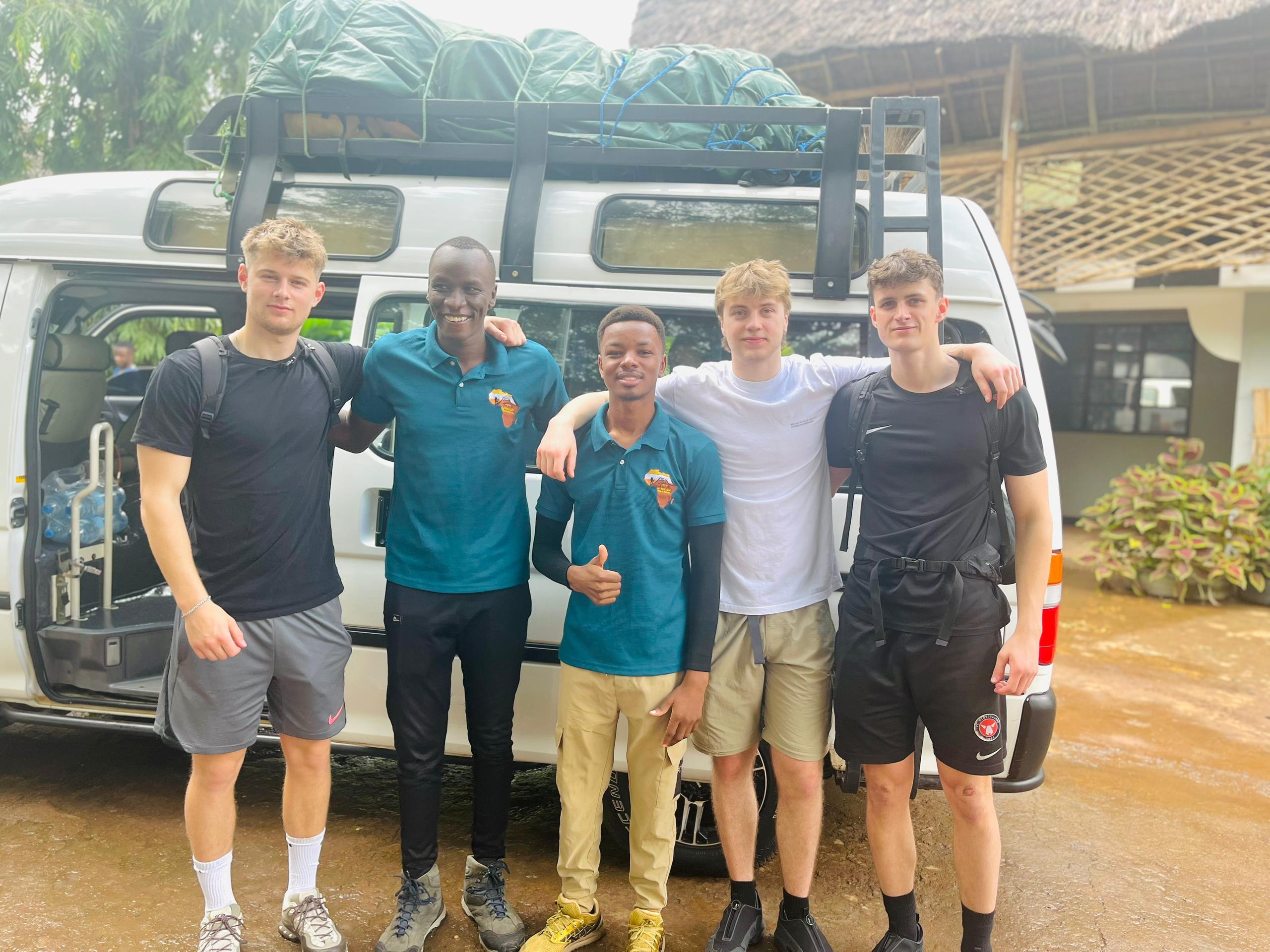
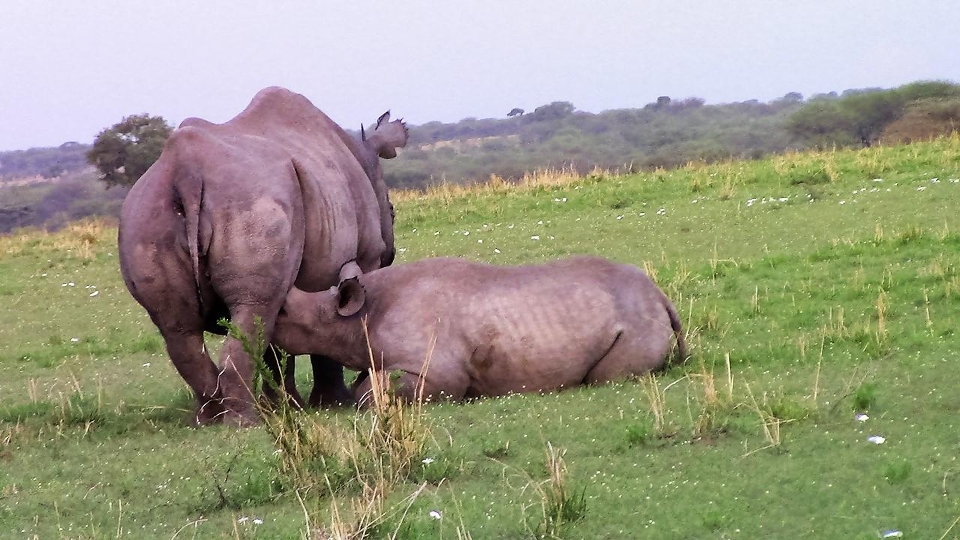

 Veedesigner
 Fatma Kizanga
 Benjamin Waryuba
 Philip Philip
 John jr Itaja
 Antonia Optatus
 Edith Kanyere
 Neema Iddy
 Kelvin Boniphace
 Damari Maiga



