
Updated planning guide for 2026-2027
Africa Expedition Journeys For Nature Lovers: Complete Guide 2026-2027
Discover the magic of Africa expedition journeys tailored for nature enthusiasts. This comprehensive guide covers everything from planning and destinations to packing and booking your unforgettable adventure in 2026-2027.
WhatsApp +255616946642 | topguideadventures@gmail.com | info@topguideadventures.com
Africa Expedition Journeys for Nature Lovers: The Ultimate Guide
Africa. The very name conjures images of vast savannas teeming with wildlife, ancient forests echoing with the calls of exotic birds, and landscapes so grand they humble the soul. For the passionate nature lover, an Africa expedition journey is not just a holiday; it’s a profound connection with the wild heart of our planet. This guide is crafted for those who dream of witnessing the Great Migration, tracking gorillas through misty mountains, or exploring the unique ecosystems of this incredible continent. We’ll cover everything you need to know to plan an unforgettable expedition, focusing on what makes an African adventure truly special for nature enthusiasts. We’ll look at planning for 2026 and 2027, ensuring you’re ahead of the curve.
Quick Answer: What is an Africa Expedition Journey for Nature Lovers?
An Africa expedition journey for nature lovers is a carefully planned trip focused on experiencing the continent’s diverse natural environments and wildlife in their purest forms. It emphasizes immersion in nature, often involving activities like game drives, walking safaris, birdwatching, and exploring diverse habitats, prioritizing conservation and responsible tourism. It’s about deeper engagement with the natural world beyond typical tourist routes.
| Aspect | Details |
|---|---|
| Focus | Wildlife, ecosystems, natural landscapes, conservation. |
| Activities | Game drives, walking safaris, birdwatching, primate tracking, photography, cultural interactions with a nature focus. |
| Destinations | Tanzania (Serengeti, Ngorongoro), Kenya (Masai Mara), Rwanda/Uganda (gorilla trekking), Botswana (Okavango Delta), South Africa (Kruger), Namibia (Etosha). |
| Best Time | Varies by region; generally dry seasons for wildlife viewing (e.g., June-October for East Africa). |
| Duration | Typically 7-21 days, depending on scope and destinations. |
| Travel Style | Can range from comfortable lodge stays to more rugged mobile camping expeditions. |
Planning Your Africa Expedition Journey for Nature Lovers
Structuring an expedition that truly satisfies a nature lover’s curiosity requires thoughtful planning. It’s more than just booking flights and accommodation; it’s about crafting an experience that aligns with your specific interests in the natural world. Whether your passion lies with the big cats of the Serengeti, the unique flora of the Cape, or the ancient forests of the Congo basin, the right expedition will immerse you deeply.
Defining Your Nature Interests
Before you even look at destinations, consider what aspects of nature excite you most:
- Mammal Megafauna: Are you drawn to iconic species like elephants, lions, rhinos, or the vast herds of the Great Migration?
- Avian Wonders: Do you dream of spotting rare birds, from colorful rollers to majestic raptors?
- Primate Encounters: Is the chance to see gorillas, chimpanzees, or other primates in their natural habitat a priority?
- Unique Ecosystems: Are you fascinated by deserts, wetlands, rainforests, or unique geological formations?
- Conservation Focus: Do you want to learn about and support conservation efforts directly?
Your answers will guide your destination choices and the types of activities you should seek.
Choosing the Right Destination
Africa is immense and incredibly diverse. For nature lovers, certain regions stand out:
- Tanzania: Renowned for the Serengeti’s Great Migration, Ngorongoro Crater’s dense wildlife, and diverse habitats from mountains to coast. Excellent for classic savanna wildlife viewing.
- Kenya: The Masai Mara offers similar migration viewing and is a prime spot for big cats. Amboseli provides iconic elephant sightings with Kilimanjaro as a backdrop.
- Rwanda & Uganda: The ultimate destinations for mountain gorilla and chimpanzee trekking, respectively. Their cloud forests and rainforests are rich in biodiversity.
- Botswana: The Okavango Delta offers a unique water-based safari experience, with exceptional game viewing in a less crowded environment. Chobe National Park is famous for its elephant populations.
- Namibia: Offers starkly beautiful desert landscapes, unique desert-adapted wildlife in Etosha National Park, and the dramatic Skeleton Coast.
- South Africa: Kruger National Park provides excellent, accessible wildlife viewing, while areas like the Western Cape boast fynbos unique to the region.
When to Travel: Seasonality for Nature Expeditions
The ‘best’ time depends heavily on your specific interests and destination. Generally, the dry seasons offer the most concentrated wildlife viewing as animals congregate around water sources. However, the green season (wet season) can be spectacular for birdwatching and offers lush landscapes.
| Interest/Region | Dry Season (Peak Wildlife) | Green Season (Birding, Lush Scenery) | Specific Events |
|---|---|---|---|
| East Africa (Tanzania, Kenya) – General Wildlife | June – October | November – May | Great Migration (Serengeti/Masai Mara): Varies, but river crossings often July-September. Calving season in Southern Serengeti Jan-March. |
| East Africa – Birdwatching | Generally good year-round, but can be better during the wet season when migratory birds are present. | November – April (Migratory birds) | – |
| Rwanda/Uganda – Gorilla Trekking | January – February, June – September | March – May, October – December (can be muddy, more challenging treks) | – |
| Botswana – Okavango Delta | May – October (water levels rise, ideal for mokoro excursions) | November – April (lush, good for game viewing before water recedes) | – |
| Namibia – Etosha | May – October (animals gather at waterholes) | November – April (fewer crowds, greener landscape) | – |
Duration and Pace
Nature expeditions benefit from a slower pace. Rushing between locations means you miss the subtle changes in the environment and animal behavior. For a truly immersive experience:
- Minimum 7-10 days: For a single park or region (e.g., Serengeti or Ngorongoro).
- 14-21 days: Recommended for combining 2-3 distinct ecosystems (e.g., Serengeti, Ngorongoro, and a birding area or Zanzibar for marine life).
- 21+ days: For comprehensive expeditions covering multiple countries or diverse habitats like desert, savanna, and rainforest.
Key Destinations for Africa Expedition Journeys for Nature Lovers
While many African countries offer incredible nature experiences, some are particularly renowned for their biodiversity and conservation efforts.
Tanzania: The Quintessential African Wilderness
Tanzania is a powerhouse for nature lovers. Its northern circuit is world-famous, but the country offers far more.
- Serengeti National Park: The stage for the Great Migration. Witnessing millions of wildebeest, zebras, and gazelles is a spectacle of nature. Beyond the migration, the Serengeti boasts high predator densities, offering excellent chances to see lions, leopards, cheetahs, and hyenas. Its vast plains, acacia woodlands, and kopjes provide diverse habitats.
- Ngorongoro Conservation Area: Home to the Ngorongoro Crater, a UNESCO World Heritage site. This ancient caldera is a self-contained ecosystem with an astonishing concentration of wildlife, including the Big Five. It’s a prime location for spotting black rhinos and a remarkable array of birdlife.
- Tarangire National Park: Known for its large elephant herds and iconic baobab trees. It’s particularly stunning during the dry season when elephants congregate around the Tarangire River. Great for birding too.
- Lake Manyara National Park: Famous for its tree-climbing lions and large flamingo populations. Its diverse habitats include groundwater forests, savanna, and the lake itself.
- Selous Game Reserve (Nyerere National Park): A vast wilderness in southern Tanzania, offering boat safaris on the Rufiji River, walking safaris, and excellent chances to see wild dogs, elephants, and hippos. Less crowded than the northern circuit.
Kenya: Migration Spectacle and Big Cat Country
Kenya’s Masai Mara is often seen as the northern extension of the Serengeti’s ecosystem, offering similar wonders.
- Masai Mara National Reserve: The star attraction, especially during the migration (July-October). It’s renowned for its large lion prides, cheetahs, and leopards. The open grasslands and riverine forests are teeming with life.
- Amboseli National Park: Offers breathtaking views of Mount Kilimanjaro as a backdrop to large herds of elephants. The park’s swamps and acacia woodlands support diverse wildlife.
- Samburu National Reserve: Known for its unique ‘Samburu Special Five’ – the Grevy’s zebra, reticulated giraffe, Somali ostrich, gerenuk, and beisa oryx – species adapted to the arid northern landscape.
Rwanda & Uganda: Primate Paradises
For those whose primary interest is primates, these two countries are unparalleled.
- Volcanoes National Park (Rwanda): The primary destination for mountain gorilla trekking. The dramatic volcanic landscape is home to habituated gorilla families, offering deeply moving encounters. It’s also a place to track the endangered golden monkey.
- Bwindi Impenetrable National Park (Uganda): Offers the highest density of gorillas in Africa, with multiple trekking sectors. Its ancient rainforest is incredibly biodiverse, with numerous bird and butterfly species.
- Kibale National Park (Uganda): Known as the ‘Primate Capital of the World’, Kibale offers chimpanzee tracking and is home to 12 other primate species. The forest itself is a marvel of biodiversity.
Botswana: The Jewel of the Kalahari
Botswana offers a more exclusive and pristine safari experience, particularly in its water-rich regions.
- Okavango Delta: A UNESCO World Heritage site, this inland delta floods seasonally, creating a unique wetland ecosystem. Mokoro (dugout canoe) excursions offer a silent, intimate way to observe wildlife. It’s exceptional for birdlife, hippos, crocodiles, and large predators.
- Chobe National Park: Famous for having one of the largest concentrations of elephants in Africa, especially along the Chobe River. Boat safaris here are legendary.
Crafting Your Itinerary: A Sample Africa Expedition
Here’s a sample itinerary designed for nature lovers focusing on Tanzania’s northern circuit, combining iconic wildlife with diverse ecosystems. This is a suggestion, and custom itineraries are our specialty.
Sample 14-Day Tanzania Northern Circuit Nature Expedition
Focus: Big game, birdlife, Ngorongoro Crater ecosystem, diverse landscapes.
-
Day 1-2: Arusha & Introduction to East African Flora/Fauna
- Arrive at Kilimanjaro International Airport (JRO). Transfer to Arusha.
- Visit Arusha National Park for a gentle introduction to wildlife and birding, or explore local botanical gardens.
- Briefing on the expedition ahead.
-
Day 3-5: Tarangire National Park – Elephants & Baobabs
- Drive to Tarangire, famous for its large elephant herds and ancient baobab trees.
- Morning and afternoon game drives focusing on elephant behavior, birdlife (over 500 species), and unique flora.
- Optional walking safari to experience the bush on foot.
-
Day 6-8: Lake Manyara National Park & Rift Valley Escarpment
- Short drive to Lake Manyara.
- Explore the groundwater forests, looking for tree-climbing lions, monkeys, and abundant birdlife.
- Visit the soda lake for flamingo viewing.
- Enjoy views from the Rift Valley escarpment.
-
Day 9-12: Serengeti National Park – The Great Plains
- Fly or drive into the vast Serengeti. Depending on the season, focus on different areas (e.g., central for resident predators, north for river crossings, south for calving).
- Multiple game drives daily, seeking lions, leopards, cheetahs, and observing the dynamics of the ecosystem.
- Focus on photographic opportunities and understanding predator-prey relationships.
- Optional hot air balloon safari at sunrise for a unique aerial perspective.
-
Day 13: Ngorongoro Crater – A Natural Amphitheater
- Descend into the Ngorongoro Crater for a full day of game viewing.
- Excellent chances to see the Big Five, including the rare black rhino.
- Observe diverse birdlife and the unique micro-ecosystems within the crater.
- Overnight at a lodge on the crater rim with stunning views.
-
Day 14: Departure
- Morning drive back to Arusha or Kilimanjaro International Airport (JRO) for your departure.
Illustrative Route Map (Conceptual)
This is a simplified representation of the route covered in the sample itinerary:
Arusha -> (South-West) Tarangire -> (West) Lake Manyara -> (North-West) Serengeti (various sectors) -> (South-East) Ngorongoro Crater -> (East) Arusha/JRO.
What to Expect on Your Expedition
Africa expedition journeys for nature lovers are designed for immersion. This means being prepared for varying conditions and embracing the unpredictability of the wild.
Accommodation Styles
Your comfort and immersion needs will dictate accommodation. Options include:
- Luxury Safari Lodges: Offer high comfort, excellent service, and prime locations, often with private reserves or exclusive access.
- Tented Camps: Provide a more intimate bush experience. Can range from luxurious canvas suites to more basic but comfortable explorer tents. Many offer exceptional wildlife viewing right from your tent.
- Mobile Safaris: For the ultimate immersion, these camps move with the wildlife (especially during the migration), offering a true wilderness experience with comfortable, yet often simpler, setups.
- Standard Hotels: In cities or towns like Arusha, providing a base before or after the safari.
Daily Rhythms
Expect early mornings and late afternoons, the prime times for wildlife activity. Days typically involve:
- Early Morning Game Drive: Setting out just after sunrise to catch predators on the move and animals active in the cooler hours.
- Mid-day Break: Returning to camp or lodge for breakfast/brunch, relaxation, or optional activities.
- Afternoon/Evening Game Drive: Heading out again in the late afternoon, often continuing until sunset, to witness the change in animal behavior and enjoy the golden light.
- Night Drives: In some private concessions, offering a chance to see nocturnal animals.
The Role of Guides
Your guide is crucial. An expert guide for a nature expedition will not only know animal behavior and locations but also possess a deep understanding of ecology, botany, and ornithology. They are your educators and interpreters of the wild.
Inclusions, Packing, and Preparation
Proper preparation ensures your comfort and safety, allowing you to focus on the incredible nature surrounding you.
What’s Typically Included in an Expedition Package?
When booking with a reputable operator like Best Tanzania Tour Operator (Top Guide Adventures), an expedition package usually covers:
- Accommodation during the safari/expedition.
- All meals (breakfast, lunch, dinner) while on safari.
- Park entrance fees.
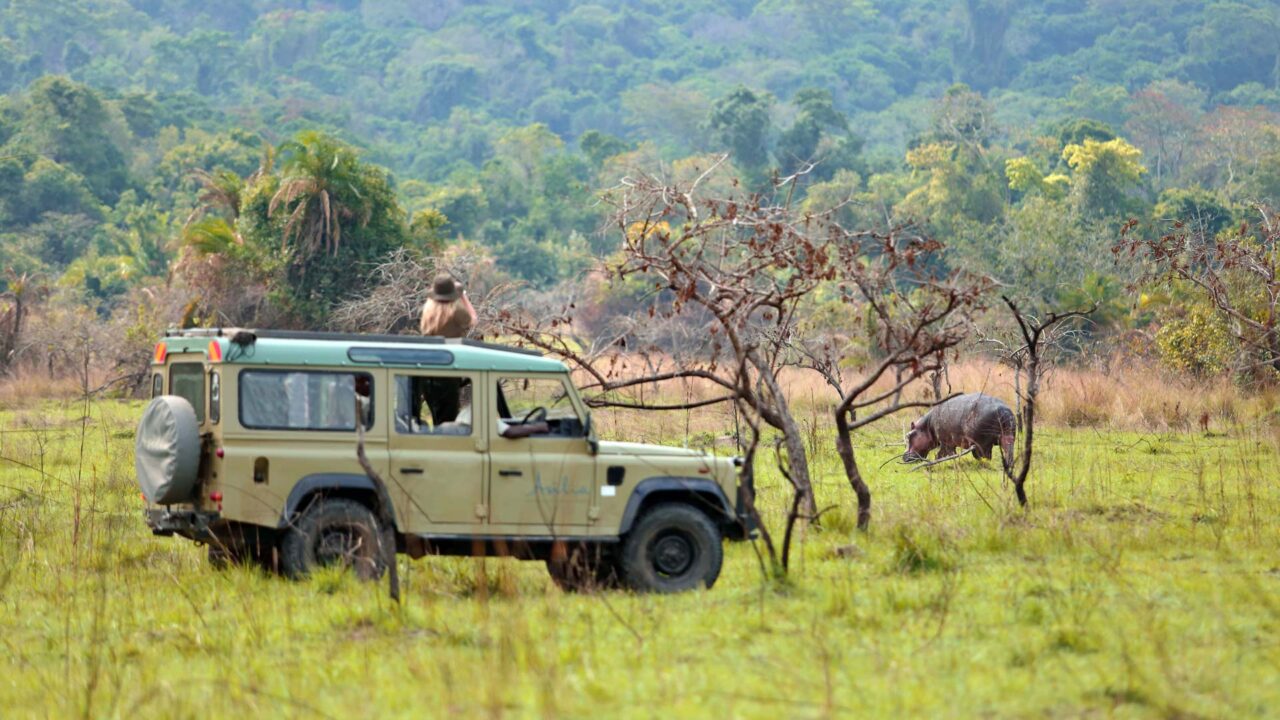
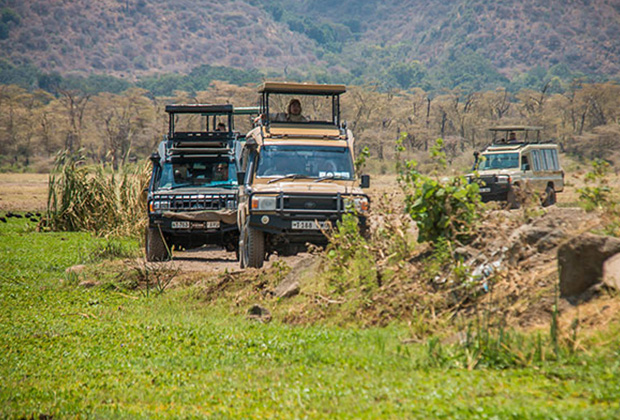
- Game drives in a 4×4 safari vehicle with a professional guide.
- Airport transfers.
- Drinking water in the vehicle.
- For Kilimanjaro treks: camping equipment, food, guides, porters, park fees.
Typically Not Included:
- International flights.
- Visas.
- Travel insurance (essential!).
- Gratuities for guides and staff.
- Personal expenses (souvenirs, drinks, laundry).
- Optional activities (e.g., hot air balloon safaris, walking safaris if not standard).
Essential Packing List for Nature Lovers
Think layers, comfort, and practicality. Neutral colors are best to avoid startling wildlife.
- Clothing:
- Lightweight, long-sleeved shirts (neutral colors like khaki, olive, beige).
- Lightweight, long trousers (quick-drying).
- T-shirts and casual wear for evenings.
- A warm fleece or jacket for cool mornings and evenings.
- A waterproof and windproof jacket.
- A wide-brimmed hat for sun protection.
- Comfortable walking shoes or hiking boots (broken in).
- Sandals or flip-flops for camp.
- Swimsuit (for lodges with pools).
- Gear:
- High-quality binoculars (essential for wildlife viewing!).
- Camera with extra batteries and memory cards. A zoom lens is highly recommended.
- A good headlamp or flashlight.
- A personal first-aid kit with any personal medications.
- Sunscreen (high SPF).
- Insect repellent (with DEET or Picaridin).
- A reusable water bottle.
- A dry bag or waterproof backpack for day trips.
- Power adapter and portable power bank.
- Documents:
- Passport (with at least 6 months validity).
- Visa (if required).
- Yellow Fever vaccination certificate (if required).
- Travel insurance details.
- Copies of all important documents.
Preparation and Health
- Vaccinations and Malaria Precautions: Consult your doctor or a travel clinic well in advance of your 2026-2027 trip regarding recommended vaccinations (e.g., Yellow Fever, Hepatitis A, Typhoid) and malaria prophylaxis.
- Travel Insurance: Comprehensive travel insurance is non-negotiable. Ensure it covers medical emergencies, evacuation, trip cancellation, and lost belongings.
- Physical Fitness: While most safaris involve minimal strenuous activity, some walking safaris or trekking might require a moderate level of fitness.
- Mindset: Be prepared for early mornings, potentially long drives, and the fact that wildlife sightings are not guaranteed. Embrace the experience and the unexpected.
Common Mistakes to Avoid
To ensure your expedition is smooth and rewarding, be aware of potential pitfalls:
- Underestimating Travel Times: Distances in Africa can be vast, and road conditions can be variable. Always factor in generous travel times.
- Packing Too Much: Especially if flying between locations, luggage restrictions apply. Focus on versatile items.
- Not Bringing Binoculars: A good pair of binoculars is as essential as a camera for truly appreciating wildlife.
- Expecting Guaranteed Sightings: Wildlife is wild. While guides are skilled, patience and luck play a role. Enjoy the journey, the landscapes, and the smaller details.
- Ignoring Local Advice: Listen to your guides. They understand the environment and safety protocols.
- Not Booking in Advance: Popular lodges and peak season travel (especially for migration viewing or gorilla permits) need to be booked many months, sometimes over a year, in advance, particularly for 2026 and 2027 travel.
Who is an Africa Expedition Journey for Nature Lovers Best Suited For?
This type of journey is ideal for:
- Passionate Wildlife Enthusiasts: Those who find deep joy in observing animals in their natural habitats.
- Avid Birdwatchers: Africa boasts an incredible diversity of birdlife.
- Photographers: From amateur to professional, the photographic opportunities are unparalleled.
- Conservation-Minded Travelers: Those interested in learning about and supporting efforts to protect wildlife and ecosystems.
- Adventurous Spirits: Travelers who appreciate rugged beauty, are comfortable with early mornings, and enjoy being immersed in nature.
- Those Seeking Deeper Connection: Individuals looking for more than just a surface-level tourist experience, wanting to understand the intricacies of African ecosystems.
It may be less suited for those seeking constant luxury, nightlife, or a fast-paced, city-centric experience.
Alternatives to Consider
While Tanzania, Kenya, and Uganda are prime, other African destinations offer unique nature expedition experiences:
- Namibia: For stark desert beauty, unique desert-adapted wildlife, and the chance to explore the Namib Desert and Skeleton Coast. Etosha National Park is excellent for concentrated game viewing around waterholes.
- South Africa: Offers a wide range of experiences, from the Big Five in Kruger National Park to the unique fynbos floral kingdom in the Western Cape. Excellent infrastructure can make it more accessible.
- Zambia: Renowned for its walking safaris, particularly in South Luangwa National Park, offering an intimate way to experience the bush.
- Madagascar: For a truly unique biodiversity experience, with endemic species found nowhere else on Earth, including lemurs and chameleons. This is a distinct ecosystem focus.
Planning Your 2026-2027 Africa Expedition
Planning for future travel, especially to popular destinations, requires foresight. Here’s how to prepare for your 2026-2027 expedition:
Booking Timeline
- 12-18 Months Ahead: For peak season travel (July-October in East Africa), specific lodges, gorilla permits (Rwanda/Uganda), or custom itineraries. This is crucial for securing preferred dates and accommodations in 2026 and 2027.
- 6-12 Months Ahead: For shoulder seasons or less in-demand destinations. Allows for good availability and potentially better pricing.
- 3-6 Months Ahead: For off-peak travel or simpler itineraries. Still advisable to book key elements like flights and popular accommodations.
Budget Considerations for 2026-2027
Africa expeditions can vary significantly in cost. Factors influencing price include:
- Destination: Some countries and parks are more expensive than others (e.g., Botswana vs. Kenya).
- Accommodation Level: Luxury lodges are considerably more expensive than tented camps or mobile safaris.
- Duration: Longer trips naturally cost more.
- Time of Year: Peak seasons command higher prices.
- Inclusions: Whether internal flights, all meals, or specific activities are included.
A rough estimate for a mid-range to upper-mid-range 10-day safari in Tanzania or Kenya, for example, might range from $4,000 to $8,000+ per person, excluding international flights. Gorilla permits alone can add $1,500+ per person.
Sustainability and Responsible Travel
Choose operators committed to conservation and supporting local communities. Look for:
- Practices that minimize environmental impact (waste management, energy use).
- Support for anti-poaching initiatives and wildlife research.
- Employment and fair wages for local staff.
- Respect for local cultures and traditions.
- Educating travelers on responsible wildlife viewing.
Booking Your Africa Expedition Journey with Confidence
Selecting the right tour operator is paramount for a successful Africa expedition journey for nature lovers. You need a partner who understands your specific interests and can handle the complex logistics.
Why Choose a Local Operator?
Local operators like Top Guide Adventures offer invaluable insights:
- Deep Destination Knowledge: We live and breathe Tanzania and East Africa. We know the best times to visit specific areas, the most reliable guides, and the hidden gems.
- Flexibility and Customization: We can tailor every aspect of your trip to your nature interests, pace, and budget.
- Local Support: Immediate assistance is available should any issues arise during your trip.
- Value: We often have better relationships with local suppliers, potentially offering better value without compromising quality.
- Contribution to Local Economy: Booking directly supports local businesses and communities.
What to Look For in a Tour Operator:
- Specialization: Do they focus on nature, wildlife, and the specific regions you’re interested in?
- Reputation: Check reviews and testimonials (though we don’t invent them, real ones are valuable!).
- Transparency: Clear communication about inclusions, exclusions, and pricing.
- Responsiveness: How quickly and thoroughly do they answer your questions?
- Expertise: Do their guides have deep knowledge of the flora and fauna?
Ready to Plan Your 2026-2027 Expedition?
Let us help you craft the Africa expedition journey for nature lovers you’ve always dreamed of. Whether you’re captivated by the call of the wild or the quiet observation of a rare bird, we’re here to make it a reality. We specialize in creating personalized experiences that connect you deeply with Africa’s natural wonders.
Contact us today:
- WhatsApp: +255616946642
- Email: topguideadventures@gmail.com
- Backup Email: info@topguideadventures.com
Let’s start planning your unforgettable adventure for 2026 or 2027!
Frequently Asked Questions (FAQs)
Your Questions Answered
Q1: What is the single most important piece of advice for a nature lover planning an African expedition?
A1: Prioritize your specific nature interests (e.g., birding, big cats, primates) and choose destinations and seasons that best align with them. Don’t try to see everything; focus on depth of experience.
Q2: How much should I budget for a 10-day Tanzania safari in 2026?
A2: A mid-range to upper-mid-range 10-day safari in Tanzania for 2026 can typically range from $4,000 to $8,000+ per person, excluding international flights. This depends heavily on accommodation style, private vs. shared tours, and specific parks visited. Luxury options will be higher.
Q3: Is it safe to go on an Africa expedition journey for nature lovers?
A3: Yes, when planned with reputable operators and following safety guidelines. Reputable companies prioritize your safety with experienced guides, well-maintained vehicles, and knowledge of wildlife behavior and park regulations. Health precautions are also vital.
Q4: What are the must-have items for birdwatching on safari?
A4: High-quality binoculars (at least 8×42 or 10×42 magnification), a good field guide specific to the region, a camera with a zoom lens, and comfortable clothing in neutral colors are essential for successful birdwatching.
Q5: How do I book gorilla permits for 2027?
A5: Gorilla permits are highly sought after and must be booked well in advance, often 6-12 months or more for 2027. You can book them directly through the national park authorities (e.g., Uganda Wildlife Authority or Rwanda Development Board) or, more commonly and conveniently, through a tour operator who will secure them for you as part of your package.
Q6: Can I combine a safari with a beach holiday in Tanzania?
A6: Absolutely. Tanzania offers a fantastic combination of safari experiences in its northern parks and stunning beach holidays on the island of Zanzibar or the coast. This provides a diverse experience of wildlife and relaxation.
Q7: What is the difference between a lodge and a tented camp?
A7: Lodges are typically permanent structures with solid walls and roofs, offering hotel-like amenities. Tented camps use canvas tents, often on raised platforms or with en-suite bathrooms, providing a closer-to-nature feel while still offering comfort and luxury. Some are more rustic explorer-style tents.
Q8: How important is travel insurance for an African expedition?
A8: It is critically important. Comprehensive travel insurance covering medical emergencies, evacuation, trip cancellation, and lost luggage is essential for any African expedition, given the remote locations and potential for unexpected events.
Q9: Will I see the Great Migration on any trip to the Serengeti?
A9: The Great Migration is a year-round event as the herds move across the plains. However, specific sightings depend on the season. For example, river crossings are most likely between July and September, while calving occurs in the southern Serengeti from January to March. Your tour operator can advise on the best time and location for your interests.
Q10: What kind of vehicle is used for game drives?
A10: Typically, a custom-built 4×4 safari vehicle (like a Land Cruiser or Land Rover) is used. These vehicles have pop-up roofs or open sides for unobstructed viewing and photography, and are designed to handle various terrains. For smaller groups or specific experiences, open-top vehicles or even walking safaris are sometimes offered.
Your Dream Africa Expedition Journey Awaits
An Africa expedition journey for nature lovers is an investment in experiences that will resonate long after you return home. It’s about understanding the delicate balance of ecosystems, witnessing the raw power of nature, and connecting with wildlife on a profound level. From the vast plains of the Serengeti to the misty mountains of Rwanda, Africa offers unparalleled opportunities for discovery.
Let Top Guide Adventures be your guide to this extraordinary continent. We pride ourselves on crafting bespoke African expeditions that cater to the discerning nature lover. We handle the complexities so you can focus on the wonder.
Get in touch to start planning your 2026-2027 adventure:
- WhatsApp: +255616946642
- Email: topguideadventures@gmail.com
- Backup Email: info@topguideadventures.com
Your unforgettable Africa expedition journey for nature lovers begins here.
Plan your Africa Expedition Journeys for Nature Lovers with Top Guide Adventures
Tell us your travel dates, group size, comfort level, and dream experience. We will help you shape a clear, realistic, and memorable Tanzania itinerary.







 Veedesigner
 Fatma Kizanga
 Benjamin Waryuba
 Philip Philip
 John jr Itaja
 Antonia Optatus
 Edith Kanyere
 Neema Iddy
 Kelvin Boniphace
 Damari Maiga



